The McNamara Line: A Billion-Dollar Failure in Quang Tri
Between 1966 and 1968, a highly modern military project was built deep in the mountains of Quang Tri. It was a "fence" unlike any other, it wasn't just made of steel and mines, but was powered by the most advanced electronic technology of the time. More than 50 years have passed, but the remains of the McNamara Line are more than just ruins of war. They tell a fascinating story of technological ambition. Robert McNamara, the U.S. Secretary of Defense, truly believed that machines could be more powerful than human strength.
How did the Vietnamese military manage to defeat such a high-tech defense system? Let's explore the story behind this famous historical site.
The McNamara Line: How It All Started
In the 1960s, the McNamara line was known as one of America's most high-tech military projects in Southeast Asia. The system was proposed by Robert McNamara, the U.S. Secretary of Defense at the time. He had a specific vision: he believed that technology could do the job of traditional soldiers, especially in large areas with difficult terrain. Because this massive project was his idea, it eventually became known by his name - the McNamara line.
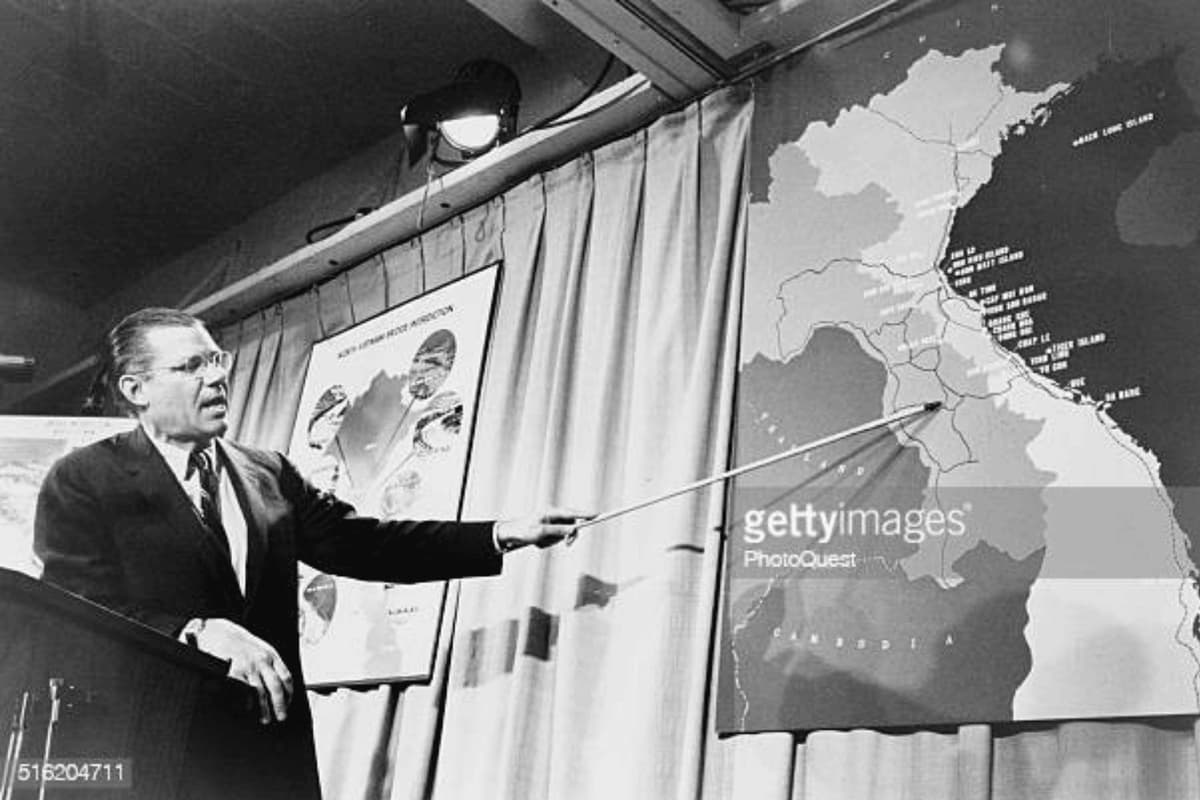
Robert McNamara - The U.S. Secretary of Defense. Photo credit: Getty Images
According to the original plan, the McNamara Line was designed to run along the southern bank of the Ben Hai River, about 5 to 7 km from the DMZ (the 17th parallel). This defense line was supposed to stretch from the coast of Gio Linh across key military bases like Con Tien, Doc Mieu, and Hill 31, then follow Route 9 all the way to the Laos border and beyond.
However, reality was very different. By the end of 1968, only a small section had been completed, stretching just a few kilometers from the coast to the Hill 31 area. This was much shorter than the hundreds of kilometers originally planned.
The choice of these locations was not an accident. The U.S. built this massive defense system with a clear goal: to cut off the Ho Chi Minh Trail. They wanted to stop supplies from the North, weaken the Vietnamese military, and gain control over the region.
How was the McNamara Line built?
The Ground Defense Layers
On the ground, the McNamara Line was made of several defensive layers working closely together. It was a solid system featuring a barbed-wire wall about 3 meters high. This wall consisted of 12 overlapping layers of wire, making it incredibly difficult to break through. Any vibration or movement against the fence could easily trigger the mines placed nearby.
In front of the fence, there was a "mine belt" hundreds of meters wide, filled with many different types of landmines. The entire line was protected by heavy fire from artillery and tanks.
High in the sky, unmanned reconnaissance planes (drones) monitored the line. These planes would pick up signals and immediately call for artillery strikes or bombs to hit the target's exact location. This force operated day and night, creating a "shield" that controlled everything on the ground and from the air.
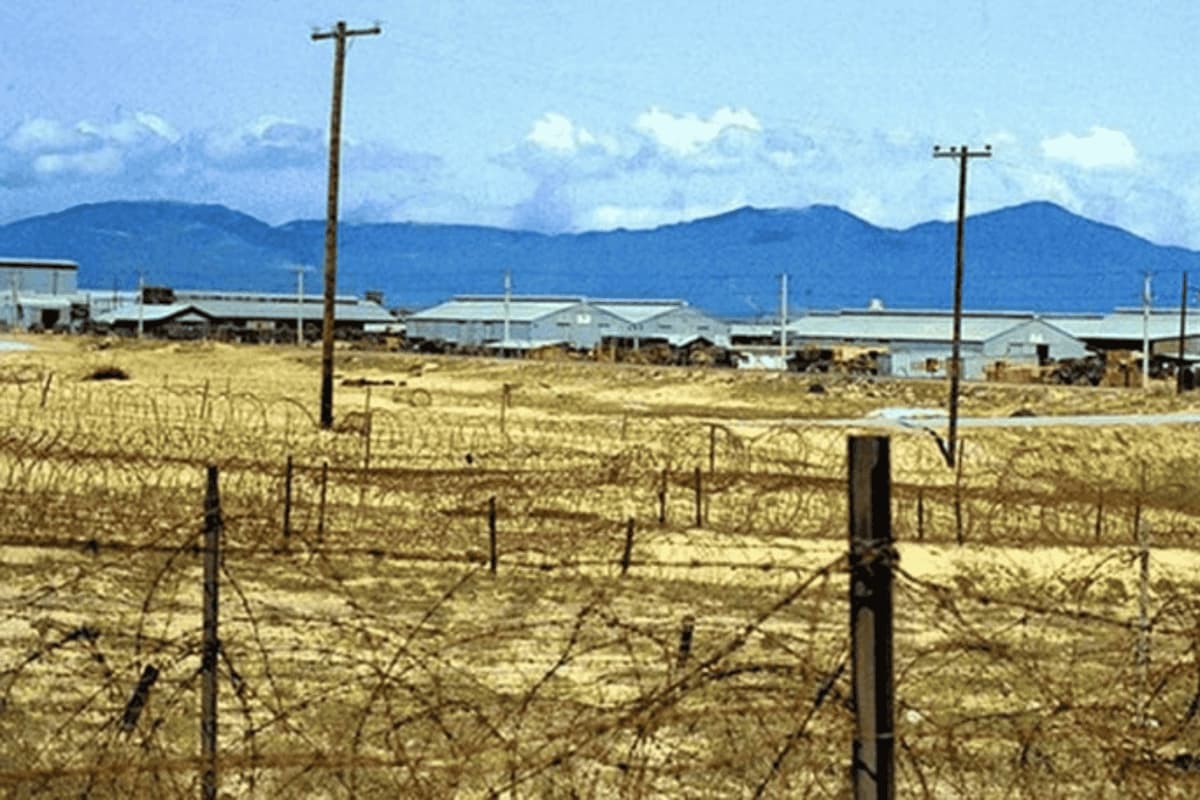
Many layers of barbed wire in the McNamara Line. Photo credit: ZNews
The Sensor System
Thanks to its sophisticated sensors, the McNamara Line was considered one of the most advanced military projects of its time. These devices were placed close together along the defense line and hidden deep in the rugged mountains to track every sign of movement.
The electronic fence system included:
- ADSID Seismic Sensors: This was the most common type of sensor, often nicknamed the "Tropical Tree." ADSID sensors were dropped from airplanes into the forest. They were camouflaged to look like tree branches or rotten logs, making them very hard to see with the naked eye. Once they hit the ground and stuck into the earth, these devices could detect tiny vibrations caused by footsteps, truck convoys, or any movement in the forest.
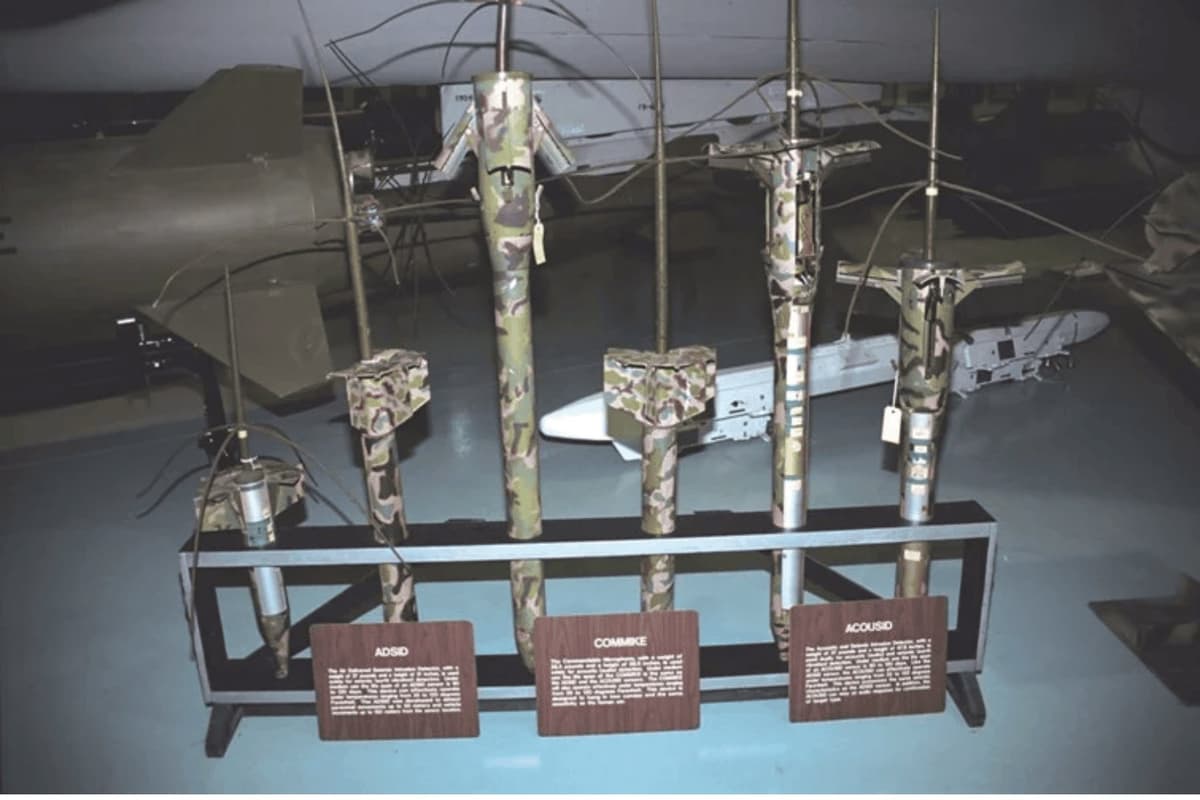
The "Tropical Tree" sensors used during the war. Photo credit: Military.
- Acoustic Sensors: These devices recorded sounds like engine noises, footsteps, or general human activity. In thick jungles where it was hard to see, collecting audio was a vital way for the U.S. military to pinpoint areas where Vietnamese soldiers were active.
- Human Sensors (Sniffers): The "Sniffer" was a special type of sensor designed to detect chemical signs of human presence. It could recognize specific smells related to sweat or breath, signaling that people were nearby.
All information collected by these sensors was sent to the Task Force Alpha processing center in Thailand. This center used IBM computers - the most advanced technology available at the time to analyze the data. Based on these alerts, the center would coordinate fighter jets to bomb the specific areas where movement was detected.
In this network, the Doc Mieu base played a crucial role. It served as a key observation point, helping to monitor and control activities across the entire defense line.
The Failure of the McNamara Line
Even with the most advanced technology of the time, the McNamara Line eventually showed the weakness of relying entirely on machines. Vietnamese soldiers quickly figured out how the sensors worked and created "fake signals" to trick the system.
To confuse the "Tropical Tree" sensors, soldiers hung metal cans along the fence or released small animals nearby to create constant vibrations. This made the sensors report human movement when there was none. For the "Sniffers" (human sensors), they placed cans of urine in empty areas. The system would mistake these for a group of soldiers and call in unnecessary airstrikes on empty ground. These clever tricks caused constant false alarms, gradually making the high-tech fence useless.
Moreover, maintaining the McNamara line was also incredibly expensive. Every month, the system required at least 20 million "Gravel" mines, 25 million small bombs, and 1,600 acoustic sensors. It also needed a fleet of 68 patrol planes and 50 mine-dropping aircraft to keep it running. The total cost was estimated at $800 million per year. Despite this massive spending, the project failed to meet its goals. The story of the McNamara line proves that modern technology and expensive machines cannot always defeat human intelligence, flexibility, and the ability to adapt.
By October 1968, the project was effectively abandoned. This happened after Robert McNamara resigned and the People's Army of Vietnam launched the Tet Offensive and the attack on the Khe Sanh base.
Today, the McNamara Line no longer exists as a complete structure. Most of the system was dismantled, destroyed by bombs, or reclaimed by nature after the war ended. The electronic equipment including sensors, wires, and control centers all stopped working by late 1968.
The only remains left today are a few bunkers and some old trenches scattered around the Doc Mieu area. In some places, these traces have been buried or covered over by local fields and farming.
Doc Mieu Relic: The "Magic Eye" of the McNamara Line
Doc Mieu is a basalt red-soil hill covering about 262 hectares in Gio Linh, Quang Tri Province. At 50 meters above sea level, it is the highest point in eastern Gio Linh. From this height, the hill offers a wide, clear view of the surrounding plains, mountains, and the main roads leading from the coast to the inland areas.
Because it was also located very close to the DMZ (the 17th parallel), Doc Mieu had a huge geographical advantage. This is why the U.S. chose it to be the center for observation and fire control. The base was packed with electronic surveillance equipment, heavy artillery, and a large number of troops. It was famously known as the "Magic Eye" of the McNamara line, playing a vital role in controlling the entire high-tech defense system.
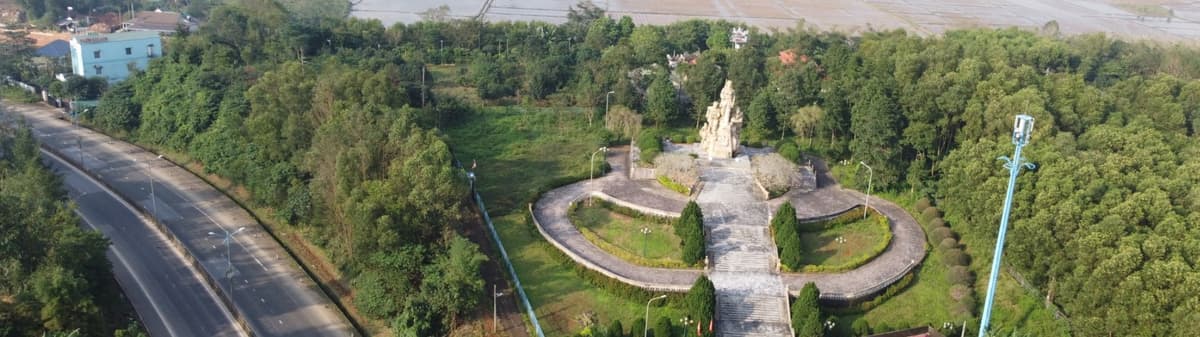
Today, the Doc Mieu Relic is a famous historical site in Quang Tri. At the top of the hill stands the Victory Monument. This monument honors the "liaison soldiers", the brave people who had the dangerous job of guiding officers between the North and South during the war. Many soldiers died heroically at Doc Mieu and along the McNamara line to protect military secrets.
Near the entrance, there is a traditional house that displays rare historical photos and documents. While the Victory Monument stands at the north end of the hill, the south end still holds the remains of an American M41 tank that was destroyed in battle.
At the foot of the monument, lush green rubber plantations stretch across the hills, offering a sense of peace and fresh air. This vibrant green is not just a feature of the Gio Linh landscape. It is a living symbol of the strength and rebirth of a land that once suffered through the storms of war.
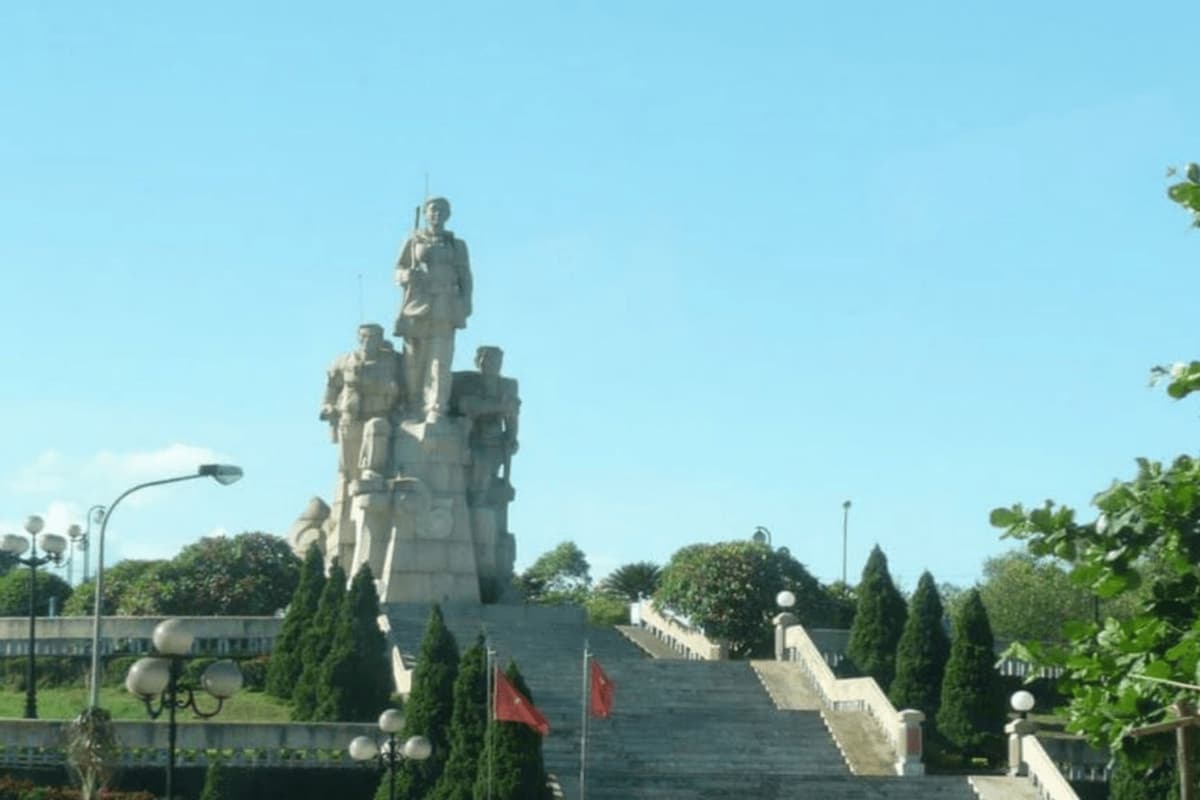
The Victory Monument at Doc Mieu Relic, Gio Linh, Quang Tri Province.
Visiting Doc Mieu Relic: A Traveler’s Guide
Opening Hours and Fees Doc Mieu Relic is currently open to the public every day of the week, and there is no entrance fee. Since there are not many signboards or detailed maps on-site, most visitors come here to pay their respects, learn about history, or use it as a quick stop while exploring other war relics in Quang Tri.
Since this area was once a fierce battlefield, there is still a risk of unexploded landmines in the surrounding land. For your safety, you should always stay on the marked paths and avoid wandering off or climbing into unauthorized areas. Visiting with a group or a local tour guide is the best way to stay safe and understand the full historical value of the site.
If you do not have much experience traveling in this area, you can join a Quang Tri DMZ Tour. These tours usually take you to many famous places such as the Hien Luong Bridge and Ben Hai River, the Vinh Moc Tunnels, the Quang Tri Ancient Citadel, and Ta Con Airfield. For more information, you can check with tour providers like Vina DMZ Travel, Hue Daily Tour, Quang Binh Travel, or Elephant Travel.
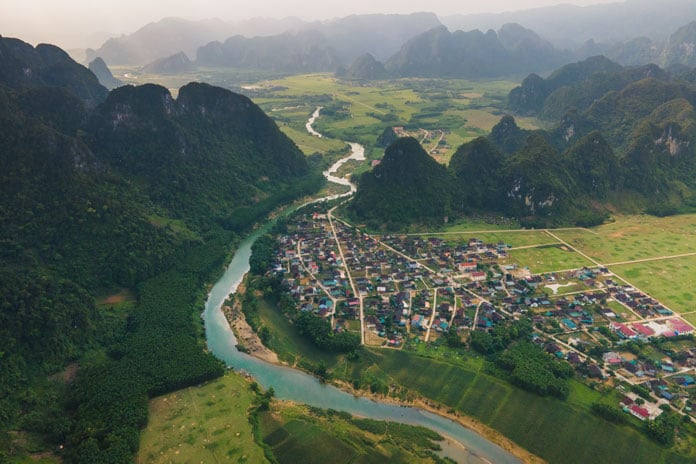
If you have more time, you can extend your journey to the north of Quang Tri Province to visit the Commander Cave Museum. Alternatively, you can head further to Phong Nha - Ke Bang National Park. This area offers many exciting activities and places to explore, such as Mooc Spring and Ozo Park, which are perfect for relaxing and enjoying outdoor adventures.

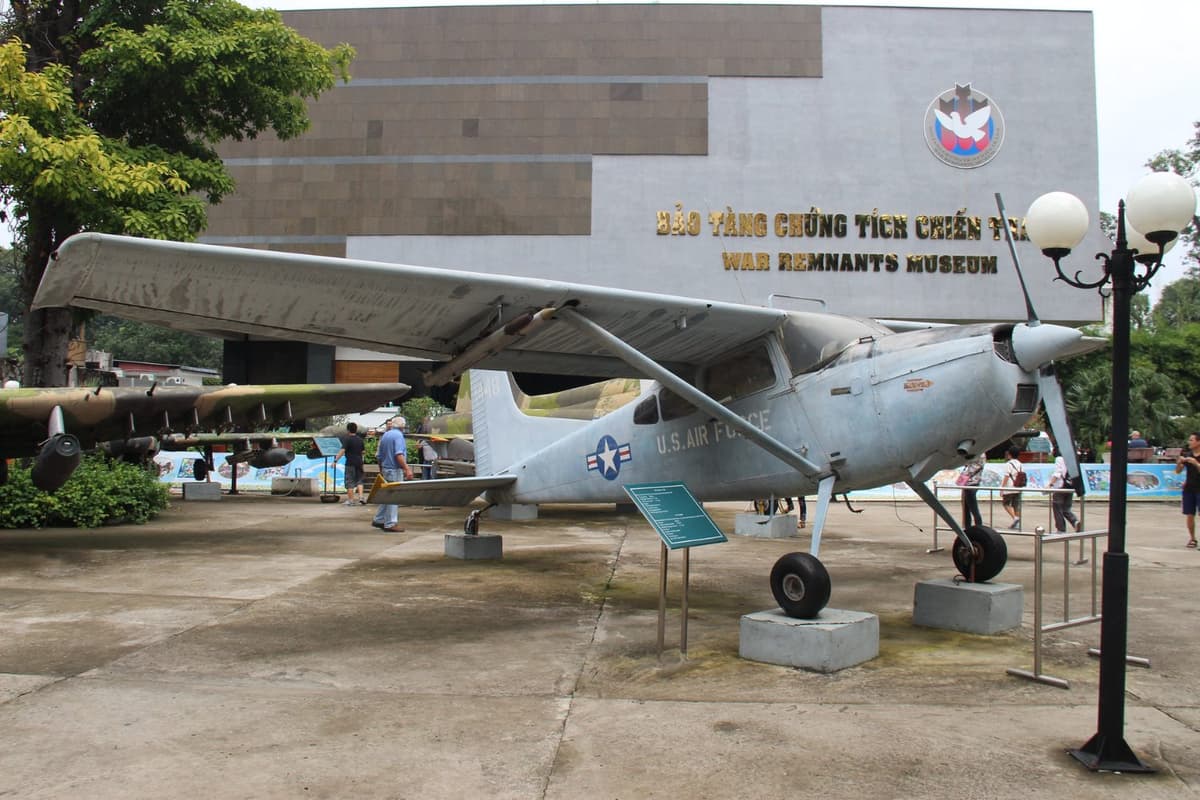
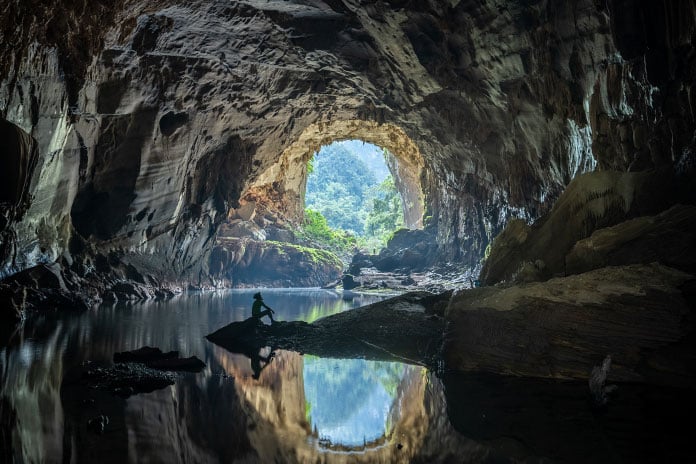
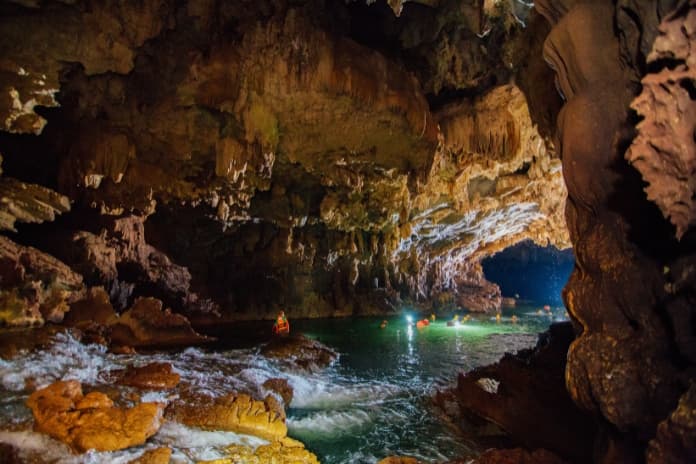
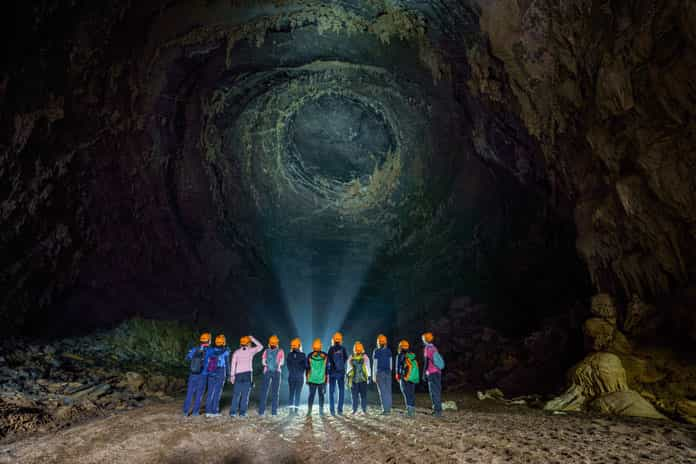
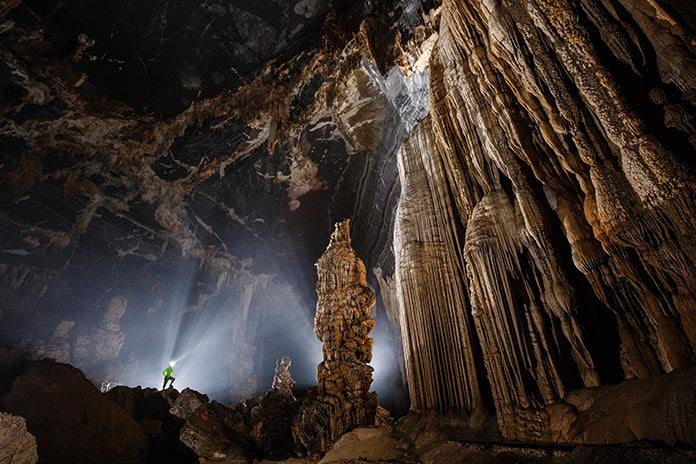
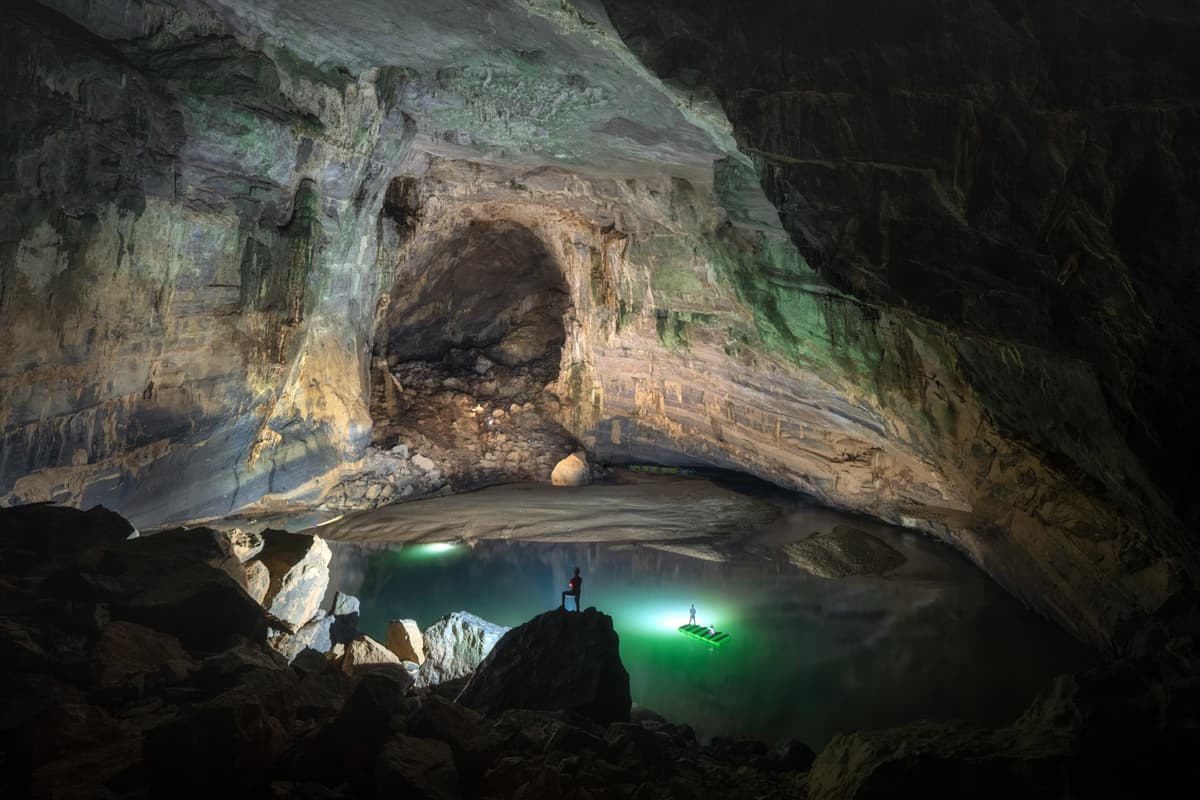
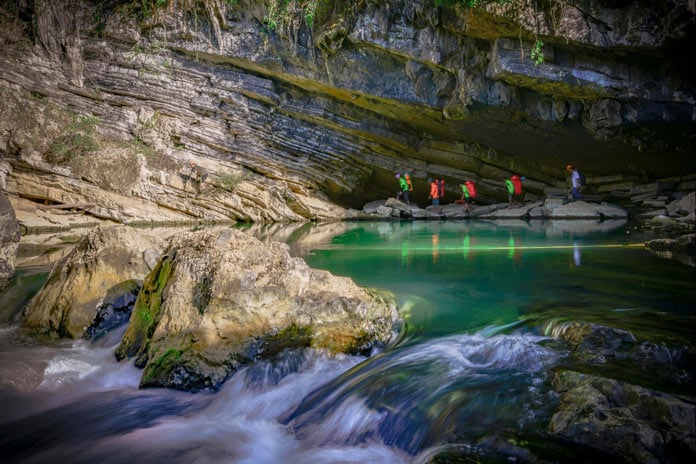
Whether you prefer long treks, camping in a cave, sleeping under the stars in the jungle, swimming underground in river caves, explore the huge dry caves or just taking an exploratory day trip, Oxalis Adventure Tours can provide the right amount of adventure just for you.
__637051782550081035.jpg)
__637051780703588520.jpg)
__637051765075307793.jpg)
__637051774329206026.jpg)
__637740499994967442.jpg)