War Remnants Museum: Top Powerful Site in Ho Chi Minh City
The War Remnants Museum is one of the most powerful places to visit in Ho Chi Minh City, Vietnam. Rather than celebrating military victories, it tells the human stories behind war through photographs, personal artifacts, and eyewitness accounts that leave a lasting emotional impact.
Established in 1975, the War Remnants Museum is an institutional member of ICOM (International Council of Museums) and INMP (International Network of Museums for Peace). Welcoming more than 25 million visitors over its 50-year history, the museum was also ranked Asia's No. 1 museum and one of the Top 10 attractions in Asia by Tripadvisor in 2024.
This guide covers everything you need to know before visiting the War Remnants Museum, from tickets and opening hours to the must-see exhibits and practical travel tips.
War Remnants Museum Location and How to Get There
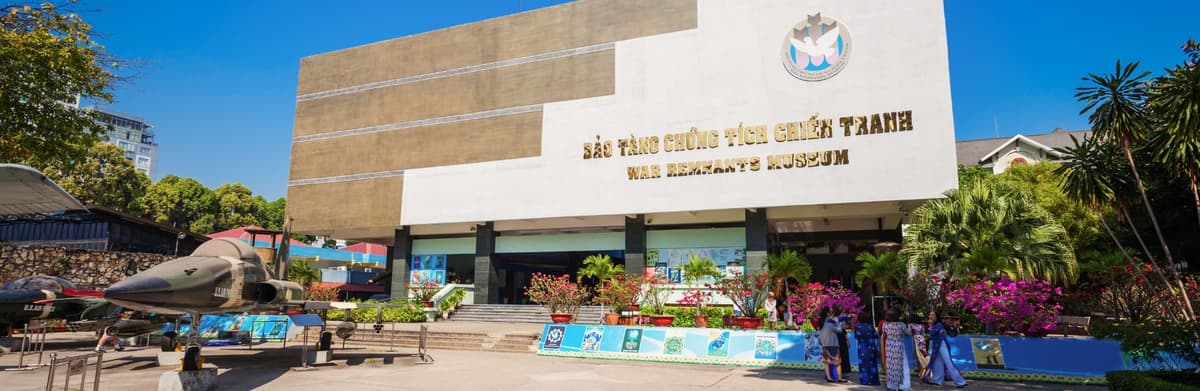
The War Remnants Museum is located at 28 Vo Van Tan Street, Vo Thi Sau Ward, Ho Chi Minh City (Saigon). Thanks to its central location, it's easy to combine with other major attractions such as the Independence Palace, Ben Thanh Market, and the Notre Dame Cathedral in a single day.
There are several convenient ways to reach the museum:
- Walking: If you're staying in District 1, walking is often the easiest option. The museum is about 550 meters (5 - 7 minutes) from the Independence Palace and around 15 minutes on foot from Ben Thanh Market.
- Grab or Xanh SM: Ride-hailing apps are the most convenient way to get there, especially during the hottest part of the day. They provide upfront pricing, GPS tracking, and eliminate the need to negotiate fares.
- Public bus: Budget travelers can take several city bus routes that stop near the museum, including Route 06 (from Cho Lon), Route 14 (from Mien Dong Bus Station), and Route 28 (from Ben Thanh Market).
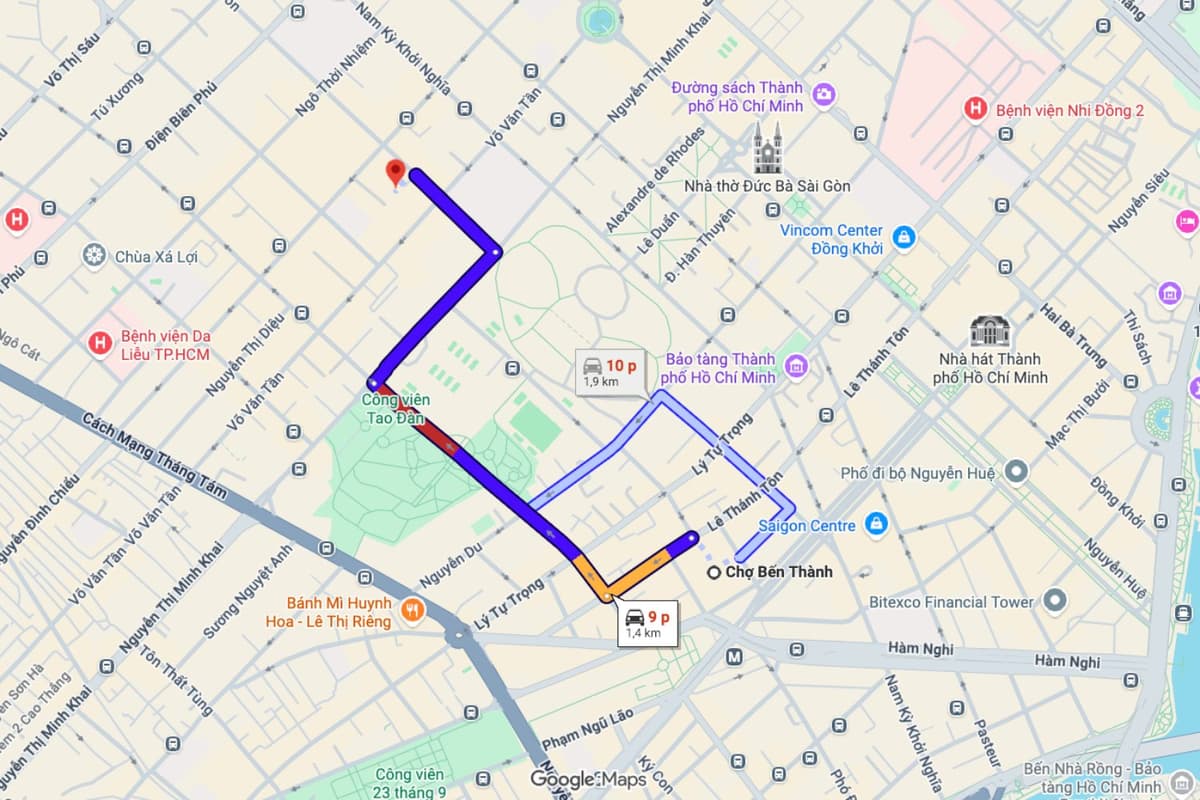
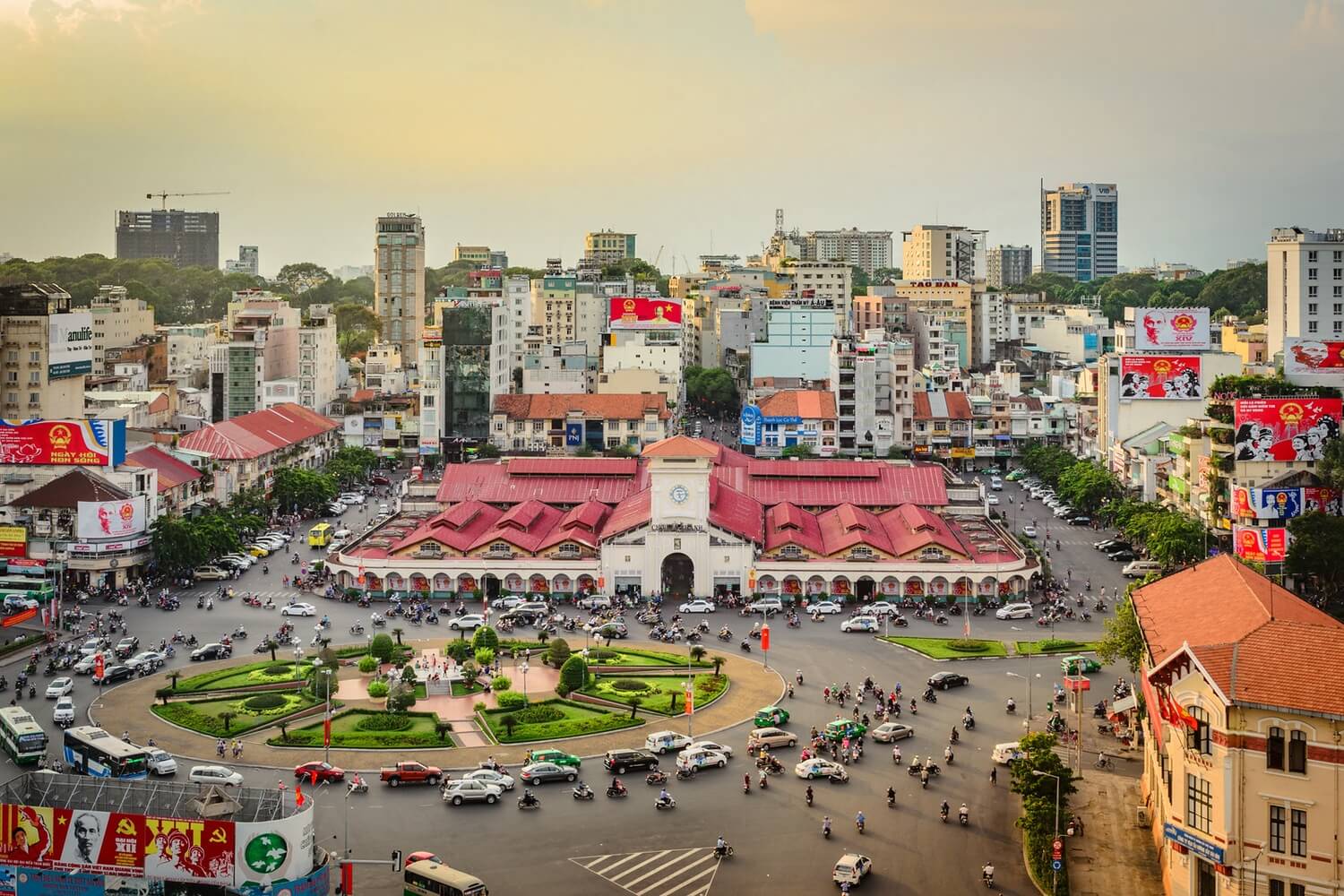
The War Remnants Museum is a 15-minute walk from Ben Thanh Market.
Tip: when waiting outside the museum for your ride, keep your phone and valuables secure, especially if you're checking maps or booking a Grab. As with other busy tourist areas in Ho Chi Minh City, it's best to avoid taxis waiting directly outside the entrance, as some may charge inflated fares. Booking through Grab or Xanh SM is generally the safest and most transparent option.
War Remnants Museum Ticket Price and Opening Hours
The War Remnants Museum is open daily from 7:30 AM to 5:30 PM, including weekends and Vietnamese public holidays. Keep in mind that the ticket counter closes at 5:00 PM, so plan to arrive well before then if you're buying tickets on-site.
The War Remnants Museum ticket price is 40,000 VND (around US$1.50) for adults, while children under 6 enter free. Considering the size of the museum and the depth of its exhibitions, it's excellent value for money.
To save time, consider buying your War Remnants Museum tickets online through the museum's official website before your visit. You'll receive a QR code by email that can be scanned directly at the entrance, allowing you to skip the ticket queue, particularly useful on weekends, holidays, and during peak tourist season.
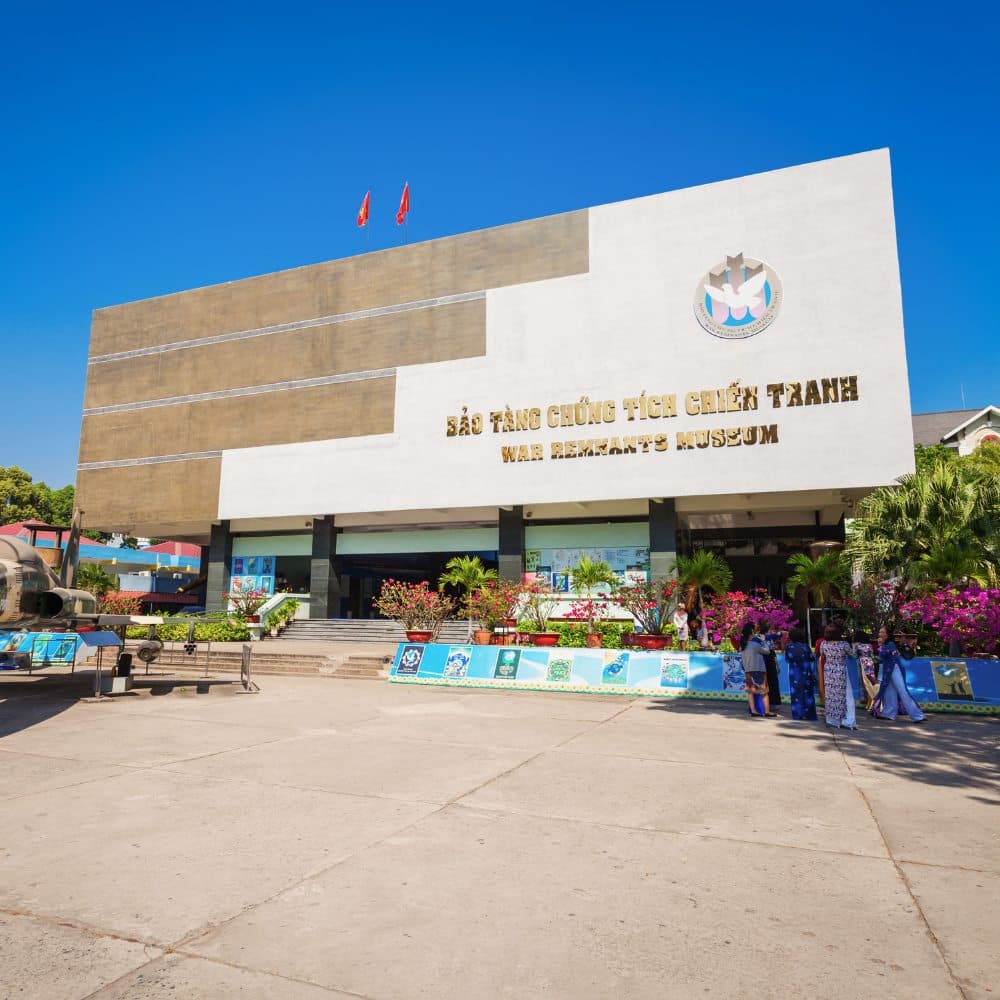
The War Remnants Museum explores Vietnam's wartime history and promotes peace.
The best time to visit the War Remnants Museum is right when it opens at 7:30 AM. Temperatures are cooler, the galleries are quieter, and you'll usually finish exploring before large school groups and tour buses begin arriving around 9:30 - 10:00 AM. Most visitors spend 1.5 to 2.5 hours exploring the museum.
For a deeper understanding of the exhibits, it's well worth renting the audio guide for 20,000 VND (less than US$1). The guide is available in six languages: English, French, Chinese, Japanese, Korean, and Russian, providing historical context that isn't always included on the display panels.
What to See Inside War Remnants Museum: A Tour of the Exhibits
The War Remnants Museum is designed to tell the story of the Resistance War against the US of Vietnamese people in a logical sequence, making it easy to follow even if it's your first visit. Before you begin, you'll be welcomed by an AI-powered reception robot that can communicate in both Vietnamese and English, helping visitors with directions and basic museum information.
The recommended route is to explore the museum from the top floor down: Second Floor → First Floor → Ground Floor → Outdoor Exhibition Area. The permanent galleries are numbered in this order, so starting on the second floor allows you to follow the museum's narrative from beginning to end.
Second Floor: Historical Truths and Requiem
If you're wondering what to see inside the War Remnants Museum, start on the second floor. These galleries provide the historical context behind the Resistance War against the US of Vietnamese people before leading you into the personal stories of those who documented it. Rather than focusing on weapons or military strategy, the exhibitions explore history through photographs, documents, and individual experiences.
Highlights on the second floor include:
- Historical truths: This exhibition introduces the origins and major events of the Resistance War against the US of Vietnamese people through historical documents, photographs, and archival materials. One of the highlights is a copy of Vietnam's 1945 Declaration of Independence, read by President Ho Chi Minh. You'll also find striking before-and-after photographs comparing bombed cities such as Hanoi, Hai Phong, and Thai Binh with how they look today, offering a powerful reminder of the country's recovery.
- Requiem: One of the museum's most moving exhibitions, featuring 275 photographs taken by 134 war photographers from 11 countries who lost their lives while covering the conflict. Many of these images were the photographers' final rolls of film, capturing ordinary moments, intense battles, and the human side of war just before their deaths.
- Personal belongings of war correspondents: Alongside the photographs are personal items that make these stories feel even more real. One of the most notable is the Olivetti Lettera 32 typewriter used by Argentine journalist Ignacio Ezcurra, reminding visitors that every photograph was taken by someone risking their life to document history.
- VR experience - The Paris Peace Accords: The museum also incorporates modern technology through a virtual reality (VR) experience dedicated to former Vice President Nguyen Thi Binh. Visitors can step into the atmosphere of the 1973 Paris Peace Accords, gaining a more immersive understanding of one of the war's defining diplomatic moments.
- Wartime memorabilia: Don't miss several small but deeply meaningful artifacts, including the U.S. Navy cap worn by anti-war activist and nurse Susan Schnall, and a hand-embroidered scarf created by intelligence officer Nguyen Van Thuong while imprisoned on Phu Quoc Island. Though modest in size, these personal keepsakes often leave a lasting emotional impression.
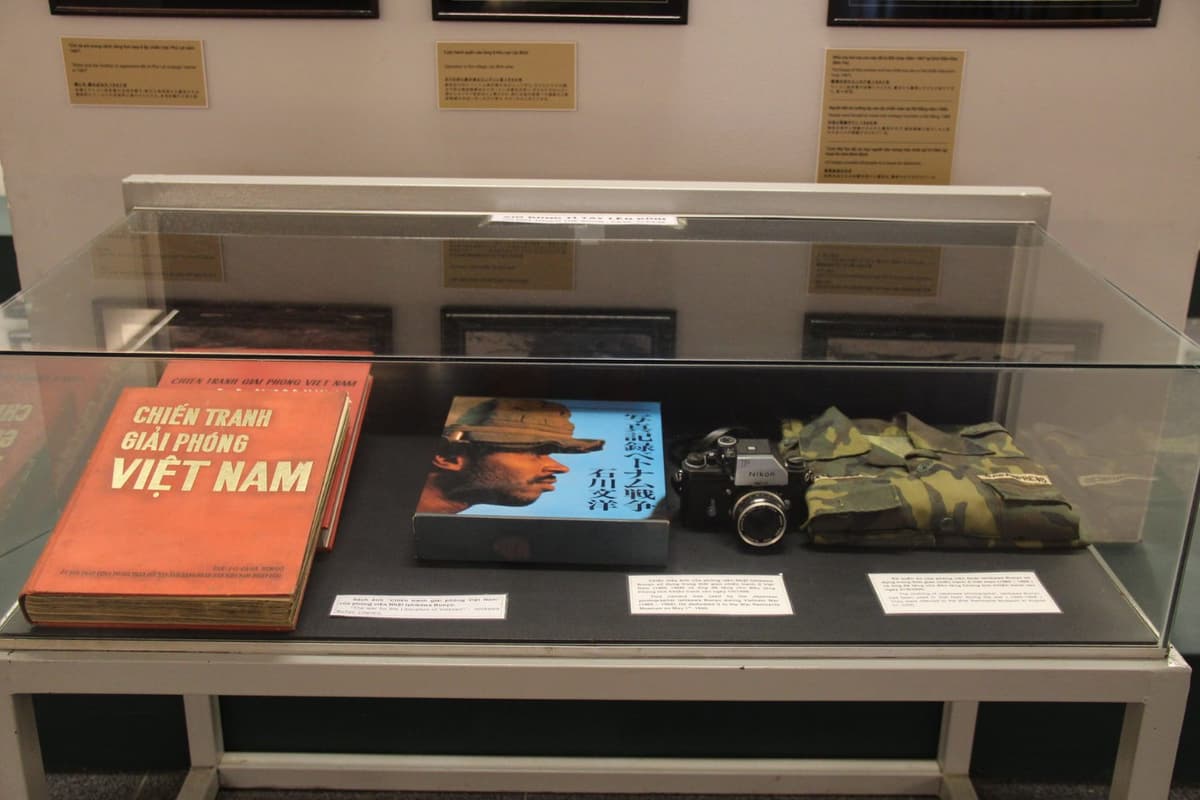
The museum honors war correspondents who risked their lives to document history.
First Floor: The Human Cost of War
If the second floor explains how the war unfolded, the first floor shows its lasting human impact. This is widely considered the most emotional part of the War Remnants Museum, where the focus shifts from historical events to the lives forever changed by conflict. Some exhibitions contain graphic photographs and may be difficult for younger visitors. >What to see on the first floor:
- War crimes exhibition: This gallery brings together 125 photographs, 22 historical documents, and 243 artifacts documenting the realities of war. Among the most recognizable images is The Terror of War (better known as "The Napalm Girl") by Pulitzer Prize-winning photographer Nick Ut. You'll also find photographs of villages destroyed during military operations and exhibits documenting events such as the My Lai Massacre, offering visitors a deeper understanding of the human suffering behind the conflict.
- Agent Orange and its legacy: One of the museum's most powerful exhibitions explores the long-term effects of Agent Orange. Between 1961 and 1971, an estimated 20 million gallons (more than 75 million liters) of herbicides were sprayed across Vietnam, exposing around 4.8 million people to dioxin. The gallery combines historical information with personal stories, photographs, and preserved medical specimens that illustrate the devastating impact across multiple generations. Despite the heartbreaking displays, the exhibition also highlights the resilience of survivors and the dedication of families and caregivers.
- A Multi-sensory experience: Throughout several galleries, ambient sound effects recreate the atmosphere of the battlefield, including distant explosions and gunfire. Combined with the photographs and artifacts, these audio elements create an immersive experience that encourages visitors not only to learn about history but also to reflect on its human consequences.
This floor is often the most difficult to experience emotionally, but it's also the one many visitors remember long after leaving the museum. It reinforces why the War Remnants Museum is regarded as one of the most thought-provoking museums in Ho Chi Minh City.
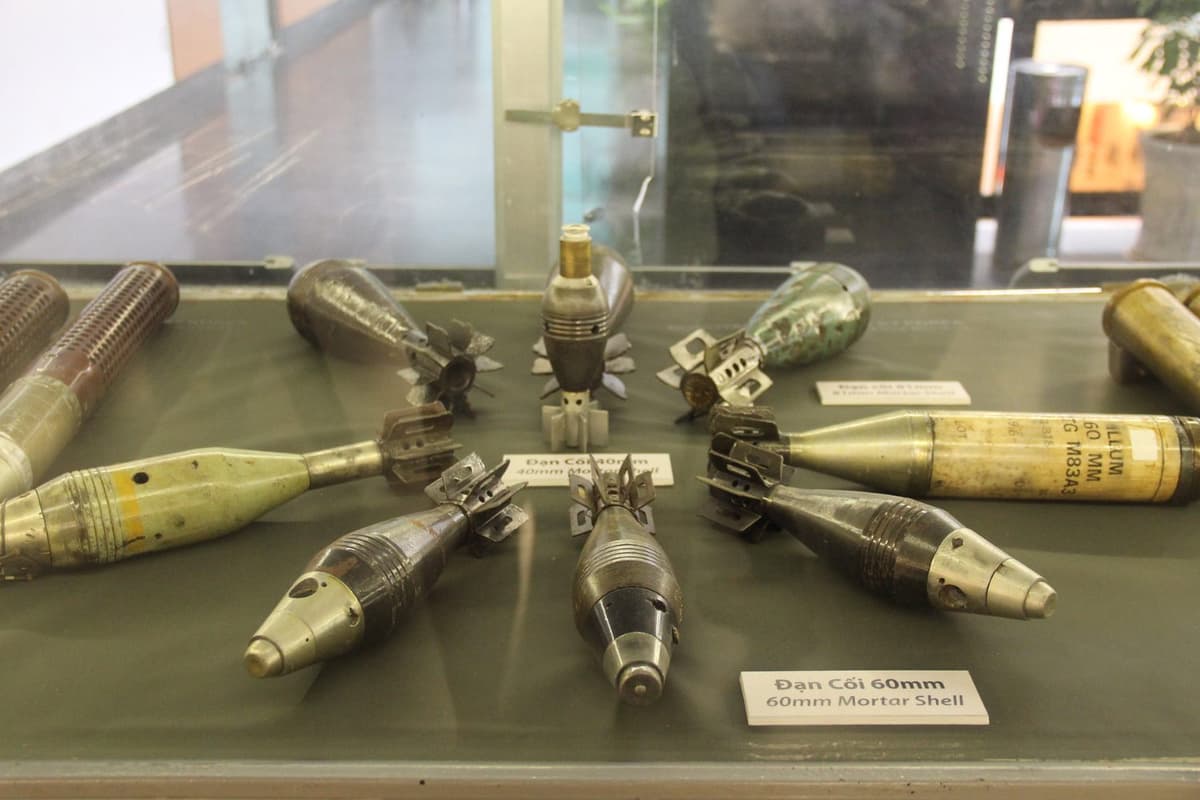
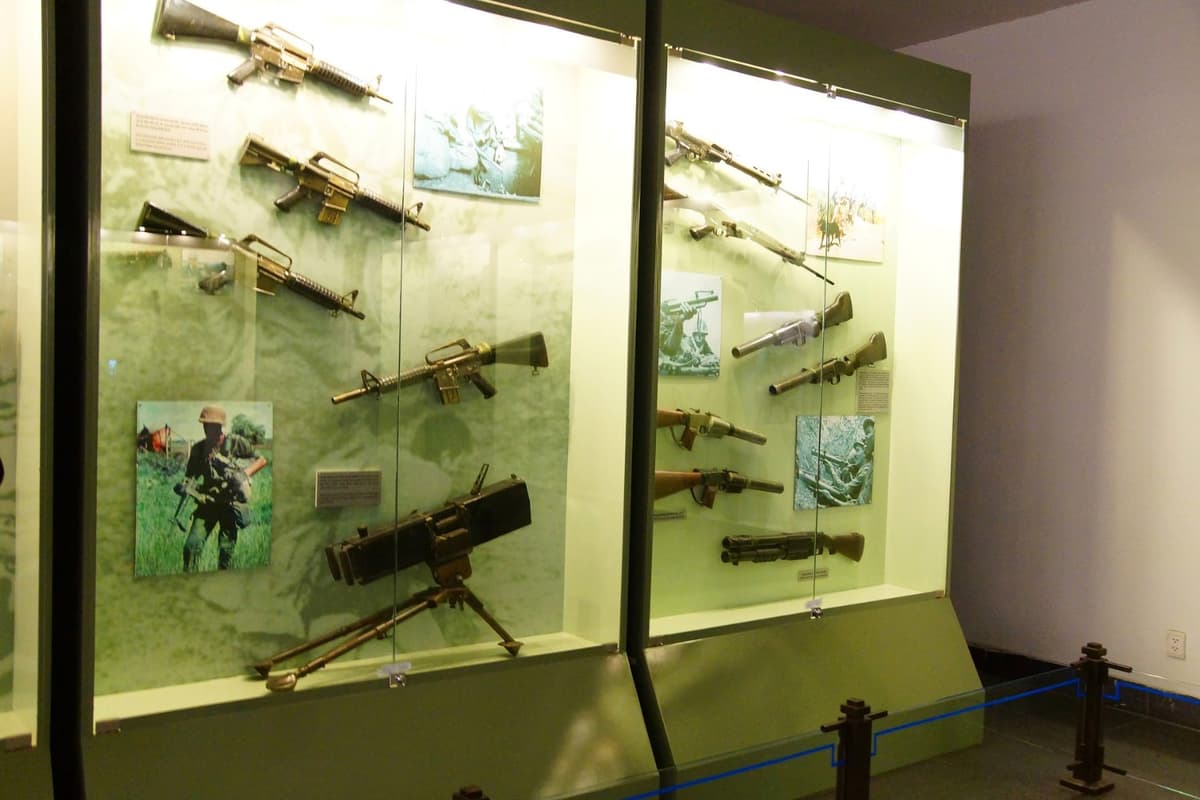
Tips: Prepare yourself emotionally. Several galleries contain graphic images of war, including massacres, torture, and the long-term effects of Agent Orange. It's not unusual for visitors to feel overwhelmed or even become emotional, so consider bringing a small pack of tissues.
Ground Floor: Global Support and the Voice of Peace
After the emotionally intense first floor, the ground floor shifts the focus toward hope, international solidarity, and the global movement for peace. Rather than documenting the battlefield itself, these galleries explore how people around the world responded to the Vietnam War and how the museum continues to promote dialogue through interactive exhibitions.
What to see on the ground floor:
- The World Supports Vietnam (1954 - 1975): This permanent exhibition features more than 100 photographs alongside 145 historical documents and artifacts highlighting the worldwide anti-war movement. You'll see powerful images of demonstrations in cities such as New York and Paris, along with banners, posters, newspapers, and campaign materials showing how millions of people around the world called for an end to the war.
- Rotating special exhibitions: The ground floor regularly hosts temporary exhibitions covering different aspects of Vietnam's history, culture, and post-war recovery. These exhibitions change throughout the year, making repeat visits worthwhile.
- Interactive experiences: Many special exhibitions incorporate modern technology to create a more engaging visitor experience. Depending on the exhibition, you may be able to touch historical objects and replicas, smell traditional ingredients, scan QR codes for additional content, or take part in hands-on activities designed for visitors of all ages.
- Visitor facilities: Before leaving the building, you'll find a souvenir shop selling books, postcards, and peace-themed gifts, as well as modern self-service ticket machines that help speed up entry during busy periods.

The wall of peace symbols offers a reflective space for reconciliation.
Compared with the upper floors, the atmosphere here feels noticeably lighter. It offers visitors a chance to reflect on what they've seen while ending the indoor visit with a message of reconciliation and peace.
Outdoor Courtyard: War Machines and the Brutal Prison System
Before or after exploring the indoor galleries, take time to walk around the museum's outdoor courtyard. This area is home to one of the largest collections of military equipment on public display in Vietnam, followed by one of the museum's most haunting reconstructions of wartime imprisonment.
What to see in the outdoor exhibition:
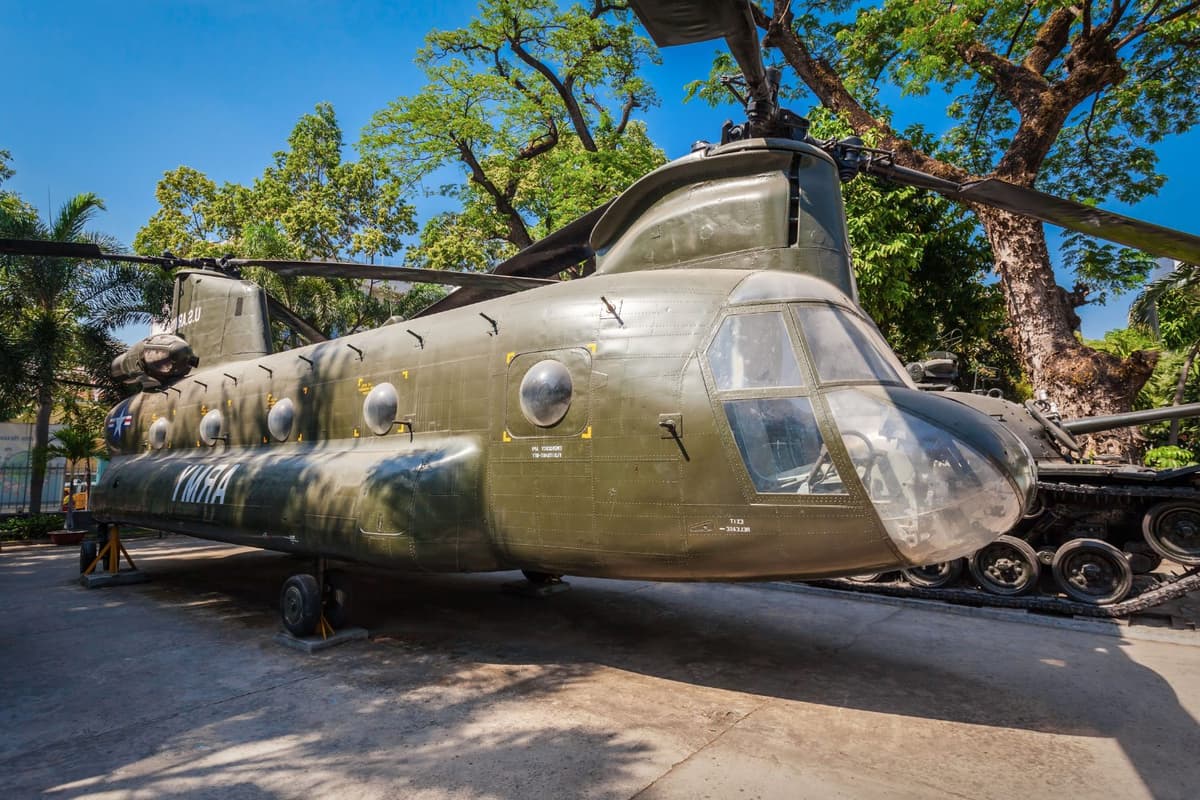
- Military aircraft and helicopters: Stand beneath some of the most recognizable aircraft used during the Vietnam War, including the Bell UH-1 Huey, CH-47 Chinook, Northrop F-5A, A-1 Skyraider, A-37 Dragonfly, and U-17 reconnaissance aircraft.
- Tanks and heavy artillery: The collection also includes the 47-ton M48 Patton, M41 Walker Bulldog, the massive D7E bulldozer used to clear forests and villages, and the long-range M107 175 mm self-propelled gun, once nicknamed the "King of the Battlefield."
- Bomb and ordnance display: One section of the courtyard exhibits deactivated bombs and munitions, including 3,000 lb, 2,000 lb, and fragmentation bombs, as well as the enormous BLU-82 "Daisy Cutter", one of the largest conventional bombs ever deployed during the war.
- The Peace Bell: Nearby stands the Peace Bell, cast from the casing of a 500-pound bomb. Originally installed at Buu Lam Pagoda to commemorate those who lost their lives, it now symbolizes remembrance and the hope for lasting peace. Visitors are welcome to ring the bell.
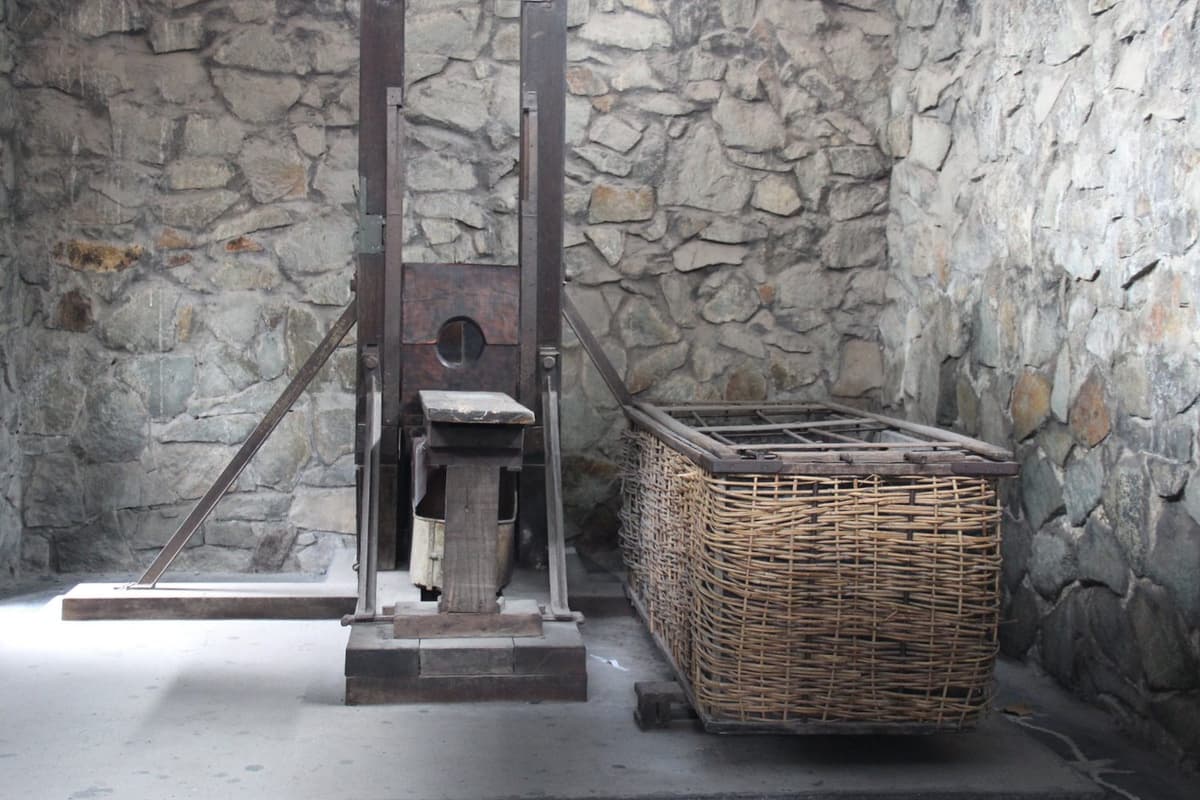
- Tiger Cages and the guillotine: Tucked toward the rear of the courtyard is a reconstruction of the infamous Con Dao Tiger Cages, where political prisoners were held in cramped cells under brutal conditions. The museum enhances the experience with ambient sound effects, including metal doors, chains, and prison noises. Nearby stands an original French guillotine, one of the most sobering artifacts in the entire museum.
After exploring the outdoor exhibits under Ho Chi Minh City's tropical heat, you'll find a small café shaded by bamboo, offering cold drinks, fresh coconuts, and a quiet place to sit and reflect. Drinking water machines and clean restrooms are also available throughout the museum.
Preparing for Your Visit to the War Remnants Museum
One of the most important tips to visit the War Remnants Museum is to arrive with the right expectations. Unlike most museums in Ho Chi Minh City, this isn't a light sightseeing stop. The exhibitions confront visitors with the realities of war through powerful photographs, historical artifacts, and deeply personal stories. Many travelers describe it as one of the most moving, and emotionally challenging, experiences of their trip to Vietnam. Before your visit, keep these practical tips in mind:
- Think carefully before bringing young children. Some exhibitions contain disturbing photographs that may not be suitable for children under 12. If you're traveling as a family, many visitors recommend exploring the indoor galleries first before deciding whether your children should enter. The outdoor displays of aircraft, tanks, and military vehicles are generally more appropriate for younger visitors.
- Dress for the weather. Wear lightweight, breathable clothing and comfortable walking shoes. While some areas are air-conditioned, others rely mainly on fans, so the museum can become warm, especially during the middle of the day. A small handheld fan can make a noticeable difference.
- Carry tissues or wet wipes. Restrooms are available on every floor and are generally clean, but supplies such as toilet paper may run out during busy periods.
- Be respectful when taking photos. Photography is allowed in most areas, but avoid using flash to protect historical photographs and documents. Please note that photography and filming are not permitted in the Agent Orange exhibition out of respect for the victims and their families.
- Do not touch memorial offerings. You may notice flowers, incense, or other tributes left by visitors and relatives of victims. These are acts of remembrance and should not be moved or disturbed.
- Store large bags before entering. If you're carrying a suitcase or a large backpack, leave it at the luggage storage area near the entrance or ticket counter. It makes moving through the galleries much easier and helps protect the exhibits from accidental damage.
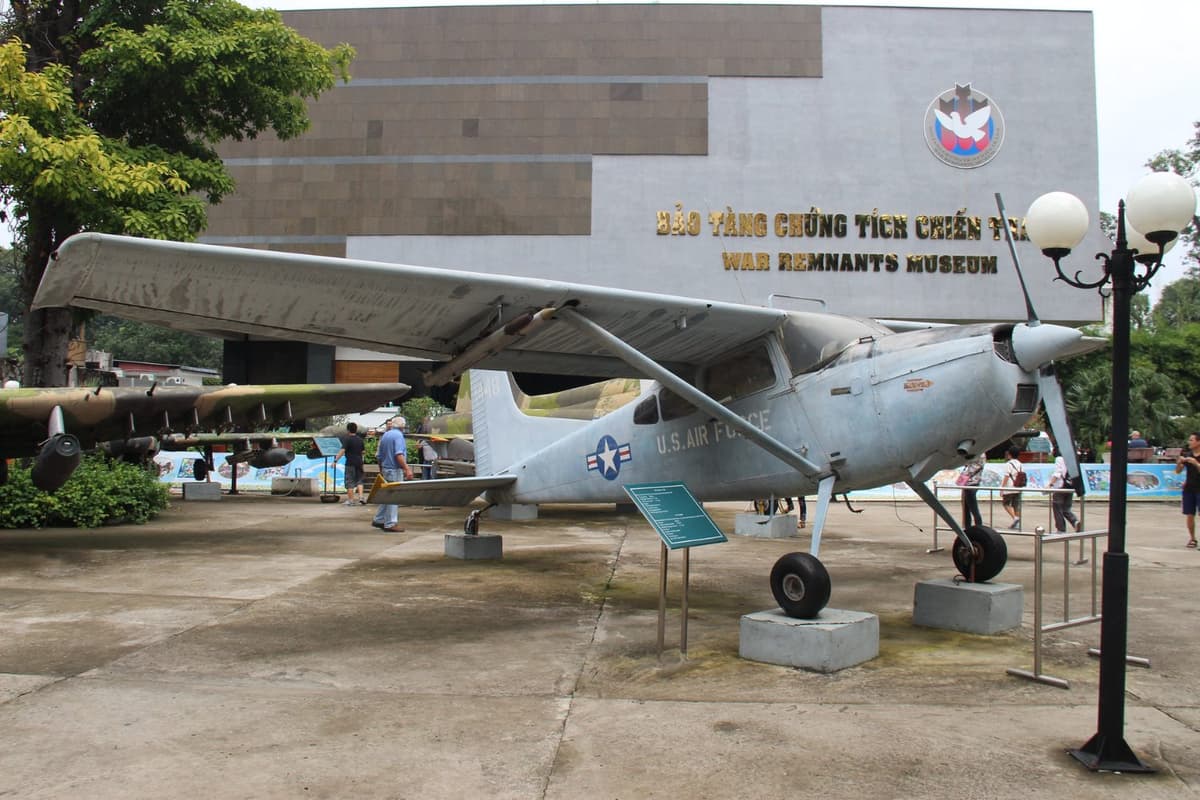
The Cessna U-17A reconnaissance aircraft is on display in the outdoor courtyard.
Top Attractions Near the War Remnants Museum
After visiting the War Remnants Museum, it's easy to continue exploring some of Ho Chi Minh City's most important landmarks on foot or with a short Grab ride.
- Independence Palace: Just 550 - 600 meters (5 - 10 minutes' walk) away, this historic landmark marks the end of the Vietnam War on April 30, 1975. Explore the preserved presidential offices, underground command bunker, and period interiors.
- Saigon Central Post Office & Notre Dame Cathedral: Located in the heart of District 1, this iconic pair showcases some of the city's finest French colonial architecture. Visit the post office for souvenirs and postcards before stopping by the famous cathedral across the street.
- Tao Dan Park: About a 10-minute walk from the museum, this peaceful 10-hectare park is shaded by more than 1,000 trees, making it an ideal place to relax and decompress after the museum's emotionally powerful exhibitions.
- Southern Women's Museum: Around 700 meters away, this underrated museum highlights the history, culture, and contributions of Vietnamese women through thousands of photographs, artifacts, and historical collections.
- Cu Chi Tunnels: Located about 1.5 hours from central Ho Chi Minh City, this famous underground tunnel network offers deeper insight into wartime life and is one of the most popular day trips after visiting the War Remnants Museum.
- Cat Tien National Park: Around 3 - 3.5 hours from Ho Chi Minh City, this UNESCO-recognized biosphere reserve is perfect if you want to trade the city's history for wildlife, ancient forests, and one of the best nature experiences in southern Vietnam.

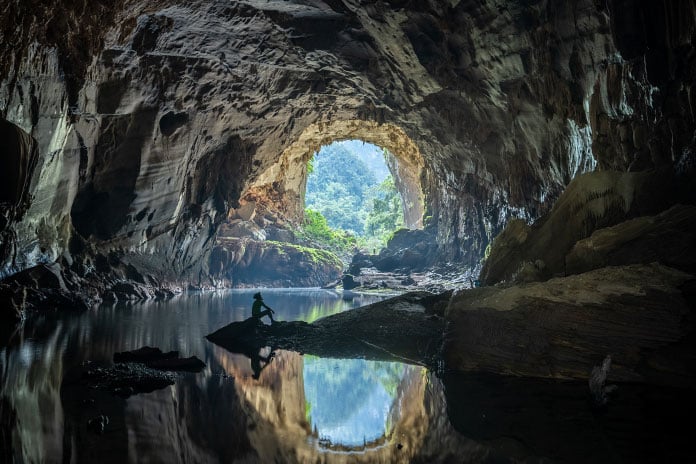
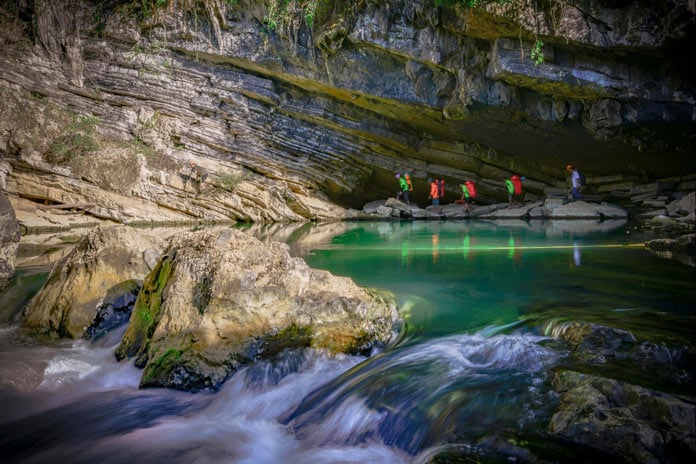
Whether you prefer long treks, camping in a cave, sleeping under the stars in the jungle, swimming underground in river caves, explore the huge dry caves or just taking an exploratory day trip, Oxalis Adventure Tours can provide the right amount of adventure just for you.
__637051782550081035.jpg)
__637051780703588520.jpg)
__637051765075307793.jpg)
__637051774329206026.jpg)
__637740499994967442.jpg)