Hien Luong Bridge: The political battlefield of 21 years
Hien Luong Bridge Quang Tri was first built in 1928. In 1952, the French constructed a concrete Hien Luong Bridge. However, it was destroyed by Vietnamese guerrillas to prevent the French from advancing into Northern Vietnam.
Shortly after, a new bridge was constructed. This is the historical structure that stands as a symbol of the 21-year Northern–Southern division. During the resistance to protect national independence, the Hien Luong Bridge became a political battlefield and an enduring symbol of patriotism. Here is where national pride triumphed over all attempts at division.
After being destroyed by the opposing air force in 1967, the bridge was rebuilt in 2001, restoring its historical form. Hien Luong Bridge has since become a lasting witness to this great period of resistance and peace.
History of Hien Luong Bridge – Ben Hai River
After nearly 100 years as a colony, the Battle of Dien Bien Phu ended the era of oppression and opened a new chapter in the nation’s history. At the 17th parallel, the Hien Luong Bridge spanning the Ben Hai River became a temporary military demarcation line, dividing Vietnam into Northern and Southern Vietnam.
The Vietnamese nation once again faced a monumental challenge of the era. The 21-year resistance to protect national sovereignty also meant that both sides of Hien Luong were divided for the same period. The bridge became an uncompromising political battlefield between the spirit of national unity and the forces of collaborators seeking to split the country.
One of the three most notable confrontations was the “bridge painting” battle. Initially, the Republic of Vietnam painted the southern half of the Hien Luong Bridge blue. They attempted to turn the bridge into a national boundary. In response, Vietnamese soldiers painted the northern half in a similar color to assert their determination to liberate the nation and reunify the country.
After five to six years of continuous repainting, the two sides eventually reached an unspoken agreement. The southern side would remain blue, while the northern side would be painted yellow.
The “flag battle” took place at the 17th parallel flagpoles on both banks of the river. The Republic of Vietnam raised its flag higher, and Vietnamese soldiers raised the national flag even higher. After several rounds of this struggle, the northern-side flagpole reached a height of 38.6 meters, forcing the Republic of Vietnam to concede defeat.
The “loudspeaker battle” was equally intense, as both sides continuously upgraded their broadcasting systems. The climax came with the Vietnamese soldiers’ 500W loudspeaker. It was capable of reaching 10 km, which completely overpowered those who sought to distort history and divide the nation.
By 1967, opposing air raids targeted Northern Vietnam, and the Hien Luong Bridge was destroyed. The 17th parallel flagpole and the loudspeaker system suffered severe damage. In 2001, the Hien Luong Bridge was restored based on its original wartime design, becoming an important historical site in Quang Tri Province.
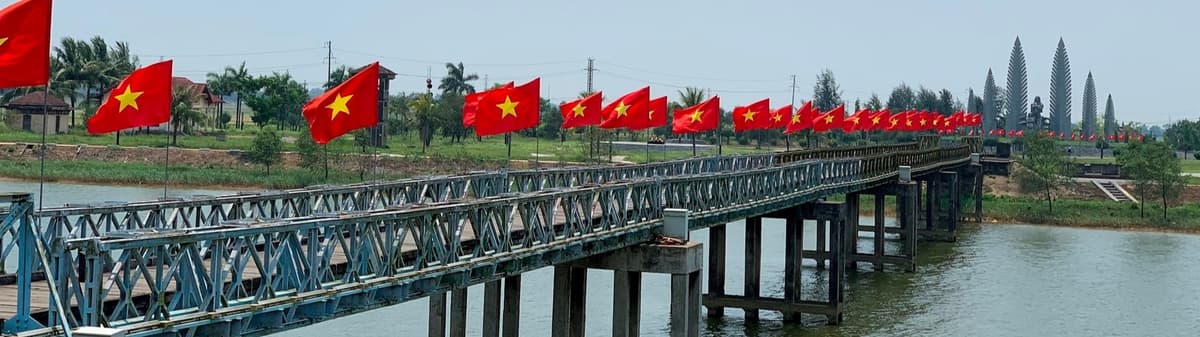
Hien Luong Bridge is a historical witness to the nation’s suffering during a challenging era
Travelling experience at Hien Luong Bridge historical site
Hien Luong – Ben Hai twin bank historical relic cluster has been fully restored based on its original design. The site also features several constructions. For example, the Hien Luong Bridge, the 17th Parallel Flagpole, the 17th Parallel Exhibition House, and the Aspiration for Reunification Monument, etc.
Visiting the Hien Luong Bridge site, travelers can explore and learn about vivid historical stories, gaining an authentic and profound perspective on the wartime resistance period.
Walking across Hien Luong Bridge
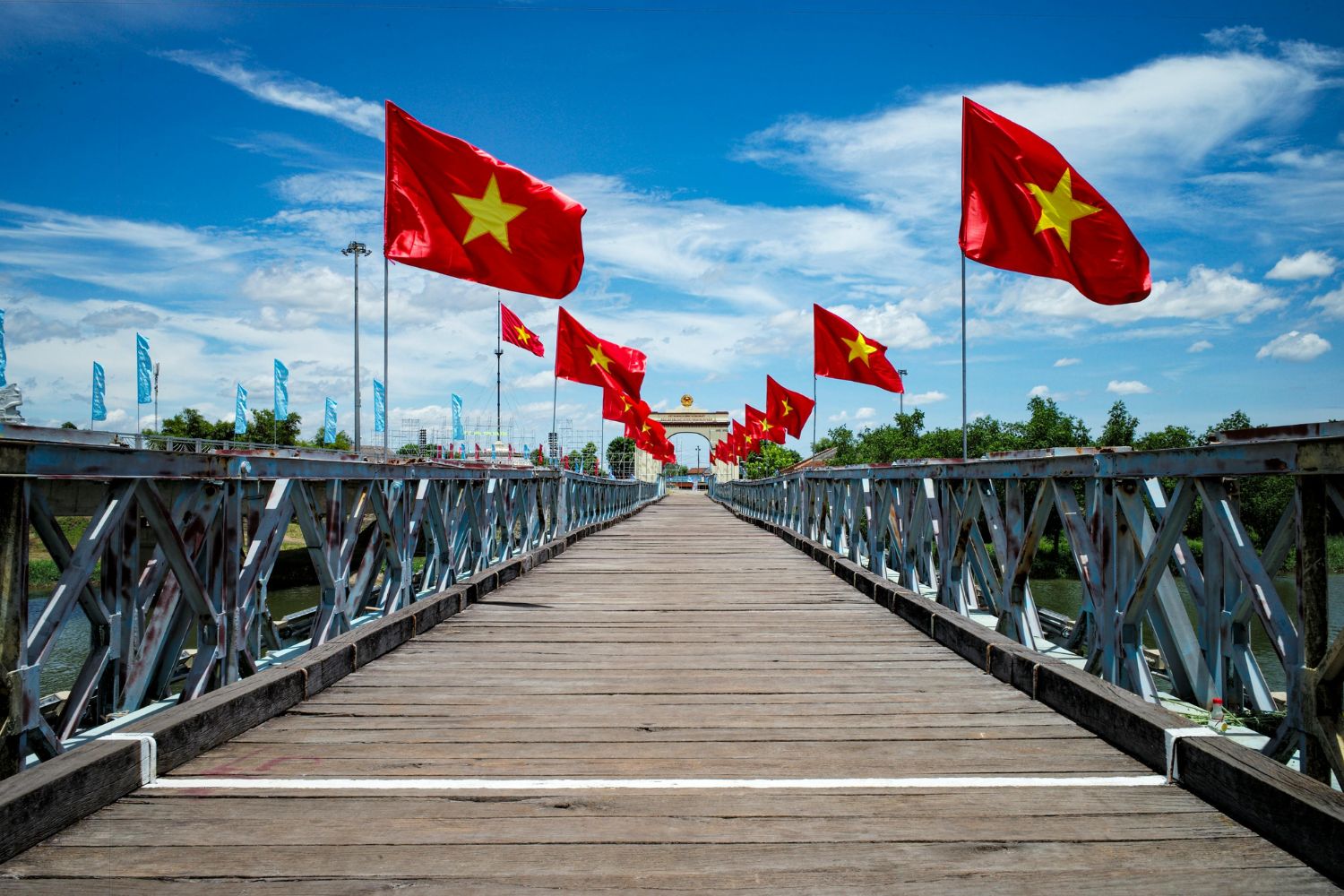
Travelers can walk across Hien Luong Bridge, taking in the historic Ben Hai River and the majestic bridge structure. Though the bridge is only about 182 meters long, the Vietnamese nation paid a heavy price in tears and suffering over the 21 years of resistance.
From the Hien Luong Bridge, travelers can admire the majestic bridge, view the commemorative constructions, and take photos against a deeply meaningful backdrop. Right beside the historic Hien Luong Bridge stands a sturdy concrete bridge. It creates a striking contrast between the tragic past and the present era of peace and national development.
Check in at the demarcation flagpole
The sight of the red flag with a golden star flying over the historic demarcation line stands as a lasting testament to the saying:
“The flag waves proudly atop the tower, yet the path to the tower was paved with countless blood and sacrifice.”
The demarcation flagpole is a sacred symbol of resilience and the aspiration for national reunification. At its base lies a map of a unified Vietnam, stretching seamlessly across the country. Surrounding the flagpole are murals depicting the nation’s collective resistance and the resounding victories that secured national independence.
Exploring the history at the 17th Parallel Exhibition House
Visitors to the 17th Parallel Exhibition House can gain a deeper understanding of the history and relentless battles fought for national reunification. The exhibition area is organized into four main themes:
- The Geneva Agreement and the temporary military demarcation line
- The unyielding spirit of the people of Vinh Linh and their fight to defend the frontier
- The struggle of the people south of the 17th parallel for the aspiration of national reunification
- The 17th parallel after the liberation of Quang Tri in 1972
The exhibition houses around 53 historical documents and artifacts, including traces of the “paint battle,” “loudspeaker battle,” and “flag battle.” Exhibits range from a bullet-riddled flag, a model of a Vietnamese mother tirelessly mending flags, to faded loudspeakers, and more.
In addition to the Hien Luong Bridge, there are many operators offering historical tours in Quang Tri. For example, Hien Luong Bridge, Quang Tri Ancient Citadel, Vinh Moc Tunnels, and more. Visitors can join one-day DMZ tours with operators like Sovaba Travel, Phong Nha Viet, Netin Travel, or opt for 2–3 day historical tour packages.
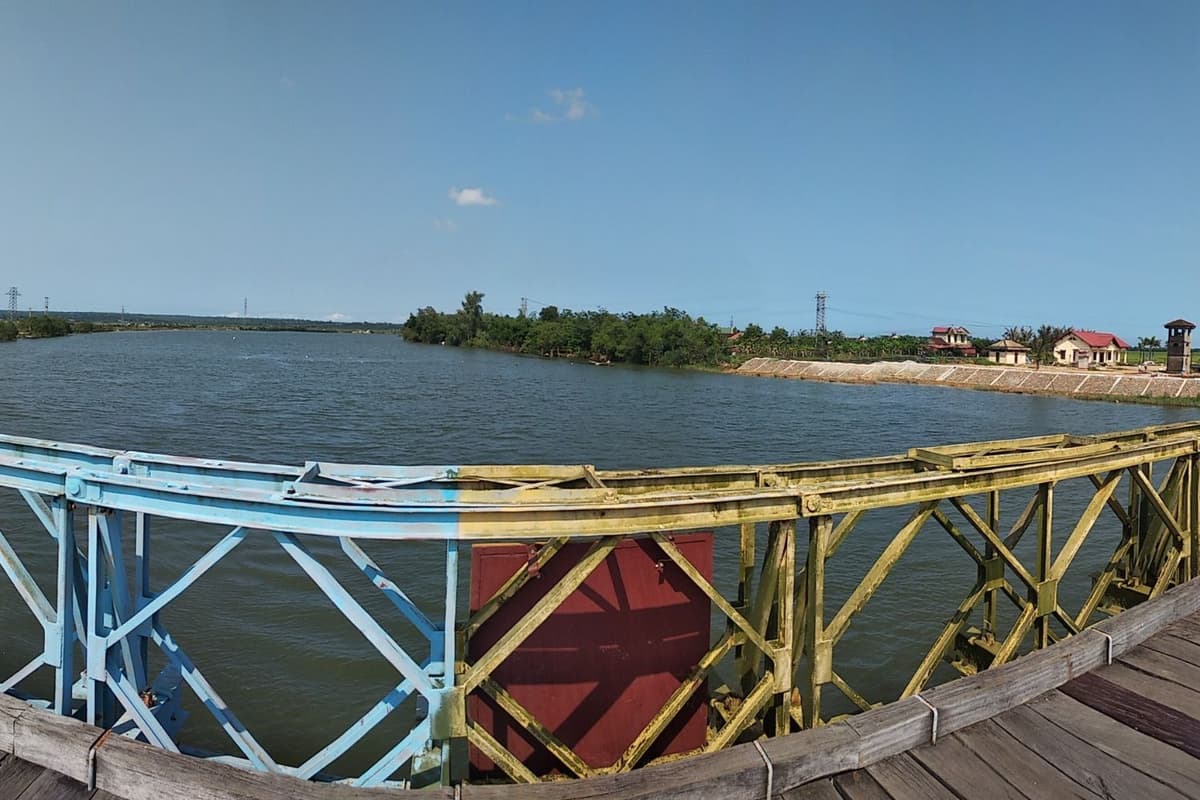
Hien Luong Bridge preserves the marks of the conflict and its uncompromising paint colors
Best time to visit and ticket information for Hien Luong Bridge
The best time to visit Hien Luong Bridge is during the summer in Quang Tri, from March to August. The weather is dry and sunny, ideal for sightseeing and outdoor activities. Visitors who wish to experience the lively atmosphere of commemorative events can plan their visit on major national holidays such as April 30, September 2, July 27, and others.
Hien Luong – Ben Hai twin bank historical relic cluster in Quang Tri is open daily from 7:00 AM to 5:00 PM, including weekends. The entrance fee for Hien Luong Bridge is 50,000 VND per adult. Visitors can explore the entire site, including Hien Luong Bridge, the 17th Parallel Exhibition House, the demarcation flagpole, and the Aspiration for Reunification Monument.
Tickets can be purchased directly at the site entrance or arranged by the tour operator if visiting as part of a guided tour.
Location of Hien Luong Bridge and travel guide
Hien Luong Bridge spans the Ben Hai River in Cua Tung Commune, Quang Tri Province (formerly Hien Thanh Commune, Vinh Linh District, Quang Tri). The historical site is located about 30 km north of Dong Ha city center, 75 km south of Dong Hoi city center, and 92 km from Hue.
From Dong Ha or Dong Hoi, travelers can reach Hien Luong Bridge by car, taxi, or motorbike via National Highway 1A. Visitors coming from nearby provinces and cities such as Hanoi, Ninh Binh, Hue, Da Nang, or Hoi An can travel by train, sleeper bus, or car to Dong Ha, and then continue onward to Hien Luong Bridge.
For travelers from cities like Ho Chi Minh City or Hanoi, flights are available to Dong Hoi Airport or Phu Bai Airport (Hue). From there, visitors can continue by road to reach the Hien Luong bridge historical site.
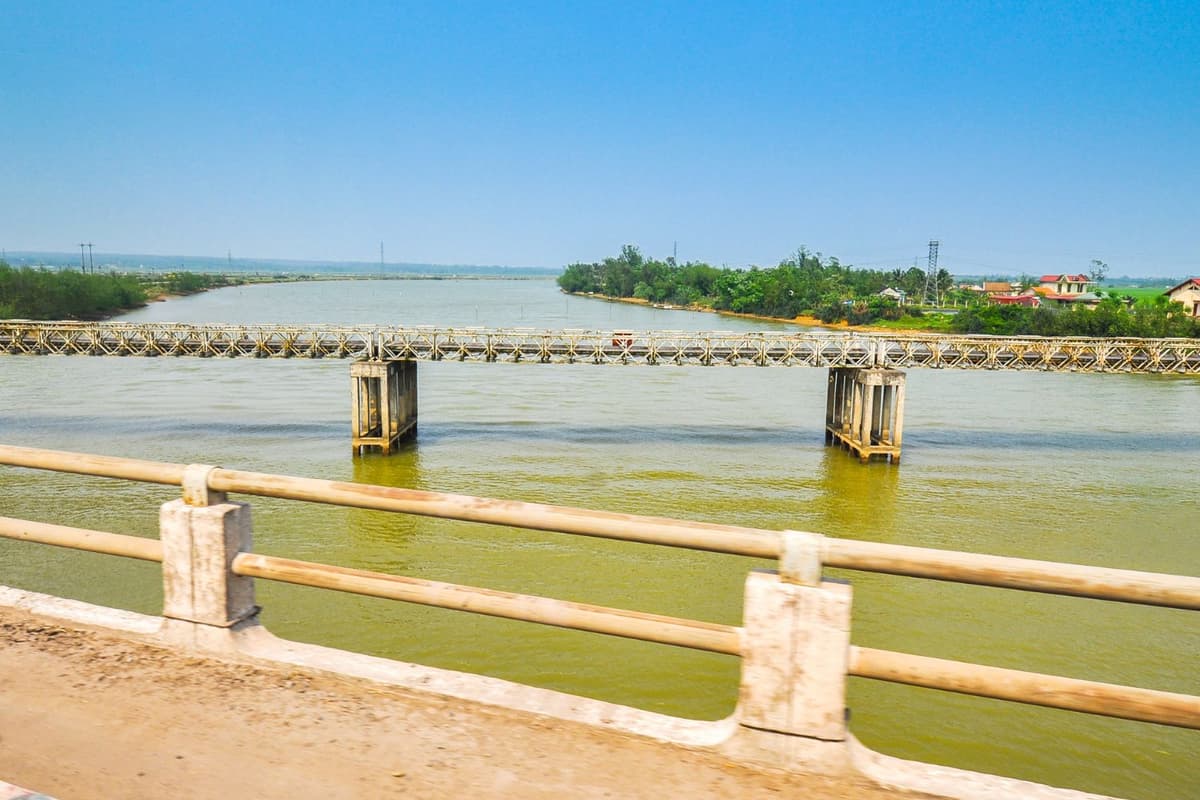
An overview of Hien Luong Bridge spanning the Ben Hai River
Historical sites near Hien Luong Bridge, Quang Tri
While Hien Luong Bridge stands as a witness to a divided nation, Quang Tri Ancient Citadel, Vinh Moc Tunnels, Khe Sanh, etc., mark the places where the Vietnamese people shed blood to reconnect Northern and Southern Vietnam.
Each site represents a battlefield, from prolonged guerrilla warfare to fierce, decisive battles. Travelers can combine visits to these historical locations in Quang Tri to gain a comprehensive understanding of the nation’s remarkable resistance struggle.
- The Vinh Moc Tunnels are located about 14km from the Hien Luong Bridge. As the largest tunnel complex in Vietnam, it served as a living and fighting space for the people and soldiers of Vinh Moc Village for nearly 10 years. Today, visitors can explore the site, walk through the extensive and well-fortified tunnel system, and discover the remarkable underground village of the Vinh Moc residents.
- Quang Tri Ancient Citadel, located 34 km from Hien Luong Bridge, was the site of the fierce 81-day-and-night battle to defend the Citadel in 1972. This brutal conflict played a significant role in the Paris Peace Talks that aimed to end the war in Vietnam. Visitors can stroll along the citadel walls, explore the exhibition house, and learn the stories of the resilient soldiers who fought there.
- Commander Cave Museum is located about 132 km from the Hien Luong Bridge. It served as the headquarters of Regiment 559, overseeing logistics along the entire Ho Chi Minh Trail. Visitors can experience a 9D VR simulation on a Zil-130 truck and explore the Seven-Storey Cave system. The site also shares moving stories from the days of blasting mountains to open roads at Fire Coordinate Victory 20 Road.

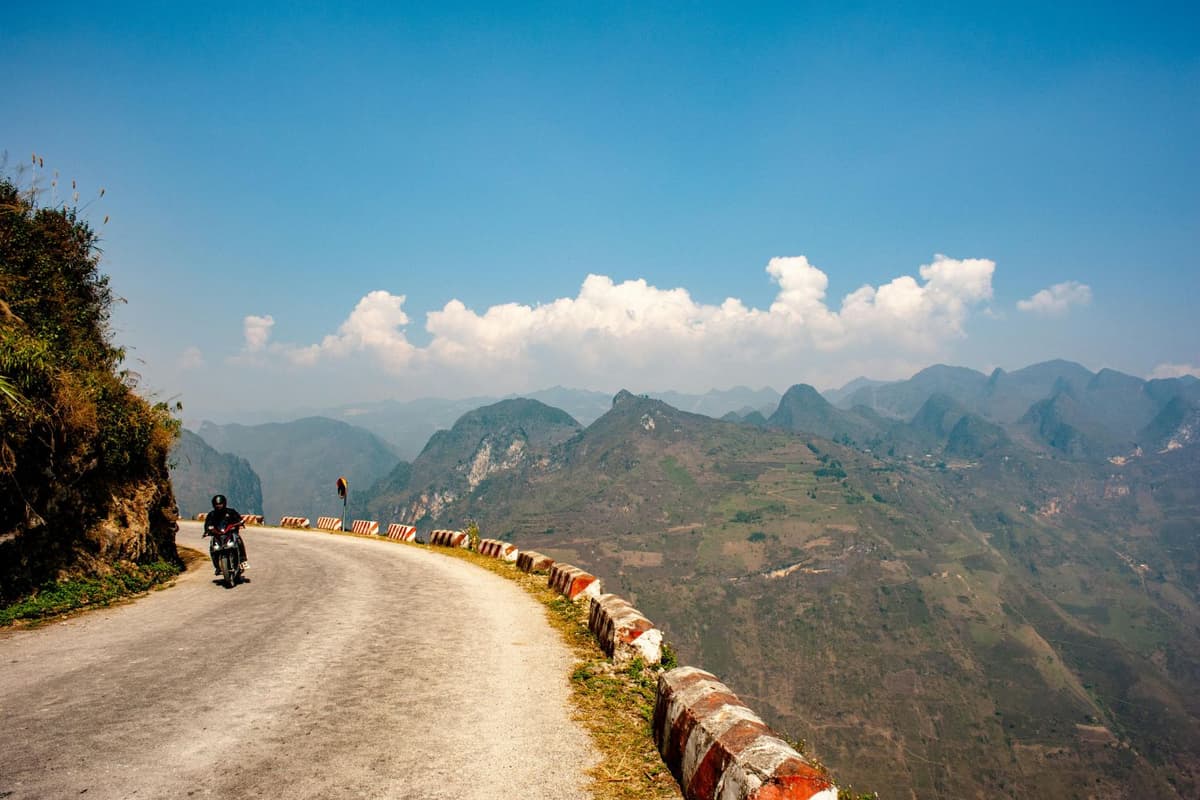
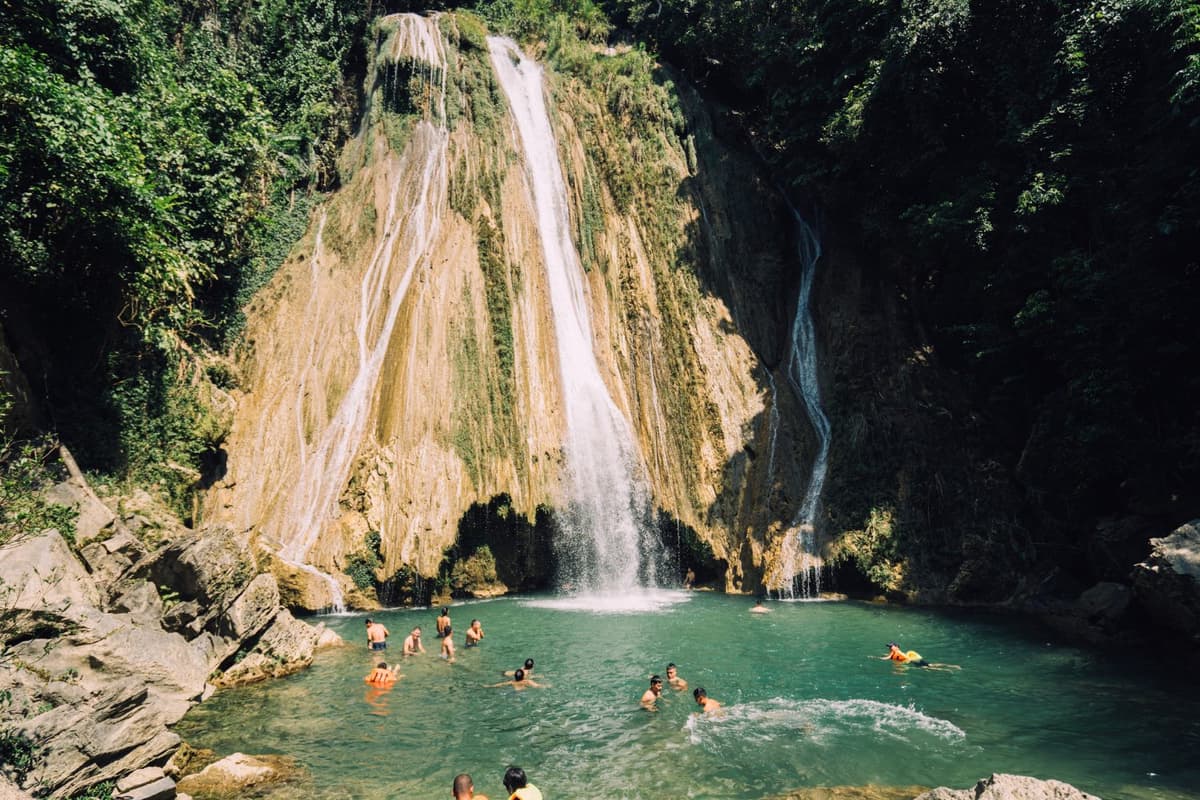

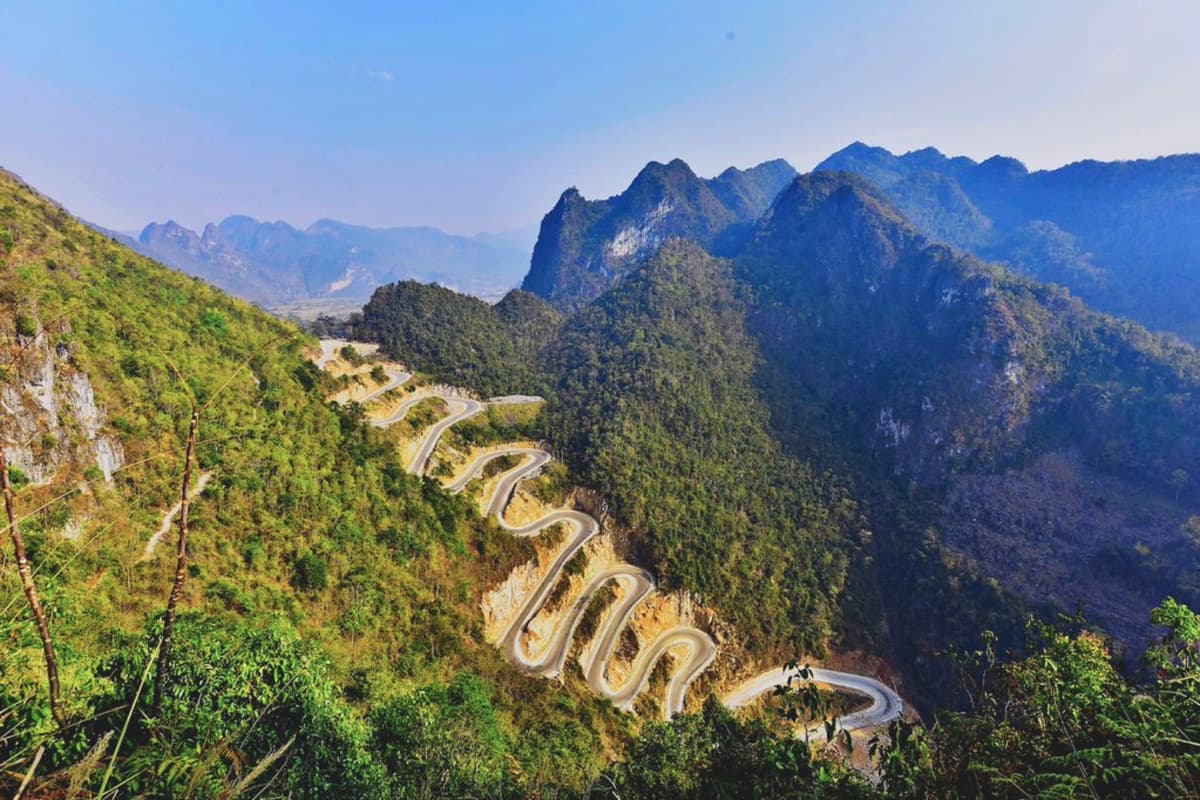
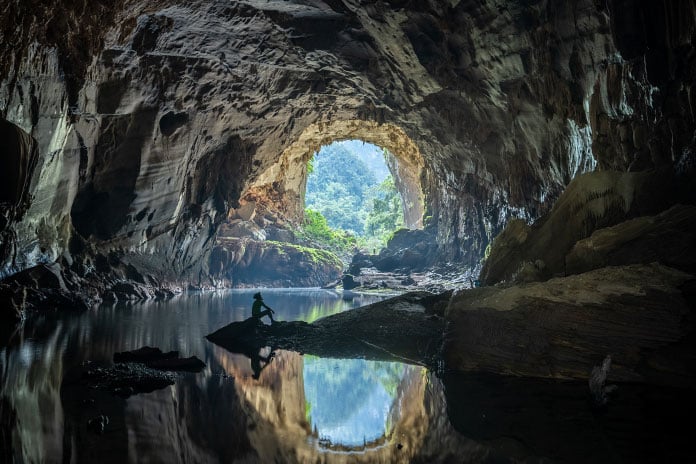
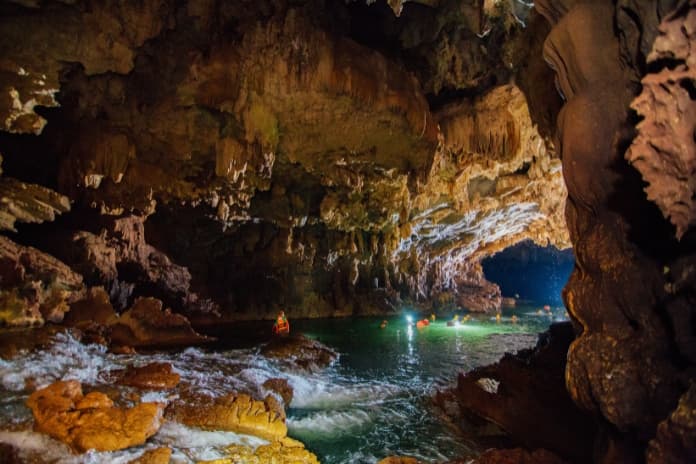
Whether you prefer long treks, camping in a cave, sleeping under the stars in the jungle, swimming underground in river caves, explore the huge dry caves or just taking an exploratory day trip, Oxalis Adventure Tours can provide the right amount of adventure just for you.
__637051782550081035.jpg)
__637051780703588520.jpg)
__637051765075307793.jpg)
__637051774329206026.jpg)
__637740499994967442.jpg)