
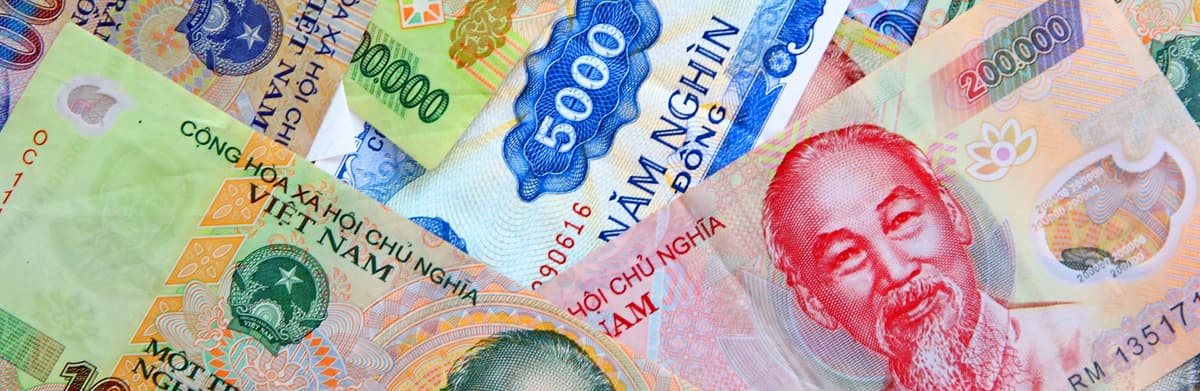
Vietnam Currency and Payments: A Foreigner Guide
If there's one thing that surprises almost every first-time visitor to Vietnam, it's the money. Buying a bowl of pho for 60,000 VND or withdrawing 2,000,000 VND from an ATM can make you feel like a millionaire, at least for a moment. Fortunately, Vietnam's currency is much simpler than it first appears. Once you understand the exchange rate, banknotes, and a few basic payment tips, handling money becomes easy.
Read on to know about Vietnam currency, from exchanging cash and using cards to avoiding common tourist scams and getting the best value during your trip.
Understanding the Vietnamese Currency (Vietnamese Dong - VND)
Once you understand how Vietnamese money works, paying for meals, transportation, and shopping becomes surprisingly straightforward. Here are the basics every traveler should know before exchanging cash or making their first purchase.
The official Vietnam currency is the Vietnamese Dong (VND), represented by the symbol ₫. While prices are officially written in VND, you'll often hear locals shorten larger amounts in everyday conversation. For example:
- 20k = 20,000 VND
- 100k = 100,000 VND
- 500k = 500,000 VND
This "k" simply means thousand, and you'll see it everywhere, from café menus and clothing stores to market stalls and ride fares.
Vietnam also no longer uses coins. Since 2011, all transactions have been made using banknotes, making cash simple once you're familiar with the different denominations.
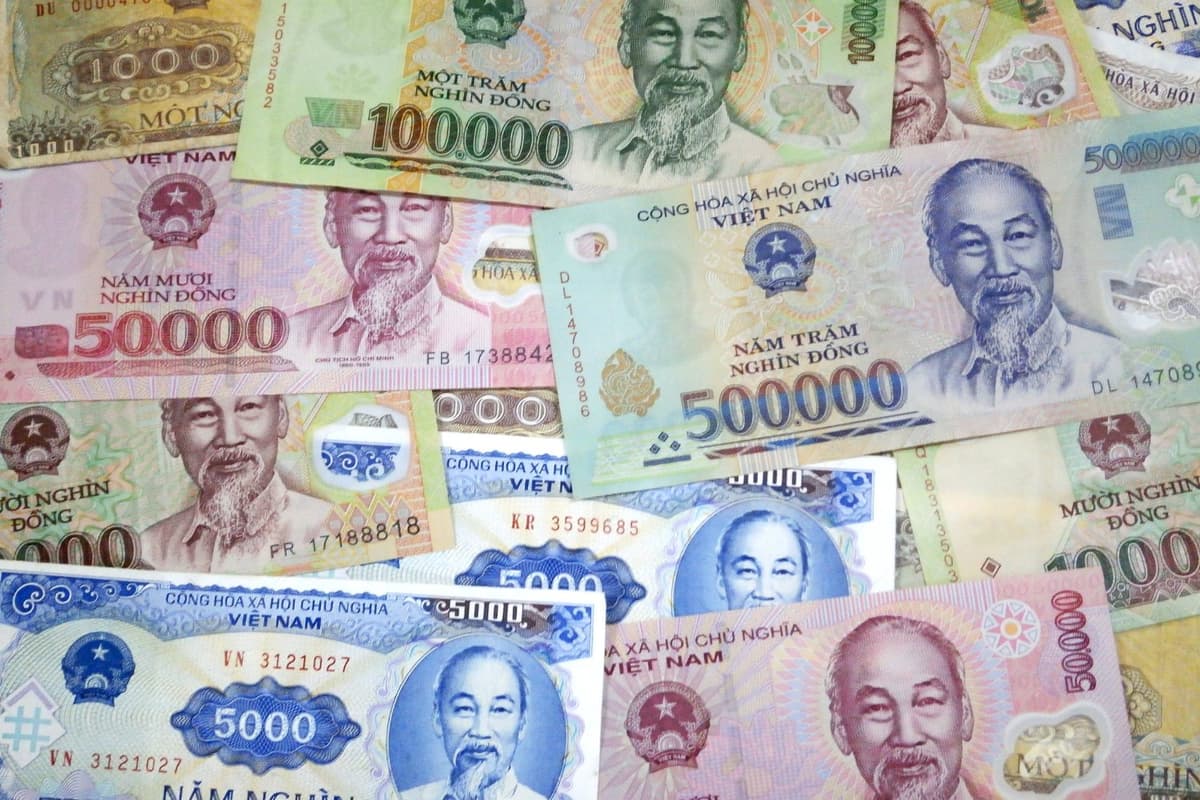
The official currency of Vietnam is the Vietnamese Dong (VND), symbol ₫.
Vietnam Currency Exchange Rate
If you're planning your budget, it's helpful to know roughly how the Vietnamese Dong (VND) compares with major foreign currencies. Exchange rates change every day, but the figures below provide a useful reference.
Approximate exchange rates (at the time of writing):
- 1 US Dollar (USD) ≈ 26,300 VND
- 1 Euro (EUR) ≈ 30,000 VND
- 1 British Pound (GBP) ≈ 35,000 VND
- 1 Australian Dollar (AUD) ≈ 17,000 VND
- 1 Canadian Dollar (CAD) ≈ 19,000 VND
- 1 Singapore Dollar (SGD) ≈ 20,500 VND
Keep in mind that the Vietnam currency exchange rate fluctuates daily depending on the foreign exchange market. Banks, licensed exchange counters, and ATMs may also offer slightly different rates. Before exchanging a large amount of money, it's always worth checking the latest USD to VND, EUR to VND, or AUD to VND rate to make sure you're getting a fair deal.
You don't need to calculate every price on your phone. A simple trick used by many travelers is to drop the last three zeros, then make a quick conversion. For example:
- 100,000 VND → 100
- Divide by 25 ≈ US$4
- Divide by 17 ≈ AU$6
It is close enough to estimate prices while shopping, ordering food, or negotiating at local markets. After a day or two in Vietnam, this quick mental shortcut becomes second nature.
Vietnamese Dong Denominations
Vietnamese banknotes come in two materials, and knowing the difference will make everyday spending much easier.
Polymer notes
Most of the money you'll use is made from polymer. These notes come in denominations of 10,000, 20,000, 50,000, 100,000, 200,000, and 500,000 VND.
They're waterproof, durable, and much harder to counterfeit than traditional paper notes. In practice, these are the bills you'll use for almost everything - from meals and transportation to shopping.
A useful reference point is 20,000 VND. This is roughly the minimum amount needed to buy an inexpensive street food snack or a simple local meal, so denominations from 20,000 VND and above will quickly become the notes you reach for most often.
Vietnamese banknotes also showcase some of the country's most famous landmarks, making them miniature souvenirs in their own right.
- 20,000 VND: The iconic Japanese Covered Bridge in Hoi An.
- 100,000 VND: The Temple of Literature in Hanoi.
- 200,000 VND: Ha Long Bay, one of Vietnam's most famous natural wonders.
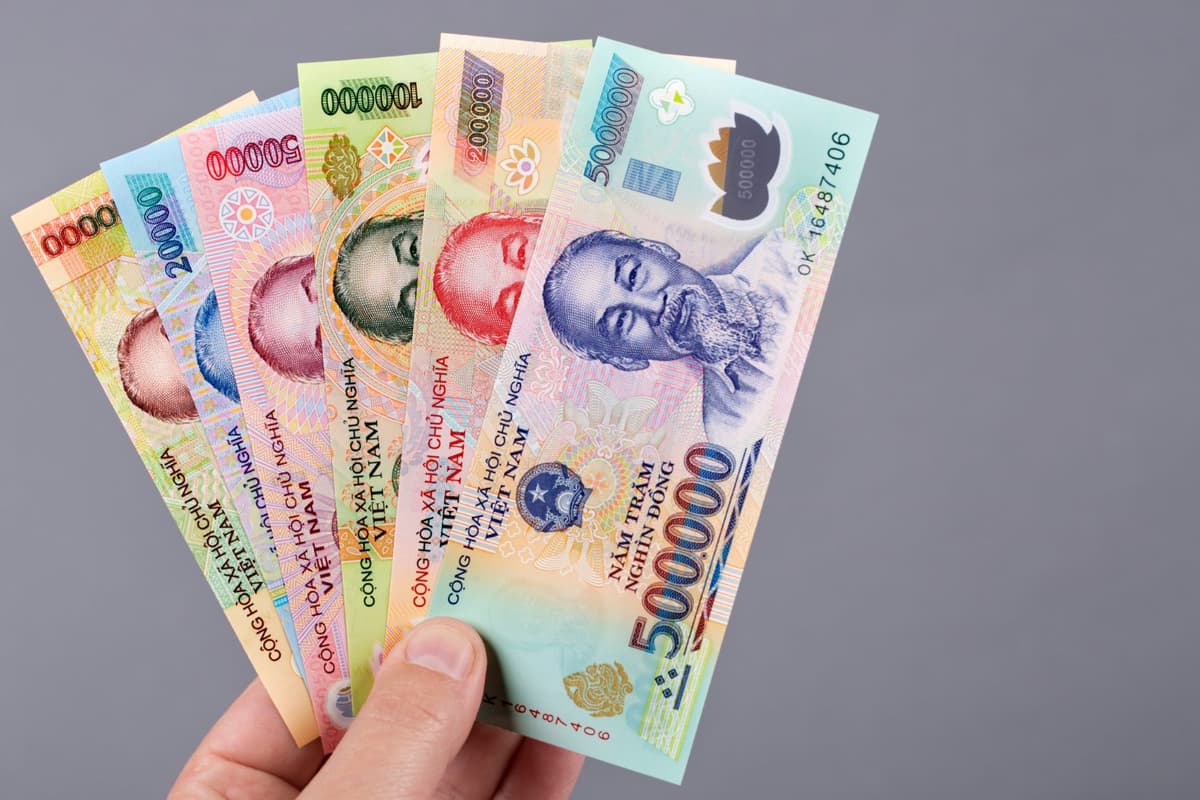
Polymer is used for most Vietnamese banknotes, making them very durable.
One of the most common mistakes among first-time visitors is confusing the 20,000 VND and 50,000 VND notes. Both are shades of blue-green and can look surprisingly similar if you're paying quickly, especially at night or in a busy taxi.
A good habit is to keep your 100,000, 200,000, and 500,000 VND notes in a separate section of your wallet, while placing smaller denominations at the front for everyday purchases.
Another thing to know is that 500,000 VND is the largest banknote in Vietnam, and many small street vendors, cafés, or taxi drivers may not have enough change to accept it. If you need to break a large bill, it's usually easiest to use it at a convenience store, supermarket, or shopping mall before heading to smaller local businesses.
Cotton notes
The smaller denominations in Vietnam currency - 1,000, 2,000, and 5,000 VND - are still printed on cotton paper.
These notes are mainly used for very small expenses such as parking fees, public buses, or tiny purchases at local markets. Think of them as the Vietnamese equivalent of carrying a few pennies or nickels in your pocket. They still have value, but you won't use them very often as a traveler.
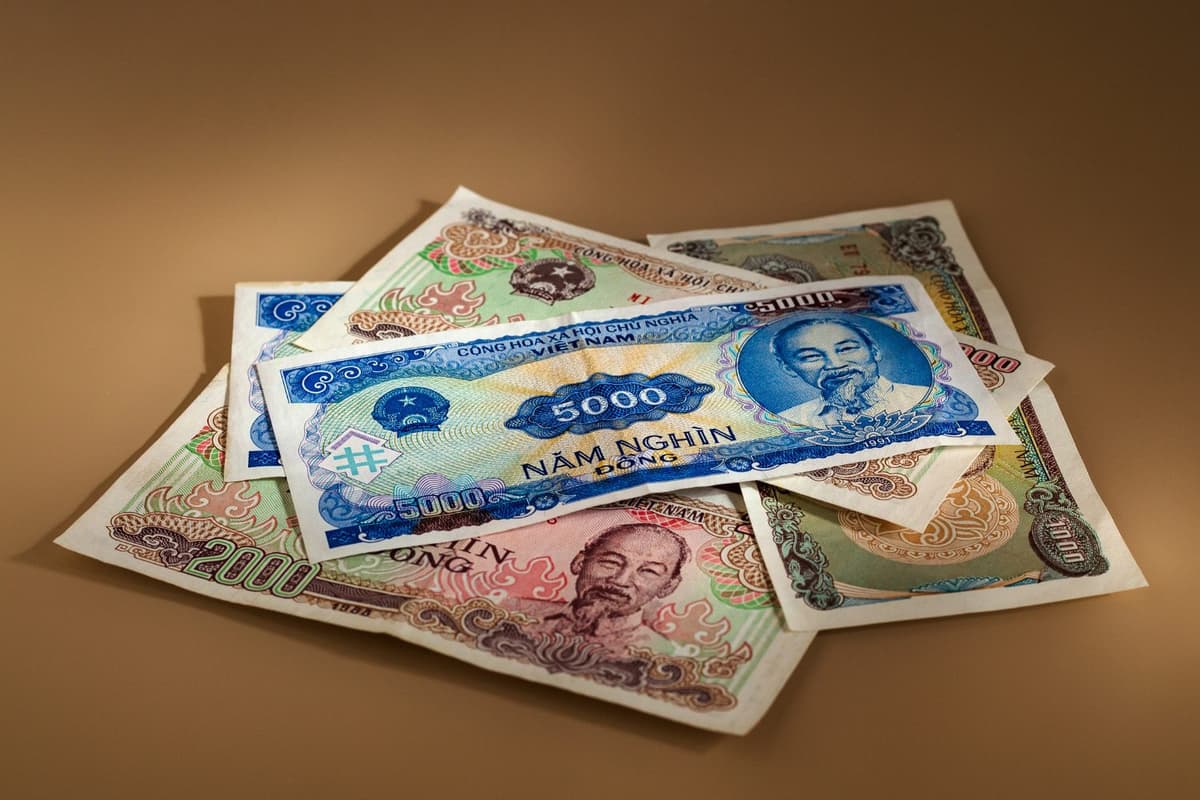
Cotton paper is used for 1,000, 2,000, and 5,000 VND banknotes.
Why Does Vietnamese Money Have So Many Zeros?
Many first-time visitors wonder why even a simple meal costs tens of thousands of Dong. The answer lies in Vietnam's economic history.
During the 1980s, the country experienced a period of very high inflation, causing prices to rise rapidly and larger banknotes to be introduced over time. Rather than redenominating the currency by removing zeros, Vietnam kept the existing system.
Today, the largest note in Vietnam currency is 500,000 VND, worth roughly US$20, which means everyday purchases naturally involve numbers that look much bigger than visitors may be used to.
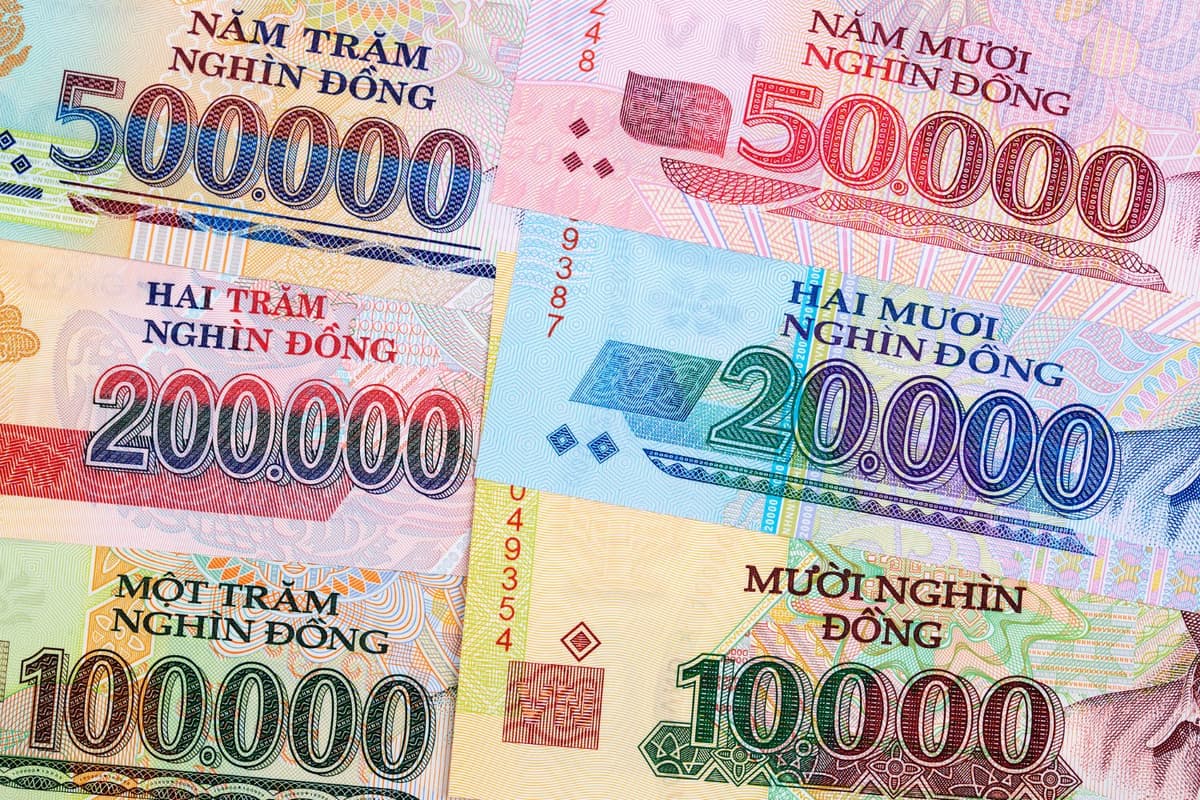
Vietnam has many zeros due to high inflation in the 1980s.
Exchange Money in Vietnam: Where to Get the Best Rates
Exchanging money in Vietnam is easy, and you'll usually get a better exchange rate than changing cash before you leave home. The key is knowing which currencies are widely accepted and where to exchange them safely.
Which Foreign Currencies Can Be Exchanged?
The US Dollar (USD) is by far the easiest foreign currency to exchange throughout Vietnam. Other major currencies, including the Euro (EUR), British Pound (GBP), and Australian Dollar (AUD), are also widely accepted at banks and licensed exchange counters.
One important detail many travelers overlook is the condition of their banknotes. Exchange counters prefer bills that are clean, crisp, and undamaged. Notes that are torn, heavily folded, stained, or have writing on them may be rejected or exchanged at a lower rate. Larger denominations, such as US$100 bills, also tend to receive better exchange rates than smaller notes.
Where to Exchange Vietnam Money Safely?
Many travelers exchange money at Vietnam gold shops because the rates are often excellent and the process is fast. However, not every gold shop is licensed to provide foreign currency exchange. To avoid legal issues, only use authorized currency exchange counters or licensed businesses approved by the State Bank of Vietnam.
There are main places to exchange foreign currency in Vietnam. Each has its own advantages depending on whether you prioritize convenience, exchange rates, or security.
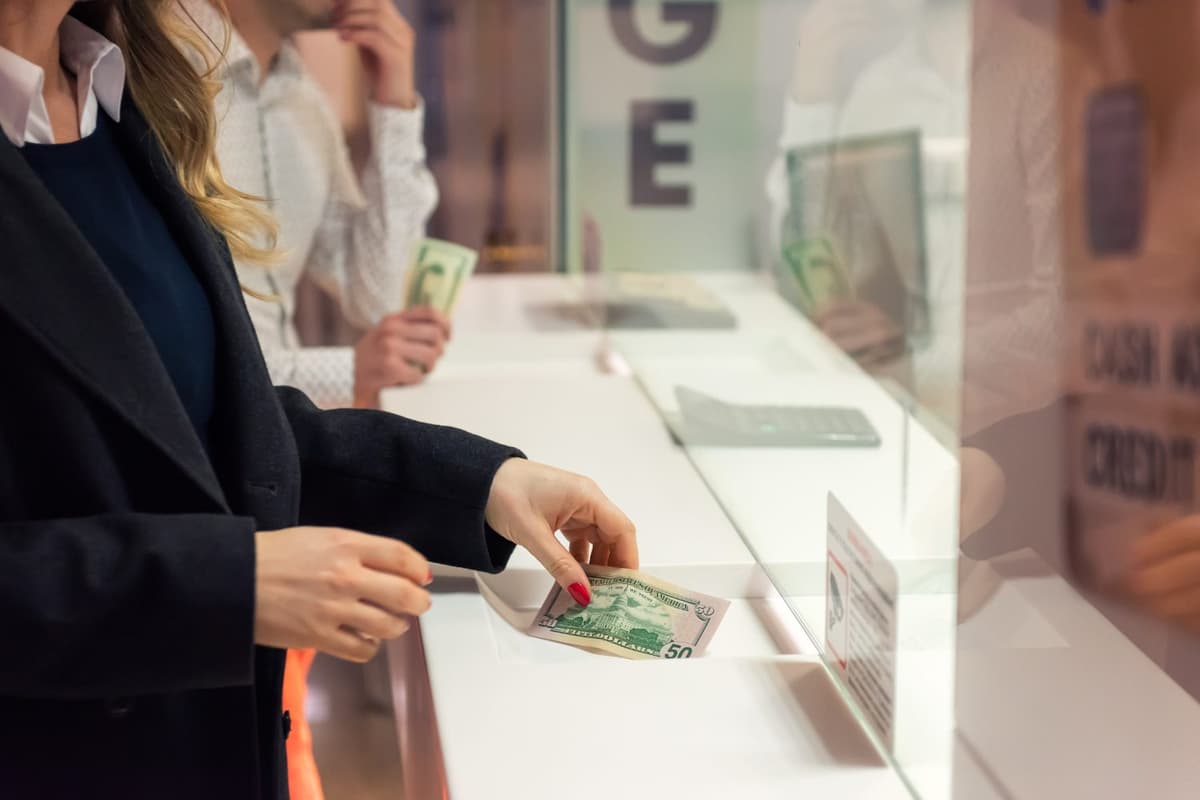
Always check the exchange rate at the counter when changing money in Vietnam.
Gold Shops and Currency Exchange Counters
For most travelers, licensed gold shops and currency exchange counters offer the best balance of convenience and value. They typically provide more competitive exchange rates than banks, complete transactions within minutes, and do not charge commission fees. Some trusted exchange counters include:
Ho Chi Minh City
- Hung Long Money Exchange - 86 Mac Thi Buoi Street, Ben Nghe Ward, District 1
- Western Union - Dong Da Tao Dan Exchange Service - 191 Nguyen Cu Trinh Street, District 1
- VietBank Currency Exchange - 89 Nam Ky Khoi Nghia Street, Ben Thanh Ward, District 1
- Minh Thu Money Exchange - 22 Nguyen Thai Binh Street, District 1
Hanoi
Look for the sign "Dai ly thu doi ngoai te" (Licensed Currency Exchange), commonly found in Hanoi's Old Quarter and Ha Trung Street, where rates are often better than at airports.
- Kim Linh Jewelry - 67 Hang Bac Street, Old Quarter, Hoan Kiem District, Hanoi 100000
- Thinh Quang Jewelry - 33 Ha Trung Street, Hoan Kiem District, Hanoi
Danang
- Paris Deli Foreign Exchange Counter - An Cu 2 Residential Area Extension, Phuoc My Ward, Son Tra District
- Hong Phuc Hoi Jewelry - 14 Chi Lang Street, Hai Chau Ward, Da Nang
- Son Nguyen Jewelry - Lot 216, Thanh Khe I Market, Thanh Khe Ward, Da Nang
Before exchanging money, compare the displayed rates and count your cash carefully before leaving the counter.
Exchanging Vietnamese Currency at Banks
If you're exchanging a large amount of cash or simply want maximum peace of mind, banks are the safest option. Most major Vietnamese banks exchange popular currencies such as USD, EUR, GBP, AUD, CAD, SGD, and JPY. Recommended banks include:
- Vietcombank
- BIDV
- VietinBank
- Agribank
- ACB
- Techcombank
- Sacombank
When exchanging Vietnam currency at a bank, remember to bring your original passport, exchange money during banking hours (typically Monday to Friday), and be prepared for a short wait, especially at busy city branches.
Bank exchange rates are usually slightly lower than those offered by the best exchange counters, but the process is highly secure and transparent.
Airport Exchange Counters
International airports such as Tan Son Nhat, Noi Bai, and Da Nang all have Vietnam currency exchange counters in the arrivals hall.
While they're convenient after a long flight, airport counters rarely offer the best exchange rates. A good strategy is to exchange only US$50 - 100 when you arrive, enough for transportation, a SIM card, and your first meal, then exchange the rest later at a licensed currency exchange or gold shop in the city center.
A Guide to ATMs and Credit Cards in Vietnam
Vietnam has become increasingly cashless in recent years, especially in major cities. Even so, cash remains essential for many everyday purchases, particularly outside shopping malls and tourist areas. Knowing when to use cash, withdraw money from an ATM, or pay by card will help you avoid unnecessary fees and make traveling much smoother.
Using ATMs in Vietnam
ATMs are easy to find in major destinations such as Hanoi, Ho Chi Minh City, Da Nang, Hoi An, and Nha Trang. Most international Visa, Mastercard, Cirrus, and Plus cards work without any problems.
Before withdrawing cash, keep these points in mind:
- Most Vietnamese ATMs allow withdrawals of 2 - 5 million VND per transaction, although some banks offer higher limits.
- Local ATM operators often charge a withdrawal fee of 50,000 - 100,000 VND per transaction, in addition to any overseas transaction fees from your home bank.
- To reduce fees, withdraw a larger amount each time instead of making multiple small withdrawals.
- Some banks, including VPBank and TPBank, are popular among travelers because they sometimes offer lower, or even no, local ATM fees for foreign cards.
It's also a good idea to notify your bank before traveling abroad so your card isn't flagged for suspicious activity.
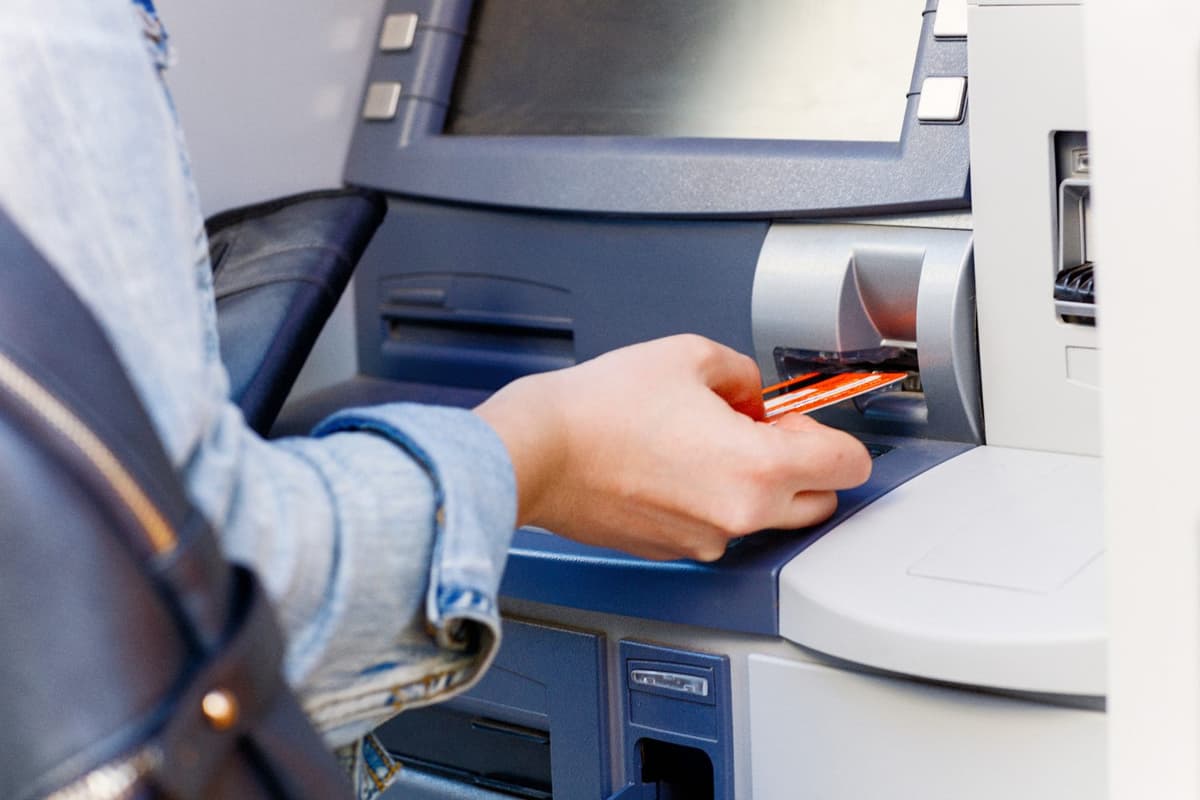
Most ATMs in Vietnam accept major international debit and credit cards.
Always Choose to Pay in VND
Whether you're withdrawing cash from an ATM or paying by credit card, you may be asked if you'd like to pay in your home currency instead of Vietnamese Dong. This service is called Dynamic Currency Conversion (DCC).
Always select "Pay in VND" or decline the conversion. Although paying in your own currency may seem more convenient, DCC usually uses a much poorer exchange rate than your bank. Choosing VND almost always results in a better overall value and can save you several dollars on larger purchases.
Cash vs. Credit Cards: Which Should You Use?
Credit cards are widely accepted, but Vietnam is still very much a cash-first destination. Visa and Mastercard work well at:
- Hotels and resorts
- Shopping malls and supermarkets
- Convenience stores such as Circle K, GS25, and 7-Eleven
- Mid-range and upscale restaurants
- Most domestic airlines and major tourist attractions
However, some businesses add a 2 - 3% surcharge for card payments, especially smaller hotels or tour operators.
For everything else, keeping a small amount of Vietnam currency on hand is always recommended. Street food vendors, traditional markets, independent cafés, local taxis, parking lots, and many small family-run businesses still accept cash only.
You may also notice Vietnamese customers paying by QR code almost everywhere. While this system is incredibly popular with locals, it typically requires a Vietnamese bank account, so it's not a practical payment option for most international visitors.
A simple strategy is to carry around 500,000 - 1,000,000 VND in small notes each day for food, transportation, and incidental expenses, while using your credit card for larger purchases such as hotels, shopping, or guided tours.
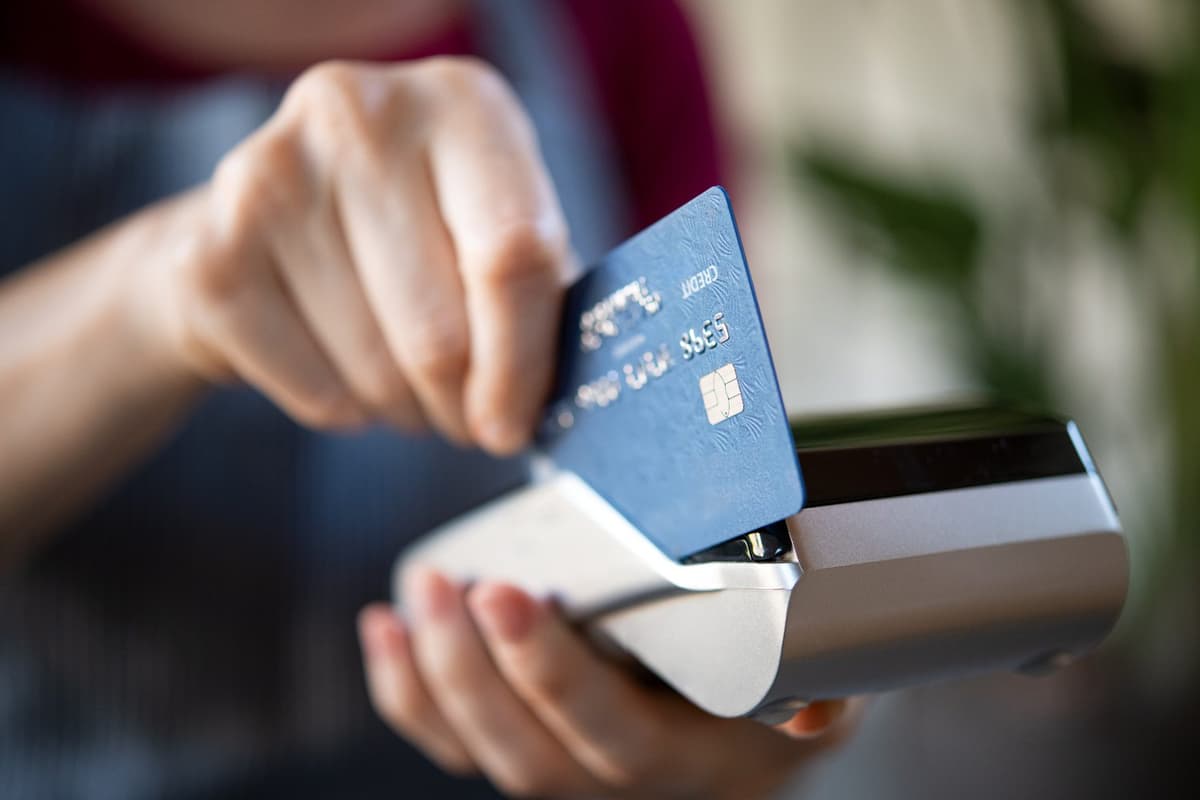
Credit cards are widely accepted at hotels, malls, and upscale venues.
Digital Payments and Apps in Vietnam for Foreign Travelers
Most locals pay using mobile wallets such as MoMo and ZaloPay, but these services require a Vietnamese bank account, making them unavailable for most international visitors. Fortunately, foreign travelers now have several convenient alternatives.
Vietnam has quickly become one of Southeast Asia's leaders in cashless payments. You'll notice VietQR codes almost everywhere, from restaurants and cafés to convenience stores, souvenir shops, and even small street vendors.
1. Travelers from Southeast Asia
Visitors from selected Southeast Asian countries can pay directly using VietQRGlobal, including:
- Thailand: PromptPay
- Cambodia: ABA Bank
Simply scan the VietQR code using your home banking app to complete the payment.
2. Travelers from South Korea and China
- South Korea: GLN
- China: UnionPay and Alipay+
Both payment networks are accepted at participating merchants across Vietnam.
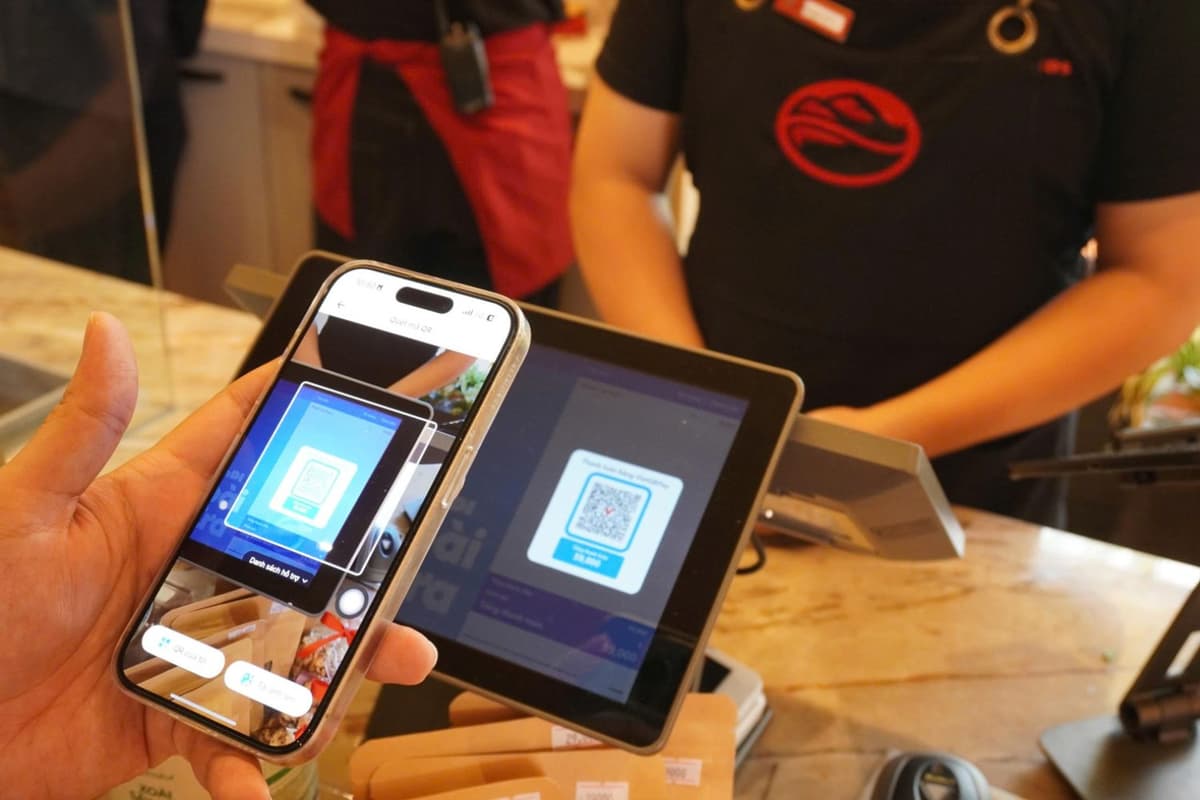
You can scan VietQR codes using supported banking apps for cashless payments.
3. Travelers from the US, Europe, Australia, Canada, and other countries
One of the easiest options is the VNPAY app. Foreign visitors can:
- Register using an international phone number and passport.
- Link an international Visa, Mastercard, or JCB card.
- Scan VietQR codes and pay directly without withdrawing cash.
Another excellent option is Wise. Through its Alipay+ integration, Wise users can scan supported local QR codes, benefit from transparent exchange rates, and avoid many unnecessary foreign exchange fees.
For larger retailers, shopping malls, supermarkets, and international restaurant chains, Apple Pay and Google Pay are also becoming increasingly accepted.
Vietnam Money Scams and Essential Safety Tips
Vietnam is one of the safest countries in Southeast Asia for travelers, and most visitors never experience any serious problems. However, a few common money-related scams do exist, particularly in busy tourist areas. Knowing what to watch for is usually enough to avoid them altogether.
Taxi and Transportation Scams
In Vietnam, transportation is where most tourists are likely to encounter overcharging. Some taxi drivers may refuse to use the meter, take unnecessarily long routes, or quote inflated flat rates, especially around airports, train stations, and popular attractions.
The easiest way to avoid transportation scams in Vietnam is by using ride-hailing apps such as Grab, Be, or Green SM. The fare is shown before you book, payment is transparent, and your route is tracked by GPS.
One scam worth knowing involves drivers showing you a "Grab price" on their phone. In some cases, they've deliberately selected a premium vehicle category to justify charging several times the normal fare. Always check the price on your own phone before getting into any vehicle.
If you take a traditional taxi, make sure the driver starts the meter and follow the route on Google Maps. For traditional motorbike taxis (xe ôm), agree on the price before the journey begins.
Recommended Tipping Amounts
If you're visiting from countries where tipping is expected, Vietnam can feel refreshingly simple. Tipping is appreciated for great service, but it's never an obligation.
If you'd like to leave a tip, these amounts are considered generous without being excessive. Suggested tipping amounts:
- Hotel bellhop or housekeeping: 20,000 - 50,000 VND
- Tour guide (full day): 100,000 - 200,000 VND
- Private driver (full day): 50,000 - 100,000 VND
- Spa or massage therapist: 50,000 - 100,000 VND, or around 20% for exceptional service
If you're staying in a hotel for several nights, it's better to leave a small tip for housekeeping each day rather than one large tip at the end, as different staff members may clean your room during your stay.
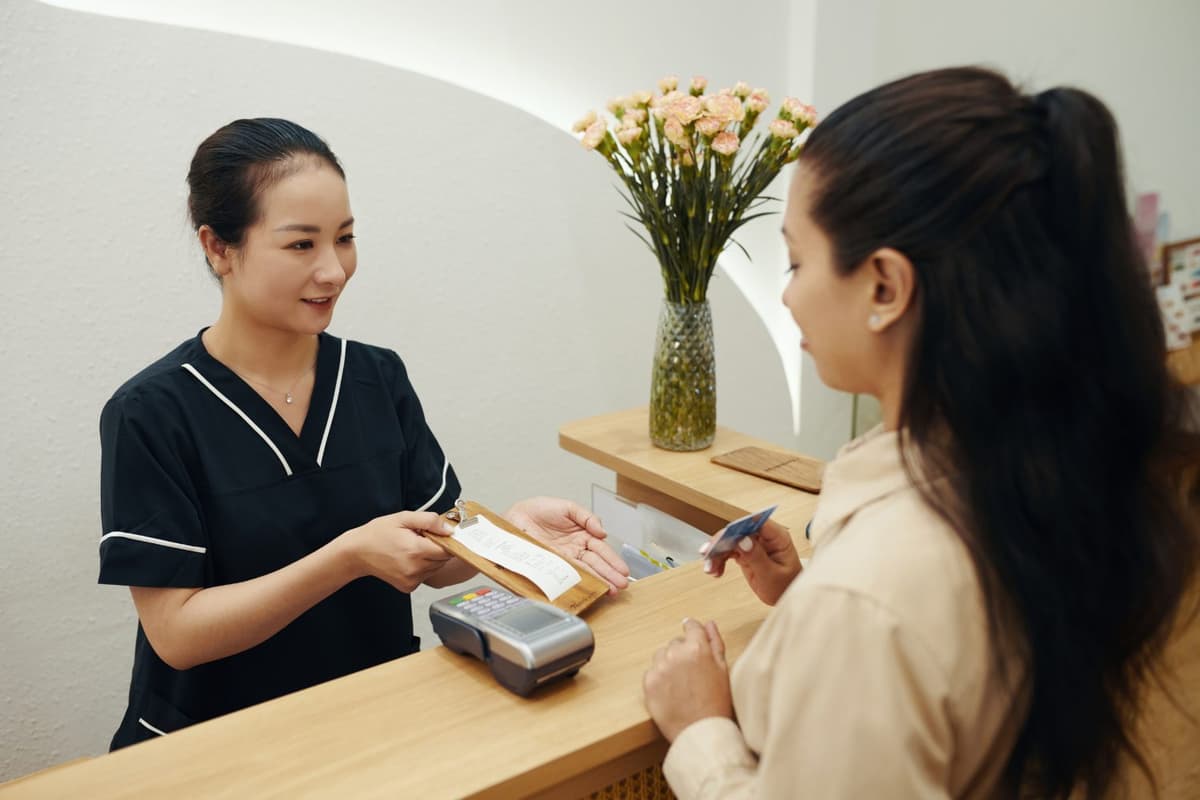
In Vietnam, tipping is not mandatory or expected, but a small gratuity is always appreciated for exceptional service.
The "Confused Money" Scam
Because Vietnamese banknotes have many zeros and several similar colors, a few dishonest vendors take advantage of first-time visitors. The most well-known trick involves the 20,000 VND and 500,000 VND notes, which are both shades of blue. A scammer may quickly switch the note after you hand it over and claim you only paid 20,000 VND.
Another common situation is the "no change" excuse, where a vendor claims they cannot break a large bill, hoping you'll buy more items or leave the remaining amount as an unwanted tip. A few simple habits can prevent almost all of these situations:
- Keep 200,000 and 500,000 VND notes in a separate part of your wallet.
- Use 10,000, 20,000, and 50,000 VND notes for everyday purchases whenever possible.
- Say the denomination aloud as you hand over the money, for example, "Five hundred thousand."
- Break 500,000 VND notes at supermarkets, convenience stores, or shopping malls before visiting street markets or food stalls.
Customs Rules for Bringing Cash into Vietnam
Most travelers won't need to think about customs rules, but they become important if you're carrying a large amount of cash. You must declare your money to Vietnamese Customs if you're entering or leaving the country with more than:
- US$5,000 (or the equivalent in another foreign currency), or
- 15,000,000 VND in Vietnamese Dong.
If you exceed either limit, simply complete the customs declaration form when arriving or departing. Failing to declare cash above the legal threshold can result in significant administrative fines, so it's always better to declare it than risk a penalty.
For the vast majority of visitors, carrying a few hundred dollars or withdrawing cash from local ATMs as needed is much simpler than traveling with large amounts of currency.
Frequently Asked Questions About Money in Vietnam
Can I use USD directly in Vietnam?
In most cases, no. Although a few hotels or tour operators may accept US dollars, almost all everyday transactions are made in Vietnamese Dong (VND). Exchanging your money into VND will usually give you better prices and make paying much easier.
Is it safe to use ATMs in Vietnam?
Yes. ATMs are generally safe and reliable, especially those located inside bank branches, shopping malls, airports, or supermarkets. Avoid standalone machines in isolated areas, and always cover the keypad when entering your PIN.
Is Vietnam a cash-based country?
Both yes and no. Vietnam has embraced digital payments rapidly, with QR codes accepted at many businesses. However, cash is still essential for travelers, particularly when buying street food, shopping at local markets, visiting rural areas, or paying small family-run businesses.
Should I exchange money before arriving in Vietnam?
It's a good idea to bring a small amount of Vietnamese Dong for your first taxi or meal after landing, but you don't need to exchange large sums before your trip. You can usually get competitive exchange rates at Vietnamese banks, licensed exchange counters, or withdraw cash from local ATMs after arrival.
How much cash should I carry each day in Vietnam?
For most travelers, carrying 2 - 3 million VND (around US$80 - 120) is more than enough for meals, transportation, entrance fees, and shopping throughout the day. Keep the rest of your cash and backup cards securely in your hotel safe and withdraw more when needed.

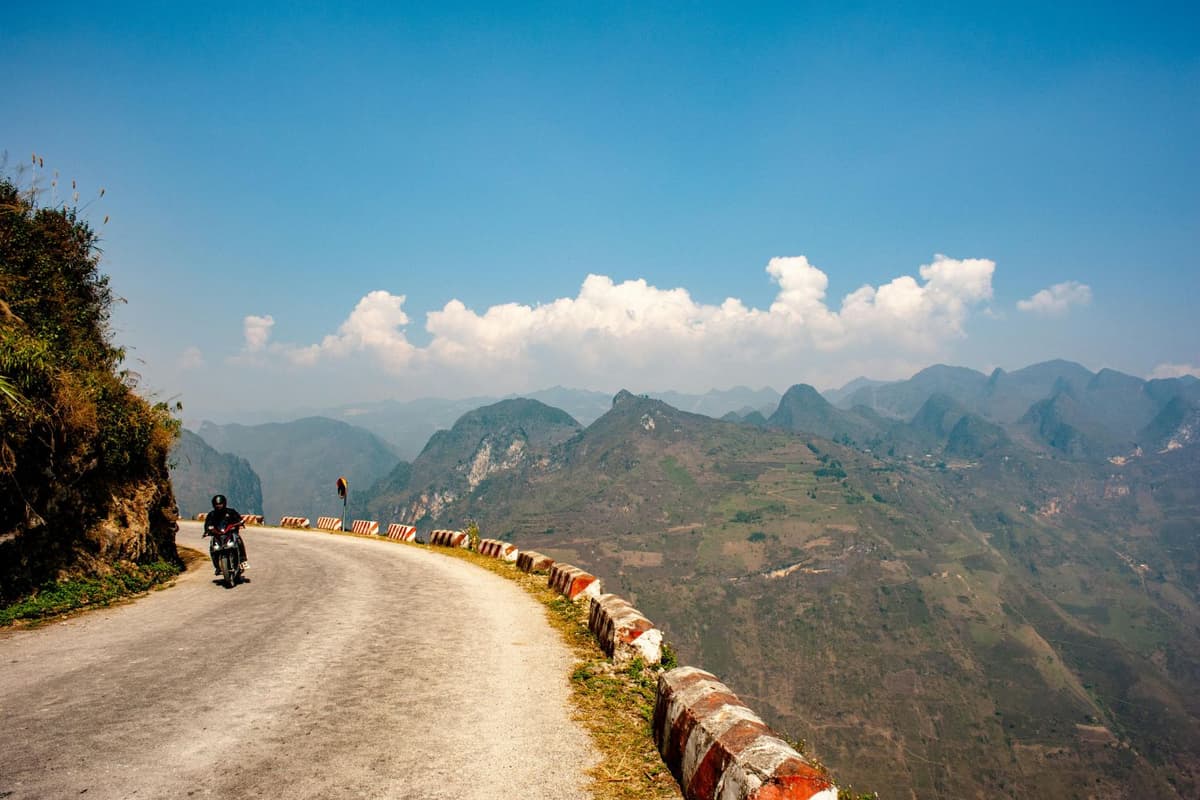
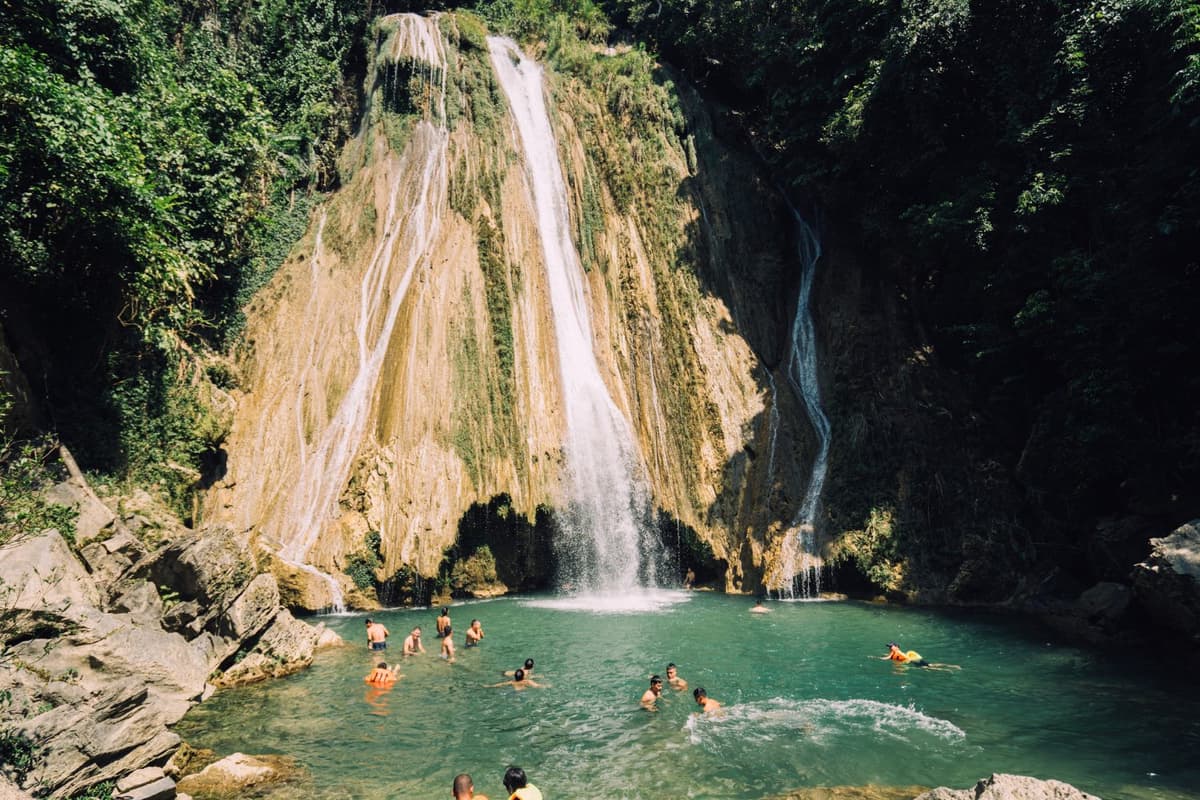


Whether you prefer long treks, camping in a cave, sleeping under the stars in the jungle, swimming underground in river caves, explore the huge dry caves or just taking an exploratory day trip, Oxalis Adventure Tours can provide the right amount of adventure just for you.
__637051782550081035.jpg)

__637051780703588520.jpg)


__637051765075307793.jpg)


__637051774329206026.jpg)

__637740499994967442.jpg)