Vinh Moc Tunnels: The underground village amid Quang Tri
During the 21-year resistance, Quang Tri province endured approximately 40% of all bombs dropped on Vietnam. People of Vinh Moc village and Quang Tri province in general, courageously fought and built the Vinh Moc Tunnels. This is the largest tunnel system in Vietnam. This underground network served as both a residence and a military base, as well as a storage site for food and weapons to supply the Con Co military island.
After nearly 10 years of war and 50 years of independence, the Vinh Moc Tunnels have now become a historical site. Here is where visitors can explore and reflect on the lives and resilient spirit of their predecessors.
Exploring the Vinh Moc Tunnels historical site in Quang Tri
After nearly 60 years, the Vinh Moc Tunnels remain sturdy and have largely preserved their original structure. The site has been carefully restored to showcase the daily life, activities, and living conditions of the people and soldiers.
Visitors to the Vinh Moc Tunnels can learn about numerous historical stories and trace the footsteps of the heroic generation before them in this legendary underground village.
Visiting the welcome center and documentary screening room
Upon entering the main gate of the site, visitors first arrive at the welcome center and documentary screening room. Here, they can view photos, historical documents, and watch a documentary to gain insight into the historical context and the Vinh Moc Tunnels. Visitors typically spend around 20 minutes reading the information panels and listening to the historical stories presented.
Exploring the Vinh Moc Tunnels
At the historical site, tour guides are available to lead visitors through the tunnels for approximately 30 minutes. Visitors can listen to detailed explanations, view a map of the entire Vinh Moc Tunnel system, and explore the surrounding grounds of the site.
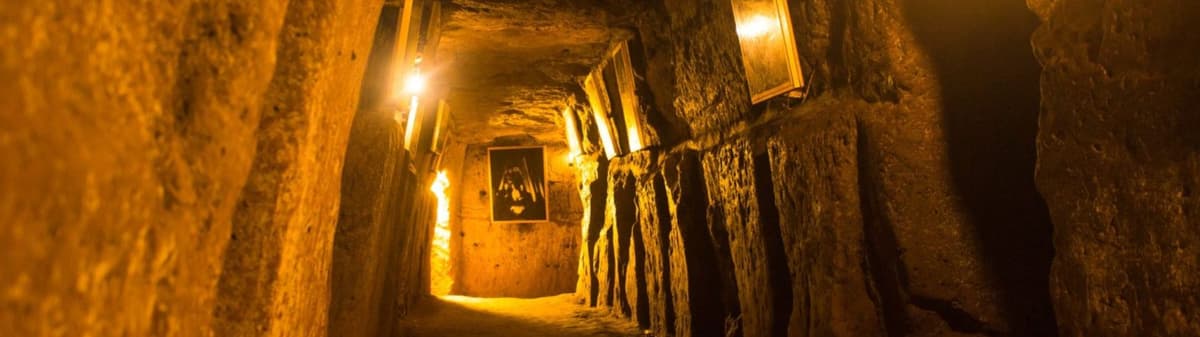
Visitors enter the tunnels through Gate 3, starting along a relatively spacious passage. The deeper they go, the narrower, lower, and darker the tunnels become. A much more complex network of intersecting passages led to the hills and the coastline.
In many sections of the tunnels, visitors will notice small, uniformly sized chambers along the passageways. These were the living quarters of families during the war. These were carefully restored to recreate daily life, showing families eating, resting, sewing, and engaging in other activities within the cramped underground homes.
Some functional rooms, such as communal halls, maternity rooms, first-aid stations, classrooms, and information boards, have also been accurately recreated. After exploring the overall architecture of the Vinh Moc Tunnels, visitors exit through a gate opening onto the cool coastline and walk along the seaside path to leave the site.
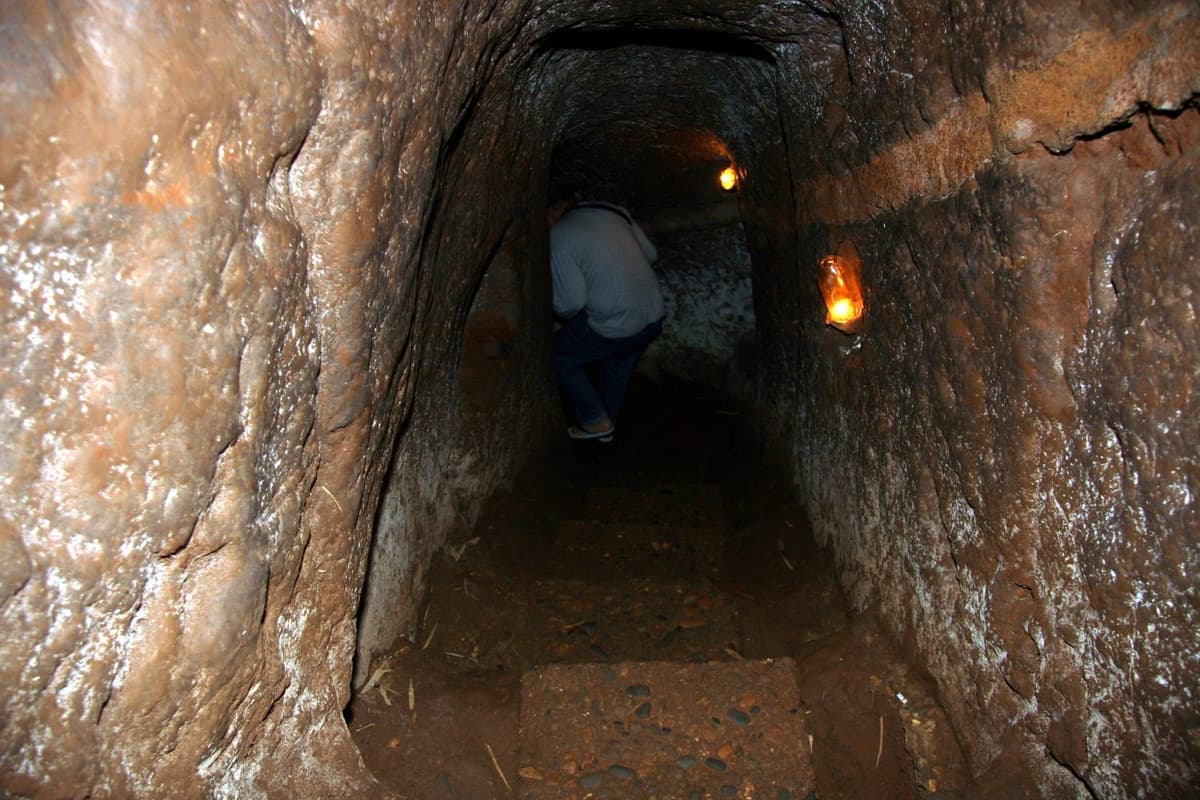
The on-site guide will lead travelers to explore the Vinh Moc Tunnels.
Learning about the battlefield at the supplementary exhibition
The next stop for visitors is the supplementary exhibition area, which displays valuable documents and photographs depicting the Vinh Moc village. Visitors can gain a broader perspective of the Quang Tri battlefield. There are materials of the volunteer troops who carved a “blood trail” to supply the Con Co military island. This mission broke the enemy’s plans to besiege and isolate this strategic outpost.
Visiting the bombshell exhibition area
Within the site’s grounds, there is an area displaying various bombshells and ammunition casings. These serve as painful reminders of the thousands of airstrikes and bombs on Vinh Moc village and across the Quang Tri battlefield.
Location and travel guide to Vinh Moc Tunnels
The Vinh Moc Tunnels are located in Vinh Moc village, Vinh Linh commune, Quang Tri province, about 38 km north of Dong Ha city center. The tunnels are also close to several historical sites in Quang Tri, such as Hien Luong Bridge (13 km), Quang Tri Ancient Citadel (43 km), etc.
Visitors can combine multiple destinations in their itinerary using various modes of transportation, including cars, taxis, motorbikes, or join one-day Vinh Moc Tunnel tours. Travelers from other provinces can reach Quang Tri by flying to Dong Hoi Airport or by train or sleeper buses to Dong Ha ward, then continue their journey to the Vinh Moc Tunnels.
History and strategic role of the Vinh Moc Tunnels
The Vinh Moc Tunnels were constructed beginning in 1965. Due to Quang Tri province’s strategic significance as the northern frontline of Vietnam, it faced intense attacks from the U.S. military and the Republic of Vietnam forces. In Vinh Linh district alone, each resident endured up to seven tons of bombs and artillery, resulting in significant casualties.
When the ground was riddled with bomb craters and airstrikes poured down daily, the military and civilians of Vinh Linh dug an extensive tunnel system. They moved underground with a firm resolve to stay, fight, and protect their homeland. The Vinh Linh people and army embody the spirit of “not retreating a single inch, not leaving a single moment.”
The people of Vinh Linh excavated over 3.7 million m³ of rock and soil. They constructed 114 tunnels and 100,000 shelters spanning a total length of 42 km, evenly distributed across 70 villages in 15 communes and townships.
A 2,000-km trench network connected these tunnels, forming a fortified underground system. Among them, the Vinh Moc Tunnels stand out as the most iconic and largest structure, featuring 13 entrances, a three-level design, and exceptional wartime engineering.
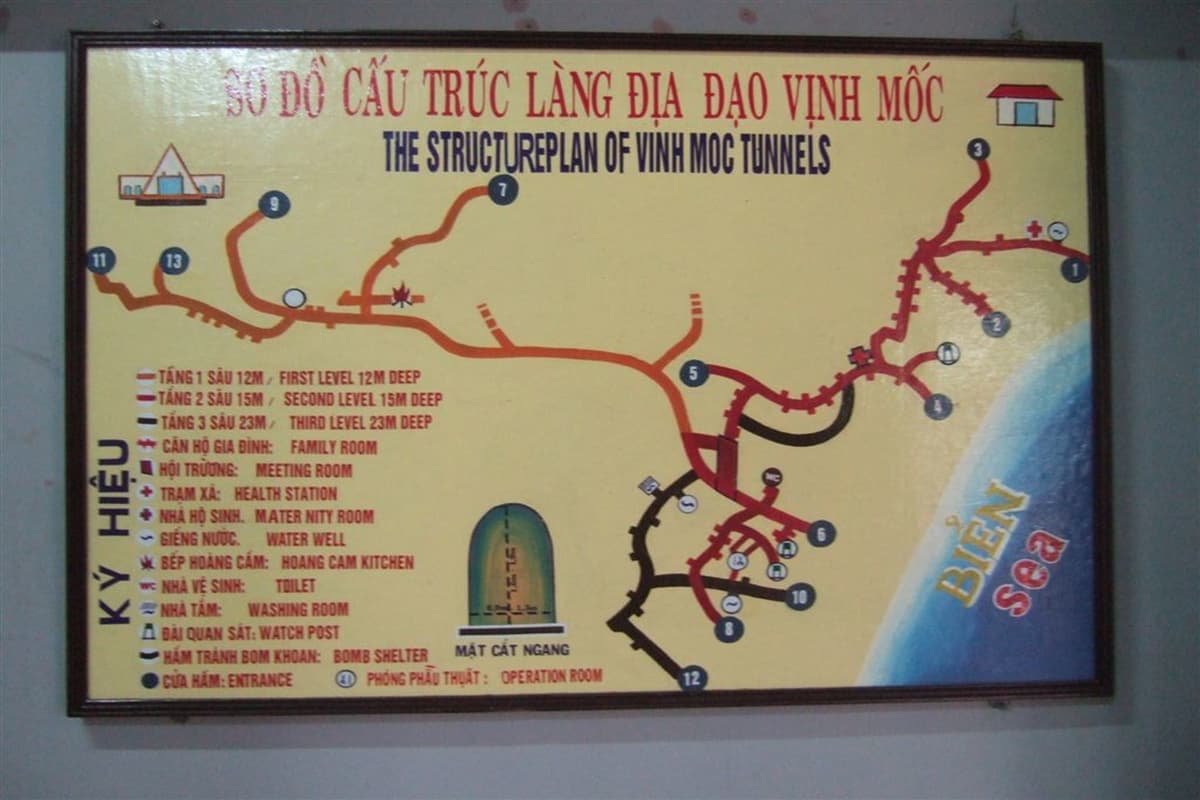
The Vinh Moc Tunnels were designed with three levels and a total of 13 entrances
The Vinh Moc Tunnels were built under the command of Mr. Le Xuan Vy, who led soldiers and local residents during 300 days of continuous excavation. The tunnels were designed to run from east to west, with multiple entrances to minimize the impact of airstrikes. He calculated that if certain sections collapsed or an entry was blocked, residents could still relocate through alternative routes within the tunnel system.
After completing the three tunnel levels, Mr. Vy continued directing the construction of emergency escape routes from Level 3. It links upward through the other floors to the surface. These concealed passages were designed in case the tunnel system was discovered and attacked, ensuring swift evacuation for both soldiers and civilians. At its peak, Vinh Moc sheltered up to 1,200 people.
Scale of the Vinh Moc Tunnels
Among the 114 tunnels in Vinh Linh, the Vinh Moc Tunnels are the largest. The tunnel complex has three levels, reaching depths from 10 to 23 meters, with a total length of approximately 1,071 meters. It features 7 openings facing the sea and 6 leading to the hills.
These entrances were engineered according to seasonal wind directions, helping maintain natural ventilation. As a result, the interior, though deep and dim, stays airy, warm in winter, and cool in summer.
Level 1 of the Vinh Moc Tunnels sits at a depth of 8–11 meters and serves as a shelter and maneuvering zone for combat. This level stretches 421 meters, with tunnel width ranging from 0.9 to 1.1 meters. It offers relatively sufficient space for movement.
Level 2 lies 11–15 meters underground and extends 508 meters. It was the primary living area for local residents. Small side chambers, often referred to as “family quarters”, were carved along both sides of the tunnel. Each accommodates 2 to 4 people.
Level 3 reaches a depth of 23 meters and is 130 meters long. This level was used to store food and military supplies. It also provided a water source that supported the daily needs of the entire underground village.
The Vinh Moc Tunnels also included interconnected bunkers and linking passages. It formed a secure underground network for transportation, shelter, and emergency escape. For this reason, during the war, although the opposing forces suspected the area had concealed tunnel systems, they were unable to locate the exact positions.
By day, residents of Vinh Moc took refuge underground to avoid ground sweeps and aerial bombardment. At night, they returned to the surface to farm, produce supplies, and secretly transport goods.
This underground way of life lasted for over 2,000 days and nights. During that time, generations of residents stayed to defend their village, built families, married, had children, and continued living amid Quang Tri, the Land of Fire. Dedicated rooms inside the tunnels supported essential needs such as education, healthcare, and maternity services. Remarkably, 17 children were born and raised in the tunnels.
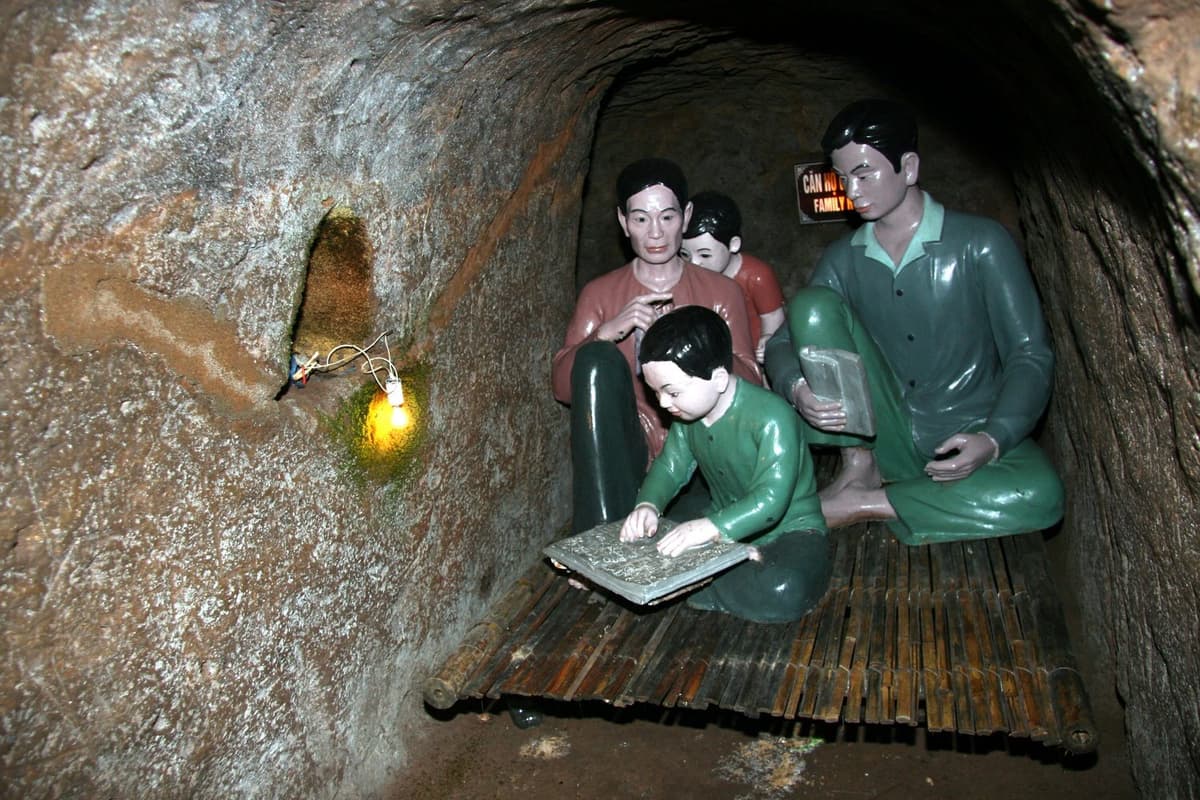
Along the passageway are small chambers, known as “apartments”
Opening hours and entrance fees in Vinh Moc Tunnels
Vinh Moc Tunnels are open from 7:00 AM to 5:00 PM. The entrance fee is 50,000 VND per adult and 25,000 VND per child. Free tour guide service is included for all visitors. A full visit to the site typically lasts 1 hour and 30 minutes to 2 hours.
Ideal time to visit the Vinh Moc Tunnels
Visitors can explore the Vinh Moc Tunnels year-round, thanks to its unique wind-catching design that ensures good ventilation. It keeps the tunnels cool in summer and warm in winter. However, the ideal time to visit is during the dry season, from March to August, when the weather is dry and sunny. It's perfect for outdoor activities and combining visits to multiple attractions.
Nearby attractions to the Vinh Moc Tunnels
The Vinh Moc Tunnels in Quang Tri are located close to numerous historical sites and popular destinations. They allow visitors to combine their trip with nature exploration and cultural-historical experiences, such as:
- Hien Luong Bridge – Ben Hai River (about 3 km): This historical symbol divided the country into Northern and Southern Vietnam for 21 years (1954–1975). Visitors can stroll across the bridge and explore the Hien Luong Bridge History Exhibition. They will hear moving stories from this painful period, and witness the nation’s development and renewal.
- Quang Tri Ancient Citadel (about 43 km): This was one of the fiercest battlefields, famously known for the legendary 81-day siege of the Citadel. The Quang Tri Ancient Citadel and the Thach Han River serve as a memorial to thousands of soldiers who sacrificed their lives for the nation.
- Dong Hoi (about 80 km): Located in what was formerly Quang Tri province, Dong Hoi is the hometown of General Vo Nguyen Giap. This sacred land reflects a rich blend of history and culture, from the feudal era to the years of prolonged resistance. Visitors can explore landmarks such as the Mother Suot Monument, Dong Hoi Citadel, Quang Binh Museum, and more.
- Phong Nha – Ke Bang (about 120 km): Phong Nha – Ke Bang was part of the legendary Truong Son supply route. It is also a key strategic point during the Truong Son transport operations. The area is home to numerous sacred historical sites, including the Eight Voluntary Youth Cave, Trang Ang Submarine, etc. Visitors can also explore the Commander Cave Museum and experience a 9D VR simulation to relive the intense battlefield conditions faced by wartime transport soldiers.
A visit to the Vinh Moc Tunnels, exploring the underground battlefield in Quang Tri, is most meaningful when travelers follow the historical trail to fully experience the intense fronts of the region. Visitors can combine this with the Phong Nha: Nuoc Nut Cave Discovery tour to discover the majestic nature and learn about the battles along Victory Road 20.
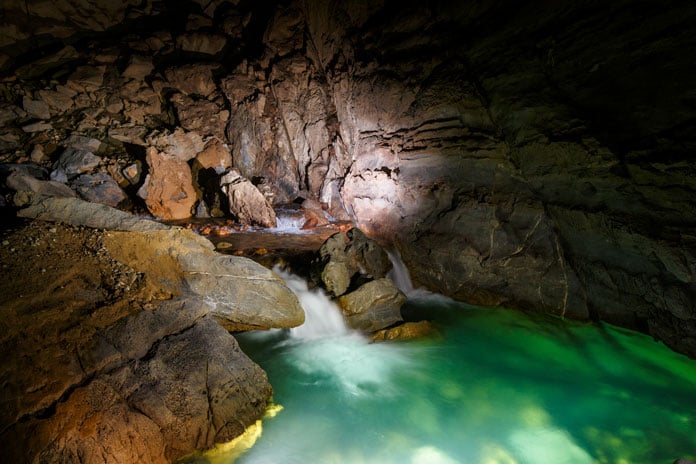
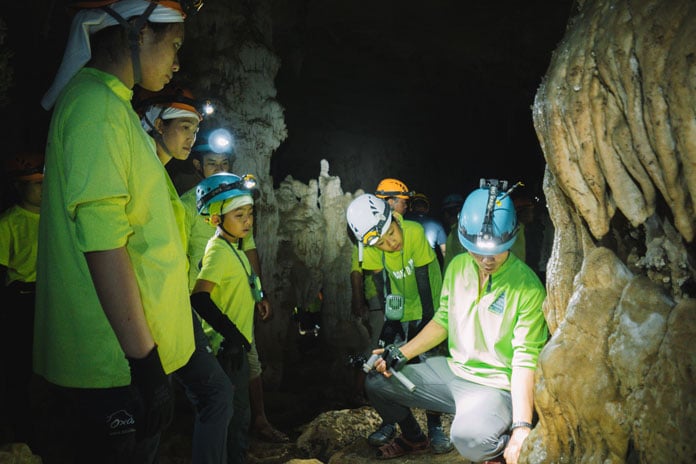
In addition, Phong Nha offers many other attractions such as Bong Lai Valley, Paradise Cave, Phong Nha Cave, and various cave exploration tours organized by Oxalis Adventure.

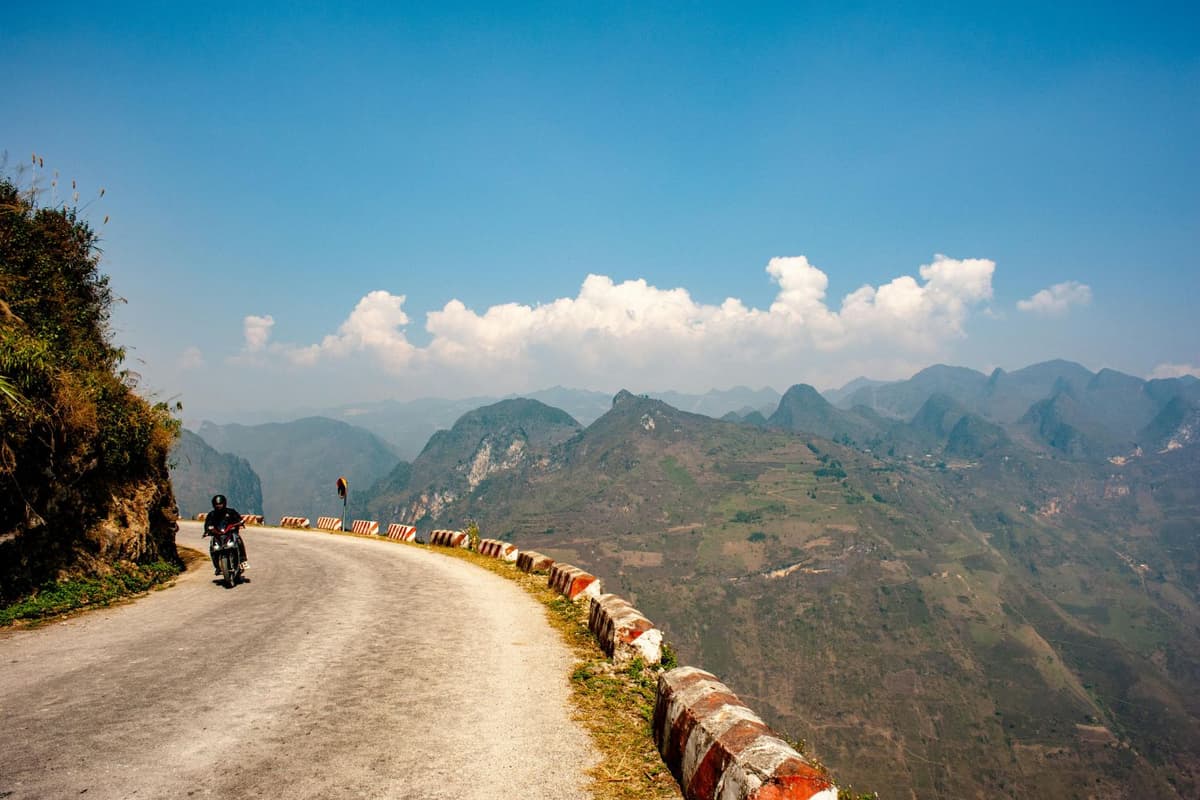
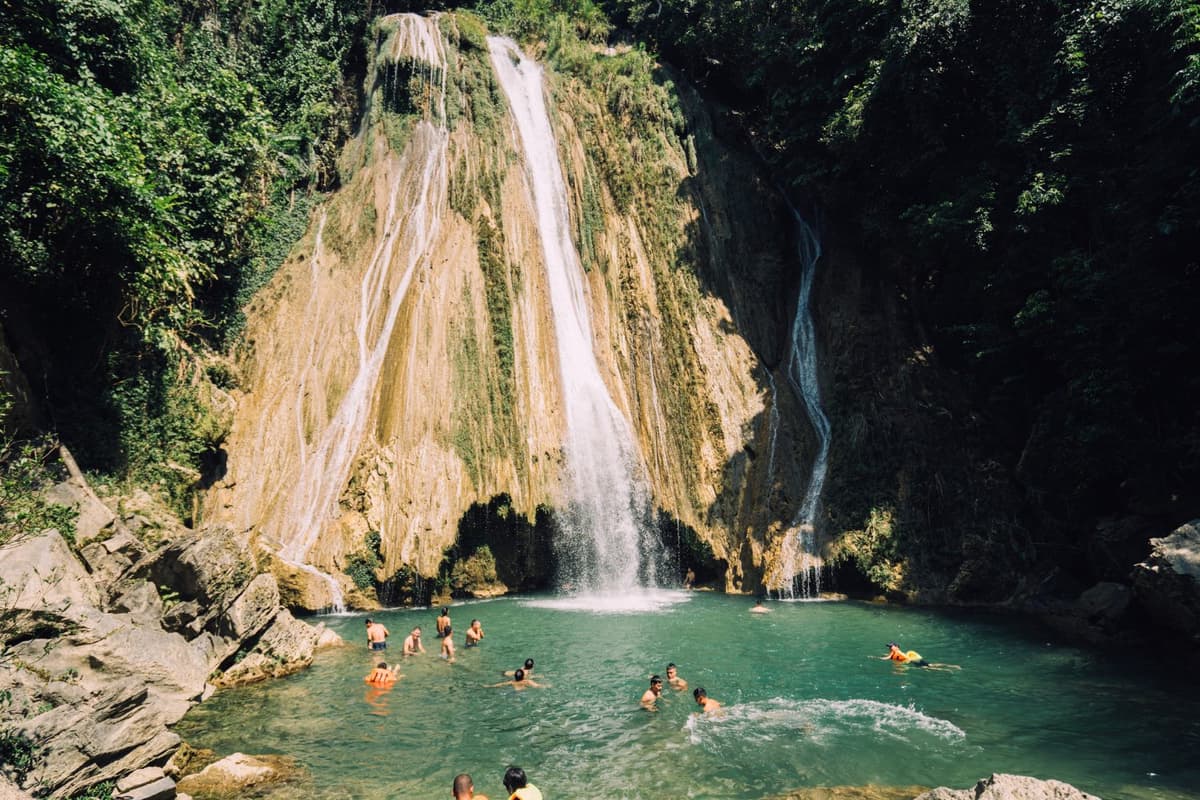

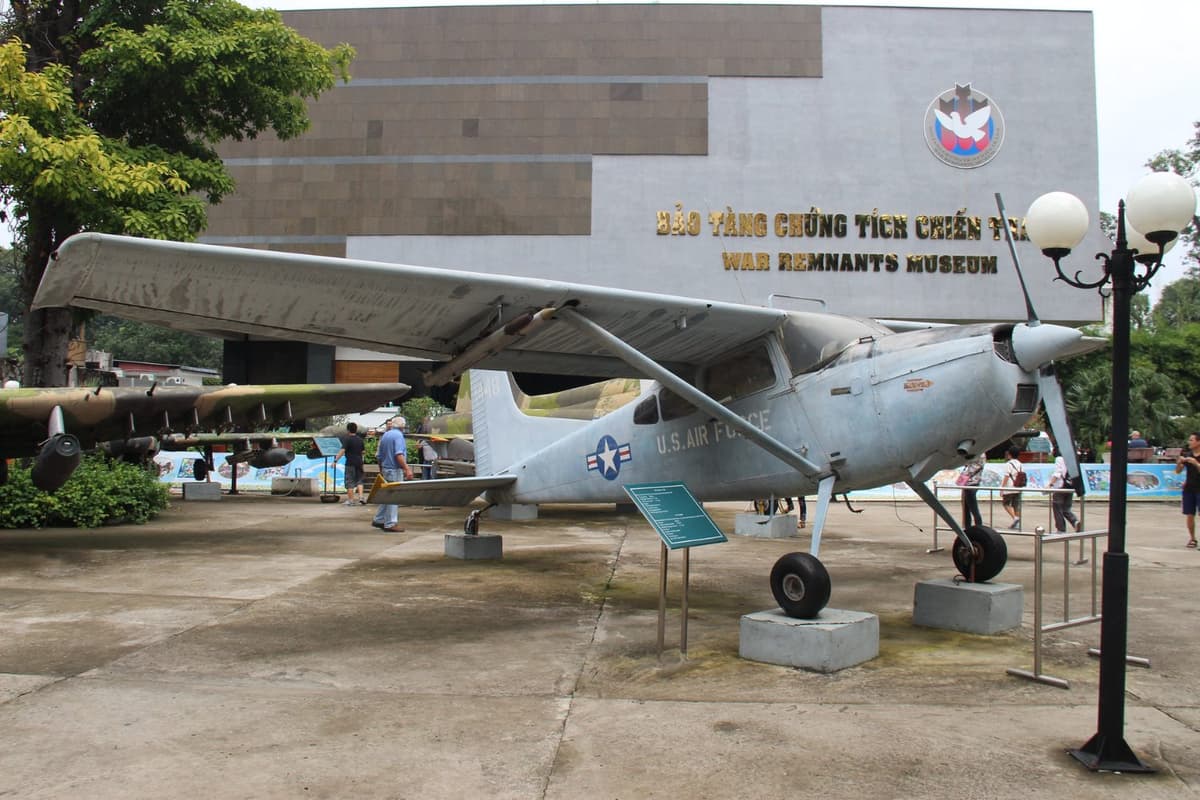

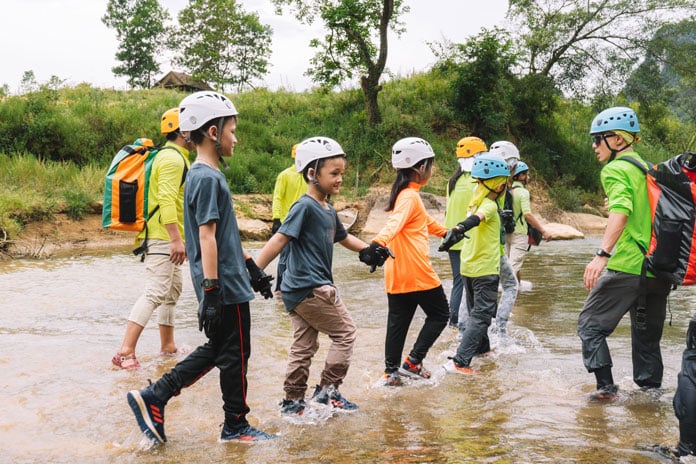
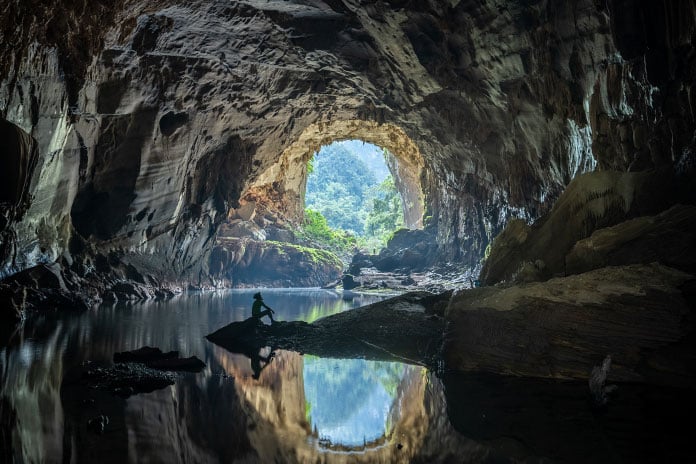
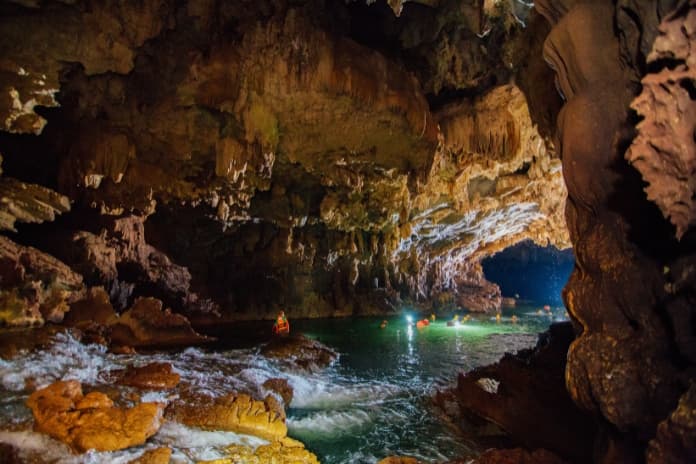
Whether you prefer long treks, camping in a cave, sleeping under the stars in the jungle, swimming underground in river caves, explore the huge dry caves or just taking an exploratory day trip, Oxalis Adventure Tours can provide the right amount of adventure just for you.
__637051782550081035.jpg)
__637051780703588520.jpg)
__637051765075307793.jpg)
__637051774329206026.jpg)
__637740499994967442.jpg)