Ma Pi Leng Pass, Ha Giang: The King of Vietnam's Four Great Mountain Passes
Did you know the most famous section of the Ha Giang Loop was carved almost entirely by hand? That road is Ma Pi Leng Pass, a 20 km mountain pass winding through the UNESCO listed Dong Van Karst Plateau Geopark. Often called the "King of Vietnam's mountain passes," it is one of the country's legendary Four Great Mountain Passes. As you ride along the pass, sheer limestone cliffs tower on one side while the emerald Nho Que River cuts through the deep Tu San Canyon on the other, creating one of Vietnam's most spectacular landscapes.
Keep reading to discover the best time to visit, how to get there, and the top things to do on Ma Pi Leng Pass.
The Heroic History of Ma Pi Leng Pass and Happiness Road
The dramatic road crossing Ma Pi Leng Pass is more than one of the top attractions on the Ha Giang Loop. It is part of the legendary Happiness Road, a project that transformed travel across Vietnam's northern mountains and remains one of the country's greatest engineering achievements.
Built between 1959 and 1965, Happiness Road was constructed almost entirely by hand. Thousands of young volunteers and local workers representing 16 ethnic groups used simple tools like hammers, chisels, shovels, and crowbars to carve a route through steep limestone mountains.
The most difficult section was Ma Pi Leng Pass itself. For nearly 11 months, a volunteer team later known as the "Suicide Squad" worked while suspended by ropes on near vertical cliffs, cutting into solid rock metre by metre. Their determination became a lasting symbol of courage and resilience.
Today, a monument at the top of the pass honors the workers who built this remarkable road. Before taking in the panoramic views, many travelers stop here to learn the story behind the landscape and pay their respects.
Understanding the history of Happiness Road adds a new perspective to any visit. The breathtaking scenery of Ma Pi Leng Pass is not only a natural wonder but also a reminder of the extraordinary effort and sacrifice that made the Ha Giang Loop possible.
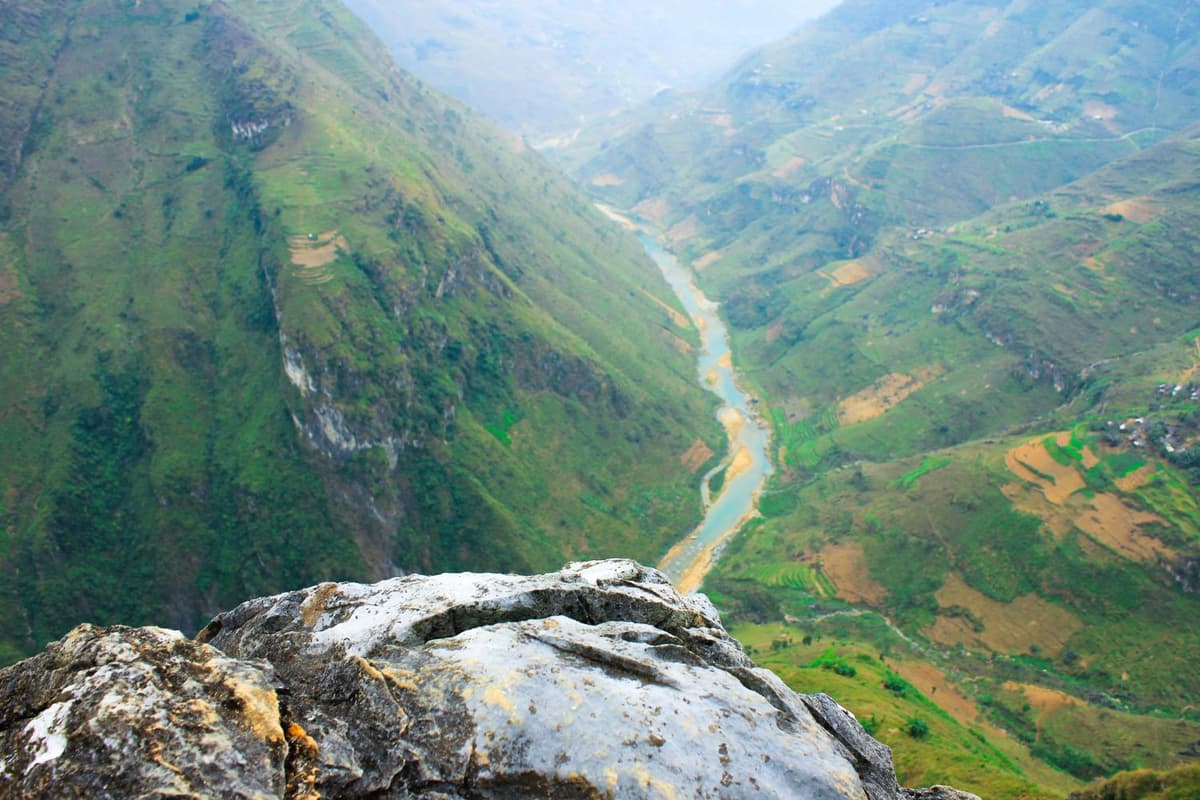
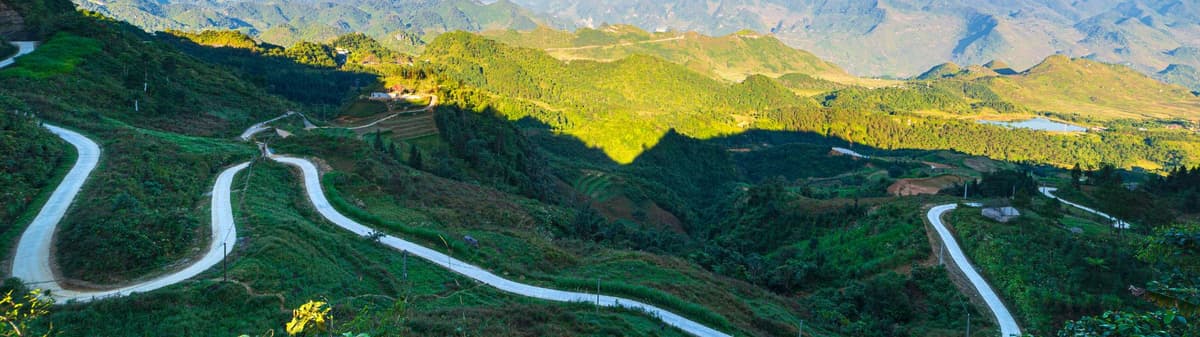
The breathtaking scale of Ma Pi Leng from above.
Ma Pi Leng Pass Location and How to Get There
Ma Pi Leng Pass is located on National Highway 4C, part of the legendary Happiness Road, connecting the towns of Dong Van and Meo Vac in Ha Giang Province. The pass stretches for around 20 km at an elevation of 1,200 to 1,500 meters, right in the heart of the Dong Van Karst Plateau UNESCO Global Geopark.
The name "Ma Pi Leng" comes from the H'Mong language and is commonly translated as "the horse's nose bridge." It describes the razor sharp limestone ridge and the pass's steep terrain, once considered so difficult that even pack horses struggled to cross it. Today, it remains one of the most spectacular roads on the Ha Giang Loop.
Reaching Ma Pi Leng Pass takes two stages. First, travel to Ha Giang City, then continue along the famous Ha Giang Loop to Dong Van and Meo Vac, where the pass is located.
From Hanoi to Ha Giang City
The journey from Hanoi to Ha Giang City covers around 300 km and usually takes 6 to 8 hours.
- Sleeper bus: The most popular option is an overnight sleeper bus departing from My Dinh Bus Station. Traveling overnight saves both time and a night's accommodation, with most buses arriving in Ha Giang early the next morning.
- Travel time: 6 - 8 hours
- Estimated fare: VND 200,000 - 350,000
- Limousine van: If comfort is a priority, limousine vans provide wider seats, hotel pick up in Hanoi, and more frequent departures throughout the day.
- Travel time: 5.5 - 6.5 hours
- Estimated fare: VND 250,000 - 550,000
From Ha Giang City to Ma Pi Leng Pass
Ma Pi Leng Pass is part of the Ha Giang Loop, not a standalone destination. The classic route runs from Ha Giang City → Quan Ba → Yen Minh → Dong Van → Ma Pi Leng Pass → Meo Vac, usually over 3 to 4 days.
- Self drive motorbike: Renting a motorbike gives you the greatest freedom to explore viewpoints, villages, and cafés along the route. However, this option is best reserved for riders with previous mountain riding experience, as the road includes steep climbs, blind corners, and narrow sections.
- Easy rider tour: For most international visitors, an Easy Rider is the safest and most enjoyable choice. A local driver handles the difficult roads while you can focus on the scenery, photography, and cultural stops along the way.
- Jeep or 4WD tour: Jeep tours are ideal for families, couples, or anyone visiting during rainy weather. They provide greater comfort and stability on mountain roads than standard passenger cars.
- Minibus, van, or taxi: Private vans and minibuses are a practical option for groups. If you're already staying in Dong Van or Meo Vac, you can also hire a local taxi or motorbike taxi for a short trip to the pass.
- Join a guided tour: If you prefer a hassle free trip, many operators offer Ha Giang Loop tours departing from either Hanoi or Ha Giang City. These packages typically include transport, accommodation, meals, and an experienced local guide, making them a convenient choice for first time visitors.
Driving Requirements and Safety Tips
If you plan to ride a motorbike, make sure you carry a valid 1968 Vienna Convention International Driving Permit (IDP) along with your original license. Traffic police regularly check documents on the Ha Giang Loop, and riding without the proper license can result in fines and vehicle confiscation.
For most international visitors, an Easy Rider tour is the safest and most enjoyable option. A local driver handles the challenging roads while you can focus on the incredible scenery. Families and small groups may also prefer a Jeep tour for added comfort.
Whatever you choose, wear a quality helmet, closed toe shoes, and avoid stopping on blind corners for photos. Use designated viewpoints instead, where you can enjoy the landscape safely.
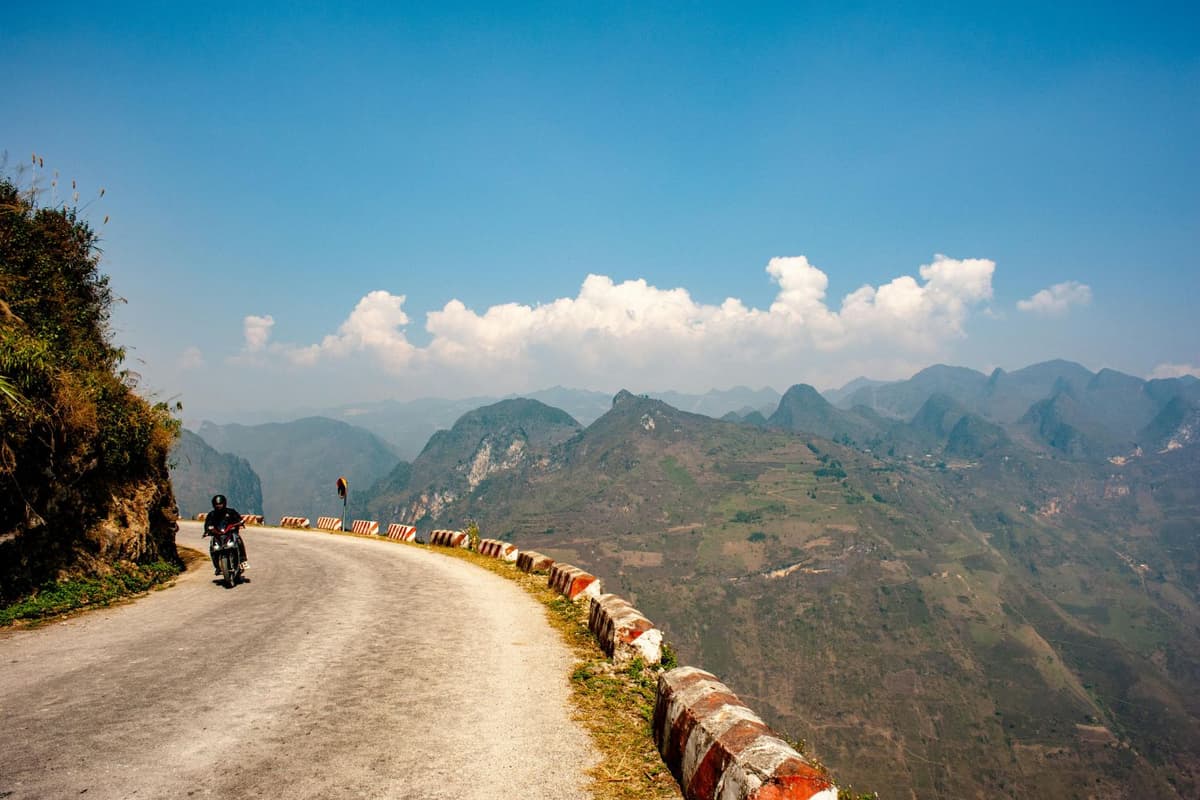
Mastering every twist of the legendary Ma Pi Leng pass.
Top things to do on Ma Pi Leng Pass, Vietnam
Ma Pi Leng Pass is more than just a scenic drive on the Ha Giang Loop. Spend at least half a day here and you'll discover dramatic viewpoints, one of Southeast Asia's deepest canyons, rewarding hikes, and authentic H'Mong culture beyond the famous roadside photo stops.
1. Drive Ma Pi Leng Pass by Motorbike or Easy Rider
Driving Ma Pi Leng Pass is the highlight of the Ha Giang Loop, but it's also one of the most challenging sections. Although the pass itself is only about 20 km long, the journey between Dong Van and Meo Vac usually covers 20 to 50 km, depending on your route. Plan 1.5 to 2 hours or longer, as you'll likely stop often for photos.
Confident riders can rent a motorbike, but foreign visitors should carry a valid 1968 Vienna Convention International Driving Permit (IDP). Police checkpoints are common, and riding without the correct license may result in fines of VND 2 - 3 million and vehicle confiscation.
For most travelers, an Easy Rider tour is the better choice. A local driver handles the steep curves and blind corners, leaving you free to enjoy the views and take photos safely.
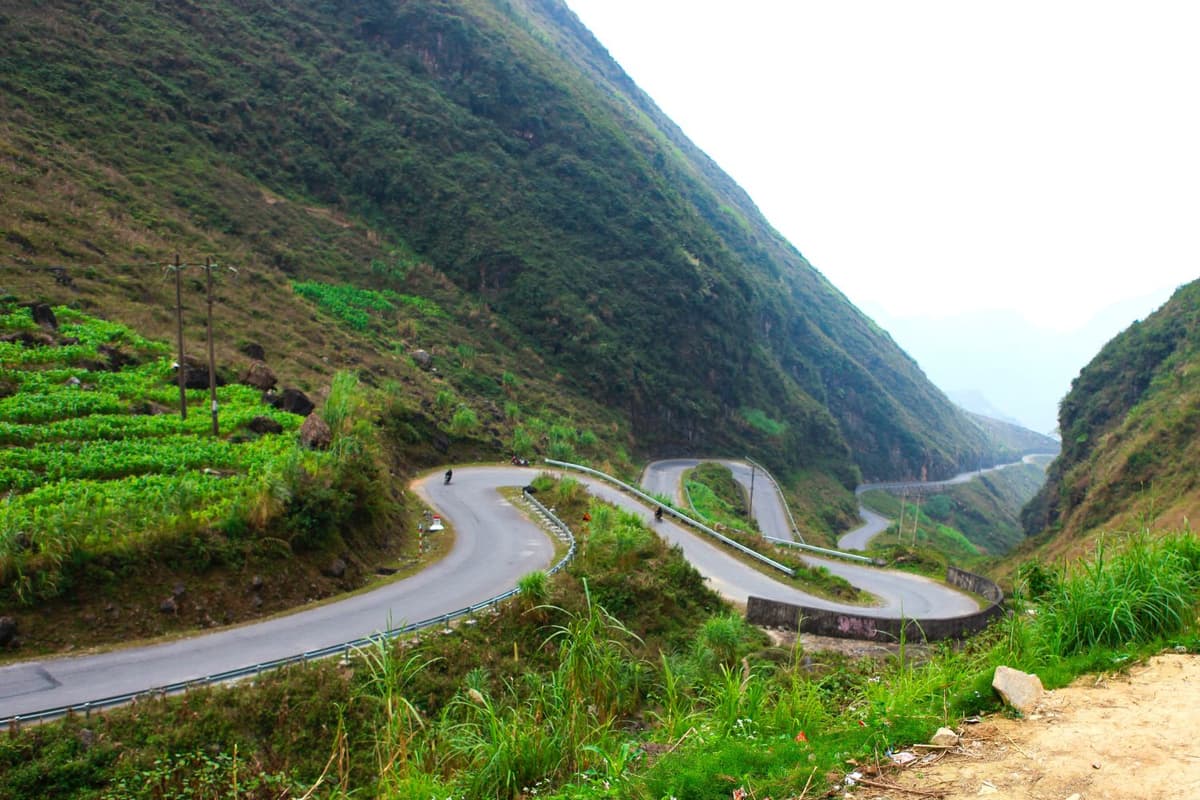
The thrill of riding Ma Pi Leng’s winding roads.
2. Enjoy the View from Ma Pi Leng Viewpoint
One of the most rewarding things on Ma Pi Leng Pass is stopping at the official Ma Pi Leng Viewpoint, often called Ma Pi Leng Panorama. This is the best place to appreciate the scale of the landscape and understand why the pass is considered one of Vietnam's greatest scenic drives.
From the viewpoint, you'll look directly over Tu San Canyon, the deepest canyon in Southeast Asia. Towering limestone cliffs rise 700 to 800 meters above the emerald waters of the Nho Que River, creating one of the most iconic views on the Ha Giang Loop. On clear days, the contrast between the gray karst mountains and the winding river is especially striking.
There are several cafés and rest stops nearby where you can enjoy a drink while taking in the scenery. Although the viewpoint is easy to reach by motorbike or car, it can become busy during the middle of the day when tour groups arrive.
For the best light and a quieter atmosphere, visit before 9 AM or return in the late afternoon. These times offer softer light for photography and a much more peaceful experience.
Travel tip: Stay well behind the safety barriers and avoid stopping on the roadside outside designated parking areas. The viewpoint provides all the scenery you need without putting yourself or other drivers at risk.
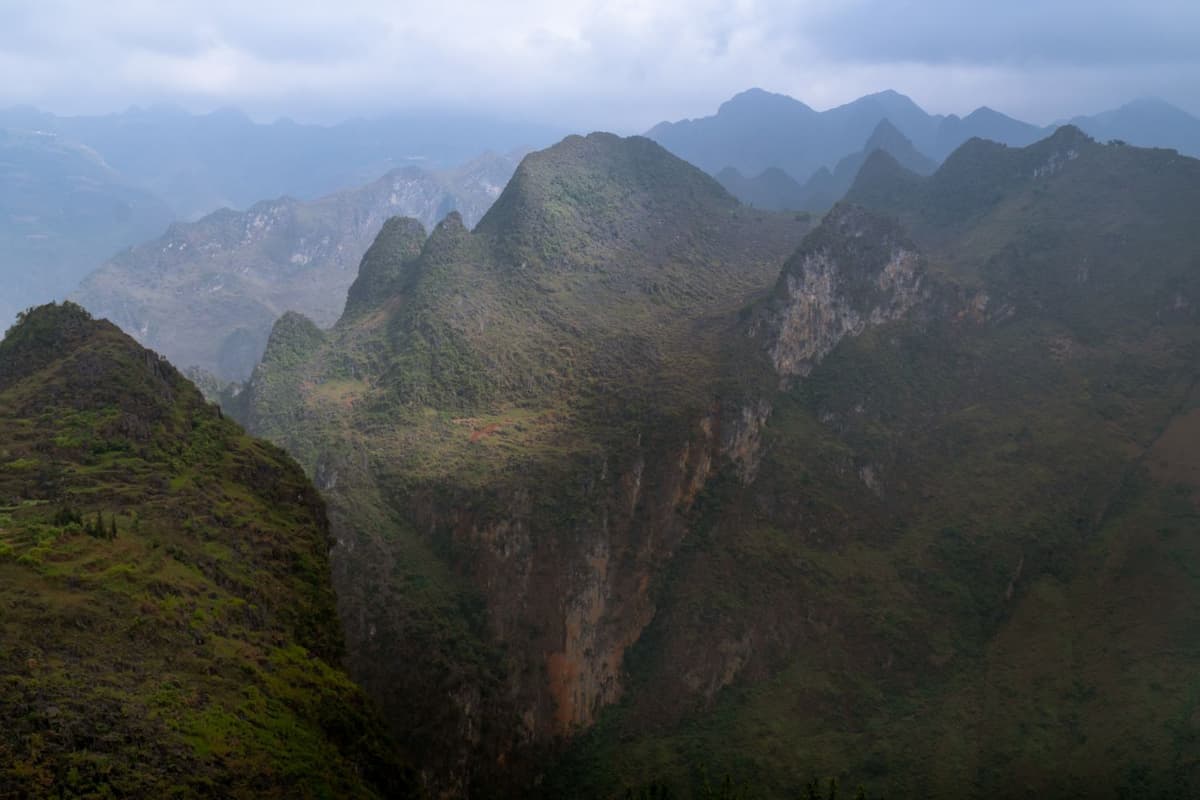
Iconic mountain views near the Ma Pi Leng viewpoint.
3. Hike the White Cliff Skywalk
If you're looking for more adventurous, head to the White Cliff Skywalk, also known as the Sky Path. Running high above the main road, this narrow trail offers an even more dramatic perspective of the mountains and is one of the best viewpoints along the Ha Giang Loop.
Unlike the highway below, the trail is not suitable for large motorbikes. Most visitors either hike the route or hire a local motorbike taxi to reach the starting point. A round trip typically costs VND 50,000 to 150,000, depending on the season and distance.
The path follows steep limestone cliffs at an elevation of around 1,700 meters. Along the way, you'll reach the famous Dead Rock, a natural rock ledge extending toward the canyon. From here, you can enjoy uninterrupted views across Tu San Canyon, the Nho Que River, and the surrounding peaks.
Because the trail is narrow with uneven surfaces, wear shoes with good grip and avoid hiking during heavy rain or thick fog. If you're planning to stay longer, some experienced travelers also camp nearby to enjoy sunrise over the karst plateau, although you should only do this with proper equipment and leave no trace.
Bring water, start early to avoid the midday heat, and never step beyond safe viewpoints just for a photo. The best views are already spectacular without taking unnecessary risks.
4. Take a Boat Trip on the Nho Que River
A boat trip on the Nho Que River is one of the most memorable things to do on Ma Pi Leng Pass. While the viewpoints reveal the canyon from above, cruising through Tu San Canyon lets you appreciate the scale of its towering limestone cliffs from the water.
The boat pier is reached via a steep road that branches off the main highway toward Ta Lang Wharf on the Meo Vac side of the pass. Because the descent is narrow, winding, and extremely steep, many travelers leave their motorbike at the top and hire a local motorbike taxi for a safer ride down.
Shared boat tickets typically cost 50,000 to 120,000 VND per person, and the journey lasts 45 to 60 minutes. Along the way, you'll glide through the narrowest section of Tu San Canyon, with sheer rock walls rising hundreds of meters above the emerald river.
During the dry season, the Nho Que River is famous for its striking turquoise color. The water is deep and remains cold year round, usually around 15 to 18°C, so wearing a life jacket is mandatory. Swimming is not allowed for safety reasons.
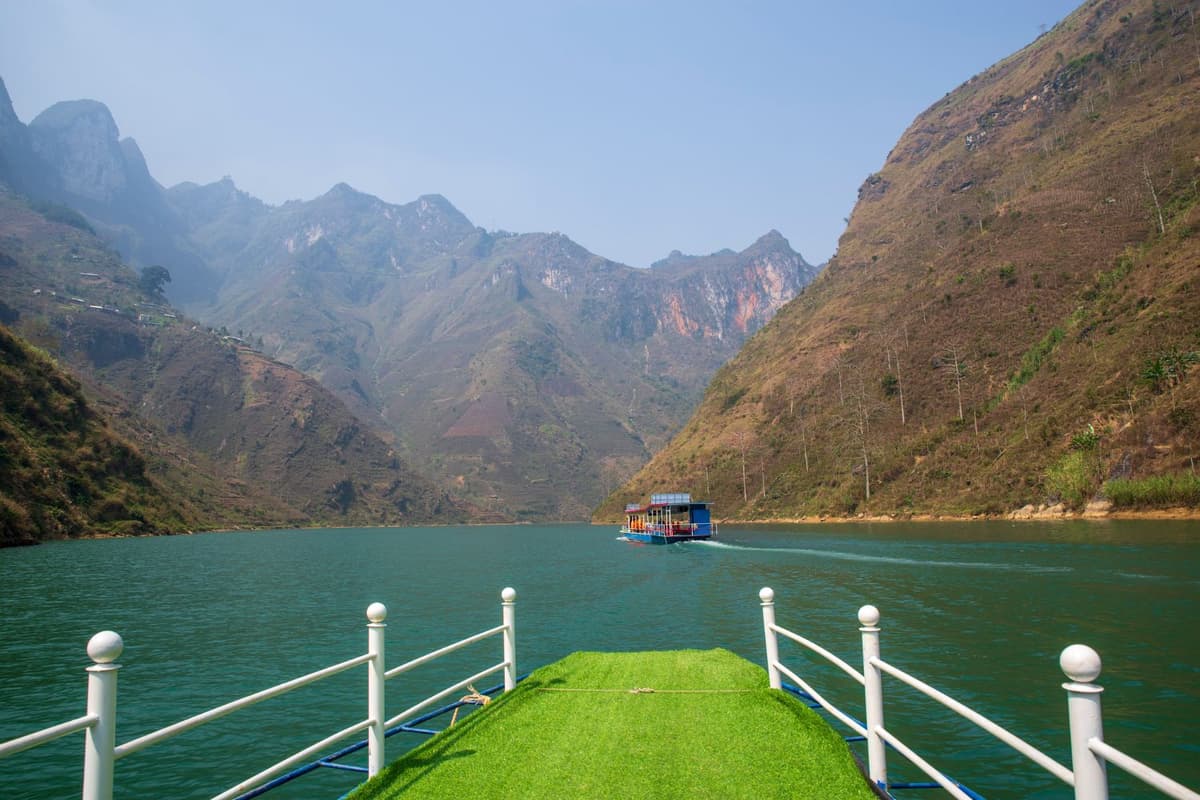
Serene boat rides along the emerald Nho Que River.
5. Experience H'Mong Culture in Pa Vi Village
After the dramatic landscapes, slow the pace with a visit to Pa Vi Cultural Tourism Village, located at the foot of Ma Pi Leng Pass near Meo Vac. It's a great place to discover the traditions of the H'Mong people and add a cultural dimension to your journey.
The village is home to traditional earthen houses with yin and yang tile roofs, many of which have been converted into family run homestays. Spending a night here offers a chance to experience local hospitality, learn about daily life in the mountains, and wake up surrounded by the limestone peaks of the Dong Van Karst Plateau.
Food is another highlight. Depending on the season, you can try regional specialties such as thang co, grilled buckwheat cakes, and locally produced corn wine. If you stay with a local family, meals are often shared around a communal table, making it easy to connect with your hosts and learn more about H'Mong culture.
Whenever possible, buy handicrafts directly from local artisans and ask before taking photos of people. Small gestures like these help support community based tourism while showing respect for local traditions.
An overnight stay in Pa Vi Village pairs perfectly with the Ha Giang Loop, giving you time to experience the culture beyond the famous viewpoints and mountain roads.
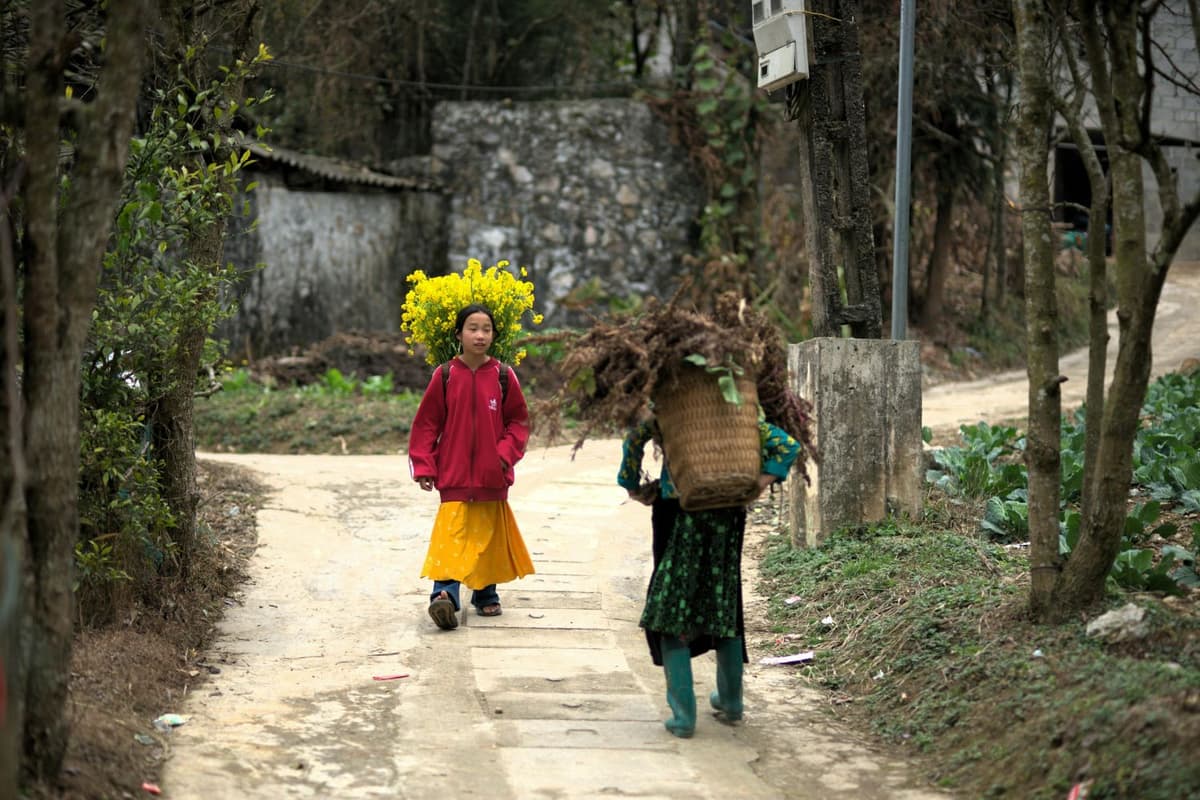
Authentic daily life in the H'Mong highlands.
Best Time to Visit Ma Pi Leng Pass and Weather Conditions
The best time to visit Ma Pi Leng Pass is September to November, when the weather is cool, dry, and visibility is at its best. Because conditions can change quickly in the mountains, it's worth planning your trip around the season.
- September to November (Best season): Cool, dry weather, clear mountain views, golden rice terraces, blooming buckwheat flowers, and the Nho Que River at its brightest emerald color. Bring a light jacket for chilly mornings and evenings.
- March to May (Spring): Mild temperatures, blooming peach and plum blossoms, and excellent road conditions for the Ha Giang Loop. Pack sunscreen and a light waterproof jacket for occasional spring showers.
- June to August (Rainy season): Frequent heavy rain can cause landslides, fog, and slippery roads. The scenery is lush, but the Nho Que River is often muddy. Check weather forecasts carefully and avoid riding during storms.
- December to February (Winter): Cold weather, thick fog, and occasional frost can reduce visibility, especially in the early morning. Wear warm layers, gloves, and start your ride after 9 AM when conditions are usually safer.
Best Nearby Attractions Around Ma Pi Leng Pass
If you're driving the Ha Giang Loop, these attractions are easy to combine with Ma Pi Leng Pass and can comfortably fit into a one or two day itinerary.
- Dong Van Old Quarter (10 - 15 km): Just before Ma Pi Leng Pass, this charming old town is known for centuries old stone houses, cozy cafés, and a lively evening atmosphere. It's also one of the best places to stay before crossing the pass.
- Meo Vac Sunday Market (10 km): Held every Sunday morning in Meo Vac, this colorful market brings together H'Mong, Dao, Lo Lo, and other ethnic communities. Arrive around 6 AM to experience livestock trading, traditional clothing, and local food at its busiest.
- Lung Cu Flag Tower (24 km from Dong Van): Marking Vietnam's northernmost point, Lung Cu Flag Tower offers sweeping views across the border region and nearby Lo Lo villages. The scenic mountain road is well worth the detour.
- Hmong King Palace (14 - 15 km from Dong Van): Also known as the Vuong Family Mansion, this historic residence combines H'Mong, Chinese, and French architectural influences. Allow about 1 hour to explore the complex and learn about the influential Vuong family and the history of the Dong Van Karst Plateau.
Best Hotels and Homestays Near Ma Pi Leng Pass
There are very few places to stay directly on Ma Pi Leng Pass, so most travelers choose accommodation in Meo Vac or Dong Van. Both towns offer easy access to the pass, restaurants, fuel stations, and a wide range of homestays and small hotels.
1. Pa Vi Hmong Cultural Tourism Village
If you want an authentic local experience, Pa Vi Hmong Cultural Tourism Village is one of the best places to stay near Ma Pi Leng Pass. Located just outside Meo Vac, the village features traditional H'Mong style houses built with rammed earth walls and yin yang tile roofs.
Many homestays overlook the surrounding valley and mountains, making it a peaceful base before or after driving the Ha Giang Loop. Staying here also gives you the chance to enjoy homemade regional dishes and learn more about H'Mong culture.
2. Ma Pi Leng Ecolodge
For unforgettable views, Ma Pi Leng Ecolodge is one of the top accommodation choices near Ma Pi Leng Pass. Perched on the mountainside, it overlooks Tu San Canyon and the emerald Nho Que River.
The rooms are designed with natural materials that blend into the landscape, while private balconies provide front row seats for sunrise, sunset, and cloud watching. It's an excellent choice for couples, photographers, and anyone looking to slow down after the drive.
3. Auberge de Meo Vac
Located in the center of Meo Vac, Auberge de Meo Vac combines convenience with local character. The restored French era building offers comfortable rooms within walking distance of cafés, restaurants, and the famous Sunday market.
It is a practical base for travelers who want modern comforts while remaining close to the culture and daily life of the local community.
Insider Tips for Staying in Ha Giang
Many traditional homestays offer simple but comfortable accommodation, although facilities may be more basic than city hotels. Family style dinners are often included, making it easy to try local specialties and meet your hosts. Life starts early in the mountains, so expect breakfast and daily activities to begin around 6 AM, especially during the farming season.
Responsible Travel and Local Etiquette at Ma Pi Leng Pass
Respecting local culture helps protect the beauty of Ma Pi Leng Pass and creates more meaningful experiences during your Ha Giang Loop adventure.
- Ask before taking photos: Always smile and ask permission before photographing local people, especially older H'Mong residents.
- Don't give money or candy to children: It can encourage begging and keep children away from school. Support families by buying local products instead.
- Support local businesses: Stay at family run homestays and buy handmade hemp textiles or local crafts directly from artisans.
- Respect local homes: Remove your shoes before entering a house and never touch family altars or sacred objects.
- Dress respectfully: Lightweight clothing is fine on the road, but wear more modest outfits when visiting villages or community spaces.
- Be polite with "happy water": If you're offered local corn wine, a small sip followed by a polite decline is perfectly acceptable.
- Respect people's privacy: Villages are real communities, not tourist attractions. Never enter someone's home unless invited.
- Leave no trace: Take all rubbish with you and help keep Ma Pi Leng Pass, the Nho Que River, and the Dong Van Karst Plateau UNESCO Global Geopark clean for future visitors.
Frequently Asked Questions (FAQs)
1. How long does it take to drive Ma Pi Leng Pass?
Although Ma Pi Leng Pass is only about 20 km long, allow 1.5 to 2 hours to enjoy the drive, stop at viewpoints, and take photos along the way.
2. Should I hire an Easy Rider?
Yes, especially if you have limited experience riding mountain roads or don't have a valid 1968 Vienna Convention IDP. An Easy Rider makes the journey safer and lets you enjoy the scenery without worrying about the challenging road conditions.
3. Can I see the Nho Que River without taking a boat?
Yes. Several viewpoints along Ma Pi Leng Pass offer spectacular views of the Nho Que River and Tu San Canyon without leaving the main road. A boat trip simply gives you a different perspective from the water.
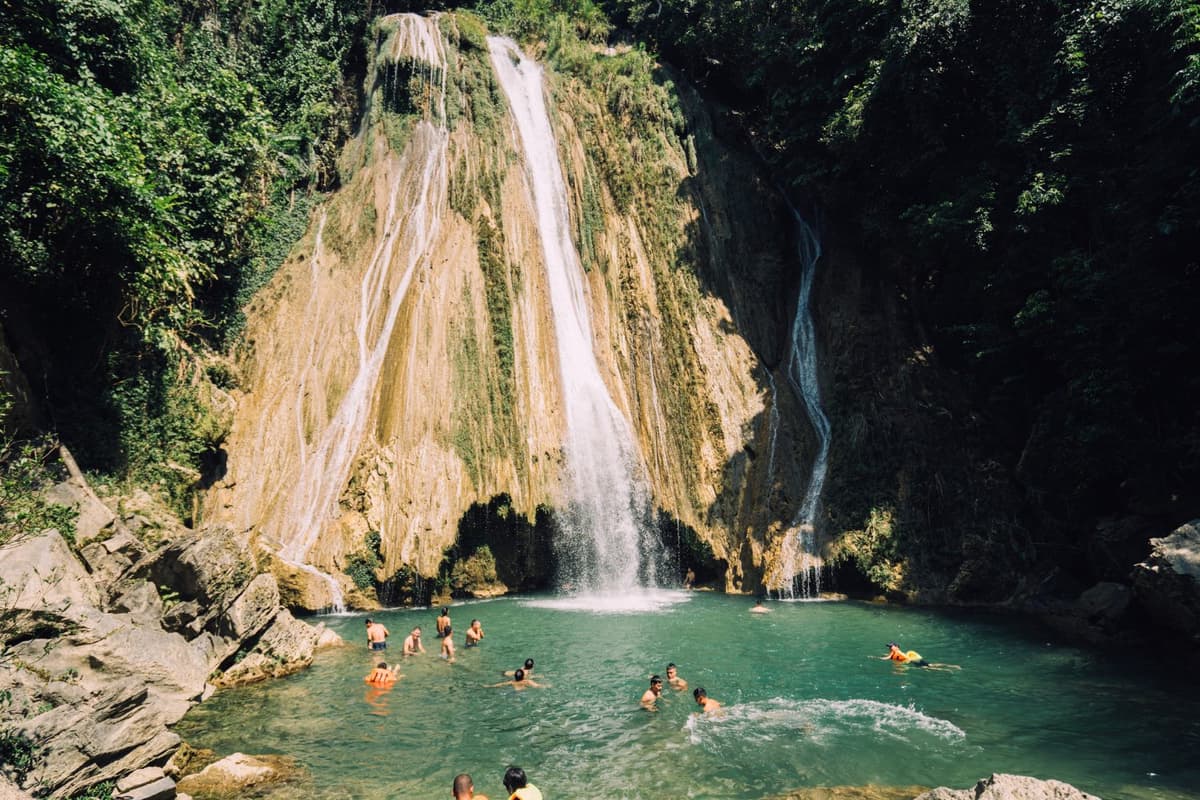
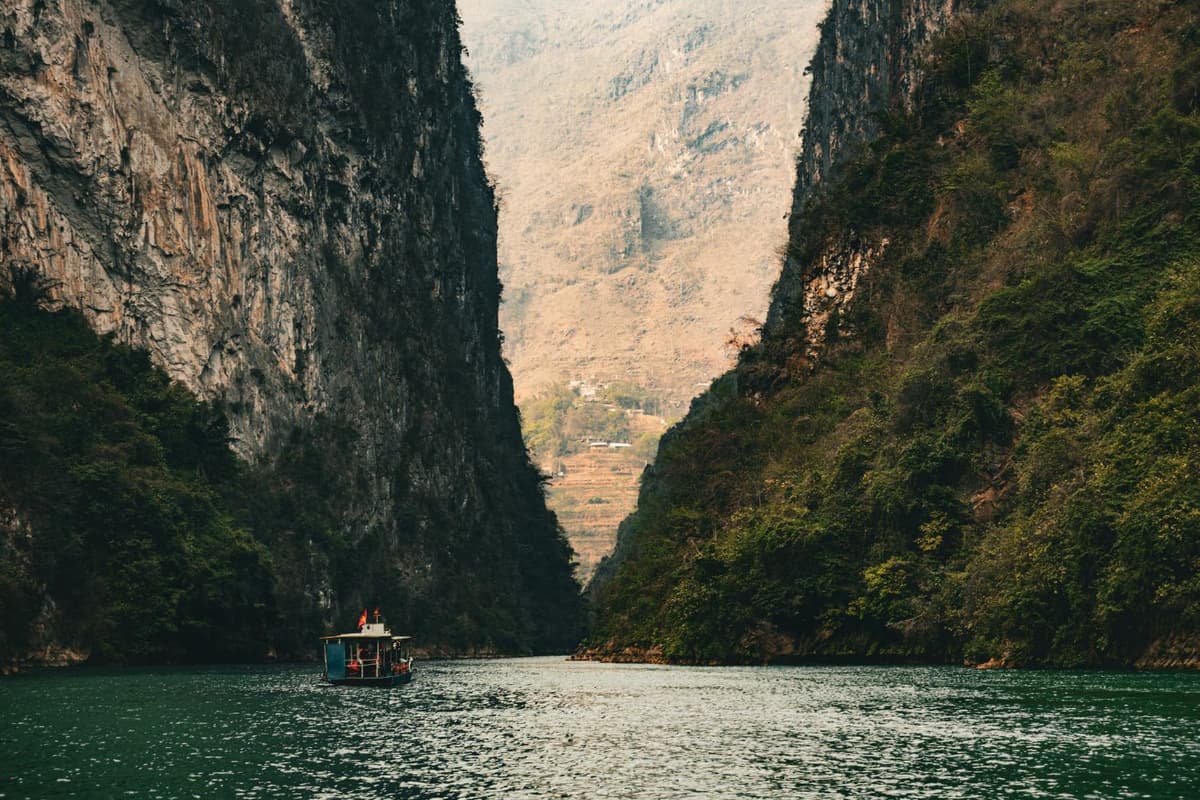

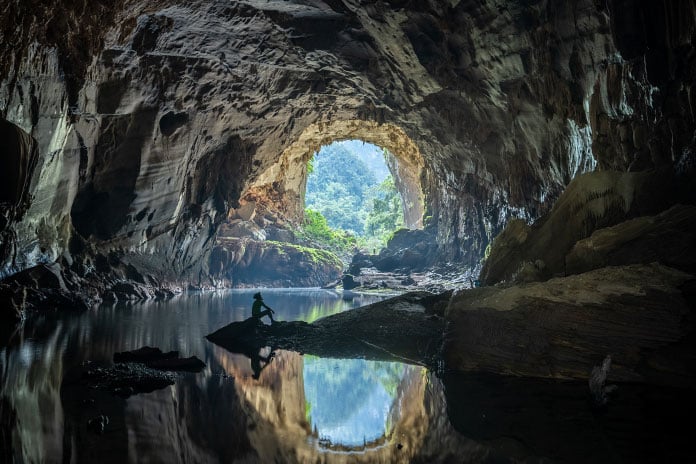
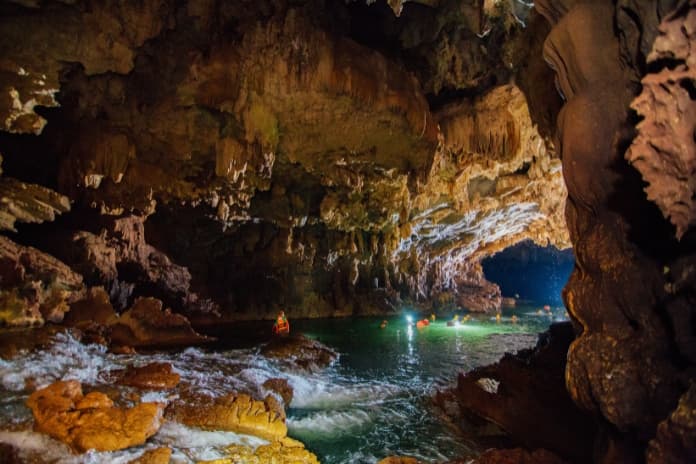
Whether you prefer long treks, camping in a cave, sleeping under the stars in the jungle, swimming underground in river caves, explore the huge dry caves or just taking an exploratory day trip, Oxalis Adventure Tours can provide the right amount of adventure just for you.
__637051782550081035.jpg)
__637051780703588520.jpg)
__637051765075307793.jpg)
__637051774329206026.jpg)
__637740499994967442.jpg)