Khe Sanh Vietnam: Exploring historic battlefields and natural beauty
There’s a quiet road in central Vietnam that most travelers seldom hear about – the Khe Sanh Route. It winds from “Cave Kingdom” Phong Nha to Khe Sanh and down to Hue, slipping through Truong Son forests, remote villages, and places where history still lingers in the air.
You don’t have to be a history buff to enjoy it. This journey is for anyone who loves empty roads, big mountain views and the feeling of discovering a place before the crowds do. The drive is smooth enough for motorbikes and private cars, even families with kids. Along the way you can step inside Commander Cave Museum, sip Khe Sanh’s Arabica coffee, and see the DMZ in a way that feels real and unfiltered.
This guide covers the full 250–300 km journey, with a flexible 2–3 day itinerary, transport tips and all the essentials you need before starting one of Vietnam’s most untouched road trips.
Why the Khe Sanh Route Is One of Vietnam’s Most Unique Road Trips
A wild and remote road through the Truong Son Mountains
The Khe Sanh Route is one of the quietest and most cinematic mountain roads in Central Vietnam. The journey can run either Phong Nha to Hue or Hue to Phong Nha, stretching across the remote spine of the Truong Son Mountains.
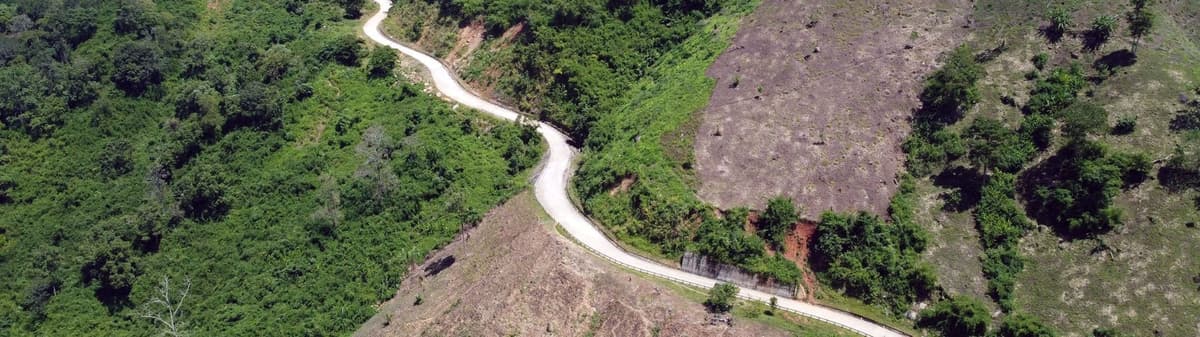
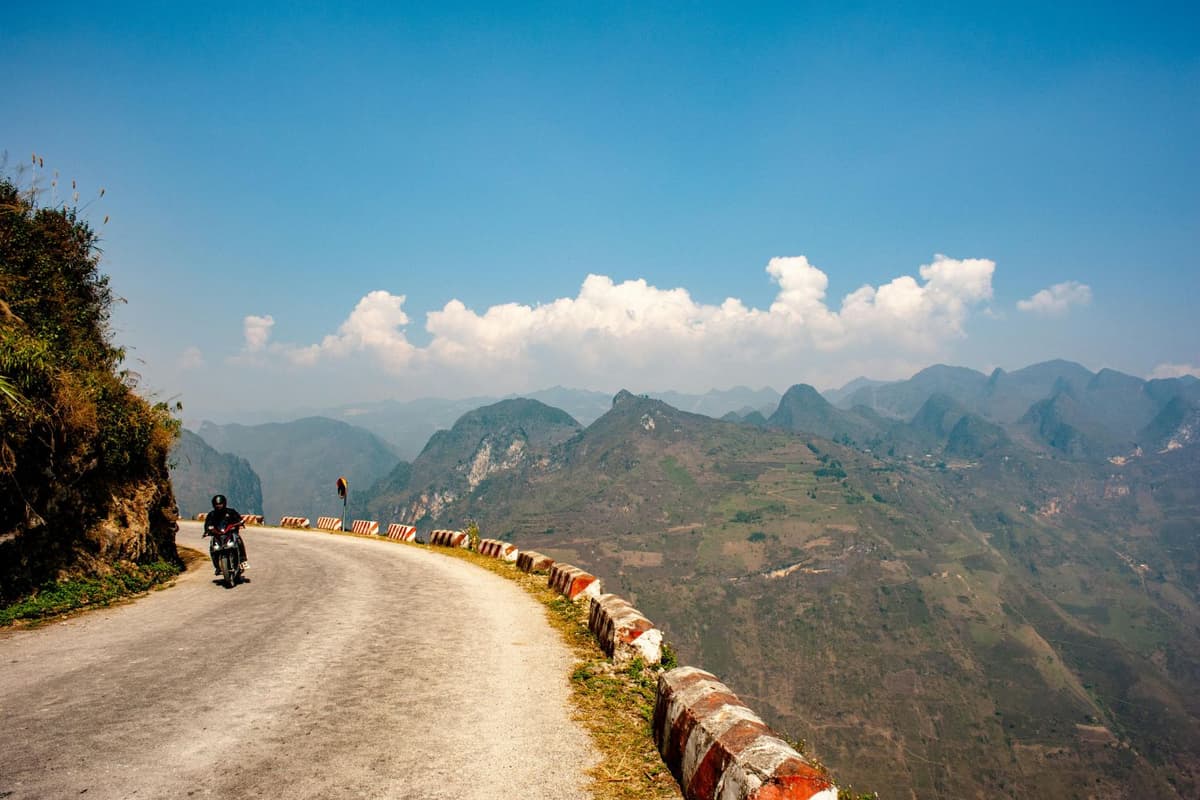
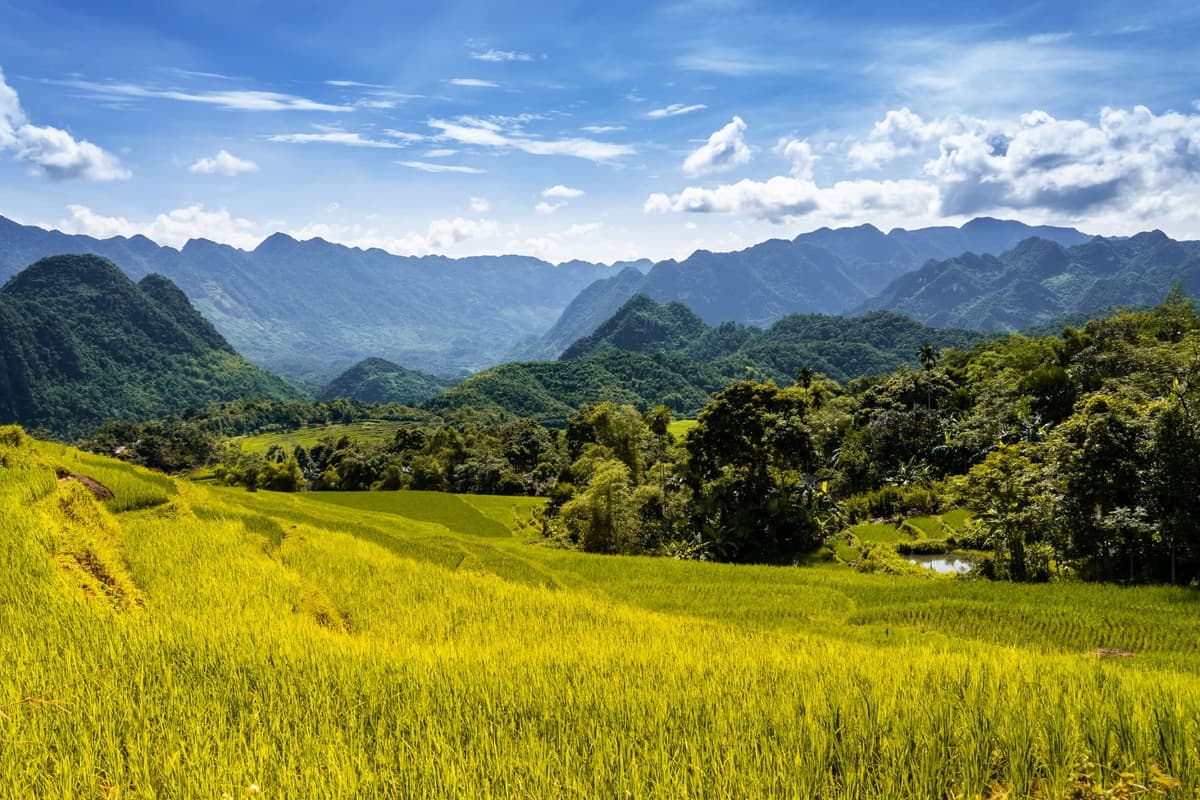
It begins with green rice fields and limestone karsts around Phong Nha, then gradually shifts into a world of deep forest as you enter the West Ho Chi Minh Trail. The road curves endlessly along jungle-covered ridges, offering every kind of bend from soft sweepers to tight hairpins — a dream for motorbike lovers.
As you climb toward Khe Sanh, nearly 1,000m above sea level, the air turns cool, and the landscape opens into layered mountain ranges drifting in cloud. Early mornings often blanket the valleys in mist, where beams of sunlight break through like a moving film scene. From higher viewpoints, you may even spot distant wind farms fading in and out of the floating white fog.
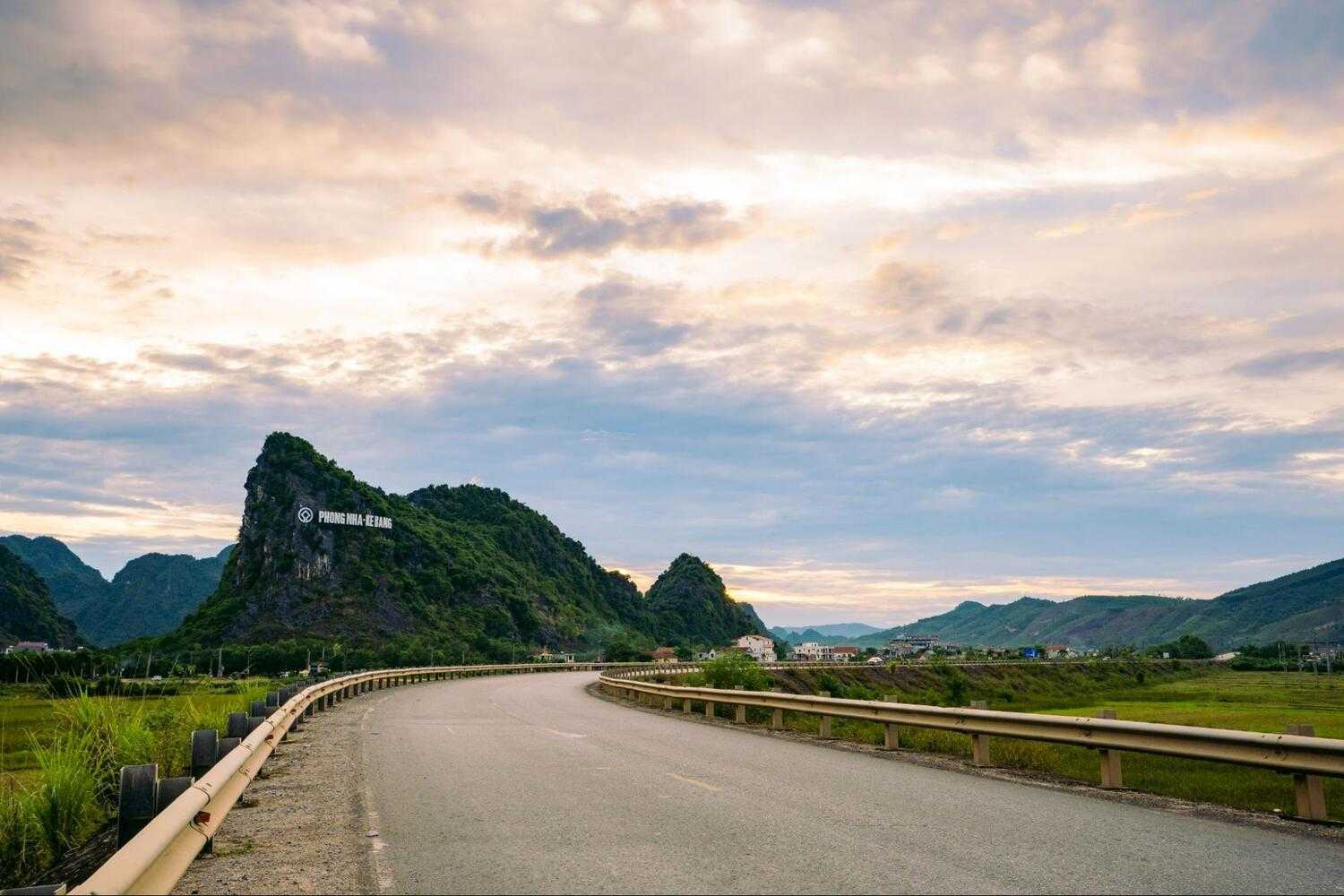
The Phong Nha–Ke Bang route showcases limestone peaks and lush valleys.
A blend of history, culture and local life
The Khe Sanh Route also reveals a more human side of Central Vietnam as it winds through Pa Co and Van Kieu villages. Wooden houses sit beside quiet rivers and small fields, and it feels natural to slow down, say hello or share a cup of tea with locals on the roadside.
Many travelers describe this stretch as their most authentic moment, when stories and smiles appear so easily. Children often run out to wave as the sound of your engine echoes through the valley, and the warmth of the community lingers long after you leave.
The cultural landscape blends smoothly with historic sites such as Khe Sanh Combat Base, Dak Rong Bridge, Ta Con Airfield, the Rockpile lookout and the symbolic Hien Luong Bridge marking the former seventeenth parallel. A visit to the Vinh Moc Tunnels offers a powerful glimpse of how families once lived underground. Together, these encounters create a journey that feels intimate, grounded and deeply connected to the people of the Truong Son mountains.
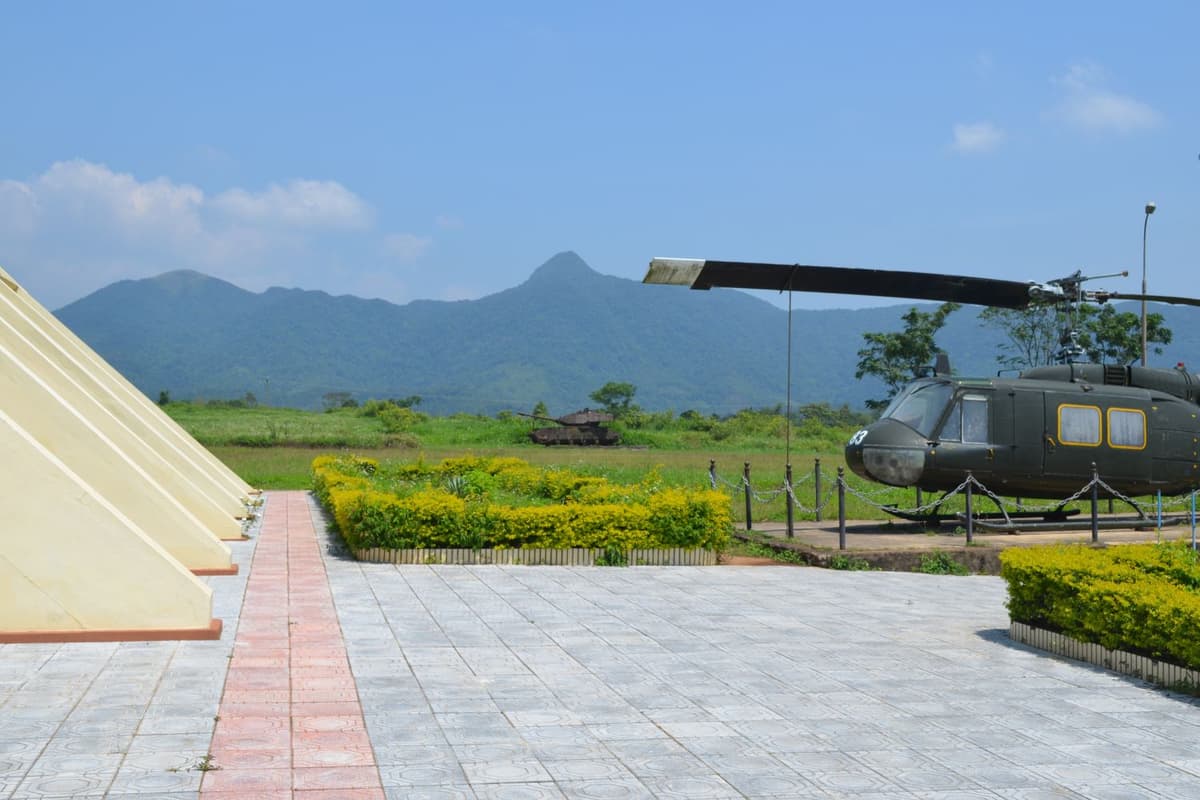
Ta Con Airfield offers a stark reminder of Quang Tri’s wartime history.
Smooth connection to Vietnam’s most beautiful coastal drive
From Hue, the route continues easily toward Da Nang or Hoi An. This extension creates a perfect combination of mountains, history and coastline within one journey.
The first stop is Elephant Springs, a clear natural pool hidden inside the forest. After that, the road climbs the Hai Van Pass, a dramatic ridge with sweeping views of the sea and considered by many as one of the most scenic coastal roads in Vietnam.
The journey can end at Marble Mountain or extend onward to Hoi An. By linking the Truong Son mountains with the central coastline, travelers get to experience two of Vietnam’s most iconic landscapes in a single seamless trip.
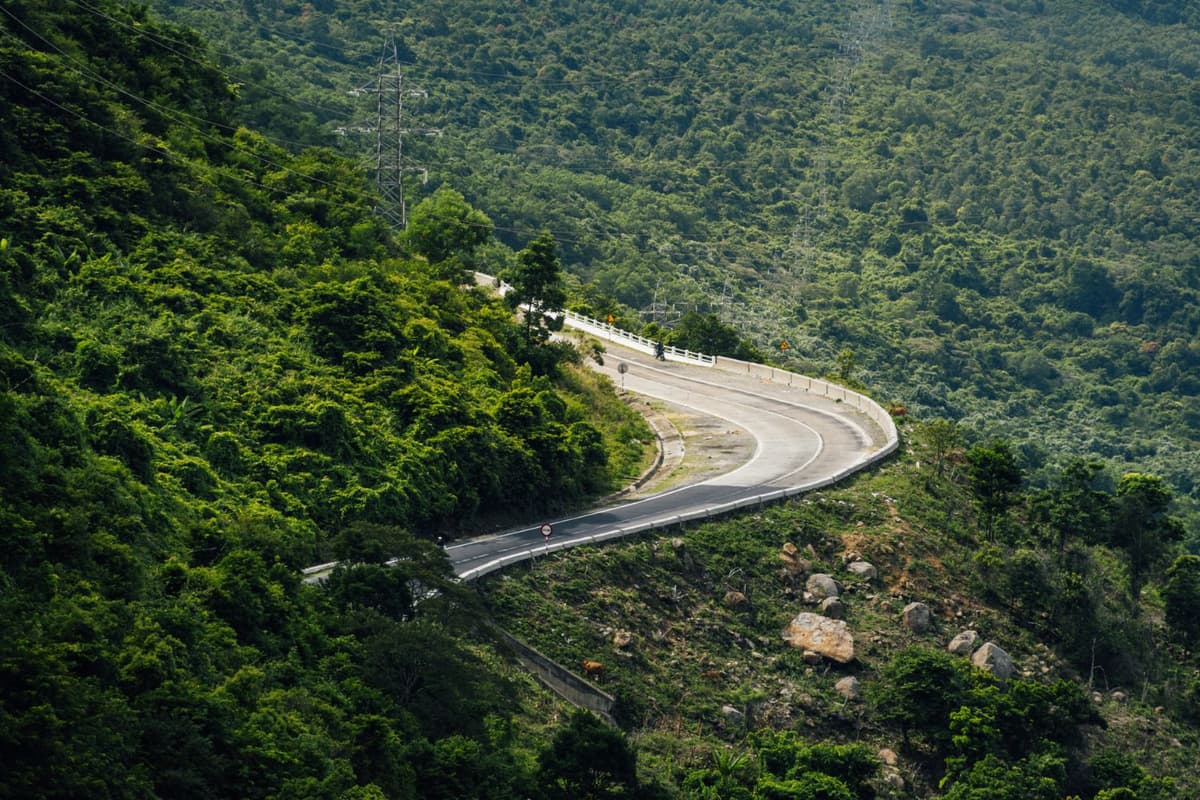
Travelers admire sweeping coastal views as Hai Van Pass curves above the sea.
Flexible transport options for every travel style
The Khe Sanh Route links Phong Nha, Khe Sanh and Hue through a blend of national highways and forested mountain roads. The journey follows Highway 1A on the flat lowlands, then rises into the Truong Son range along the West Ho Chi Minh Trail.
The surface has improved greatly in recent years and most sections are smooth, wide and stable. The mountain bends still offer plenty of excitement, with sweeping curves, tighter switchbacks and a few shaded stretches where moss can appear after rain.
The scenery is consistently impressive with cool air, dense forest, and quiet valleys. It is an adventurous route, yet completely doable with the right vehicle and proper preparation. Each transport option offers its own way to enjoy the scenery.
Motorbike with rider, or Easy Rider
This choice is ideal for travelers who want the freedom of a motorbike without the pressure of driving. You can focus fully on the mountain views, take photos whenever you like, and move at a relaxed pace while a skilled local rider handles the road safely.
Self-ride motorbike
Self-riding is ideal for confident bikers with a valid international license. This option gives you complete control of the journey, from the steady climb into the forested mountains to the long ribbon of bends on the West Ho Chi Minh Trail. The improved road surface makes the ride enjoyable, but you still need to check your bike carefully before departing and travel with proper protective gear. For riders who love the feeling of leaning into turns, this section of Central Vietnam is one of the most satisfying routes in the country.
Private car
A private vehicle is the most comfortable option for families, groups of friends and travelers carrying more luggage. The journey is smooth, the air-conditioning keeps everyone relaxed and the car makes it easier to travel with children or older family members. It offers the freedom of a road trip without the physical effort of riding a motorbike.
Khe Sanh Route Itinerary 3 Days 2 Nights
Day 1: Phong Nha to Khe Sanh
- Distance: ~150 km
- Travel time: 4 – 5 hours (including stops)
Morning:
- Start from Phong Nha along Victory Road 20, a historic supply route lined with quiet valleys and lush mountainsides.
- Visit Commander Cave Museum, a newly opened cavern once used as a wartime command center. Try the immersive 9D VR Truong Son driving experience and explore the impressive seven-level cavern system once used as a wartime command center.
Afternoon:
- Enjoy lunch at Commander Cave Museum Restaurant.
- Ride into the western branch of the Ho Chi Minh Trail, known for sweeping curves, dense old-growth forest and long untouched stretches.
- Arrive at Khe Sanh Combat Base Museum (Ta Con Airfield) to explore aircraft remains, bunkers, reconstructed helicopters and exhibits about the 1968 siege.
Evening:
- Check in at a boutique resort in Khe Sanh and enjoy a warm local dinner.
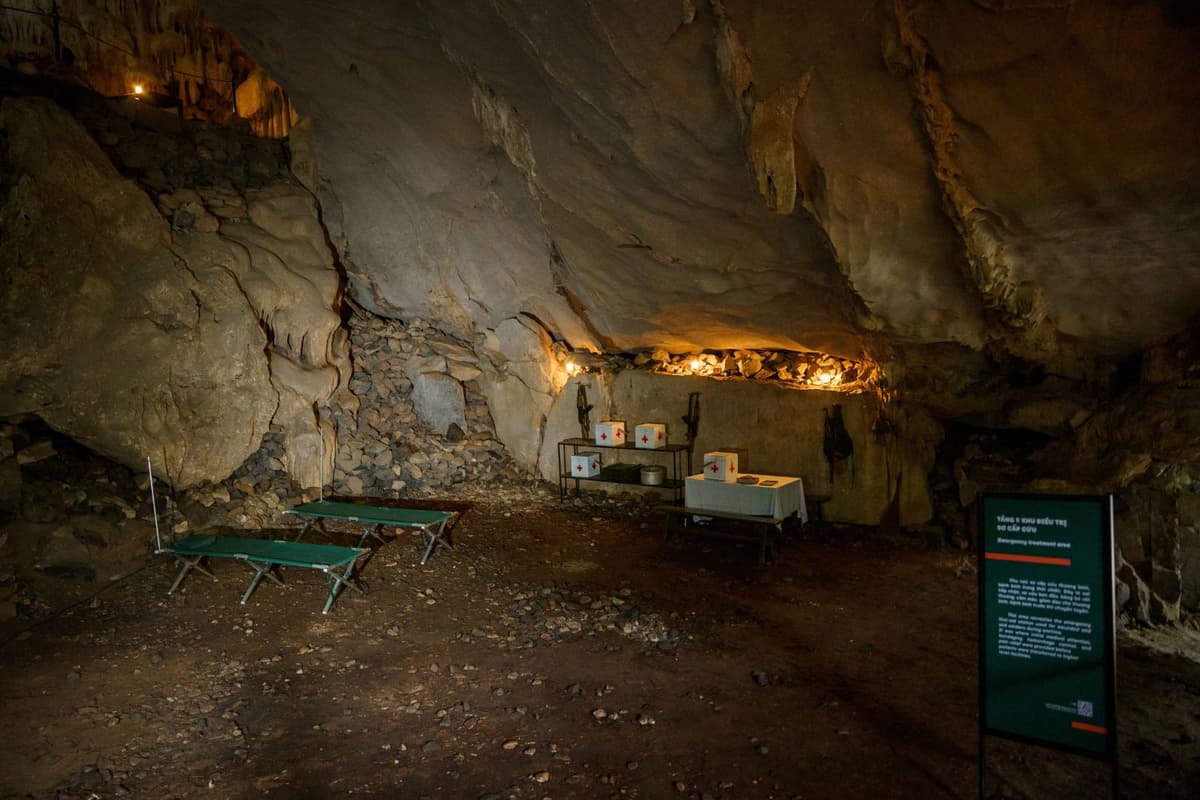
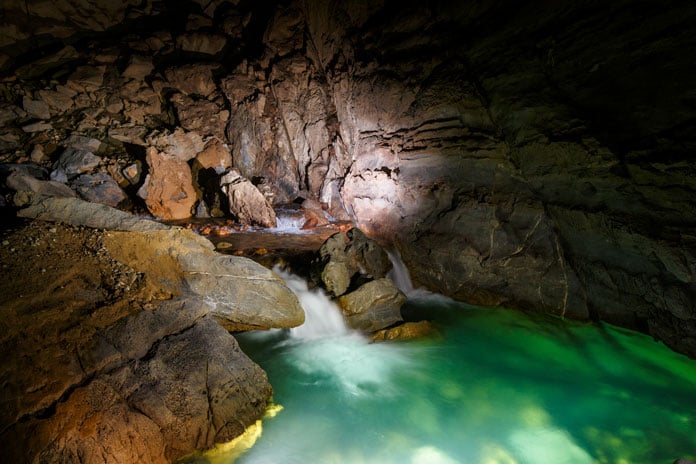
Commander Cave reveals hidden chambers once used during the conflict.
Day 2: Khe Sanh to Hue
- Distance: ~150 km
- Travel time: 4 – 5 hours (including stops)
Morning:
- Begin with a specialty coffee experience at a Khe Sanh plantation, where you’ll learn how the former battlefield has transformed into one of Vietnam’s finest Arabica-growing regions, cultivated largely by the Pa Co ethnic community.
- Discover the full Arabica process, from handpicking the cherries on cool highland slopes to washing, drying and roasting, while enjoying fresh brews in the crisp mountain air.
Afternoon:
- Head east into classic DMZ landscapes and stop at the Rockpile, a towering limestone outcrop used as a U.S. observation point during the war.
- Visit Hien Luong Bridge and the Ben Hai River along the former 17th Parallel, where you can walk across the restored bridge that once marked Vietnam’s separation for two decades.
- Explore Vinh Moc Tunnels, an extensive underground village where hundreds of civilians lived, worked and found shelter through relentless bombing campaigns.
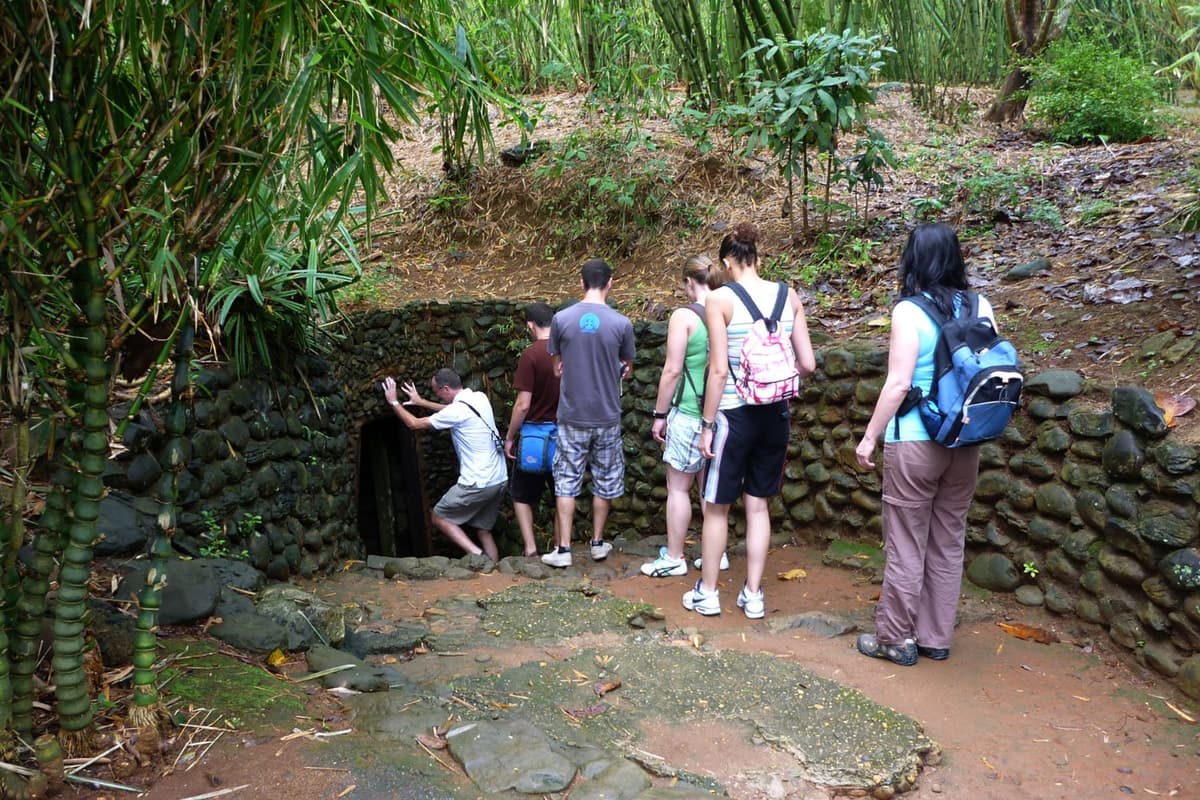
Vinh Moc Tunnel illustrates how villagers survived deep beneath the earth.
Evening:
- Continue to Hue and check into a comfortable hotel, with free time to relax or explore the city’s riverside streets.
Day 3: Hue to Hoi An (optional)
- Distance: ~120–130 km
- Travel time: 4 – 5 hours (including stops)
Morning:
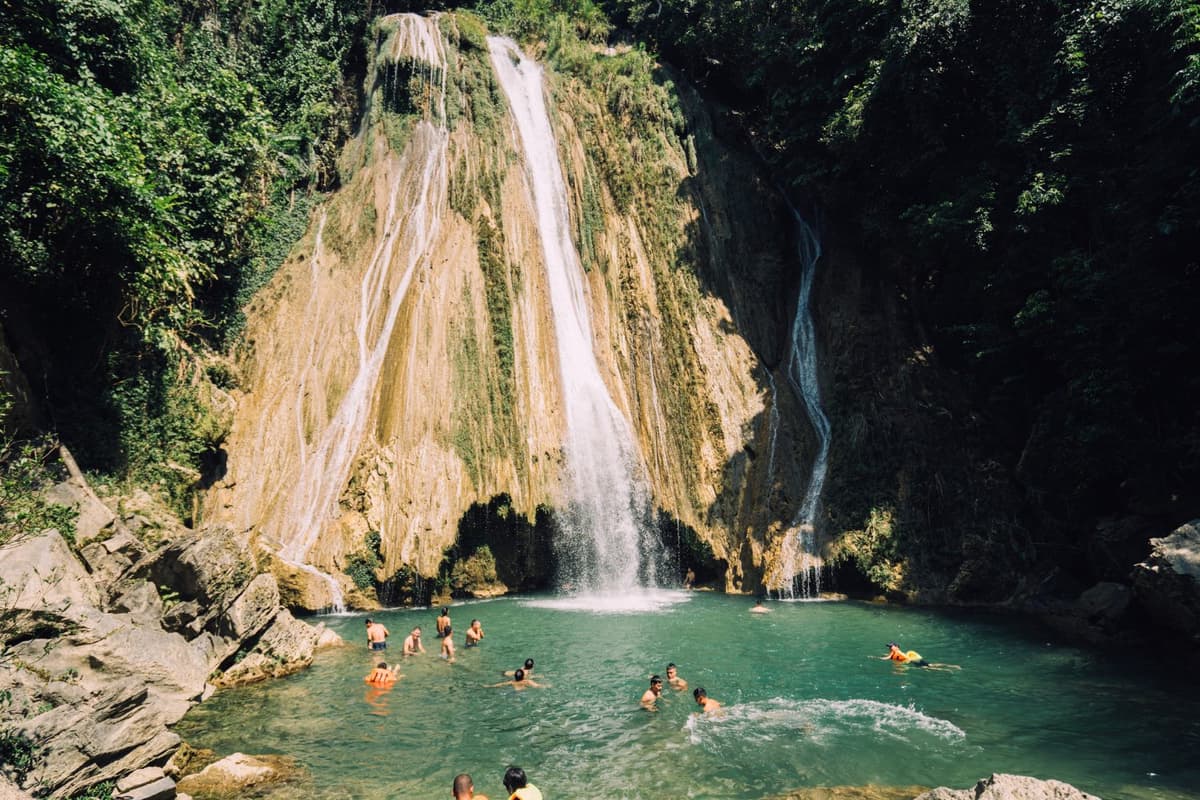
- Depart Hue and head south toward Elephant Springs, a natural jungle pool where you can take a refreshing early swim in clear, cool water surrounded by forest.
- Relax on smooth rock terraces, enjoy the peaceful atmosphere and prepare for the coastal drive ahead.
Midday:
- Begin the ascent of Hai Van Pass, Vietnam’s most scenic coastal road, with sweeping ocean views, dramatic cliffside curves and misty mountain ridges blending into the sea.
- Stop at viewpoints along the pass to capture panoramic photos of Lang Co Bay and Da Nang’s coastline
Afternoon:
- Continue to Marble Mountain, a cluster of limestone and marble hills filled with caves, temples and elevated viewpoints overlooking the coast.
- Explore grottoes lit by natural skylights and climb to the top for some of the best views in central Vietnam.
Evening:
- Arrive in Da Nang or Hoi An and check into your hotel, completing a seamless journey from mountains to coastline.
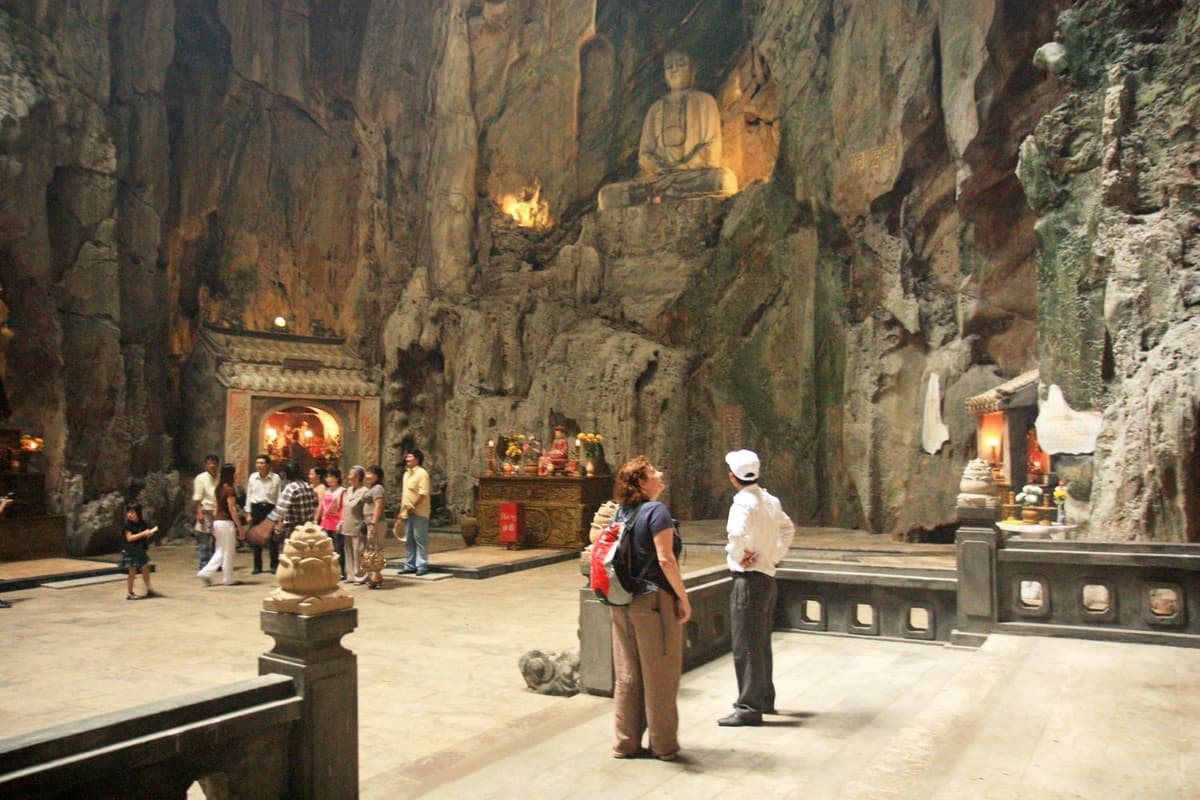
Marble Mountain captivates visitors with caves, temples, and panoramic views.
Is There a Tour for the Khe Sanh Route?
The Khe Sanh Route is suitable for confident motorbike riders and easily accessible by private car. However, travelers can join a flexible tour with Phong Nha Riders, especially when they want local insight, a smoother schedule, and the comfort of having everything arranged in advance. Most tours on this route can be customised to your preferred timing, pace and interests.
What’s Included:
- Motorbike or private car, including all fuel
- Experienced local guide with strong historical knowledge
- All meals: breakfast, lunch and dinner, featuring authentic local cuisine
- Entrance tickets to all attractions along the route
- Accommodation: Boutique Resort in Khe Sanh and a 3-star hotel in Hue
- Drinking water, cold towels and full travel insurance
What’s Not Included:
- Personal expenses, additional drinks or purchases
- Tips and any services not mentioned in the itinerary
Travel Tips When You Ride the Khe Sanh Route
If you plan to ride the Khe Sanh Route on your own, there are a few things you should prepare in advance. This is a long mountain journey with remote stretches, changing weather and very limited services, so the more ready you are, the safer and more enjoyable the trip becomes.
1. Prepare Your Vehicle and Essential Gear
- Always check your motorbike or car before departure: brakes, tires, chain, lights, engine oil and suspension.
- Bring proper protective gear: a quality helmet, windproof or waterproof jacket, gloves, riding boots, and a full rain set.
- Pack a small repair kit, a mini pump and a spare tube. A 1–2L fuel bottle is essential because the Phong Nha – Khe Sanh stretch has very few gas stations.
- If renting a bike, choose reputable shops in Phong Nha (Thang's Phong Nha Riders, Tigit,...) or Hue, and inspect the vehicle carefully before taking it.
2. Plan Your Route and Stay Safe on the Road
- The Ho Chi Minh Trail West is remote with weak or zero phone signal in many sections. Download offline maps before you go.
- Check the weather forecast on Accuweather.com since fog and rain can make mountain passes slippery.
- Start early to maximise daylight. Maintain a safe speed on winding passes and avoid riding at night.
- Take regular breaks to stay alert, especially if self-riding. Always inform your hotel or a friend about your route for safety.
3. Bring Water, Snacks and Personal Essentials
- Long stretches of the route have no shops, so carry enough drinking water, energy bars and dried fruit.
- Useful extras include wet wipes, cold towels, sunscreen, a compact poncho and a basic first-aid kit.
- Pack essential medicines such as pain relievers, motion-sickness tablets, stomach medicine and antiseptic.
- Keep your documents handy: passport or ID, valid driving licence (international license for motorbikes), vehicle papers and cash. Many rural areas do not have ATMs or card payment.
4. Respect Nature, Local Culture and Historical Sites
- Keep the route clean. Do not litter, damage vegetation or climb restricted areas at historical sites.
- Maintain quiet at battlefields, memorial zones and sacred locations.
- Avoid wandering off marked paths in deep forest areas and always stay with your group.
- Pace yourself: the 200–240 km journey includes steep hills and many curves, so good physical condition is important. Rest well before departure to ensure a safe and enjoyable ride.
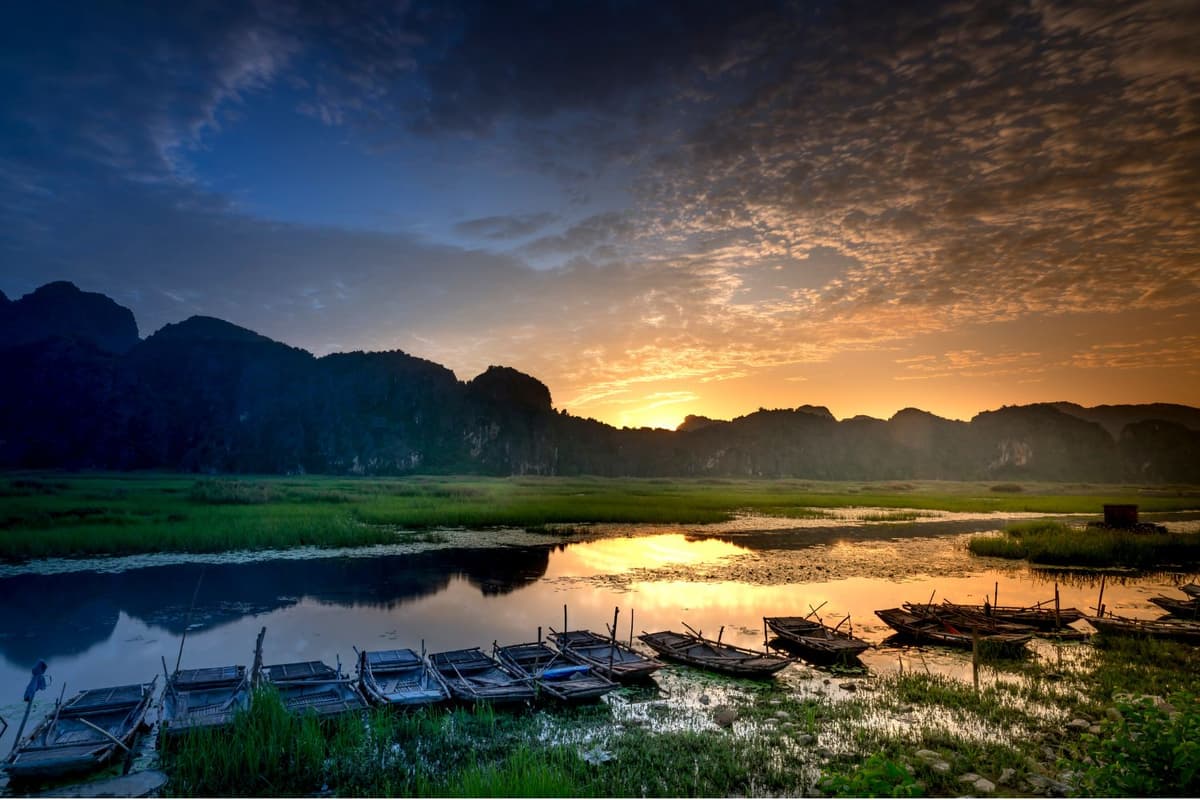
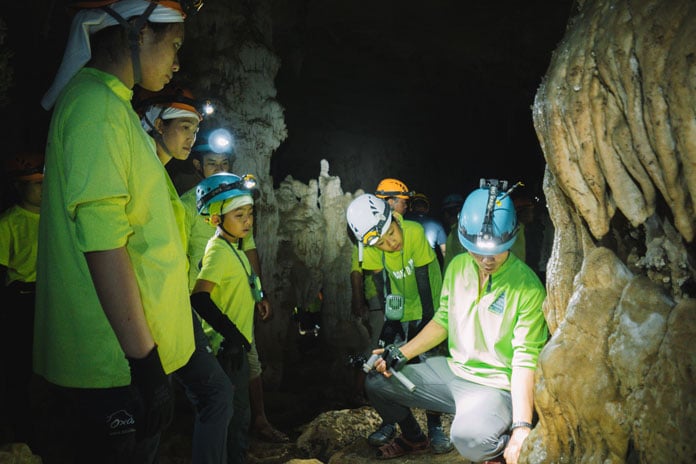
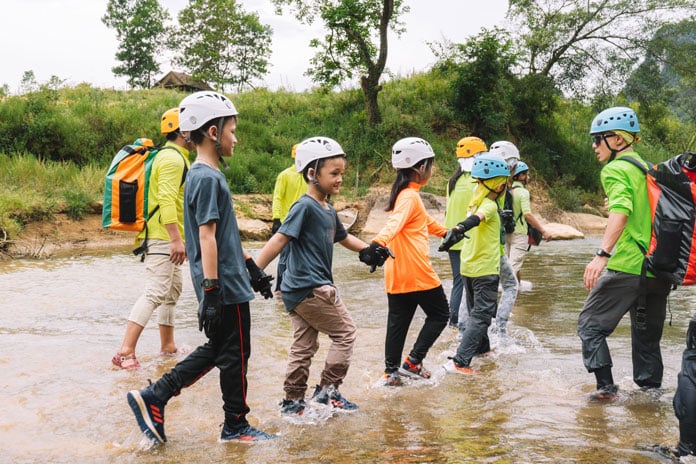
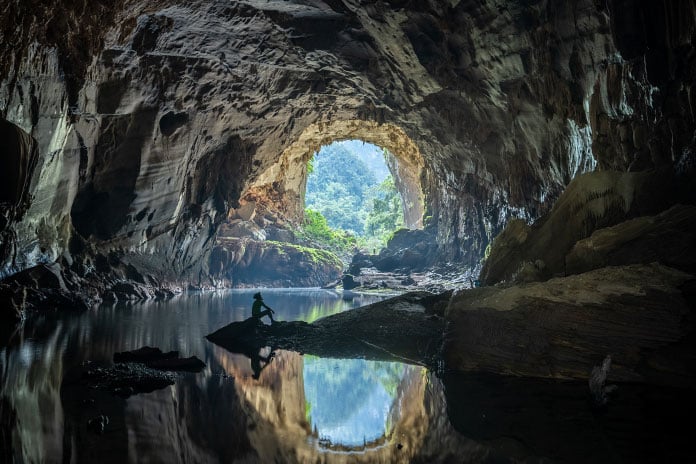
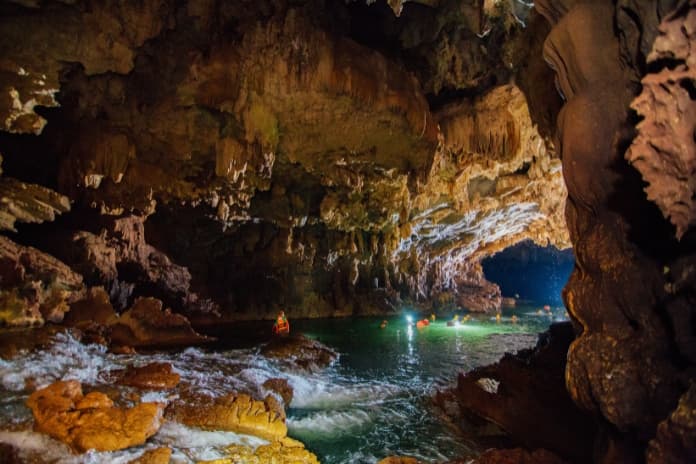
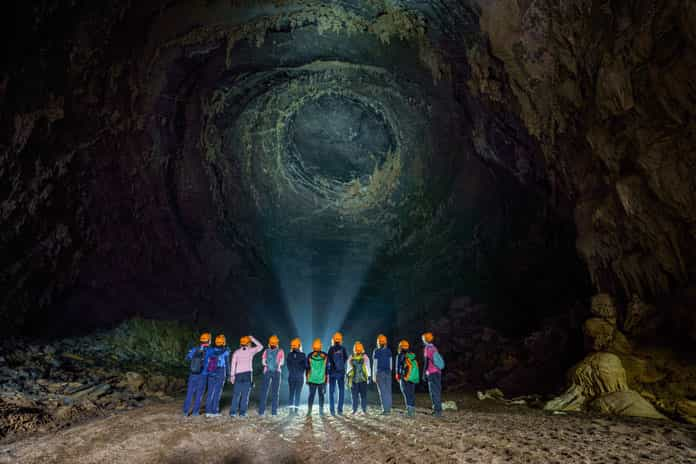
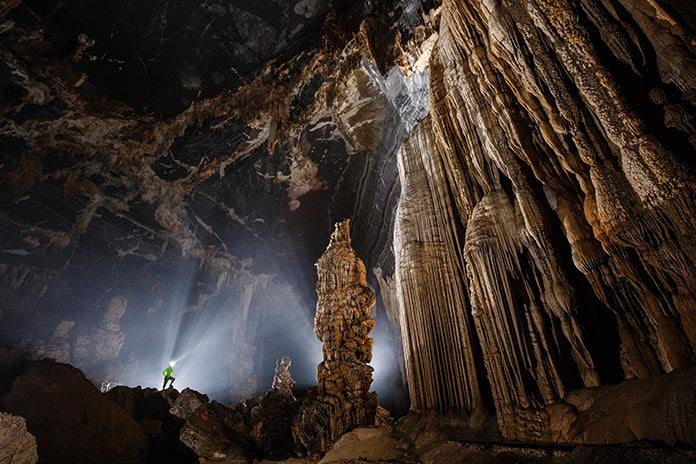
Whether you prefer long treks, camping in a cave, sleeping under the stars in the jungle, swimming underground in river caves, explore the huge dry caves or just taking an exploratory day trip, Oxalis Adventure Tours can provide the right amount of adventure just for you.
__637051782550081035.jpg)
__637051780703588520.jpg)
__637051765075307793.jpg)
__637051774329206026.jpg)
__637740499994967442.jpg)