Hamburger Hill: History, location, and how to visit
Doi Thit Bam (A Biah Hill) in the A Sau Valley, also known as Peak 937. This site was once a fierce battlefield, marking one of the most intense battles in Vietnam during the war years.
Thousands of tons of bombs and artillery in ten days of relentless fighting transformed a once lush hill into a shattered landscape. The remaining traces not only tell of unimaginable brutality but also stand as a vivid testament to the resilience of the soldiers who held their ground on this strategic peak.
Today, Doi Thit Bam has become a site for both sightseeing and remembrance. Here, visitors can follow the old trails and see the bunkers, bomb craters, and remaining battlefield traces. The majestic mountain landscape evokes a profound sense of the country’s painful past. It honors the sacrifices made and offers a deeper understanding of the devastating impact of war.
History and strategic significance of Hamburger Hill Battlefield
By the late 1960s, Vietnam’s resistance against the United States had entered a tense phase. The central highland forests, particularly the A Sau Valley, became a crucial corridor for supplying and supporting the battlefields in the South.
This area was repeatedly swept in efforts to control the territory, push the Liberation Army out of the demarcation lines, and cut off the Truong Son supply routes. Biah Hill (Peak 937) became a key target due to its strategic position, which enabled near-complete observation of the eastern gateway to the A Sau Valley. In May 1969, the U.S. military launched “Operation Apache Snow,” deploying multiple layers of firepower to seize the hilltop. In response, the Liberation Army utilized the dense forest and steep terrain to hold their positions.
During the 10 days of fighting, A Biah Hill was subjected to an enormous amount of firepower. More than 1,000 tons of bombs and over 19,000 artillery shells rained down on the slopes. Numerous airstrikes and bombardments occurred continuously before each infantry advance. The dense concentration of explosives devastated the hill, leaving countless large and small craters across its slopes, with many ancient trees uprooted or charred.
When the battle ended, and the forces withdrew from the area, A Biah was left almost unrecognizable. The patches of ancient forest that once covered the hill were reduced to jagged, bare stretches of land. Hundreds of bomb craters of varying sizes scarred the slopes; many old trees were uprooted or charred. Trails, bunkers, and shelters were destroyed or buried under soil and debris.
In the weeks that followed, after the guns fell silent, A Biah Hill appeared as a desolate wasteland, littered with the remnants of war and almost devoid of signs of life. The scale of destruction was so extreme that Western media dubbed Peak 937 “Hamburger Hill.” It became a stark symbol of the intense ferocity of the battles in the A Sau Valley during this period.
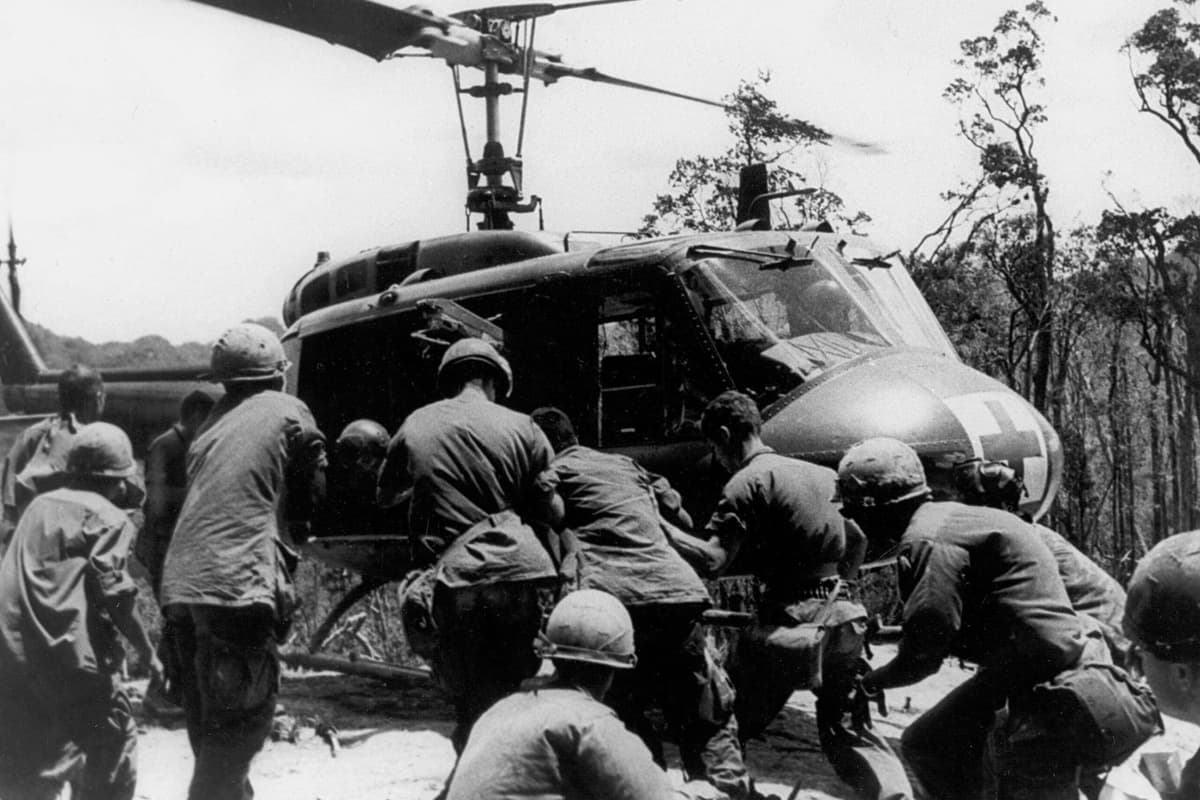
U.S. troops landed by helicopter to attack A Biah Peak from three directions, but all were ambushed by Vietnamese forces
Travelling experience and things to do at Hamburger Hill
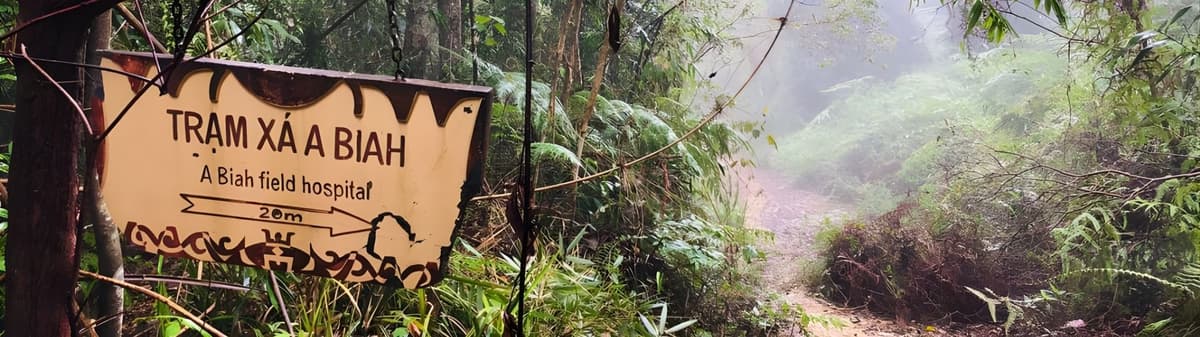
A visit to Hamburger Hill offers travelers a journey that is both engaging and emotionally moving. To reach the summit, visitors walk up approximately 850 steps along a mountain trail. Along the way, signs point to historical war sites. For example, the A Biah Field Hospital, U.S. helicopter crash sites, the Enemy’s fortifications, A Biah Airport, and the peak of Hill 937, etc.
At the summit stands Hamburger Hill memorial site, where visitors can offer incense and observe a moment of silence to honor the soldiers who fell during the 1969 battle. From Hamburger Hill’s vantage point, the entire Truong Son mountain range stretches out before the eyes. These are layers of misty clouds evoking the memory of those fierce days of combat.
Perhaps it was the sight of the lush green mountains, shrouded in smoke and fire, that gave the resilient Liberation Army soldiers the strength. They must hold their ground and defend every inch of their homeland at all costs.
Location and how to get to Hamburger Hill
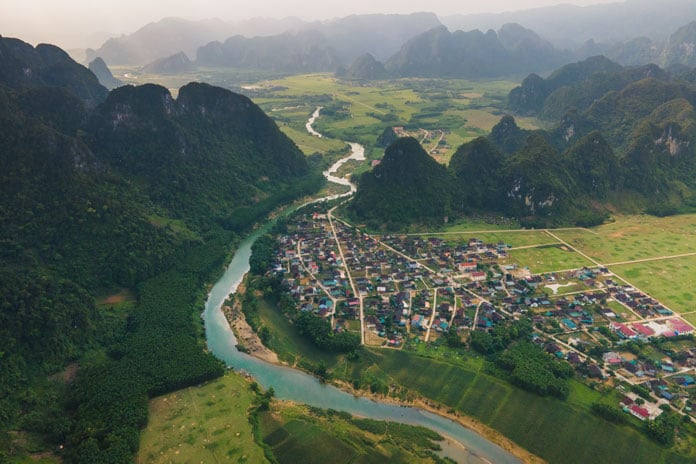
Hamburger Hill memorial location is in A Luoi 2 Commune (formerly A Luoi Town), Hue City. It is about 80 km west of central Hue. From the city center, travelers can reach the base of A Biah by car, private rental vehicle, taxi, or ride-hailing service, and then continue on foot up the mountain.
From Phong Nha, Da Nang, Hoi An, and other nearby destinations, travelers can hire a private car to go directly to Hamburger Hill. Visitors coming from major cities like Hanoi or Ho Chi Minh City can fly to Phu Bai Airport and then travel 84 km to reach A Biah Hill.
In addition, trains and sleeper buses are popular options for traveling from Hanoi, Ninh Binh, Da Nang, and other cities to Hue or the A Luoi bus station, which is 12 km from the hill.
Visitors can explore Hamburger Hill independently or join DMZ tours that revisit historical battlefields. Hamburger Hill tours from Hue in Vina DMZ Travel, Bee Bee Travel, etc., combine visits to multiple war sites in Khe Sanh, Quang Tri, the Truong Son Trail, and more.
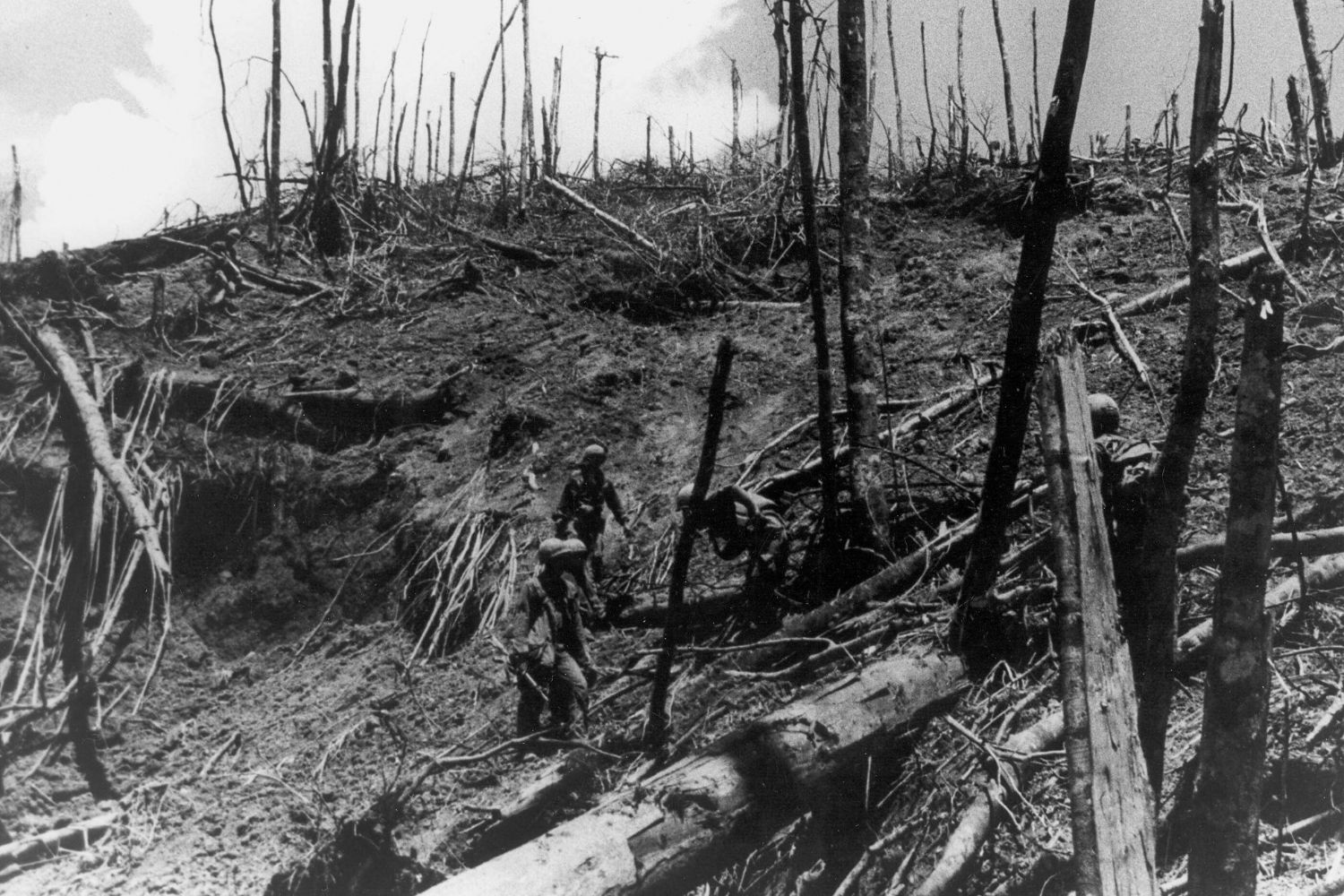
The U.S. military deployed five layers of firepower, relentlessly bombing and shelling in an attempt to eliminate the Vietnamese forces
Best time to visit Hamburger Hill Vietnam
The ideal time to explore Hamburger Hill is from February to April, when A Luoi experiences dry, cool weather with almost no rain. These conditions are perfect for climbing the 850 steps, walking amidst the green Truong Son mountains, and enjoying the expansive panoramic views.
From May to August, the mountain scenery becomes even more vibrant under the characteristic golden sunlight of Central Vietnam. However, visiting during this period can be quite hot, with occasional strong sun. Travelers should bring wide-brimmed hats, drinking water, and sunscreen.
From September to December, Hue enters the rainy season, with overcast skies, heavy rain, and strong winds. Travelers should consider choosing days with better weather and low chances of rain. It is always advisable to check the weather forecast before the trip, wear sturdy sneakers or shoes with good grip. Visitors should start the journey in the morning for the safest and most enjoyable experience.
Entrance to Hamburger Hill is free of charge, but travelers exploring independently may need to pay a small fee for parking at the base of the hill.
Suggested tourist attractions near Hamburger Hill
Not only the Battle of Hamburger Hill itself, but the entire Binh–Tri–Thien region serves as a living museum of the painful yet heroic period of the anti-American resistance war.
- Khe Sanh – Ta Con Airfield (114 km) recalls the 1968 battlefield with its fierce sieges and remaining bunkers and trenches. It stands as a lasting testament to the first major battle and the indomitable spirit of the Vietnamese soldiers.
- Quang Tri Citadel (131 km) bears witness to the 81 days and nights of combat in 1972. This place was once filled with the roar of bombs and gunfire, yet “where blood and bones fell, the land and sky remembered.”
- Vinh Moc Tunnels (174 km) tell the story of the years guerrillas persistently lived underground. Here is where “soldiers and civilians were as inseparable as fish and water,” surviving together and fighting to defend their homeland.
- The Truong Son Trail, winding through forests and mountains, was both a fiery battleground and a vital logistical lifeline that contributed to the great victory of the Vietnamese people.
Each Central Vietnam historical site represents a distinct phase and battlefield. However, when combined into a journey, travelers can fully experience the heroic historical panorama. These are the immense sacrifices and the indomitable spirit of the generations in the anti-American resistance war.
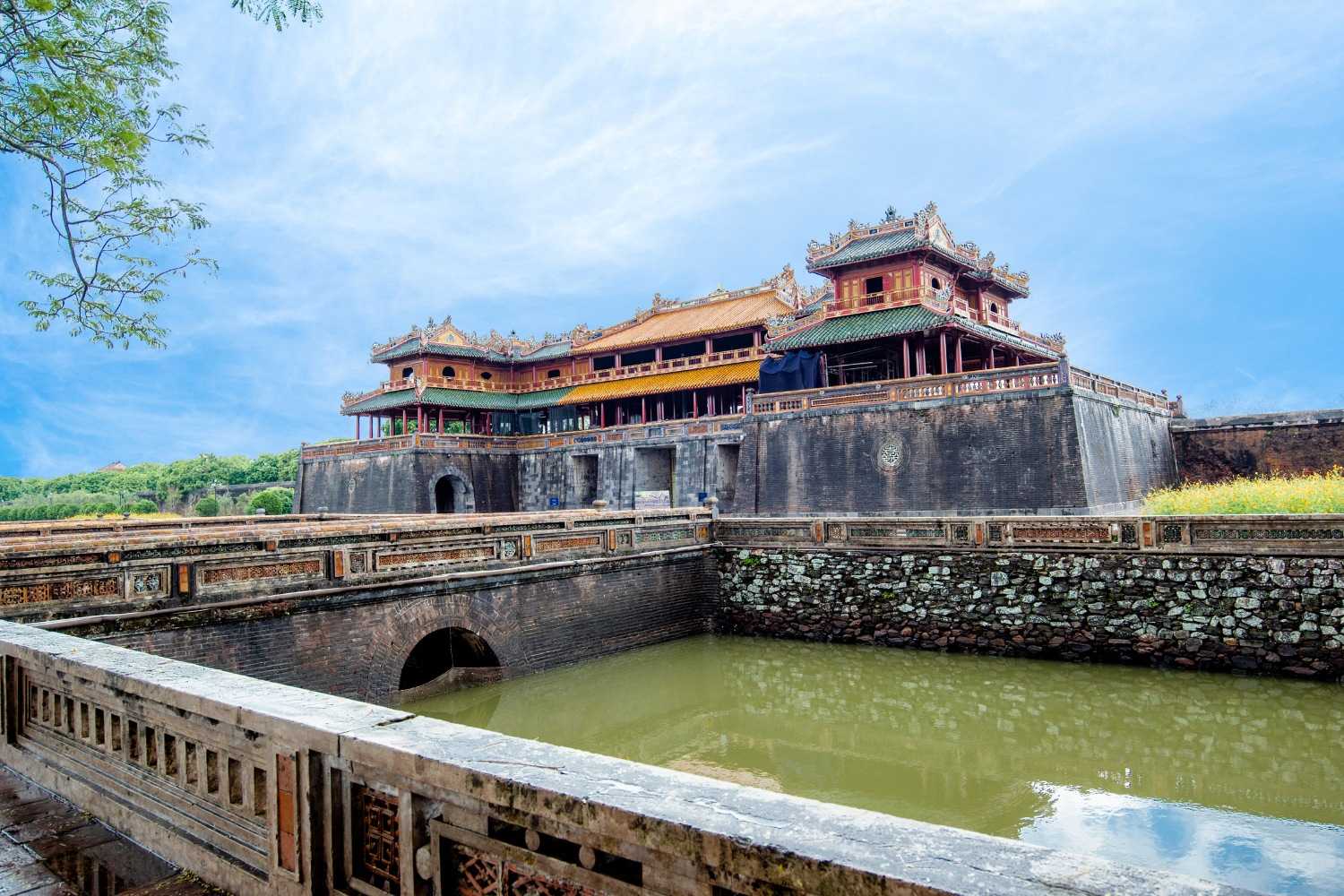
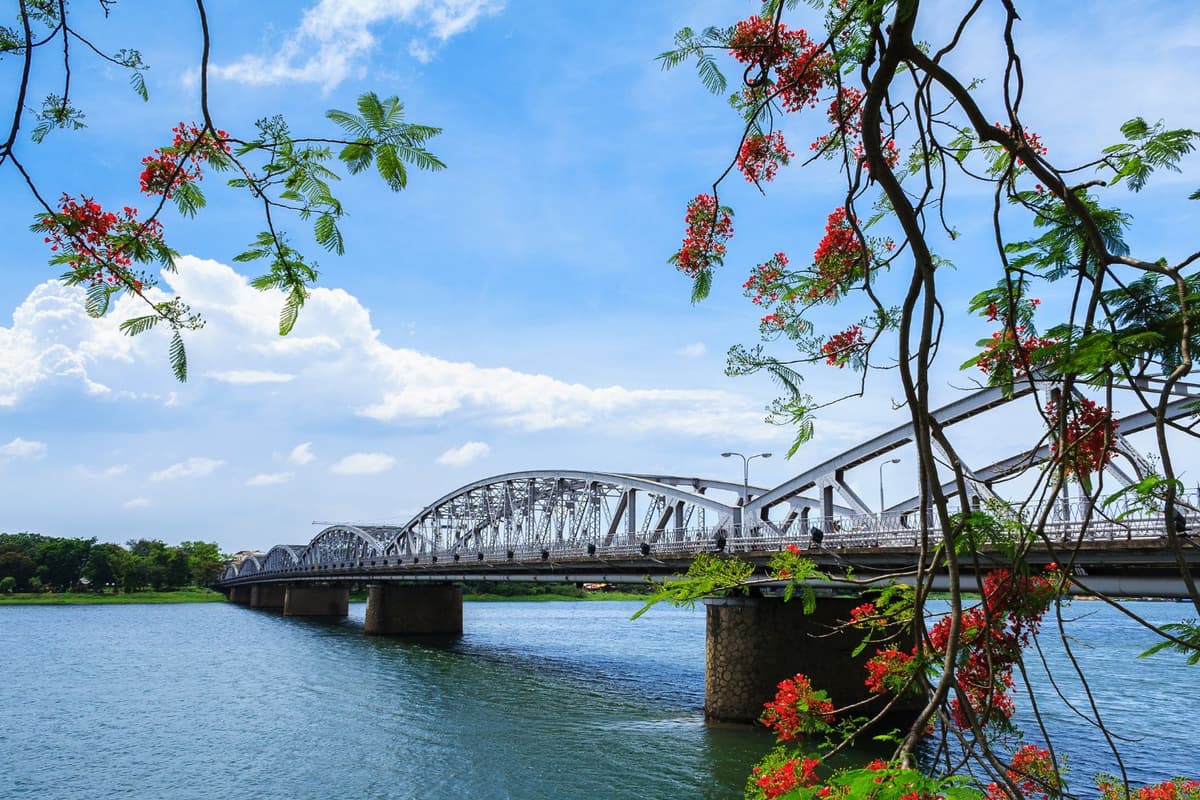
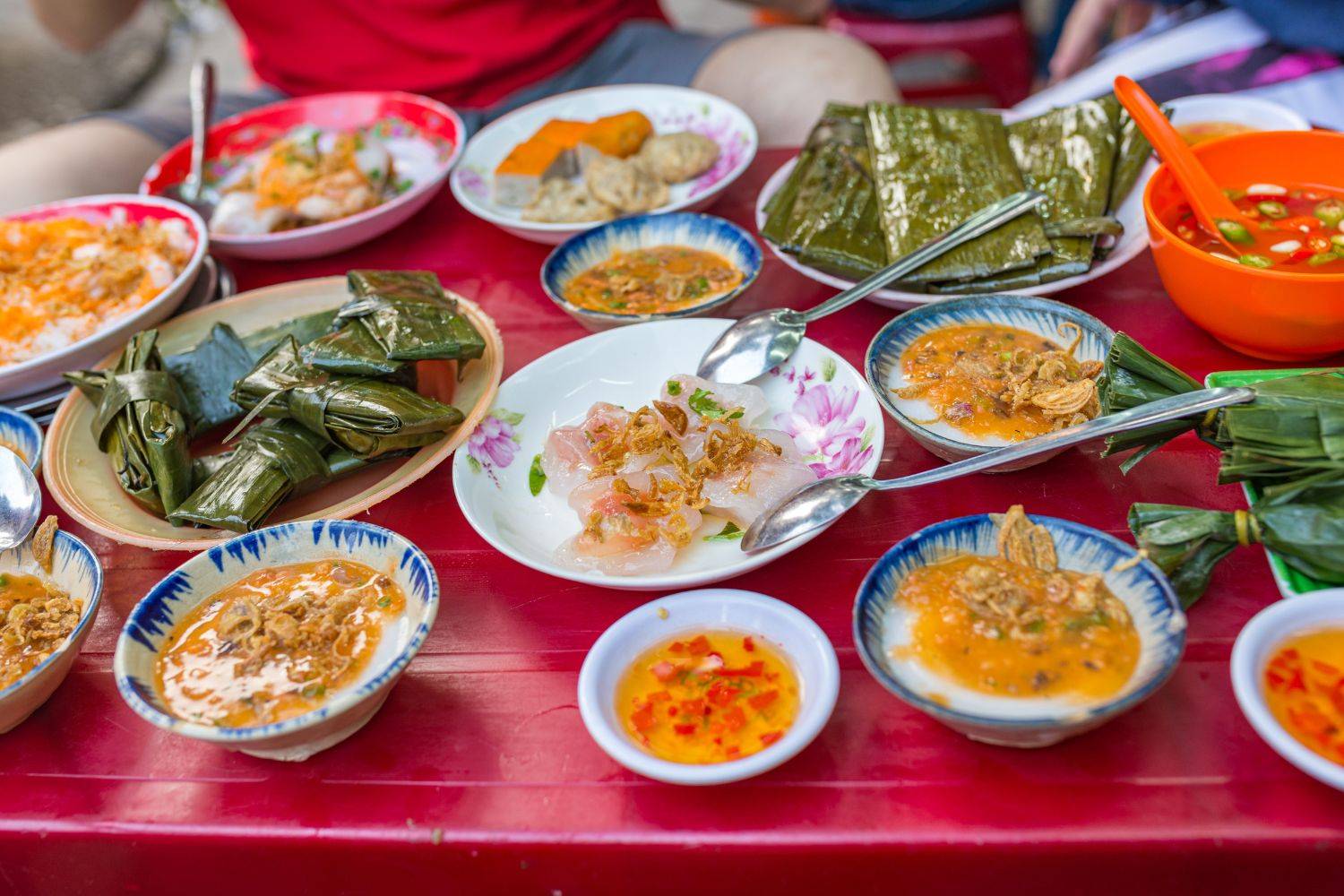
After exploring the Hamburger Hill battlefields, travelers can immerse themselves in the culture and natural beauty of Hue. They can visit sites such as the Imperial City, Thien Mu Pagoda, and the tombs of the Nguyen emperors.
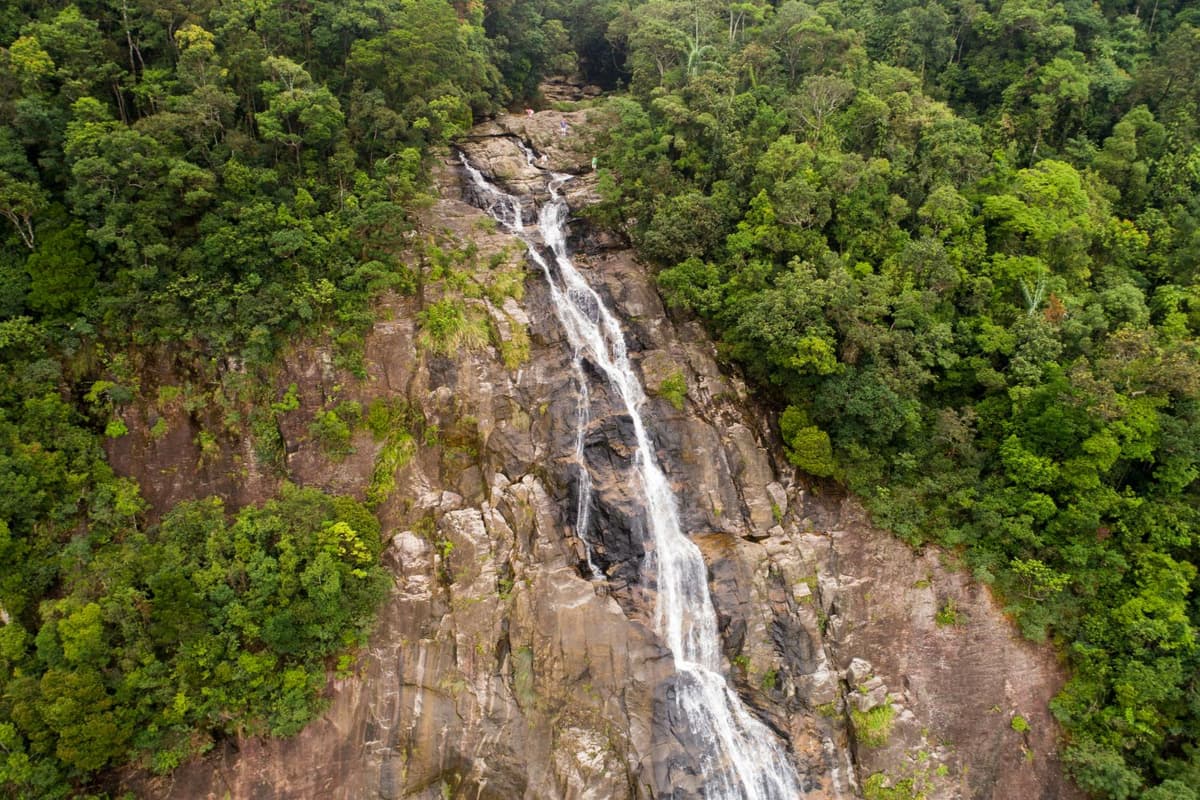
For travelers who love exploring nature, Bach Ma National Park offers primeval forests, majestic landscapes, and remnants of French architecture. Truong Tien Bridge and especially Dong Ba Market are ideal stops for strolling. They will experience the rhythm of Hue life, and sample traditional cuisine such as bun bo Hue, banh bot loc, and banh beo.

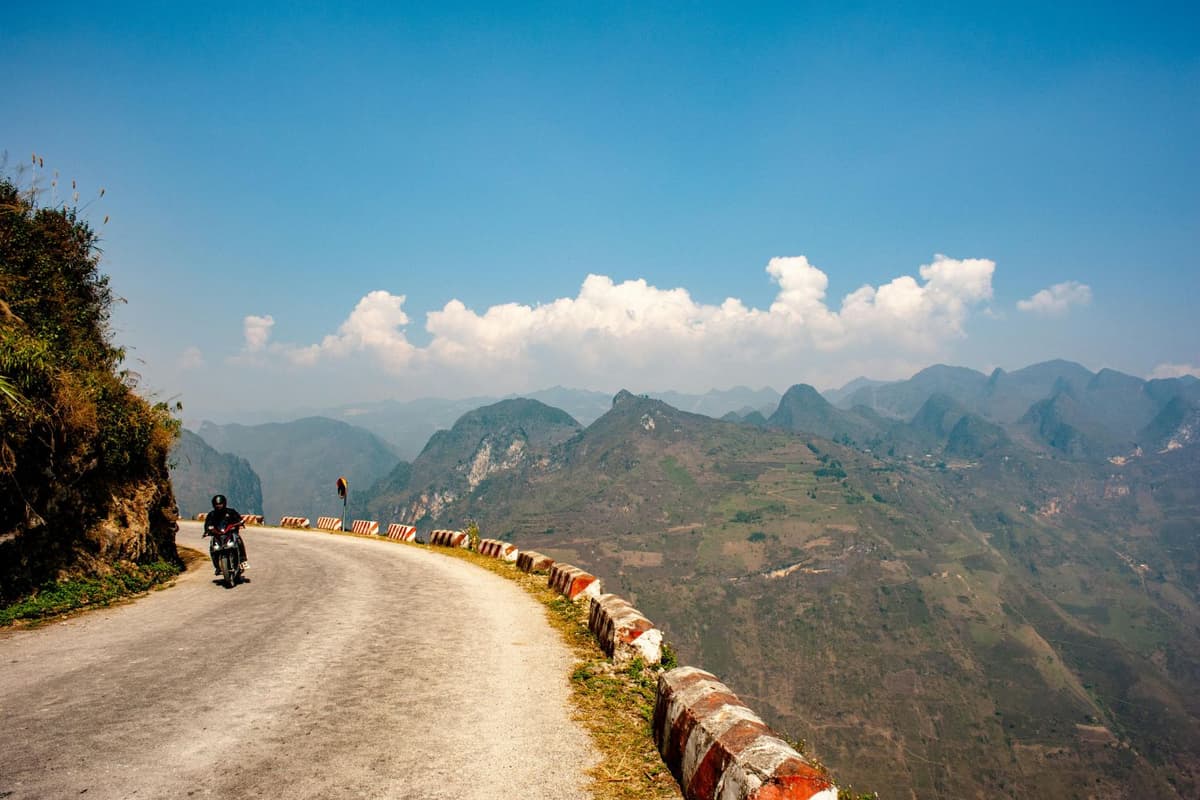
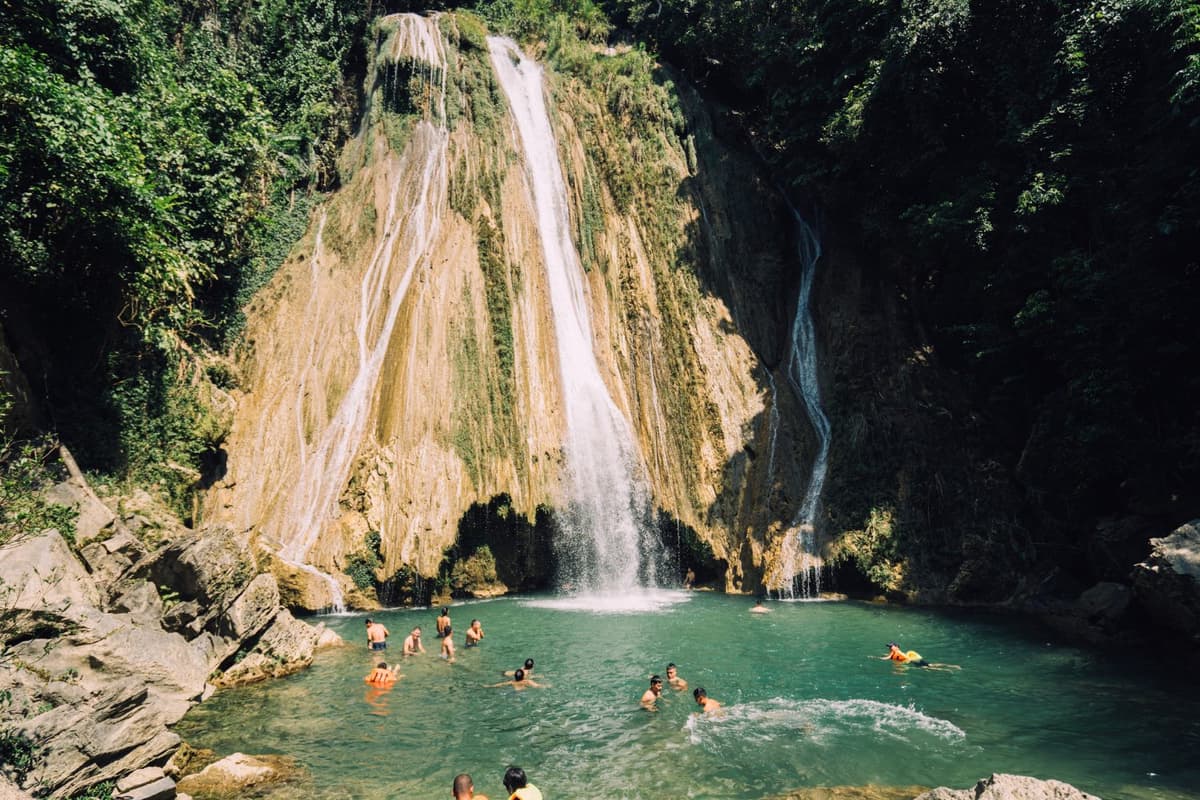

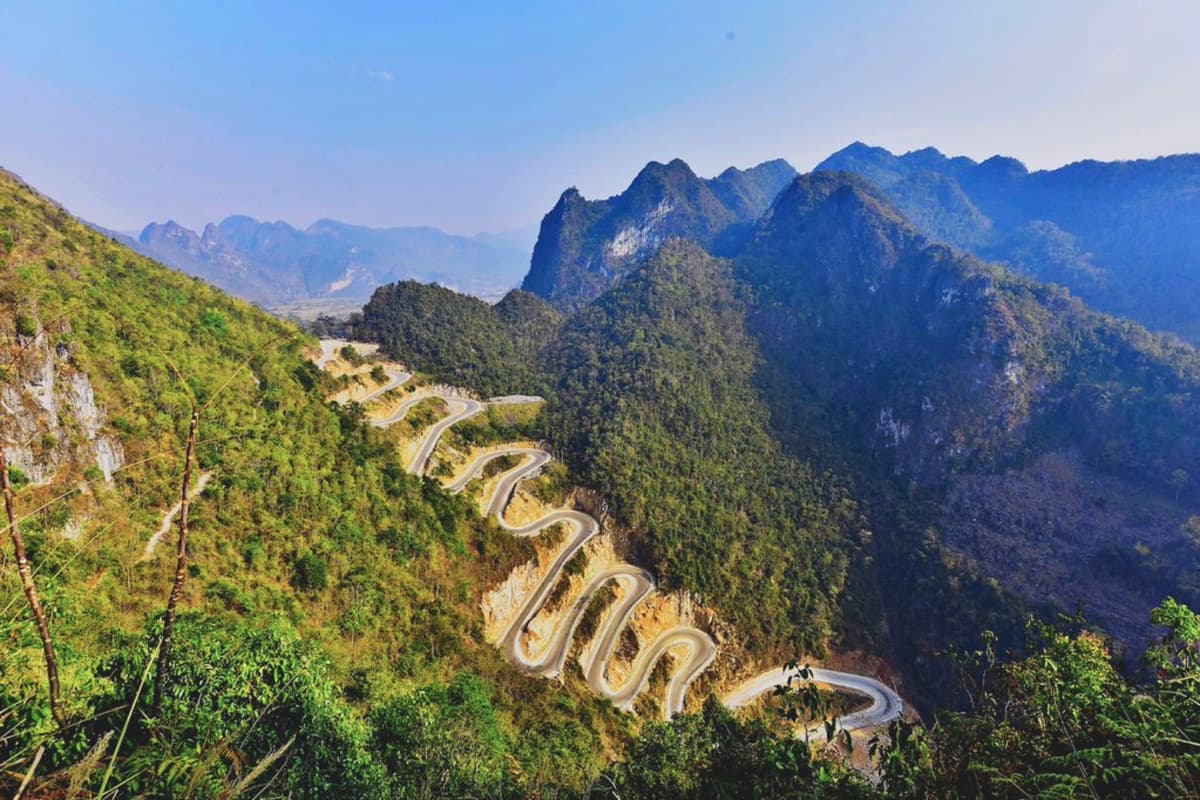
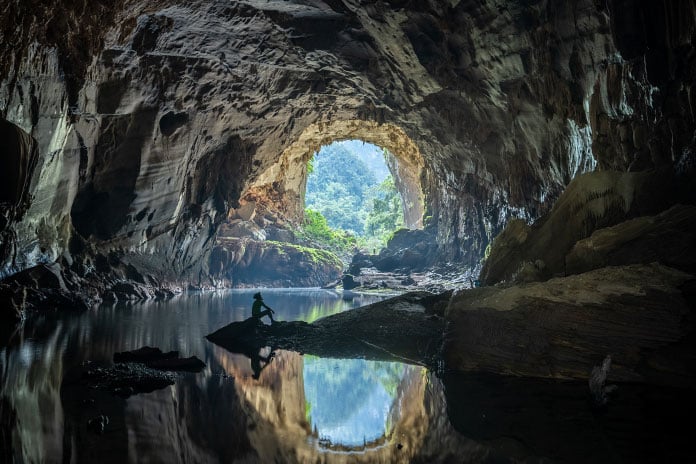
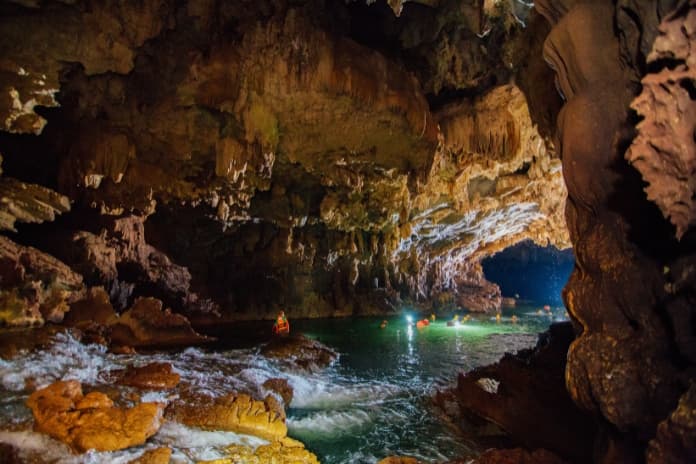
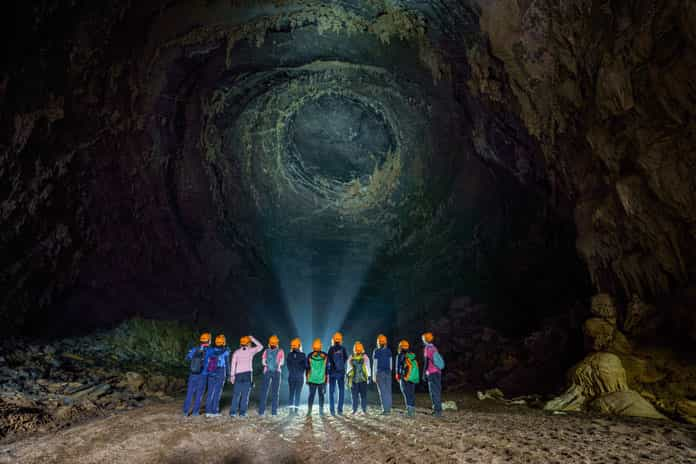
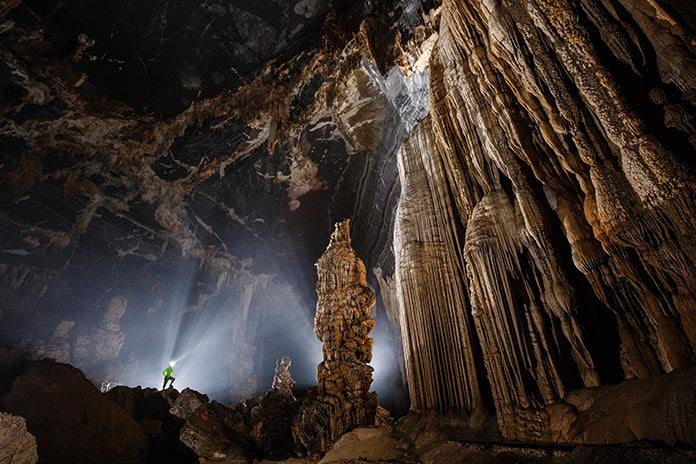
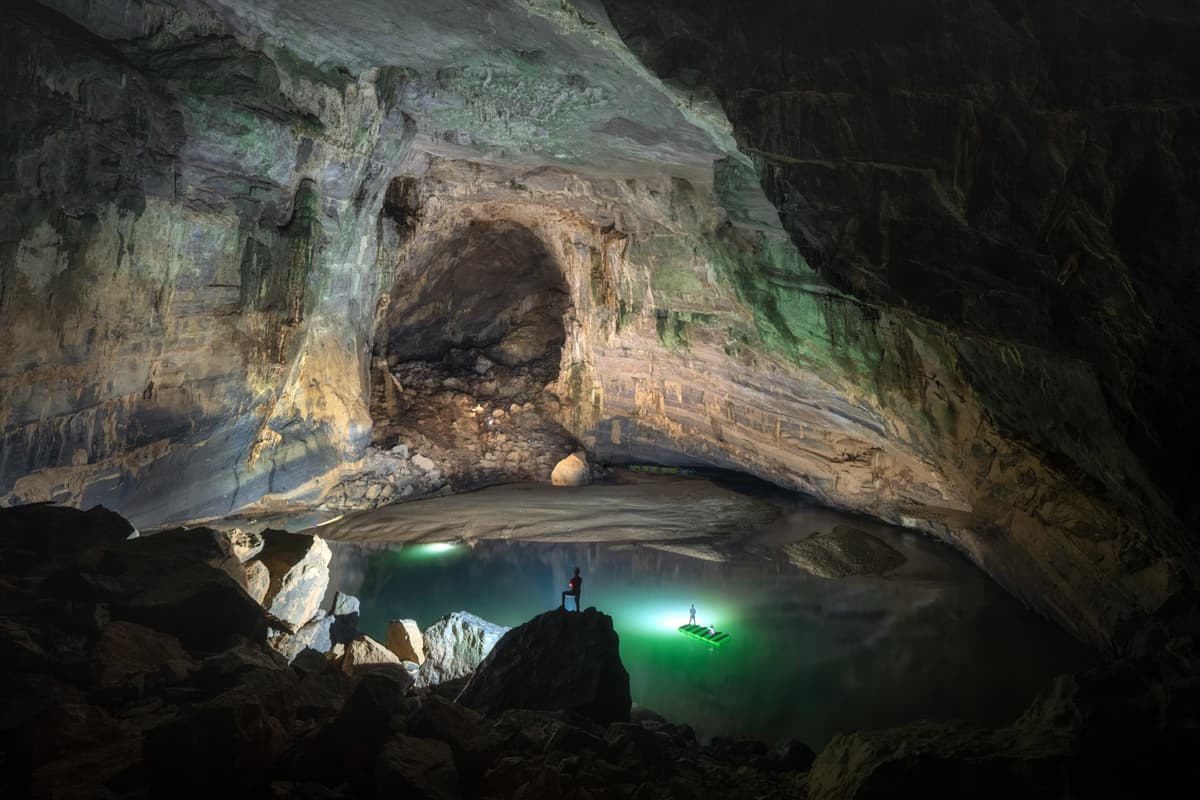
Whether you prefer long treks, camping in a cave, sleeping under the stars in the jungle, swimming underground in river caves, explore the huge dry caves or just taking an exploratory day trip, Oxalis Adventure Tours can provide the right amount of adventure just for you.
__637051782550081035.jpg)
__637051780703588520.jpg)
__637051765075307793.jpg)
__637051774329206026.jpg)
__637740499994967442.jpg)