Travel to Pu Luong: Nature, culture, and the green trails
Tucked away amid the mountains of western Thanh Hoa
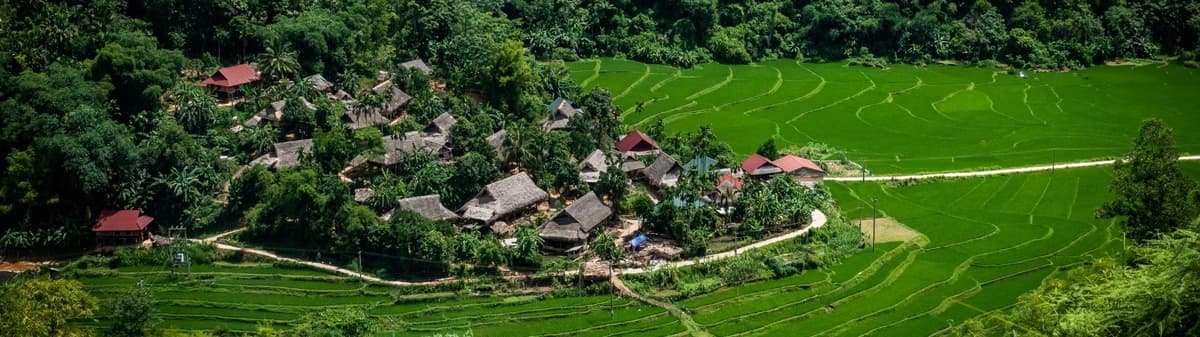
Tucked away amid the mountains of western Thanh Hoa, about 190 km from Hanoi, Pu Luong reveals a different world – where time seems to slow down and nature remains pristine and untouched. The terraced rice fields change colors with the seasons, Thai villages rest peacefully on the hillsides, and the gentle sound of streams and pestles echoes through the valleys. Together, they create a vivid portrait of highland life. A trip to Pu Luong is not just about sightseeing; it’s a journey to immerse in the rhythm of the mountains, connect with local culture, and explore inspiring green trails.
Overview of Pu Luong
Located within the Pu Luong Nature Reserve in Thanh Hoa Province, Pu Luong is an ideal destination for travelers seeking tranquility in nature and authentic cultural experiences. With a diverse landscape of mountains, valleys, and vast terraced rice fields, the scenery here transforms beautifully through the seasons – lush green during the planting season and golden yellow at harvest time.
Beyond its natural beauty, Pu Luong preserves the rich cultural heritage of the Thai and Muong ethnic groups. Travelers can visit local villages such as Ban Don, Ban Hieu, and Kho Muong, join traditional weaving workshops, enjoy Thai folk dances, savor ethnic cuisine, and stay in rustic homestays nestled in the forest.
Only a 4–5 hour drive from Hanoi, Pu Luong is perfect for short trips or for combining with journeys to nearby destinations like Ninh Binh or Mai Chau. It’s an excellent place for trekking, exploring Hieu Waterfall, conquering Pu Luong Peak, or simply relaxing in the serene atmosphere, where people and nature exist in perfect harmony.
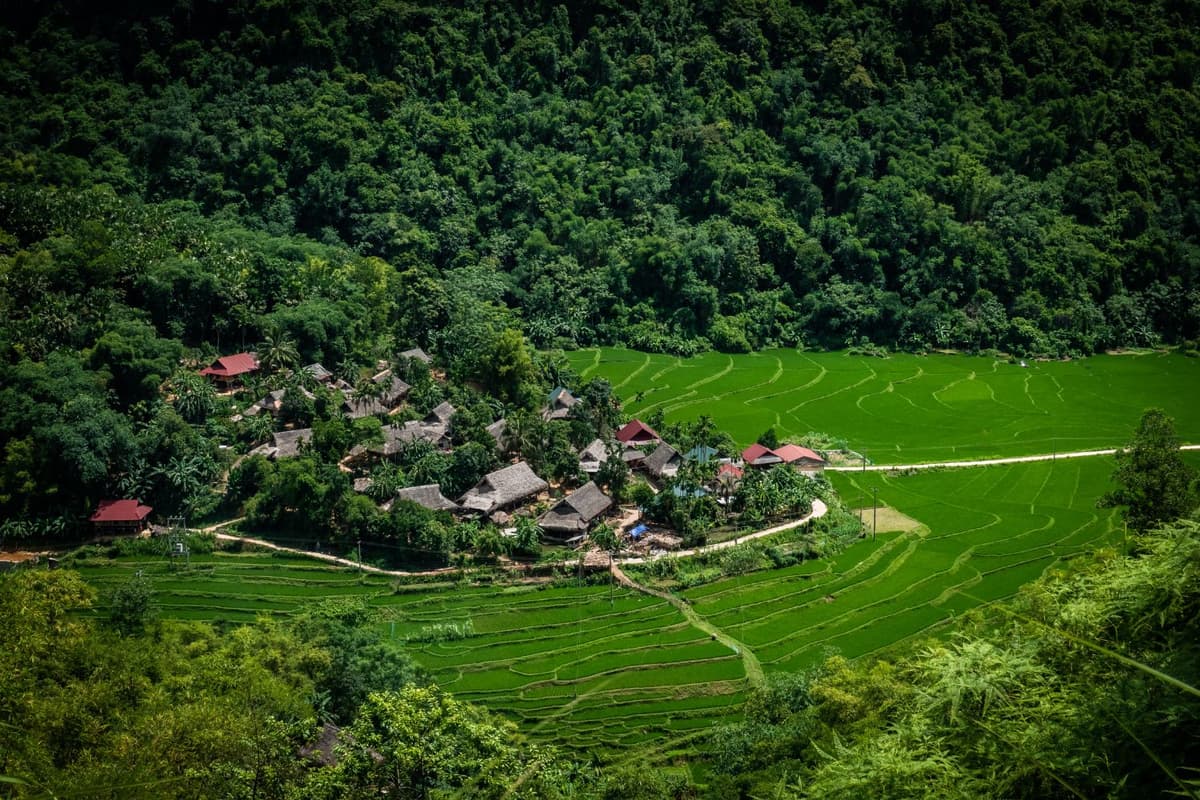
Pu Luong offers stunning natural beauty and the rich cultural identity of the Thai and Muong communities
Travel experiences and attractions in Pu Luong
Pu Luong welcomes travelers with its pristine natural landscapes, featuring terraced rice fields, lush forests, and peaceful villages. Visitors can walk or cycle through the valleys, listen to the gentle flow of streams, and observe the simple, authentic life of local communities, where traditional culture is preserved through stilt houses, handwoven textiles, and vibrant folk festivals.
Visiting Son Ba Muoi and exploring local culture
Son Ba Muoi – a highland area often referred to as the “Sa Pa of Thanh Hoa” – is situated at an elevation of over 1,000 meters above sea level, offering a cool climate and stunning scenery throughout the year. It preserves the rich cultural life of the Thai and Muong ethnic communities. Visitors can admire stilt houses tucked along the hillsides, savor traditional local cuisine, and experience the warm hospitality and genuine friendliness of the highland people.
Hieu waterfall
Hidden within the lush forest of Ban Hieu, Hieu Waterfall cascades over multiple limestone tiers, creating a striking white stream and a refreshing natural setting year-round. Trekking along the stream, cooling off beneath the waterfall, or staying at small homestays along the hillside offers a rare sense of relaxation, allowing travelers to fully immerse themselves in the serene beauty of nature.
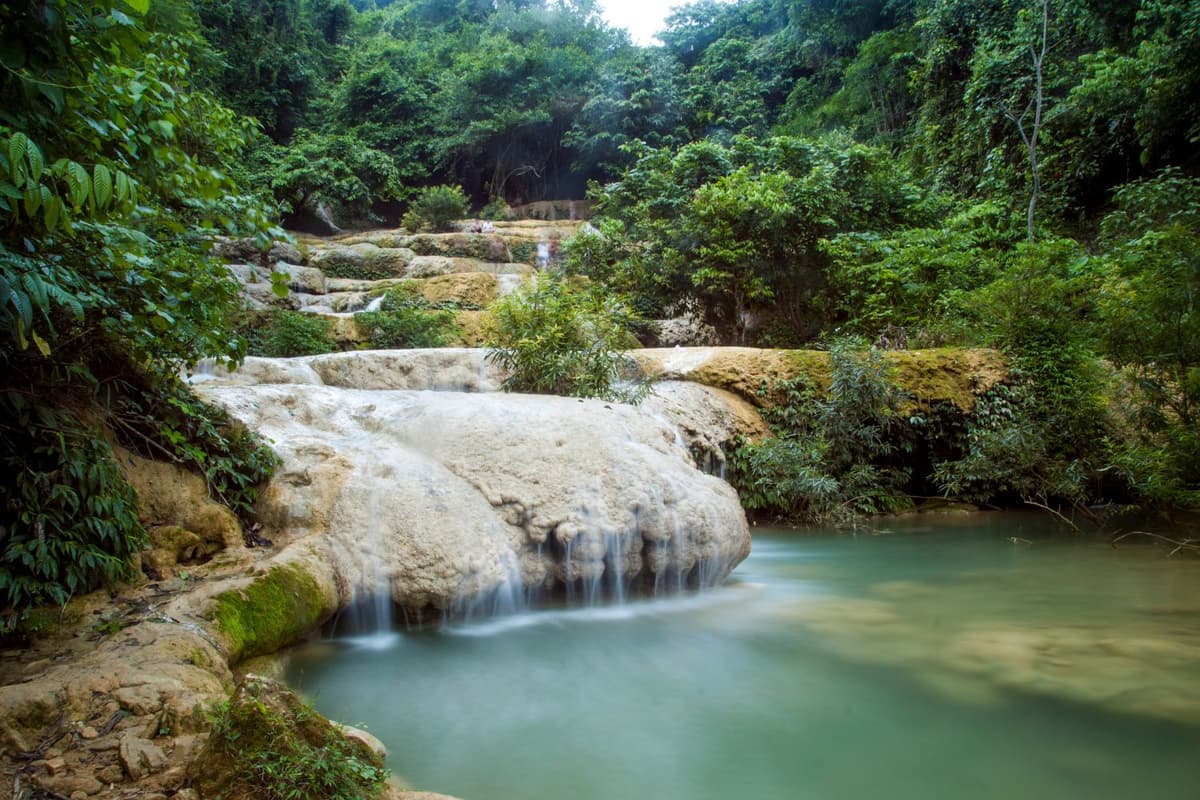
Hieu Waterfall in Pu Luong stands out with its cascades of layered rock terraces
Trekking Pu Luong Peak
The journey to Pu Luong Peak, standing over 1,700 meters high, is an exciting challenge for adventure enthusiasts. The trail winds through pristine forests and lush hills, offering spectacular views where valleys, terraced rice fields, and a sea of clouds merge into a breathtaking panorama. Witnessing the sunrise from the summit is a rewarding experience, making every effort along the trek truly worthwhile.
Tom village – Cham Waterfall
Lang Tom – Cham Waterfall is a peaceful stop amid the natural beauty of Pu Luong. The cascading white waters flow through the forest, creating a scene that is both wild and picturesque. It’s an ideal spot to relax, immerse in the cool waters, stroll along the stream, and enjoy the fresh, pure mountain air.
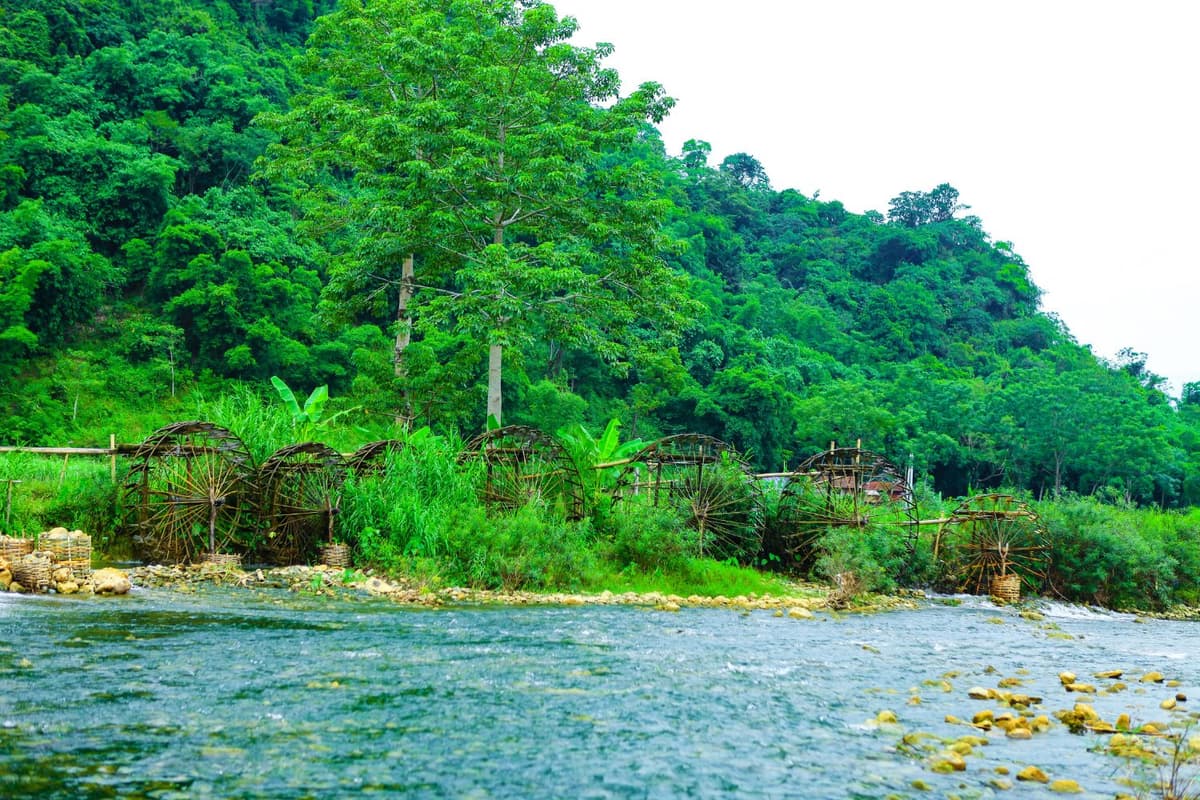
Cham Stream in Pu Luong is one of the most popular entertainment spots in the area
Don Village
Regarded as the “heart of community-based tourism” in Pu Luong, Ban Don stands out with its rustic homestays, simple local meals, and an atmosphere rich in Thai cultural heritage. In the late afternoon, as the sun sets over the golden terraced fields, the village transforms into a picturesque scene, offering visitors an unforgettable sense of peace and serenity.
Pho Doan Market
More than just a place for trade, Pho Doan Market offers a vibrant glimpse into highland life. On the 5th, 10th, 15th, 20th, 25th, and 30th of the lunar calendar each month, people from surrounding villages gather to exchange goods, handicrafts, agricultural products, and local specialties. The lively atmosphere, colorful traditional costumes, and the aroma of rustic dishes make it a memorable cultural destination.
Kho Muong Village – Bat Cave
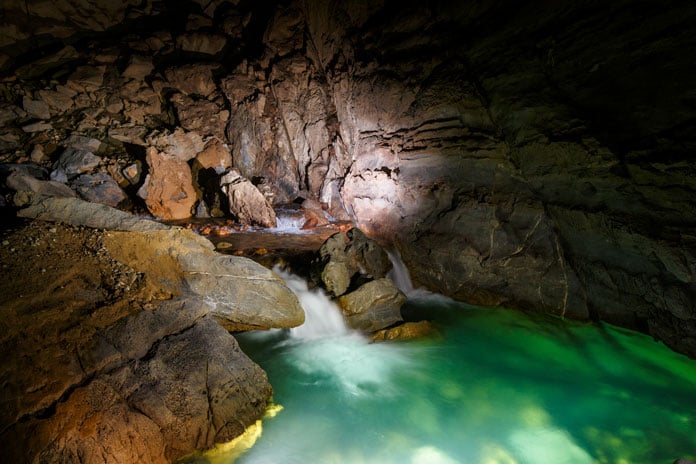
Nestled deep within the valley, Kho Muong Village is one of the most beautiful and untouched villages in Pu Luong. Stilt houses scattered among fields and forests create a rare, peaceful scenery. From the village, a trail leads to Bat Cave – a natural wonder with a mesmerizing system of stalactites – offering an exciting exploration for adventure lovers and photography enthusiasts.
Location and how to get to Pu Luong
Pu Luong is located in the western part of Thanh Hoa Province, about 190 km from Hanoi, making it convenient for short trips or combined journeys exploring Northern and Central Vietnam. From Hanoi, travelers can reach Pu Luong by private car, bus, or tour vehicle, taking approximately 4–5 hours. From Da Nang or Ho Chi Minh City, the journey is longer, so it is recommended to fly to Hanoi or Thanh Hoa first, then continue by car or bus to Pu Luong.
Nearby provinces such as Quang Tri (especially from Phong Nha), Ninh Binh, etc., can be included in a multi-destination itinerary, with travel by car or motorbike offering scenic views along the way. Pu Luong is also suitable for self-driving trips, with relatively good roads, allowing travelers to explore villages, terraced fields, and the nature reserve along the route.
Best time to visit Pu Luong
The best time to visit Pu Luong is during the rice harvest season (usually from September to October). The terraced fields turn golden, creating stunning scenery perfect for photography and trekking.
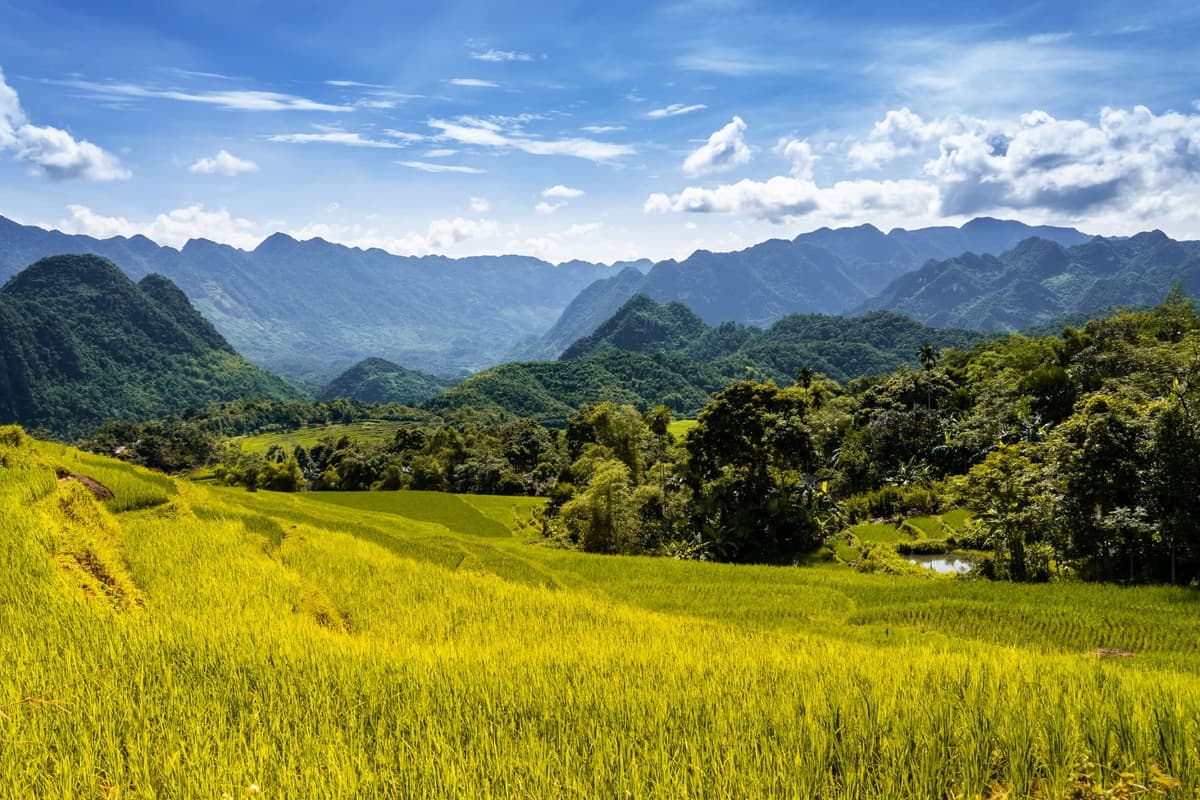
The rice harvest season in Pu Luong is the best time for traveling and photography
The flooded rice season (May – June) is also remarkable, with lush green fields reflecting the clear blue sky, bringing a fresh and vibrant atmosphere.
Additionally, Pu Luong enjoys a cool climate year-round, especially in winter (December – February) and spring (March – May). The weather is mild and rainfall is minimal, making it ideal for relaxation and cultural experiences in local villages.
July – August is the rainy season, which may affect outdoor activities such as trekking or swimming in streams. Travelers are advised to check the weather forecast and plan their visit on dry days to ensure a safe, enjoyable, and memorable journey through Pu Luong.
What makes Pu Luong cuisine special?
Pu Luong’s cuisine is defined by fresh local ingredients and cooking methods that preserve the authentic flavors of the mountains. Among them, Co Lung duck is a must-try: the ducks are raised naturally along streams, giving the meat a firm texture, a thin fat layer, and a distinctive aroma when roasted or pan-seared.
Grilled stream fish is also a highlight, known for its natural sweetness and crisp texture when cooked over charcoal with forest leaves – tender, flavorful, and entirely free of any fishy smell. Com lam (bamboo-tube rice) is cooked inside young bamboo, resulting in fragrant, sticky rice best enjoyed with sesame salt or grilled meats.
Other local specialties include hill chicken and native black pork, both raised free-range and prized for their sweet, firm meat—ideal for grilling or steaming. During the rainy season, mountain snails from rocky streams are prepared simply with forest herbs, offering a crunchy and refreshing taste.
Travelers can sample these signature dishes at eateries such as Pu Luong May Home & Café, Hieu Quan Restaurant, Pu Luong Eco Restaurant, and Moc Pu Luong, each offering different styles and price ranges.
Where to stay in Pu Luong
Pu Luong offers a wide range of accommodation options, from local homestays to upscale eco-resorts, making it suitable for travelers seeking either peaceful simplicity or full comfort. Ban Don and Ban Hieu are the main areas for scenic homestays overlooking valleys and terraced rice fields, giving visitors an authentic glimpse into Thai ethnic culture. Popular choices include Pu Luong Natura, Pu Luong Eco Garden, Pu Luong Tree House, and Pu Luong Hillside Lodge, all known for open views, warm hospitality, and quality local meals.
For those looking for a more comfortable retreat, high-end stays like Pu Luong Retreat or Ban Hieu Garden Lodge offer infinity pools, mountain-view rooms, and professional services. Travelers seeking quiet and privacy can also opt for small homestays or private bungalows nestled along the hillsides.
Travel tips for visiting Pu Luong
Travelers should be in good physical condition because trekking, walking through villages, and climbing hills are common activities in Pu Luong. The weather in this region can change quickly, so visitors should bring a light jacket, a raincoat, and non-slip trekking shoes. Roads leading to villages such as Ban Hieu can be narrow and steep, so travelers should hire an experienced driver or use a manual motorbike for safety.
The temperature often drops in the evening, especially from October to March, so travelers should pack warm clothing. They should also respect local customs and book their accommodation early during the peak season to secure scenic rooms.
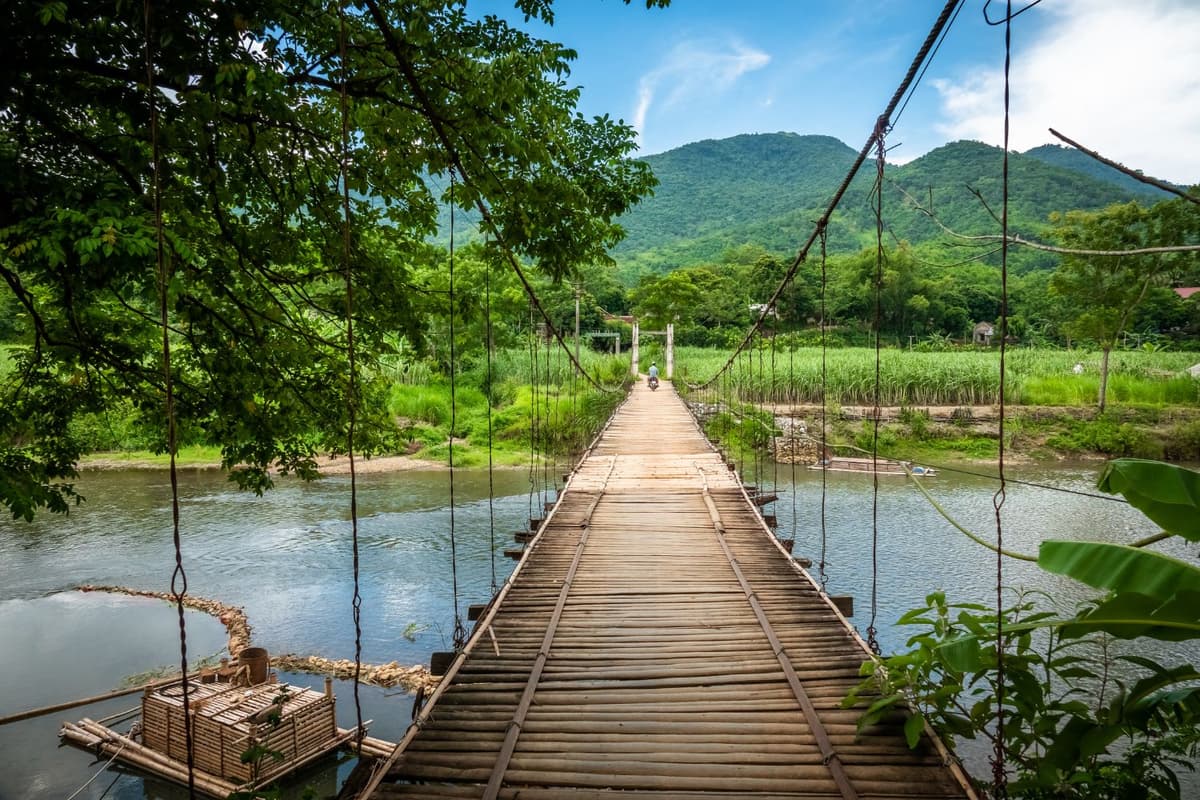
The tranquil scenery of villages, rice fields, and streams in Pu Luong
Some nearby destinations to explore from Pu Luong
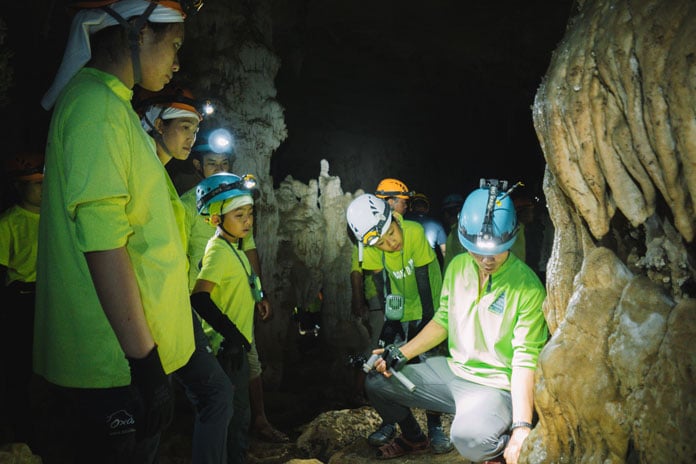
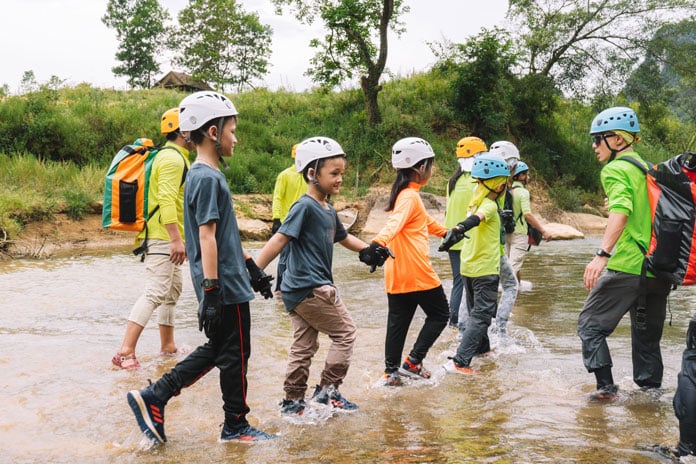
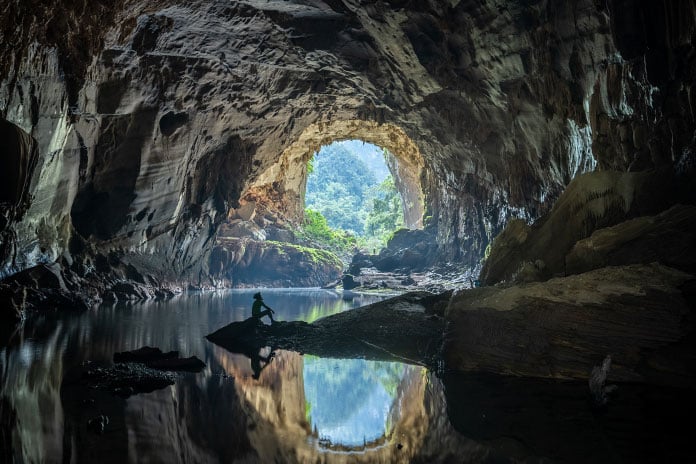
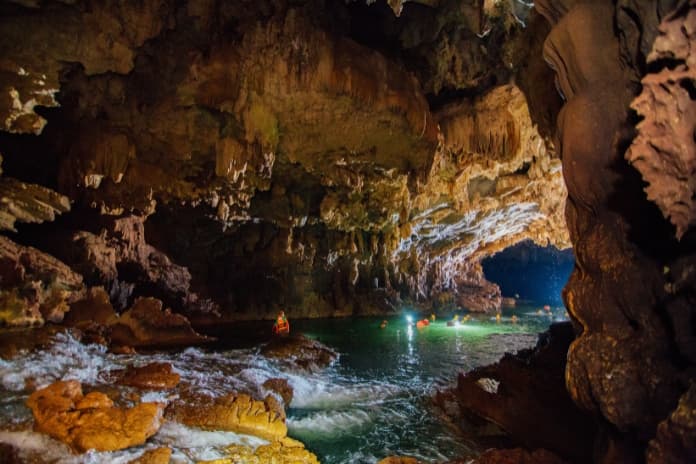
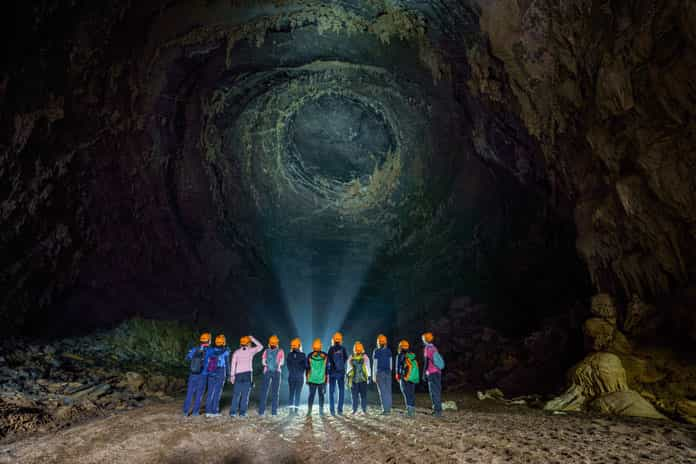
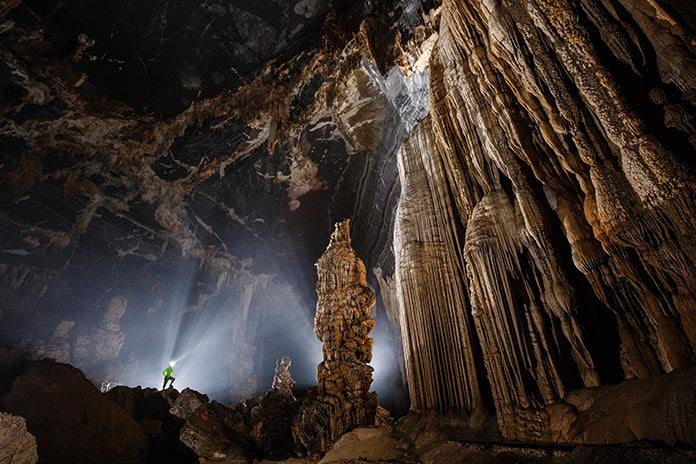
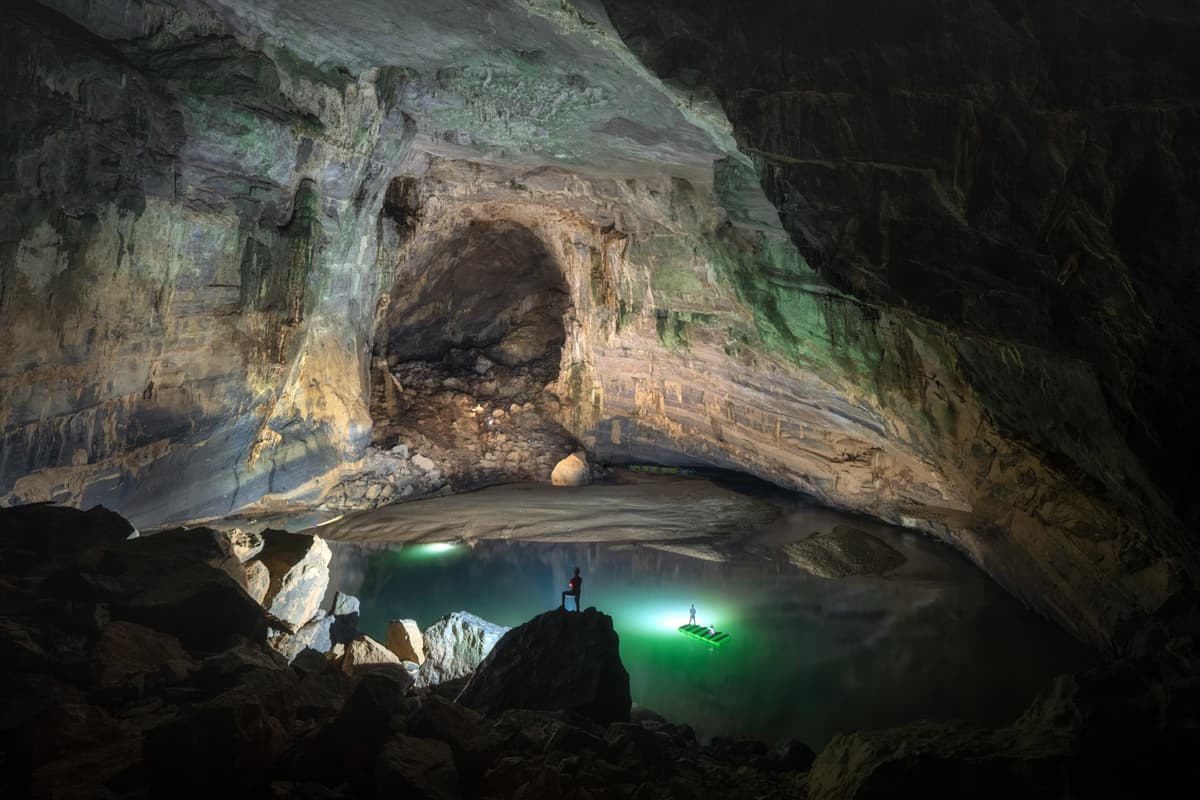
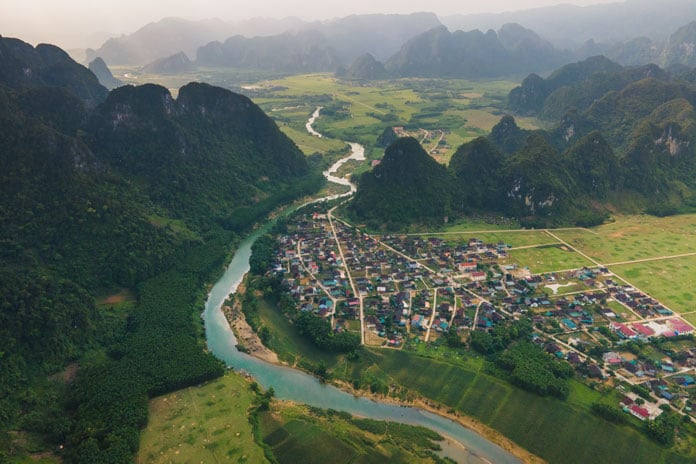
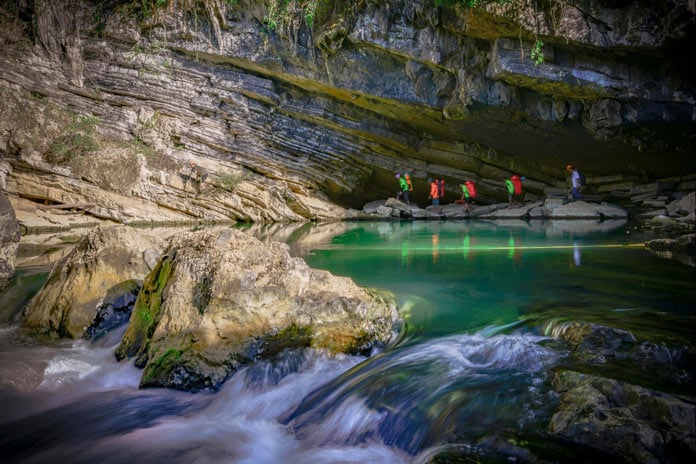
Travel in Pu Luong goes beyond terraced fields and peaceful villages, offering travelers the chance to explore a variety of nearby attractions. For those who love trekking, the Oxalis cave exploration tours in Quang Tri, such as Hang En, Hang Va, or Hang Tien, provide a well-organized, safe adventure amid stunning natural landscapes. For travelers seeking more challenging mountain routes, hiking trails in the Northwest like Hoang Lien Son, Ta Xua, Ta Chi Nhu, etc., are ideal.
In addition, traditional tourism villages make excellent stops along the way: Bat Trang Ceramic Village with its centuries-old pottery craft. Tan Hoa Village and Bong Lai Valley in Quang Tri offer tranquil scenery. In addition, Tra Que Village in Hoi An is famous for its organic vegetable gardens and hands-on local cooking experiences. These destinations are easily combined into a Pu Luong itinerary, enriching the trip with diverse cultural and nature experiences.


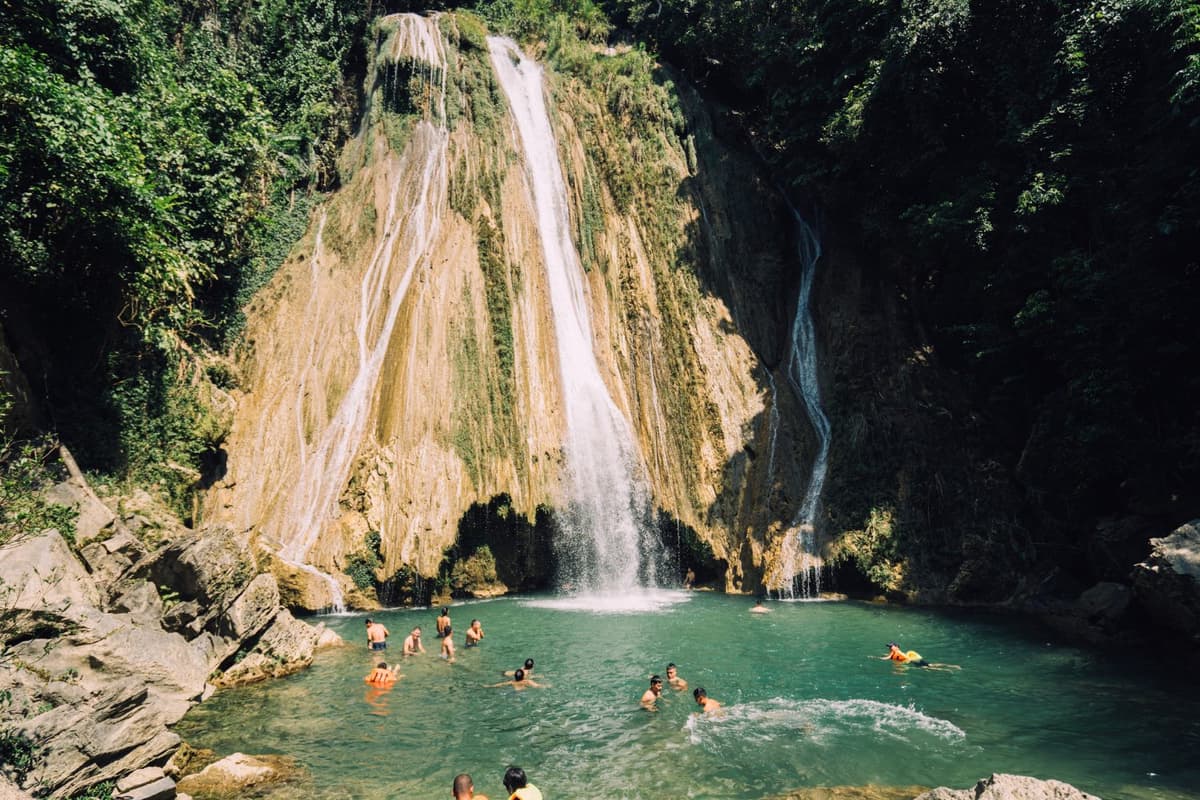

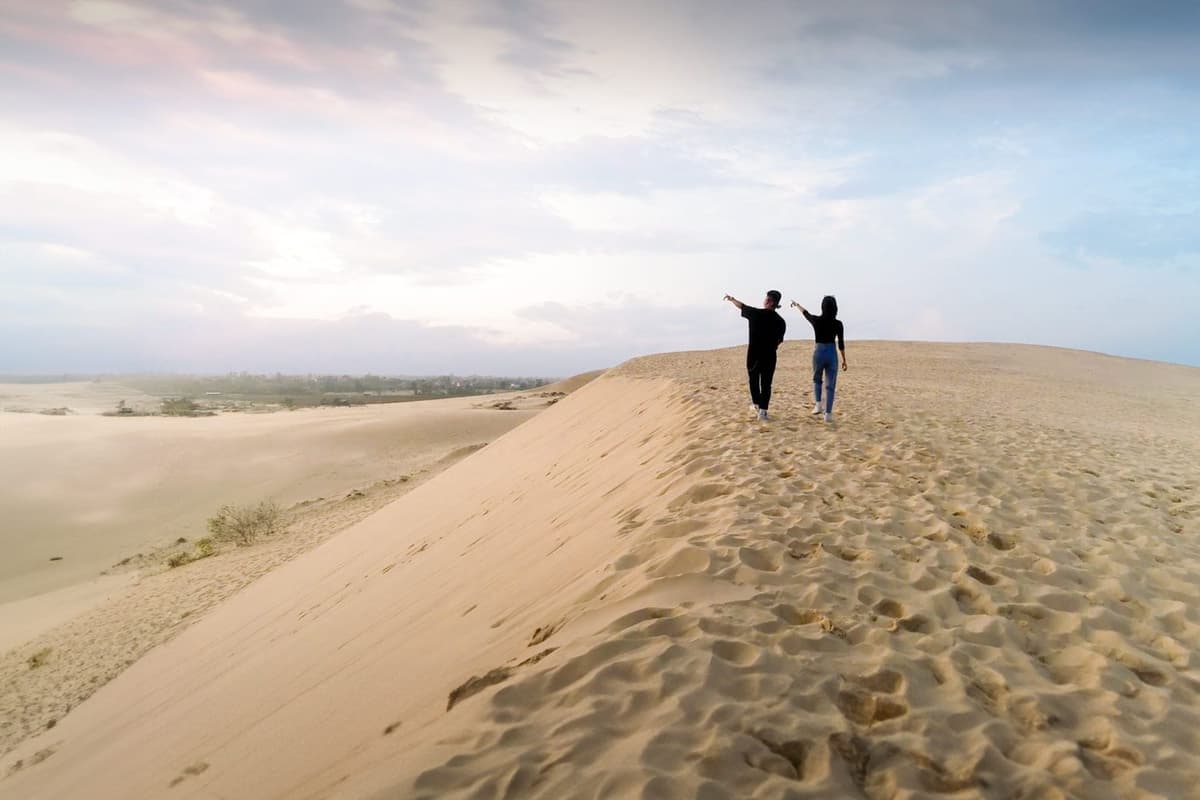
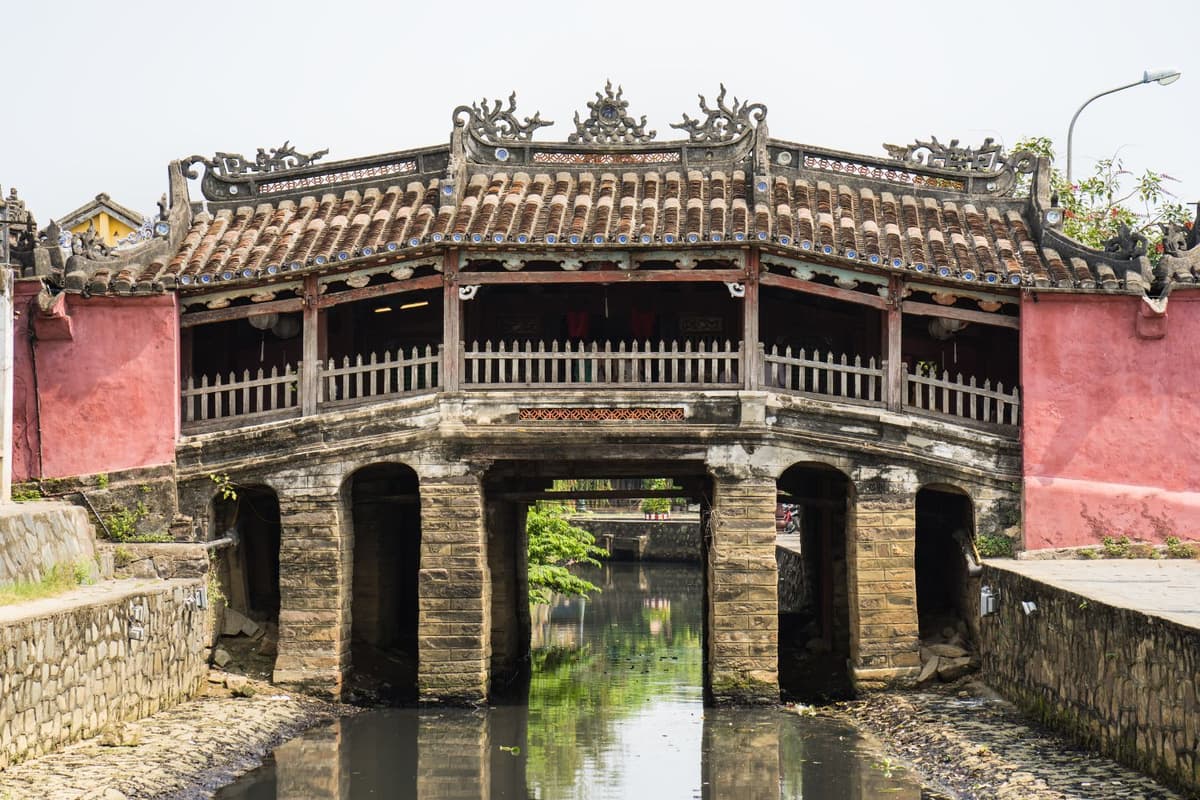
Whether you prefer long treks, camping in a cave, sleeping under the stars in the jungle, swimming underground in river caves, explore the huge dry caves or just taking an exploratory day trip, Oxalis Adventure Tours can provide the right amount of adventure just for you.
__637051782550081035.jpg)
__637051780703588520.jpg)
__637051765075307793.jpg)
__637051774329206026.jpg)
__637740499994967442.jpg)