Dong Hoi Citadel: A witness to four historical periods
Dong Hoi Citadel in Quang Tri carries a layer of moss and time-worn patina, yet stands firm like a solid and resilient fortress. The citadel protected Dang Trong for nearly 150 years. Over nearly 400 years, it witnessed wars that shaped the nation. There are the rise and fall of three feudal dynasties and two major resistance movements that determined the destiny of the Vietnamese people.
Although the citadel walls once collapsed and many relics were obscured by warfare, history remains deeply etched into this heroic land. Today, Dong Hoi Citadel has been restored as a powerful living testament to the enduring spirit of the nation. This carries a message that resonates through generations: “As long as the nation endures, its history will live on and continue to be passed down for thousands of years.”
Dong Hoi Citadel and its historical significance
Dong Hoi Citadel is a military structure built under King Minh Mang. It was constructed on a strategic foundation that once belonged to the Luy Thay defense system during the Trinh–Nguyen civil war period.
Long before it became part of Vietnamese territory, the region had served as the land of the ancient Champa Kingdom. The land of Quang Tri carried the fate of a frontier stronghold, shaped by strategic importance and prolonged warfare. Dong Hoi Citadel, in particular, stands as a witness to critical historical transformations across centuries.
In 1630, facing repeated attacks from Lord Trinh, Mr. Dao Duy Tu advised Lord Nguyen Phuc Nguyen to build a strong and structured defense system. It was later named Luy Thay (also known as Dao Duy Tu defense).
The Luy Thay defense system was constructed over a period of three years, forming a solid fortress to block advancing attacks from Lord Trinh’s forces. More than 100 years later, as internal conflicts weakened Dang Trong, Lord Trinh successfully captured the Luy Thay defense system and the imperial capital of Phu Xuan.
Just over a decade later, in 1786, the Tay Son uprising rose to power, overthrowing both the Trinh and Nguyen regimes. King Quang Trung ushered in a new era of national unification.
In 1801, Nguyen Anh launched a military campaign to seize the imperial capital of Phu Xuan and the Luy Thay fortifications. The remaining Tay Son forces fought desperately to defend the stronghold but were ultimately defeated by overwhelming swords and spears.
In 1812, King Gia Long (Nguyen Anh) had the Dong Hoi Citadel constructed with earth on the strategic site of Luy Thay defense. At that time, the fortress served to strengthen the defense of this vital region and to control trade along both land and water routes.
Dong Hoi Citadel was built in 1824 by Emperor Minh Mang following the Vauban architectural style
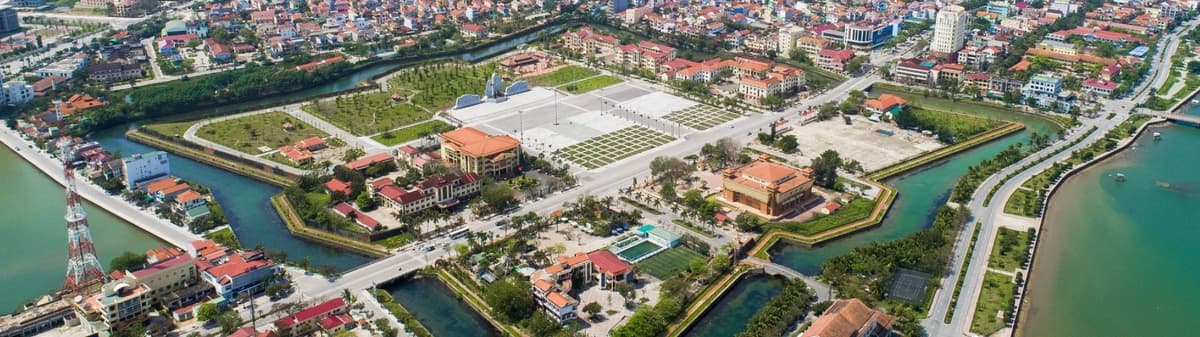
By 1824, King Minh Mang ordered Dong Hoi Citadel to be rebuilt in brick, following the Vauban architectural style, which forms the structure seen today. The citadel featured three gates: North, East, and South. The citadel stretches approximately 1,860 meters in length, surrounded by a protective moat system. The gates inside the citadel were deliberately staggered to prevent outsiders from surveying the internal layout.
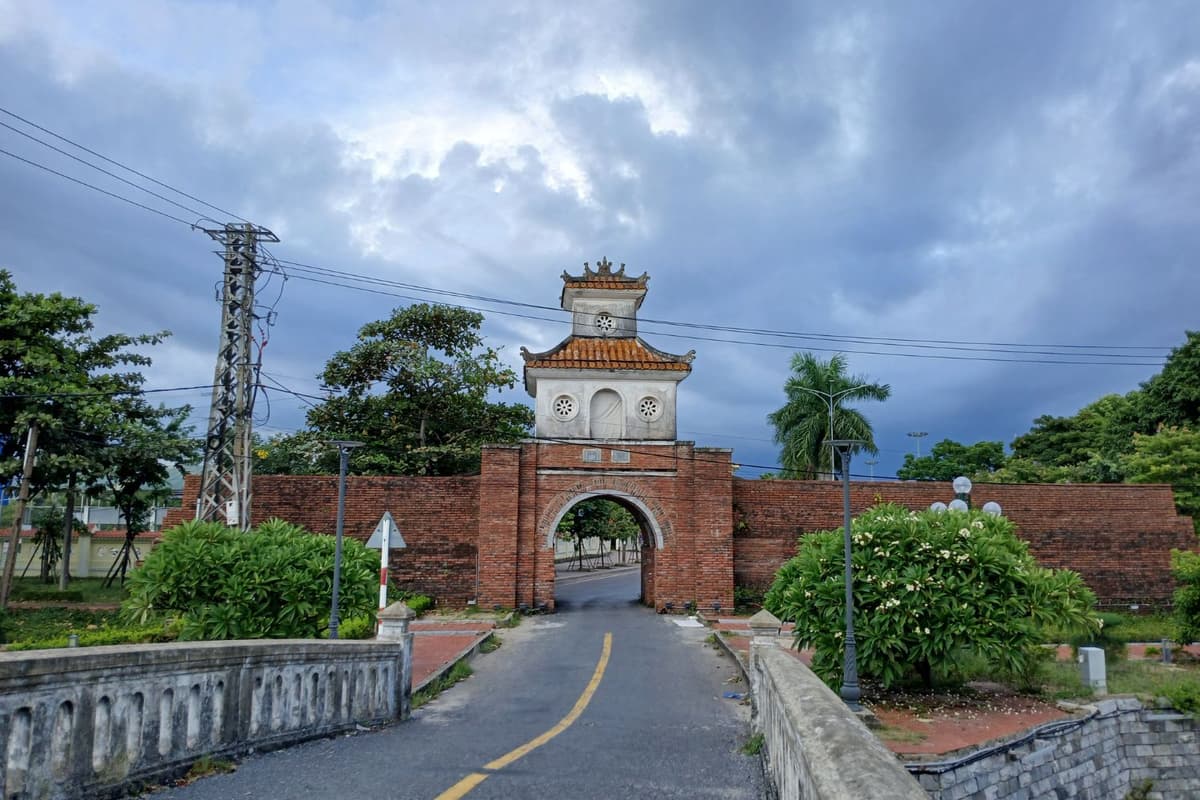
Dong Hoi Citadel was built in 1824 by Emperor Minh Mang following the Vauban architectural style
During the French colonial period, Dong Hoi Citadel soon drew the attention of invading forces. Although the initial resistance by the royal army in 1885 ended in failure, the local militias and people never yielded to the occupiers.
During the years of the resistance against the United States, Dong Hoi Citadel continued to witness the devastation of bombs and the profound patriotism of the Vietnamese people.
Although ravaged by war, the image of Dong Hoi Citadel standing steadfast through the storms of history remains deeply etched in the hearts of the people of Quang Tri. The citadel may no longer exist. Villages may lie in ruins. The country may be devastated. However, as long as the Vietnamese people endure, their culture and history will continue to live on in the Vietnamese bloodline.
After national unification, the military and people joined forces to rebuild their homeland, restore historical sites, and reconstruct Dong Hoi Citadel.
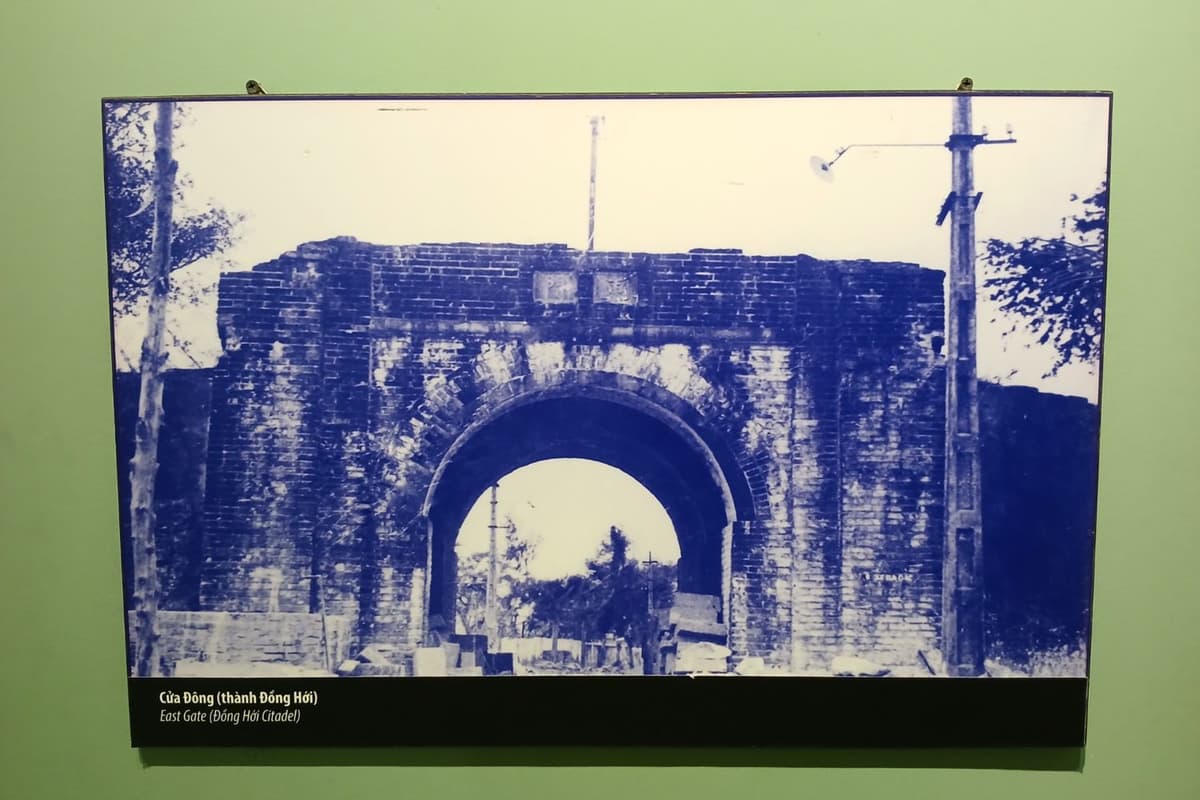
An image of a corner of Dong Hoi Citadel damaged during the war
Travel experience at Dong Hoi Citadel
Visitors to Dong Hoi Citadel can engage in various activities that connect them with the history and nostalgic atmosphere of this historic fortress. They can explore the citadel area, including the restored gates and the remaining relics from wartime. The architecture of the walls, gates, and surrounding moat allows them to clearly envision the ancient defensive structure.
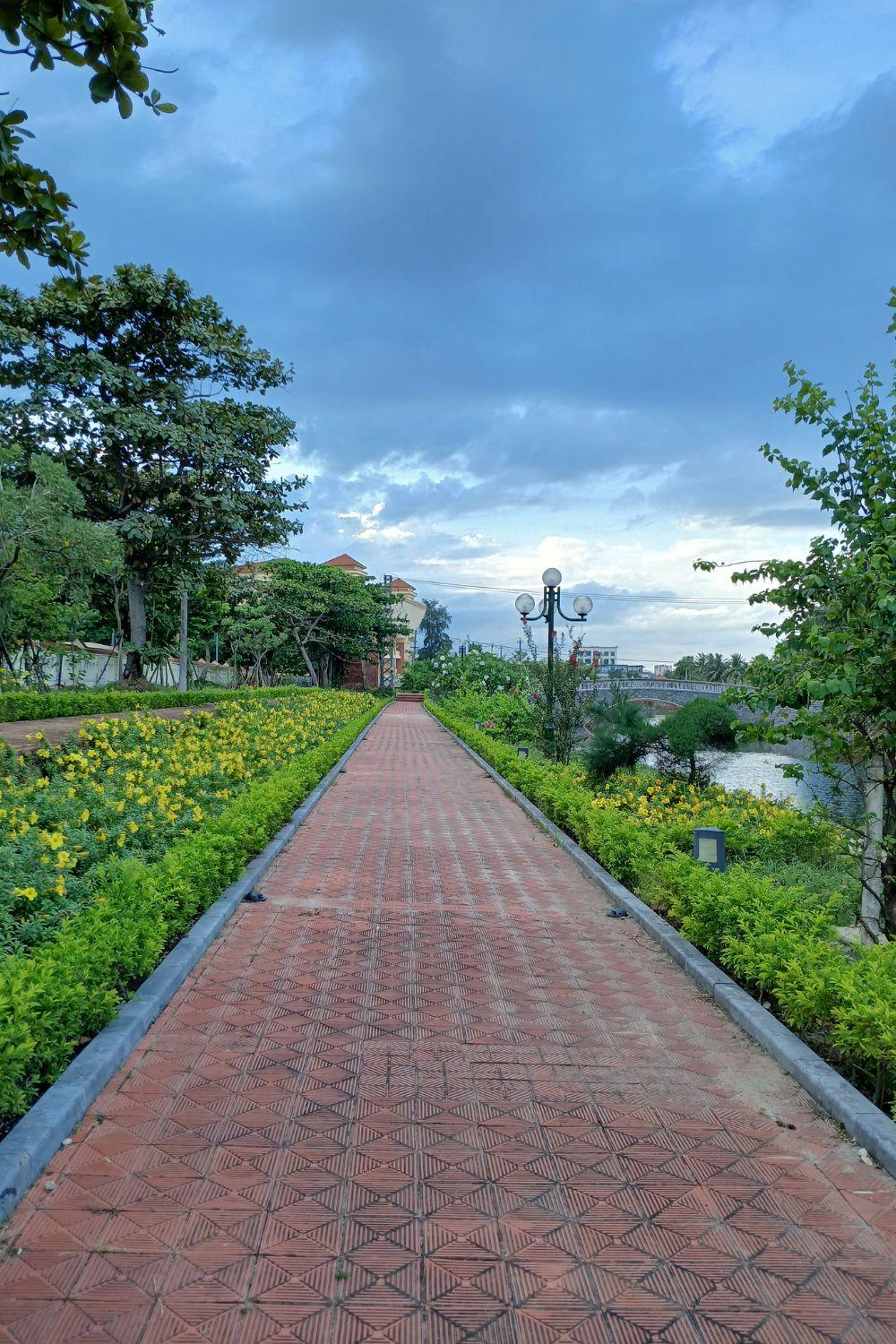
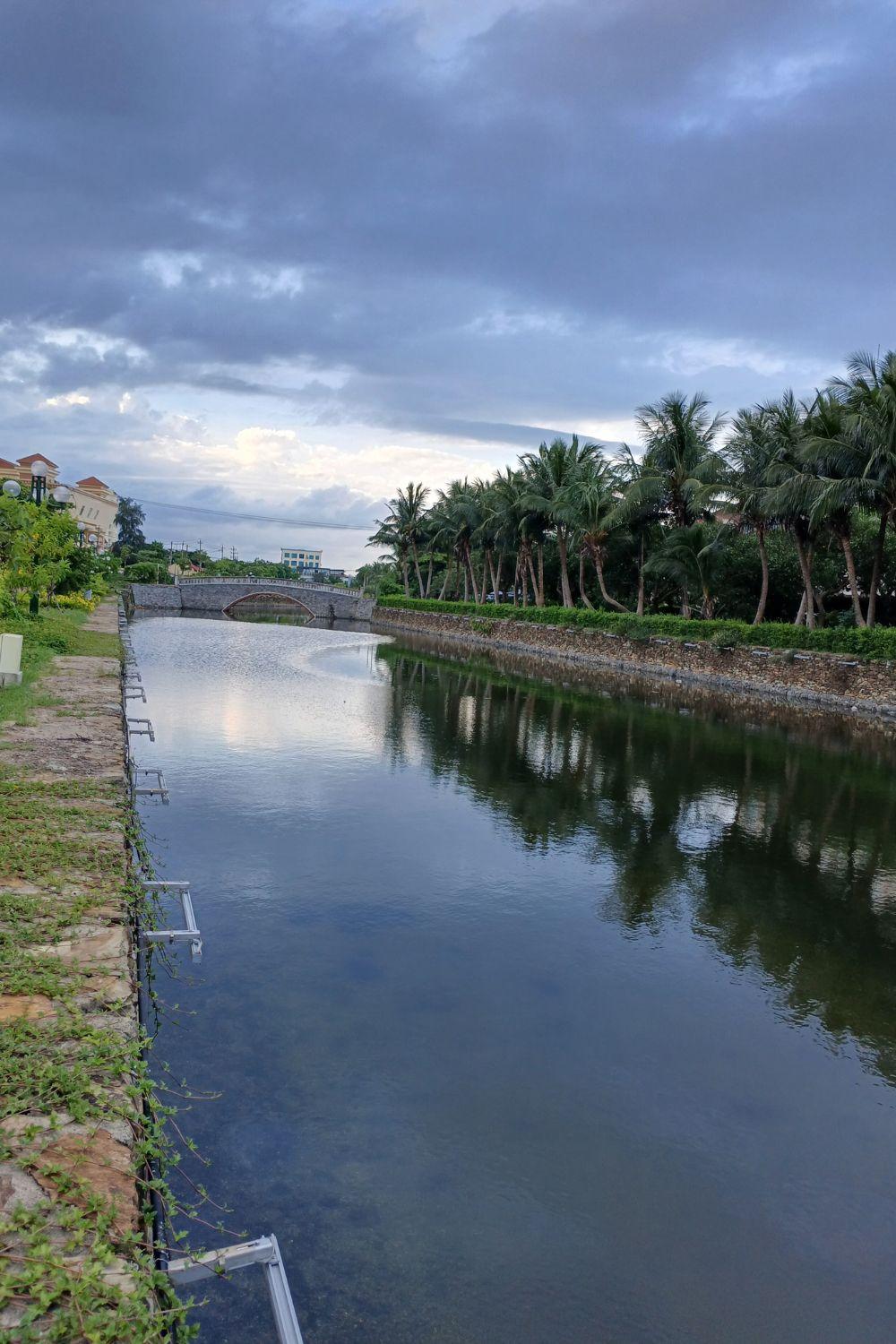
Photography at Dong Hoi Citadel is also an enjoyable experience, as the ancient architecture creates a striking contrast amid the modern city center. Surrounding the citadel are tree-lined walkways where visitors can stroll, enjoy the breeze, and walk along the clear waters of the moat.
In addition, visitors can visit the Quang Tri Museum to gain a deeper understanding of the history and strategic importance of the Quang Tri region.
Location and travel guide to Dong Hoi Citadel
Dong Hoi Citadel is located on Le Duan Street, in the heart of Dong Hoi Ward, Quang Tri Province. It is 486 km from Hanoi, 165 km from Hue, 269 km from Da Nang, and 1,182 km from Ho Chi Minh City.
Visitors can travel from Hanoi or Ho Chi Minh City by plane to Dong Hoi Airport, then continue to the citadel by taxi, private car, or ride-hailing services.
Visitors traveling by train or bus/sleeper bus from Hanoi, Ninh Binh, Hue, Da Nang, and etc., can arrive at Dong Hoi Railway Station (3.6 km away) or Dong Hoi Bus Station (1.5 km away).
From Da Nang, Hoi An, and Hue, travelers can also hire a private car for a direct trip to Dong Hoi Citadel, with prices ranging from 3 to 5 million VND.
The most convenient ways to get around the citadel and nearby attractions in the city center are by ride-hailing services, taxi, or on foot, as distances are relatively short.
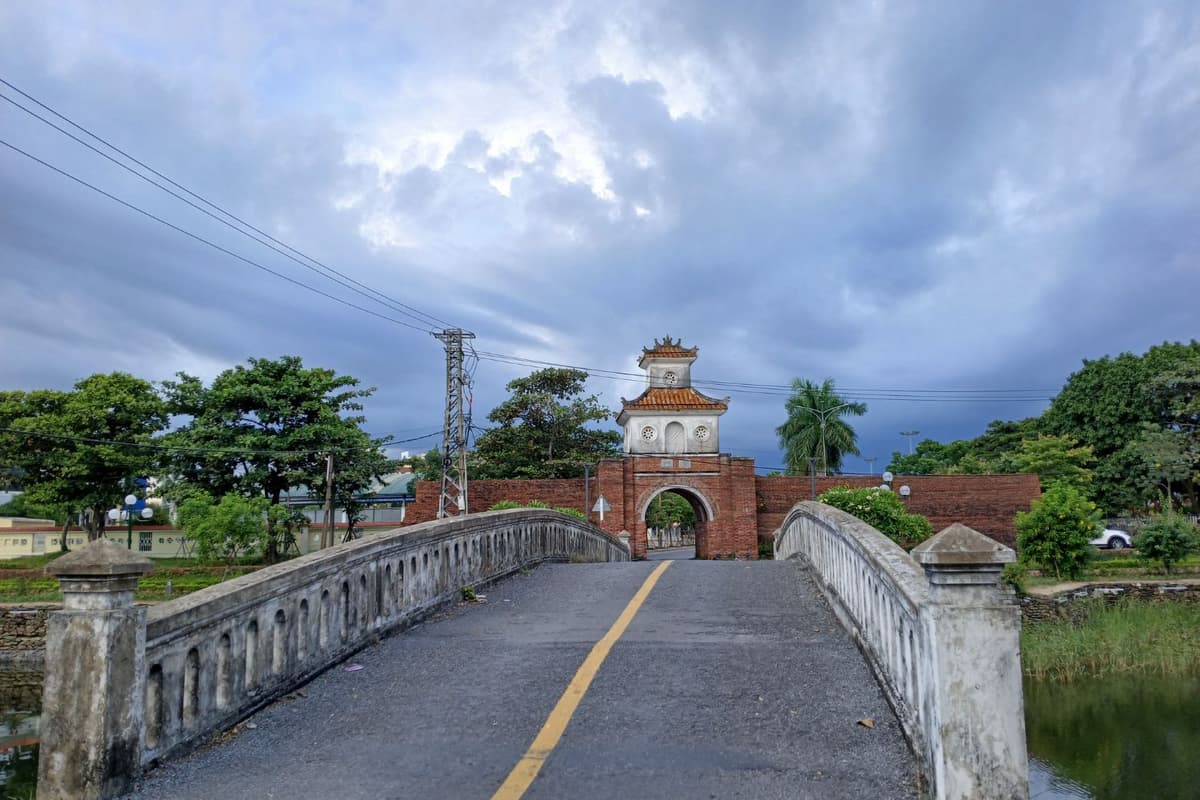
The concrete bridge leading from the center of Dong Hoi Ward into Dong Hoi Citadel
Ideal time to visit Dong Hoi Citadel
The best time to visit Dong Hoi Citadel is from February to August, when the weather in Quang Tri is dry, sunny, and suitable for outdoor activities.
The period from March to May is considered the most pleasant, with mild temperatures, little rain, and soft lighting. It is perfect for photography and strolling around the citadel grounds. Summer (June–August) brings stronger sunlight but clear skies, making it an ideal time for travelers to combine their visit with other sightseeing activities in the city.
From September to November, Quang Tri experiences the rainy season. Visitors are advised to check the weather forecast to plan their trip to Dong Hoi Citadel on suitable days. From December to February, the weather is cool, making it ideal for travelers who enjoy a quieter atmosphere and wish to explore the history of the citadel with fewer crowds.
Quang Tri specialties travelers should try
When visiting Dong Hoi Citadel, travelers should sample the famous local specialties of Quang Tri. For example, banh bot loc at well-known eateries like Me Xuan, Di Thai, Phu Quy, and others. In addition to the traditional leaf-wrapped version, many shops offer creative variations. It includes fried banh bot loc, steamed banh bot loc, and frozen versions that visitors can take home.
Special dishes like banh nam, banh beo with crispy shrimp, and banh khoai, each with their distinctive flavors, are hard for travelers to resist. Visitors can also enjoy Dong Hoi chao canh, a hot noodle soup with chewy noodles, a rich broth, or a variety of fish, spring rolls.
One of Dong Hoi’s most famous specialties is fresh seafood, including shrimp, squid, cuttlefish, clams, snails, etc., at local restaurants along Nhat Le Beach.
Suggested attractions near Dong Hoi Citadel
When visiting Dong Hoi Citadel, travelers can also explore many nearby attractions. In the city center, notable historical and architectural sites include Ho Chi Minh Square, Mother Suot Monument, Tam Toa Church, and Quang Binh Gate.
Travelers who enjoy recreational activities can visit Nhat Le Beach, try sandboarding at Quang Phu Sand Dunes, etc.
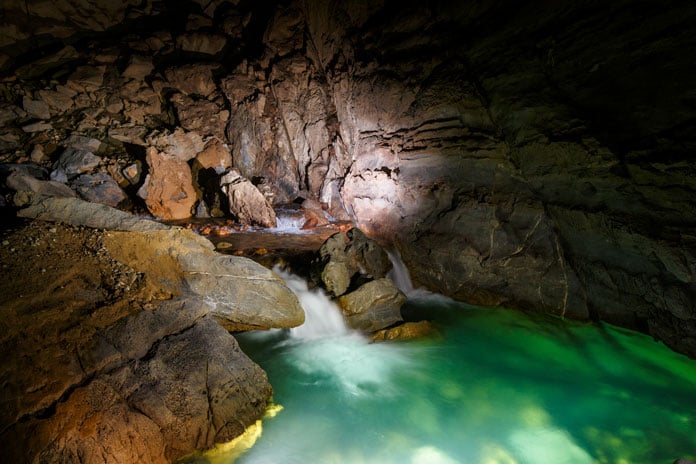
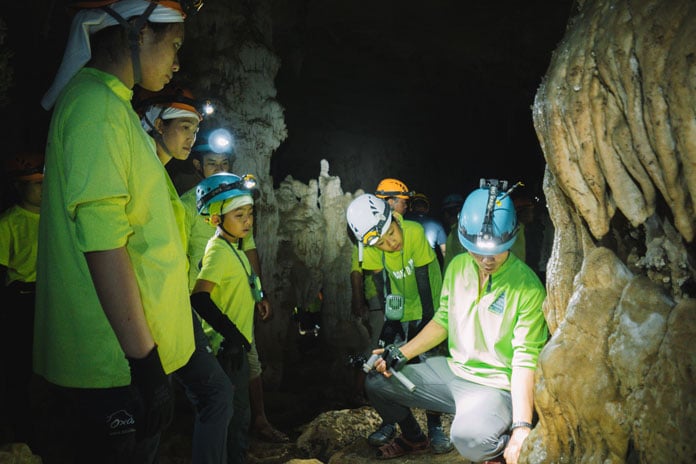
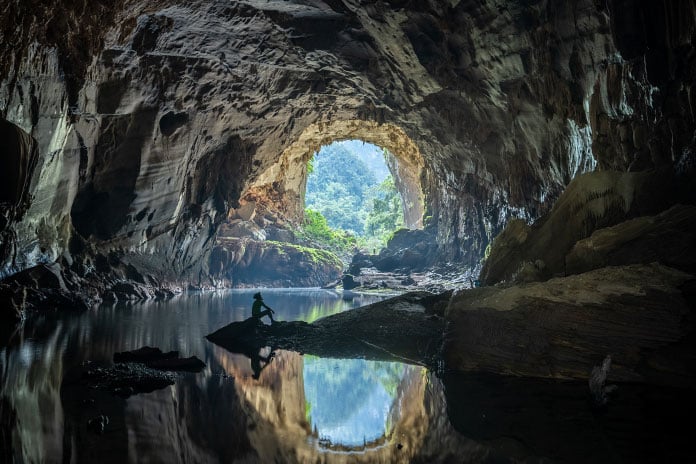
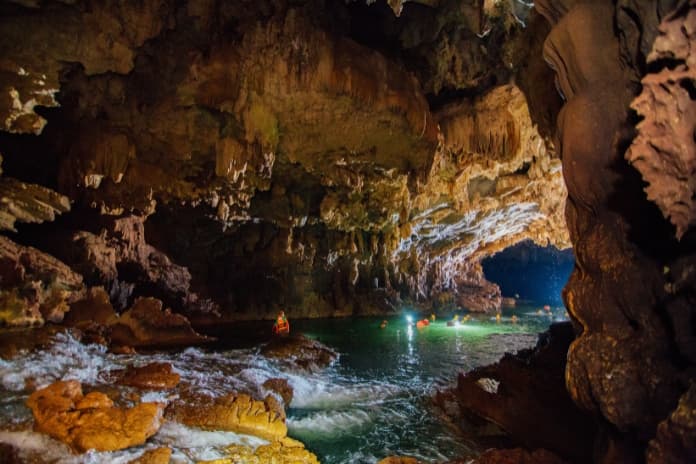
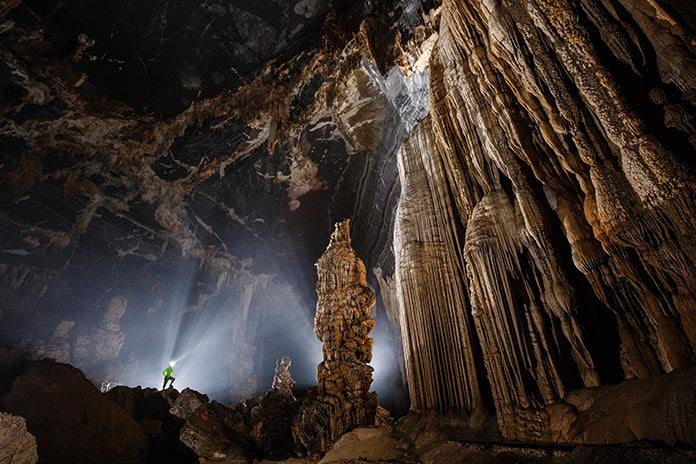
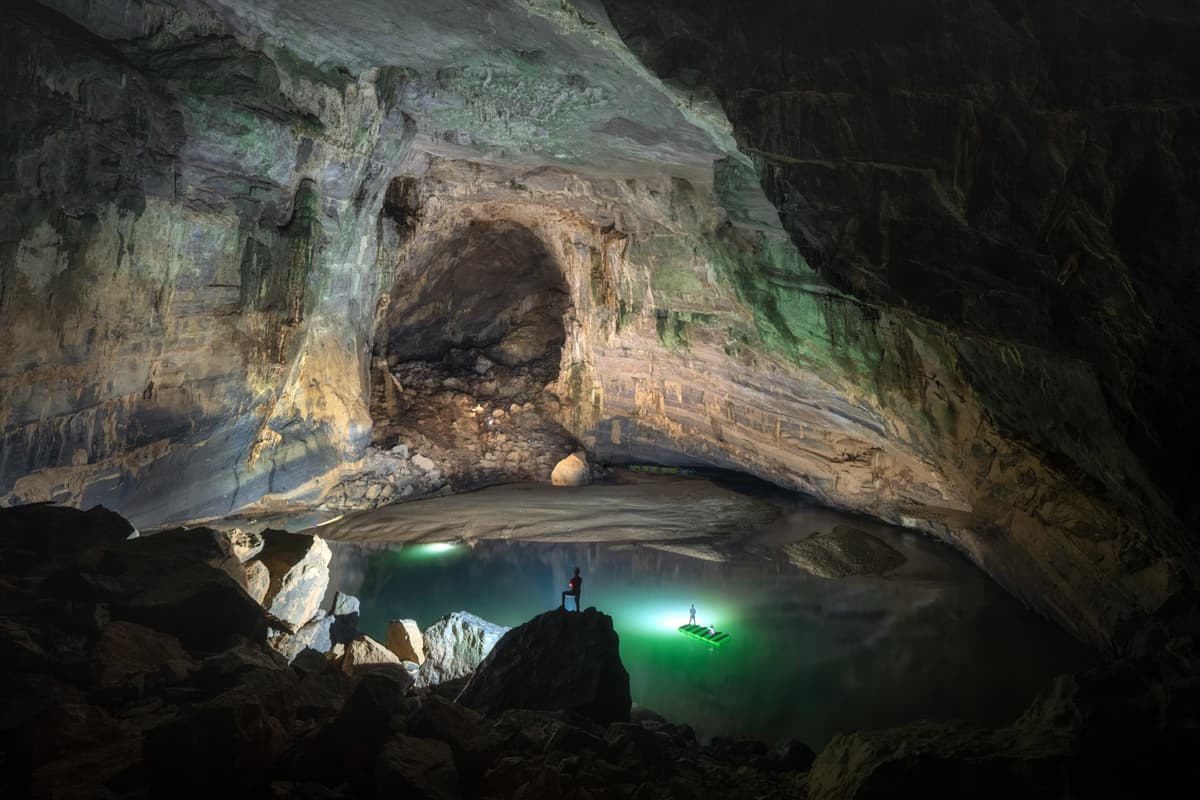
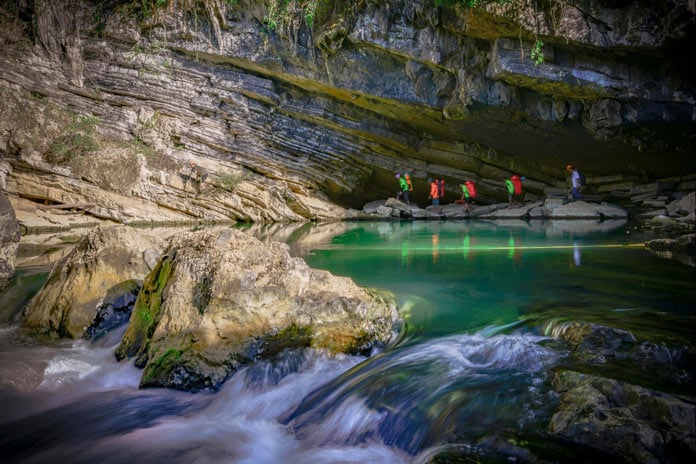
Those interested in exploring nature and magnificent geological formations can join tours to Phong Nha Cave, Paradise Cave, or other cave exploration tours with Oxalis Adventure. Commander Cave Museum in Phong Nha will offer unique historical perspectives on wartime transportation during the resistance against the United States.
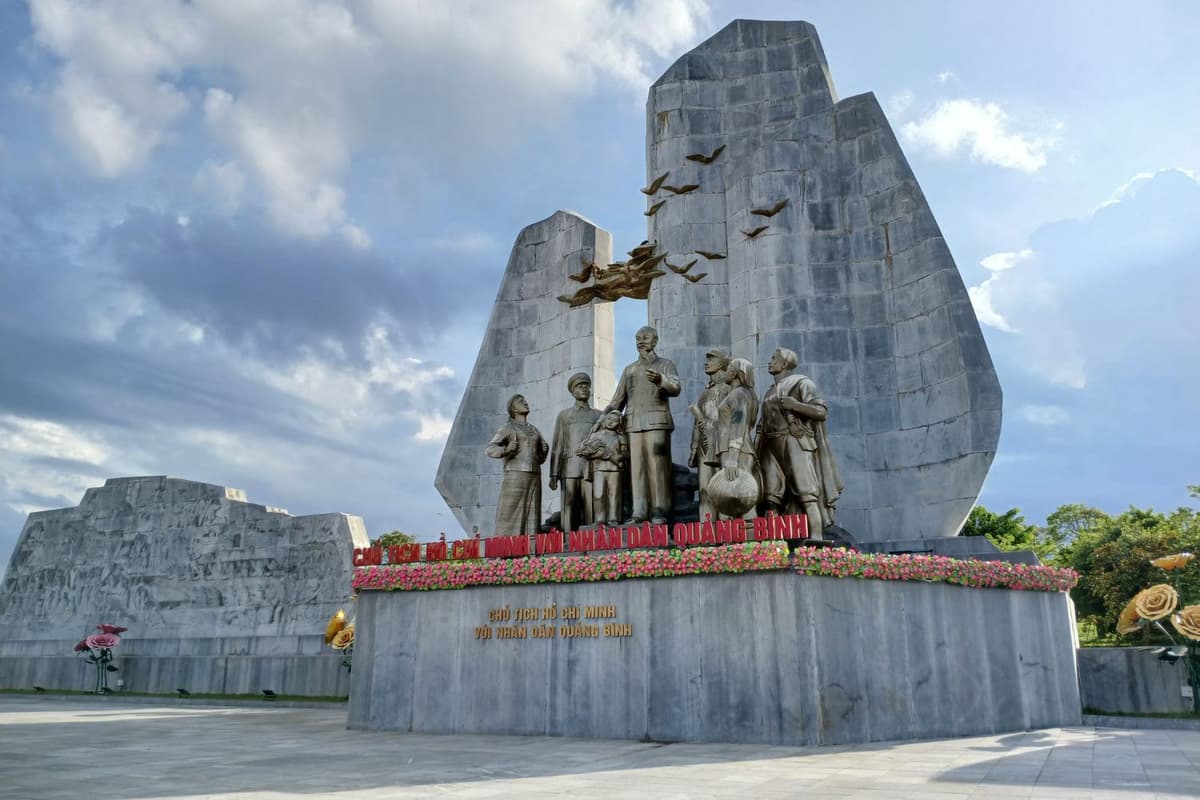
Quang Binh Museum and Ho Chi Minh Square were built next to Dong Hoi Citadel
Travel tips for Dong Hoi Citadel and Quang Tri in general
Entrance to Dong Hoi Citadel is free, and visitors can spend about 1–2 hours exploring and taking photos of the fortress.
When visiting Dong Hoi Citadel and other historical sites in Quang Tri, travelers are advised to wear comfortable clothing and shoes. Hats, sunglasses, and drinking water are essential, especially during the sunny season from February to August. During the rainy season, visitors should bring an umbrella or a raincoat to ensure a pleasant and complete travel experience.
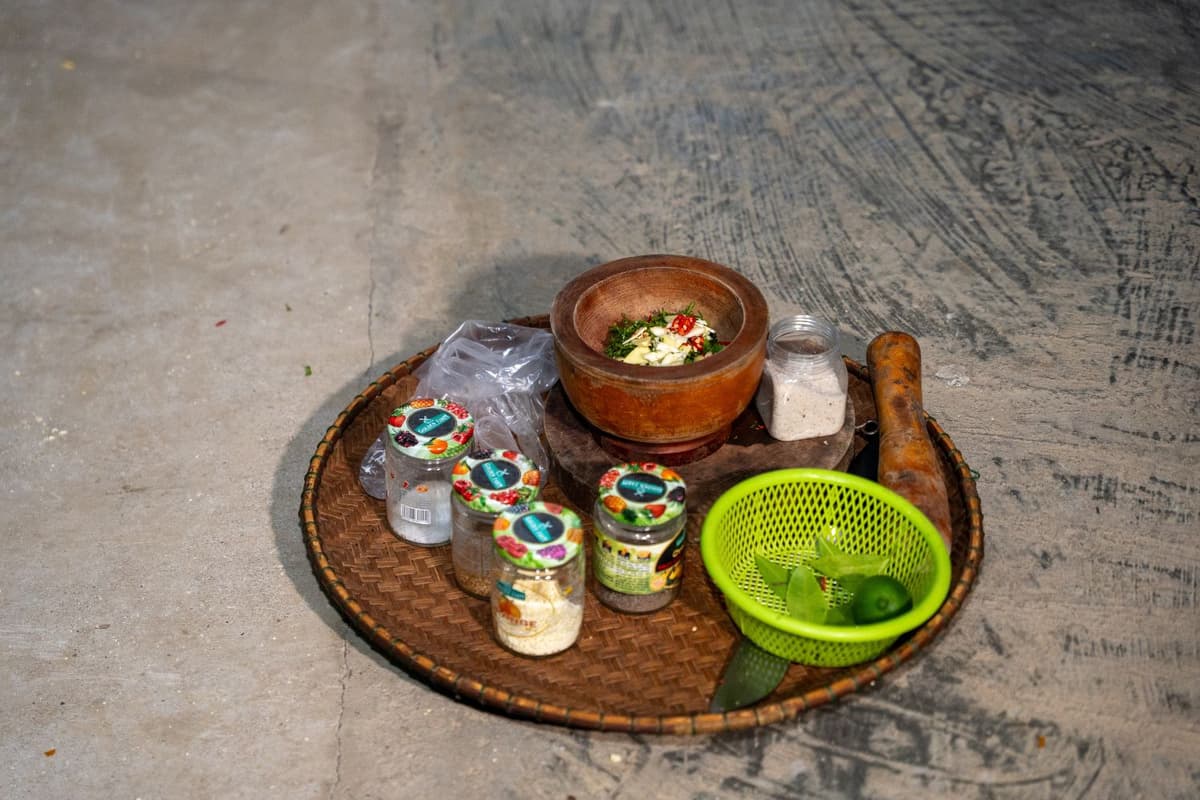

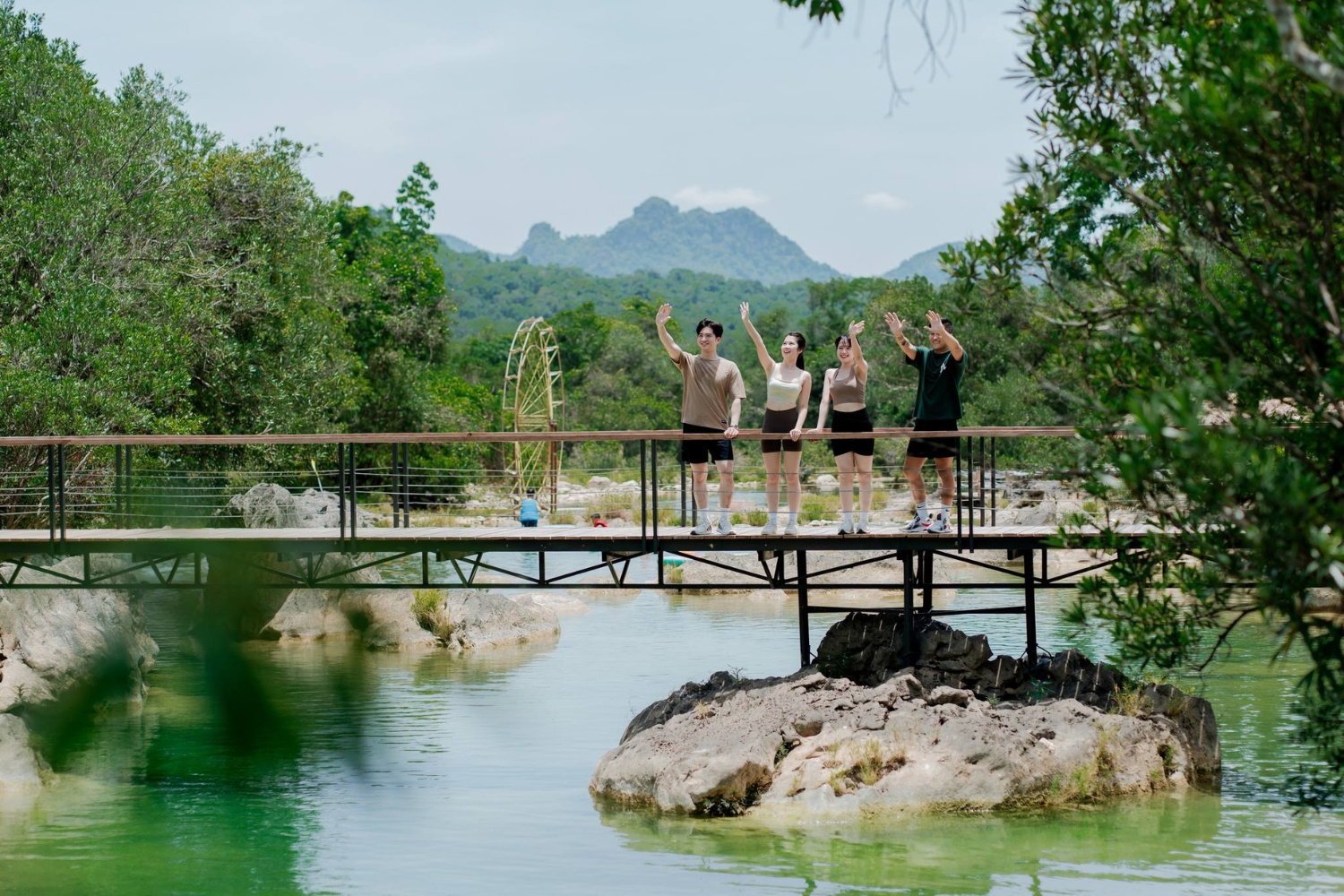
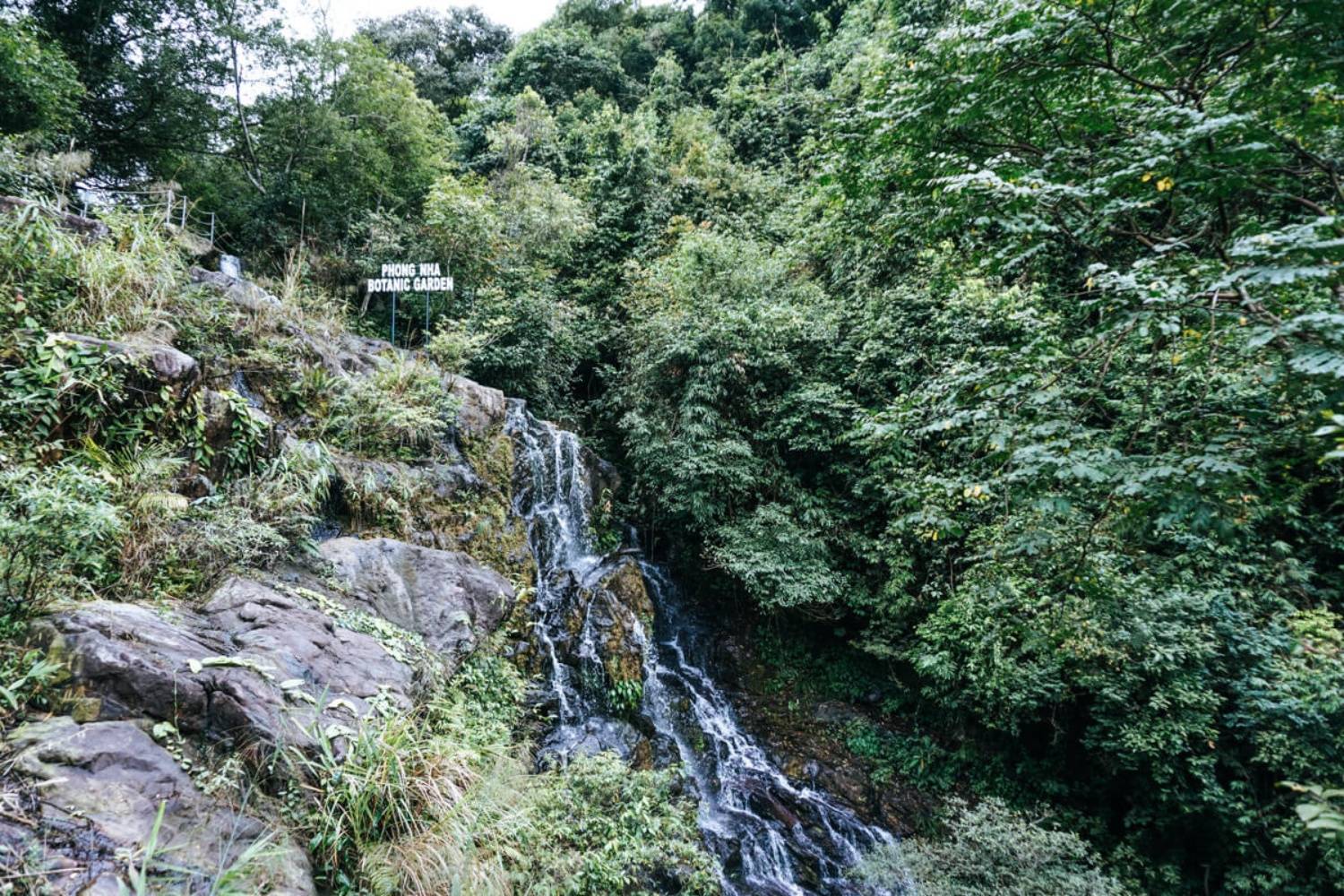
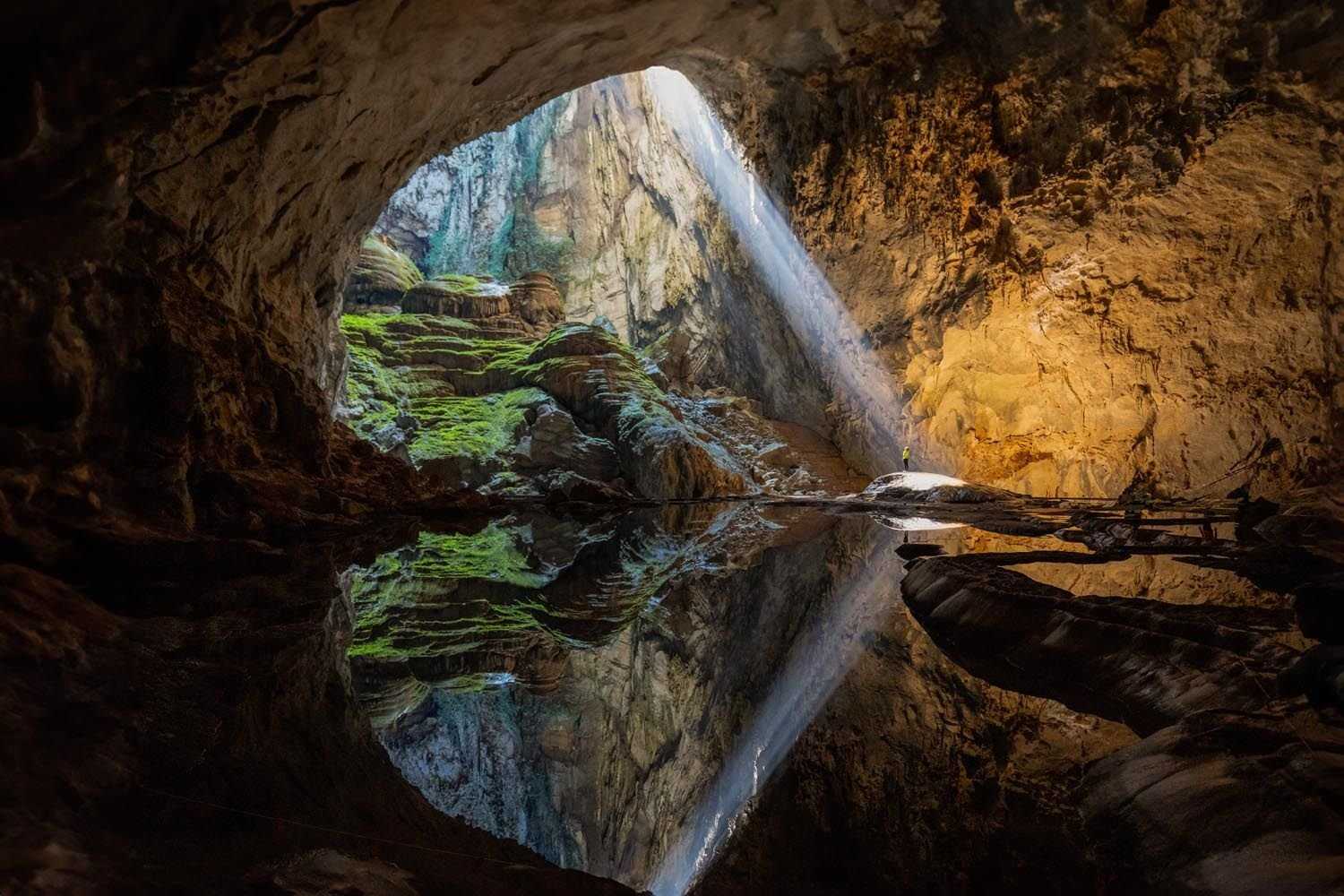
Whether you prefer long treks, camping in a cave, sleeping under the stars in the jungle, swimming underground in river caves, explore the huge dry caves or just taking an exploratory day trip, Oxalis Adventure Tours can provide the right amount of adventure just for you.
__637051782550081035.jpg)
__637051780703588520.jpg)

__637051765075307793.jpg)
__637051774329206026.jpg)

__637740499994967442.jpg)