Vietnamese New Year (Tet Holiday): What to expect and experience
After the Christmas and Western New Year holidays, many travelers seek more than ordinary relaxation. From January to February, Vietnam enters its festival season, with Tet Nguyen Dan at its heart – the most sacred and vibrant celebration of the year. Across the country, streets, markets, and homes burst with flowers, decorations, and joyful gatherings. This is a rare chance to immerse in authentic Vietnamese culture, taste seasonal specialties, and feel the festive spirit that fills every corner of the nation.
The meaning and timing of Tet for Vietnamese people
Tet Nguyen Dan, or the Lunar New Year, is the most important celebration of the year for Vietnamese people. Lunar New Year significance Vietnam is a time for family reunions, honoring ancestors, and welcoming the new year with hopes for luck, peace, and success. People usually prepare special meals, clean and decorate their homes. People will take part in traditional customs, from giving lucky money (li xi) and setting up the New Year pole (cay neu) to making conventional rice cakes like banh chung and banh tet.
Tet follows the lunar calendar, usually falling in late January or early February. In 2026, the first day of Tet will be February 17, and the celebration typically lasts about a week. During this period, it is the biggest holiday of the year. Many people return to their hometowns, cities become peaceful, and shops and offices temporarily close so everyone can focus on family and the festivities.
Compared to other Asian countries such as China, South Korea, and Japan, the origin of Tet holiday shares many similarities but Vietnam’s Lunar New Year has its own unique features. Like these countries, Vietnam celebrates the new year according to the lunar calendar. They value family and ancestors, hold traditional ceremonies, reunite loved ones, and exchange lucky gifts like li xi.
However, Vietnam stands out with its distinctive customs. Northern Vietnam is decorated with peach blossoms. Southern Vietnam favors apricot flowers, villages hold traditional festivals, and special dishes like banh chung and banh tet are unique to Vietnam. The Tet atmosphere thus combines common East Asian cultural elements with unique local traditions. Travelers will fully experience the country’s rich cultural identity and the lively festive spirit nationwide.
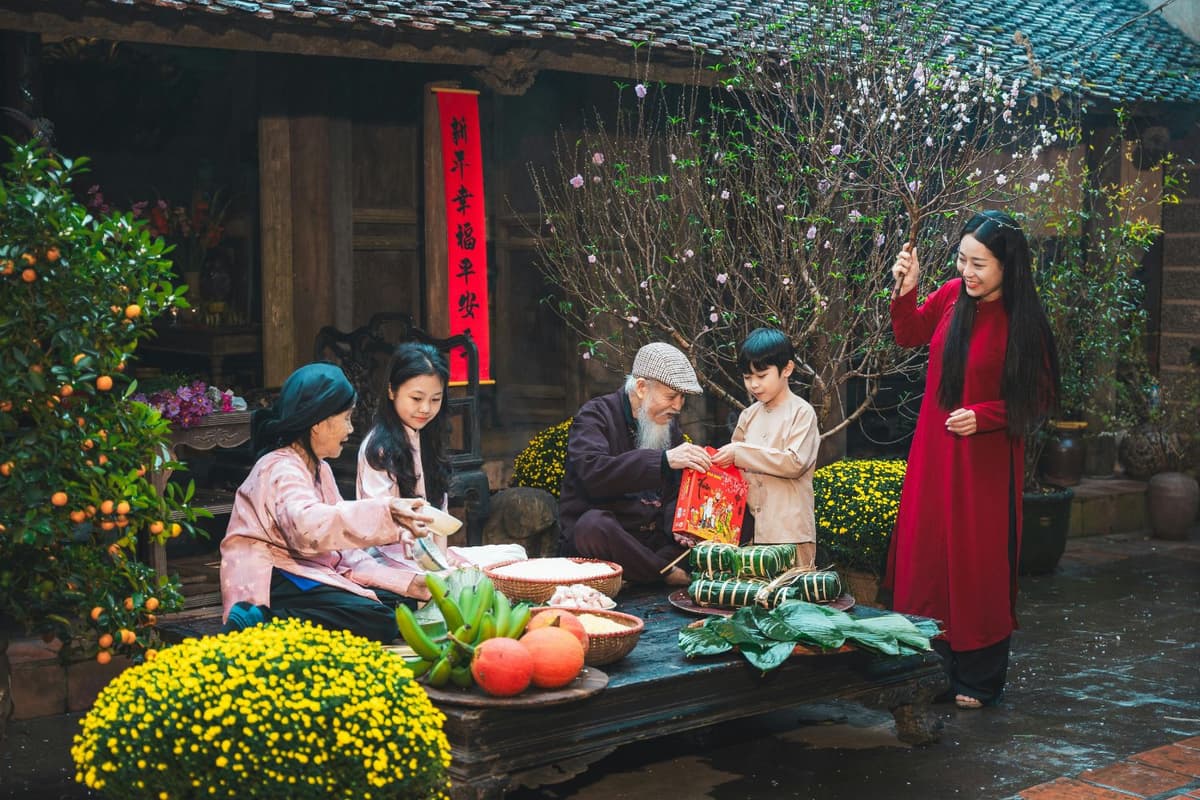
During Tet, Vietnamese people gather with their families to decorate their homes, make banh chung, and prepare for the celebration
How Vietnamese people celebrate Tet
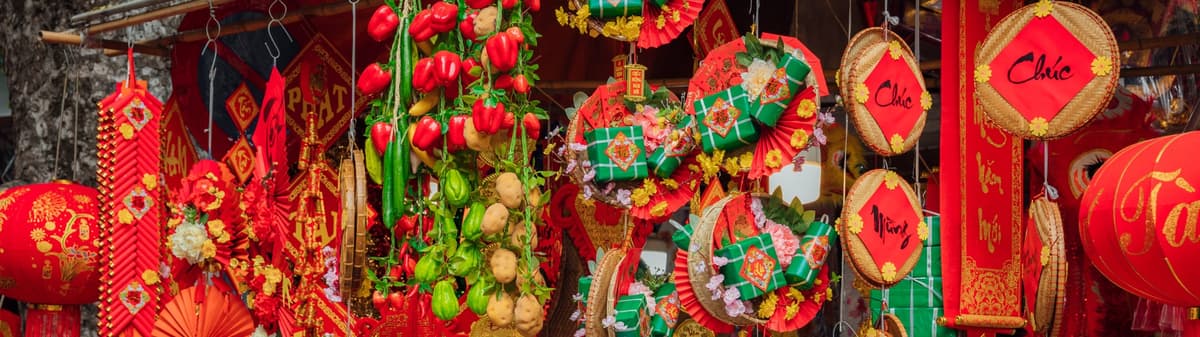
In the weeks leading up to Tet, Vietnamese families prepare their homes and hearts for the new year. Pre-Tet activities are thoroughly cleaned and decorated, while local markets bustle with Tet shopping. People buy peach and apricot blossoms, red couplets, and other festive items. Tet preparations Vietnam reflect a desire to welcome the new year fresh, lucky, and prosperous.
During Tet itself, families honor their ancestors with offerings and prayers, gather for joyful reunions, exchange New Year greetings, and give li xi (lucky money) to children. Traditional meals featuring special dishes like banh chung, pickled vegetables, and braised meats are shared around the family table, reinforcing bonds and gratitude.
The overall atmosphere is a unique blend of vibrant excitement and warm, heartfelt moments. Streets, markets, and homes glow with flowers, Tet decorations, and festive colors, while laughter and greetings fill the air. Beyond individual homes, communities come alive with village festivals, lion dances, spring markets, and cultural or religious performances. These communal celebrations allow both locals and visitors to experience the rich traditions and lively spirit of Vietnamese Tet.
Experiencing Tet through a traveler’s eyes
Tet in Vietnam offers travelers a unique chance to see, feel, and participate in the country’s most vibrant festival. In Hanoi, strolling through the Old Quarter and visiting Quang Ba Flower Market immerses visitors in the scents and colors of spring. Attending ceremonies at Ngoc Son Temple or watching fireworks over Hoan Kiem Lake adds a magical touch to the city’s festive atmosphere.
In Hue, travelers can experience the elegance of imperial Tet celebrations. They will witness traditional rituals, or wander through spring markets along the Perfume River, feeling the charm of a city steeped in history.
In Da Nang and Hoi An, the streets glow with lanterns, riversides come alive with lively decorations, and fireworks light up the night sky. It creates a warm, inviting atmosphere that perfectly captures the spirit of Tet.
In Ho Chi Minh City, Nguyen Hue Flower Street and Tao Dan Spring Flower Festival dazzle visitors with colorful displays. Travelers can also visit Pho Ong Do, the calligraphy street, and enjoy bustling Tet street food markets.
Every city offers a mix of tradition, celebration, and sensory delight, giving travelers the chance not only to observe but to fully immerse themselves in the joyous and authentic Vietnamese Lunar New Year experience.
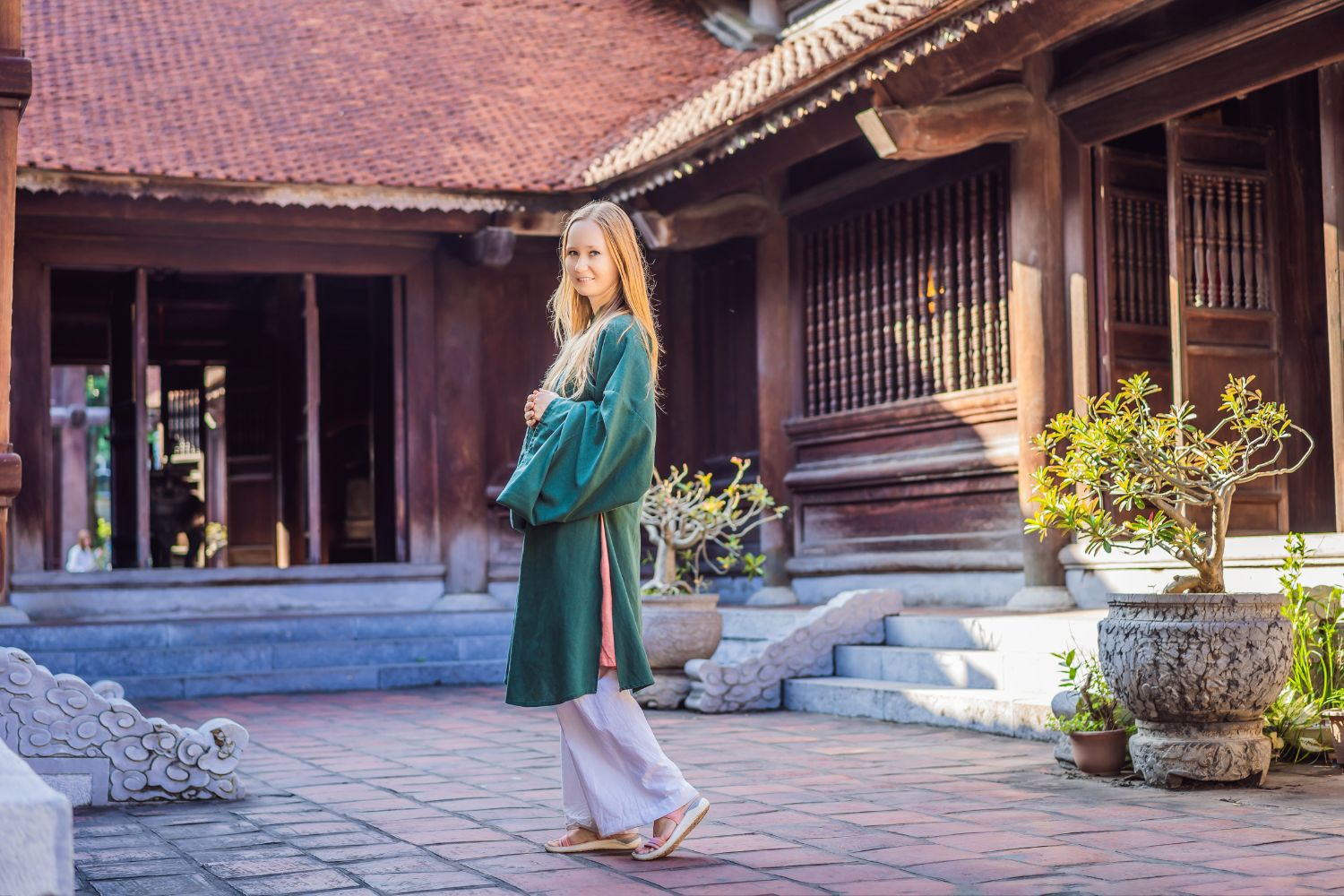
Travelers can visit historical sites with an ancient atmosphere and capture stunning photos
Unmissable activities and experiences during Tet in Vietnam
Visiting Vietnam during Tet offers travelers a chance to dive into the country’s most vibrant cultural festival. One of the highlights is exploring Tet flower markets, which spring to life with peach blossoms in the North, apricot flowers in the South, kumquat trees, and an array of seasonal plants. Some services open during Tet. Walking among the colorful stalls, visitors can feel the excitement of locals preparing their homes for the New Year and even purchase flowers, decorations, or lucky charms as souvenirs.
Another meaningful activity is visiting temples and pagodas at the beginning of the year to pray for health, luck, and prosperity. Many travelers enjoy joining locals in traditional rituals, offering incense, and learning about Vietnam’s spiritual customs in a lively, welcoming atmosphere.
Tet is also a time to taste traditional holiday foods. Signature dishes such as banh chung, banh tet, gio lua, Tet candied fruits, and green tea reflect both local flavors and the symbolic meanings of luck, prosperity, and family reunion. Sampling these foods offers a unique sensory experience and insight into Vietnamese culinary traditions.
Participating in customs like li xi (lucky money) and New Year greetings is another way to immerse in local culture. Travelers can learn common Vietnamese New Year phrases, exchange well-wishes with locals, and feel the warmth of community connections.
For those interested in culture and photography, wearing the traditional “ao dai” provides a perfect opportunity to take memorable photos while engaging with Vietnamese heritage.
These activities create an authentic, immersive experience of Tet, allowing travelers to celebrate, learn, and connect with Vietnam in a way that goes far beyond sightseeing.
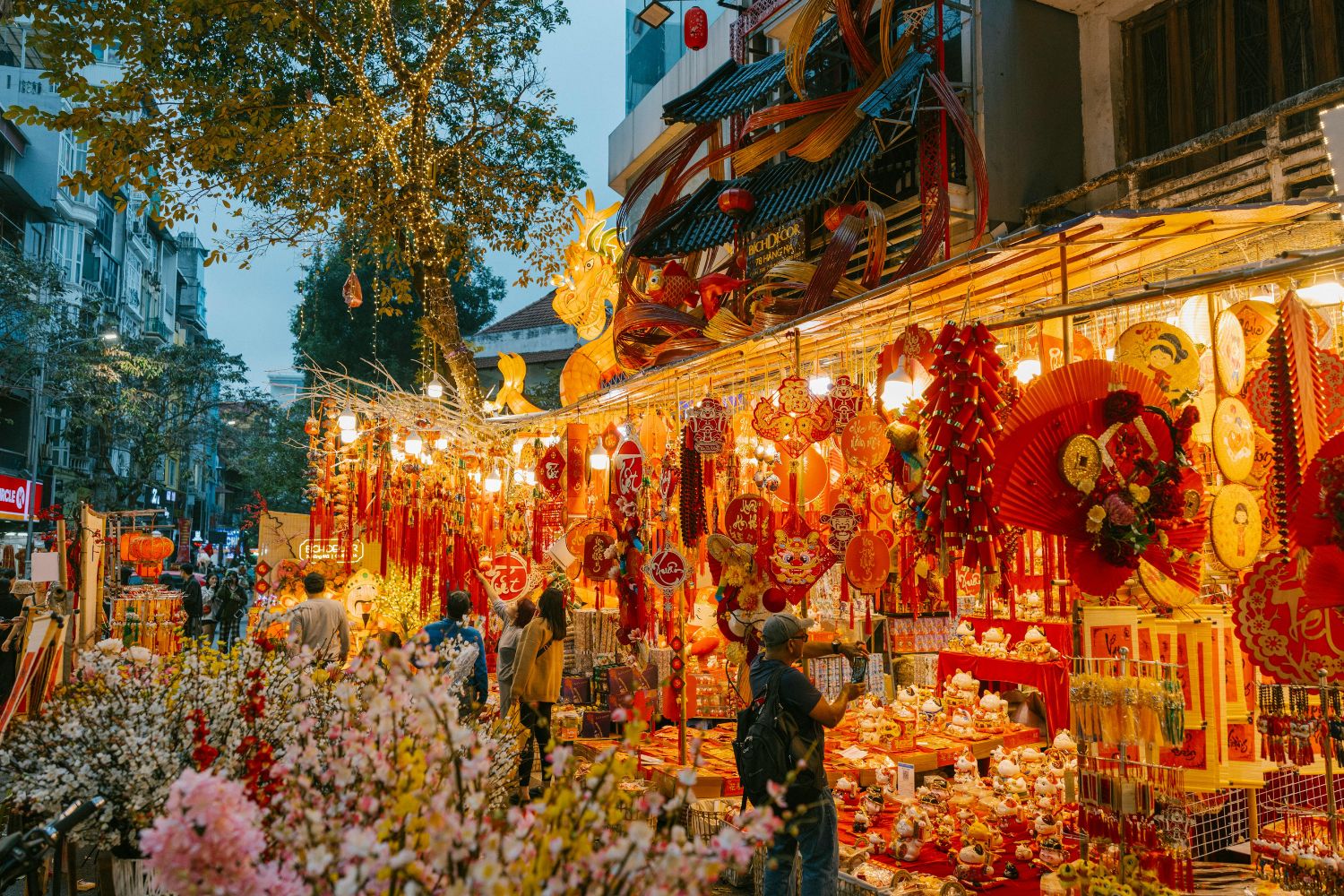
Traditional Tet markets become lively with blooming flowers and a wide variety of items for Vietnamese Tet decorations
Experiencing Tet in Vietnam’s natural destinations
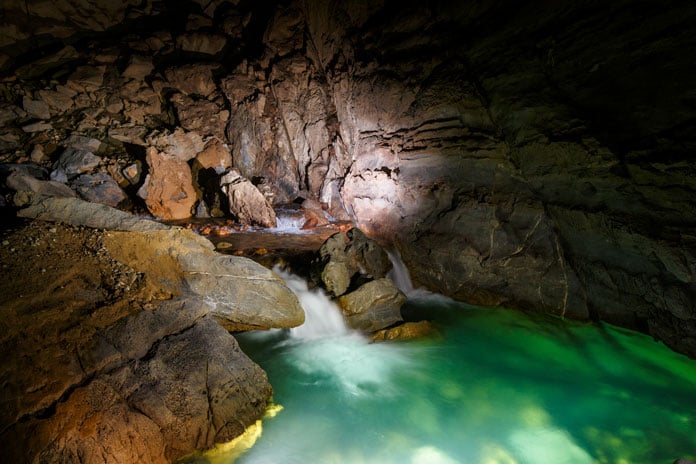
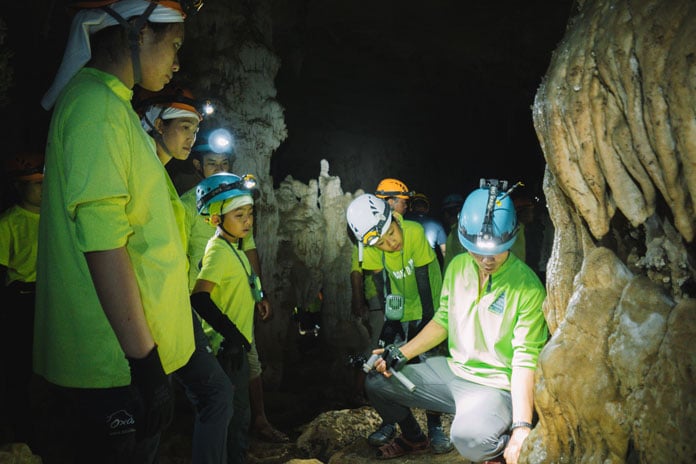
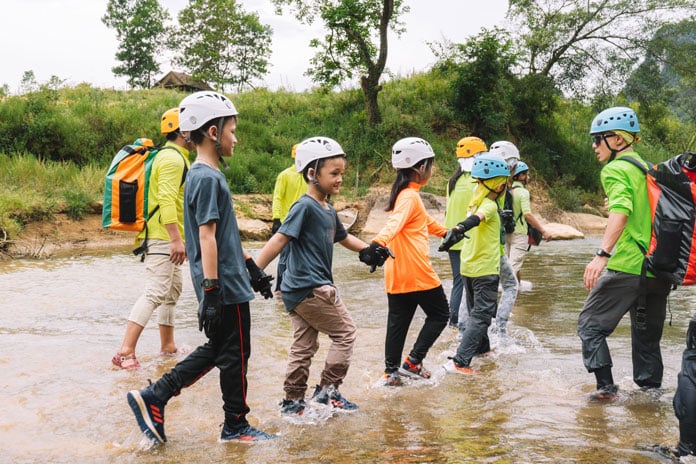
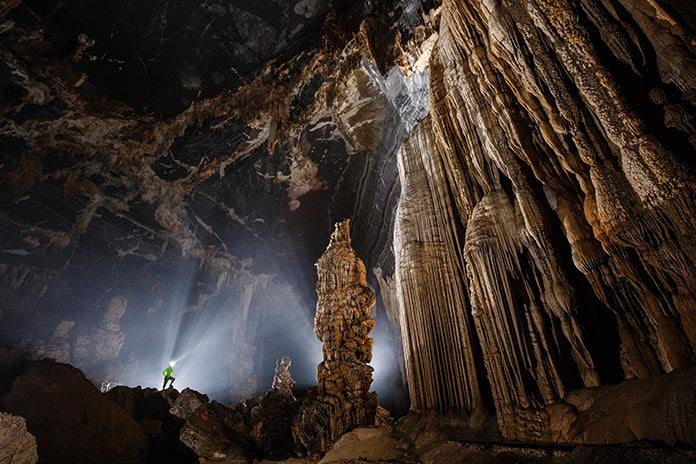
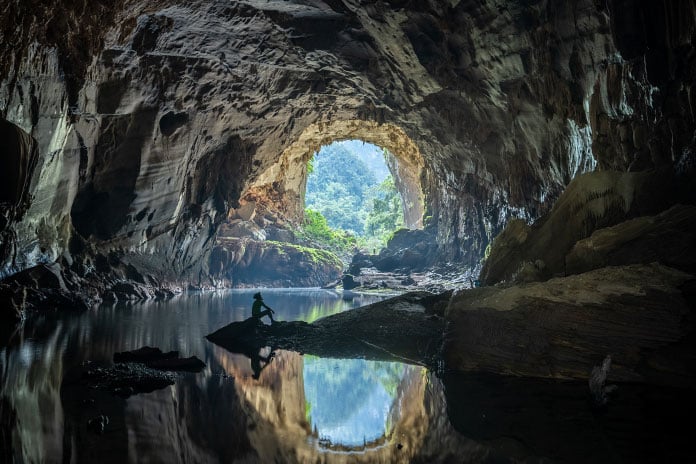
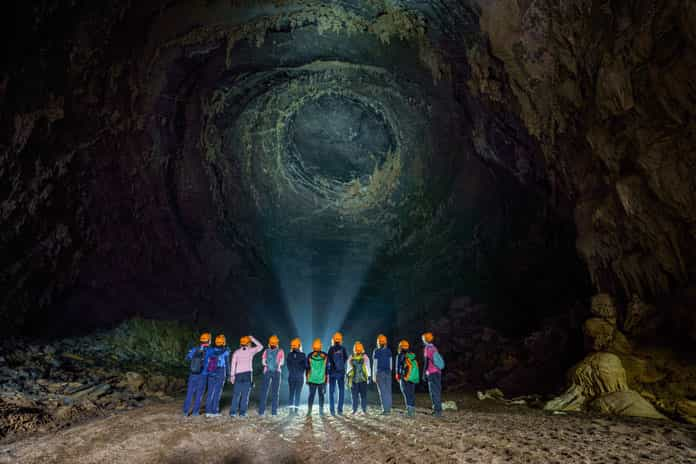
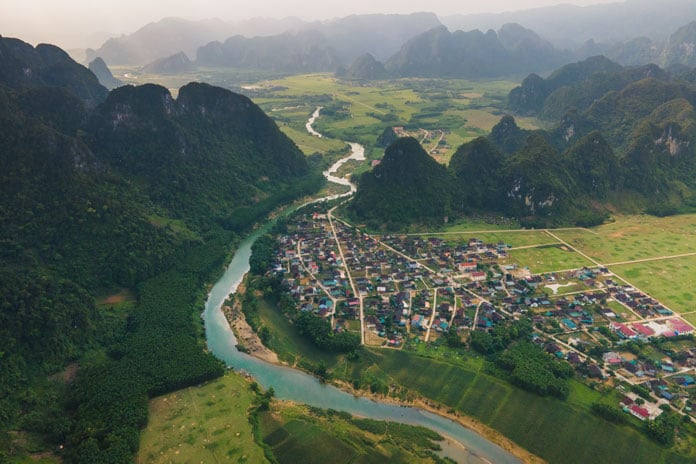
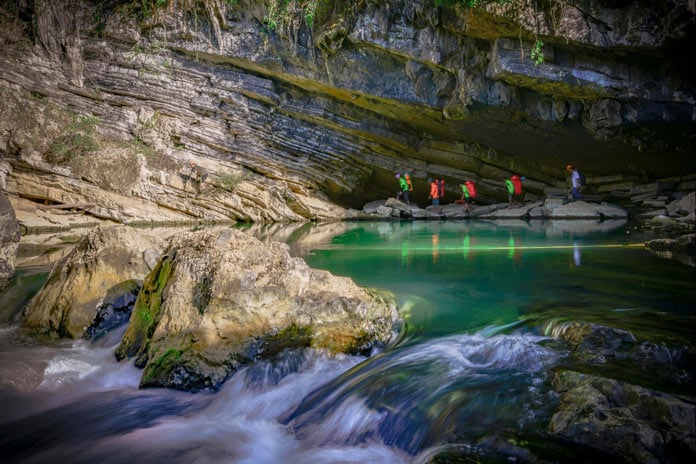
For travelers seeking nature and adventure during Tet, Vietnam offers a variety of stunning destinations and services open during Tet. Phong Nha is ideal for exploring majestic caves in the fresh spring atmosphere. Oxalis Adventure offers guided tours to world-famous caves like Son Doong, Hang Ba, Hang En, etc. Visitors can marvel at underground rivers, towering stalagmites, and untouched wilderness while enjoying the festive spring energy.
In the north, Sapa charms with its cool mountain air and spectacular terraced rice fields. During Tet, the town is lively with local highland festivals, traditional music, and folk performances. All of them provide travelers a chance to experience the culture of ethnic minority communities while enjoying peaceful landscapes.
Meanwhile, Ninh Binh offers tranquil scenery with limestone karsts, winding rivers, and pagodas. Travelers can enjoy serene boat rides, scenic walks, and local celebrations in a calm, festive atmosphere, perfect for relaxation and photography.

Cave expedition tours such as Hang Va, Hang En, Hang Son Doong, etc., operated by Oxalis, still run during the Tet holiday
Da Lat becomes a flower-filled paradise during Tet. The city bursts with color, making it perfect for strolls, photography, and gentle holiday retreats amid mild spring weather.
Tet travel tips Vietnam
Tet travel tips Vietnam requires some planning to make the most of the festive season. Booking flights and accommodations early is essential, as many locals travel during this time, and prices can rise two to three times higher than usual.
Be aware of operating schedules: some attractions, restaurants, and museums may close for the first one or two days of the new year. To avoid crowds, it is best to avoid traveling on peak days right before or after Tet.
Carrying cash is recommended for small purchases, visits to local markets, or participating in customs like giving li xi (lucky money).
When interacting with locals, a friendly attitude and respect for traditions go a long way. Smiling, saying “Chuc Mung Nam Moi” (Happy New Year), and avoiding unlucky topics will create a positive experience.
Travelers should also expect that some services, including dining and lodging, may be more expensive during this peak holiday period. By planning ahead and embracing local customs, visiting Vietnam during Tet can be a unique, immersive, and unforgettable experience.
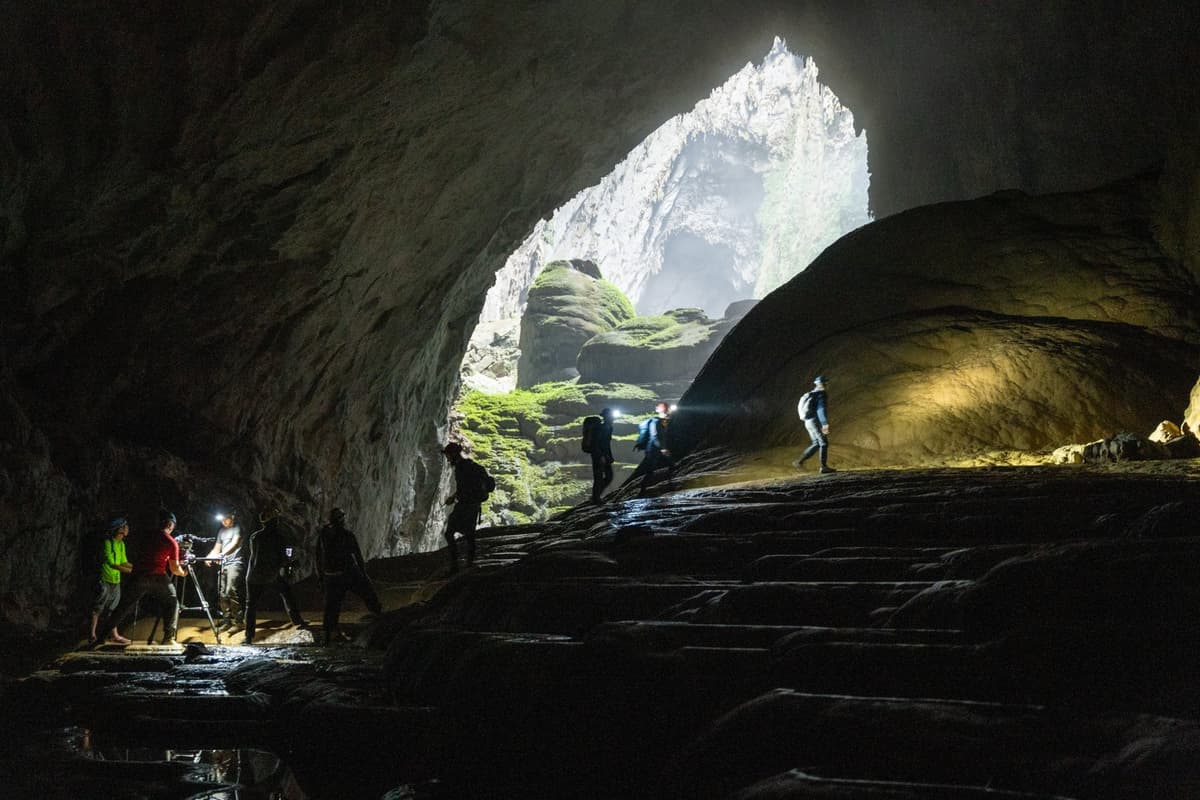
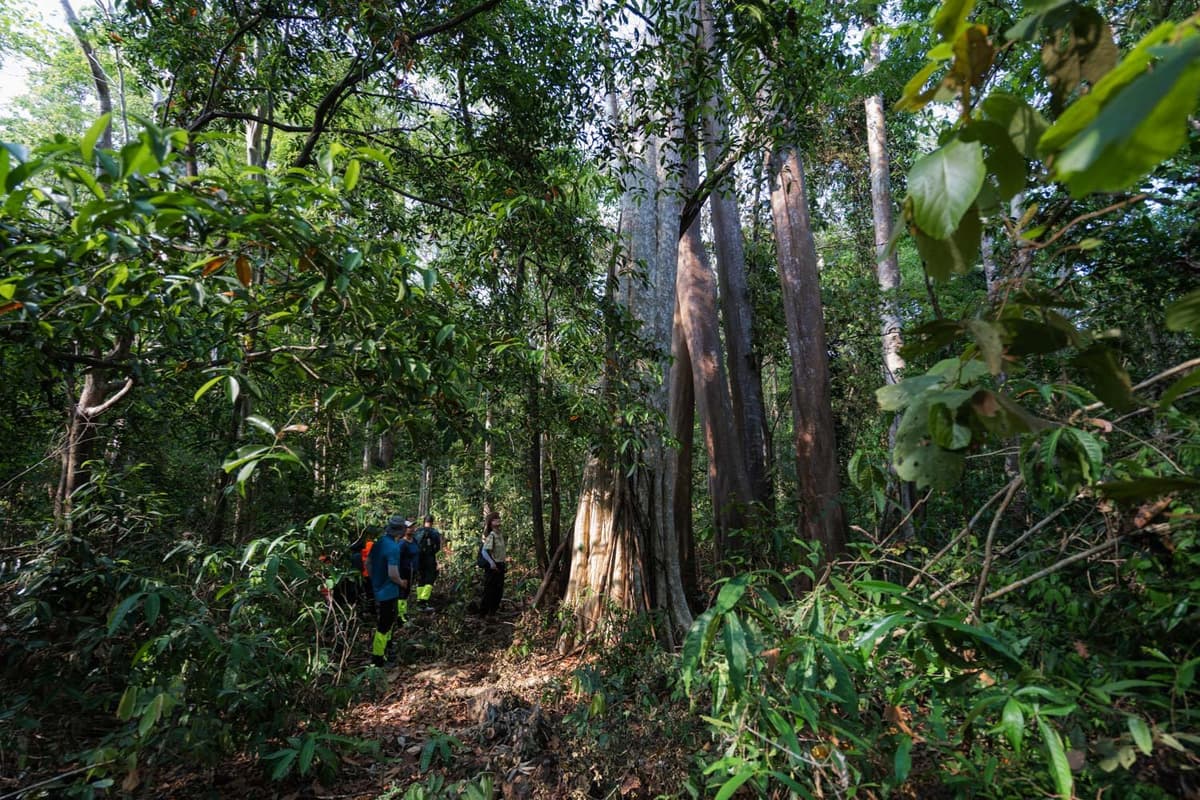

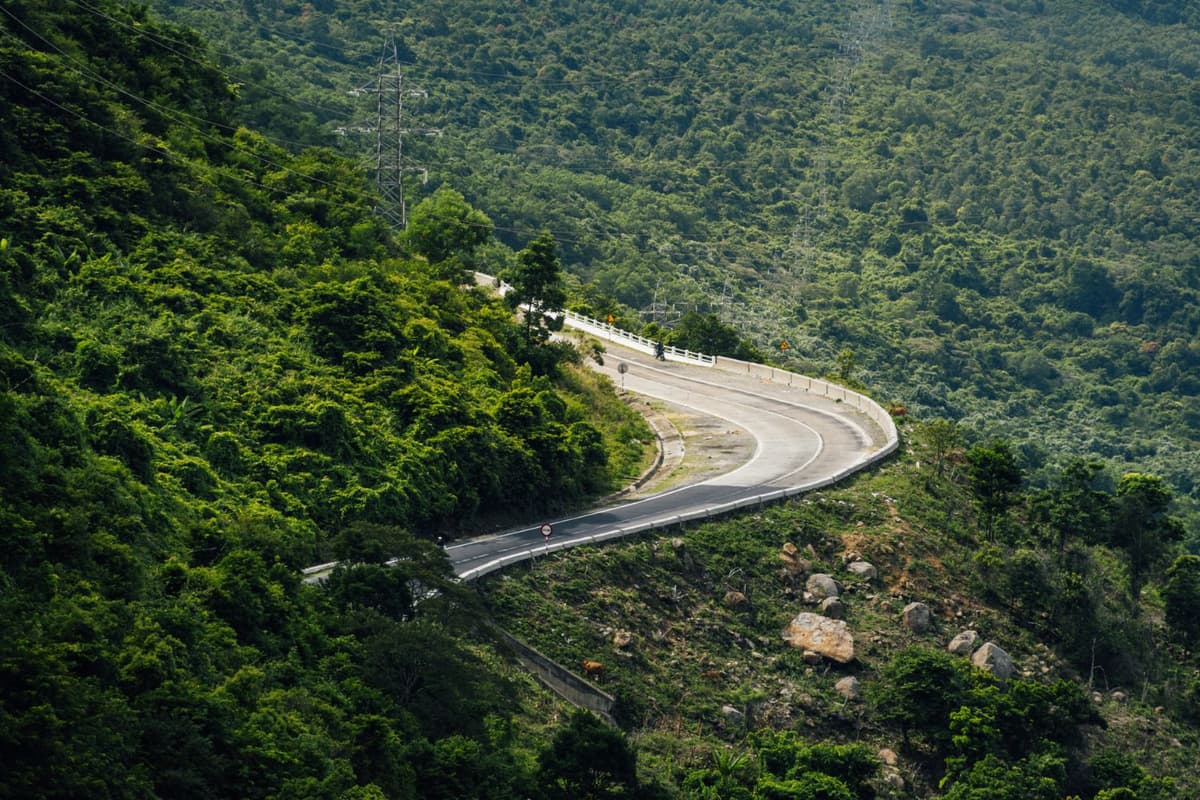
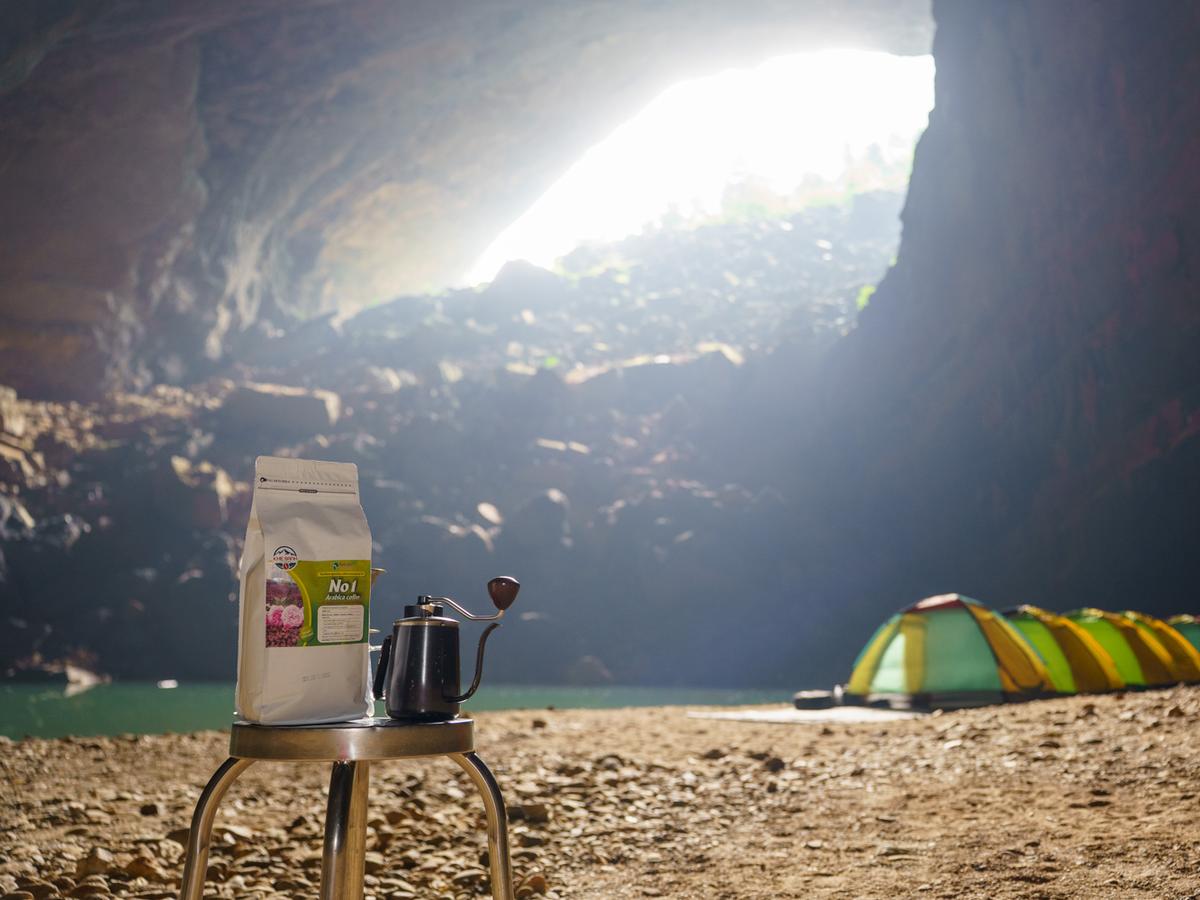
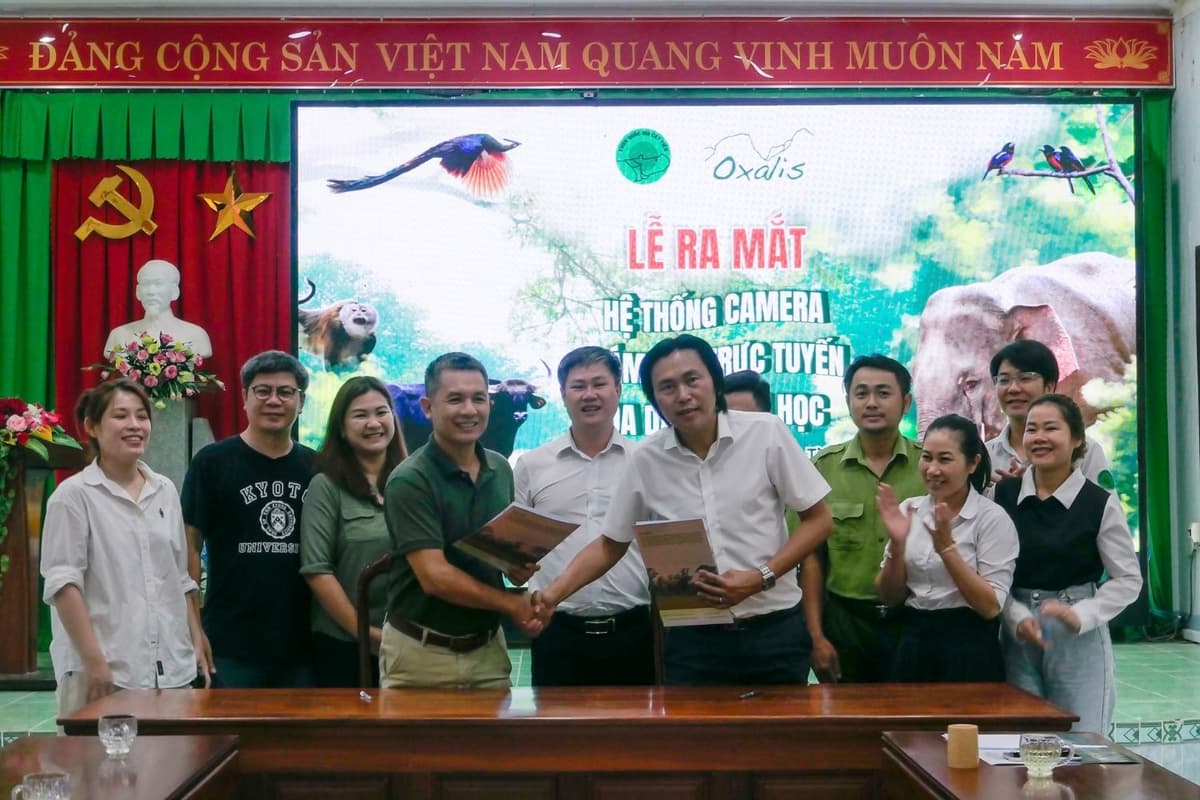
Whether you prefer long treks, camping in a cave, sleeping under the stars in the jungle, swimming underground in river caves, explore the huge dry caves or just taking an exploratory day trip, Oxalis Adventure Tours can provide the right amount of adventure just for you.
__637051765075307793.jpg)
__637051782550081035.jpg)
__637051777074859032.jpg)
__637051780703588520.jpg)
__637051781488596056.jpg)
__637051767008903435.jpg)
__637051774329206026.jpg)
__637740499994967442.jpg)