Major Types of Forest: Characteristics, Locations, and Facts
Forests are the biological lifelines of our planet. Covering approximately 31% of the Earth's land area, these magnificent ecosystems serve as home to over 80% of terrestrial species. Within their depths, you can find more than 60,000 distinct tree species, each adapted to unique conditions.
To help nature lovers explore our planet's green wealth, scientists group forests by their location, climate, temperature, and rain. In this guide, we will look closely at the three main forest types, Tropical, Temperate, and Boreal, and other special ecosystems.
1. Tropical Forests: The World's Most Biodiverse Forest Biomes
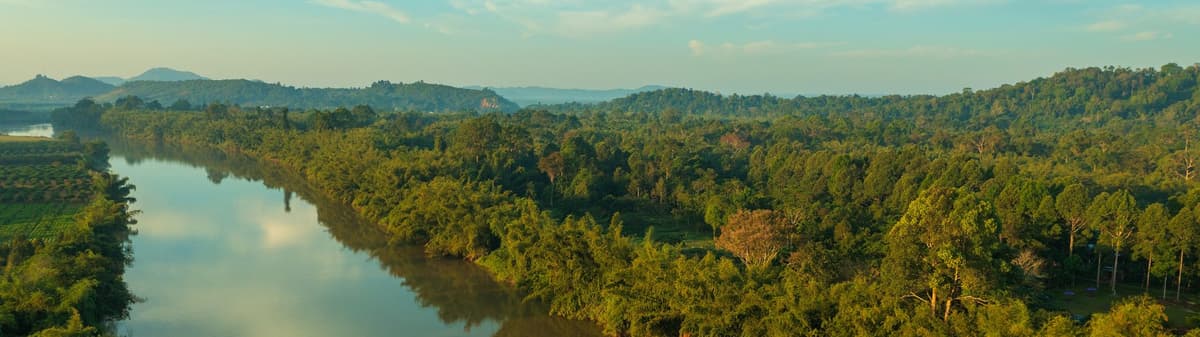
Located in a close band around the equator between the Tropics of Cancer and Capricorn, tropical forests thrive in warm, stable conditions year-round. While they cover less than 10% of the global landmass, they are the ultimate biodiversity hubs, hosting over half of all living species on Earth.
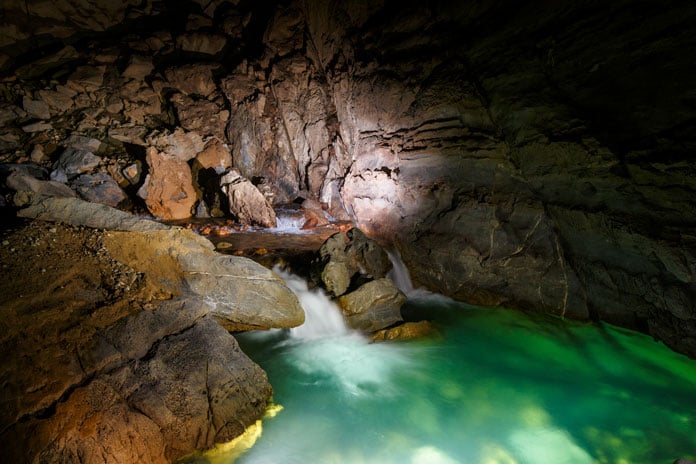
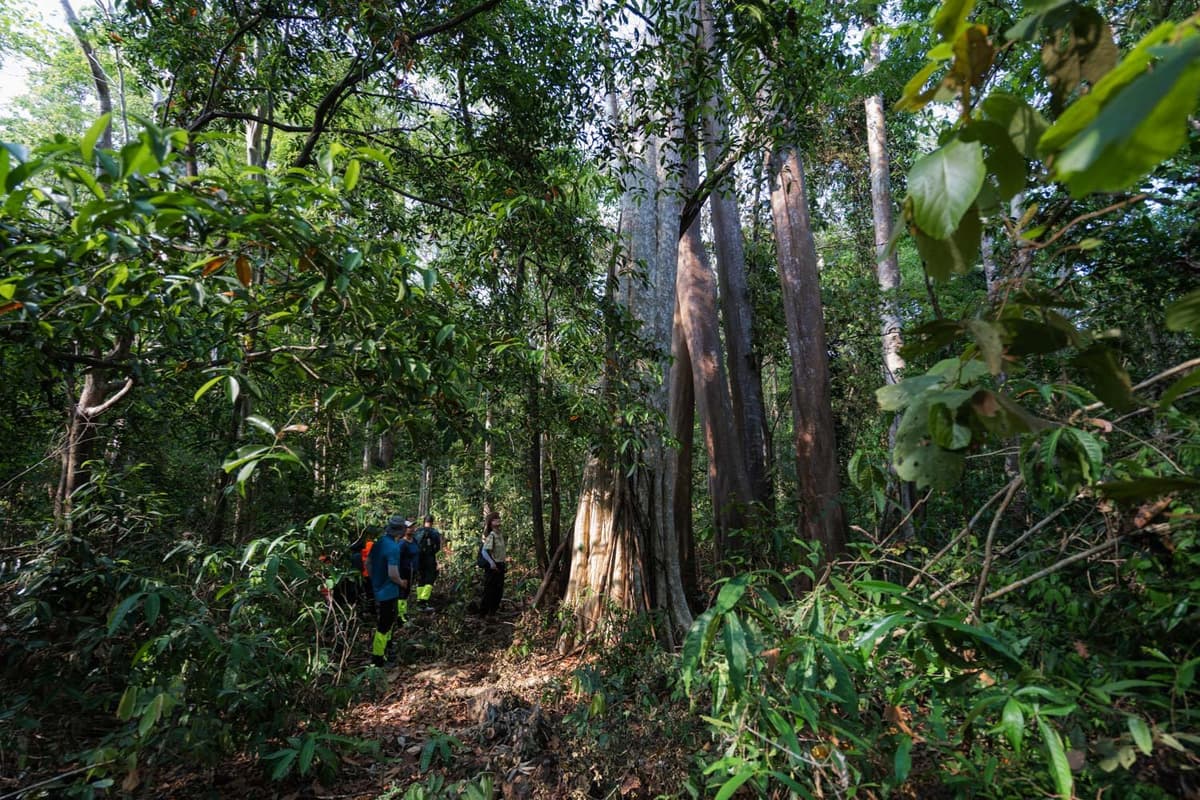
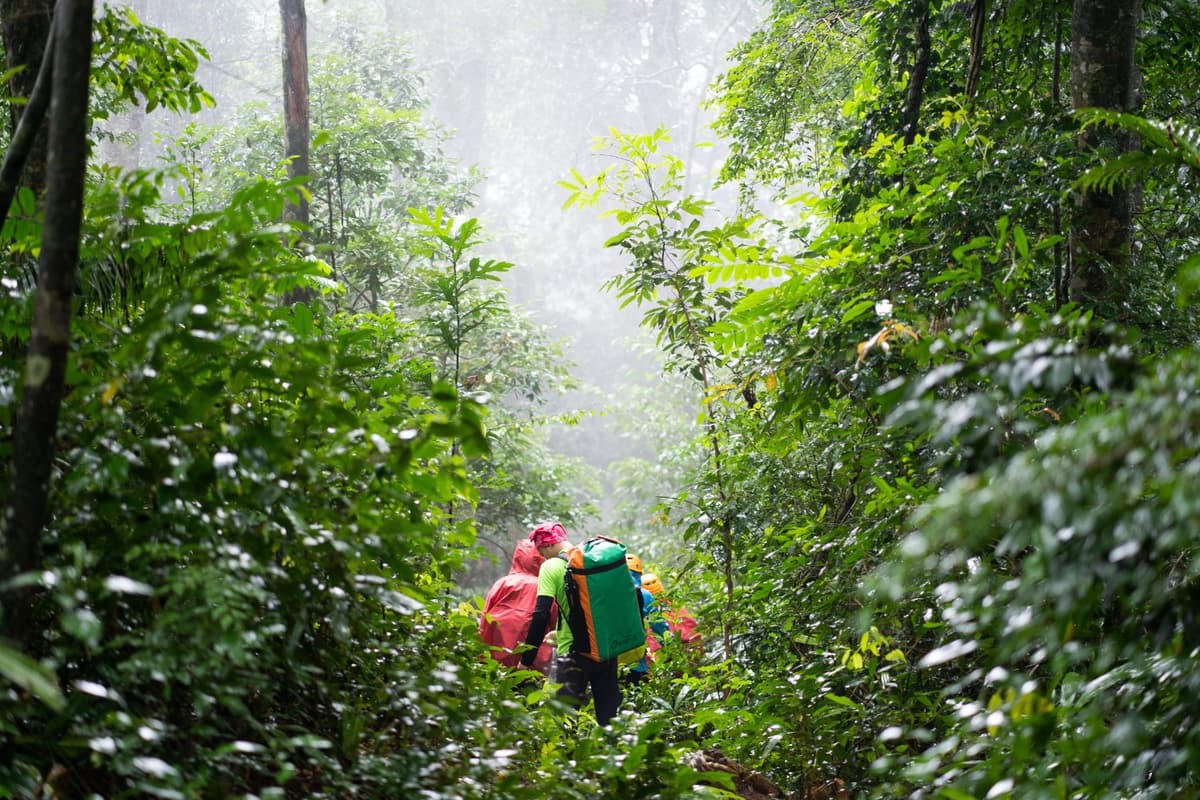
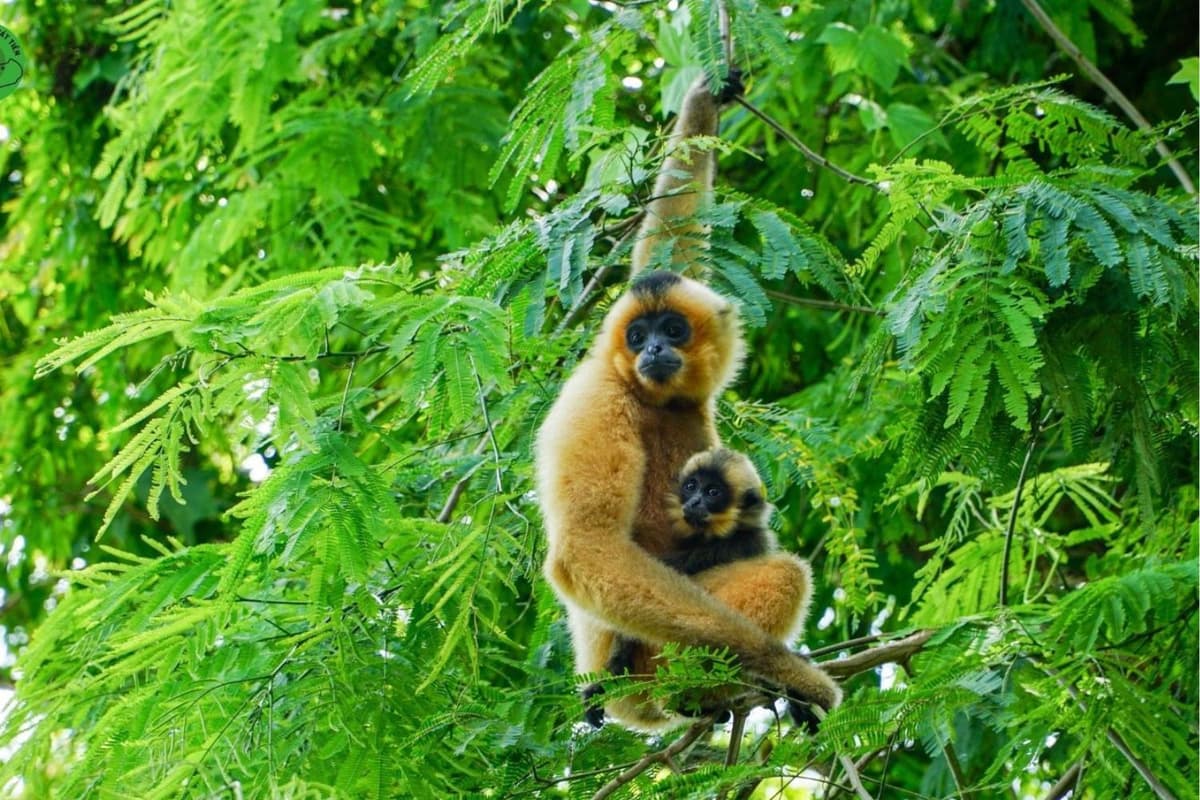
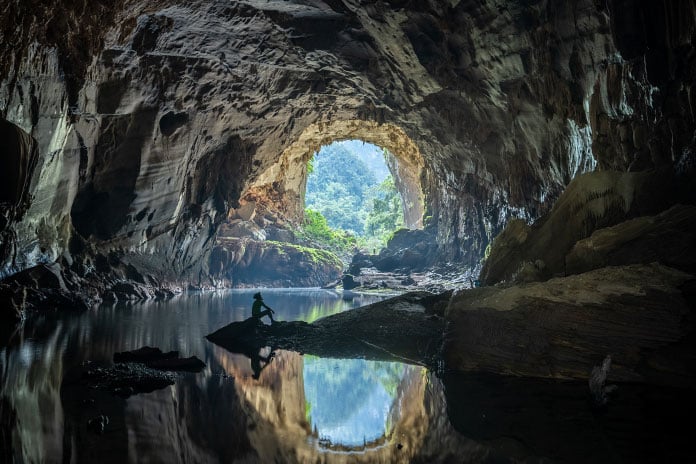
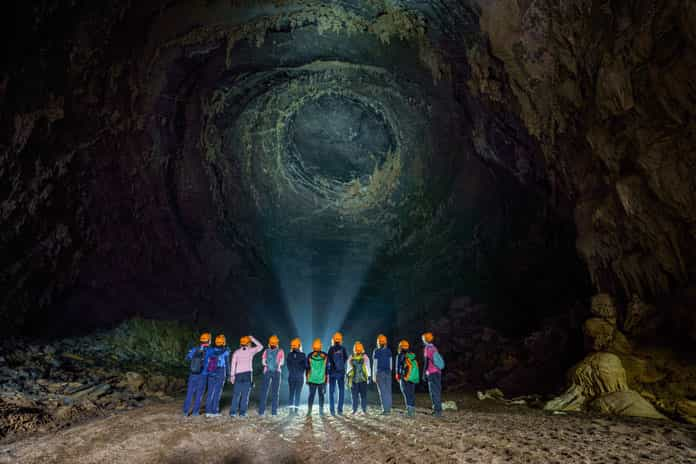
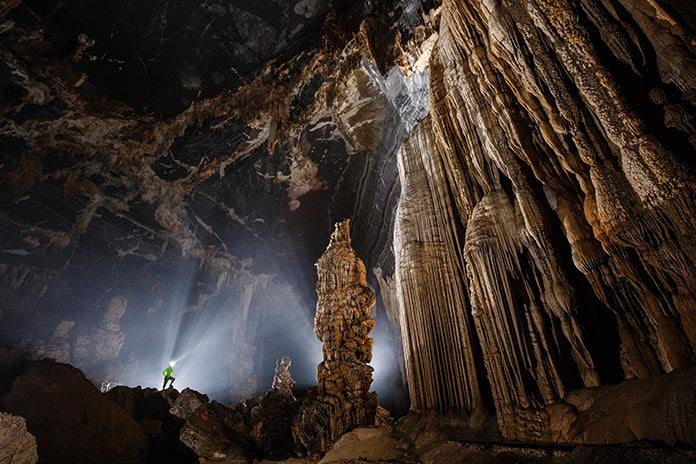
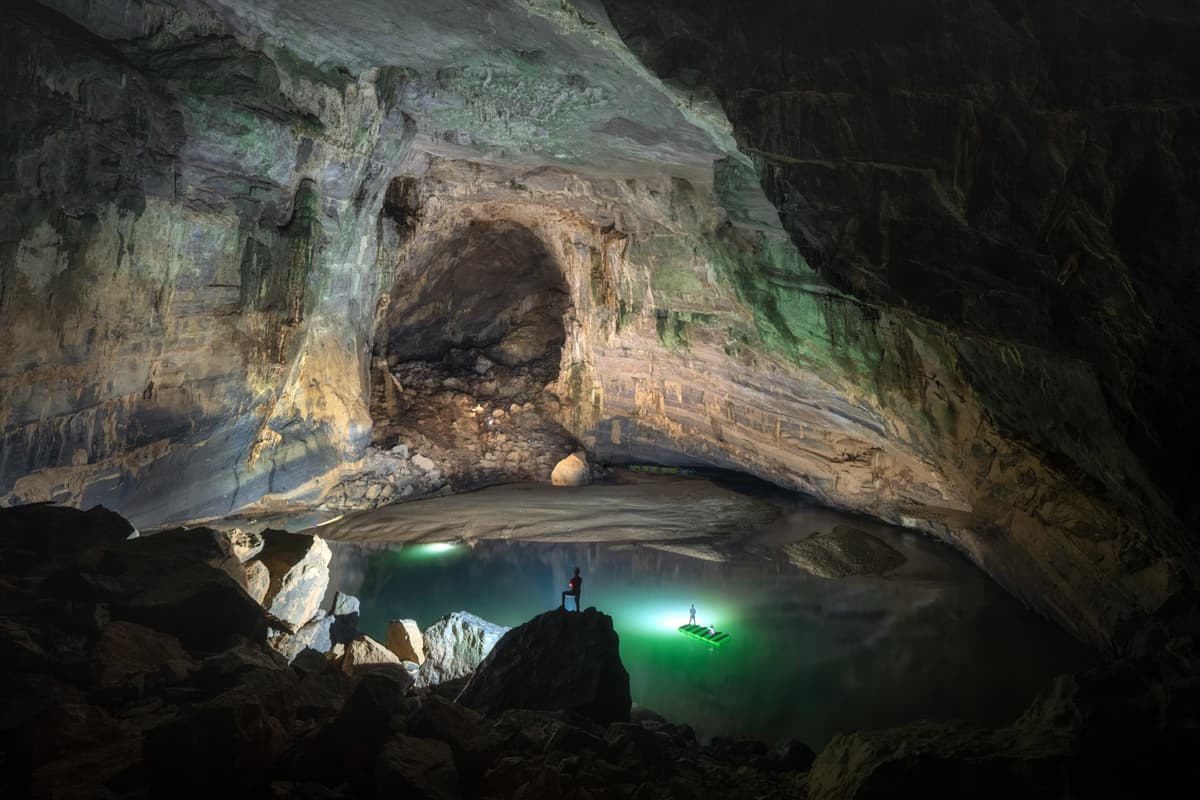
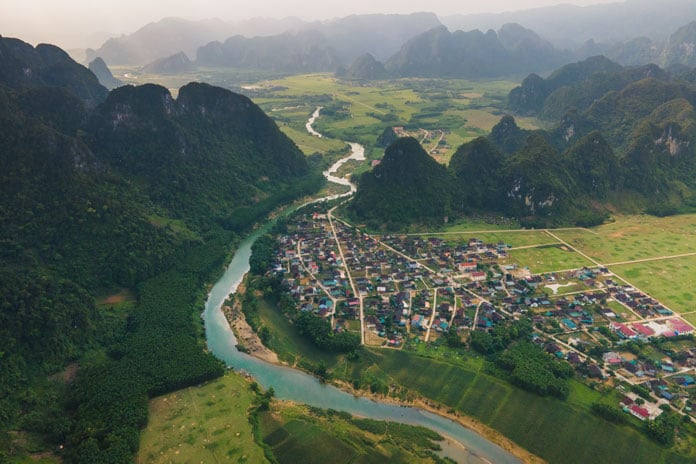
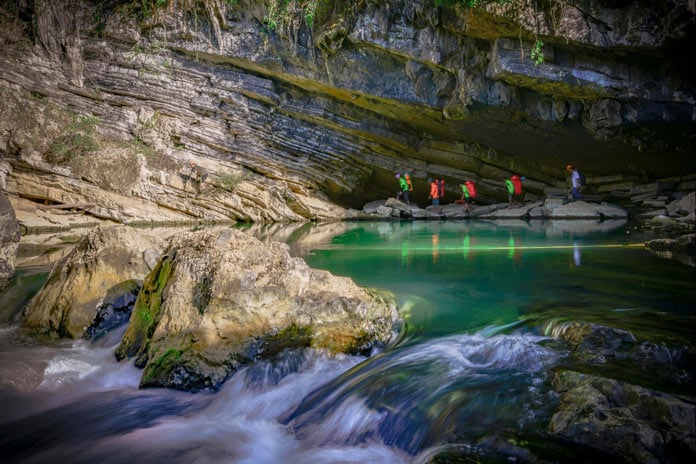
- Tropical rainforests: These are the wettest systems on the planet, receiving over 200 cm of rain annually. A defining feature of the tropical rainforest is its distinct vertical stratification, which consists of a canopy layer that filters sunlight, an emergent layer of giant trees, an understory, and a dark forest floor. Due to torrential rains, nutrients are rapidly leached from the ground, leaving behind a highly acidic and nutrient-poor topsoil. A world-famous domestic example of a primary tropical evergreen forest ecosystem can be seen in the limestone karst landscapes of Phong Nha - Ke Bang National Park.
- Tropical dry / Seasonal forests: Unlike rainforests, these ecosystems experience a distinct dry season. To survive, the flora consists of a mix of evergreen and deciduous trees (such as teak) that drop some or all of their leaves to conserve water during months of drought. In Asia, iconic examples of these diverse seasonal environments can be explored in Cat Tien National Park.
- Cloud forests (Montane systems): Found at high altitudes in mountainous terrains, these forests are constantly enveloped in a dense mist or clouds at the canopy level. This dark, high-humidity environment is ideal for mosses and epiphytes. Great examples of these high-altitude ecosystems can be found globally in the Andes or mountains of East Africa.
- Mangrove forests: Growing along tropical coastlines, mangrove forests thrive in brackish water where salt and freshwater mix. Their specialized, stilt-like root complexes stabilize shorelines against waves and serve as critical marine nurseries. A prime example is the Sundarbans, the largest contiguous mangrove forest in the world, spanning the border of Bangladesh and India.
- Peat swamp forests: These low-lying, waterlogged wetlands slow down the decomposition of organic matter, causing dead vegetation to accumulate into thick layers of peat. This makes them highly efficient global carbon sinks, with extensive areas famously found across Borneo and Sumatra in Southeast Asia.
2. Temperate Forests: Ecosystems of the Changing Seasons
Moving further away from the equator into the mid-latitudes (spanning North America, Europe, and East Asia), we find temperate forests. These regions are characterized by a moderate climate, four highly distinct seasons, and remarkably fertile, nutrient-rich soils.
- Temperate deciduous forests: The classic temperate deciduous forest is dominated by broad-leaved trees like oaks, beeches, and maples. These trees drop their leaves in autumn to preserve energy and minimize water loss during the freezing winter months. Because the canopy is less dense than in a tropical rainforest, more sunlight reaches the ground, fostering a vibrant layer of shrubs and herbs.
- Temperate coniferous forests: Found in slightly colder or coastal regions, a coniferous forest is dominated by evergreen conifers like pines, firs, and cedars. These trees feature needle-like leaves with waxy coatings to reduce moisture loss and withstand frost.
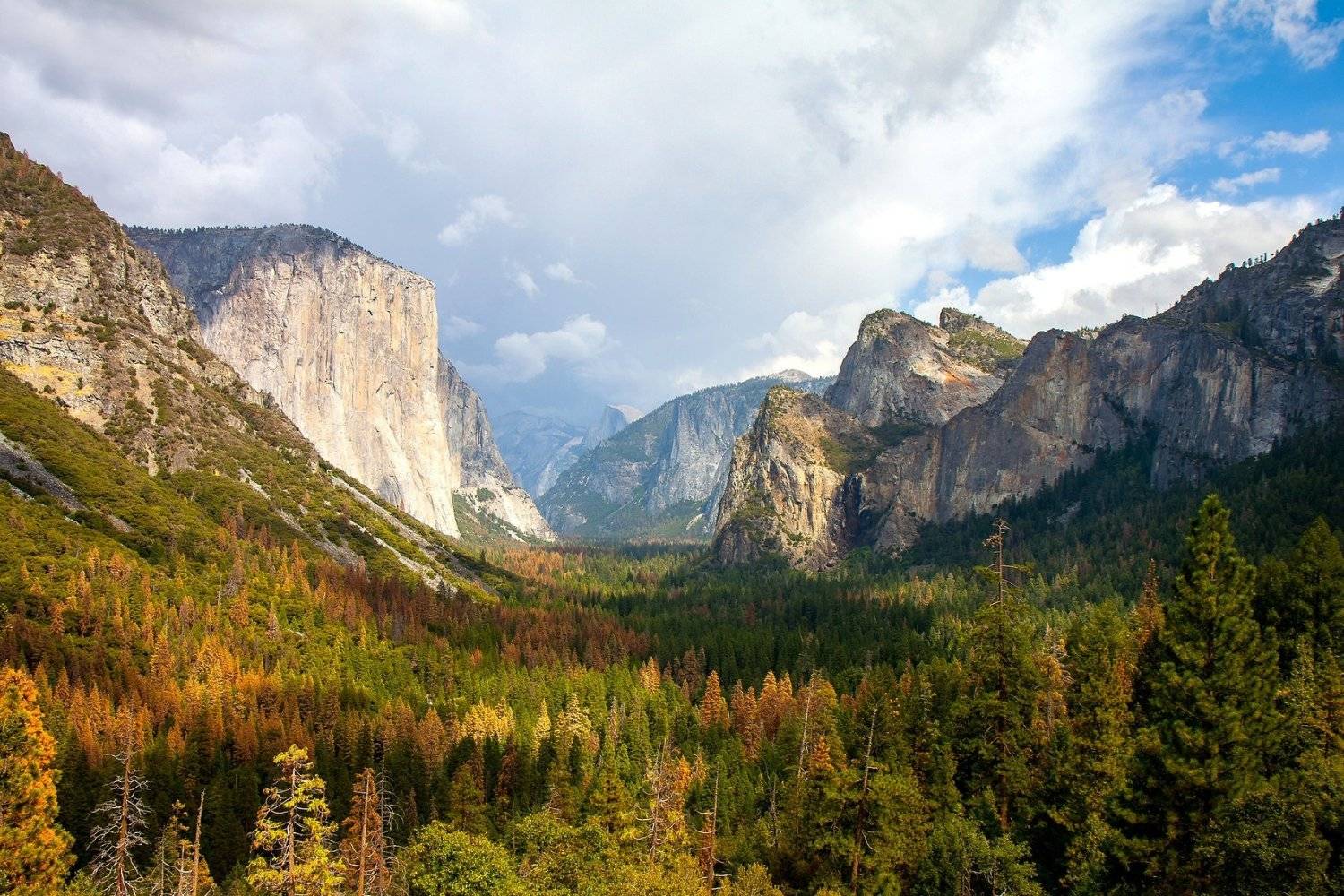
- Temperate rainforests: These are incredibly rare, highly specialized ecosystems located in wet coastal zones (such as the Pacific Northwest of North America). Receiving over 350 cm of precipitation annually, a temperate rainforest features mild temperatures and hosts ancient, giant trees draped in thick carpets of mosses and ferns.
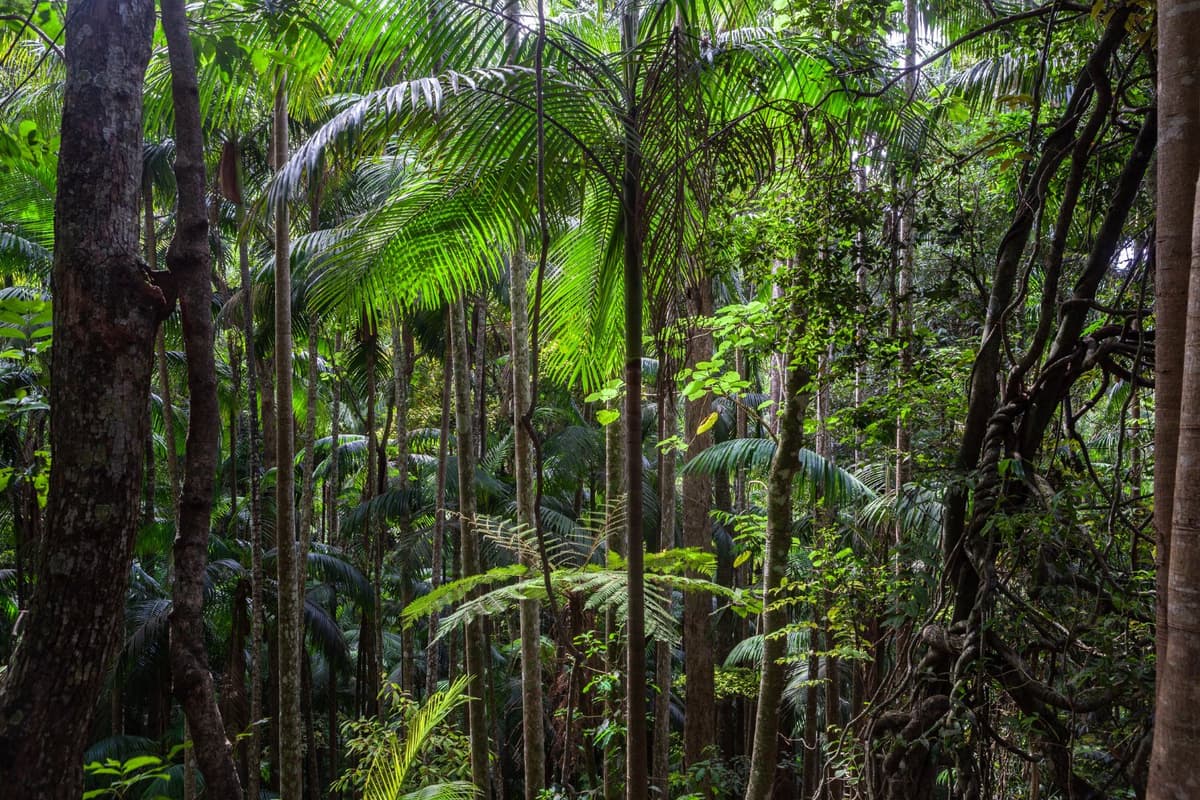
Temperate forest biome changes color beautifully through four distinct seasons.
3. Boreal Forests (Taiga Biome): The Earth’s Largest Terrestrial Carbon Sink
The boreal forest taiga represents the largest terrestrial biome on Earth, forming a continuous green crown across Siberia, Scandinavia, Canada, and Alaska.
- Environmental constraints: Life in the taiga biome must endure brutal winters where temperatures can plummet to -30°C or lower. The growing season is incredibly compressed, typically lasting only around 130 days out of the year.
- Closed canopy boreal: Located in the southern, slightly warmer latitudes of the boreal zone, these forests exhibit a closed canopy structure where tightly packed coniferous trees block out most of the sunlight.
- Open canopy boreal: Situated further north as the biome transitions into arctic tundra, the climate here features severe cold and continuous permafrost. The trees are much more sparse, stunted, and less diverse.
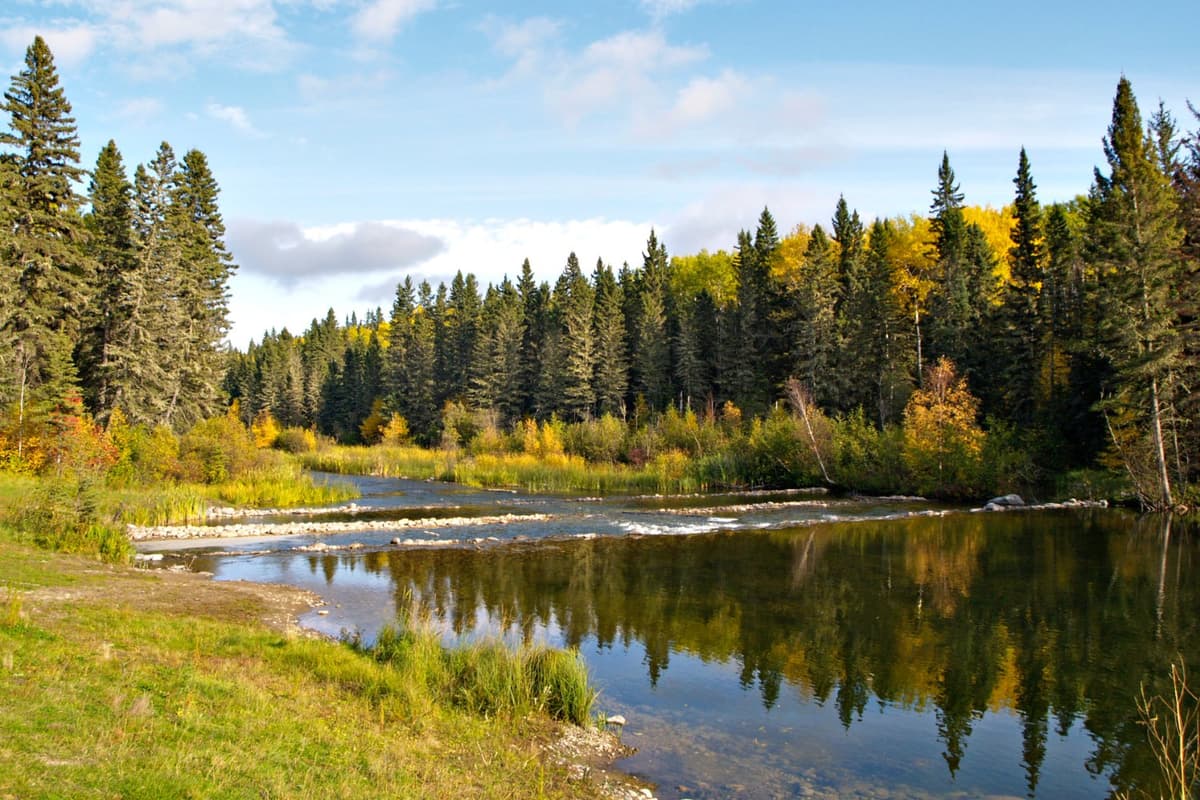
The cold boreal forest taiga is the largest terrestrial carbon sink on Earth.
Other Specialized Forest Ecosystems and Classifications
Beyond the three global biomes, ecologists classify forests by specific climate adaptations or historical human impact:
Mediterranean Forests, Woodlands, and Scrub
Adapted to hot, dry summers and mild, rainy winters, these ecosystems feature drought- and fire-resistant vegetation. The plants possess thick, waxy leaves (sclerophyllous vegetation) and incredibly deep root systems to tap into underground water reserves during intense summer droughts.
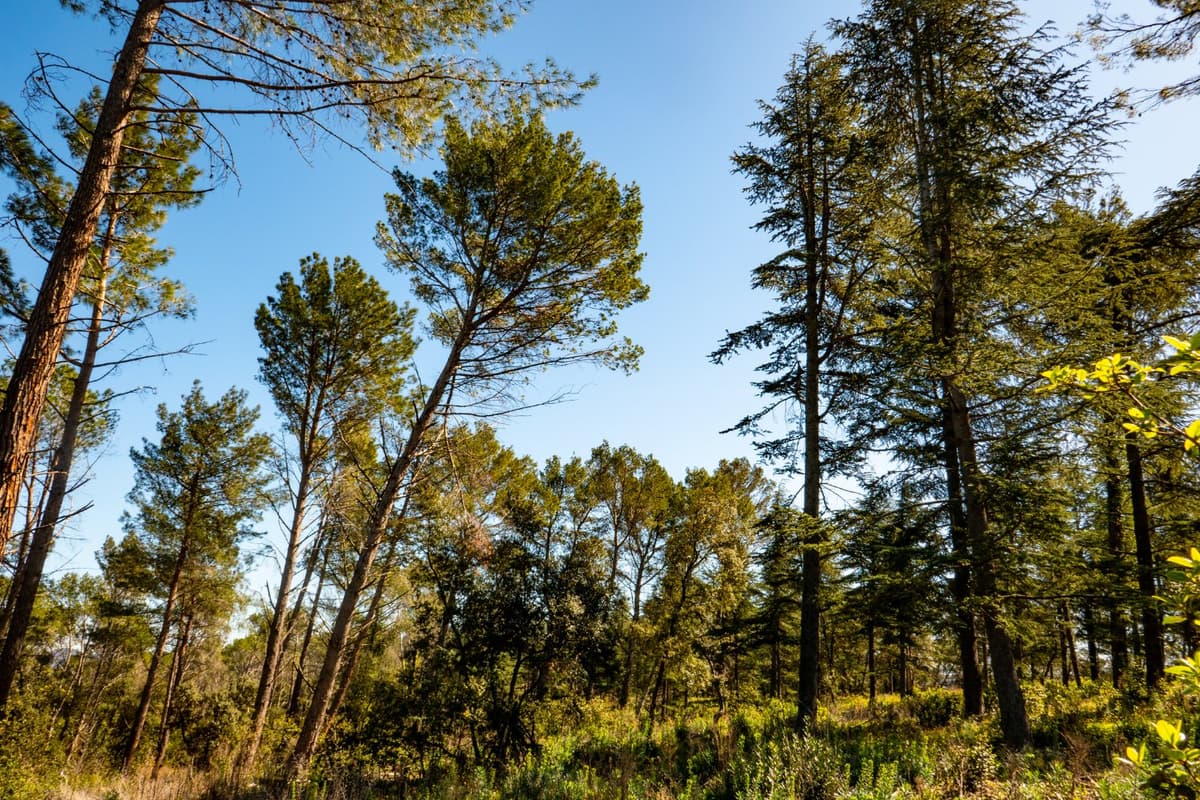
Mediterranean forest ecosystems are uniquely adapted to hot, dry summers.
- Mediterranean forests: These types of forest are primarily composed of broadleaf trees, such as oaks, alongside coniferous species like pines. Because they require extra moisture to endure the hot, dry summers, these forests are frequently found in riparian zones alongside water sources. Geographically, they are distributed across various continents, encompassing the Eucalyptus forests of southwestern Australia, the Nothofagus forests in central Chile, and the diverse oak and pine forests of California and the Mediterranean Basin.
- Mediterranean woodlands: Distinguished by a more open canopy structure than dense forests, these woodlands are heavily dominated by oak and pine tree species. This vegetation type is a defining ecological feature of both the Mediterranean Basin and California. Notably, the Californian landscape also supports unique woodlands composed of walnut trees.
- Mediterranean scrub (Shrublands): These environments form highly dense, sometimes impenetrable thickets of small trees and hard-leaved (sclerophyllous) evergreen shrubs that possess special adaptations to withstand ocean salt spray and coastal winds. While scrub can be a naturally mature and stable ecosystem, it frequently develops as a secondary, degraded landscape following the destruction of original forests through overgrazing, heavy logging, or severe wildfires. This biome is found globally and goes by distinct regional names, such as chaparral in California, matorral in Chile, maquis in France, macchia in Italy, and fynbos in South Africa.
Primary (Virgin forest) vs. Secondary Forests
- Primary forest (Virgin forest): A primary forest is an ancient, untouched ecosystem that has remained completely undisturbed by human activity. These forests feature complex ecological structures, contain massive old-growth trees, and hold immense, irreplaceable carbon stores.
- Secondary forest: These are forests that regenerate naturally or through deliberate human planting after a major disturbance, such as logging, agricultural clearing, or wildfires. While they possess a simpler structure and lower initial biodiversity, they are vital assets for regional ecological recovery.
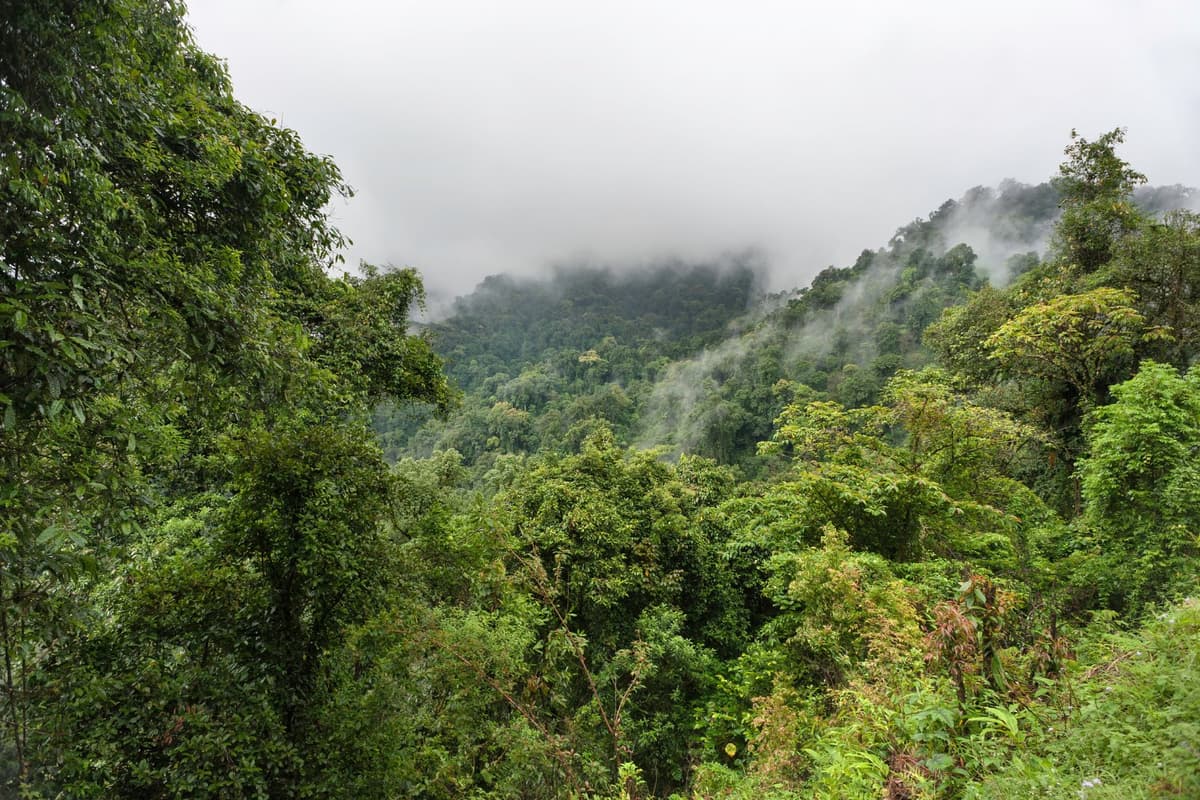
An untouched virgin forest stores immense carbon and protects ancient life.
Why Understanding Forest Types is Crucial Today
Forests are not just collections of trees. They are the pillars of the global climate and biosphere.
- Carbon Sink Dynamics: Forest biomes act as our primary defense against global climate change. Through photosynthesis, trees absorb atmospheric carbon dioxide and lock it away in their wood and roots. Boreal forests and peat swamps are especially critical, holding huge amounts of carbon safely within their cold soils and peat layers.
- Biodiversity Conservation: Each forest type offers unique habitats that support millions of specialized plant and animal species. Safeguarding a diverse mix of forest biomes ensures that complex ecological networks remain intact.
- Water and Climate Regulation: Forests act as natural water filters, stabilizing river basins and preventing catastrophic soil erosion. On a global scale, they drive atmospheric moisture cycles, fueling convection currents that influence rainfall patterns thousands of miles away.
Frequently Asked Questions (FAQs)
1. What are the 3 main types of forest?
The three main types of forest are Tropical, Temperate, and Boreal (Taiga). They are categorized primarily by their distance from the equator, which dictates their climate, temperature, and the specific plant and animal species that live there.
2. What is the difference between a primary and a secondary forest?
A primary forest is an ancient, untouched ecosystem that has never been significantly disturbed by human activity. A secondary forest is an ecosystem that has grown back naturally or through replanting after a major disruption like logging, agriculture, or wildfire.
3. Which type of forest has the highest biodiversity?
Tropical rainforests hold the highest biodiversity on Earth. Although they cover less than 10% of the planet's land surface, they shelter more than 50% of all terrestrial plant and animal species due to their warm, wet, and stable year-round climate.
4. Why do trees in temperate deciduous forests lose their leaves?
Trees in temperate deciduous forests drop their leaves in autumn to conserve water and energy during the freezing winter months. Dropping leaves prevents snow damage to branches and helps the trees enter a safe, dormant state until spring.
5. What are the major threats to forest ecosystems?
The biggest threats are human activities and climate change. Logging, agriculture, and urban expansion destroy habitats, while rising temperatures increase wildfire risks and disrupt natural climate patterns.
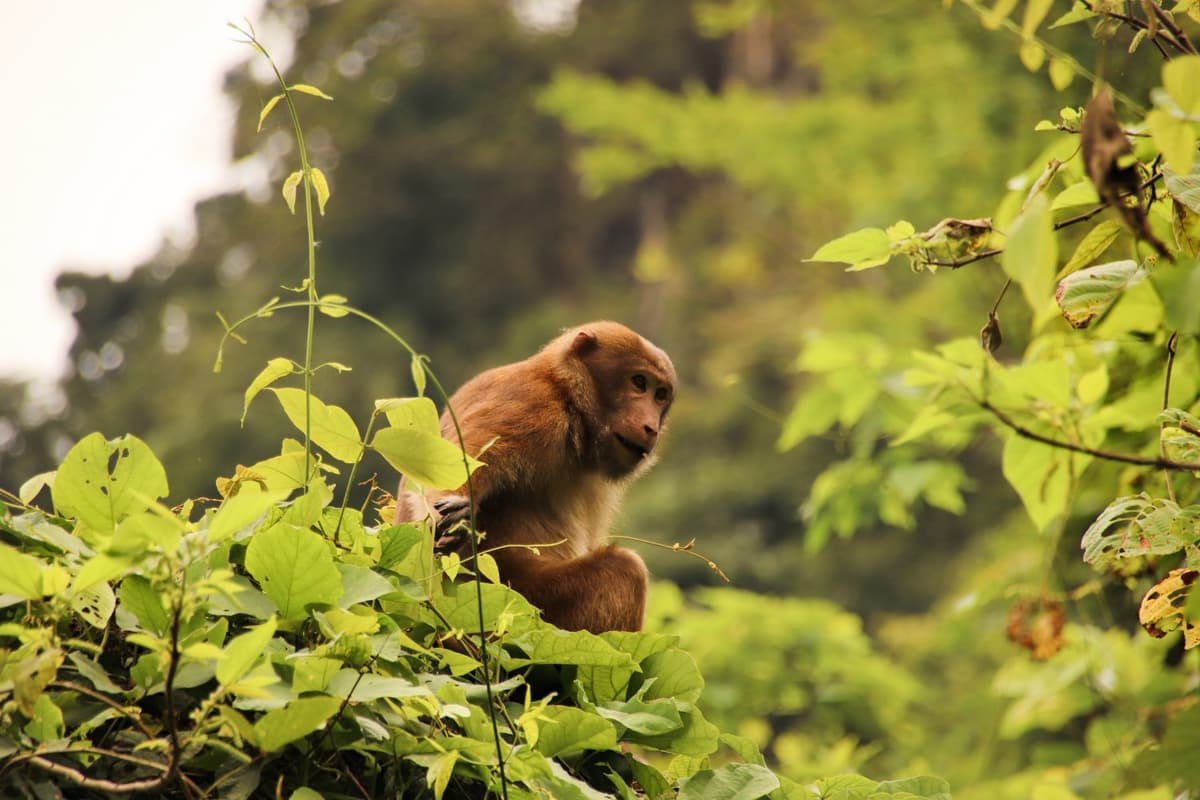
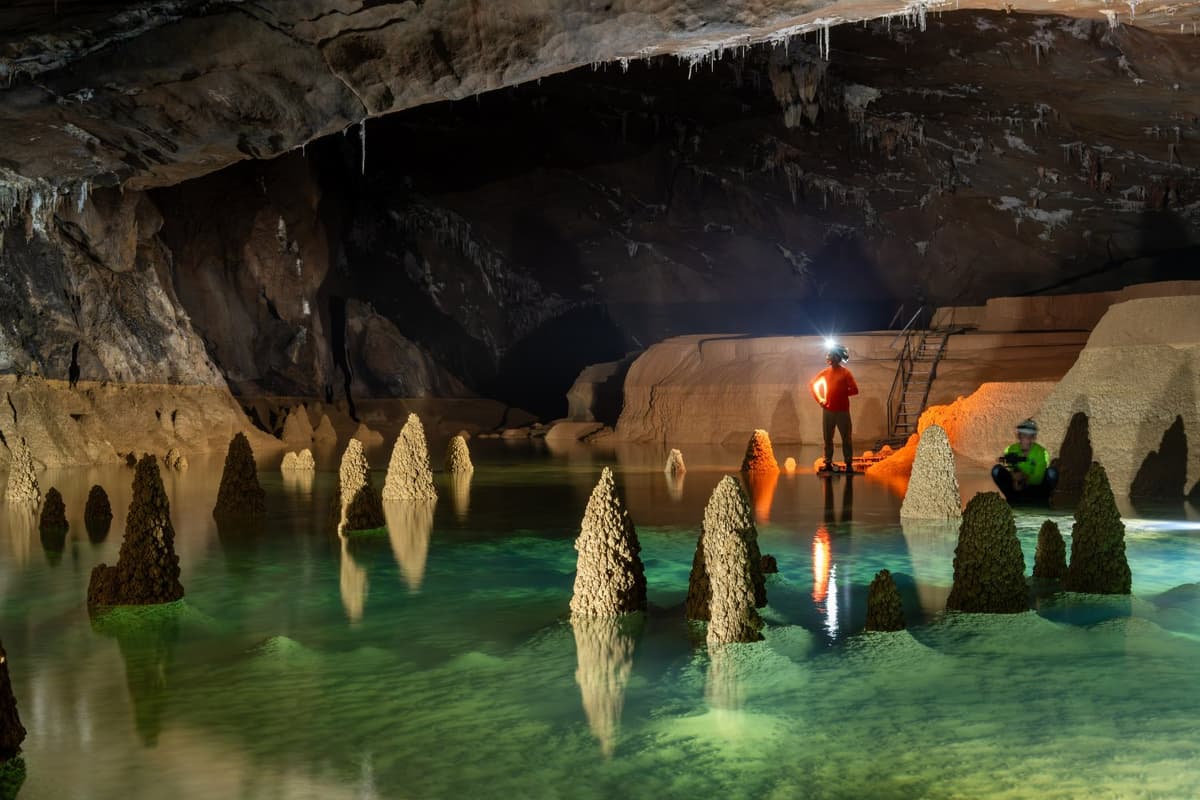
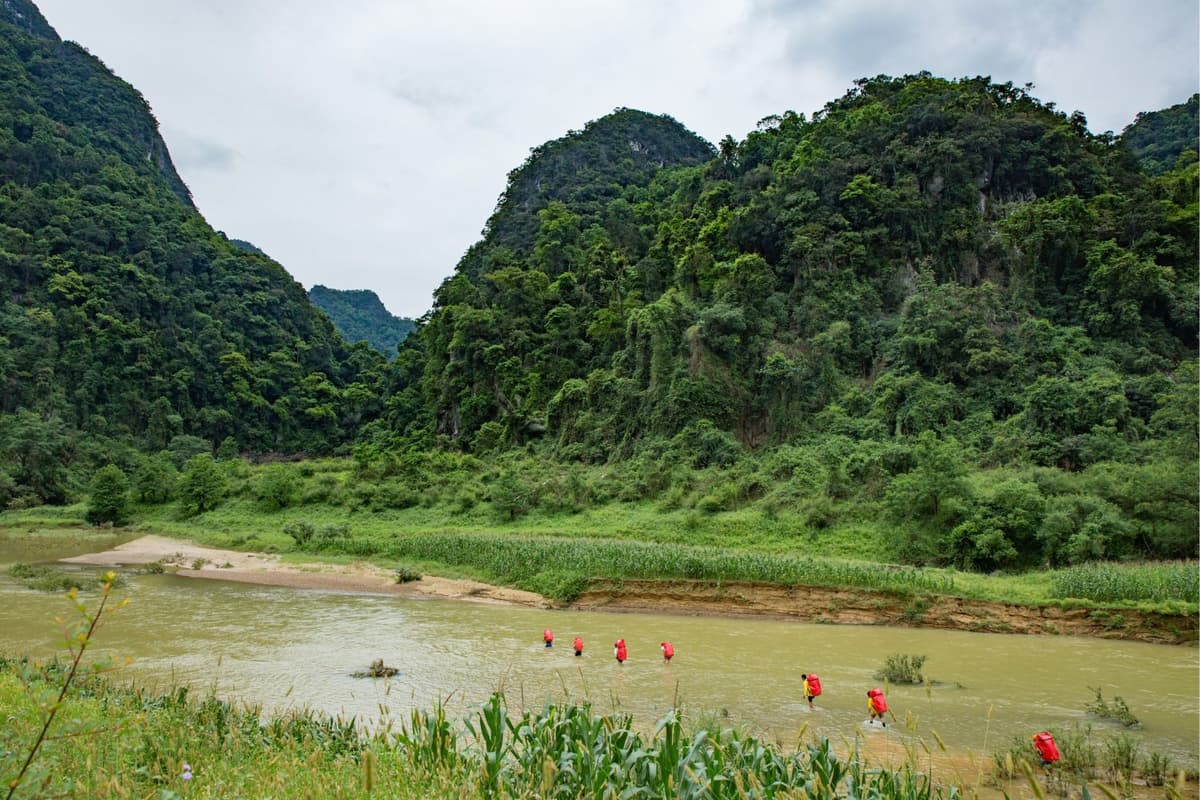
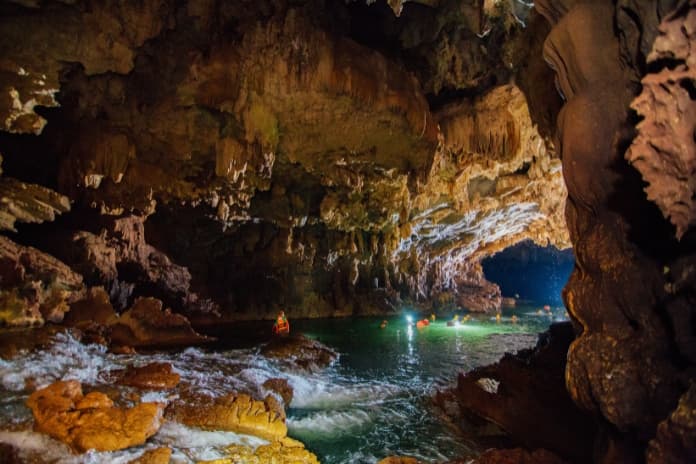
Whether you prefer long treks, camping in a cave, sleeping under the stars in the jungle, swimming underground in river caves, explore the huge dry caves or just taking an exploratory day trip, Oxalis Adventure Tours can provide the right amount of adventure just for you.
__637051782550081035.jpg)
__637051780703588520.jpg)
__637051765075307793.jpg)
__637051774329206026.jpg)
__637740499994967442.jpg)