Tra Que Village Hoi An: A day of farming in the ancient town
Tra Que Village in Hoi An was honored as the Best Tourism Village in the World 2024, welcoming more than 30,000 travelers that same year. Located on a small island surrounded by lush fields, Tra Que is distinguished by its endless rows of vibrant green vegetables. It is a peaceful contrast to the bustling streets of Hoi An Ancient Town. Travelers can immerse themselves in the rustic countryside. They will experience the daily life of local farmers by digging soil, planting vegetables, and enjoying delicious dishes made from the village’s fresh produce.
About Tra Que Vegetable Village – The best tourism village in the world
Tra Que Vegetable Village was established about 400 years ago. The ancestors of Tra Que villagers originally made their living by fishing. However, as life on the water was unstable, they decided to settle on a river island, reclaiming uncultivated land for agriculture. Thanks to its alluvial soil mixed with sand, Tra Que Village became ideal for growing vegetables. The locals also collect riverweed from the Co Co River and Tra Que Lagoon to use as natural fertilizer, which helps the crops grow lush and healthy.
Legend has it that in the 18th century, a Nguyen Dynasty king visited the Tra Que area and was served a meal prepared with local herbs. Impressed by their unique taste, a blend of the gentle aroma of tea (tra) and the spicy note of cinnamon (que), the king named the village “Tra Que.”
For more than 400 years, the people of Tra Que have remained deeply connected to their land, preserving their village through times of change. Generations of villagers not only tended their fields but also took part in the resistance wars against the French and the Americans to protect the nation’s independence.
Today, the village covers an area of 18 hectares dedicated to vegetable farming, where more than 50 types of greens are cultivated. Tra Que vegetables are famous for their rich aroma and distinctive flavor to bring a true taste of Hoi An’s countryside.
Tra Que Village not only preserves its traditional craft of vegetable farming but also pioneers the development of agricultural tourism. Conveniently located just next to Hoi An Ancient Town and surrounded by other local craft villages and attractions, Tra Que has long had a clear vision for tourism growth. From now on, travelers can have farming experiences, cooking classes, and modern agricultural demonstrations developed in a more organized and engaging way.
In 2022, Tra Que’s traditional vegetable farming was recognized as a National Intangible Cultural Heritage of Vietnam under the category of “Folk Knowledge and Traditional Crafts.” A major milestone came in 2024, when UN Tourism honored Tra Que Village as the Best Tourism Village in the World. The recognition was based on the village’s rich cultural and natural resources, along with its strong commitment to sustainable tourism development.
In 2024, Tra Que Village welcomed over 30,000 travelers who came to explore and experience its traditional agricultural culture. Alongside other renowned community-based tourism destinations such as Tan Hoa, Bat Trang, and Lo Lo Chai, Tra Que has helped create a distinctive network of rural tourism. These villages together play an important role in promoting Vietnam’s rich cultural identity on the global community tourism map.
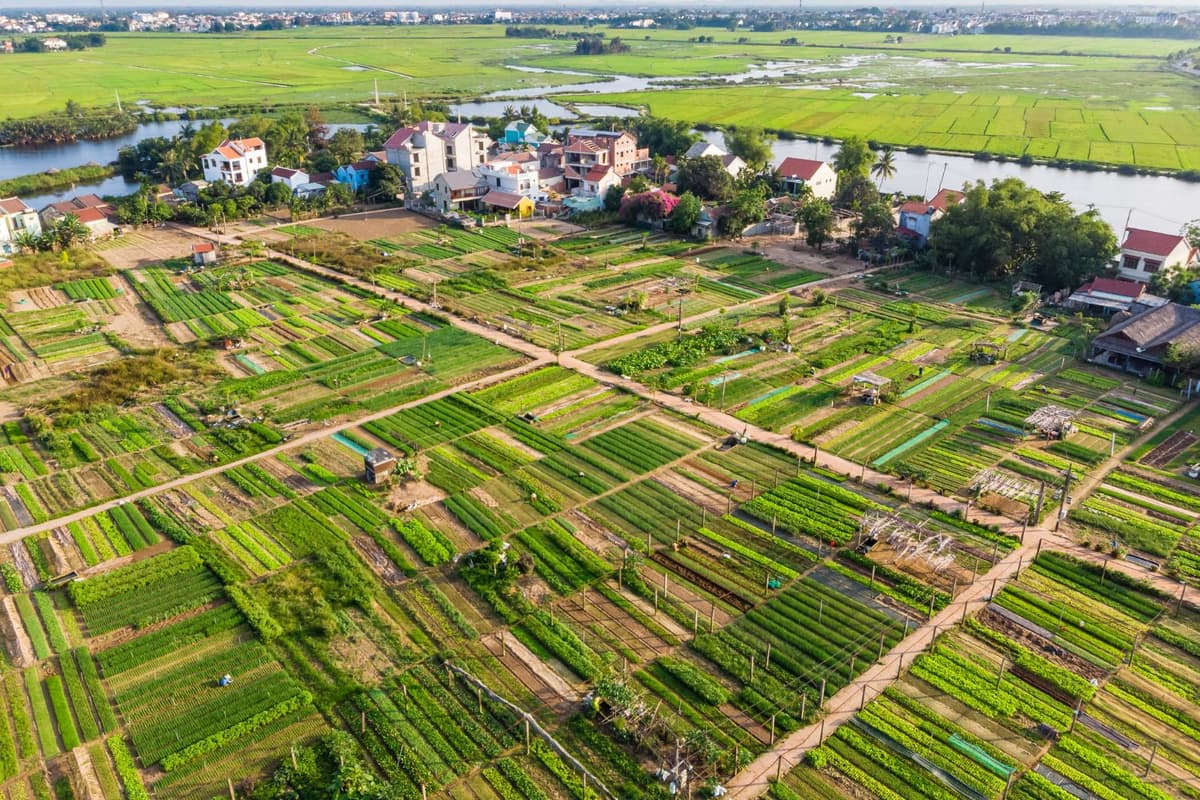
Tra Que Vegetable Village has a 400-year-old tradition of vegetable farming, cultivating around 50 varieties of greens
Travel experience at Tra Que Vegetable Village
Tra Que Vegetable Village is known for its rustic charm and peaceful atmosphere. It is located entirely on a small island just 3km from Hoi An Ancient Town. Travelers coming here can experience the authentic lifestyle of Central Vietnam’s countryside and take part in unique activities such as:
1. Walking or cycling around Tra Que Village
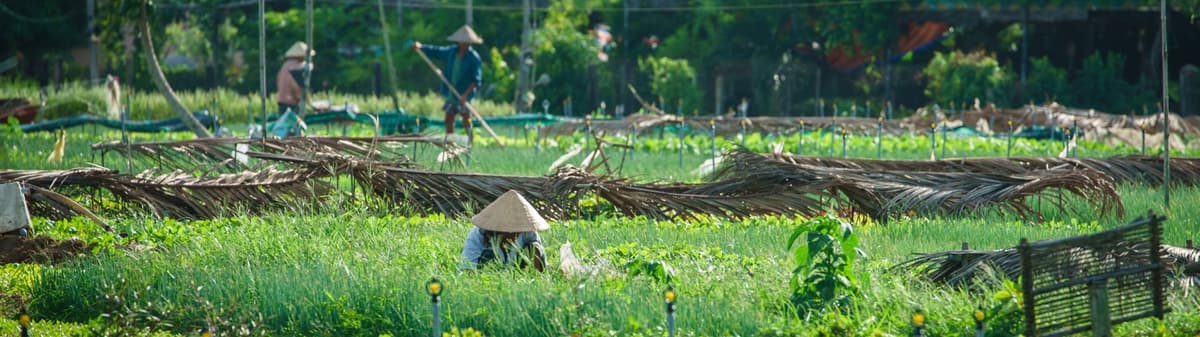
Tra Que is beautifully organized with square-shaped plots and thousands of neat vegetable beds stretching across a vast green field. Brick-paved paths run between the gardens and through the village, making it perfect for a leisurely walk or bike ride. Travelers can explore the peaceful countryside, enjoy the fresh air, and capture memorable photos amidst the vibrant fields.
2. Be a farmer for a day at Tra Que Village
At Tra Que Village, vegetables are grown in rotation with a variety of crops, so local farmers are busy planting, tending, and harvesting throughout the year. Travelers visiting Tra Que Village can experience being a farmer by digging the soil, applying organic fertilizer, planting seeds, and watering the vegetables using a pair of watering cans under the guidance of local farmers.
Many visitors find this hands-on farming experience exciting and enjoyable. Those who already enjoy growing vegetables at home are particularly interested in cultivating crops on larger fields and learning the unique fertilizing techniques practiced by Tra Que’s farmers.
3. Enjoy fresh dishes made from Tra Que Vegetables
After exploring the village and trying their hand at farming, travelers can enjoy delicious dishes made with freshly picked vegetables from Tra Que. Tra Que Vegetable Village Restaurants often serve specialties. Travelers can enjoy tam huu (boiled shrimp and pork wrapped with fresh herbs), banh xeo (Vietnamese pancake), vegetable salad, noodles, and refreshing juices.
4. Join a cooking class with local chefs
Vietnamese countryside cuisine is often defined by the image of home cooks strolling through their gardens to pick the freshest herbs and vegetables for a warm, hearty meal. At Tra Que Village, travelers can experience this tradition firsthand.
Travelers can wander through lush green gardens, handpick ingredients, and prepare signature dishes. They can cook tam huu (boiled shrimp and pork wrapped with fresh herbs) and banh xeo (Vietnamese pancake). Professional local chefs at the farm will guide travelers step by step. After cooking, everyone can sit together to enjoy the flavorful dishes they’ve created.
5. Join the Cau Bong Festival at Tra Que Village
Every year on the 7th day of the first lunar month, Tra Que Village celebrates the Cau Bong Festival, presided over by the village elders. This traditional event expresses the community’s deep gratitude and respect toward their ancestors and the early settlers who founded the village. Locals also worship the God of Agriculture, praying for favorable weather and a year of abundant harvests.
Travelers visiting Tra Que during this time can join the festivities, enjoy traditional folk games, watch lively lion and dragon dances, and take part in local cooking competitions. This is a wonderful way to experience the village’s vibrant culture and community spirit.
Location and how to get to Tra Que Village
Tra Que Vegetable Village is located in Cam Ha Commune, about 3km north of Hoi An Ancient Town and roughly 30km from Da Nang City. To visit Tra Que Village, travelers can fly to Da Nang, Ho Chi Minh City (Tan Son Nhat Airport), or Hanoi (Noi Bai Airport), then continue their journey to Tra Que by road.
From Hoi An, travelers can easily reach Tra Que by bicycle, taxi, or motorbike, a short and scenic ride through the countryside. Those traveling from Da Nang can also get there conveniently by taxi, car, or motorbike, making it a perfect half-day or day trip destination.
Travelers coming to Tra Que from nearby provinces such as Hue, Quang Tri, or Ninh Binh can reach Hoi An by car or train before continuing to the village. Those traveling from major cities like Ho Chi Minh City or Hanoi can take a domestic flight to Da Nang International Airport. Then they continue by road to Tra Que Village.
Tra Que Village is open to travelers every day. Entrance tickets cost around USD 1.4. Travelers can enjoy cycling around the village or joining farming experience tours offered by operators such as Klook or Tuan Nguyen Travel.
Best time to visit Tra Que Village
The best time to visit Tra Que Village is during the dry season (from February to August). The weather in Hoi An is sunny, dry, and ideal for outdoor activities such as cycling, vegetable farming, or joining cooking classes.
If you visit between May and July, it’s best to explore the village early in the morning (6:00–9:00 AM) or late in the afternoon (3:00–5:00 PM), when the weather is cooler and more comfortable. During the rainy season (September to January), travelers should check the weather forecast and plan accordingly to make the most of their experience.
For travelers who want to experience the village’s vibrant cultural spirit, the best time to visit is during the Cau Bong Festival (around the first lunar month). This is the biggest event of the year when locals pray for good harvests and favorable weather.
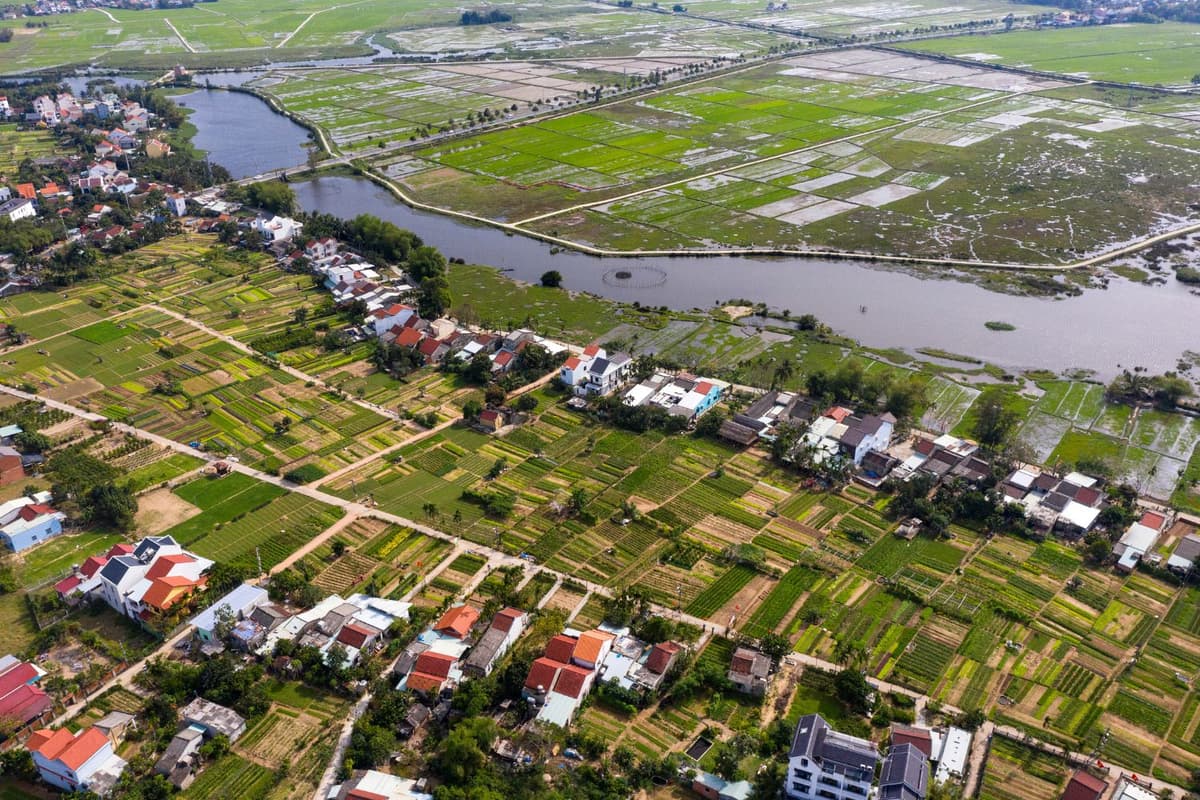
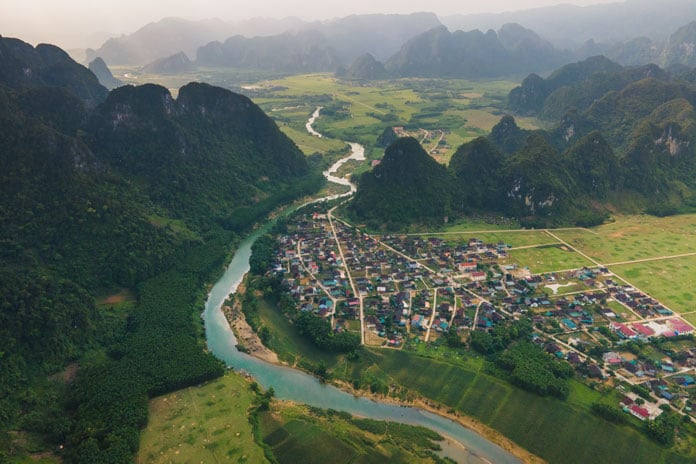
Tra Que Vegetable Village is located on a river island near the center of Hoi An, just 3 km from the Ancient Town
Where to stay when visiting Tra Que Village?
When visiting Tra Que Vegetable Village, travelers can choose from various hotels and homestays within the village that offer a rustic charm and an authentic local experience. Some recommended options include The Interlude - Art Retreat Hoi An, Tra Que Mansion, and Tra Que Green Villa, which range from USD 7.60 to 46 per night.
Located right in the center of Hoi An, Tra Que Village is also close to many resorts, hotels, and homestays near the Ancient Town. Some suggested hotels in Hoi An are The Signature Hoi An, TTC Hotel - Hoi An, and Hoi An Dream City Hotel. Prices vary depending on the property type and location, but it’s easy for travelers to travel from these accommodations to Tra Que Village and other nearby attractions.
Popular attractions near Tra Que Vegetable Village
Thanks to its convenient location, Tra Que Village is close to many famous destinations in Hoi An and Central Vietnam. It is easy for travelers to combine multiple experiences in one trip. Some recommended nearby attractions include:
Hoi An Ancient Town
Located about 3km from Tra Que Village, Hoi An Ancient Town is one of Vietnam’s most iconic destinations. The town is famous for its narrow streets lined with centuries-old yellow houses, red-tiled roofs, and traditional handicraft shops. In the evening, thousands of colorful lanterns light up the streets, creating a warm and nostalgic atmosphere.
Within the old town, travelers can also visit Chua Cau (the Japanese Covered Bridge), a 372-year-old architectural and spiritual symbol of Vietnam. It’s a perfect spot to take photos, stroll around, and explore the rich history and culture of Hoi An.
Marble Mountains Da Nang (Ngu Hanh Son)
About 14km from Tra Que Village, the Marble Mountains, a cluster of five limestone hills, are famous for their sacred temples, ancient pagodas, and mysterious caves. The main peak, Thuy Son, rises 106 meters and offers panoramic views of the coastline and Da Nang City. Travelers can either climb the stone steps or take an elevator to visit popular sites such as Linh Ung Pagoda, Huyen Khong Cave, and Am Phu Cave, each featuring unique spiritual and natural beauty.
My Khe Beach
Located about 20km from Tra Que Village, My Khe Beach was named by Forbes magazine as one of the most beautiful beaches in the world. The beach is known for its crystal-clear water, soft white sand, and gentle waves all year round. It’s an ideal destination for swimming, sunbathing, or trying exciting water sports such as surfing and SUP. Early morning and sunset are the best times to take a relaxing stroll along the beach and enjoy the breathtaking coastal scenery.
Phong Nha (Quang Tri Province)
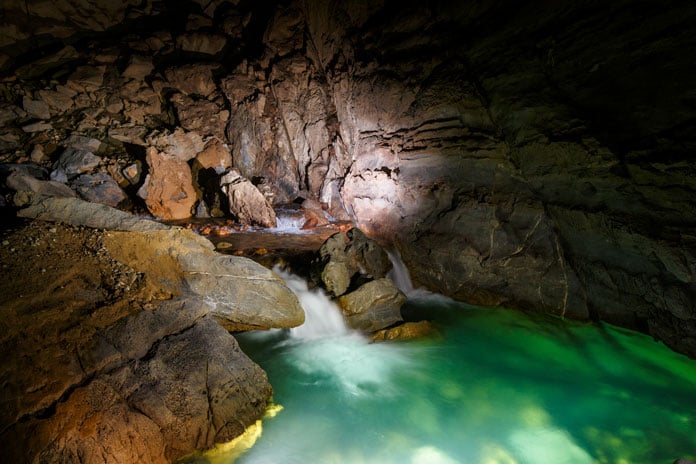
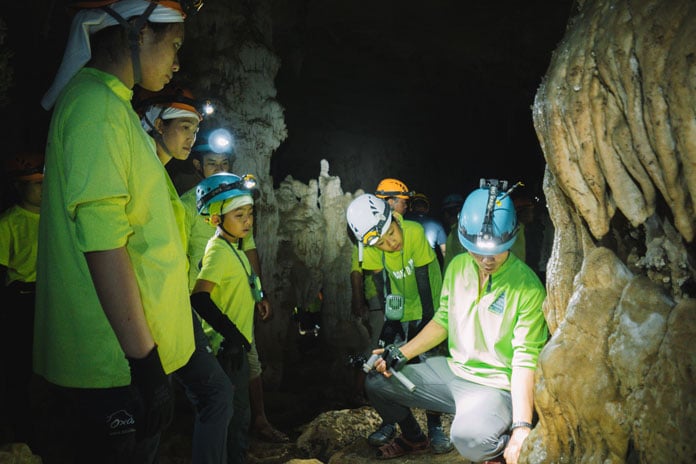
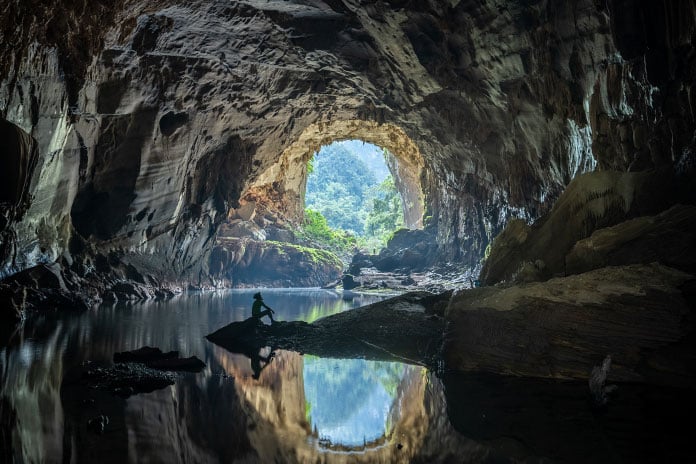
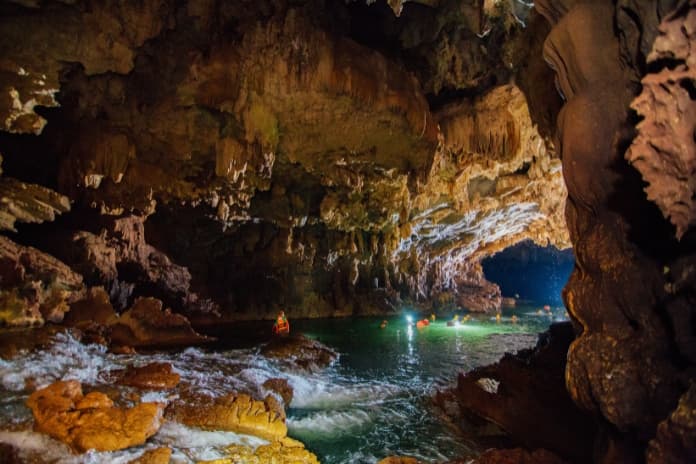
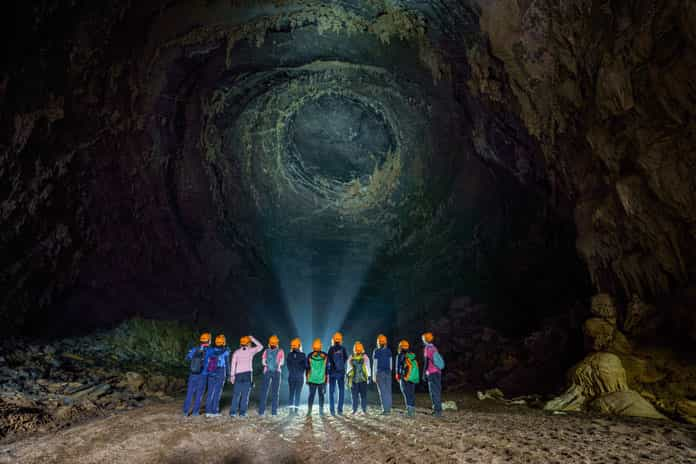
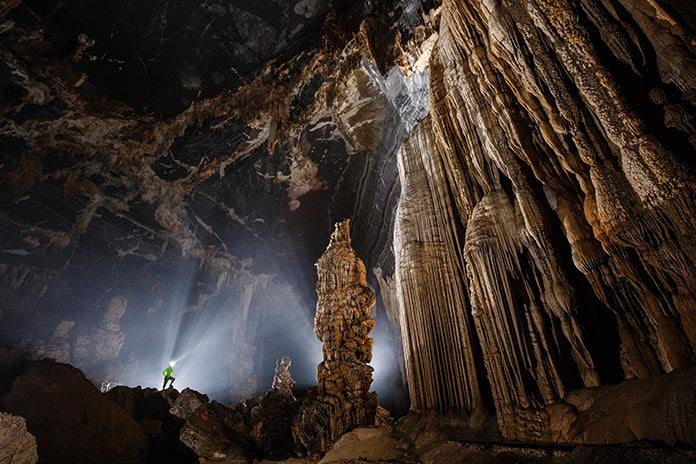
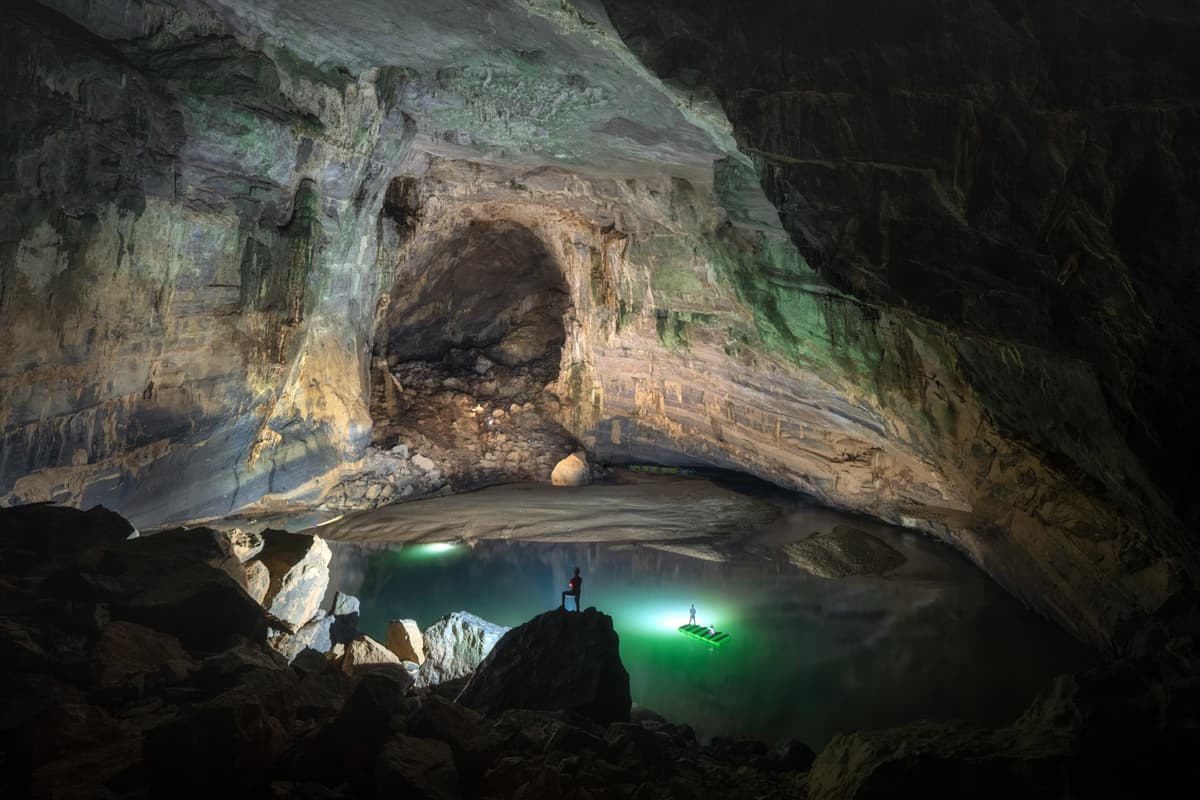
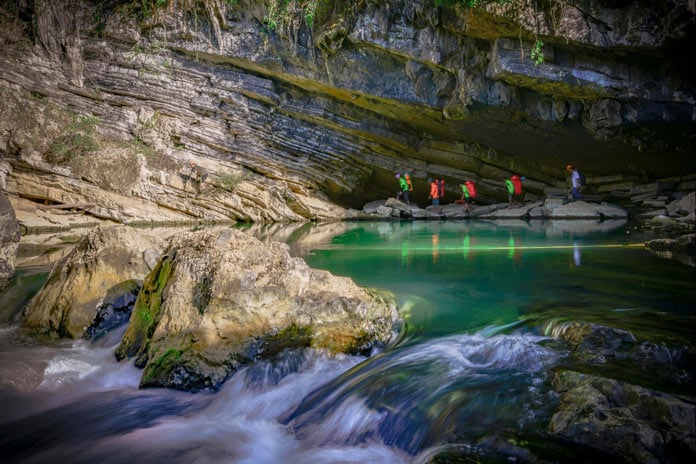
Phong Nha is located in Quang Tri Province and is famous for Phong Nha - Ke Bang National Park and its system of over 400 caves. Travelers can reach Phong Nha from Hoi An by sleeper bus or private car.
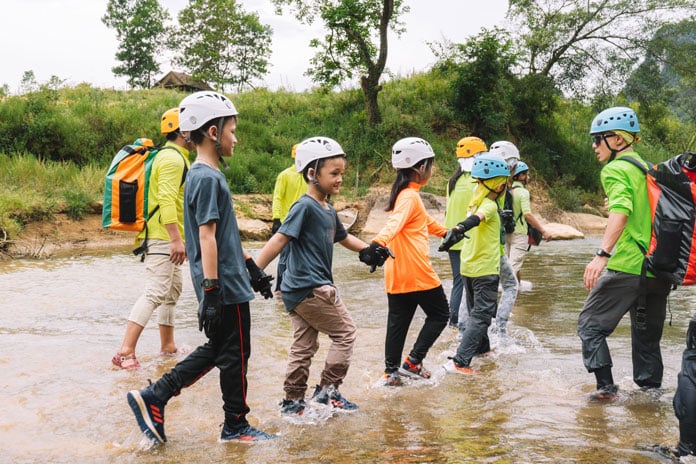
Phong Nha is ideal for adventure seekers and nature lovers, offering some of Vietnam’s most unique exploration experiences. Travelers can join professional expedition tours operated by Oxalis Adventure, such as the Son Doong Expedition, Hang En Adventure, Hang Va Expedition, etc. They will explore the stunning underground world and the pristine wilderness of Phong Nha from 1 to 5 days.
Before Tra Que, Tan Hoa Village in Quang Tri was recognized by UN Tourism as one of the Best Tourism Villages in the World in 2023. Travelers visiting Tan Hoa can experience weather-adaptive tourism and learn about the daily life of the Nguon ethnic people living in the flood-prone area. They can explore the village’s unique VAC (Garden–Pond–Livestock) economic model.
Meanwhile, Bong Lai Valley captivates visitors with its peaceful countryside charm. They can relax in farmstays like The Duck Stop or Duck Tang Farms and enjoy simple rural activities such as herding ducks and buffalo or cycling through scenic fields.
When visiting Tra Que Vegetable Village, travelers are encouraged to come early in the morning or late in the afternoon to enjoy the fresh air and peaceful rural scenery. From Hoi An Ancient Town, those traveling independently can easily reach the village by bicycle. It allows them to take in the charming streets while moving conveniently between destinations.
It’s best to wear light, breathable clothing and comfortable footwear to take part in farming activities with ease. Travelers should also prepare a hat, jacket, sunscreen, and drinking water for a comfortable journey and an enjoyable hands-on experience at the village.

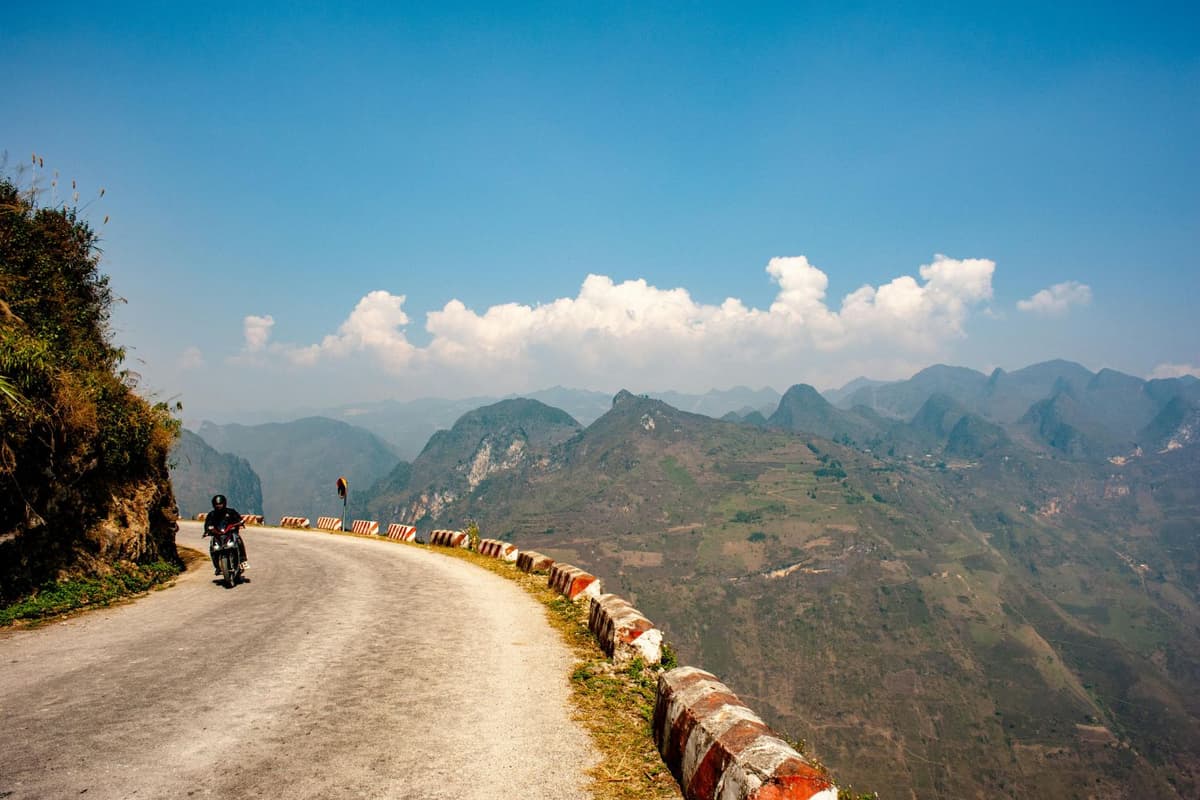
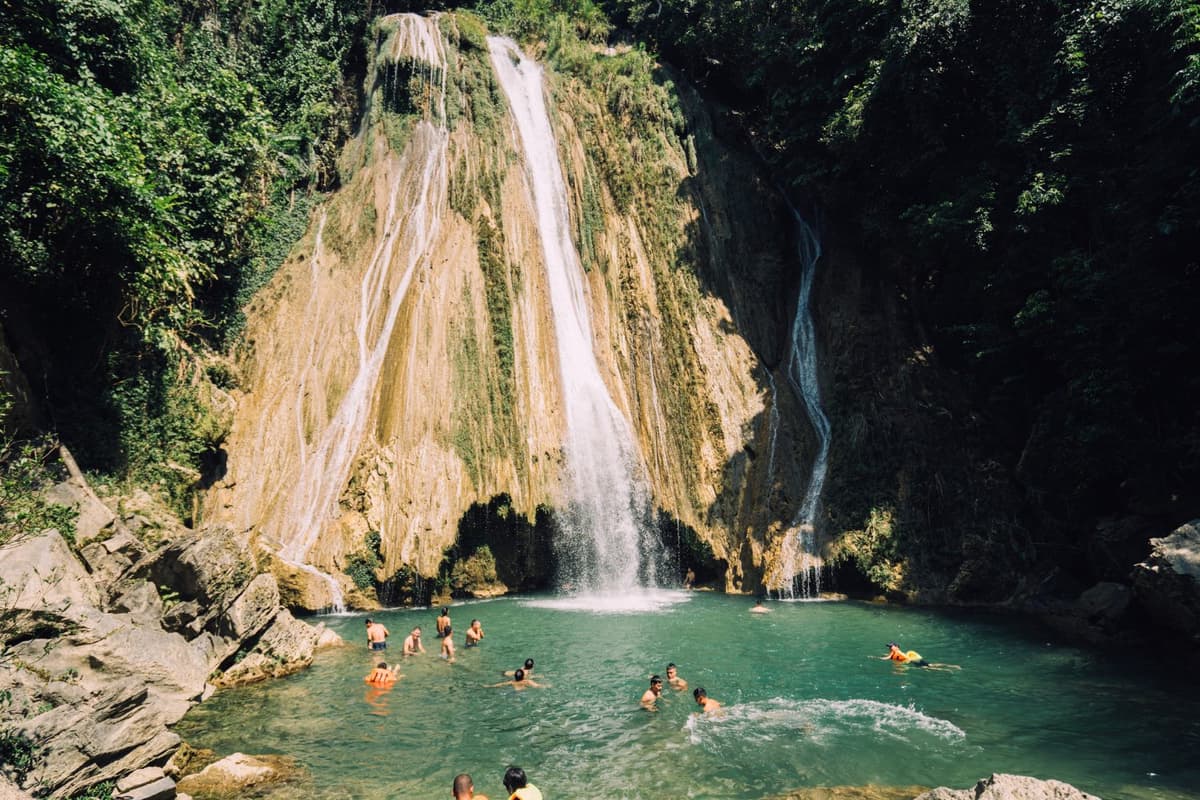

Whether you prefer long treks, camping in a cave, sleeping under the stars in the jungle, swimming underground in river caves, explore the huge dry caves or just taking an exploratory day trip, Oxalis Adventure Tours can provide the right amount of adventure just for you.
__637051782550081035.jpg)
__637051780703588520.jpg)
__637051765075307793.jpg)
__637051774329206026.jpg)
__637740499994967442.jpg)