Emergency Response Procedure Of Oxalis Adventure
With the goal of developing unique tourism experiences for both domestic and international visitors, particularly highly technical cave exploration tours, safety is always Oxalis Adventure’s top priority. Our company is equally committed to protecting the environment in its areas of operation and ensuring that its activities are sustainable for the long term.
Since December 2012, Oxalis Adventure has developed its Emergency Response Procedures by assessing the potential emergency situations that may arise during our tours. The company has also consulted relevant authorities and members of the British-Vietnamese Cave Expedition Team when developing its emergency response plans.
These procedures are reviewed and updated each year based on operational experience and changing conditions. The updates are then incorporated into the company’s emergency response plans.
Below are some of the emergency situations that may occur during Oxalis Adventure’s cave exploration tours, along with the corresponding response procedures.
Accidents and Injuries
Despite comprehensive safety measures and equipment, accidents may still occur due to unforeseen circumstances or guest negligence. Oxalis Adventure has established clear emergency response procedures for different types of accidents and injuries that may occur during the tours:
- Minor cuts, scratches, or bleeding: The guide will put on medical gloves, clean and disinfect the wound with an antiseptic solution, then dress it using the first-aid kit carried by the team. The guide will assess the injury and determine whether the guest can safely continue the tour or should return.
- Broken limbs, serious injuries, or severe illness: In the event of a serious accident or illness, the guide will immediately assess the situation and provide first aid following the DRSABC protocol. First, the guide ensures the area is safe and checks for dangers such as falling rocks or landslides (D). The guide then checks the casualty’s responsiveness (R) and calls for assistance and sends another team member to contact the Operations Management Board/Safety Department to activate the emergency response (S). The guide then checks the airway (A) and breathing (B), and performs CPR if necessary (C).
- Contact the nearest emergency medical services and arrange for medical personnel and an ambulance to provide assistance.
- Deploy the company’s rescue team, including safety and rescue specialists, to the scene.
- Coordinate with the nearest medical facility to support the guest and arrange the necessary medical procedures.
- Contact the local People’s Committee and Forest Management Board (forest owner) to report the incident and request support.
- Drowning: Oxalis Adventure provides all guests and staff with specialized life jackets designed to support a load of over 100 kg, helping keep the wearer safely afloat while swimming. Guides and Safety Assistants are always present and accompany guests throughout the swimming sections. Although the risk of drowning is extremely low, should an incident occur, the guide will provide first aid following the drowning response procedures. These procedures are taught by cave rescue specialists and the Red Cross.
- Guests become lost: Oxalis Adventure’s expedition tours take guests into primary forest and remote cave systems. Therefore, preventing guests from becoming lost is a key part of the company’s safety planning. Measures include:
- a) Pre-tour safety briefing: Guests receive a detailed briefing on expedition safety rules, the route, and what to do if they become separated from the group.
- b) Continuous group supervision: Guides and Safety Assistants accompany the group throughout the tour. Clear roles are assigned, with designated lead and tail guides to maintain the group and regularly count guests at key points along the route.
- c) Food and water supplies: Each guest is provided with sufficient drinking water and snacks to carry, helping them stay hydrated, nourished, and in good condition should they become separated from the group.
- Fatal accident: While every effort is made to prevent such an incident, Oxalis Adventure has an established emergency procedure in the event of a fatal accident during a tour:
- Preserve the scene and avoid disturbing any evidence.
- Contact the rescue station.
- a. Contact the local police, Forest Management Board (forest owner), and Provincial People’s Committee.
- b. Report the incident to the Provincial People’s Committee, local People’s Committee, and forest owner responsible for the area.
- c. Report the incident to the provincial Department of Culture, Sports and Tourism.
- d. Contact the Department of Foreign Affairs when the incident involves an international guest.
First aid is provided at the scene, and the injured person is kept as still as possible to prevent further injury. Once notified, the Operations Management Board/Safety Department will immediately:
In the unlikely event that a guest becomes lost, the guide or Safety Assistant will notify the rescue team and activate the search procedure. The rescue team will also carry first-aid equipment, additional food, and water for the guest.
The rescue station will then:
In accordance with the emergency response plan, the guide will also prepare a detailed report on the circumstances, cause of the accident, and cooperate fully with the relevant authorities and Oxalis Adventure’s management team.
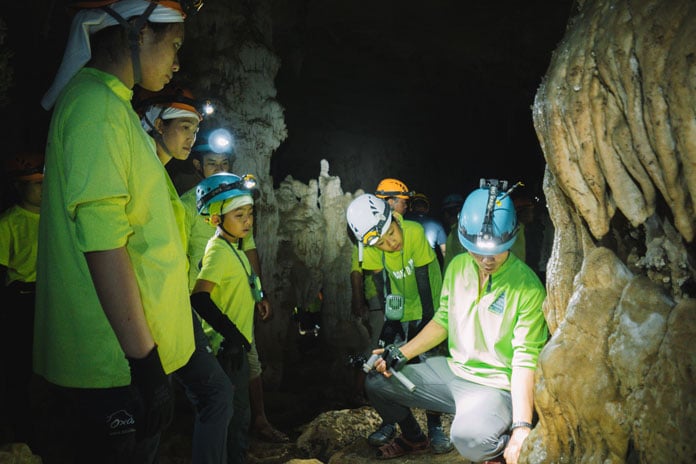
Annually training course for Guides and guide assistant by the safety cave expert.
Insect and Snake Bites
During field surveys and consultations with local communities, Oxalis Adventure identified several potentially harmful species in the area, including scorpions, centipedes, and horned pit vipers. While these bites and stings are not typically fatal on the spot, prompt and effective first aid can help reduce the risk of serious complications.
The following steps should be taken in the event of a venomous snake bite or insect bite:
Snake bite:
- Stay calm and reassure the injured guest.
- Move the injured guest and the rest of the group to a safe area.
- Have the injured guest lie down and remain still.
- Remove jewelry, tight footwear, or other restrictive items from the affected limb.
- Gently wash the bite area with soap and water, if available. Wear gloves when doing so.
- Apply an elastic pressure bandage along the entire affected limb. Start at the fingers or toes and work upward toward the body. The bandage should be firm, similar to a bandage used for an ankle sprain.
- Immobilize the affected limb in a comfortable position. Keep the bite below or level with the heart, if possible.
- Only attempt to identify the snake if it can be done safely.
- Contact the Operations Management Board/Safety Department. They will immediately:
- Contact the nearest emergency medical services and arrange for appropriate medical transport and doctors to provide assistance.
- Deploy a rescue team, including safety and rescue specialists and the company’s rescue team, to the scene.
- Contact the nearest medical facilities to assist with the injured guest’s medical care and procedures.
- Contact the local People’s Committee/forest owner to report the incident and request support.
- Prepare an incident report.
Insect bites:
- Move away from the area where the insects are present and take the injured guest to a safe location.
- Wash the affected area with soap and water (if available). For minor bites, Povidone-Iodine solution may also be used. Gensonmax may be applied to relieve itching, while Chlorpheniramine may help reduce allergic reactions. Keep the area clean and cover it with a dressing if needed.
- For more severe bites, monitor the injured guest for signs of an allergic reaction. Check the affected area daily for signs of infection.
- Prevention is always better than treatment. Wear long sleeves, long trousers, shoes, and long, thick socks when travelling through areas where insects may be present.
Food Poisoning and Allergic Reactions
Food safety and hygiene are given the highest priority throughout Oxalis Adventure tours. Food is stored and prepared according to food safety standards, and all food is thoroughly cooked before serving. Drinking water is filtered or boiled before use. Guests are also advised not to drink untreated stream water or stagnant water found inside caves.
Oxalis Adventure carefully reviews the medical questionnaire completed by each guest, including any known food allergies, to help identify risks and plan appropriate preventive measures. Despite these precautions, food poisoning or an allergic reaction may still occur. In such cases, the guide will follow the emergency response procedures below:
- Assess the symptoms and condition of the affected guest.
- Provide initial first aid according to the established procedures. Give the guest plenty of fluids and oral rehydration solution to help prevent dehydration.
- Keep the affected guest away from other healthy members of the group if the cause of vomiting or diarrhea is unknown, to reduce the risk of potential infection.
- Contact the rescue station to arrange for the guest to be evacuated.
- Contact the nearest hospital for emergency medical care.
- Preserve food samples for further investigation into the possible cause.
- Prepare a detailed incident report outlining what happened and the actions taken in accordance with Oxalis Adventure’s emergency response procedures.
Sudden Storms and Flash Floods
Tours are only operated when weather forecasts indicate safe conditions and water levels are no more than 1 metre above normal. However, sudden changes in weather may still cause unexpected flooding. In such cases, guides will follow Oxalis Adventure’s emergency response procedures for storms and flash floods:
- Do not allow guests to enter water caves. Use the established mountain-side routes instead.
- Require guests to wear life jackets whenever travelling by boat or crossing streams and waterfalls.
- Ensure all necessary safety equipment is available when crossing rivers or streams, including throw lines, floating ropes, and life jackets.
- Move guests to a safe, elevated location. Depending on the terrain, arrange suitable e. transportation or other support to help evacuate guests from the forest.
- The guide or Safety Assistant will report the situation to the Operations Department/Safety Department. Based on the severity of the rainfall and flooding, the Safety Department will deploy a rescue team to provide assistance and additional food and supplies. Emergency food supplies are also stored at all campsites for use during storms and flooding.
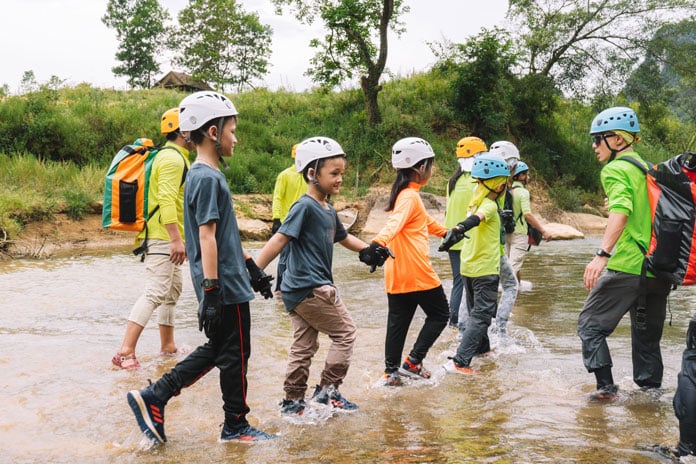
Training on safe stream crossing during the rainy season.
Incident Reporting Procedure
When an accident or incident involving a guest or any member of the group occurs, the guide is responsible for preparing an incident report and submitting it to the company’s Safety Department. The report serves as the basis for further investigation and, where required, reporting to the relevant authorities.
- Non-serious incidents and near misses: The guide must prepare a report and submit it to the Safety Department. The Safety Committee will review the incident, identify its causes, and recommend corrective and preventive measures. These findings are then incorporated into Oxalis Adventure’s emergency response procedures to help prevent similar incidents in the future.
- Serious incidents: In addition to managing the emergency, the guide must follow the established emergency response procedures and prepare an incident report for the Safety Department. The report also provides the basis for the company to report the incident to the relevant government authorities.
- Reporting process: When an incident occurs, the guide reports it to company management and the Safety Department. The company then prepares and submits the necessary reports to the relevant local and provincial authorities.
Oxalis Adventure’s Emergency Response Procedures are issued as part of its safety, first-aid, rescue, and emergency response framework. The procedures are reviewed and updated annually to ensure the company is prepared to respond effectively to new or changing emergency situations.
The Oxalis Experience.
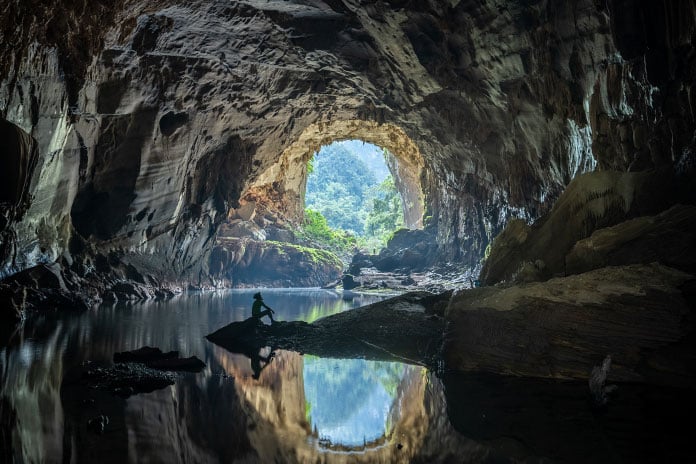
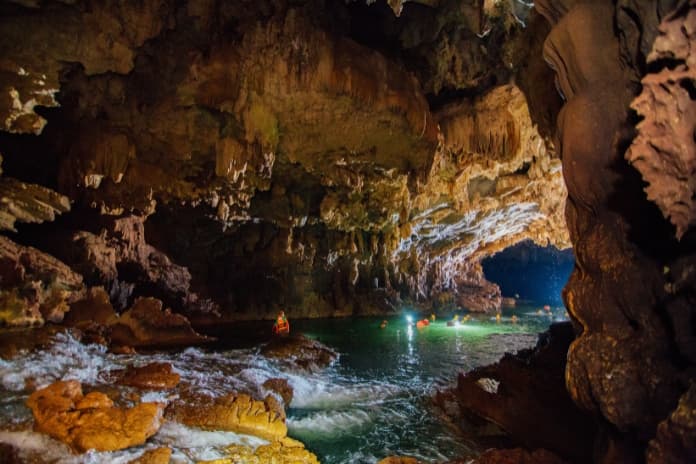
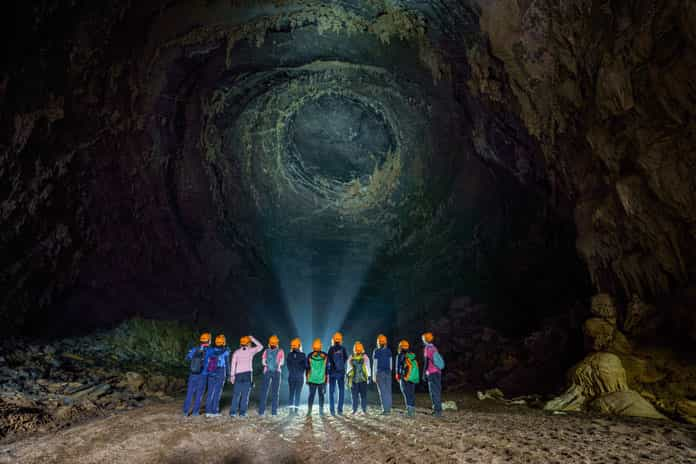
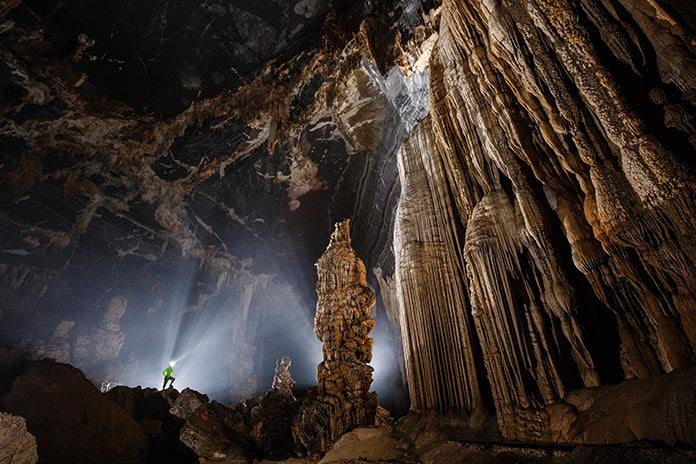
Whether you prefer long treks, camping in a cave, sleeping under the stars in the jungle, swimming underground in river caves, explore the huge dry caves or just taking an exploratory day trip, Oxalis Adventure Tours can provide the right amount of adventure just for you.
__637051782550081035.jpg)
__637051780703588520.jpg)
__637051765075307793.jpg)
__637051774329206026.jpg)
__637740499994967442.jpg)