Tan Hoa Village and the Living Traditions Passed Down Through Generations
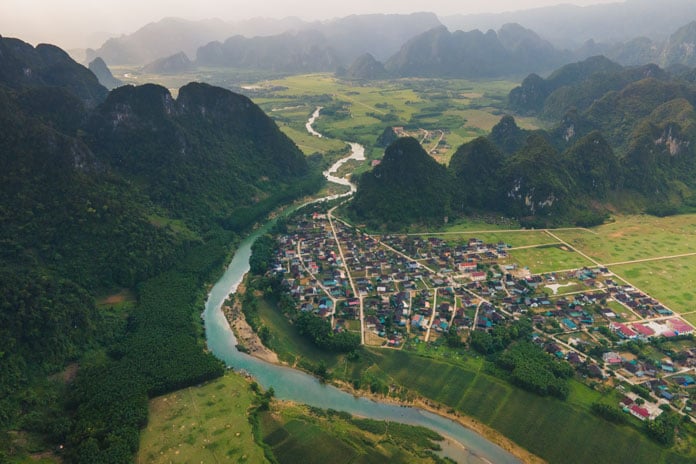
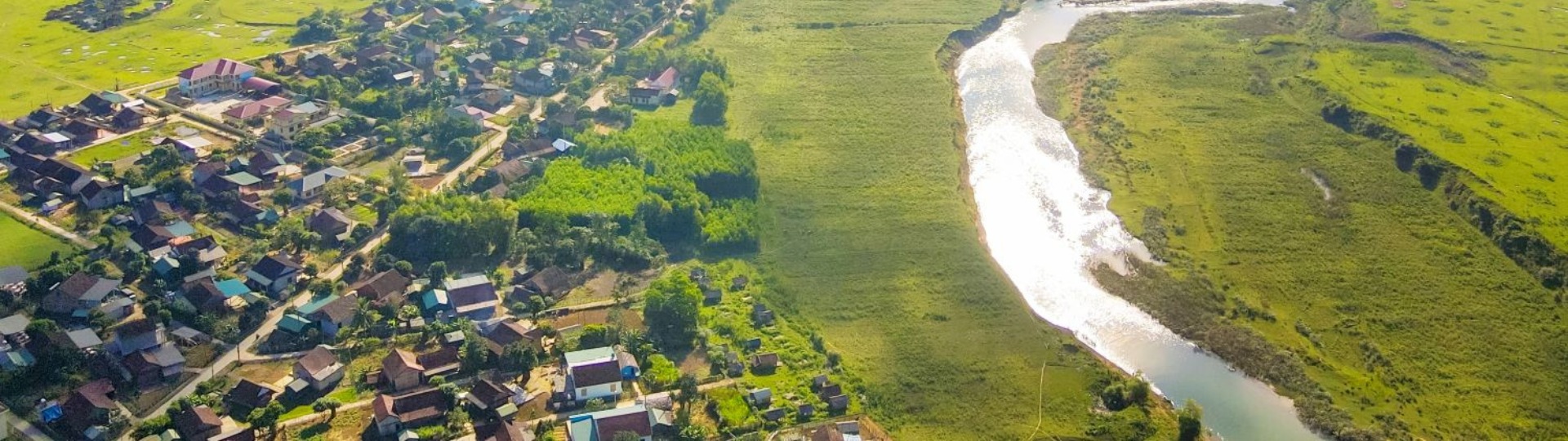
From a village once known as the "flood prone" of central Vietnam, where annual floods shaped every aspect of daily life, Tan Hoa (Quang Tri Province) has transformed into a globally recognised destination. In October 2023, it was honoured by UN Tourism as one of the World’s Best Tourism Villages.
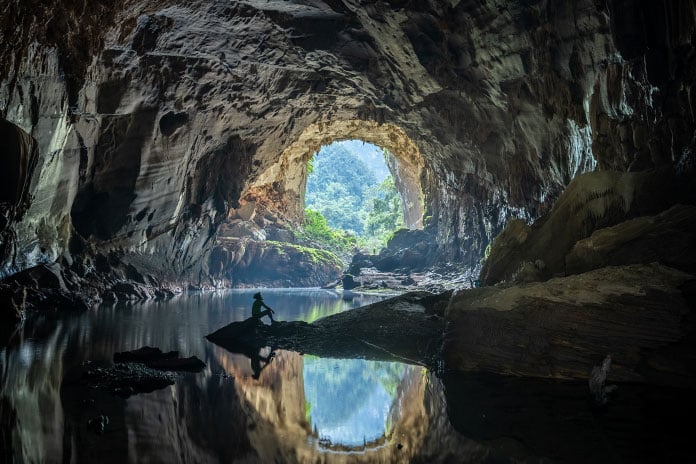
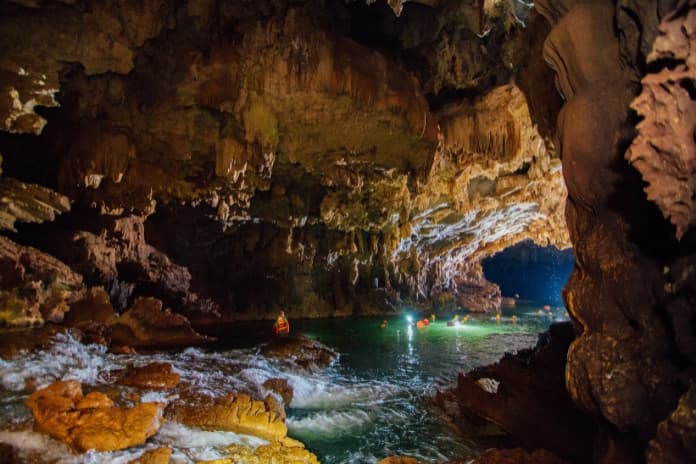
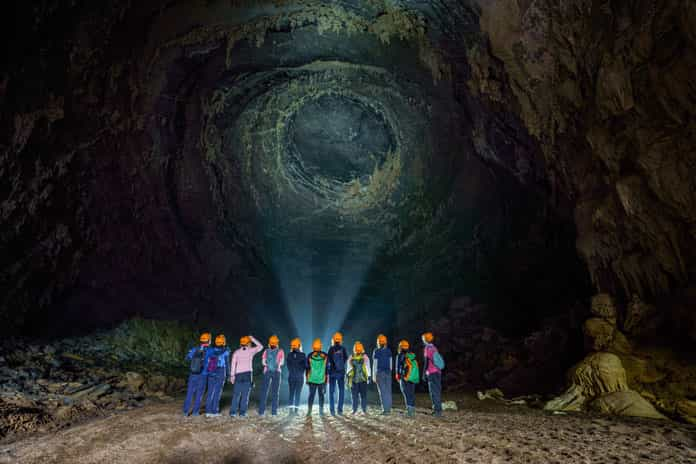
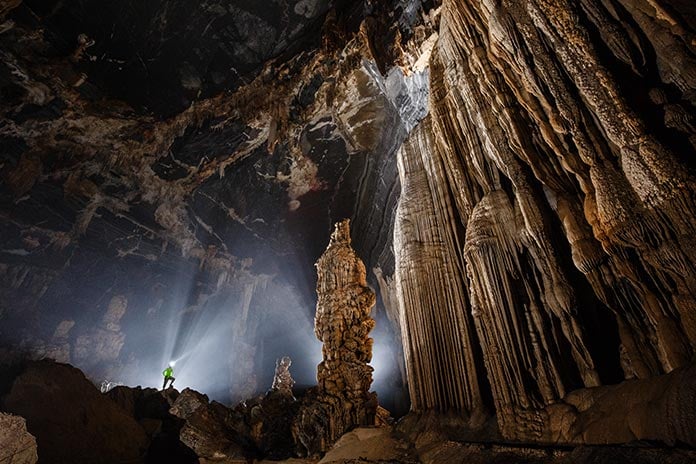
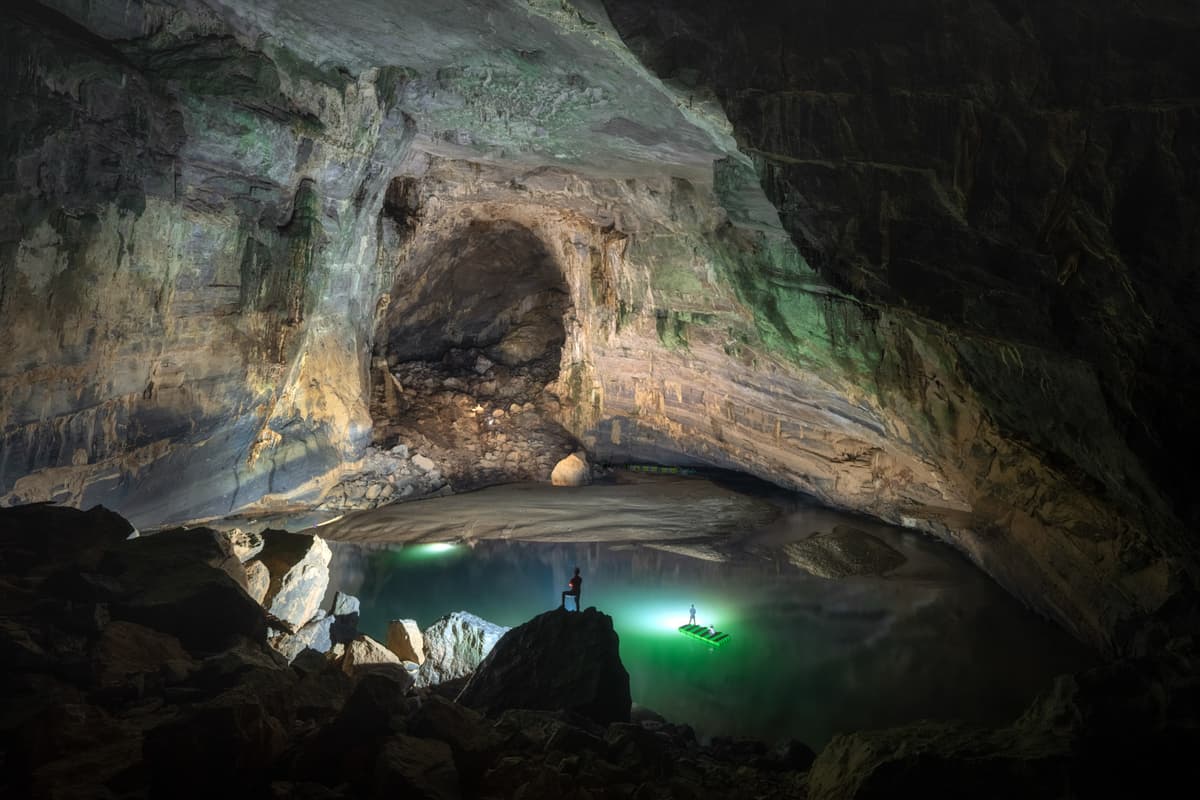
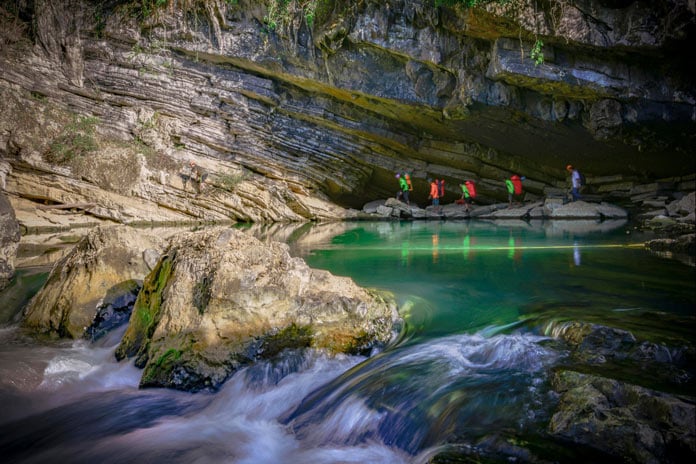
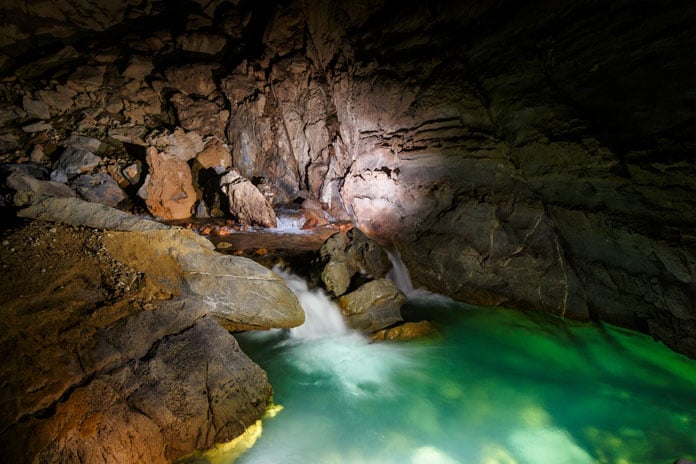
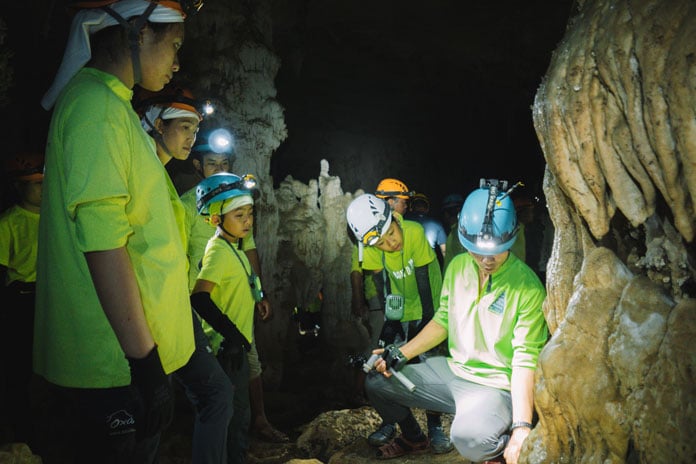
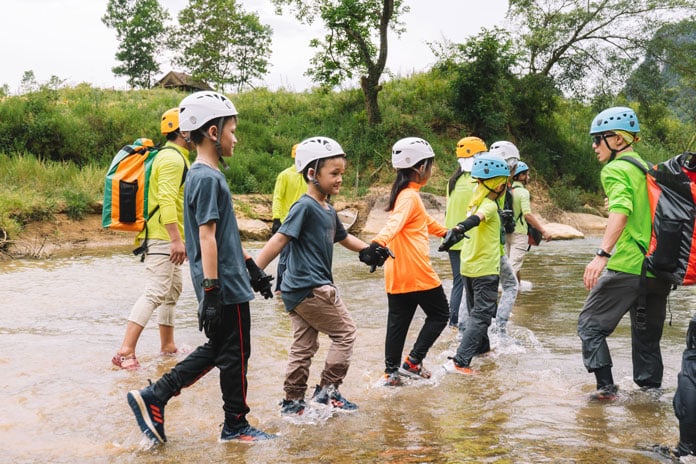
Most travellers first discover Tan Hoa through the spectacular Tu Lan Cave System or its appearance as a filming location for Kong: Skull Island. Yet beyond its dramatic landscapes lies one of the village's greatest treasures: the unique cultural heritage of the Nguon people, a community that has called this land home for centuries. Their distinct language, traditional cuisine, long-standing customs and innovative ways of living in harmony with nature have shaped a destination defined by resilience, authenticity and a strong sense of identity.
Join us as we explore the rich cultural heritage of Tan Hoa through its history, everyday life, local cuisine and the remarkable story of how a community transformed the challenges of recurring floods into a truly unique tourism experience.
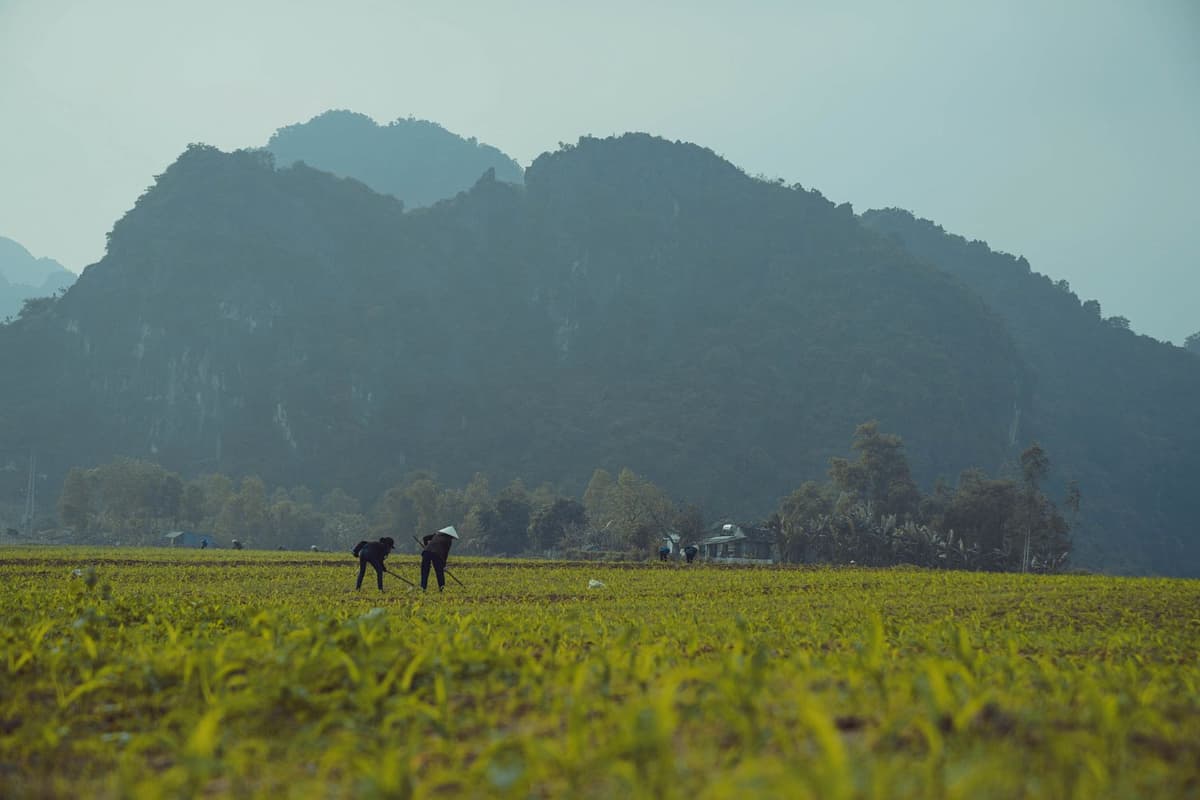
Nguon people farming in Tan Hoa limestone valley.
The Nguon People of Tan Hoa and Their Remarkable Linguistic Heritage
The Nguon people are the community that first settled, cultivated and shaped the cultural identity of Tan Hoa village over centuries. According to historical records and the genealogies of prominent local families such as the Dinh, Cao, Truong and Thai clans, their ancestors migrated from Thanh Hoa, Nghe An and Ha Tinh to the mountainous region of western Quang Binh during the reign of Emperor Le Thanh Tong. They came to reclaim land, establish villages and build new lives. Over the course of approximately 12 to 14 generations, or more than 300 years, they have put down deep roots in a landscape long defined by harsh natural conditions, making Tan Hoa their enduring homeland.
Despite their distinct cultural identity, the Nguon people have not yet been officially recognised as a separate ethnic group among Vietnam's 54 recognised ethnic communities. In administrative records, they are generally classified as Kinh, and in some cases as Muong or Tho. One reason is that the Nguon language exists solely as an oral tradition, without its own writing system, and shares linguistic features with neighbouring communities. Nevertheless, the Nguon people maintain a strong sense of identity and pride in their heritage. They traditionally refer to themselves as "Tu Van", while calling the Kinh people living in the lowlands "Puon."
If Tan Hoa's spectacular natural scenery is what first captures visitors' attention, the Nguon language is often what leaves the most lasting impression. More than a means of communication, it is regarded by linguists as a "living museum" that preserves many features of early Vietnamese.
Today, the people of Tan Hoa continue to speak Nguon in their daily lives, from family conversations to community gatherings, while standard Vietnamese is used in schools, government administration and other formal settings. The language has retained numerous vocabulary items and pronunciation patterns that closely resemble those spoken in north-central Vietnam several centuries ago, making it an invaluable resource for linguistic research.
For travellers, hearing Nguon spoken is an experience in itself. Sitting on the veranda of a local home, sharing a cup of tea with village elders or listening to stories about life in a place once known as Vietnam's "flood prone", visitors are often struck by the language's distinctive rhythm and melody. Familiar yet intriguingly different, its unique sound offers a deeper connection to the history, resilience and cultural identity of the people who have called Tan Hoa home for generations.
Spiritual Beliefs and Lifelong Family Traditions of the Nguon People
Visitors familiar with northern Vietnamese villages will often picture village gates, communal houses and temples dedicated to the village guardian deity. Traditional Nguon villages, however, present a very different landscape. For generations, the Nguon people built neither village gates nor communal houses, nor did they worship a village guardian spirit in the same way as the Kinh majority.
Instead, their lives have long been shaped by the surrounding mountains, forests, rivers and the close-knit community itself, rather than by formal village institutions or administrative structures. It was only during the French colonial period, when administrative systems expanded into remote areas, that village organisation gradually began to resemble that of the lowlands. This simplicity has helped preserve a distinctive cultural landscape where people and nature remain closely connected.
Worship of Ong Put - The Spiritual Guardian of the Nguon People
At the heart of Nguon spiritual life is Ong Put, the most revered deity in their traditional belief system. Although the name "Put" is linguistically related to the Vietnamese word for Buddha, Ong Put is not regarded as the Buddhist Buddha. Instead, the Nguon believe he is the guardian spirit of the land, the creator of humankind and all living creatures, and the protector of their villages.
According to local legend, several centuries ago, two brothers from Yen Duc Village climbed Ong Ngoi Mountain in search of wild honey. At the summit, they discovered a crystal-clear spring, a flourishing mandarin tree heavy with fruit, and twelve stone figures resembling Buddhas arranged around a stone table with stone chess pieces.
The brothers decided to carry one of the statues back to their village. Along the way, they stopped beside a waterfall to rest. After bathing, they found that the statue had become so incredibly heavy that no one could move it. Frustrated, one of the brothers struck the statue with his machete, chipping part of its lip. Local folklore says that from that day onward, descendants of his family have always included someone born with a similar mark on the lip - a lasting reminder of the importance of respecting sacred spirits.
Following the incident, the village was repeatedly struck by floods, disease and poor harvests. Believing they had offended the deity, the villagers built an altar beside the waterfall to ask for forgiveness. According to tradition, peace gradually returned, crops flourished once again and the people came to believe that Ong Put continued to watch over and protect their community. The waterfall has been known as But Waterfall ever since.
The "Living Memorial" Ceremony: Honouring Parents During Their Lifetime
Family and kinship occupy a central place in Nguon culture, and this is reflected in traditions that continue to be practised today. One of the most distinctive customs is the "living memorial" ceremony for parents.
Rather than waiting until their parents have passed away to express gratitude, children organise a ceremonial gathering while their parents are still alive and in good health. The occasion is held to honour their parents, thank them for their lifelong sacrifices and pray for their continued health and longevity. This uncommon tradition reflects the Nguon people's profound respect for filial piety and their belief that appreciation should be expressed during a loved one's lifetime, rather than only after death.
Marriage Customs and the Tradition of Becoming a Son-in-Law
Marriage among the Nguon follows clear customs that have been passed down through generations. People traditionally do not marry within the same family clan, and monogamy has long been the accepted norm. After the wedding, the bride joins her husband's household.
Historically, wedding ceremonies also included several unique traditions. Instead of immediately presenting a buffalo as the bride price, the groom's family would sometimes offer only a rope, symbolically representing the buffalo. The actual animal could be delivered later when the family was financially able to do so.
Another well-known custom was the tradition of serving as a son-in-law, during which a young man spent years helping his future wife's family with farming and household work before the marriage officially took place. Far more than a test of endurance, the practice demonstrated his sincerity, responsibility and commitment to building a stable family.
Funeral Traditions Rooted in Mountain Life
Nguon funeral customs also reflect the community's understanding of life, death and humanity's relationship with nature.
When a father or mother passes away, the eldest son traditionally steps into the courtyard, faces the sky and calls out 3 times. This symbolic act announces the passing to heaven and the ancestors while expressing the family's hope that the departed spirit will hear the call one last time. Only after this ritual does the funeral officially begin.
Traditional mourning attire is made from simple natural materials such as banana fibre, banana sheaths and straw hats, reflecting the modest lifestyle of mountain communities. The coffin is placed with the feet facing the doorway, a ritual known as "turning the body" is performed on the night before the funeral procession, and as the coffin is carried away, family members conduct a series of farewell ceremonies to honour the deceased and express their final respect.
A Taste of Tan Hoa: Traditional Cuisine and Local Specialties
After a day of exploring caves and trekking through dramatic limestone mountains, few experiences are more rewarding than gathering around a home-cooked meal with a Nguon family. Tan Hoa's cuisine is not defined by elaborate presentation or expensive ingredients. Instead, each dish reflects generations of local knowledge, making the most of seasonal produce and natural resources while preserving recipes that have been passed down through families for centuries.
Com Poi - The Signature Dish of the Nguon People
Unlike steamed white rice, Com Poi (also known as Com Boi) is made from ingredients that have long sustained mountain communities, including mature maize, cassava and, occasionally, mung beans, black beans or peanuts for added richness. In the past, it was a vital source of nourishment during periods of food shortages and after natural disasters. Over time, it evolved from a survival food into a symbol of Nguon identity and remains an essential dish during festivals and when welcoming guests.
Preparing Com Poi is a labour-intensive process that requires both patience and skill. The maize is soaked, pounded and sifted several times to obtain the finest flour. When cassava is used, it is grated and pressed to remove excess moisture before being mixed with the maize flour. The mixture is then kneaded, fluffed by hand and steamed in a traditional wooden steamer over a wood-fired stove for about an hour. Every stage demands careful attention to achieve the right texture.
When cooked, Com Poi has a naturally golden colour, the aroma of freshly steamed maize blended with the fragrance of wood smoke, and a texture that is both light and pleasantly chewy. Its subtle sweetness and nutty flavour are best appreciated when eaten hot, traditionally by hand.
The importance of Com Poi is even reflected in local folklore. In the past, a young woman's ability to prepare the dish well was considered a sign of diligence and domestic skill, as celebrated in a traditional folk verse:
"When the rain falls and streams flow all around,
Who will pound Com Poi for me if I never marry?"
Today, families in Tan Hoa continue to prepare Com Poi using traditional methods, giving visitors the opportunity to taste a dish that has nourished generations of the Nguon people.
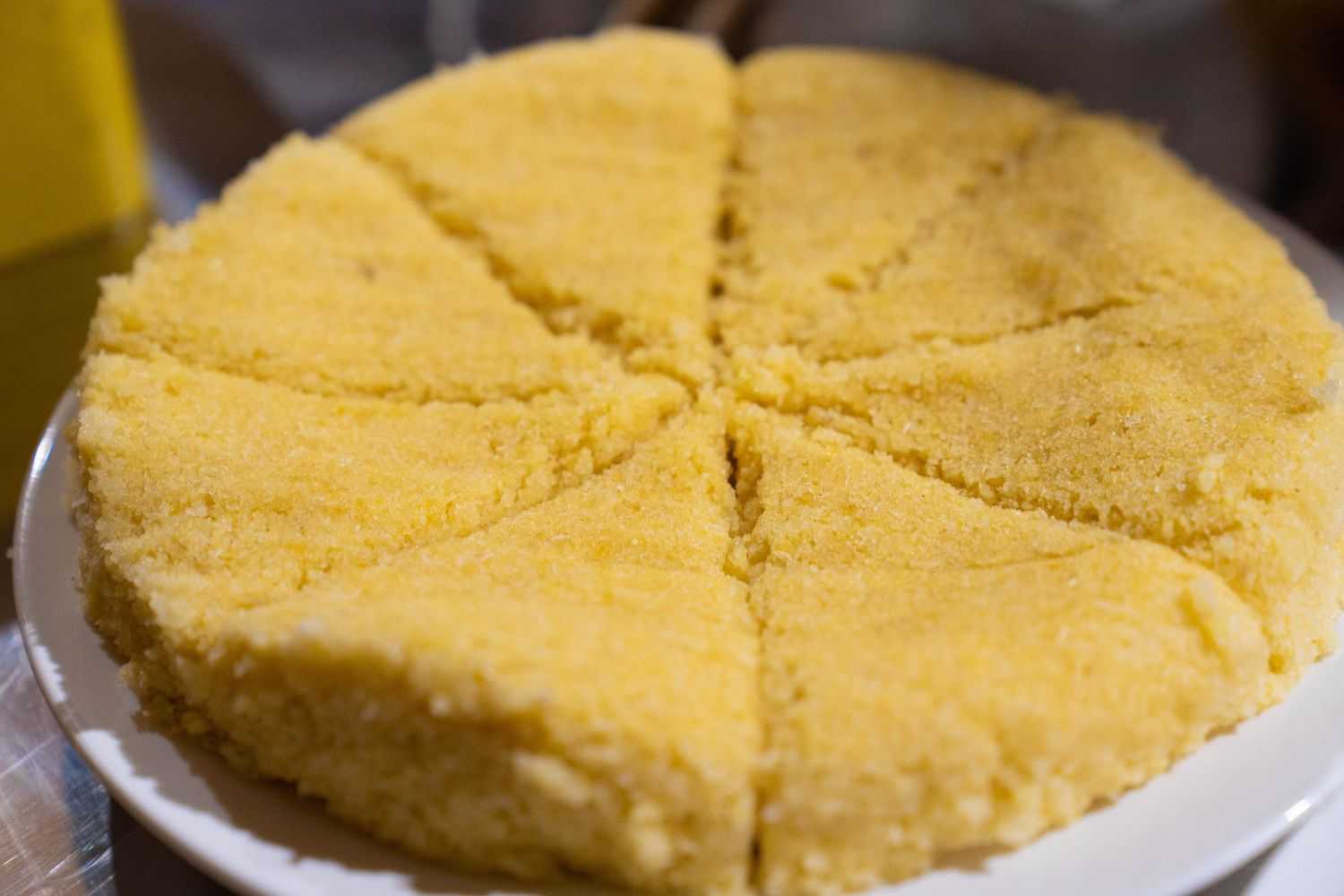
Traditional sticky and rich Poi rice of Nguon people in Tan Hoa.
Stream Snails - A Delicacy Found Only in the Limestone Mountains
If Com Poi is the soul of a Nguon meal, stream snails are undoubtedly its most intriguing delicacy. These freshwater snails live in crystal-clear streams and limestone caves throughout the Minh Hoa mountains.
Their Vietnamese name, "oc duc" (literally "male snails"), comes from a long-standing local harvesting practice. According to traditional knowledge, villagers collect mainly male snails while leaving females behind to reproduce, helping maintain healthy wild populations. Local folklore also says that around the Third Lunar Month Festival, almost every snail collected is a "male" snail, prized for its firmer texture and sweeter flavour.
The snails are commonly boiled with kaffir lime leaves or stir-fried with lemongrass and chilli before being served with muoi cheo, a distinctive dipping salt made by pounding coarse salt with chilli, kaffir lime leaves, culantro and native forest spices. Combined with the nutty flavour of Com Poi, the dish is so beloved that locals still recite a traditional saying:
"I long for the season when Com Poi is made,
And for the stream snails waiting on the table."
Beyond these signature dishes, a traditional Nguon meal showcases a variety of seasonal ingredients gathered from the surrounding forests and rivers. Freshwater fish such as ca mat, stream fish and fermented sour fish offer the clean, delicate flavours of mountain streams. Wild fern shoots are stir-fried with garlic or simply boiled and served with fish sauce. Charcoal-grilled pork scented with kaffir lime leaves features crispy skin and smoky, tender meat, while rustic dishes such as sweet potato leaf soup, wild green bananas and ant egg soup complete a meal that reflects the richness of the surrounding landscape.
Bringing the Flavours of Tan Hoa Home
Visitors wishing to take a piece of Tan Hoa home will find several local products that make meaningful souvenirs. Among the most popular is Truong Son forest honey, prized for its fragrant aroma and complex sweetness derived from hundreds of wildflower species.
Another well-known local product is Co Mau ("Blood Vine"), a medicinal climbing plant that local communities have traditionally brewed into herbal tea. According to folk knowledge, it is believed to help restore energy and support general wellbeing after periods of fatigue, making it a popular gift among domestic travellers.
These local specialties can be purchased from homestays, community producers or Tu Lan Lodge. More than simple souvenirs, they provide direct support to local livelihoods while helping preserve traditional knowledge, cultural heritage and sustainable community-based tourism.
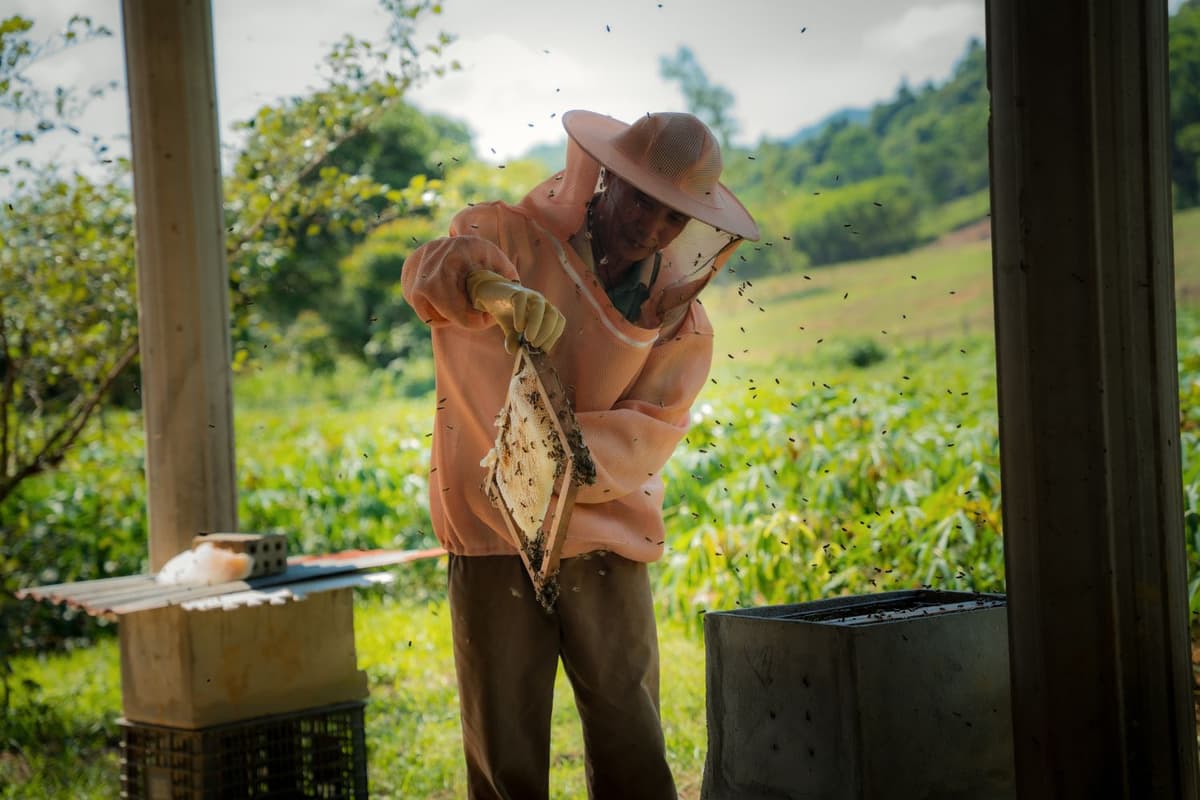
Local people harvesting Truong Son wild forest honey in Tan Hoa.
Folk Music, Festivals and Living Traditions
Ho Thuoc Ca - A National Intangible Cultural Heritage
Among the many forms of Nguon folk music, Ho Thuoc Ca ("Fish-Herb Chant") is the most distinctive. In 2021, it was officially recognised as part of Vietnam's National Intangible Cultural Heritage.
Unlike many traditional folk songs that originated from ceremonial performances, Ho Thuoc Ca developed directly from everyday work. At certain times of the year, villagers would venture into the forest to collect the roots of the teng vine, a native climbing plant. After crushing the roots and releasing them into upstream waters, the plant's natural sap temporarily irritated fish, causing them to rise to the surface where they could be collected more easily, while causing minimal harm to people and most other aquatic species. This practice represents a remarkable body of indigenous ecological knowledge passed down through generations.
As villagers pounded the roots with large wooden pestles, they sang rhythmic chants to coordinate their movements and encourage one another. A lead singer would begin the verse, with everyone else responding in chorus with the familiar refrain:
"Hoi len la hoi len..."
Echoing through the mountains, the combined sound of voices and wooden pestles created a powerful rhythm that became inseparable from community life. Over time, Ho Thuoc Ca evolved beyond fishing activities and came to be performed during festivals, cultural celebrations and village gatherings.
Today, visitors joining cave expeditions and community experiences in Tan Hoa may have the opportunity to hear Ho Thuoc Ca performed during evening meals hosted by local families. Listening to these centuries-old melodies while sharing traditional dishes in the quiet mountain landscape offers an authentic glimpse into the cultural life of the Nguon people.
Alongside Ho Thuoc Ca, Minh Hoa also preserves many other forms of folk music, including Vi singing, Dum singing, lullabies, Sac Bua songs, Nha Tro performances and Ho Keo Do (boat-pulling chants), together forming a rich and diverse musical heritage.
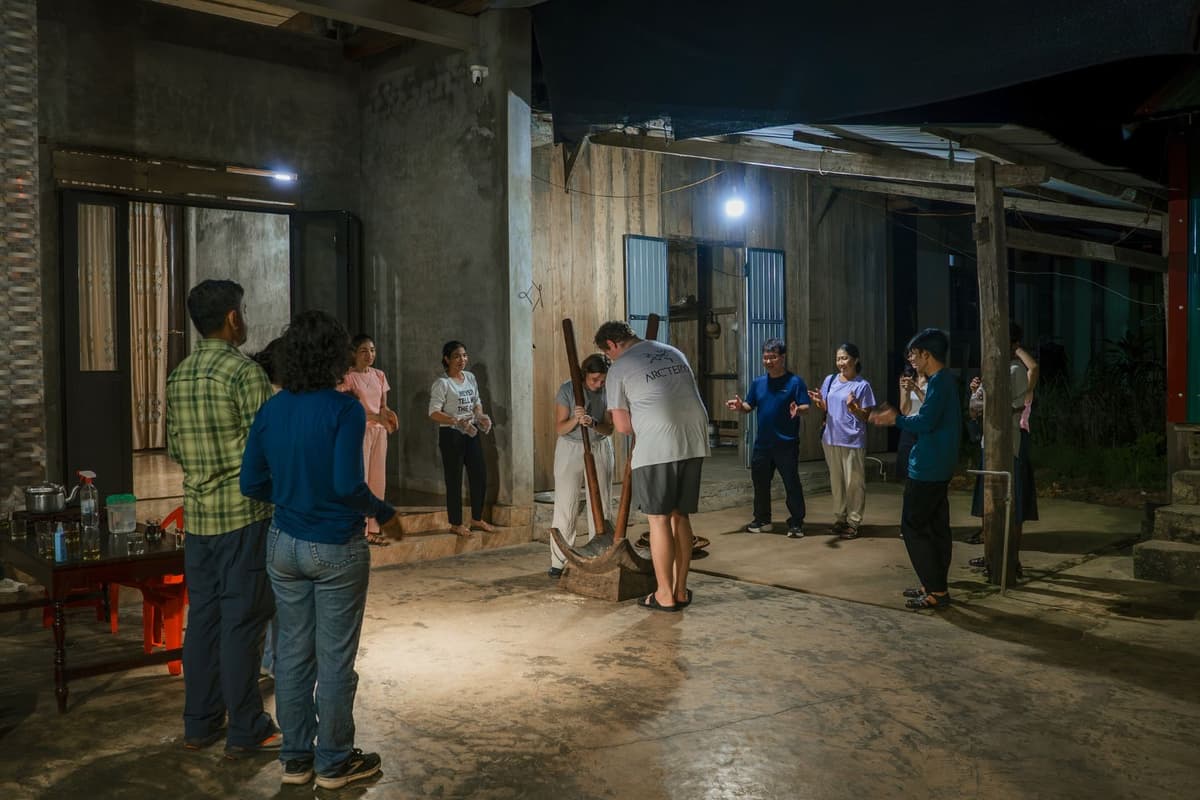
Visitors experiencing Ho Thuoc Ca folk singing with villagers.
The Third Lunar Month Festival - The Nguon People's Biggest Celebration
Visitors who arrive in Minh Hoa between the 14th and 16th days of the Third Lunar Month will experience the community's most important annual celebration: the Third Lunar Month Festival.
For generations, local people have expressed its importance through a well-known saying:
"Better to stay in bed when ill,
Than to miss the Third Lunar Month Fair."
The opening ceremony begins with an offering ritual at But Waterfall, closely linked to the legend of Ong Put and the twelve sacred stone statues. Villagers bring sticky rice, fruit and local produce to pray for favourable weather, abundant harvests and peace for their families.
Once the ceremonies conclude, the festival transforms into a lively celebration lasting several days. Traditional activities include crossbow shooting, stick pushing, wrestling, bamboo dancing, stilt walking, swinging competitions, xoang throwing and traditional board games. The festival is also an important opportunity for neighbouring villages to reunite, strengthen social bonds and preserve games that have been part of mountain life for generations.
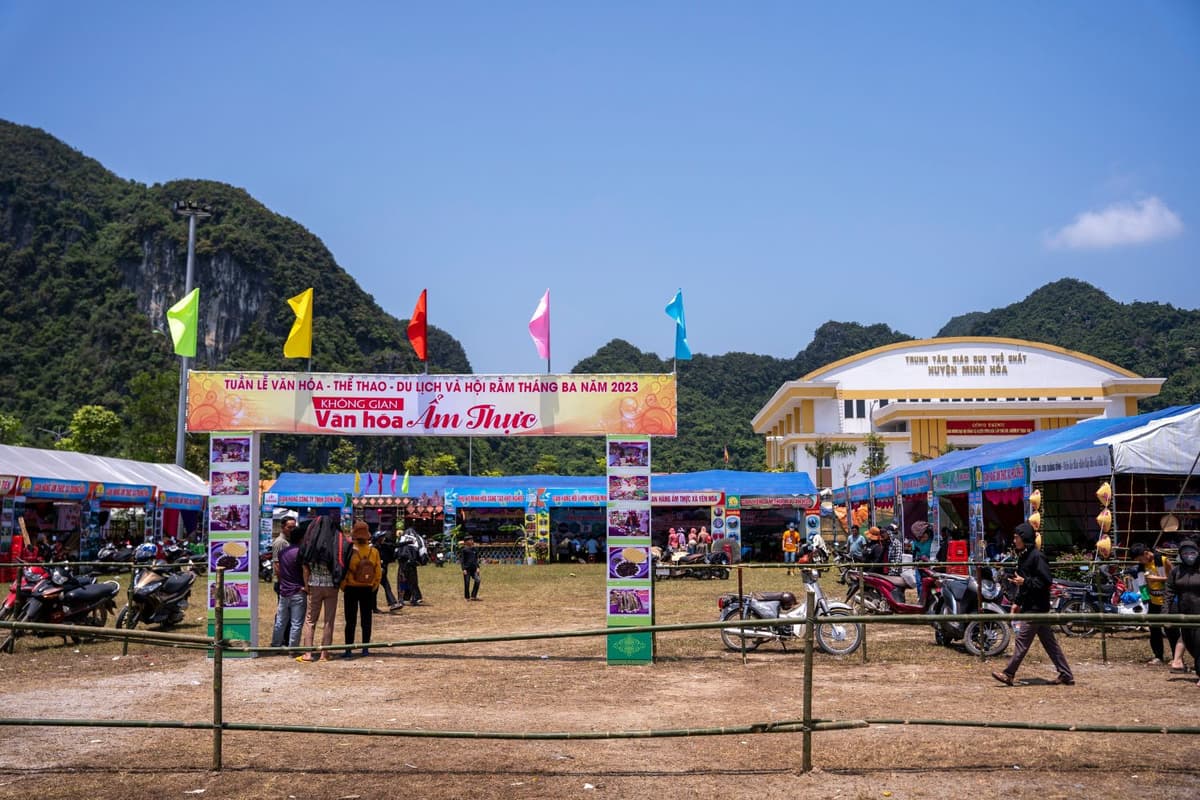
Vibrant atmosphere at March Full Moon Festival in Minh Hoa.
Minh Hoa Love Market - A Tradition of Reunion
Perhaps the festival's most distinctive event is the Minh Hoa Love Market, held on the evening of the 14th day of the Third Lunar Month.
As the moon rises, young men and women dressed in their finest traditional clothing gather to sing, exchange conversations and get to know one another. Historically, it was an opportunity for unmarried couples to find future partners. Yet the market is equally famous for another tradition. Former lovers who were unable to marry are welcomed to meet again, share a cup of ruou doac (fermented palm wine), enjoy Com Poi together and reminisce about the past, all with the understanding and acceptance of the wider community. This remarkable spirit of generosity and mutual respect makes the Minh Hoa Love Market unlike any other in Vietnam.
The festival is also a vibrant marketplace where mountain products such as wild honey, mushrooms, cassava silkworms, bee pupae, stream snails and medicinal herbs are traded. One custom that fascinates many visitors is the way transactions are completed. Rather than bargaining extensively, buyer and seller simply agree on a price and seal the deal with a handshake or a clap of hands, a gesture that symbolises trust, honesty and the straightforward character for which the people of Minh Hoa are well known.
For travellers whose visit to Tan Hoa coincides with the Third Lunar Month Festival, it offers a rare opportunity to experience the community at its most vibrant. Folk songs echoing across the mountains, the excitement of traditional games and an evening stroll through the moonlit market create memories that are difficult to find anywhere else in Vietnam.
Living with the Floods - A Remarkable Culture of Adaptation
Mention Tan Hoa, and many Vietnamese immediately think of its long-standing reputation as the "flood capital" of Quang Tri Province (formerly Quang Binh Province). Nestled in a valley surrounded by towering limestone mountains and the Rao Nan River, the village experiences seasonal flooding almost every year, typically between September and November. During periods of prolonged rainfall, water rushes down from the surrounding mountains while the extensive cave system cannot drain quickly enough, gradually transforming the entire valley into a vast natural lake.
The devastating flood of 2010, when water levels rose to approximately 12 metres, marked a turning point for the community. Almost every home, crop and personal possession was submerged. Each rainy season, roads became impassable, daily life came to a standstill and many families were forced to evacuate to nearby hillsides until the floodwaters receded.
Rather than accepting this as an unavoidable hardship, the people of Tan Hoa developed an ingenious solution: the floating house. Built on buoyant steel drums and secured by steel guide poles anchored deep into the ground, these houses rise gradually with the floodwaters while remaining safely in place. Families can continue cooking, sleeping and carrying out their daily routines even when the entire village is underwater. Today, floating houses have become one of Tan Hoa's defining symbols and a practical example of how the community has learned to adapt to its unique environment.
What makes Tan Hoa truly remarkable is that local people do not view floods solely as a natural disaster to endure. Instead, they have embraced them as part of life and transformed this extraordinary environment into an experience found in very few places around the world.
During the flood season, visitors can stay in Rural Homestays and witness the unique sensation of a house gently rising with the water level. They can paddle a kayak or stand-up paddleboard through village streets that have become waterways, join local residents in fishing or casting nets directly in front of their homes, and spend the evening sharing traditional meals while listening to stories of resilience, community and life in the valley.
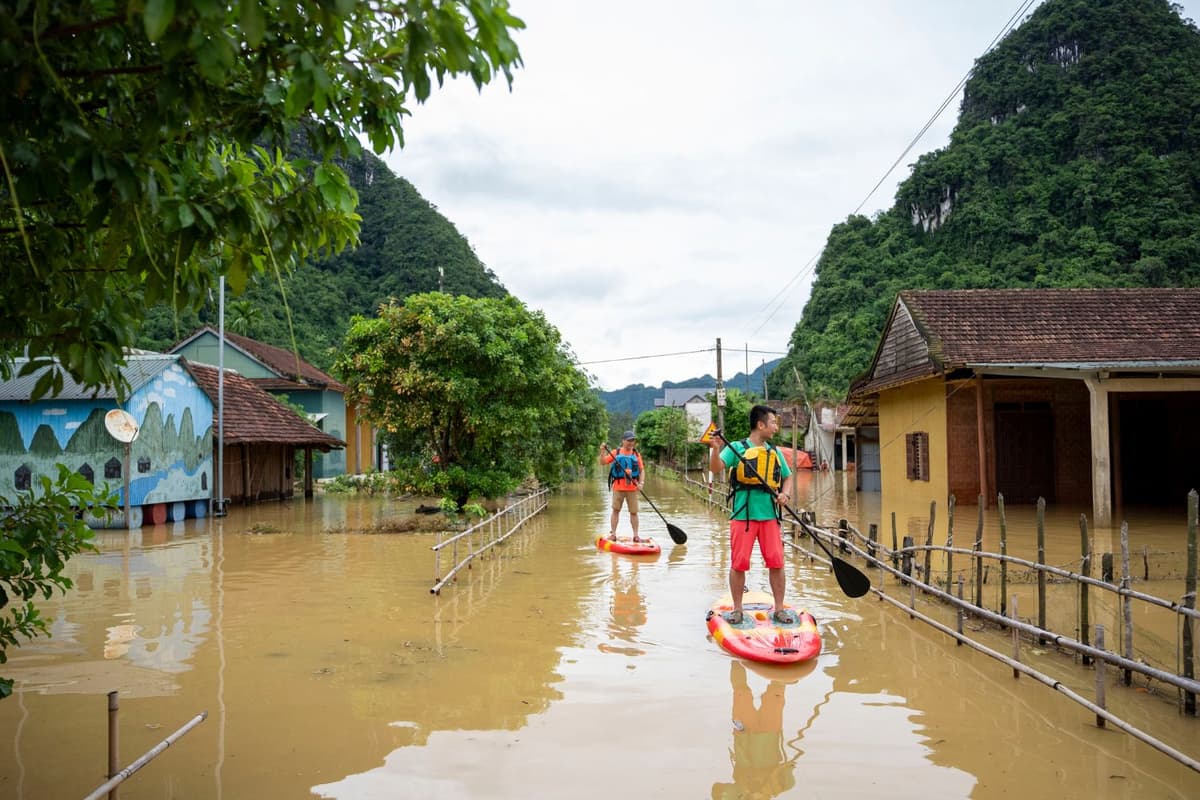
SUP paddling experience during the flood season in Tan Hoa village.
Perhaps the greatest transformation brought by tourism is not the unique experiences it offers visitors, but the positive impact it has had on the lives of Tan Hoa's residents. In the past, limited livelihood opportunities led some people to rely on logging or hunting to support their families. Today, many have found stable employment as local guides, porters, cooks, homestay hosts and support staff for adventure tours. Sustainable tourism has enabled people to remain in their hometown while becoming active stewards of the forests, rivers and landscapes that have sustained their community for generations.
By placing nature conservation, cultural preservation and sustainable livelihoods at the centre of its development, Tan Hoa has become a global example of community-based tourism. This approach earned the village recognition as one of UN Tourism's Best Tourism Villages in 2023. More than an award for scenic beauty, the honour celebrates the resilience, adaptability and collective spirit of a community that has transformed adversity into one of its greatest strengths.


Whether you prefer long treks, camping in a cave, sleeping under the stars in the jungle, swimming underground in river caves, explore the huge dry caves or just taking an exploratory day trip, Oxalis Adventure Tours can provide the right amount of adventure just for you.