Dinner at a Local Home in Tan Hoa: Discover Local Food and Culture
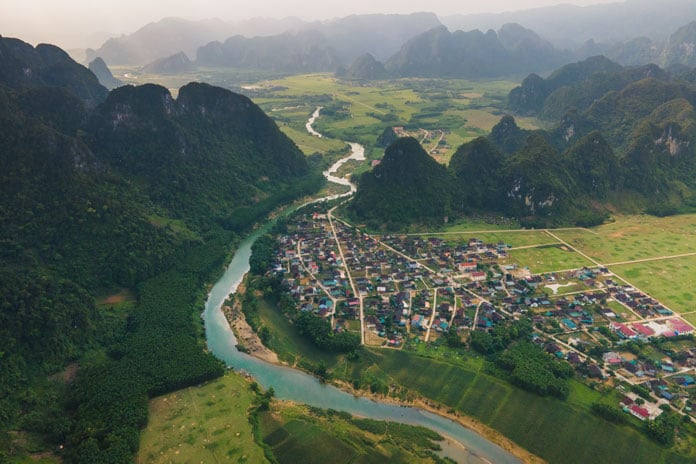
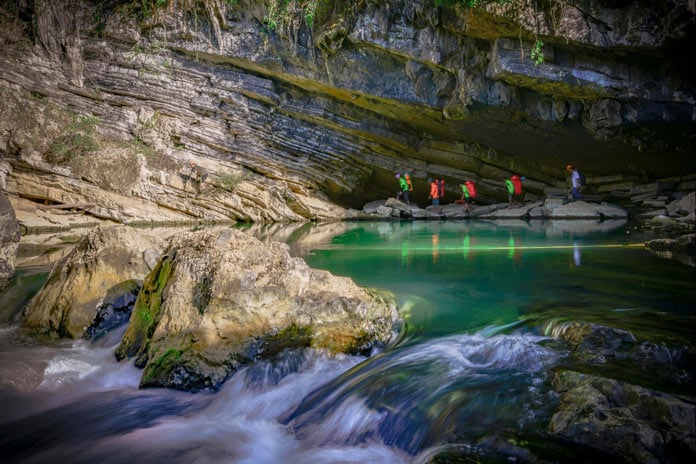
As the sun slowly sets behind the mountains, explorers return from the forest to Tan Hoa village and check in to rest after days of discovering the Tu Lan cave system. But the evening is not only for relaxing. It also brings a special experience: a local home dinner, where visitors enjoy simple dishes together with local people, just like in their daily life.
Following a guide, guests ride bicycles along small village roads to visit a family’s home. In the warm and friendly space, they are invited to enjoy hot tea, listen to simple stories, and sit together around a family meal. People from different places, who were strangers before, now feel closer and more connected.
For Vietnamese people, sharing a meal is a way to open their hearts and minds. Once you sit at the table, you are no longer just a guest; you become a friend, even like family. A dinner at a local home helps travelers truly feel the culture and daily life of Tan Hoa, making the journey about not only nature, but also the people who live there.
Listening to the story of floating houses in Tan Hoa
As visitors step into the yard, they are warmly welcomed by the local guide and the host family. The main house is simple and spacious, typical of rural Central Vietnam. Next to it stands a floating house, a special part of daily life that shows how people in Tan Hoa adapt to seasonal floods. The floating house is designed to rise with the water level, supported by large barrels fixed underneath. It is held in place by tall pillars, about 5 - 7 meters high, to keep it from drifting away during strong floods. Inside, local families store food, valuable items, and household goods that could be damaged by water. Today, floating houses come in different sizes, from 16 square meters to more than 40 square meters.
Born and raised in one of the most flood-prone areas of Central Vietnam, local people have lived through many historic floods. There were times when families lost their homes, their belongings, and even loved ones. Still, they choose to stay in their village and remain connected to the land their families have lived on for generations. After each flood season, there were suggestions to move the whole village to higher ground, but this was not realistic, as most families did not want to leave their hometown.
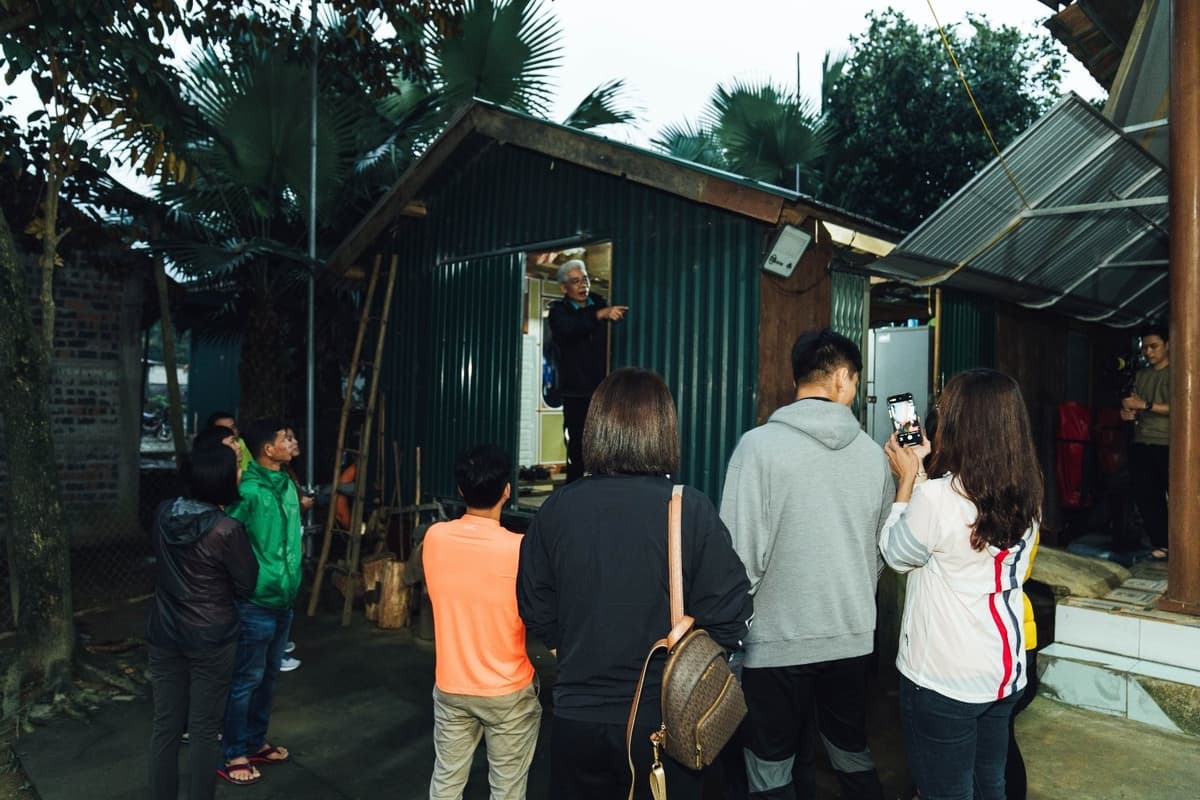
Visit local residents’ floating houses before dinner.
Instead of leaving, the people learned how to live with floods through creativity and adaptation. That is how floating houses were created. By 2023, nearly 620 floating houses had been built in Tan Hoa commune. When the rainy season comes, families store food and clean water on their floating houses, enough for about 7 - 10 days, so they feel more secure during long floods. During flood season, livestock such as buffaloes and cows are moved to higher ground in areas agreed upon by the community. When the water goes down, they can return to the fields easily. Every day, villagers paddle boats to cut grass and bring it back to feed their animals, keeping daily life going even when the village is surrounded by floodwater.

A Floating House of a Local Family in Tan Hoa
Experiencing making Com Poi with local people
Com Poi is a familiar dish in the daily meals of the Nguon people, who mainly live in the mountainous areas of Kim Phu commune, Quang Tri (formerly Tan Hoa commune, Minh Hoa district, Quang Binh). For local people, Com Poi is not just food to fill the stomach, but an important part of their way of life.
During dinner in Tan Hoa, visitors not only get to taste Com Poi but also have the chance to listen to the traditional pounding Poi singing and take part in the pounding process together with local people. The steady rhythm of the pestle blends with simple melodies and the shared chant “hoi len, la hoi len,” creating a warm and friendly atmosphere. The pounding Poi song of the Nguon people was traditionally a love song sung by young men and women during festivals, and it also serves as a way to welcome new friends. Listening to these songs in the peaceful village of Tan Hoa, travelers can truly feel the sincerity, simplicity, and deep cultural values that have been preserved through many generations.
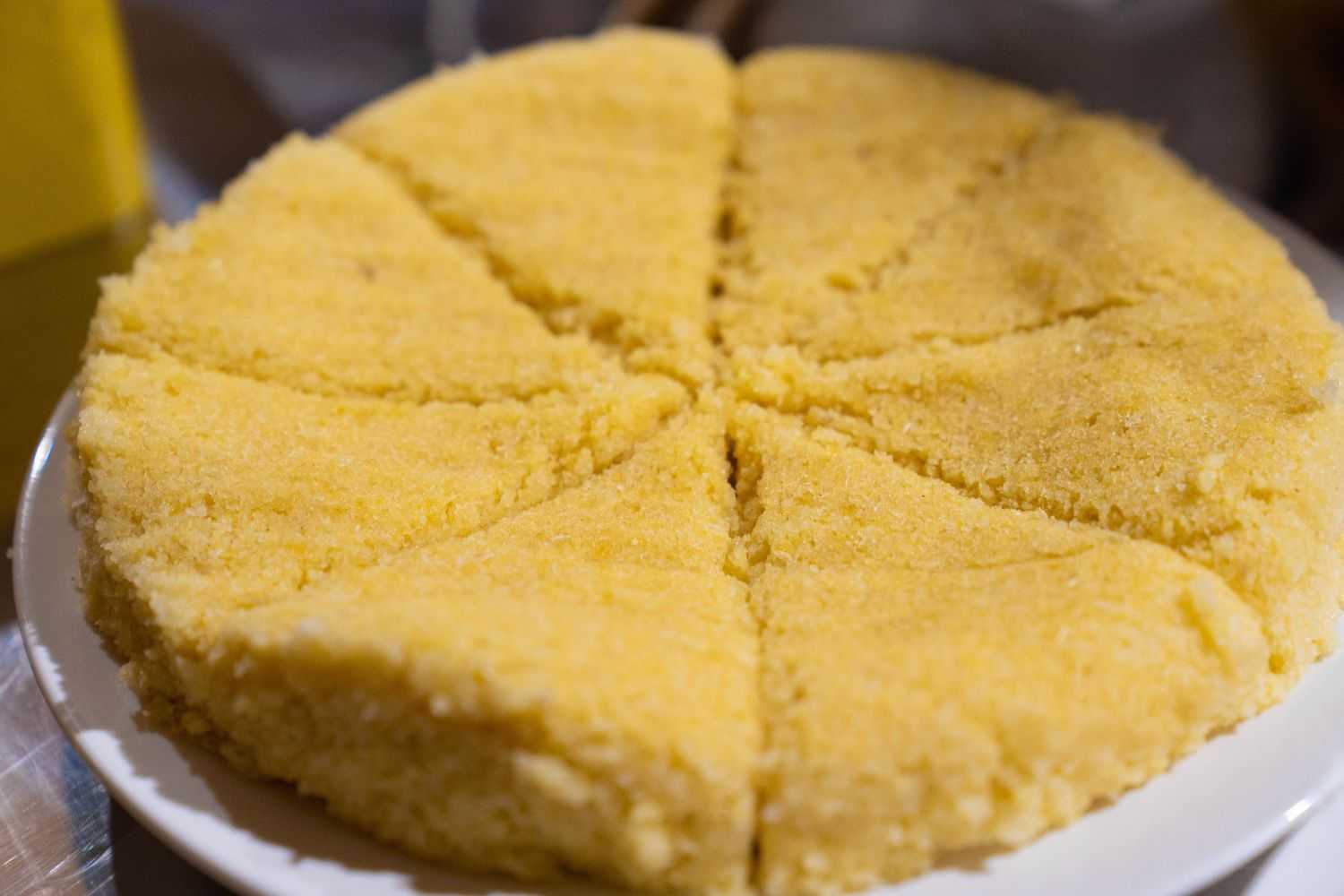
Com Poi is made from pounded corn and cassava, mixed and then steamed.
Enjoying local dishes
One of the things visitors love most about the dinner is the local food. Everyone sits together, sharing the meal, and is pleasantly surprised as the host brings out one dish after another. Soon, the table is filled with a colorful spread: fresh boiled greens, grilled meat with fragrant lime leaves, rich braised chicken, a bowl of hot pumpkin soup, grilled eggplant, Tan Hoa spring rolls, fried eggs, and a plate of soft, sticky Com Poi. These dishes may seem simple and familiar, but they are cooked with a special local flavor, making the meal warm, hearty, and truly delicious.
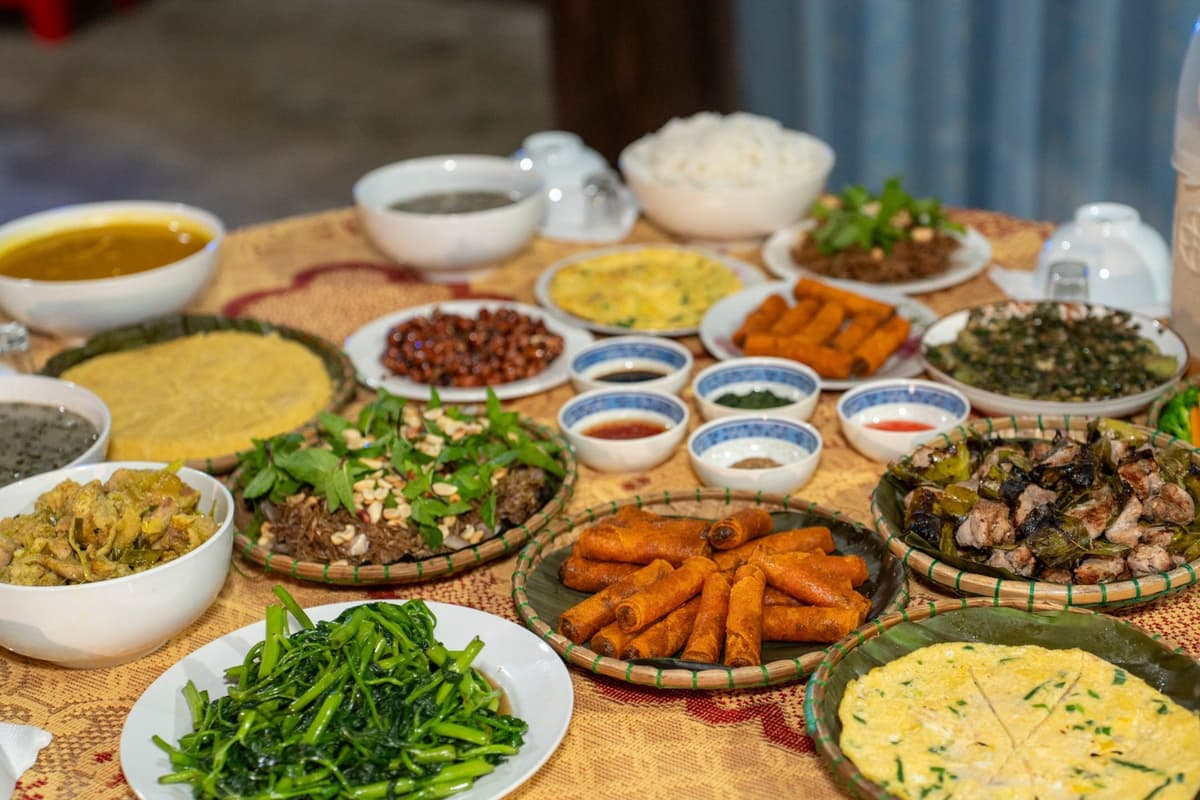
One of the dishes at a local family’s home
In this warm and cozy setting, visitors can easily feel the hospitality of the host family. The food seems even more delicious because it is cooked with true sincerity. The hosts always wear gentle smiles, greeting and thanking guests with kind words and appreciative looks. It is this simplicity and friendliness that make the dinner truly complete, not only because of the tasty dishes, but also because guests feel welcomed like familiar members of the family.
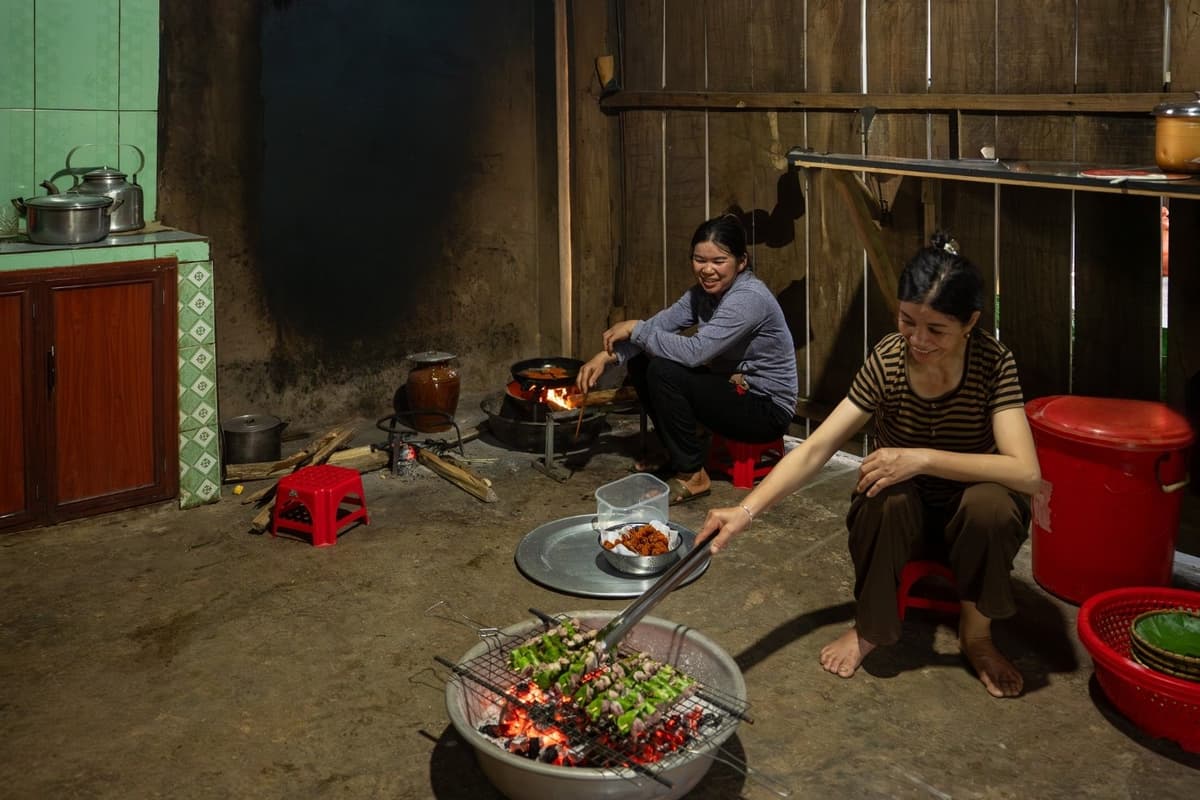
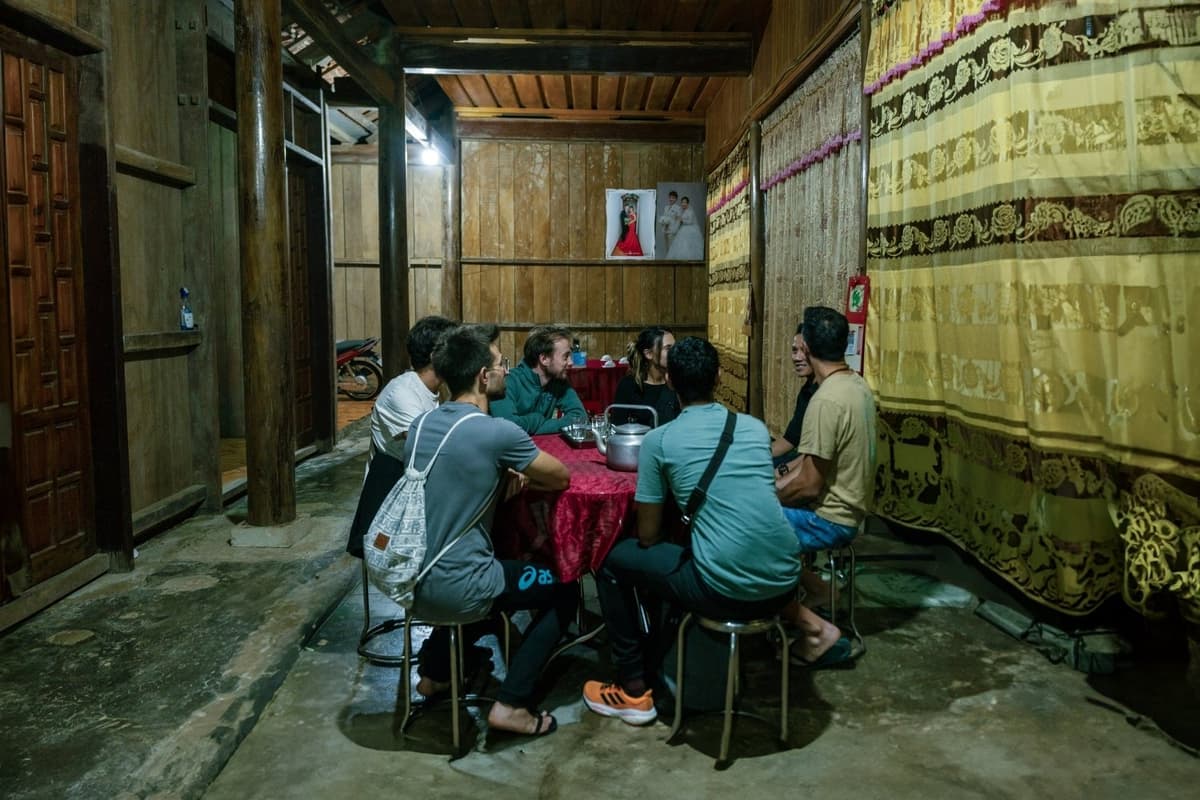
Travelers enjoy a dinner prepared by local people.
Contributing to positive change in the local community
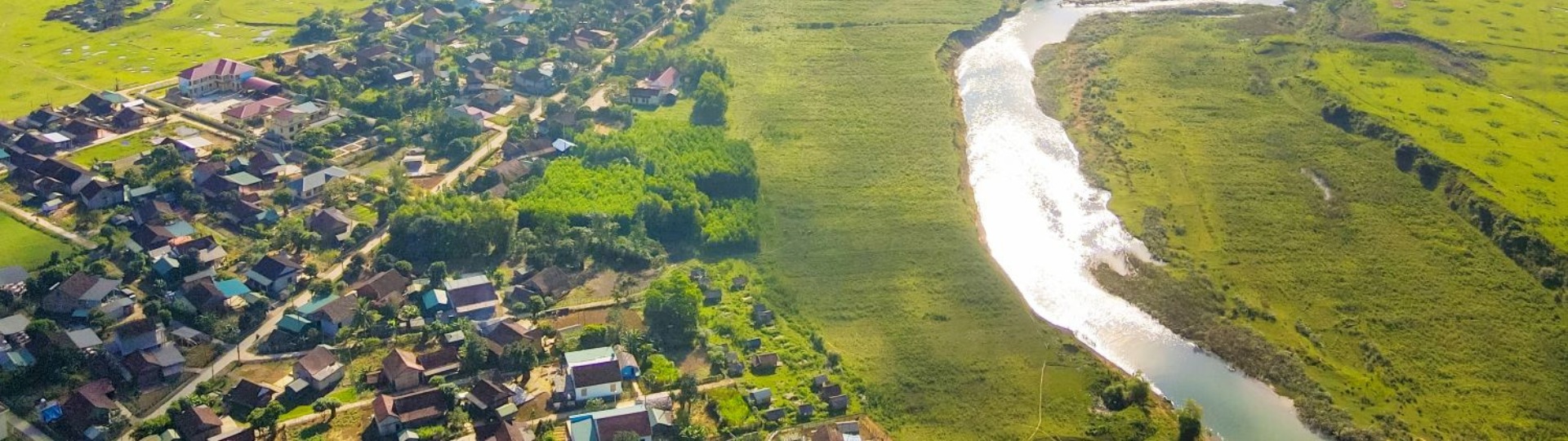
In the past, life in Tan Hoa was closely tied to farming and the crop seasons, with unstable income. Many families were used to the reality that a good harvest meant having enough to eat, while a bad season meant struggling to get by. Some even had to leave their hometown and move to big cities in search of work and a living.
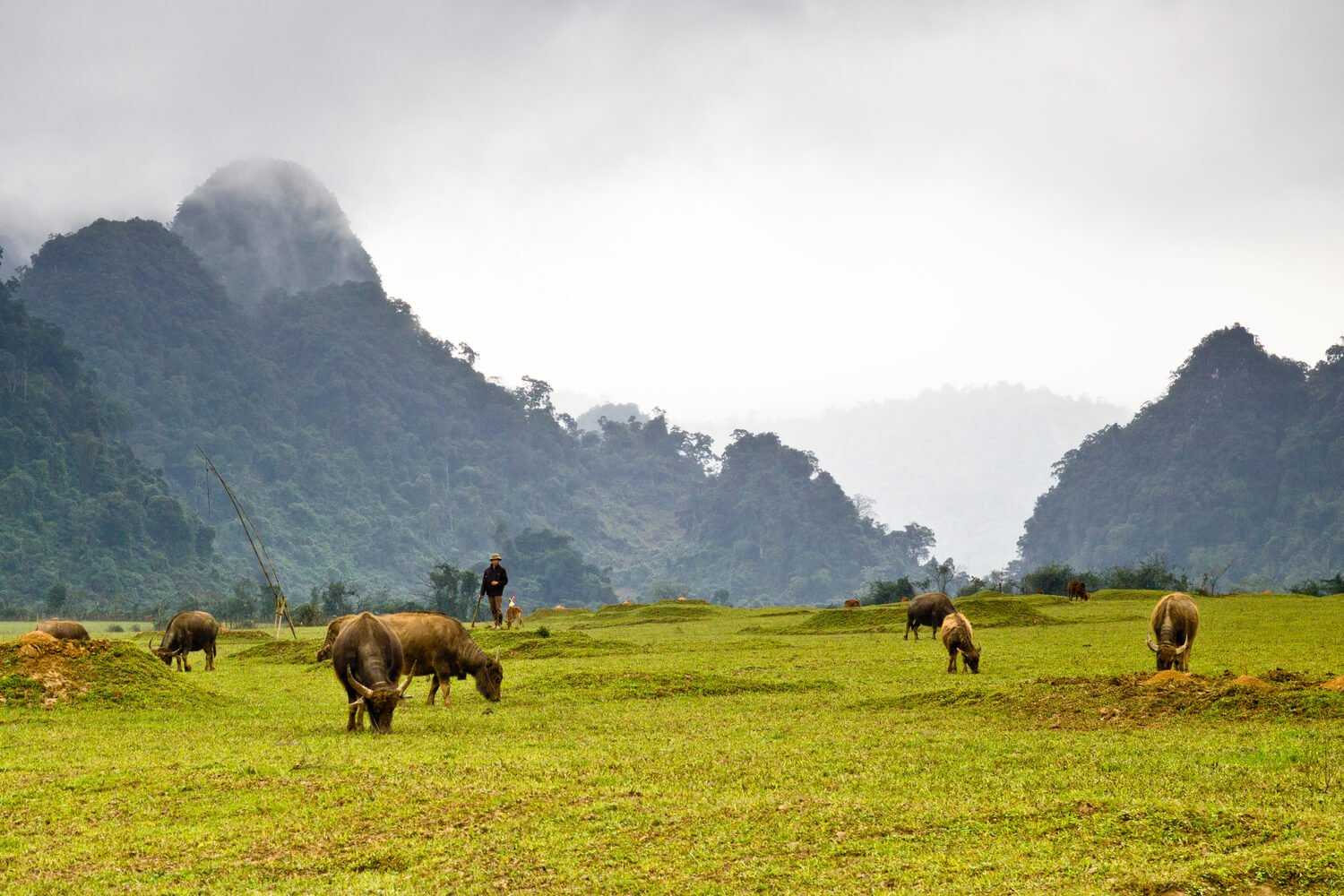
In the past, people in Tan Hoa mainly relied on farming and livestock raising for their livelihoods.
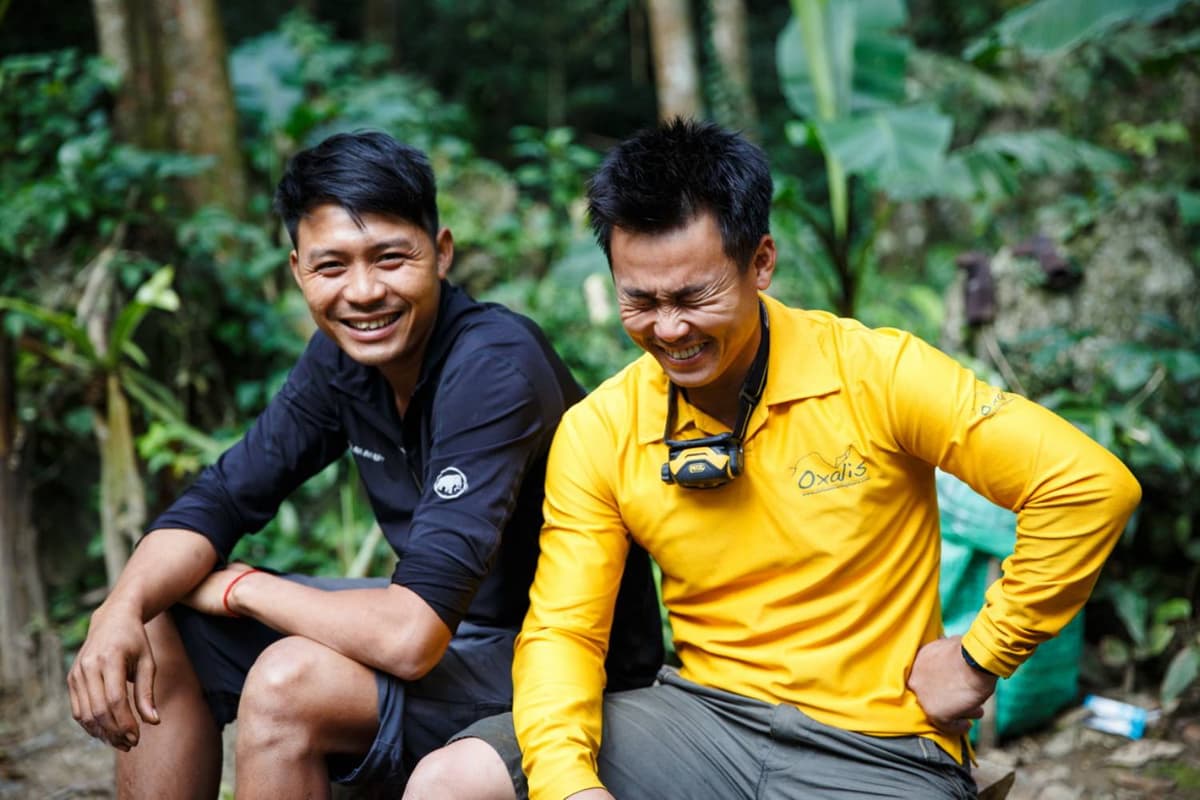
And then, when cave adventure tours were introduced and began welcoming thousands of travelers each year, life in Tan Hoa slowly improved. In the early days, Oxalis created jobs mainly for men in the village, people who were farmers and forest workers, familiar with the terrain and physically strong. They were given opportunities to work as cooks and porters, supporting the tours and visitors.
Later on, to expand the shared economy, services such as local home dinners and Rural Homestay were developed. These models helped women and mothers in the village find more stable work beyond daily farming and livestock care. From their own familiar kitchens, many wives earned a steady income for the first time, making life less difficult than before. Today, the local home dinner experience is included in overnight and multi-day expeditions to explore the Tu Lan cave system, allowing travelers to connect more deeply with both nature and the local community.

A Rural Homestay at a local family’s home in Tan Hoa, helping to create income for local people.
In addition, guests staying at Tu Lan Lodge, even if they do not join Oxalis adventure tours, can still book a private local home dinner experience at 250,000 VND per person (VAT included). Of this amount, 200,000 VND is paid directly to the host family to prepare the meal, while 50,000 VND is managed by Oxalis to cover operations, sales, marketing, and taxes. With a stable flow of visitors provided each month, each participating family can earn around 8 - 10 million VND per month from this service.
Thanks to sustainable tourism, the poverty rate in Tan Hoa has dropped significantly, from 85.7% in 2010 to just 2.6% in 2024. Today, more than 130 residents are directly involved in tourism activities with Oxalis, meaning their income no longer depends only on farming and livestock.
Many other families also benefit indirectly through tourism, such as livestock cooperatives raising pigs, cows, and chickens, or households growing vegetables and supplying food for Tu Lan cave expeditions. Community-based tourism has given local people the confidence that they can build a stable life on their own land, using what is most familiar and close to them.
Shared dinners at local homes and peaceful nights at Rural Homestays or Tu Lan Lodge are more than just travel experiences. They are small but meaningful parts of Tan Hoa’s journey toward sustainable change. Every visitor who comes here is also sharing and contributing, helping to build stronger floating houses for the flood season, better sanitation facilities, schools, and other community infrastructure. Step by step, local lives improve, and this small village gains the resources and confidence to protect and preserve its traditional culture for future generations.

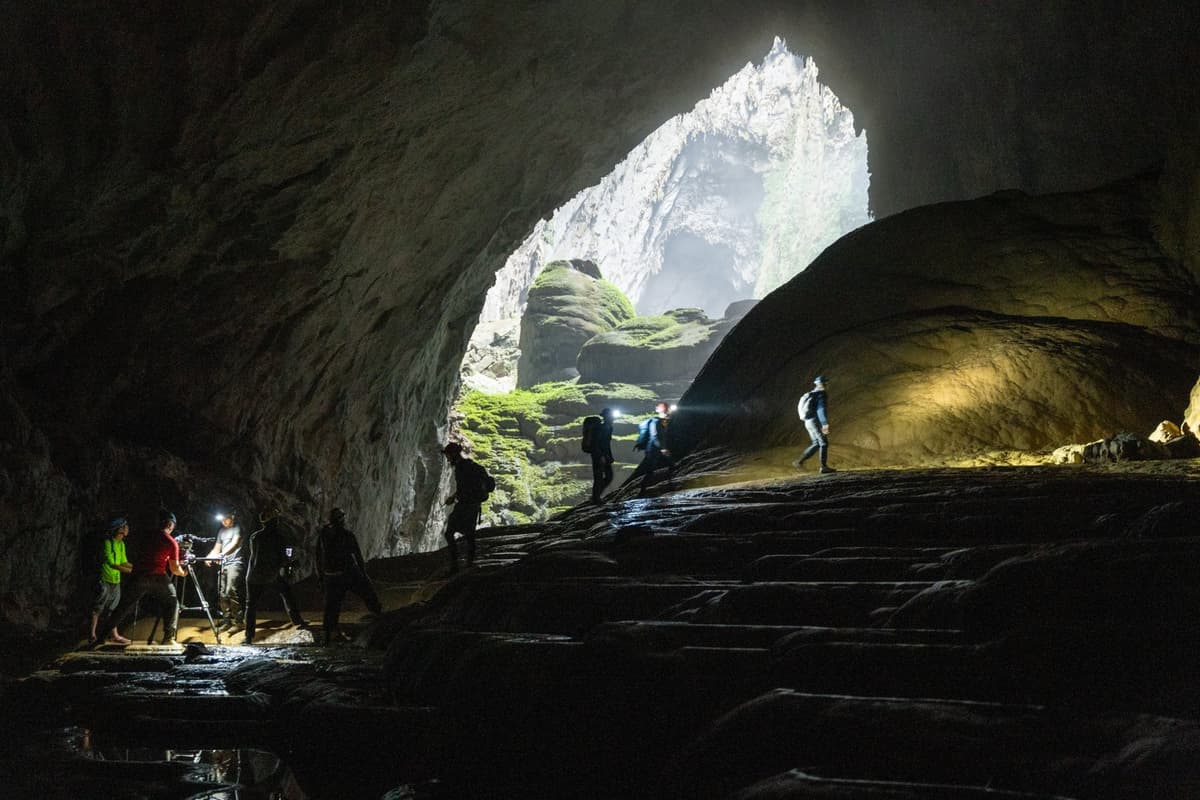
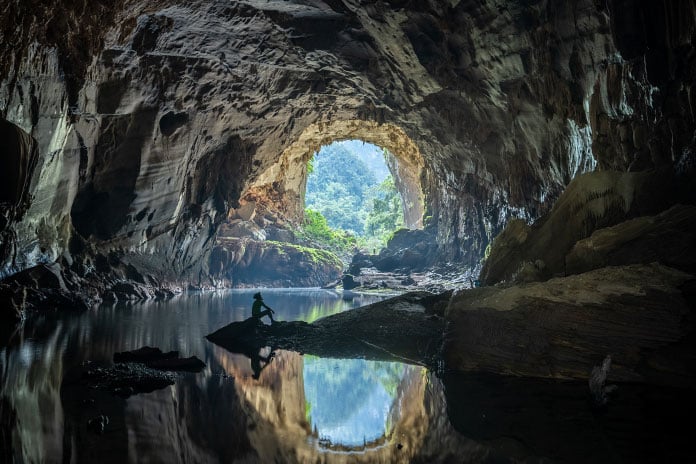
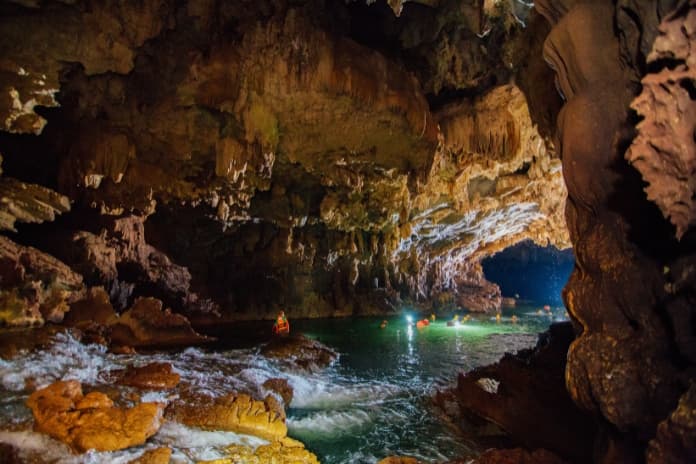
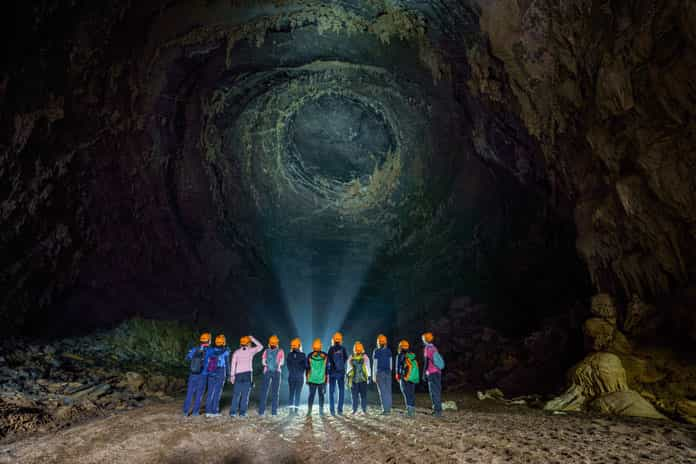
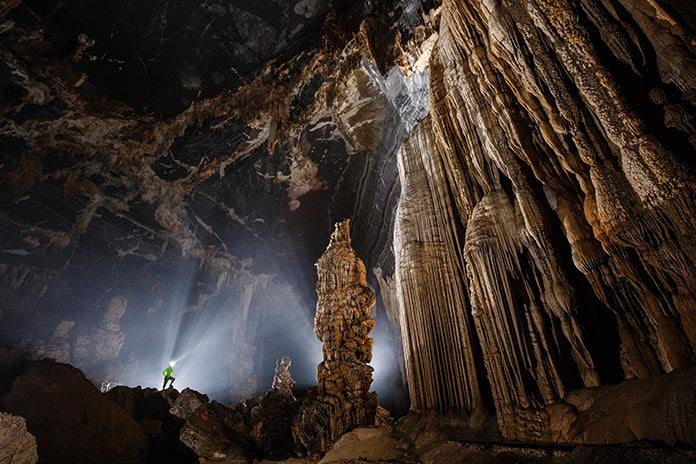
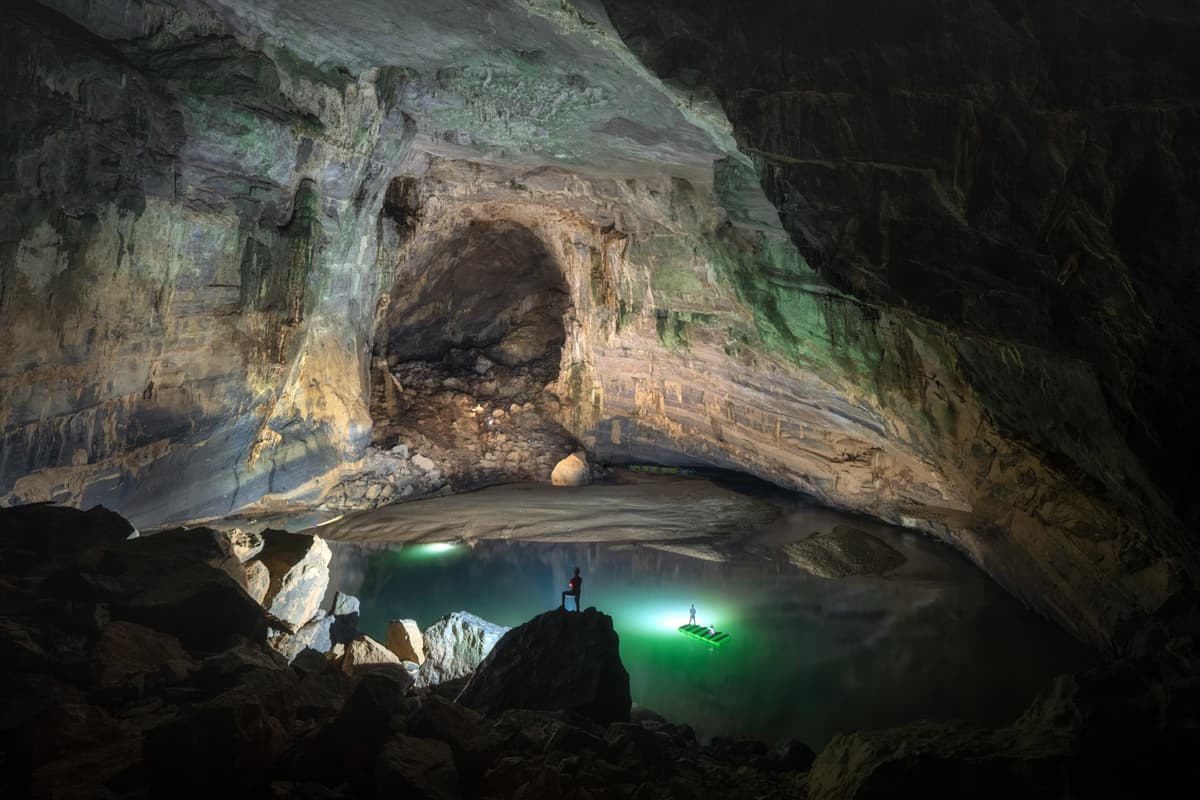
Whether you prefer long treks, camping in a cave, sleeping under the stars in the jungle, swimming underground in river caves, explore the huge dry caves or just taking an exploratory day trip, Oxalis Adventure Tours can provide the right amount of adventure just for you.
__637051782550081035.jpg)
__637051780703588520.jpg)
__637051765075307793.jpg)
__637051774329206026.jpg)
__637740499994967442.jpg)