
Vietnam's Natural Beauty: A Guide to Sustainable Tourism
Vietnam is a land of breathtaking beauty, where nature and culture blend seamlessly to create an unforgettable experience for travelers. From the picturesque rice terraces of Sapa, the shimmering emerald waters of Ha Long Bay, to the magnificent cave complexes in Quang Binh and the stunning coastal beaches of Central Vietnam, every corner of the country is a testament to the wonders of nature.
Embracing this beauty comes with a responsibility—responsible travel is not just about respecting local communities and traditions but also a powerful way to combat climate change and protect the environment.
By choosing sustainable tourism, visitors to Vietnam can play a meaningful role in preserving its pristine landscapes and ensuring a better future for generations to come. This guide offers insights into how responsible travel can enhance your journey while contributing to a healthier planet.
Sustainable tourism is the best method to protect the environment and preserve pristine landscapes for future generations
Sustainable Tourism Trends Globally and Vietnam’s Commitment
In recent years, sustainable tourism has become a major global trend as awareness about environmental issues grows. Tourists today are more conscious of their impact on the planet, leading to a shift in the tourism industry from mass travel to responsible and eco-friendly tourism. Many destinations worldwide are adopting sustainable practices, focusing on environmental conservation, supporting local communities, and preserving cultural heritage. Countries such as New Zealand, Costa Rica, and Bhutan have set the benchmark for sustainable tourism, striving to protect their ecosystems while offering meaningful travel experiences.

Many destinations worldwide are adopting sustainable practices to protect their ecosystems
Vietnam, with its diverse landscapes and cultural wealth, is also making significant strides in embracing sustainable tourism. Recognizing its responsibility in protecting its natural resources, the Vietnamese government has committed to several ambitious environmental goals. As part of its commitment to sustainable tourism development, Vietnam has pledged to achieve Netzero emissions by 2050, aligning with global efforts to reduce the impacts of climate change.
In the tourism sector, Vietnam is focusing on promoting sustainable practices that not only preserve its stunning natural landscapes but also support the well-being of local communities. The government is working to integrate sustainability into its national tourism strategy, with an emphasis on eco-friendly tourism development, green infrastructure, and the promotion of responsible travel behaviors. Through these initiatives, Vietnam is positioning itself as an ideal destination for those seeking meaningful, sustainable experiences, reaffirming that sustainability is at the core of its tourism vision.
Be a responsible tourist in Vietnam
By adopting responsible travel practices, visitors can help preserve the country's natural beauty, cultural heritage, and local communities. Here are practical ways to support sustainable tourism in Vietnam.
1. Choose Green Transportation
Choosing green transportation is one of the simplest yet most impactful ways to promote sustainable travel and tourism in Vietnam. The country’s diverse landscapes and bustling cities offer numerous eco-friendly travel options that allow you to minimize your carbon footprint while exploring its beauty responsibly.
In cities like Hanoi, Ho Chi Minh City, and Da Nang, opt for public transportation such as buses or eco-friendly alternatives like electric shuttles. These reduce emissions and alleviate traffic congestion. For shorter distances, cycling or walking not only benefits the environment but also lets you experience the local culture and scenery up close. Cycling through Hoi An’s peaceful countryside or along the Mekong Delta is a fantastic way to connect with nature sustainably.
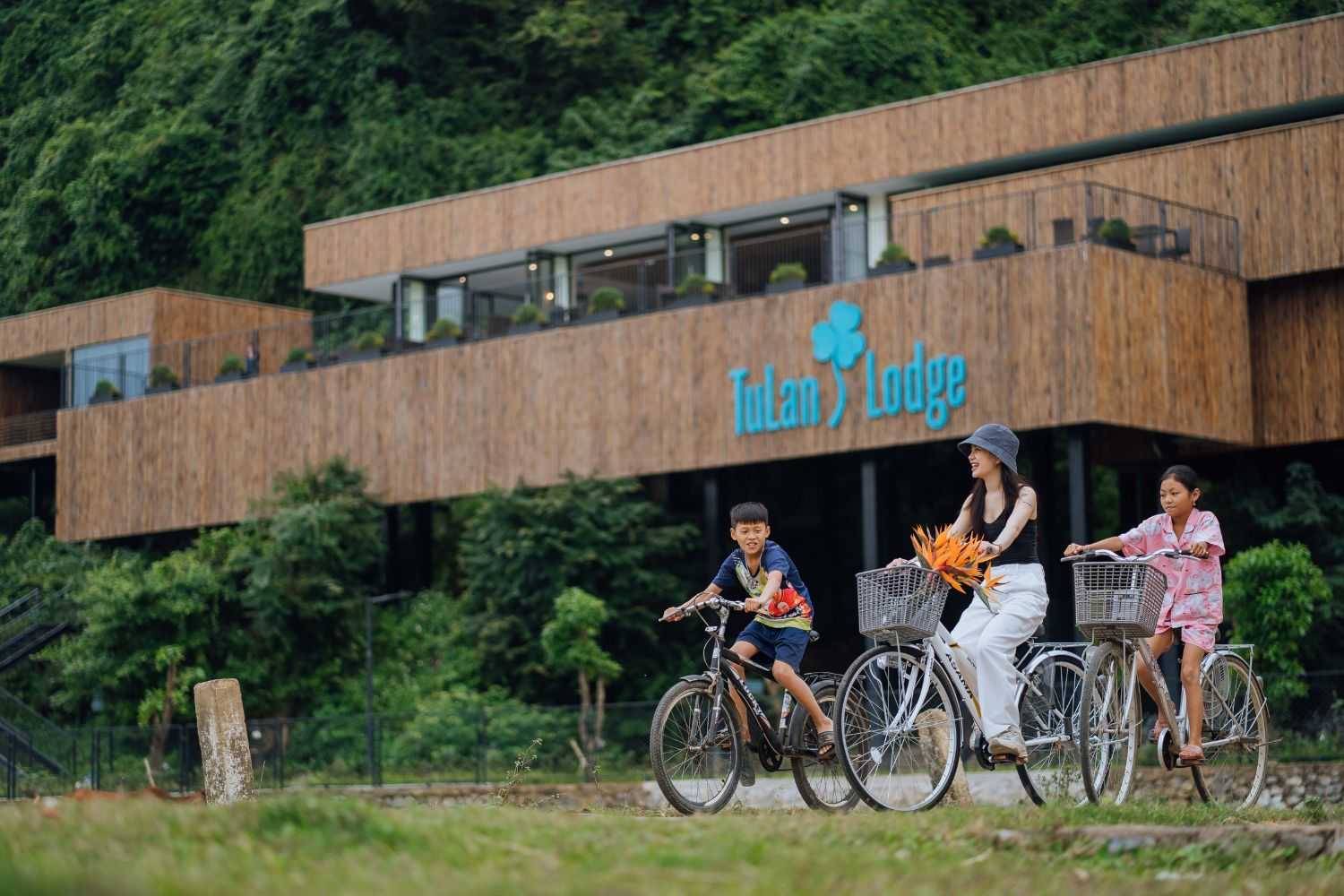
Travelers use green transportation to minimize their carbon footprint
For longer journeys, Vietnam’s extensive train network provides an excellent green alternative to flights. Scenic routes such as the Reunification Express offer travelers a chance to enjoy Vietnam’s breathtaking countryside while reducing air travel’s environmental impact. Additionally, shared rides or group tours are great options that cut down on individual vehicle use.
2. Eco-Friendly Practices
Adopting eco-friendly practices while traveling in Vietnam is essential to reducing environmental impact and promoting sustainable tourism. Small, conscious actions can make a big difference in preserving the beauty of nature.
You can start by minimizing single-use plastics and bringing reusable things such as water bottles, bamboo utensils, and cloth bags. Many accommodations and cafes now offer refill stations for water, making it easy to stay hydrated responsibly.
The next suggestion for you is to choose eco-certified accommodations that often employ energy-saving measures, support local communities, and minimize waste. Some significant options are Chay Lap farmstay and Tu Lan Lodge in Quang Binh, The Field restaurant in Hoi An, etc.
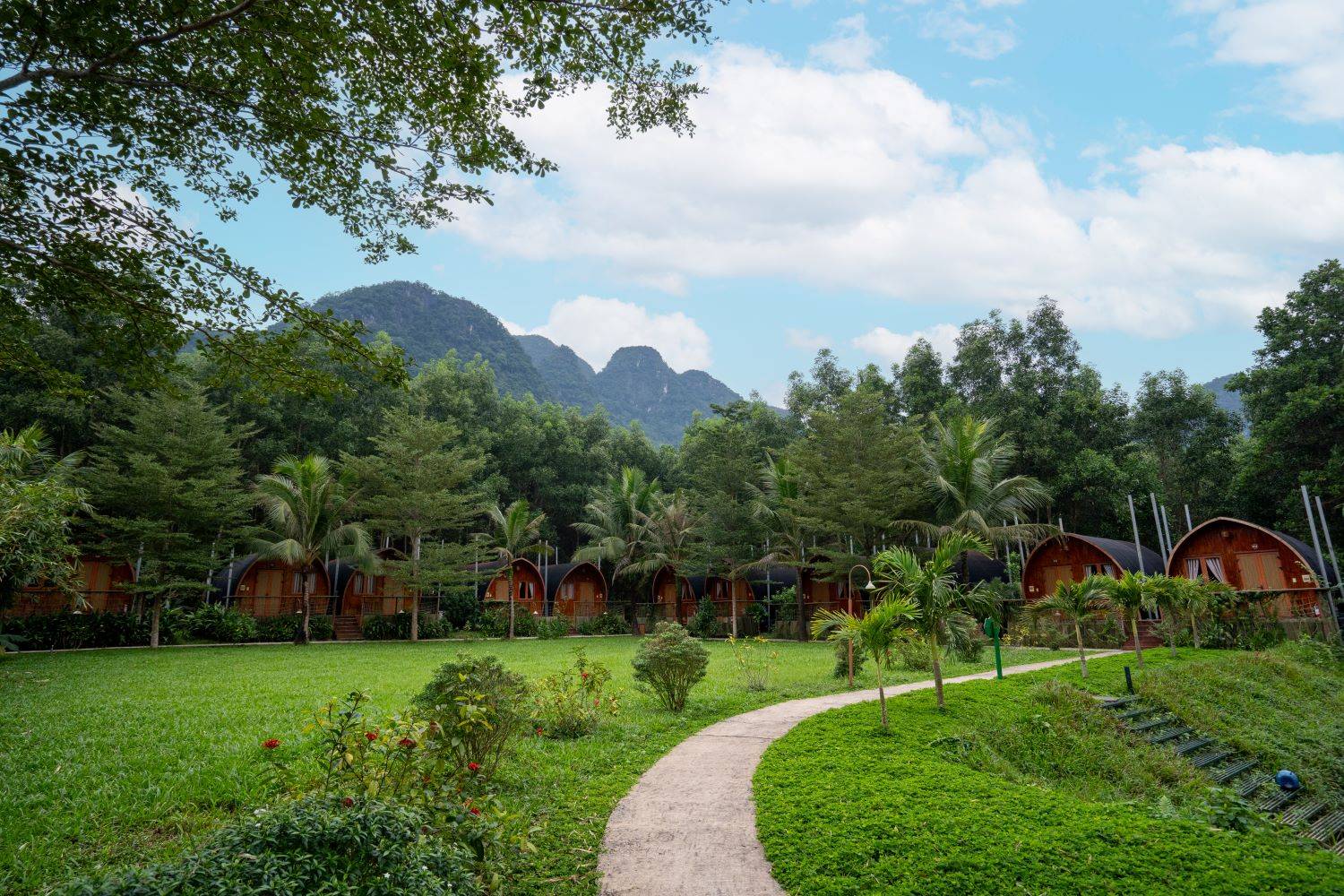
Chay Lap Farmstay is one of the best accommodations in Quang Binh province
In addition, you should reduce waste further by recycling and avoiding disposable items. Practice mindful energy use, such as turning off lights and air conditioning when not in use. These simple steps ensure that your travels contribute to preserving Vietnam’s stunning environment.
3. Respecting Local Cultures
Engaging respectfully with local communities is key to sustainable tourism. Tourists can support local artisans by purchasing handmade products and dining at family-owned restaurants, which helps sustain traditional livelihoods. Participating in cultural exchanges, such as cooking classes or craft workshops, enriches the travel experience while fostering understanding and respect. Visitors should also dress modestly and adhere to local customs when exploring rural areas or cultural landmarks, ensuring that their presence is both respectful and appreciated.

Non La or Chiec Non Bai Tho is a significant souvenir in Vietnam
4. Engaging in Low-Impact Activities
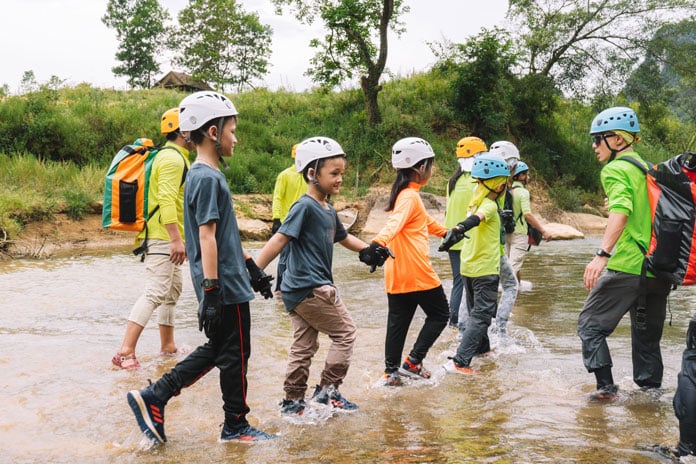
Vietnam’s diverse landscapes offer numerous opportunities for eco-friendly adventures. Tourists can enjoy kayaking in Ha Long Bay, trekking in Sapa or Phong Nha-Ke Bang, snorkeling with certified guides in Phu Quoc, or bird-watching in protected areas. These low-impact activities not only minimize environmental damage but also allow visitors to connect with nature responsibly.
By adopting these sustainable tourism practices, tourists can actively contribute to Vietnam’s responsible tourism goals, ensuring that its stunning landscapes, rich culture, and vibrant communities remain preserved for future generations. Together, responsible travelers and locals can make tourism a force for positive change.
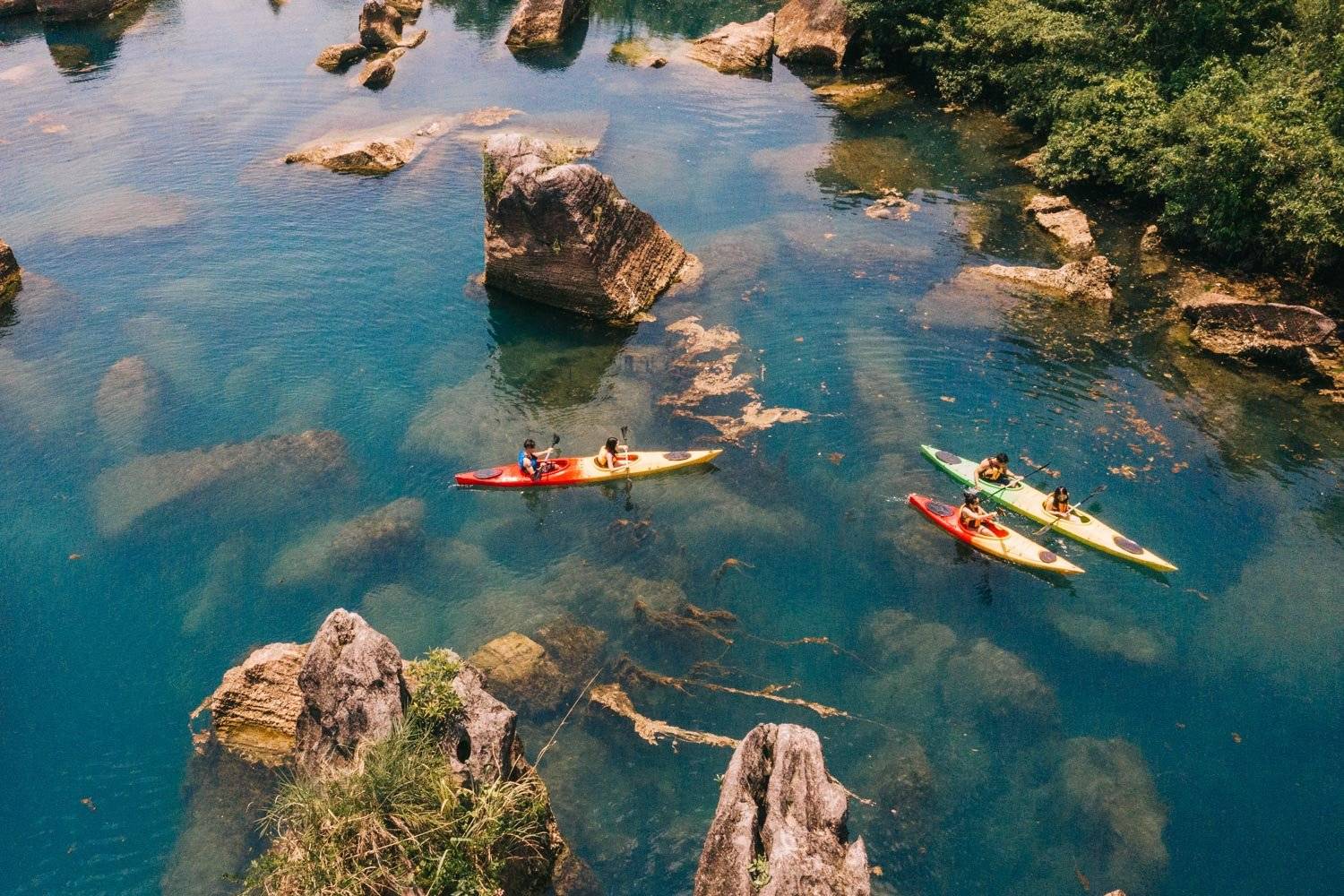
Kayaking is an outstanding activity to connect with nature
Significant Sustainable Tourism Destinations in Vietnam
Vietnam offers numerous opportunities for eco-friendly adventures. Here are some standout examples:
1. Trekking Through Terraced Rice Fields in Sapa
The Terraced Rice Fields in Sapa, Vietnam, are a stunning example of sustainable agriculture and breathtaking landscapes. These fields, carved into the mountainside over generations, not only showcase Vietnam's agricultural ingenuity but also support local communities. Visiting the rice terraces offers travelers a unique opportunity to explore eco-friendly tourism, where conservation efforts preserve the delicate environment while benefiting the indigenous ethnic groups. You can trek through the fields, engage with local farmers, and learn about sustainable farming practices. Sapa's terraced rice fields provide an authentic, sustainable experience that highlights the harmony between nature, culture, and responsible tourism.

Terraced Rice Fields in Sapa is famous for its sustainable agriculture and breathtaking landscapes
2. Son Doong Cave Expedition with Oxalis Adventure
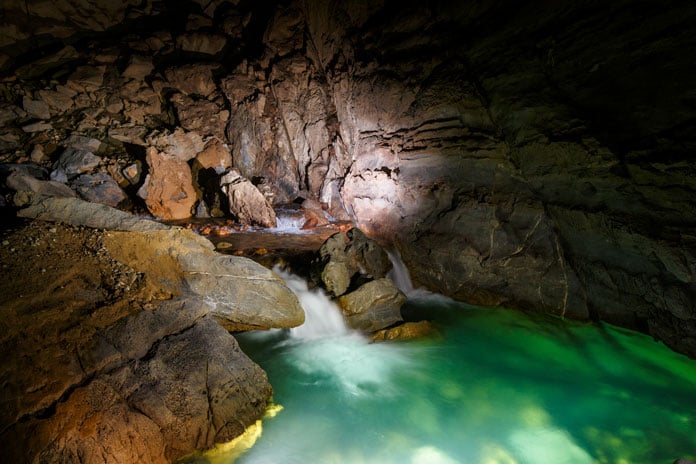
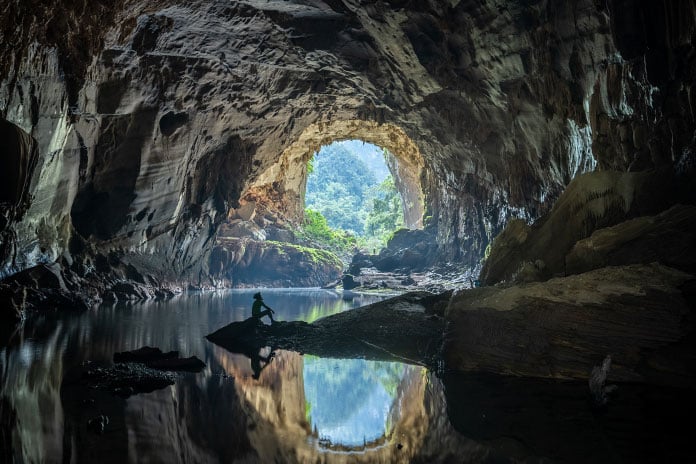
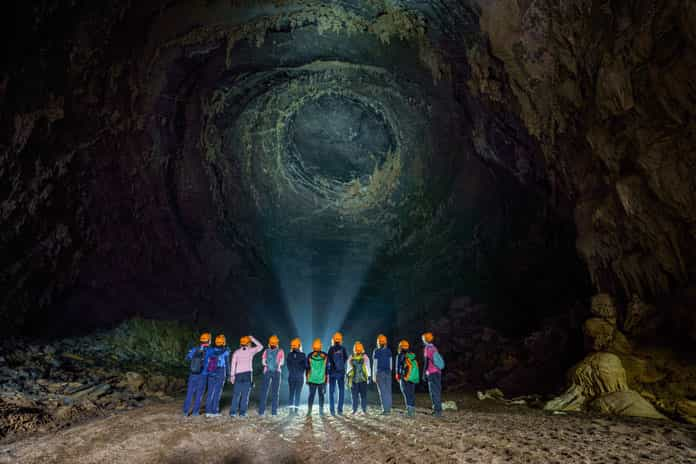
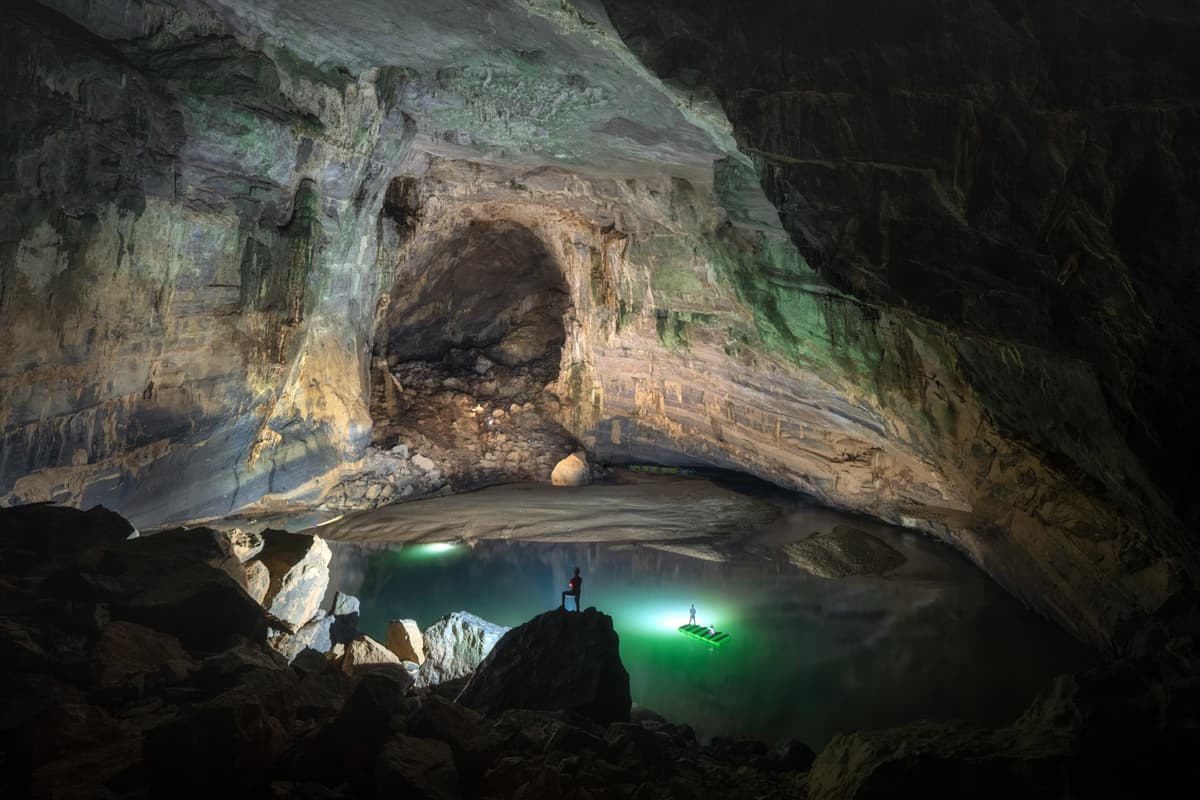
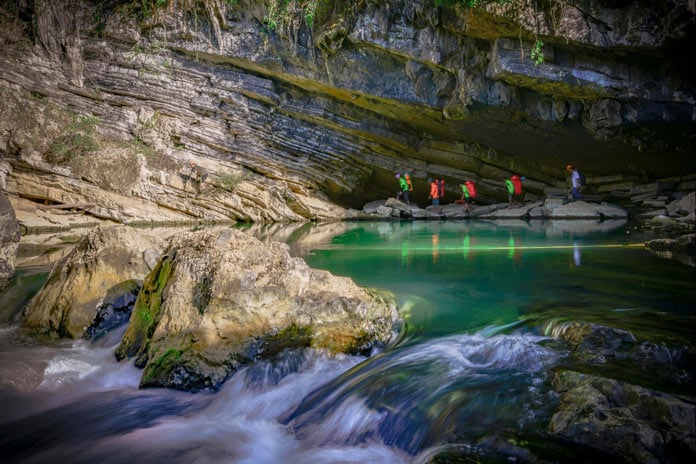
The Son Doong Cave, the world’s largest cave located in Phong Nha-Ke Bang National Park, is a marvel of nature and a symbol of sustainable tourism in Vietnam. Strict visitor limits and eco-conscious practices ensure the preservation of its fragile ecosystem. Guided tours emphasize environmental education while offering an unforgettable adventure through underground rivers, towering stalagmites, and lush jungles.
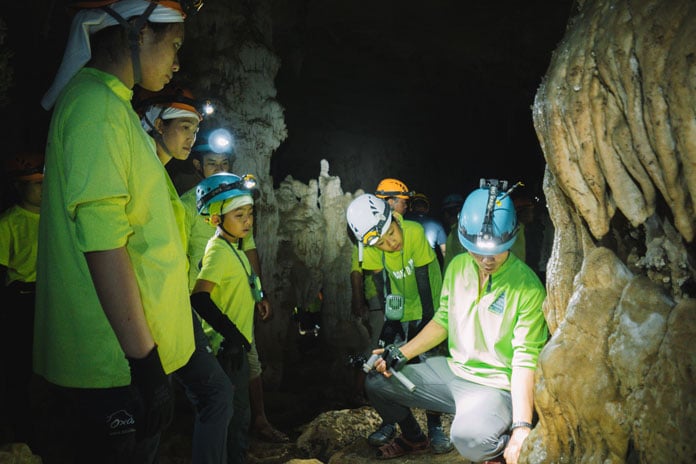
Oxalis, the company that operates Son Doong Tours, always follows sustainable tourism standards such as carrying everything including waste out of the forest, not using cleaning chemicals, etc. Each year, the company only serves 1,000 tourists and stops operating for 3 months to return the pristine environment to nature.

Son Doong Tour is strictly follows sustainable tourism standards and only serves 1,000 tourists every year
3. Camping in the Wild
For those seeking an immersive outdoor experience, Blue Diamond Camp provides eco-friendly camping options in Quang Binh's wilderness. These adventures prioritize minimal environmental impact and teach participants to protect nature. Activities like star-gazing, hiking, and wildlife observation allow travelers to connect deeply with Vietnam’s stunning landscapes while adhering to sustainable principles.
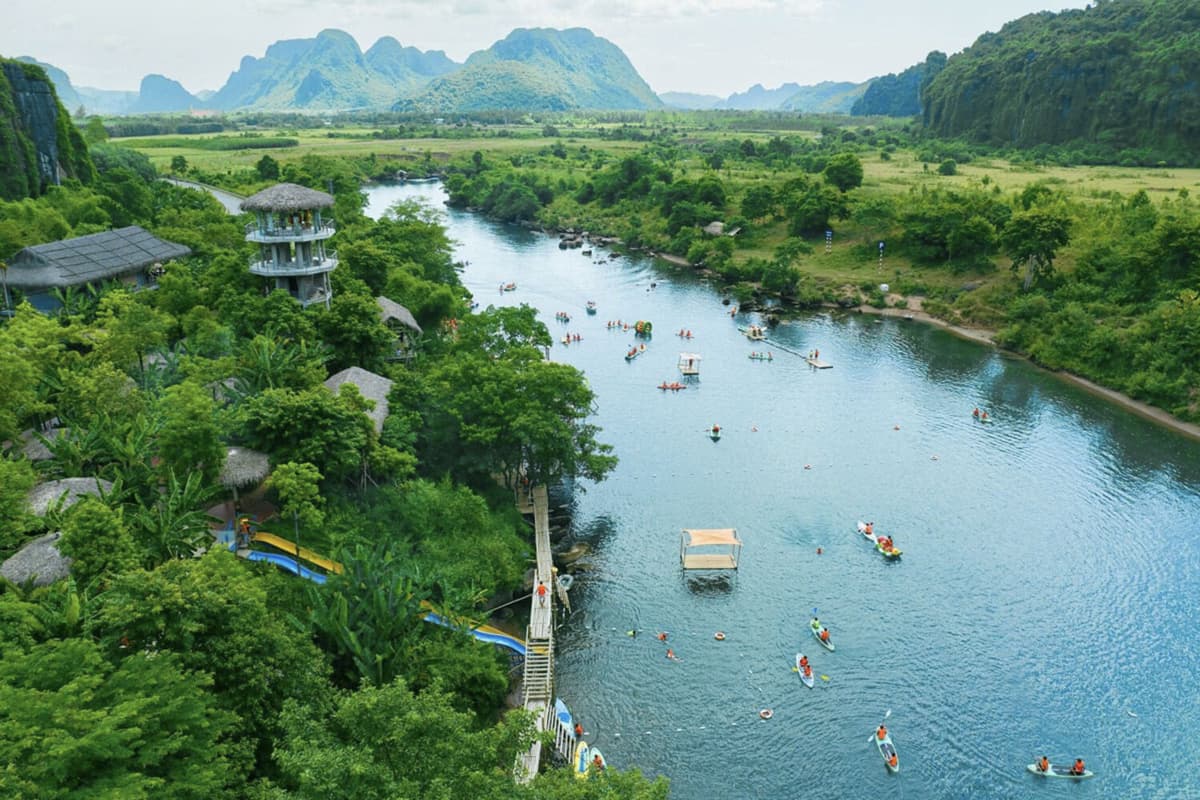
Blue Diamond Camp is an eco-friendly camping option in Quang Binh's wilderness
Besides, Mu Cang Chai (Yen Bai), Ba Vi National Park (Ha Noi), Cat Tien National Park (Dong Nai), and so on are some appreciated choices.
4. Visiting the Relic Complex in Ninh Binh
Ninh Binh, a UNESCO World Heritage site, is home to spectacular karst landscapes and rich cultural history. Visitors can explore Tam Coc’s limestone caves or the ancient temples of Hoa Lu, Bich Dong Pagoda, Tran Temple, etc, using eco-friendly options like rowboats and bicycles. This approach helps minimize environmental damage while supporting local boat rowers and artisans.
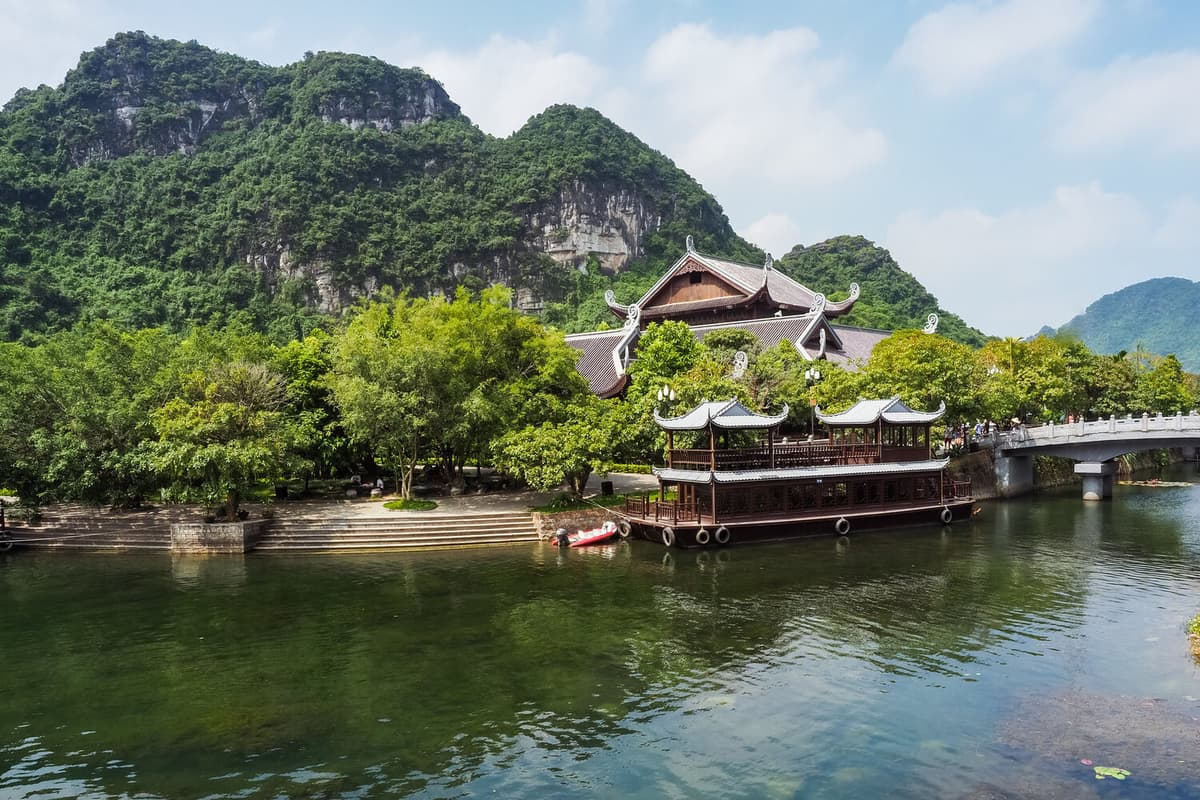
Ninh Binh has spectacular karst landscapes and the relic complex with rich cultural history
5. Weather-Adaptive Tourism in Tan Hoa Village
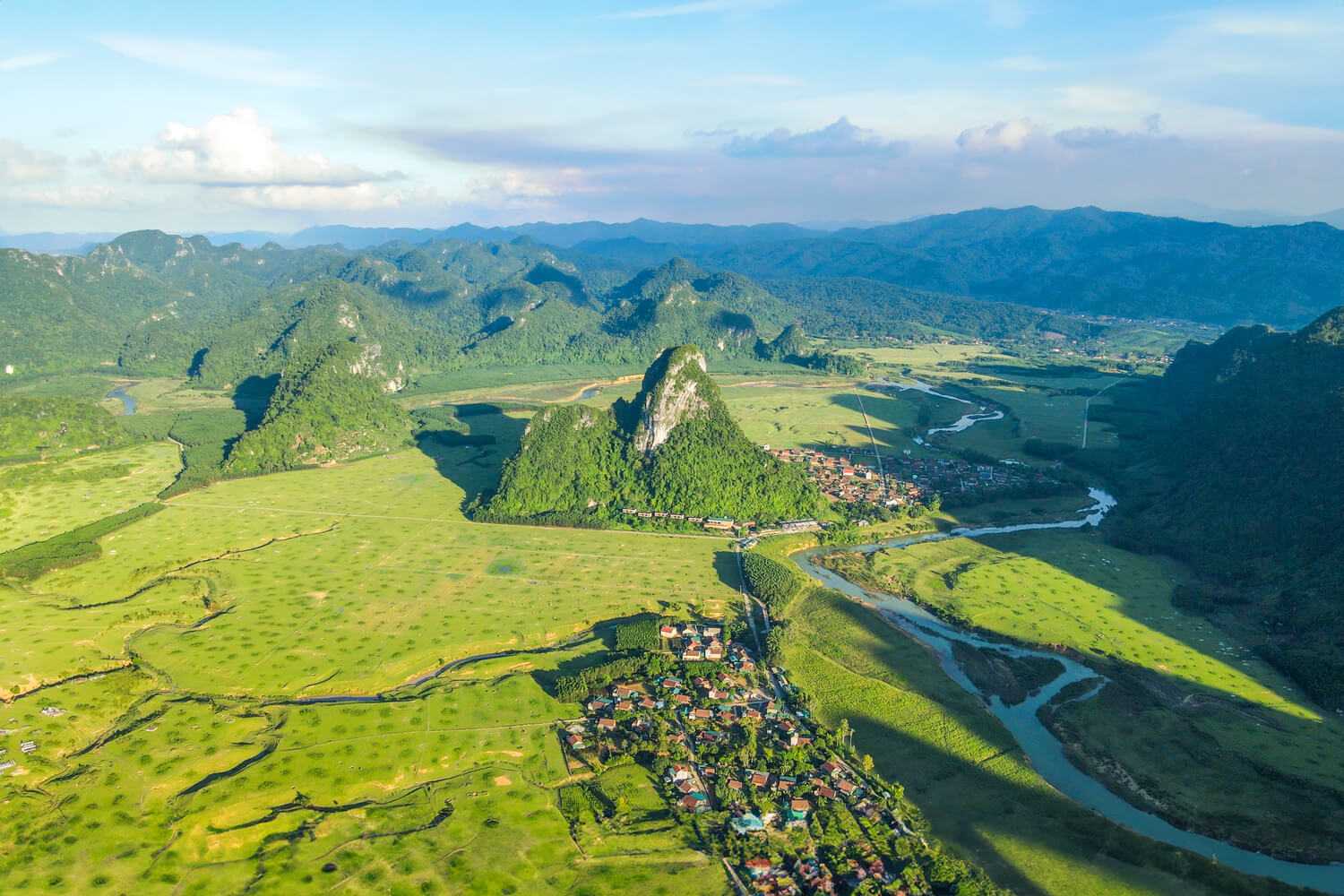
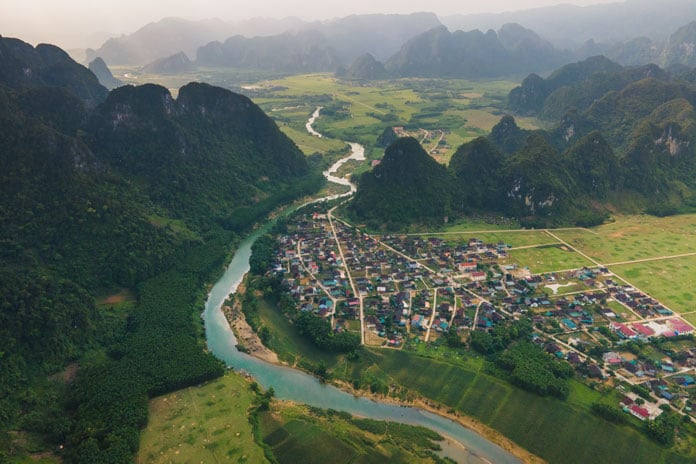
Tan Hoa village in Quang Binh province showcases resilience and innovation in the sustainable tourism market. Known for its agriculture-based tourism, Tan Hoa offers visitors hands-on farming experiences. Seasonal tours adapt to weather changes, allowing tourists to participate in rice planting, harvesting, or cultural festivals. These activities benefit local farmers and promote eco-friendly agricultural practices.
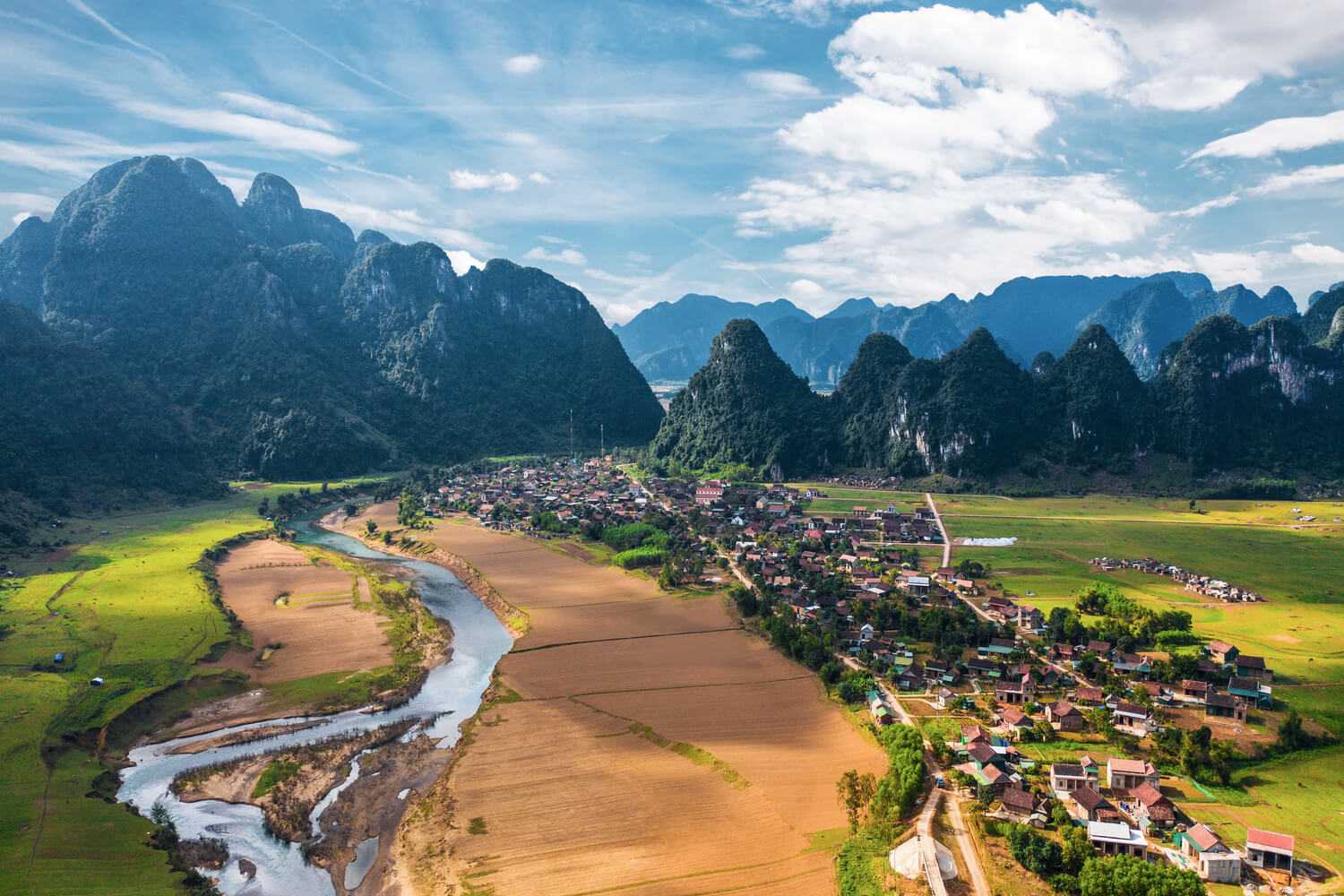
Tan Hoa Village was recognized as one of Best Tourism Villages in 2023
Vietnam’s natural beauty is both a gift and a responsibility. As travelers, we have the power to preserve its stunning landscapes and vibrant cultures through sustainable tourism practices. By making mindful choices from the transportation we use to the accommodations we select, we can help ensure that Vietnam’s wonders endure for generations to come.
The Oxalis Experience.



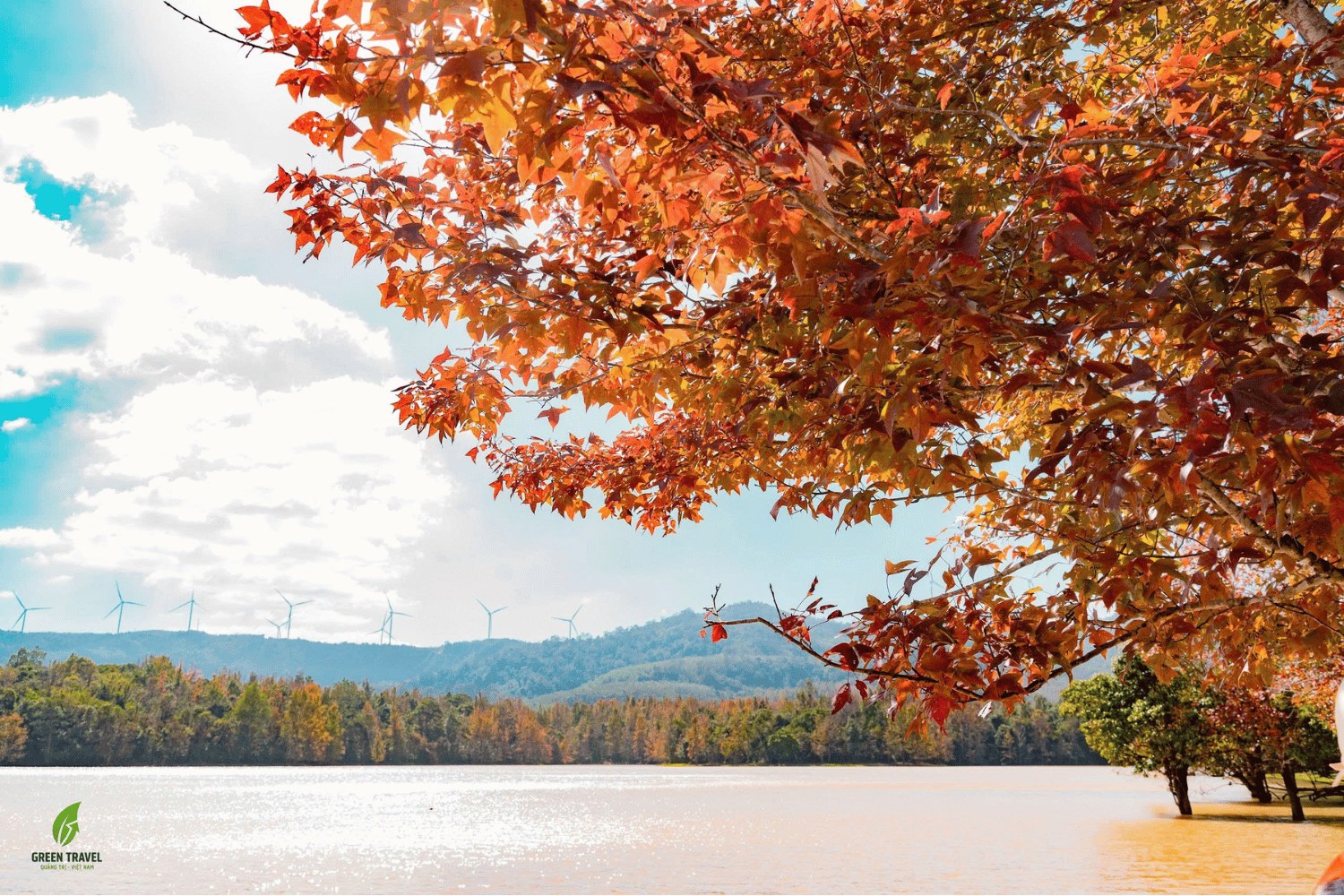

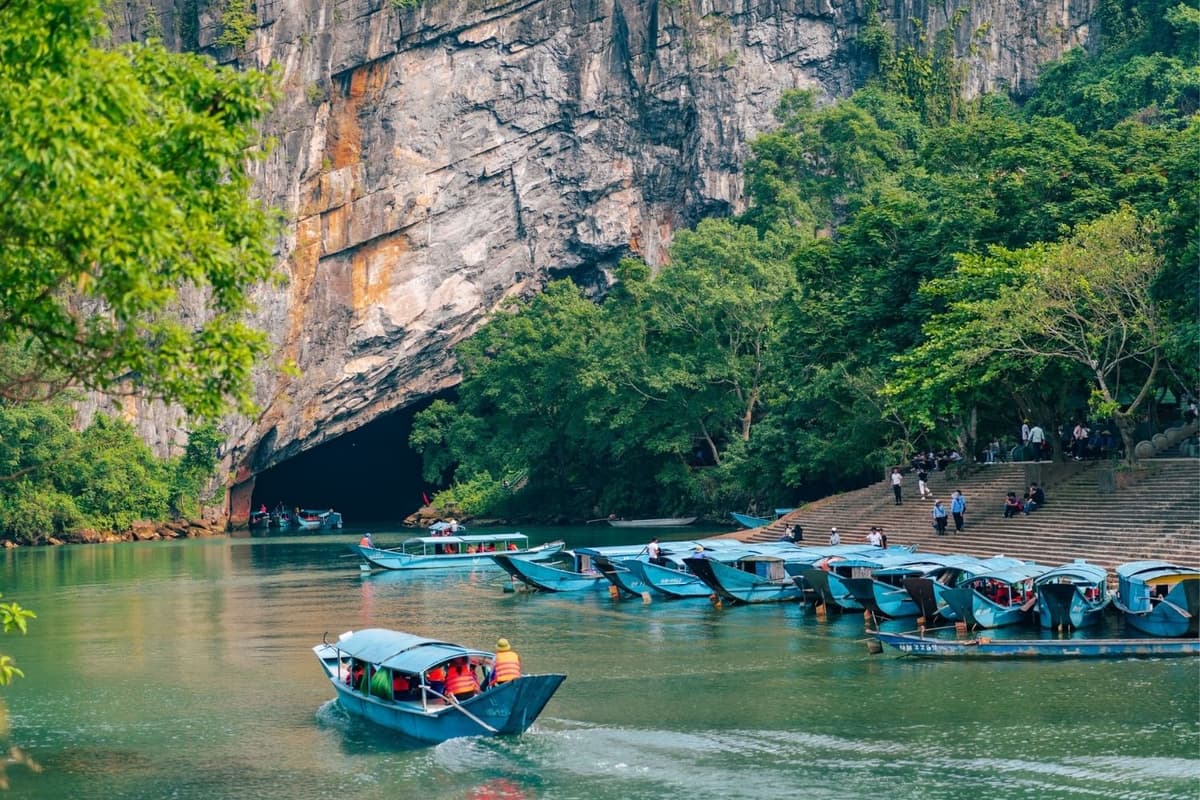
Whether you prefer long treks, camping in a cave, sleeping under the stars in the jungle, swimming underground in river caves, explore the huge dry caves or just taking an exploratory day trip, Oxalis Adventure Tours can provide the right amount of adventure just for you.
__637051782550081035.jpg)
__637051780703588520.jpg)

__637051765075307793.jpg)

__637051774329206026.jpg)
__637740499994967442.jpg)