 (1)__637685876919904915.jpg)
Safe Drowning Rescue Guide from Oxalis Adventure Experts
As extreme weather and flooding become more common around the world, accidents caused by floods and drowning still happen every day. Many of these accidents lead to serious consequences simply because people lack basic safety knowledge and skills. Knowing how to swim is important, but knowing how to protect yourself and help others safely is even more important.
In this article, Oxalis Adventure shares key principles and rescue techniques for dangerous water environments. The content is based on real training led by Martin Holroyd, Safety Expert and Training Manager at Oxalis. These skills are used directly in cave expeditions, jungle treks, and outdoor activities where strong water currents are present.
Risk Assessment Before Entering the Water
Before entering the water or spotting a casualty in trouble, you need to look and observe the surrounding area carefully. Some common hidden dangers include:
- Fast currents: Rapidly flowing water can wash an adult away in just a few seconds.
- Hydraulics: Dangerous areas of eddies, standing waves, or recirculating currents, which can cause us to become entrapped, battered, and submerged.
- Floating debris: Logs, branches, and large waste can hit you hard, causing serious injury.
- Bank conditions: Steep, eroding, or slippery banks increase the risk of falling when you approach the water.
- Underwater hidden traps (Strainers): These are objects, such as fallen trees or bushes, that have been swept into the water, where you can get trapped in the current.
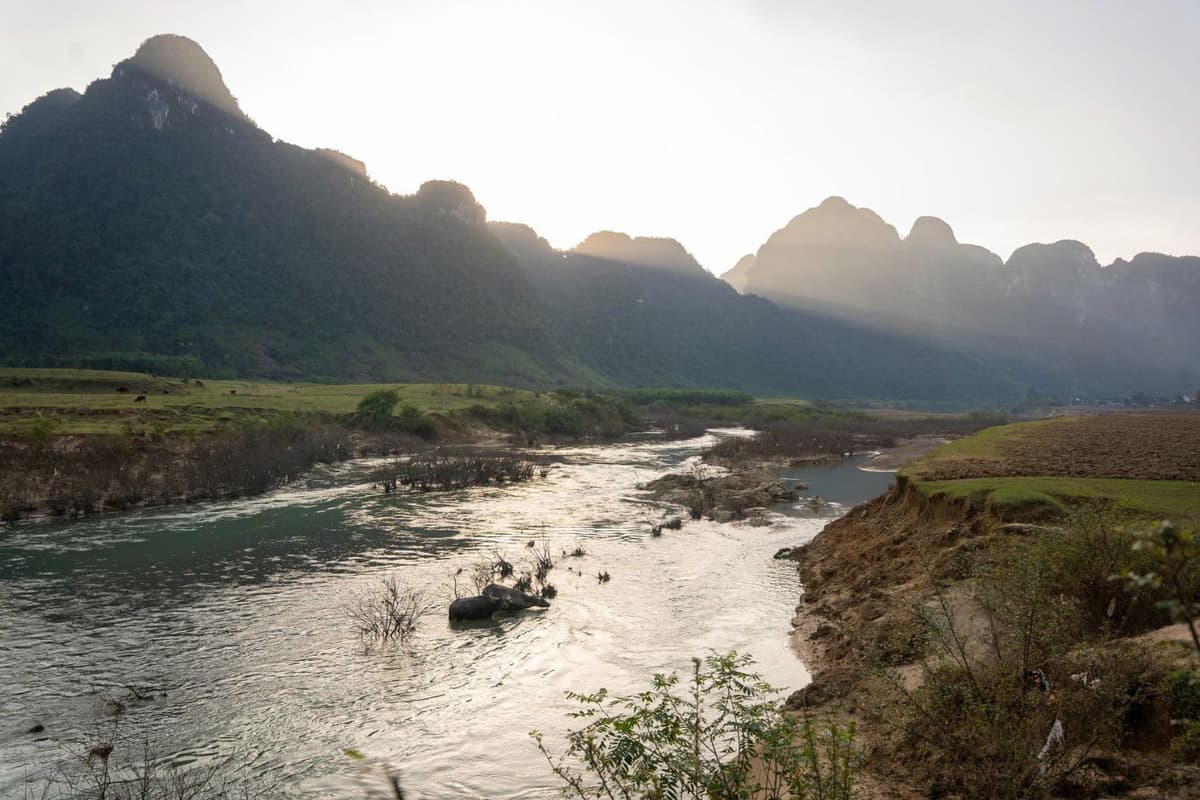
Water environments always pose many risks.
Three Golden Rules of Water Rescue
In all professional rescue training, safety priorities always come first. Martin Holroyd highlights three unchanging principles:
1. Self
You must make sure you are safe first. If you get into trouble, there will be no one left to help others. Only approach the situation when you:
- Assess your own ability honestly
- Have proper equipment, such as a life jacket, floating rope, throw bag, and helmet
- Do not go beyond your skill limits
2. Team
Make sure people around you or your teammates are also in safe positions. They should be able to support you by holding ropes, watching the situation, and coordinating when needed.
3. Victim
Only when both your safety and your team’s safety are secured should you help the victim. An unsafe rescue attempt can put both the rescuer and the victim in danger.
Rescue Tactics in Order of Priority
A common mistake is that we often jump straight into the river when we see someone in trouble. In the water environment, this is often the most dangerous choice because we would endanger ourselves. Instead, apply the following range of tactics, following the correct priority.
Reassure and direct verbally (Talk)
Speak loudly and clearly to talk to the casualty and reassure them. Tell them what to do, encourage them to swim or move towards the bank, or hold onto a fixed object. Keeping the victim calm helps prevent them from panicking and sinking.
Use remote support equipment (Throw Line)
If the casualty cannot move themselves, use a throw line or floating objects like plastic cans or bottles with a rope attached. The rescuer stands firm on the bank and throws a distance to reach the person so they can get hold of that line, and then be brought to the side safely.
Controlled direct rescue (True Rescue)
Only when the above options are not feasible does the rescuer enter the water. In this case:
- The rescuer must be safely anchored using a safety line, which they clip into the back. Never tie a rope around a rescue swimmer. Use a releasable technique.
- There must always be at least one person to manage the rope on the shore.
- Go from behind to approach the casualty, especially if they are panicking, to avoid them lashing out or grabbing you, which is dangerous.
- Once you have made contact, signal the team on the shore to pull on the rope and pull both the rescuer and the casualty back to the shore.
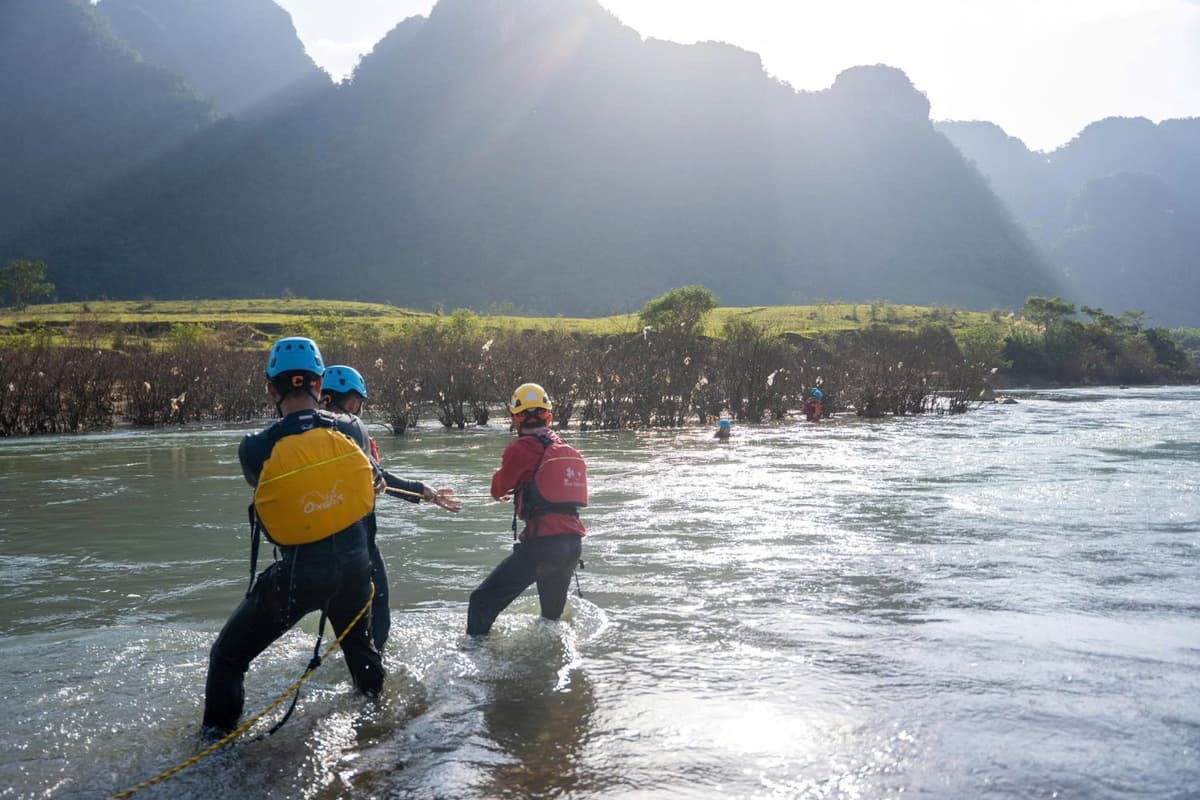
Oxalis Adventure experts are conducting hands-on rescue training.
Important Self-Rescue Skill: “Float to Live”
You might not always have a buoyancy aid on. If you find yourself in the river unexpectedly, the “Float to Live” skill – a golden rule – can save your life.
How to do it:
- Roll onto your back and move your head back.
- Keep your nose and mouth out of the water.
- Control the breathing so you are not panicking.
- Spread your arms out and your legs out to help you stay afloat.
- Use your arms in a circular motion to help stay afloat and to help steer.
This skill helps you survive and wait for a chance to steer towards the riverbank or closer to the person who’s going to try and do the rescue.
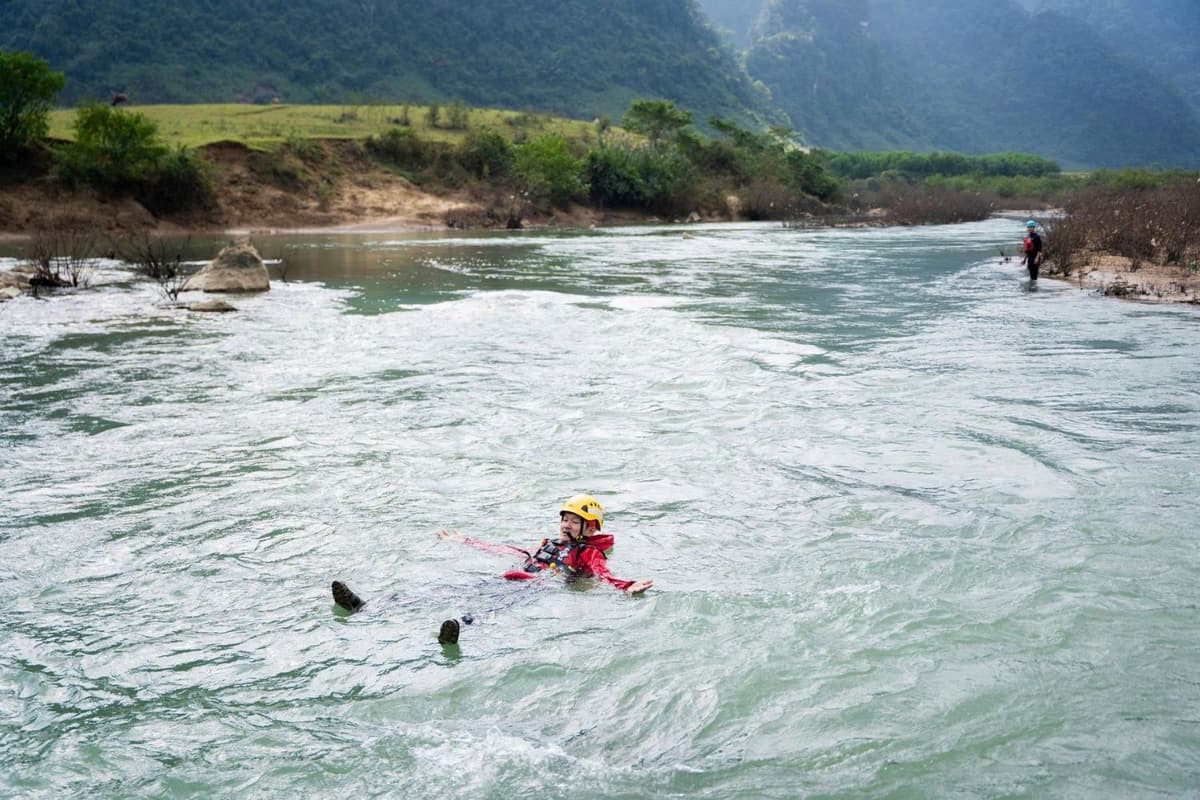
“Float to Live” survival skill.
Being a good swimmer is a great skill, but it is not a guarantee of safety in unpredictable environments like flooded rivers. Whether you are at the sea, a lake, or a river, always stay vigilant and look after your team. By following these professional safety standards, you can enjoy the water while being prepared for the unexpected.
For more visual demonstrations on these techniques, you can watch the full video by Oxalis Adventure here:
The Oxalis Experience.





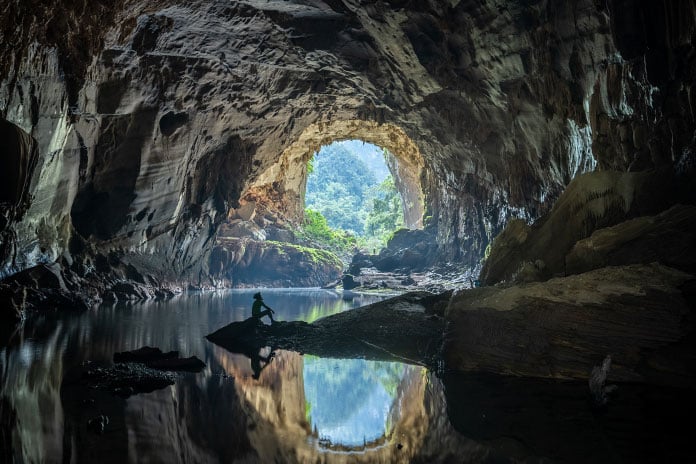
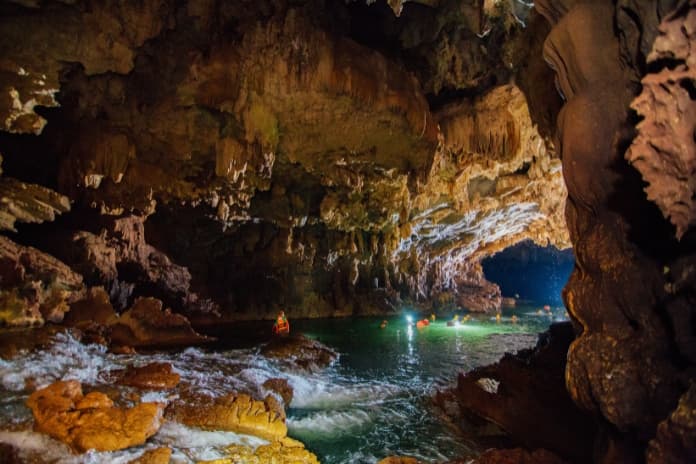
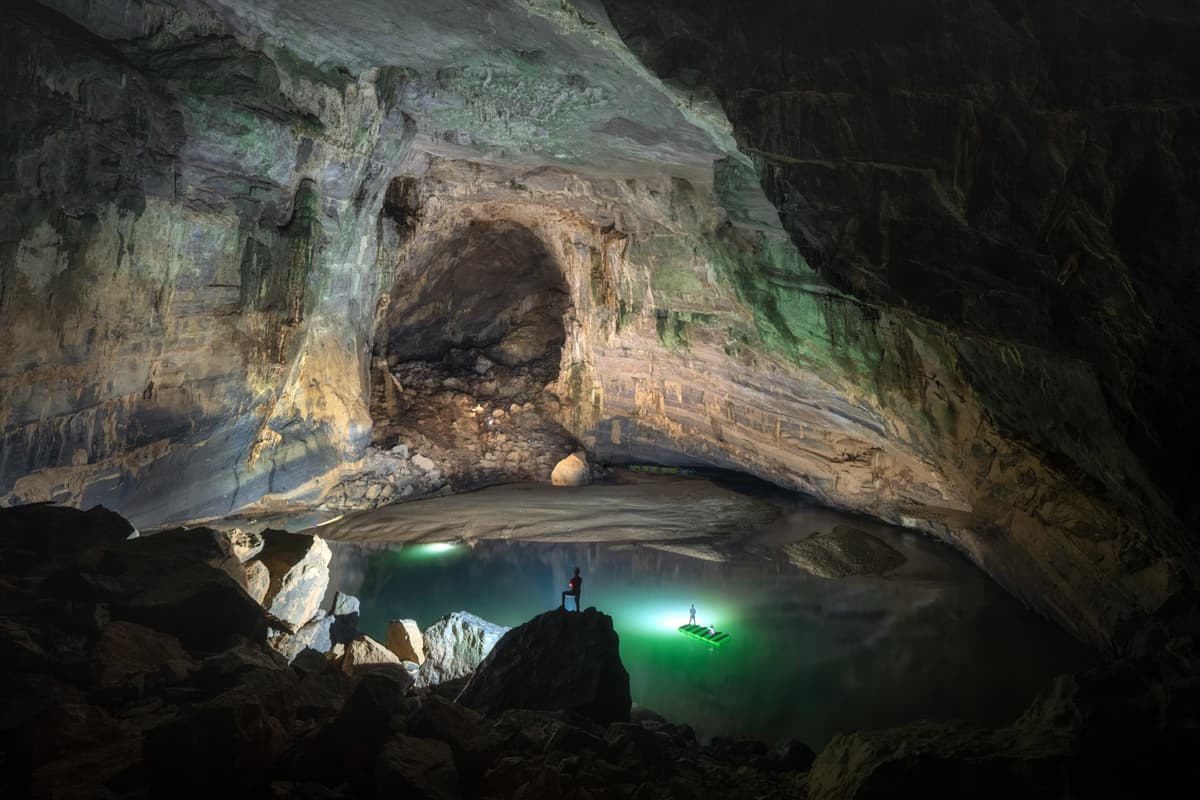
Whether you prefer long treks, camping in a cave, sleeping under the stars in the jungle, swimming underground in river caves, explore the huge dry caves or just taking an exploratory day trip, Oxalis Adventure Tours can provide the right amount of adventure just for you.
__637051782550081035.jpg)
__637051780703588520.jpg)

__637051765075307793.jpg)

__637051774329206026.jpg)

__637740499994967442.jpg)