

Your Guide to the 5 Best Transport Options from Da Nang to Hoi An
The wonderful thing about combining Da Nang and Hoi An in your trip is the perfect blend of vibrant city life and charming historical streets. Whether you're soaking in Da Nang's modern vibe or exploring Hoi An’s ancient beauty, the journey between these two destinations is quick and easy. With several travel options available, you can choose the one that best suits your budget, time, and adventure spirit.
Here are the five best ways to get from Da Nang to Hoi An, each offering a unique experience to make your journey memorable.
The Distance Between Da Nang and Hoi An
The distance between Da Nang and Hoi An is approximately 30 kilometers (19 miles). Travel time varies depending on transportation, ranging from 45 minutes by private car or taxi to up to 2 hours by public bus.
The main routes are the QL1A highway and the scenic coastal road, which offer breathtaking views of the coastline and landmarks.
For a smoother trip, plan around peak traffic hours to minimize delays. Opting for the coastal route is ideal for travelers looking to enjoy the natural beauty and unique stops along the way.
From Da Nang to Hoi An: Explore 5 Best Transport Options
Here’s a comparison of the top travel options from Da Nang to Hoi An, highlighting their cost, duration, pros, cons, and the best choice for different types of travelers.
| Transport Option | Cost | Duration | Pros | Cons | Best for |
|---|---|---|---|---|---|
| Private Car Transfer | $16 to $25 | 45 minutes | Flexible departure times, door-to-door service, comfortable seating, ability to make stops at attractions. | Higher cost, may incur additional fees for tolls or waiting times, limited availability during peak season. | Travelers seeking comfort, convenience, and a stress-free experience. |
| Shuttle Bus Services | $6 to $8 | 50 to 60 minutes | Affordable, eco-friendly, and social, with scheduled pickups and drop-offs. | Limited flexibility for unplanned stops, shared space with other passengers, can be noisy. | Budget-conscious travelers looking for shared, affordable transport. |
| Public Bus | $1.3 | 40 minutes | Affordable, helps reduce carbon emissions, operates on a regular schedule. | Limited luggage space, basic seating, and lack of flexibility. | Adventurous travelers on a tight budget who enjoy a slower, authentic experience. |
| Motorbike Rental | $5 to $10 (rental) + fuel | 1 hour | Offers flexibility to stop and explore, perfect for adventurous travelers. | Uncomfortable in bad weather, requires motorbike license, risk of accidents. | Independent travelers who want flexibility and a sense of adventure. |
| Taxi Services | $15 to $20 | 45 minutes | Easily accessible, comfortable, and provides privacy with exact pick-up and drop-off locations. | Higher cost compared to other options, may experience delays during peak hours, traditional taxis may have limited English proficiency. | Travelers who prefer quick, comfortable, and private transportation. |
1. Private Car Transfer
A private car transfer is the most convenient and comfortable way to travel between Da Nang and Hoi An. This option provides door-to-door service, allowing you to customize your departure time to suit your schedule. Whether traveling solo, with family, or in a group, the privacy and ease of a private car make it an ideal choice for those seeking a stress-free journey without the hassle of navigating public transportation.
The experience is seamless and enjoyable. It offers a smooth ride with the flexibility to make stops at popular attractions. Along the way, you can visit landmarks like the Marble Mountains or relax at My Khe Beach, adding a touch of sightseeing to your transfer. This flexibility allows you to turn your trip into a personalized mini-adventure, exploring the scenic beauty between Da Nang and Hoi An.
- Cost: $16 to $25 for a one-way trip.
- Duration: Approximately 45 minutes, depending on traffic.
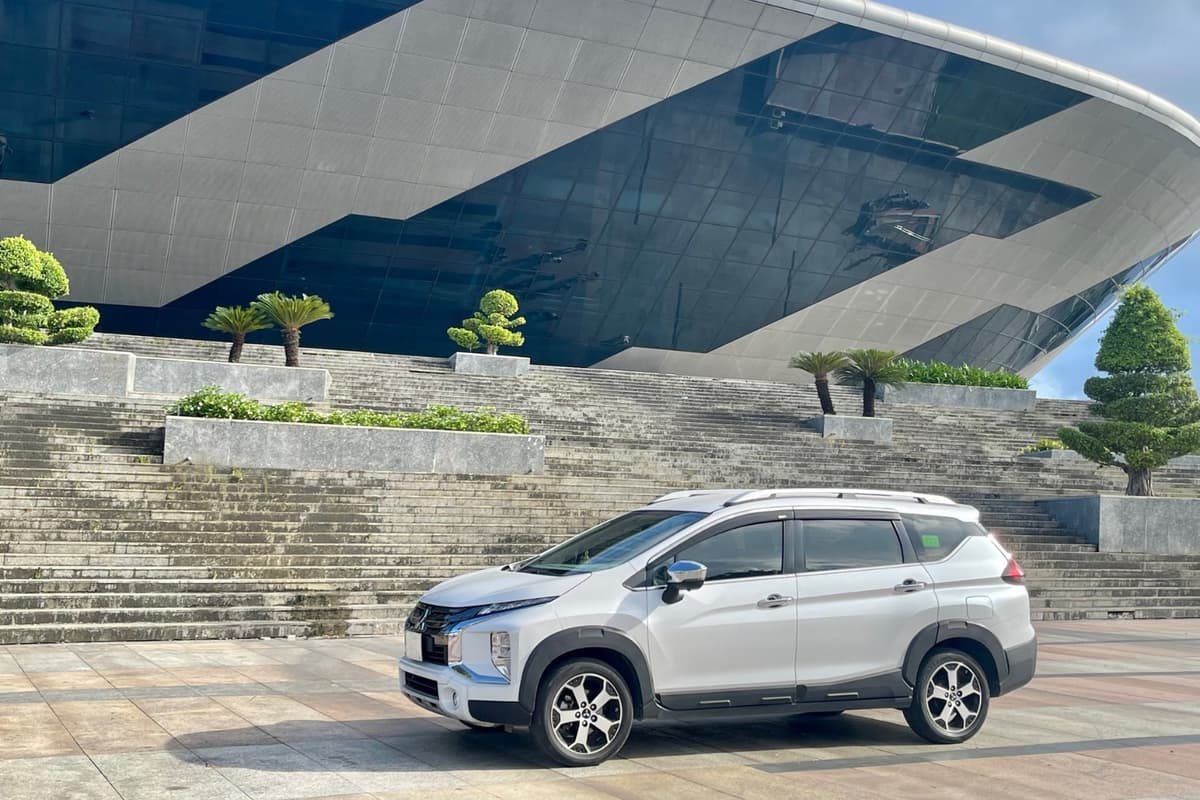
Private car transfers give visitors a hassle-free, comfortable ride with hotel pickup.
Pros & cons of private car transfer:
| Pros | Cons |
|---|---|
| Flexible departure times tailored to your schedule. | Higher cost compared to public transportation. |
| Door-to-door service for maximum convenience. | May incur additional fees for tolls or waiting times. |
| Comfortable seating and air conditioning for a relaxing ride. | Availability may be limited during busy travel seasons or holidays. |
| Ability to make stops at attractions like Marble Mountains or Non Nuoc Beach. | |
| Private and secure, ideal for carrying luggage or personal belongings. | |
| No need to navigate public transportation or crowded buses. |
Tips:
- Book through reputable providers or your hotel to ensure reliability.
- Confirm whether the price includes tolls or other additional fees.
- Confirm the pickup location and time in advance to avoid miscommunication.
- Ensure the car has air conditioning and is in good condition for a comfortable ride.
- Request a driver who speaks basic English for easier communication.
- Always keep the driver’s contact information handy for easy coordination.
2. Shuttle Bus Services for Da Nang to Hoi An
A shuttle bus is an affordable and convenient way to travel from Da Nang to Hoi An. With scheduled pickups and drop-offs at major locations, it provides reliable transportation for budget-conscious travelers. At lower costs than private transfers, it’s an excellent choice for those who prioritize savings without sacrificing comfort.
The experience of traveling by shared shuttle bus is both social and practical. You’ll share the ride with fellow travelers, creating opportunities to meet people from around the world. While the journey may take slightly longer due to multiple stops along the way, it provides a comfortable and reliable option for those who don’t mind a shared environment.
- Cost: $6 to $8 per person.
- Duration: 50 to 60 minutes, depending on stops and traffic.
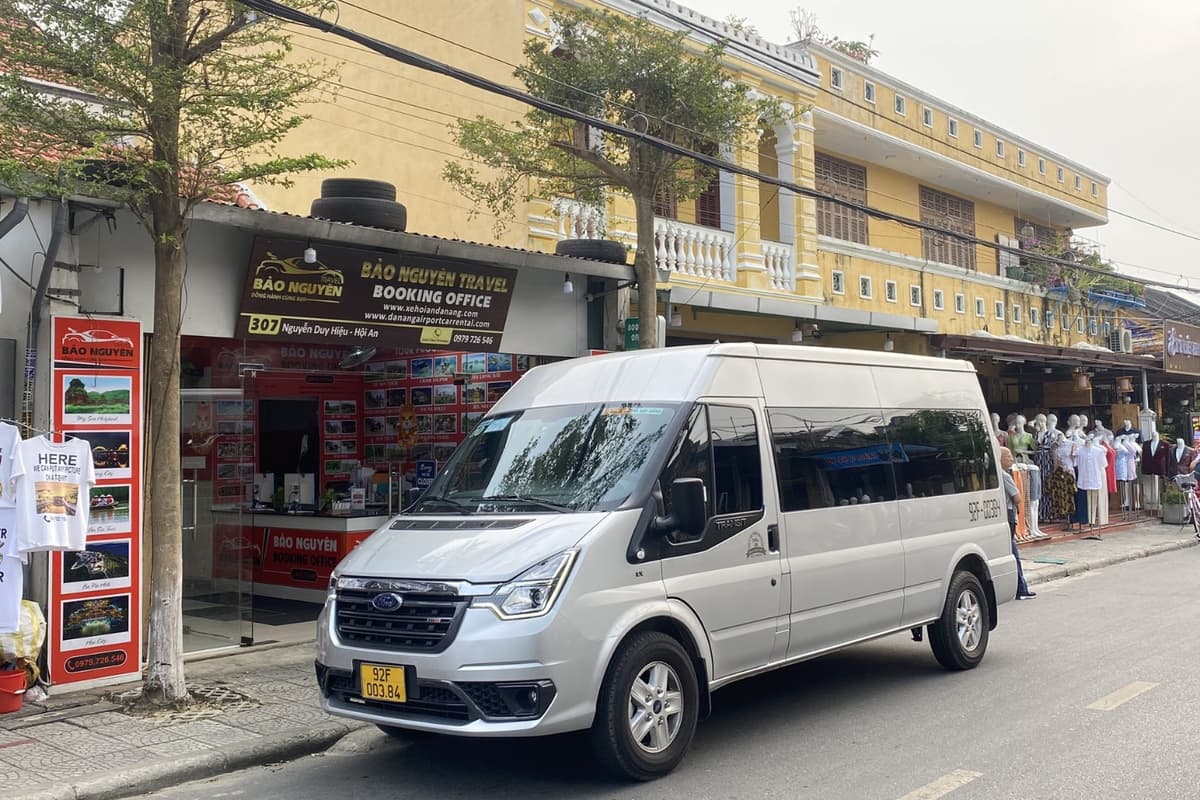
Many tourists choose shuttle buses for an affordable and scheduled transfer.
Pros & cons:
| Pros | Cons |
|---|---|
| Cost-effective for solo travelers and small groups. | Fixed schedules may not align perfectly with your travel plans. |
| Reliable for first-time travelers unfamiliar with the area. | Limited flexibility for unplanned stops or detours. |
| Eco-friendly option as it minimizes individual vehicle use. | Luggage space might be limited for larger bags. |
| Generally includes air conditioning for a comfortable ride. | Noise or distractions from other passengers can affect comfort. |
| Opportunities to interact and socialize with fellow travelers. | May not cater to specific pick-up or drop-off points outside major hotels or central areas. |
| No need to worry about parking or driving on unfamiliar roads. | Stops can extend the journey time compared to direct travel options. |
| Easy to book through online platforms or local agencies. |
Shuttle Bus Services Tips:
- Select well-reviewed shuttle services to ensure safety and reliability.
- Review the shuttle timetable to align with your travel plans and avoid long waits.
- Reserve your seat ahead of time, especially during peak tourist seasons, to guarantee availability.
- Ensure the shuttle's stops are convenient for your accommodation or planned activities.
- Arrive at the pickup location at least 10 minutes before the scheduled departure to avoid missing the shuttle.
- Verify any baggage restrictions to prevent issues with oversized or extra luggage.
- Carry valuables and necessary documents in a personal bag for easy access during the trip.
- Familiarize yourself with the service's cancellation terms in case your travel plans change unexpectedly.
3. Da Nang Public Bus Service to Hoi An
The public bus is the most economical way to travel from Da Nang to Hoi An, ideal for budget-conscious travelers. The journey offers a local experience involving a slower-paced trip with multiple stops along the route.
Passengers can observe daily life and the changing landscapes between the urban setting of Da Nang and the more traditional ambiance of Hoi An. The bus ride provides an authentic glimpse into Vietnamese culture, making it more than just a means of transportation.
Here is the key information about bus No. 1 from Da Nang to Hoi An:
- Operating hours: 5:30 AM - 7:50 PM
- Duration: 40 minutes
- Bus intervals: Every 20 minutes
- Cost: Around $1.3 per trip
The typical stops include Da Nang Central Bus Station → Ton Duc Thang → Dien Bien Phu → Le Duan → Tran Phu → Trung Nu Vuong → Duy Tan → Nguyen Van Troi Bridge → Ngu Hanh Son → Le Van Hien → and finally Hoi An Bus Station.
This well-structured route ensures accessibility for travelers at various points, making it easy to board or disembark near major areas in both cities.
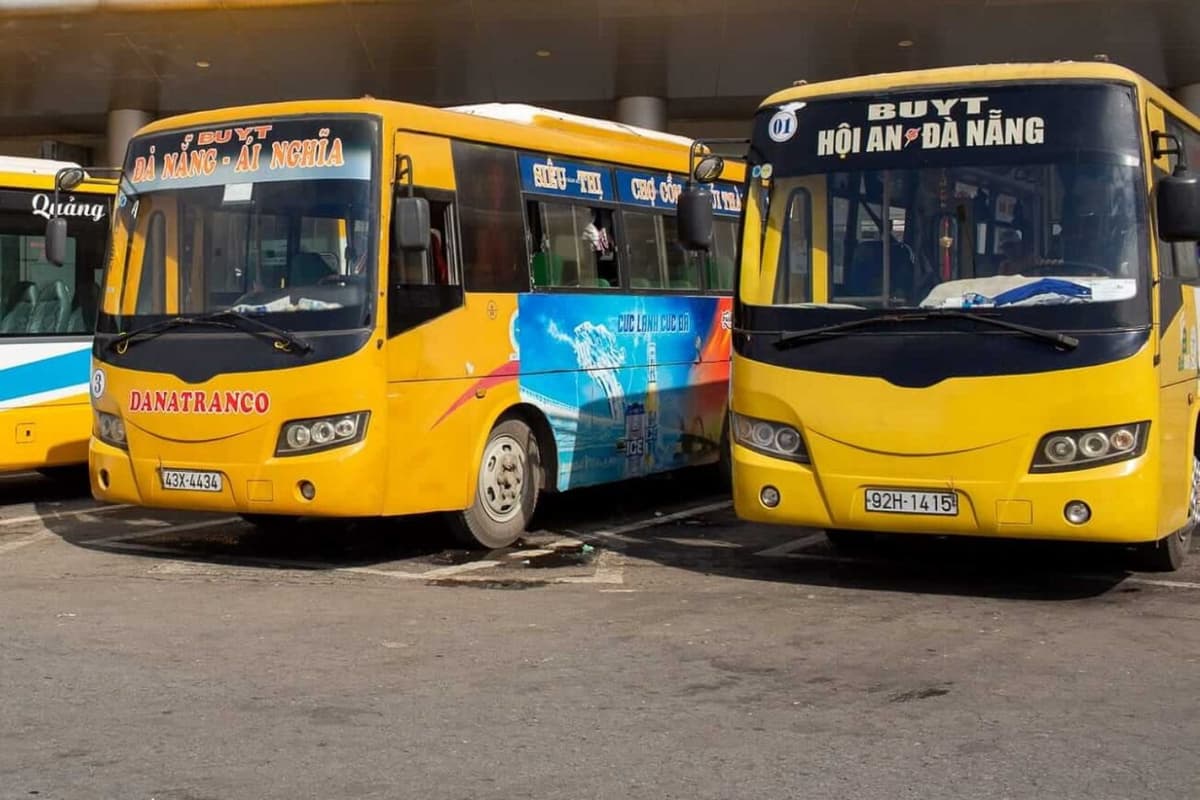
Budget-conscious travelers rely on public buses for the lowest transportation cost.
Pros & cons:
| Pros | Cons |
|---|---|
| Fares are straightforward, with no unexpected charges. | Lack of adequate space for large luggage, making them less suitable for travelers with substantial baggage. |
| Public buses help reduce carbon emissions compared to private vehicles. | Seating may be basic, and amenities are minimal. |
| Public buses operate on clear and consistent schedules. | Follow predetermined routes and schedules, offering less flexibility. |
| Buses are readily available in most urban areas. | Bus staff may have limited English proficiency. |
| Operate regularly throughout the day, with departures every 15 to 30 minutes. |
Tips for Taking the Da Nang Public Bus to Hoi An:
- Confirm the operating hours and frequency of the buses to plan your trip efficiently.
- Carry small denominations of Vietnamese Dong for easy payment on the bus or snacks on the way.
- Get to the bus stop a few minutes before the scheduled departure to secure a seat.
- Double-check the bus number and destination with the driver or locals before boarding.
- Avoid bringing large luggage, as space on public buses can be limited.
- Keep an eye on your belongings, as public buses can get crowded.
- Account for potential traffic or unexpected stops that may extend the travel time.
- Don’t hesitate to ask locals or bus staff for guidance if you're unsure about the route or stops. But remember to use a translation app.
4. Motorbike Rental Options from Da Nang to Hoi An
Motorbike rental is a fantastic option for travelers seeking adventure and flexibility on their journey from Da Nang to Hoi An. With the freedom to explore at your own pace, a motorbike allows you to uncover hidden gems along the way, such as quiet beaches, local markets, and scenic viewpoints. Rentals are widely available in Da Nang, making it an accessible choice for those with a valid license and a spirit of exploration.
Riding a motorbike between Da Nang and Hoi An is more than just a mode of transportation - it's an experience in itself. The scenic coastal roads and rural landscapes offer stunning views that can be enjoyed on your own terms. The journey allows for spontaneous stops at places like the Marble Mountains or small roadside cafes, giving you a closer connection to the culture and natural beauty of the region.
- Cost: $5 to $10 per day for rental, plus fuel costs.
- Duration: Approximately 1 hour.

Adventure seekers enjoy renting motorbikes to explore the coastal roads freely.
Pros & cons:
| Pros | Cons |
|---|---|
| Provides the flexibility to stop and visit attractions spontaneously. | Uncomfortable or unsafe in heavy rain or extreme heat. |
| Allows access to places off the main tourist routes. | Requires navigating busy or unfamiliar roads with local traffic patterns. |
| No fixed schedules—travel at your own pace. | Riding for extended periods can be tiring, especially for inexperienced riders. |
| Perfect for weaving through traffic and narrow streets. | Increased risk of accidents, particularly for those unfamiliar with motorbikes. |
| Provides a closer experience of local life and landscapes. | Must have a valid motorbike license and travel insurance that covers motorbike use. |
| Motorbike rental shops are abundant and easy to find in Da Nang. | Potential for mechanical problems if the rental bike is not well-maintained |
| Difficult to carry large bags or heavy luggage. | |
| Requires familiarity with routes or reliance on GPS navigation. | |
| Risk of fines or penalties if traffic rules are not followed. |
Tips:
- Check the brakes, lights, tires, horns, and mirrors to ensure everything is in good working condition. Test ride if possible.
- Bring an international driver’s license or a motorbike license valid in Vietnam to comply with local regulations.
- Always wear a helmet and consider gloves or jackets for additional safety. Avoid wearing loose sandals or flip-flops.
- Opt for a shop with good reviews or recommendations. Avoid extremely cheap rentals, as they might indicate poor maintenance.
- Confirm the rental price, deposit requirements, and conditions for fuel levels upon return.
- Fuel up at official gas stations instead of buying bottled fuel on the roadside, which may be of lower quality and more expensive.
- Avoid riding in heavy rain or foggy weather. Plan your ride during the cooler hours of the day.
- Pack water, sunscreen, a raincoat, and a portable phone charger for emergencies or unexpected delays.
- Use a backpack or strap bags securely to avoid losing them during the ride. Never leave valuables unattended with the motorbike.
5. Ride-hailing apps & Taxi services
For a hassle-free way to travel from Da Nang to Hoi An, taxis and ride-hailing apps offer reliable solutions. Traditional taxis can be flagged down in busy areas, while ride-hailing apps like Grab or XanhSM let you book a ride with just a few taps on your phone. Both options are readily available, making them perfect for last-minute plans or when other transportation options are limited.
Ride-hailing apps provide a streamlined experience, offering clear details about the driver, route, and fare. This digital approach ensures no surprises during the journey and allows users to track their ride in real time. Traditional taxis, while effective, may require a bit more attention to detail, such as confirming the meter is used or agreeing on the fare upfront.
- Cost: $15 to $20, depending on the time of day and route.
- Duration: Around 45 minutes.
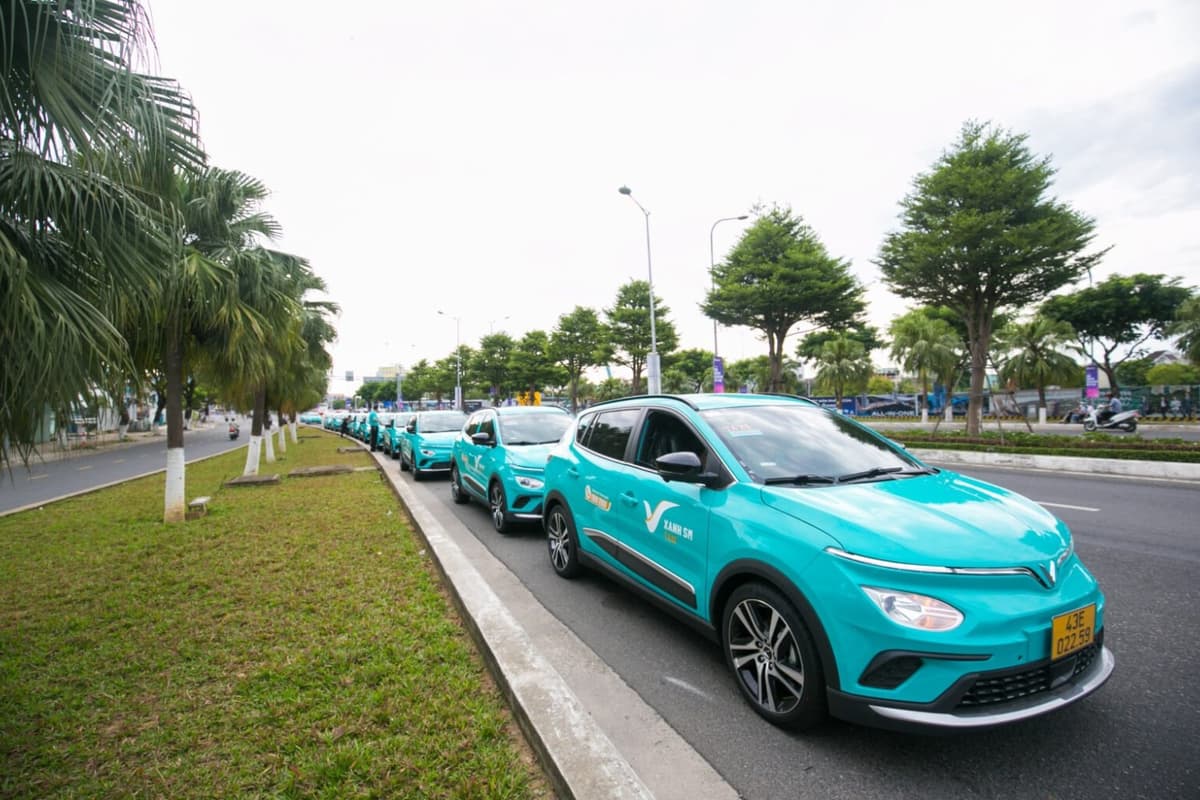
Xanh SM provides an eco-friendly, electric taxi service for a sustainable trip.
Pros & cons:
| Pros | Cons |
|---|---|
| Easily accessible and available at any time. | Generally more expensive than public transportation. |
| Offers comfort and privacy compared to public buses. | Travel time may increase during peak hours. |
| Picks you up and drops you off at your exact location. | Traditional taxi drivers may have limited English proficiency. |
| Apps allow cashless transactions for ease and safety. | |
| Both options are familiar with the Da Nang-Hoi An route. | |
| GPS tracking and emergency contact options ensure passenger safety. |
Tips:
- Use well-known ride-hailing apps like Grab or local taxi services such as Mai Linh or Vinasun. This ensures you get a reliable and safe ride.
- Be precise when setting your pick-up point in Da Nang to avoid confusion. Specify landmarks or use exact street names to help the driver locate you easily.
- If you're using a traditional taxi, make sure to negotiate the price before starting the journey, or ensure the driver uses the meter.
- Before entering the car, double-check the driver’s name, vehicle type, and license plate to confirm it’s the correct one.
- Taxi and ride-hailing drivers are often locals and can provide great recommendations on things to do in Hoi An, such as great eateries or local attractions.
Frequently asked questions
- What is the best way to get from Da Nang to Hoi An?
- How much is a taxi from Da Nang to Hoi An?
- How much is a Grab from Da Nang to Hoi An?
- Is there a bus number #1 between Da Nang and Hoi An?
The Oxalis Experience.





Whether you prefer long treks, camping in a cave, sleeping under the stars in the jungle, swimming underground in river caves, explore the huge dry caves or just taking an exploratory day trip, Oxalis Adventure Tours can provide the right amount of adventure just for you.
__637051782550081035.jpg)

__637051780703588520.jpg)


__637051765075307793.jpg)


__637051774329206026.jpg)


__637740499994967442.jpg)