Oxalis and Vietnam Association of Internal Medicine, Cardiovascular Center of Cho Ray Hospital Deliver First Aid Training
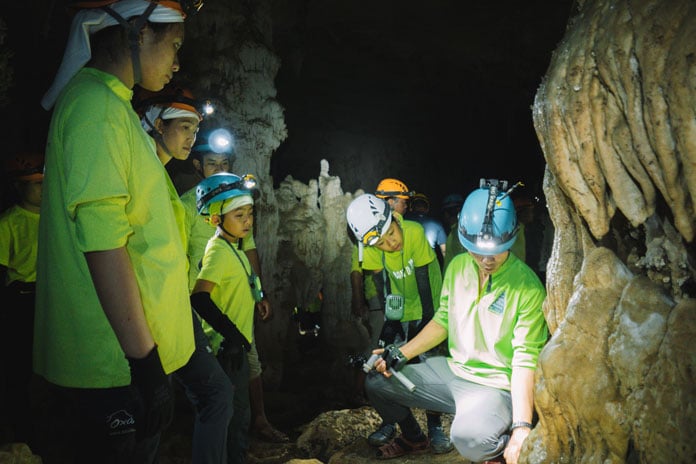
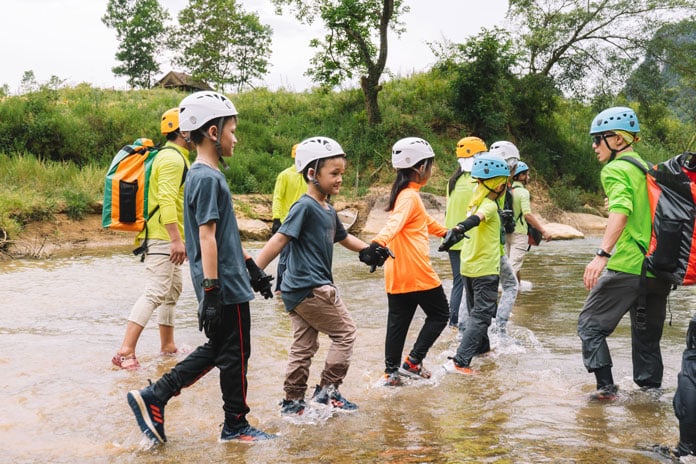
During cave expeditions, forest treks, and camping trips in remote areas far from medical facilities, the ability to provide immediate first aid is essential to protecting the safety of both guests and staff. Recognizing early warning signs, responding appropriately, and providing timely medical assistance can help manage emergencies and support effective rescue efforts.
On October 31, 2026, Oxalis partnered with the Vietnam Association of Internal Medicine, Cardiovascular Center of Cho Ray Hospital to organize a Cardiovascular First Aid Training Program at Oxalis Home (Oxalis Phong Nha Office). The program was led by a team of specialist doctors, nurses, and medical technicians from Cho Ray Hospital, combining medical knowledge with hands-on practice using training equipment and simulation models.
The training was designed for tour guides, the rescue team, tour operators, and onsite operational staff. Through this initiative, Oxalis continues to strengthen its team's first aid capabilities, standardize its emergency response procedures, and improve coordination when incidents occur during tour operations.
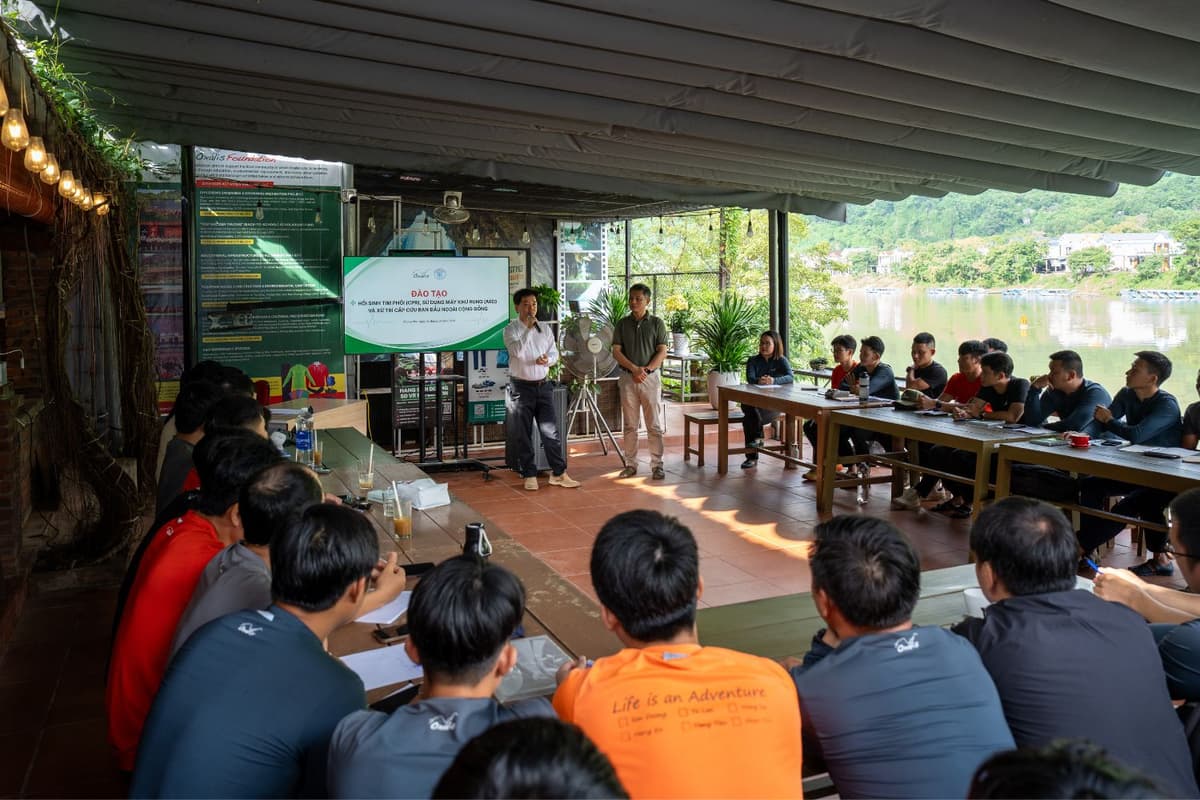
Overview of the first aid training session at Oxalis Home.
1. Practicing CPR and Using an Automated External Defibrillator (AED)
In cases of cardiac arrest, quickly recognizing a life-threatening condition, calling for assistance, and performing cardiopulmonary resuscitation (CPR) are essential. Therefore, the training focused on fundamental cardiovascular emergency response techniques, helping participants reinforce their knowledge and develop practical skills.
Participants practiced CPR on training manikins, learning how to assess a patient and perform chest compressions correctly, including proper hand placement, body position, compression depth, and rate. The training also covered assisted ventilation using a bag-valve mask (Ambu bag), following professional medical guidance.
Participants were also introduced to the use of an automated external defibrillator (AED), including equipment preparation, electrode placement, and following the device's voice and visual prompts. Safety precautions during heart rhythm analysis and when a shock is advised were also emphasized.
These practical exercises helped staff become familiar with emergency equipment and understand how to coordinate during a response, from initiating CPR and preparing the AED to contacting medical support. These skills are particularly important when managing emergencies in remote or difficult-to-access locations.
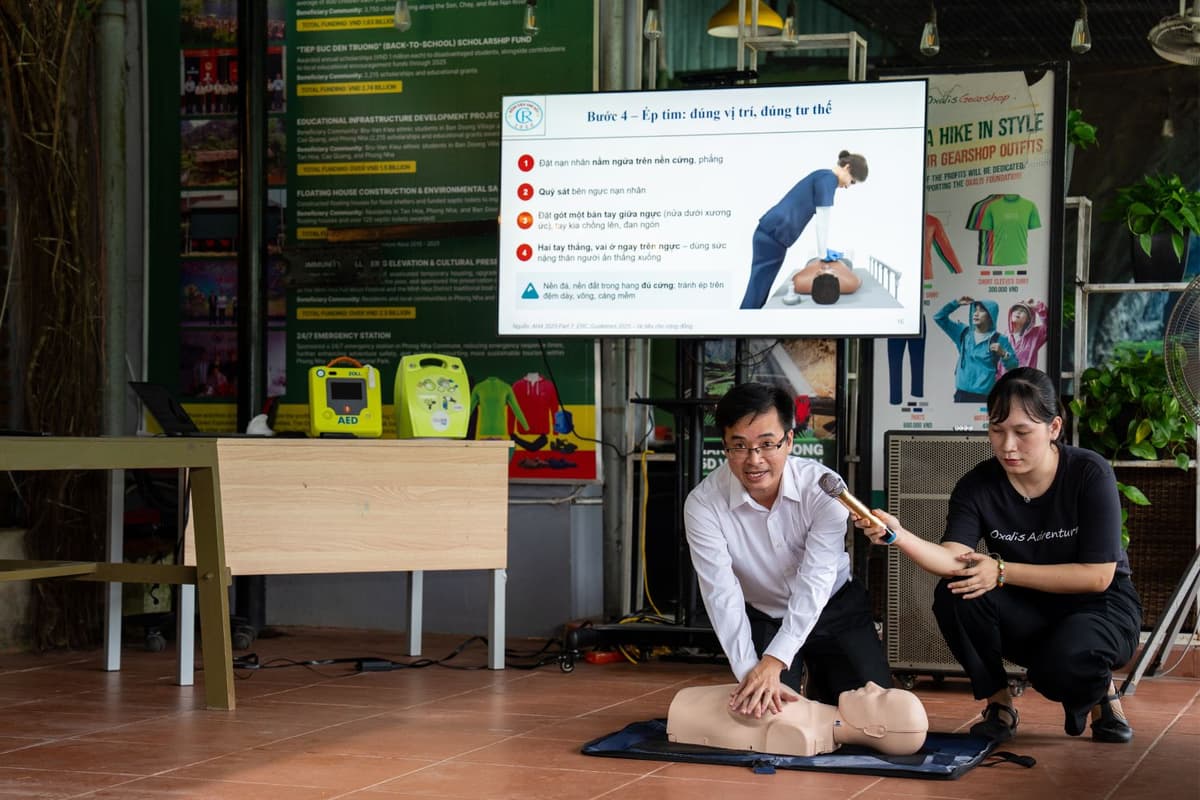
A doctor instructing cardiopulmonary resuscitation (CPR) techniques on a training manikin.
2. Standardizing First Aid Procedures Using the ABCDE Approach
During expeditions, conditions such as chest pain, breathing difficulties, injuries, or loss of consciousness require prompt assessment and appropriate action. The training introduced Oxalis staff to the ABCDE approach, a systematic method for assessing patients and identifying potentially life-threatening conditions.
ABCDE stands for:
- A – Airway: Assess the airway and identify signs of obstruction.
- B – Breathing: Evaluate breathing and recognize any abnormalities.
- C – Circulation: Assess circulation, identify severe bleeding, and recognize signs of shock.
- D – Disability: Check the patient's level of consciousness and neurological responsiveness.
- E – Exposure: Examine the patient for injuries while protecting them from potentially harmful environmental conditions.
In addition to ABCDE, participants learned about the Chain of Survival, which covers early recognition of an emergency, activating emergency assistance, performing CPR, using an AED when indicated, and coordinating advanced medical care.
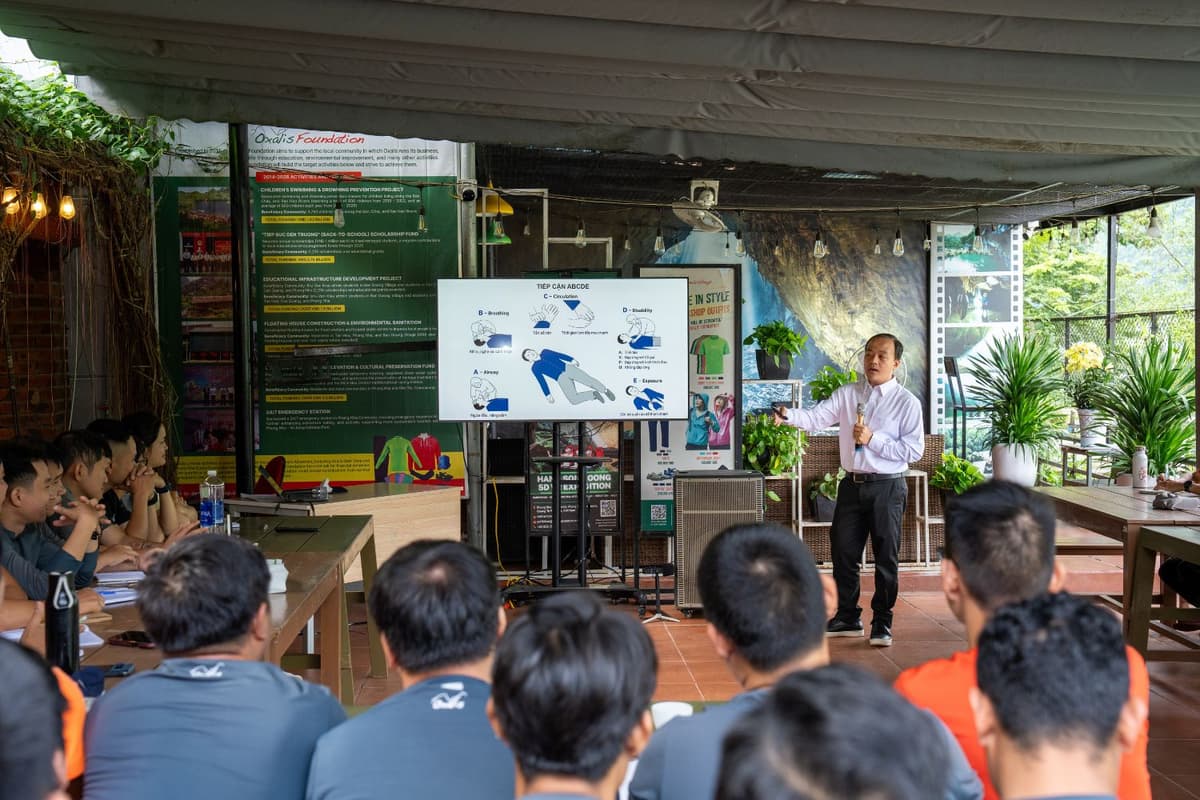
A medical specialist explaining the ABCDE primary assessment approach.
Managing Injuries and Water-Related Emergencies
Cave and forest terrain can present various risks, including slips, falls, bleeding, and other injuries. The training covered wound dressing, bleeding control, the appropriate use of tourniquets, and splinting when a fracture is suspected.
Participants also reinforced their knowledge of assisting individuals involved in water-related emergencies, with an emphasis on scene safety, calling for assistance, and providing appropriate first aid. In cases of serious injury, avoiding unnecessary movement and coordinating with the rescue team are particularly important.
Recognizing Health Conditions in Natural Environments
Beyond physical injuries, weather and environmental conditions can also affect guests' health. The training covered the recognition and initial response to conditions such as heatstroke, heat exhaustion, hypothermia, and severe allergic reactions.
Participants learned to identify warning signs, assess the patient's condition, and activate medical assistance when necessary. For suspected anaphylaxis or snake bites, ensuring scene safety and arranging timely medical support were emphasized as priorities.
3. Simulating Real-Life First Aid Scenarios
Alongside theoretical instruction and practical skills training, the program focused on simulated scenarios based on the environments in which Oxalis operates. These exercises gave participants opportunities to apply their knowledge, develop their response skills, and improve coordination between teams during emergencies.
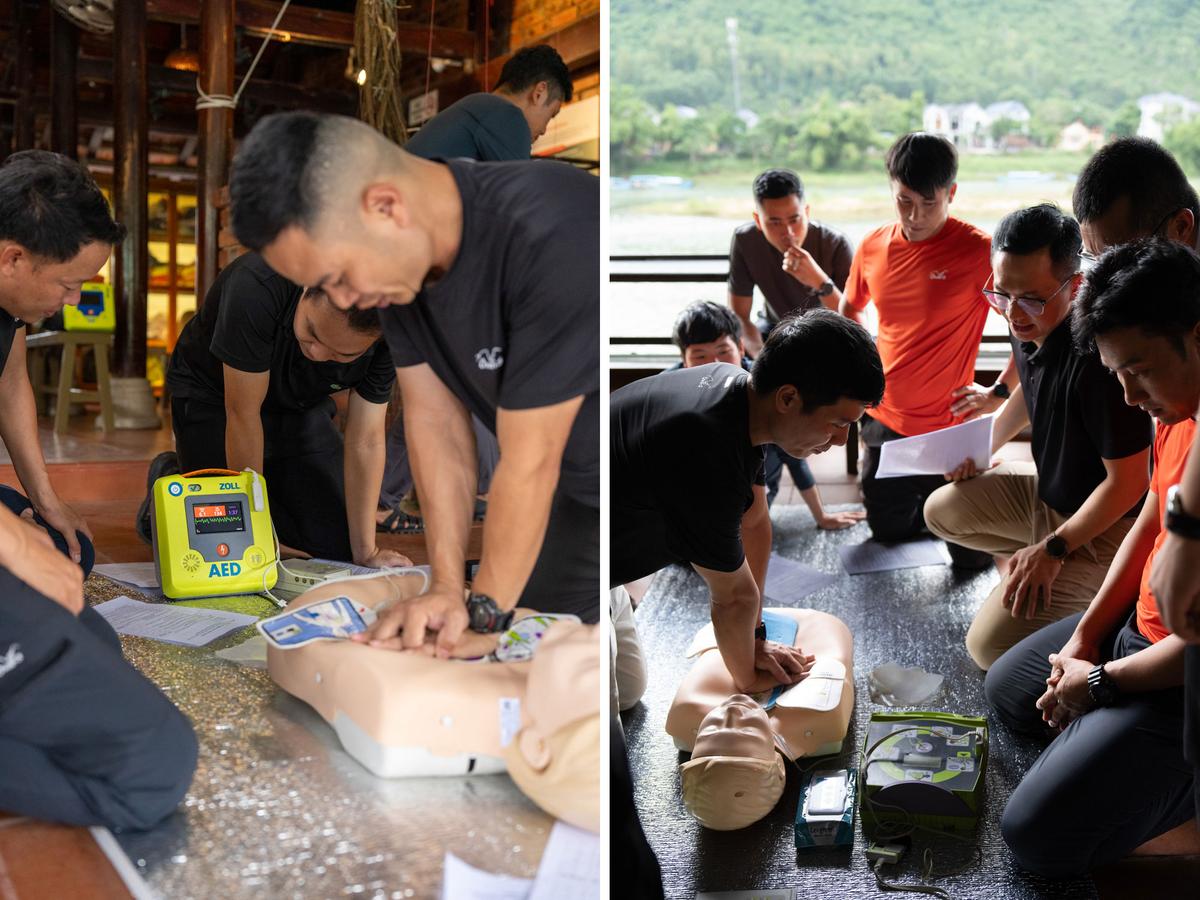
Staff practicing emergency response drills.
Scenario 1: An emergency inside a caveParticipants practiced responding when a member of an expedition experiences a serious medical emergency or shows signs of cardiac arrest. The exercise covered scene assessment, initiating CPR, preparing an AED, communicating the patient's location, and coordinating with the rescue team in an environment with limited access.
Scenario 2: A guest experiencing chest painThis scenario focused on recognizing warning signs, activating medical assistance, monitoring the patient's condition, and providing essential information to the rescue team. Participants practiced responding systematically and avoiding delays when dealing with potentially serious symptoms.
Scenario 3: A severe allergic reaction following an insect stingOxalis staff practiced recognizing signs of a potentially life-threatening allergic reaction, providing initial assistance, and coordinating medical support. Clear task allocation helped participants respond more proactively and reduce delays during emergency management.
Scenario 4: An injury in the forestThis scenario focused on assessing the patient's condition, applying splints under professional guidance, and coordinating with the rescue team to determine an appropriate evacuation plan. Participants also practiced protecting the patient while waiting for assistance in difficult terrain.
Through these simulated scenarios, staff had the opportunity to reinforce their first aid skills, improve communication, and strengthen coordination among tour guides, tour leaders, rescue teams, and tour operators.
Strengthening Oxalis' Commitment to Safety on Every Expedition
At Oxalis, safety is a top priority in every aspect of tour planning and operations. Alongside established procedures, equipment, and rescue plans, the first aid capabilities of frontline staff play an important role in improving the team's ability to respond effectively to emergencies.
The training program organized in partnership with Vietnam Association of Internal Medicine, Cardiovascular Center of Cho Ray Hospital was a practical initiative to strengthen medical knowledge, standardize first aid skills, and improve coordination during emergency situations.
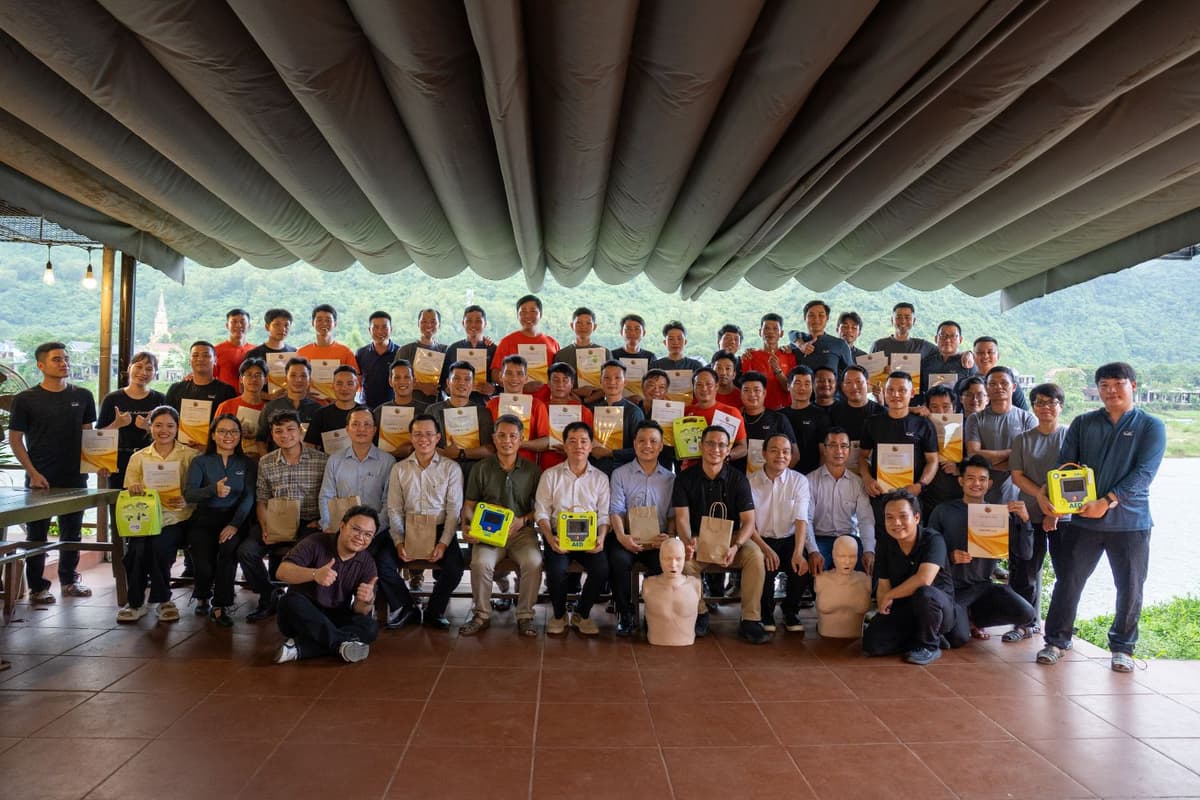
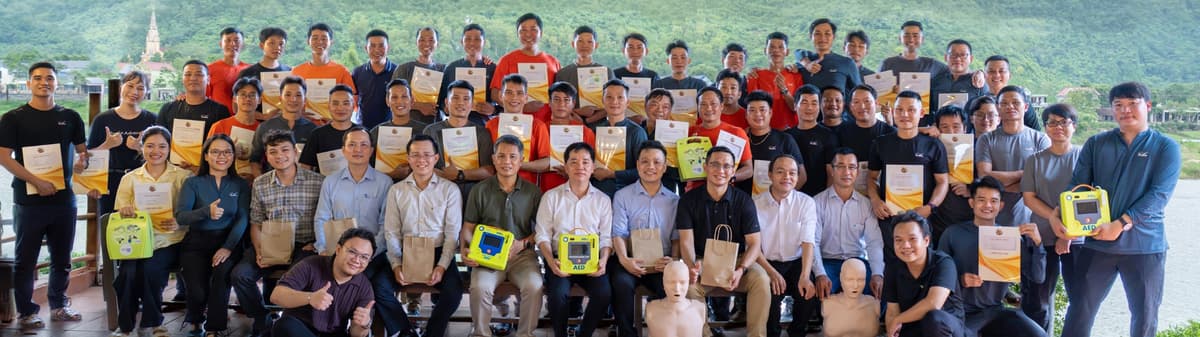
Participants and medical specialists from Cho Ray Hospital take a commemorative photo after the training course.
By maintaining ongoing training and developing professional capabilities, Oxalis aims to deliver responsible nature-based adventures, with the health and safety of both guests and staff remaining a top priority.


Whether you prefer long treks, camping in a cave, sleeping under the stars in the jungle, swimming underground in river caves, explore the huge dry caves or just taking an exploratory day trip, Oxalis Adventure Tours can provide the right amount of adventure just for you.