The World’s Most Exclusive Adventures: Epic Tours That Require Months (or Years) of Waiting
In a world where you can book a flight in seconds and reserve a luxury hotel with a few clicks, it’s easy to assume that every travel experience is just as accessible. But some of the world’s most extraordinary tours require something money alone can’t buy: time.
From exploring the vast chambers of Son Doong Cave in Vietnam to hiking remote trails and sailing through polar waters, these experiences often have limited spaces and require months of planning. Some accept only a small number of visitors each year to protect fragile environments, while others fill up quickly because of high demand.
Waiting might not sound like part of a dream vacation, but for these tours, it’s often worth it. Here are some unique travel experiences you’ll need to plan ahead for, and why they deserve a place on your bucket list.
1. Son Doong Cave Expedition, Vietnam
- Waiting time: Often books out 1 - 1.5 years in advance. Departures through 2028 are fully booked.
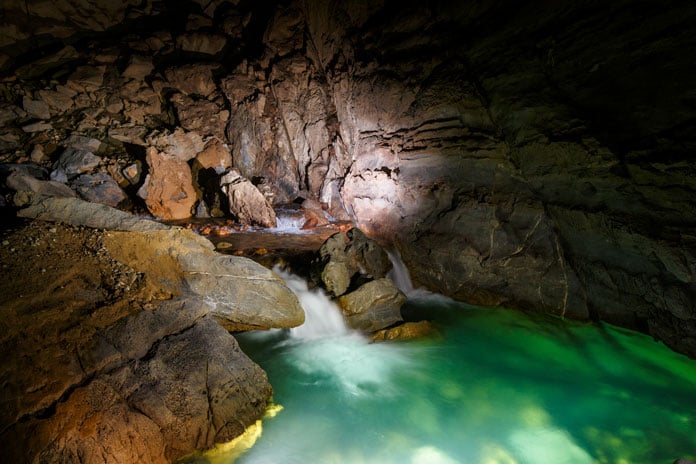
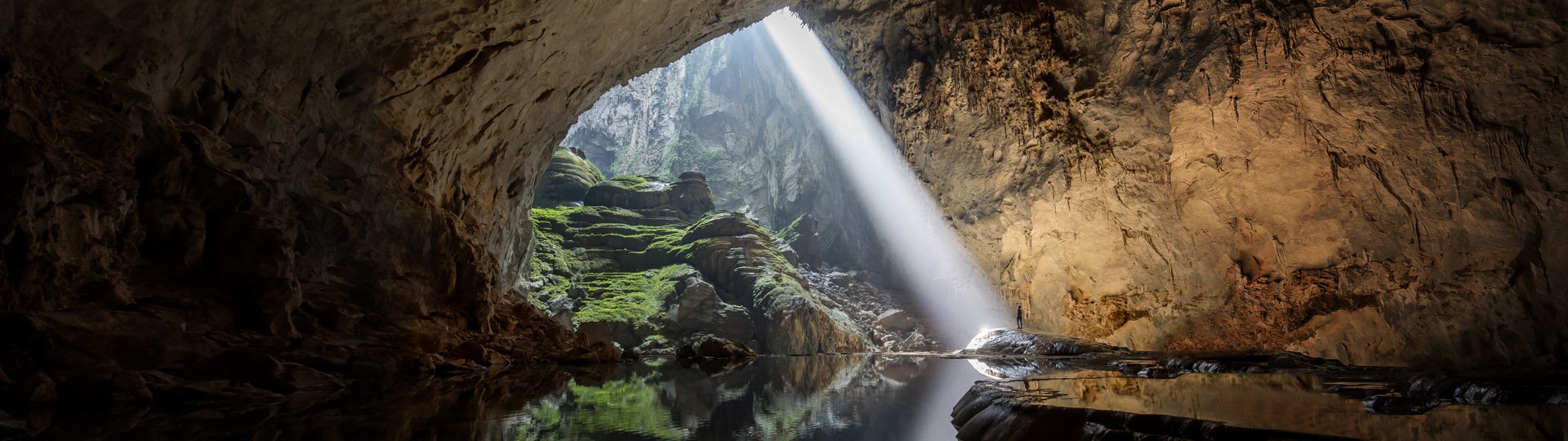
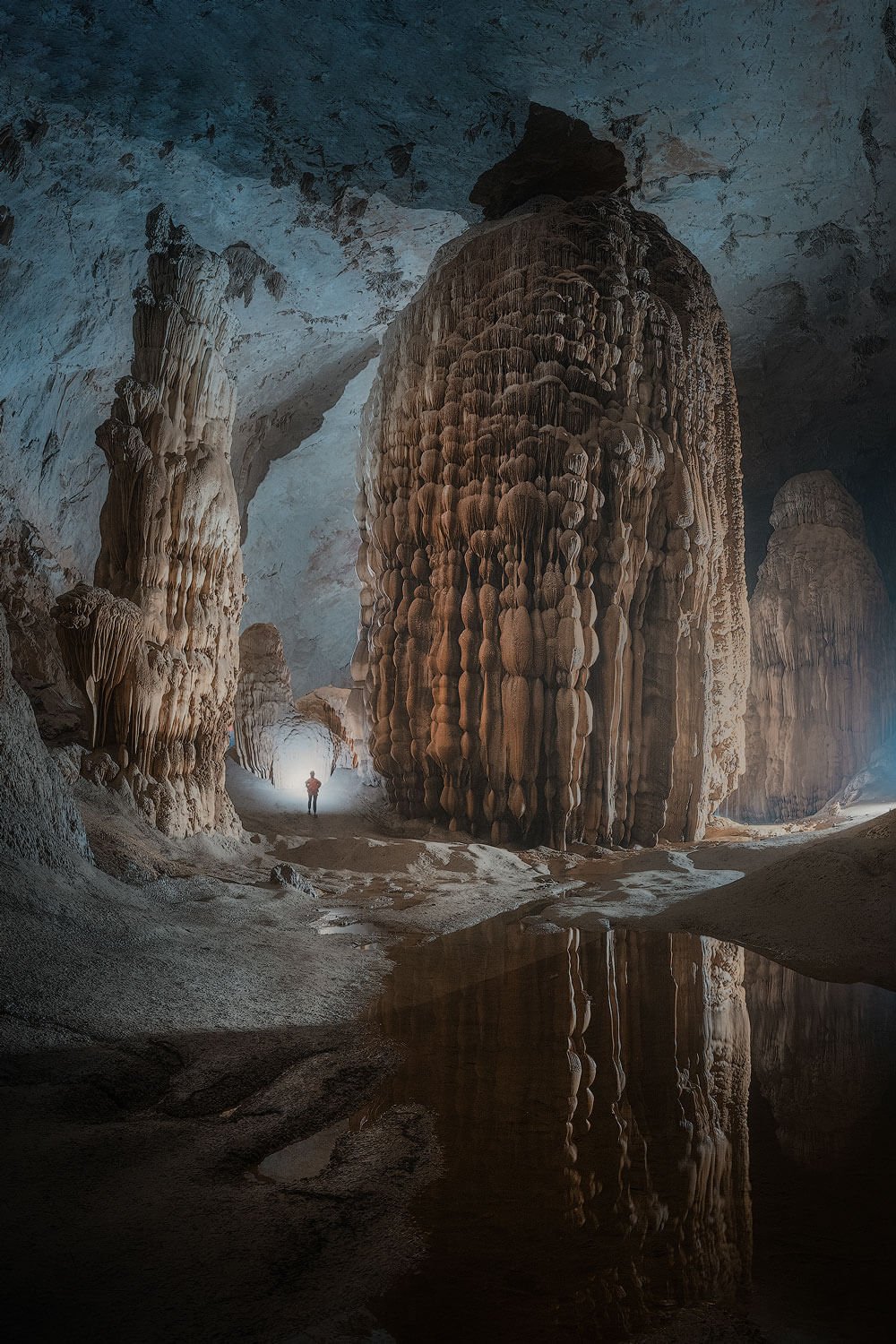
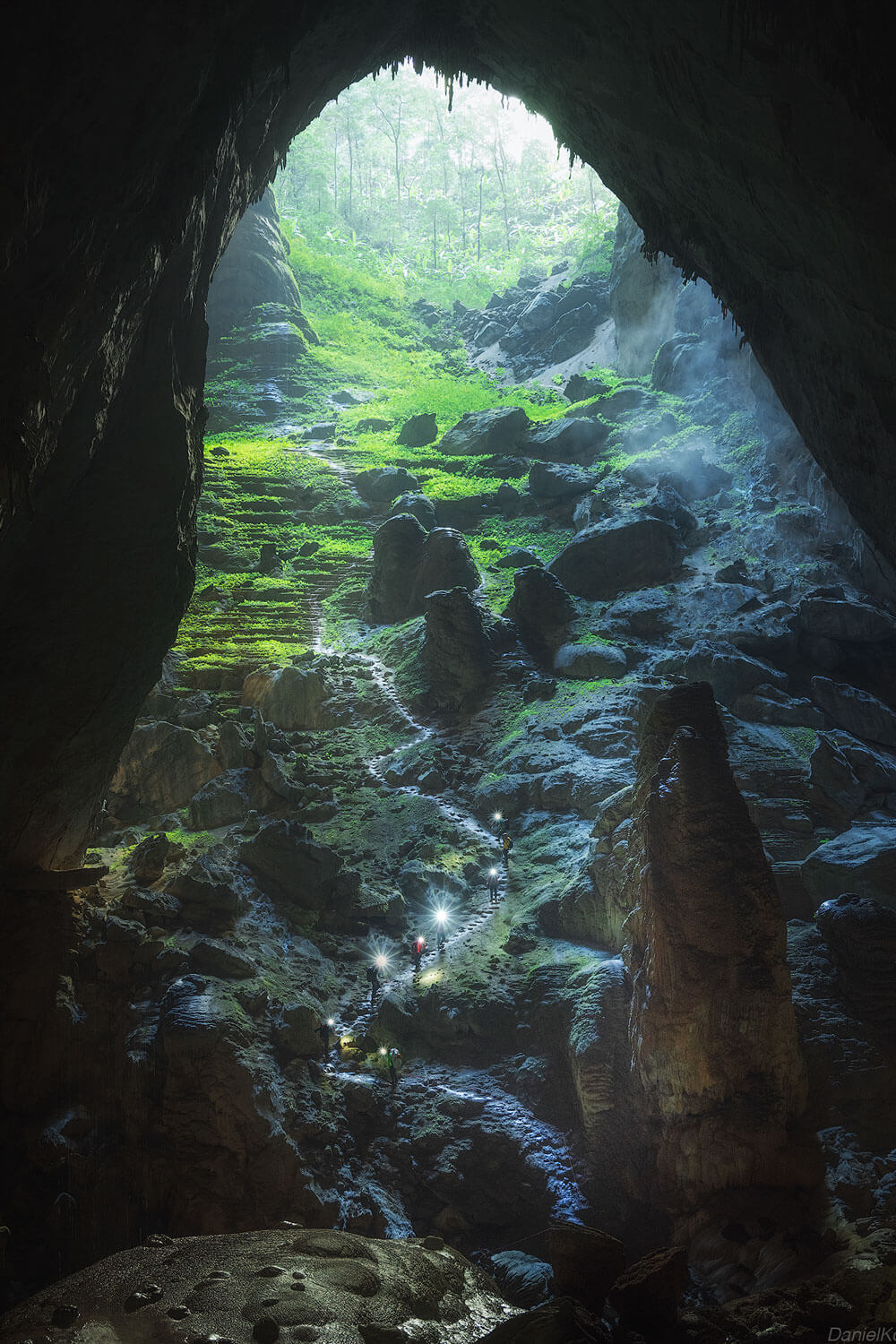
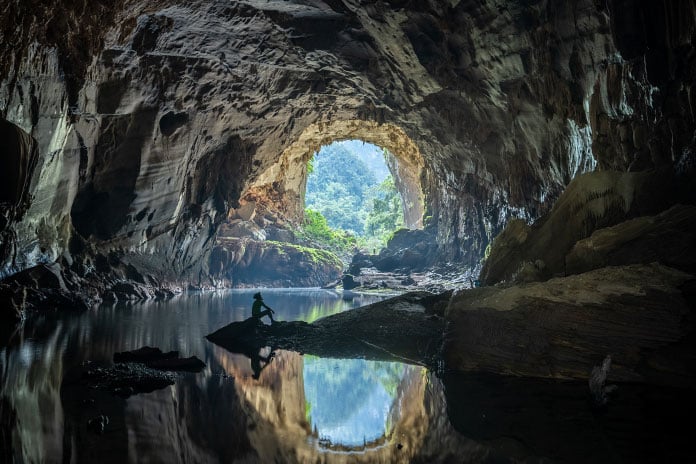
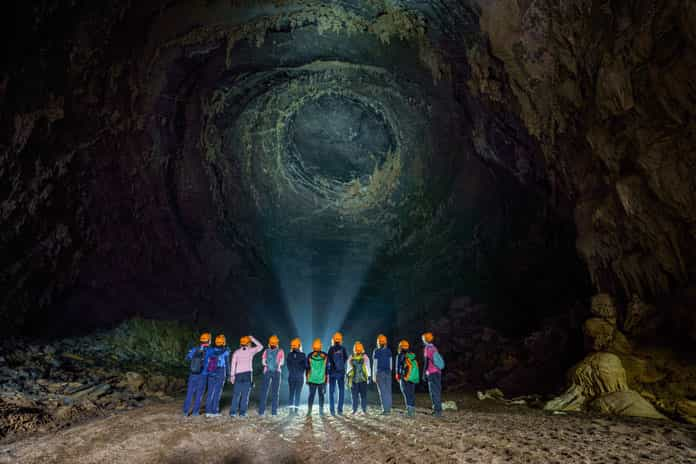
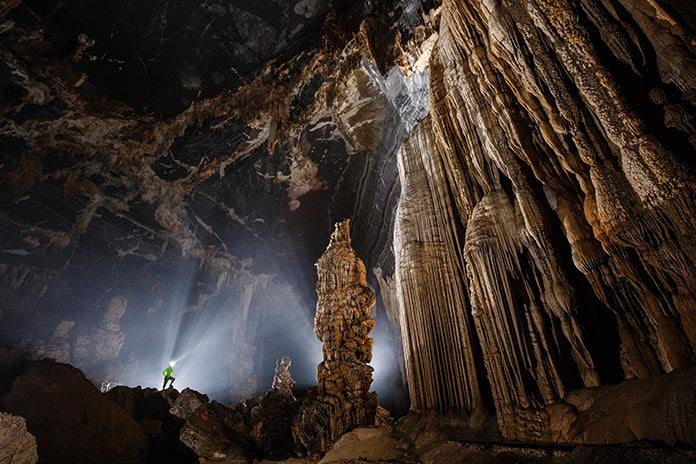
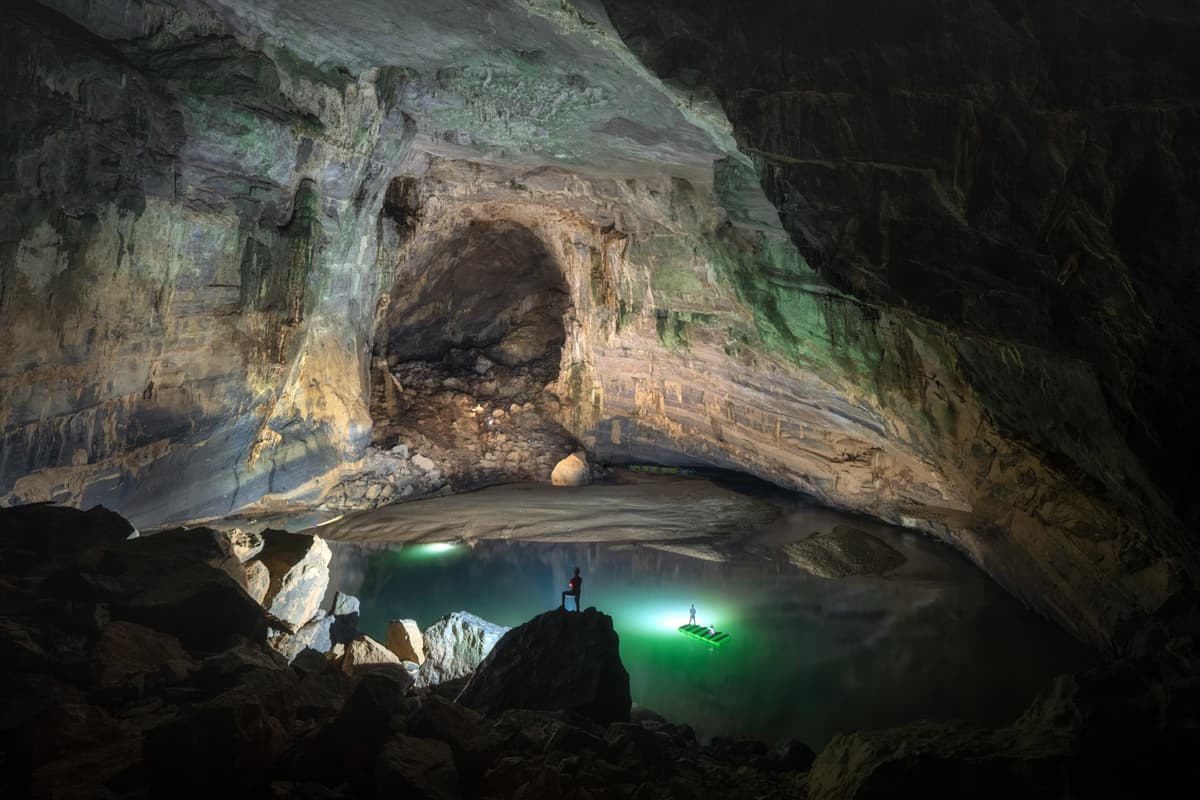
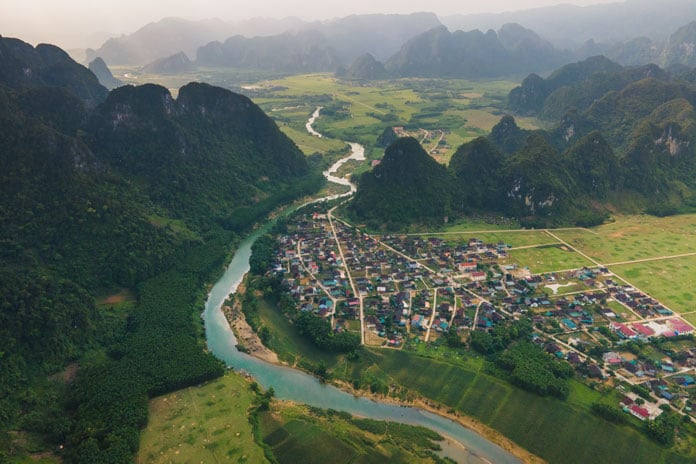
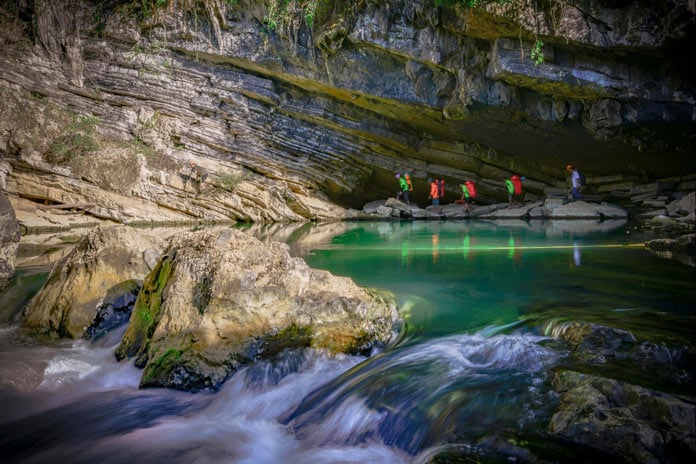
Son Doong Cave, located in Phong Nha-Ke Bang National Park in central Vietnam, is the world’s largest cave by volume. Its enormous chambers reach heights of over 200 meters, while collapsed sections of the ceiling allow sunlight to reach underground forests. These natural skylights create a unique ecosystem, complete with dense vegetation, mist, and its own microclimate. Oxalis Adventure is the exclusive tour operator authorized to organize expeditions into Son Doong Cave, so visitors must join its organized expedition rather than explore the cave on their own.
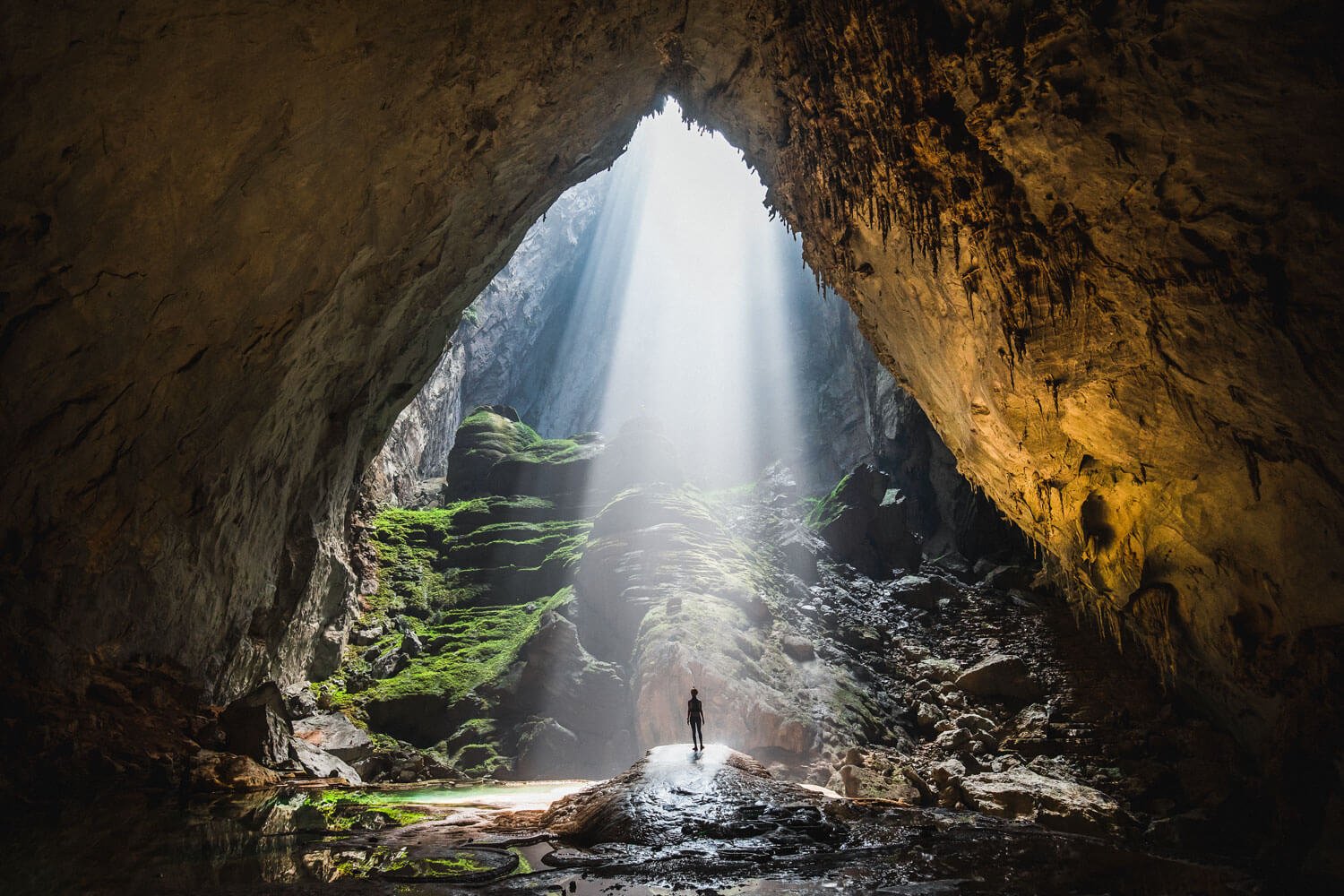
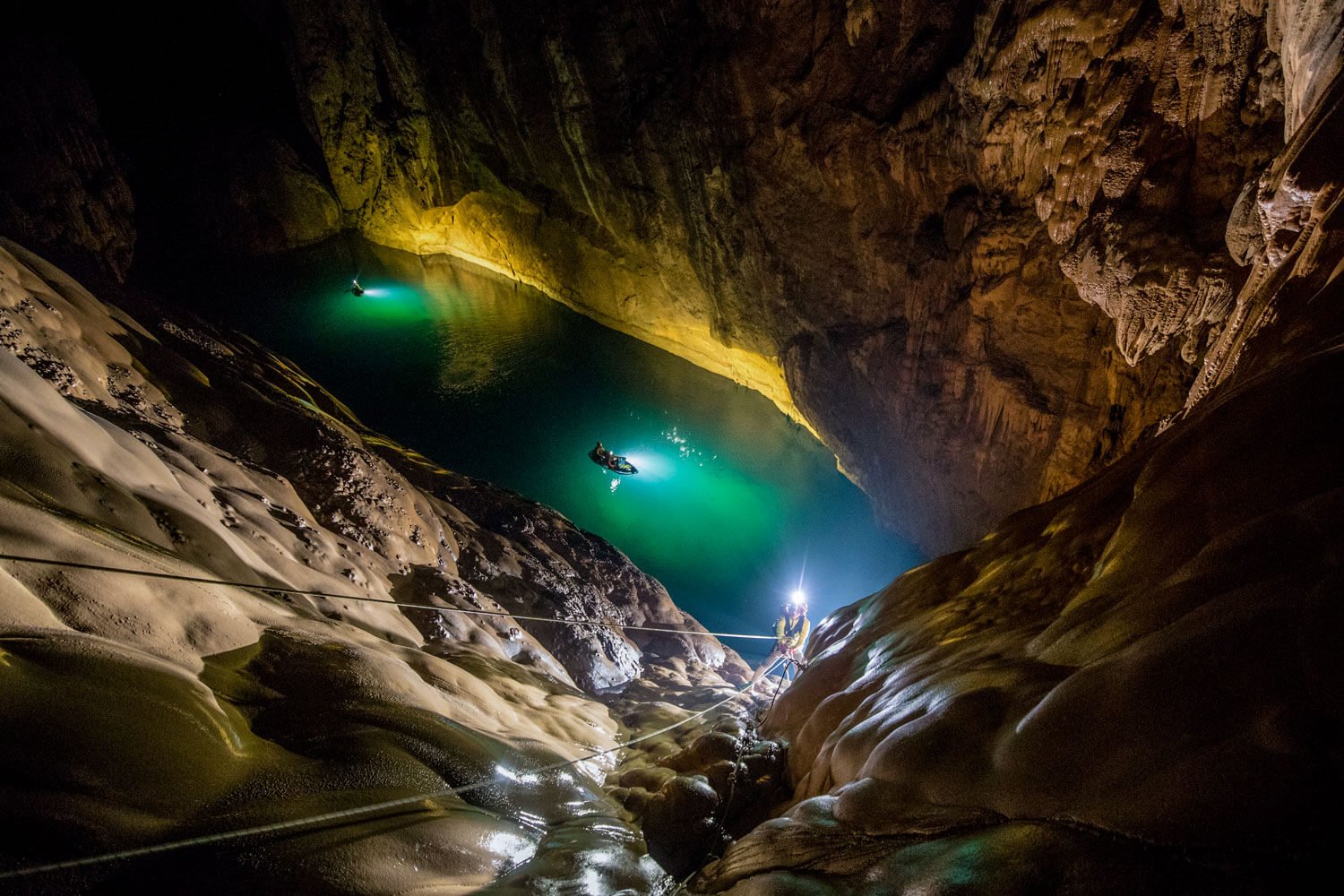
The expedition operates from January to August, with approximately 1,000 visitors allowed each year to help protect the cave’s fragile ecosystem. Because it is such a sought-after bucket list adventure, departures are often booked years in advance, meaning securing a place requires careful planning. Each group is limited to 10 guests and supported by a large team of guides.
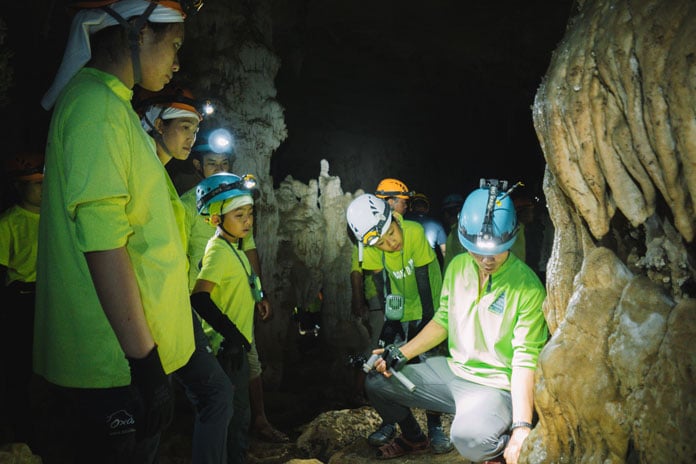
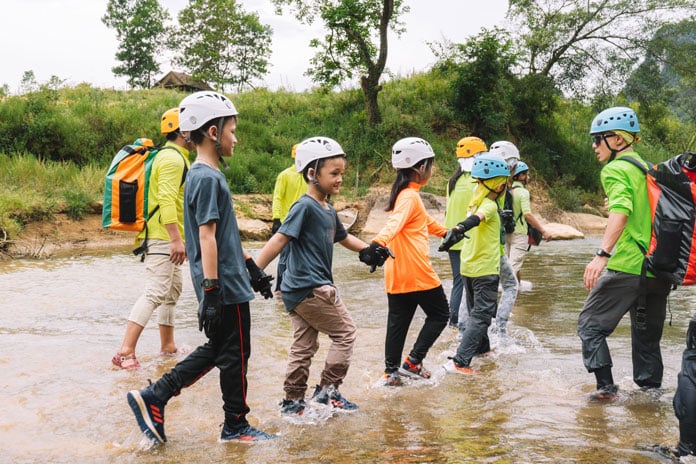
Participants must also meet strict physical fitness requirements because the route involves steep jungle trails, rocky terrain, river crossings, and several days of demanding trekking far from medical facilities. Within the previous 12 months, they must have completed at least one overnight forest or mountain trek involving at least 8 km of walking per day on challenging rocky terrain, with around 1,000 meters of elevation gain. Certain medical conditions listed in Oxalis Adventure’s health restrictions may also prevent participation.
2. The Inca Trail to Machu Picchu (Peru)
- Waiting time: 6 - 9 months ahead, especially for peak season from May to September.
Hiking the Inca Trail is one of the most memorable ways to reach Machu Picchu. The classic route covers roughly 42 kilometers over 4 days, following ancient stone paths through the Andes, cloud forests, and mountain passes. The highest point, Dead Woman’s Pass, sits at around 4,215 meters above sea level, making this a challenging trek as well as a cultural journey.
The reward comes on the final morning, when hikers approach the Sun Gate and catch their first view of Machu Picchu from above. Because the trail passes through a protected archaeological area, Peru limits access to around 500 daily permits, including guides and support staff. The number available to trekkers is therefore much smaller.
Weather also plays a major role in planning. The best time to hike the Inca Trail falls between May and September, during the Andean dry season when clear skies provide the best mountain views and safer walking conditions. Inca Trail permits for popular dry-season departures can sell out months in advance, so book early if you want a specific date.
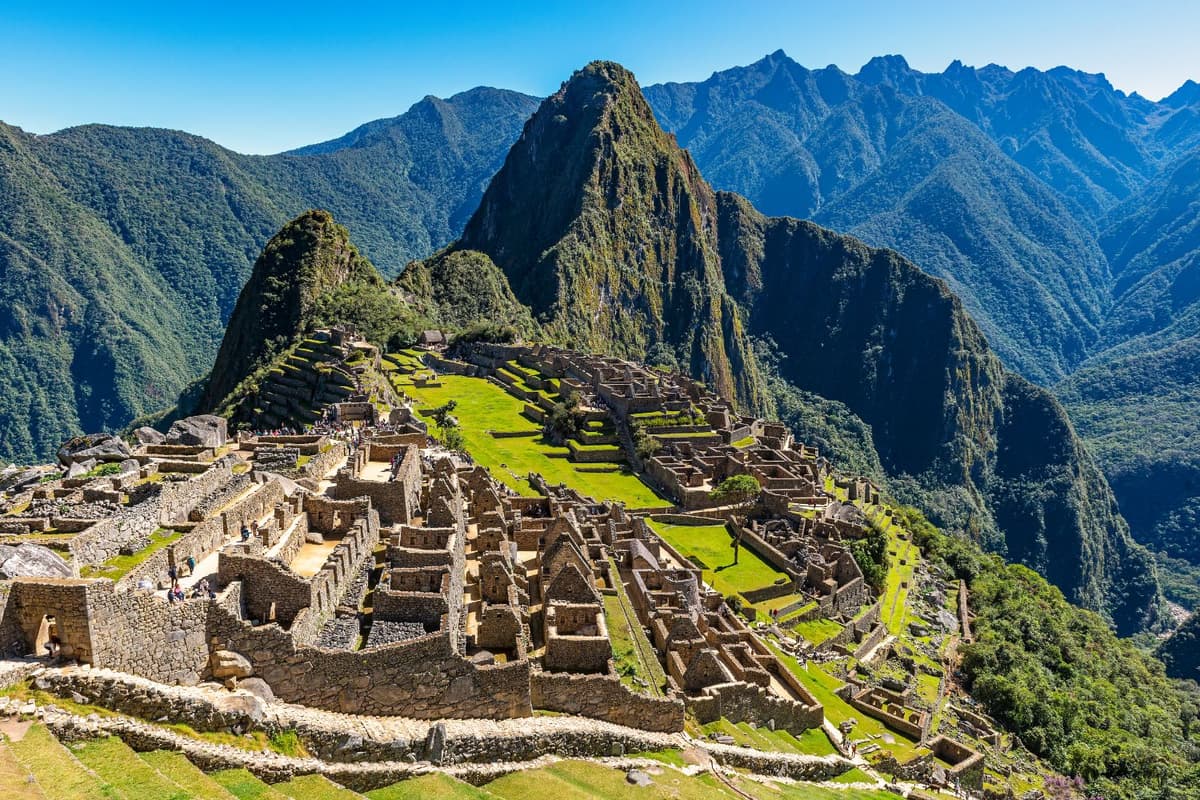
Hikers exploring the ancient stone ruins of Machu Picchu.
3. Gorilla Trekking in Volcanoes & Bwindi (Rwanda & Uganda)
- Waiting time: 6 - 12 months recommended for permits.
Mountain gorilla trekking experience offers a rare chance to see endangered mountain gorillas in their natural habitat. Deep in the misty forests of Uganda and Rwanda, you may find a gorilla family resting among the greenery, feeding on leaves, or caring for its young. These encounters are once-in-a-lifetime trips, but they are carefully controlled to protect the animals from disturbance and disease.
In Uganda’s Bwindi Impenetrable National Park, around 152 - 176 permits are available daily, depending on the number of habituated gorilla groups. Each group can receive a maximum of eight visitors for just one hour. A standard permit costs $800 for international non-residents, $700 for foreign residents, and $500 for African citizens. The more intensive habituation experience costs $1,500 and allows up to four visitors to spend four hours with gorillas in Rushaga.
Volcanoes National Park issues only 96 Rwanda gorilla trekking permits daily across 12 gorilla groups. Each permit costs $1,500, with a low-season rate of $1,050 available from November through May under specific accommodation-booking conditions. With only 8 visitors allowed per group each day, securing your preferred date can require booking 6 to 12 months ahead.
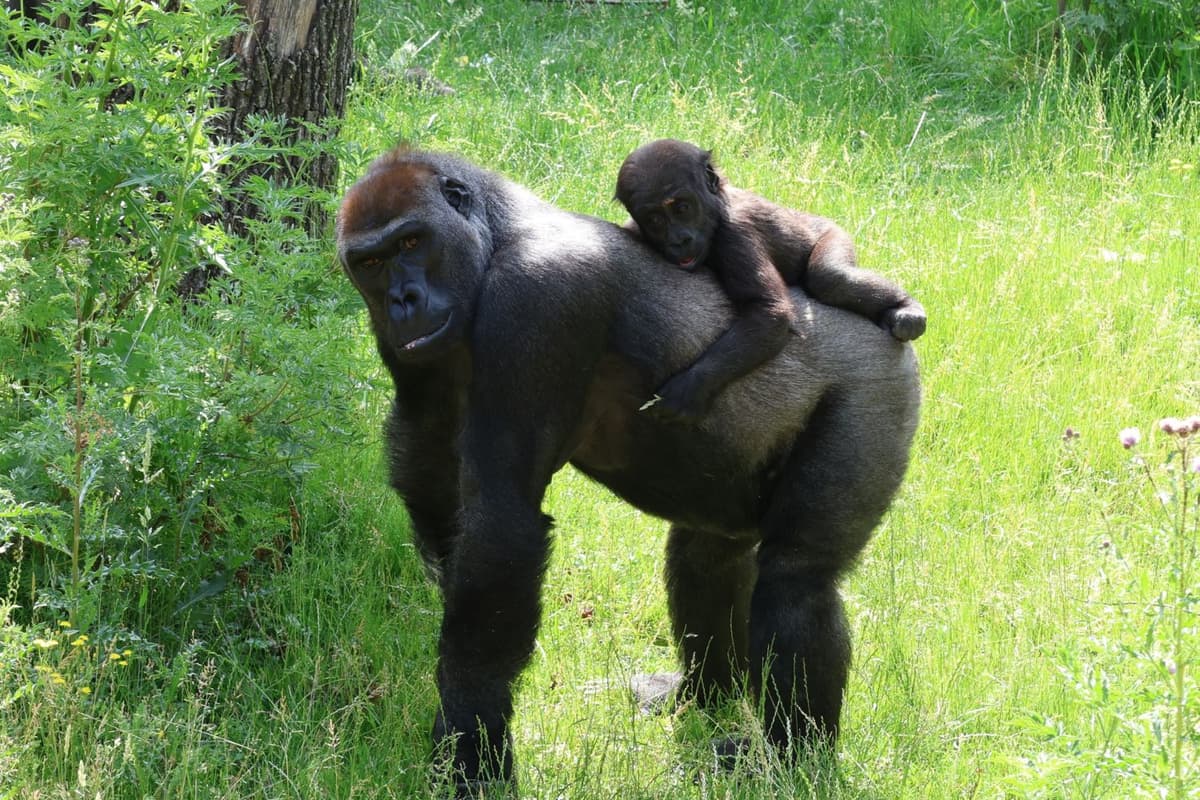
A mother gorilla and her offspring moving through the misty green forest.
4. The Wave Permit in Coyote Buttes North (USA)
- Waiting time: Lottery odds can fall to just 1 - 3% during peak season.
The Wave is one of the American Southwest’s most surreal landscapes. Located in Coyote Buttes North on the Utah-Arizona border, this formation features sweeping bands of red, orange, and yellow sandstone that resemble frozen waves. Created through millions of years of erosion, these Jurassic-era rocks date back approximately 190 million years. Their delicate curves and vivid colors make the landscape look almost unreal.
Getting there, however, is a lottery. The Bureau of Land Management limits the Wave Arizona permit to a maximum of 64 people or 16 groups per day, whichever limit is reached first. The Advanced The Wave Lottery opens four months ahead and grants 48 daily permits, while the Daily Lottery offers 16 permits through Recreation.gov, 2 days before a visit.
Applicants must be within the designated geofence near Kanab or Page. During spring and fall, Advanced Lottery odds can drop to just 1 - 3%, making this extraordinary landscape one of the hardest places to visit legally.
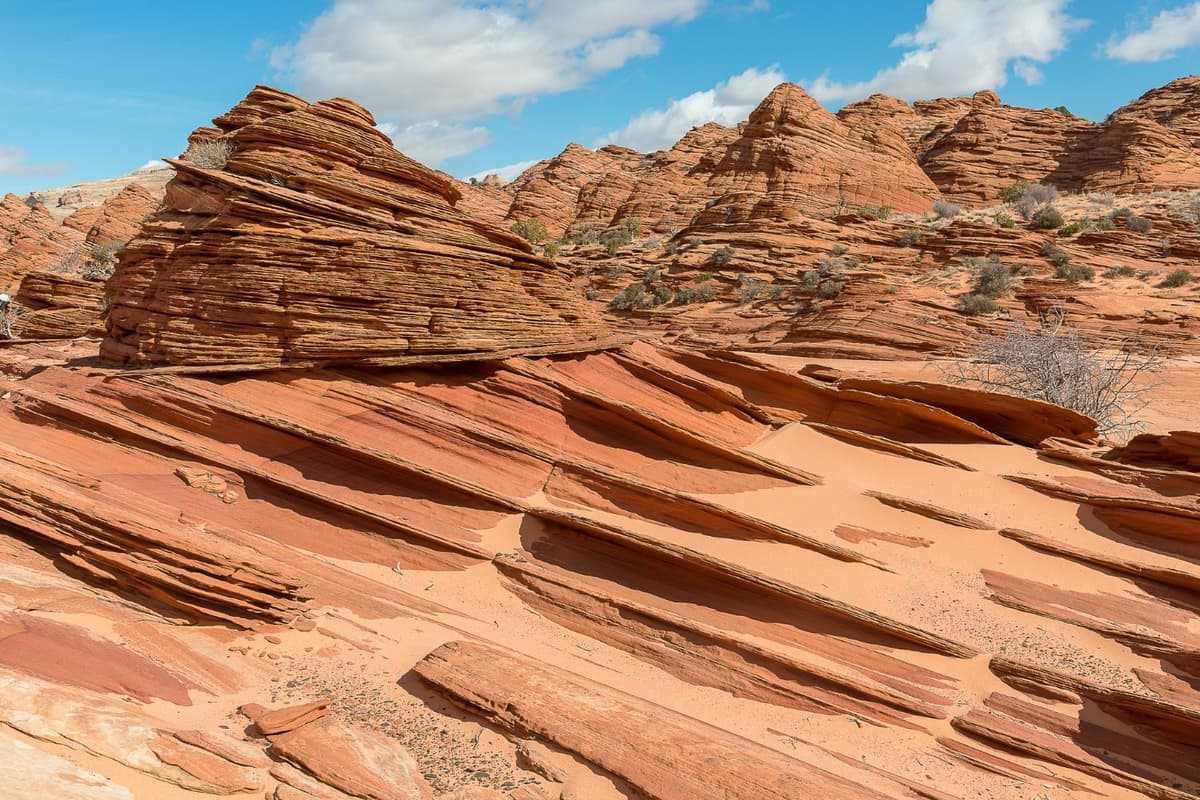
Sweeping red and orange sandstone layers of The Wave.
5. Tour du Mont Blanc (France, Italy, Switzerland)
- Waiting time: 6 - 10 months for accommodation during peak season.
The Tour du Mont Blanc is one of Europe’s most iconic long-distance hikes, taking trekkers on a roughly 170-kilometer circuit through France, Italy, and Switzerland. Along the way, you’ll cross high mountain passes, walk through flower-filled valleys, and enjoy sweeping views of glaciers and snow-covered Alpine peaks. The route also offers a changing mix of local food, mountain villages, and cultures across three countries.
The challenge is finding somewhere to sleep. The trail gains and loses around 10,000 meters in elevation, and most hikers rely on mountain refuges to complete the journey over several days. During July and August, beds at popular stops can sell out within hours or days of reservations opening.
Planning 6 to 10 months ahead is often necessary to secure a continuous Tour du Mont Blanc itinerary. Building new refuges is tightly restricted to protect the Alpine environment, while wild camping rules vary by location and can be strict. Without confirmed overnight stops, even experienced hikers may struggle to complete their planned route.
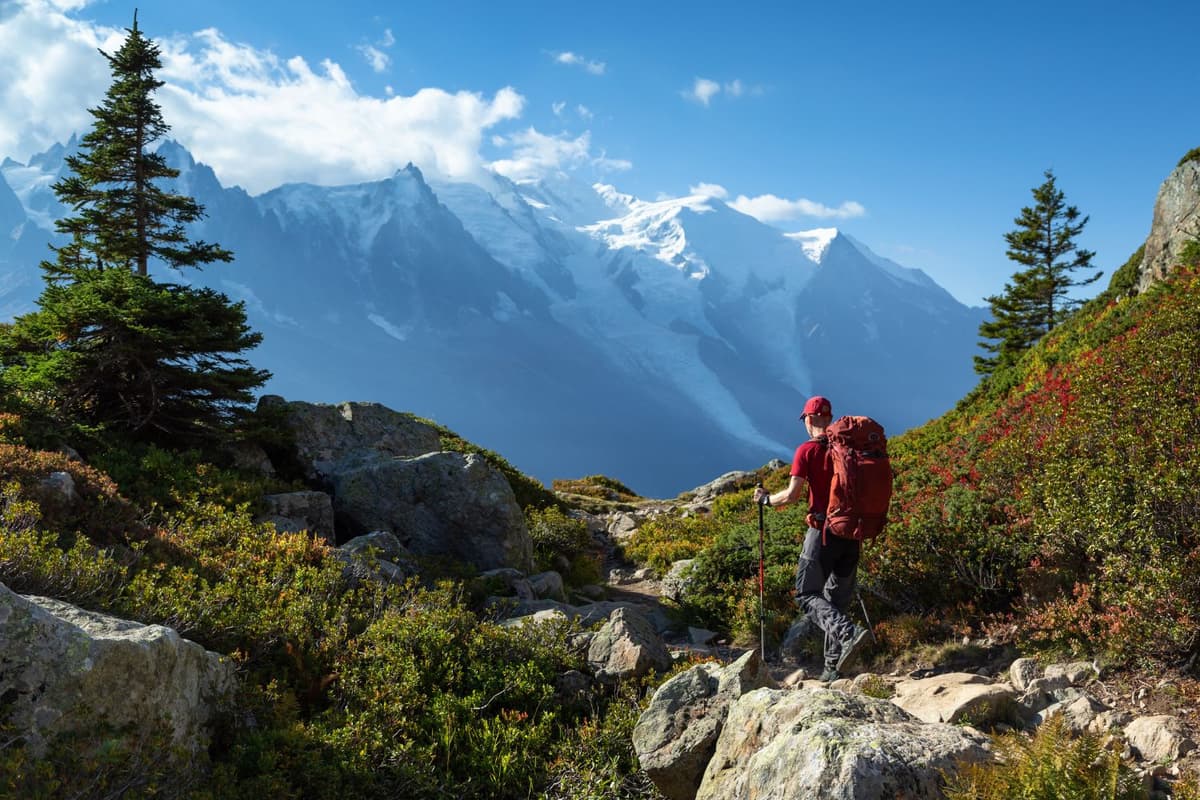
A backpacker trekking through alpine paths in the Alps.
6. Colorado River Rafting Through the Grand Canyon, USA
- Waiting time: 12 - 18 months for commercial trips; private trips require a lottery.
Rafting through the Grand Canyon is an adventure on a scale few rivers can match. Over 3 to 18 days, you’ll travel along the Colorado River beneath towering red sandstone cliffs, pass hidden side canyons, and navigate powerful rapids reaching Class IV - V difficulty on some routes. Between stretches of whitewater, the Colorado River rafting trip reveals quiet beaches, remote campsites, and landscapes that are inaccessible by road.
Getting a place can be almost as challenging as the river itself. Commercial outfitters often open bookings one to 2 years ahead, with popular departures filling up 12 - 18 months before launch. Private Colorado River rafting expeditions face another hurdle: the National Park Service’s weighted lottery for limited launch permits.
Before 2006, a traditional waiting list could reportedly stretch beyond 20 years. Strict launch quotas and Leave No Trace requirements help protect the canyon, including rules requiring river parties to pack out solid waste. For this trip, flexibility and early planning are essential.
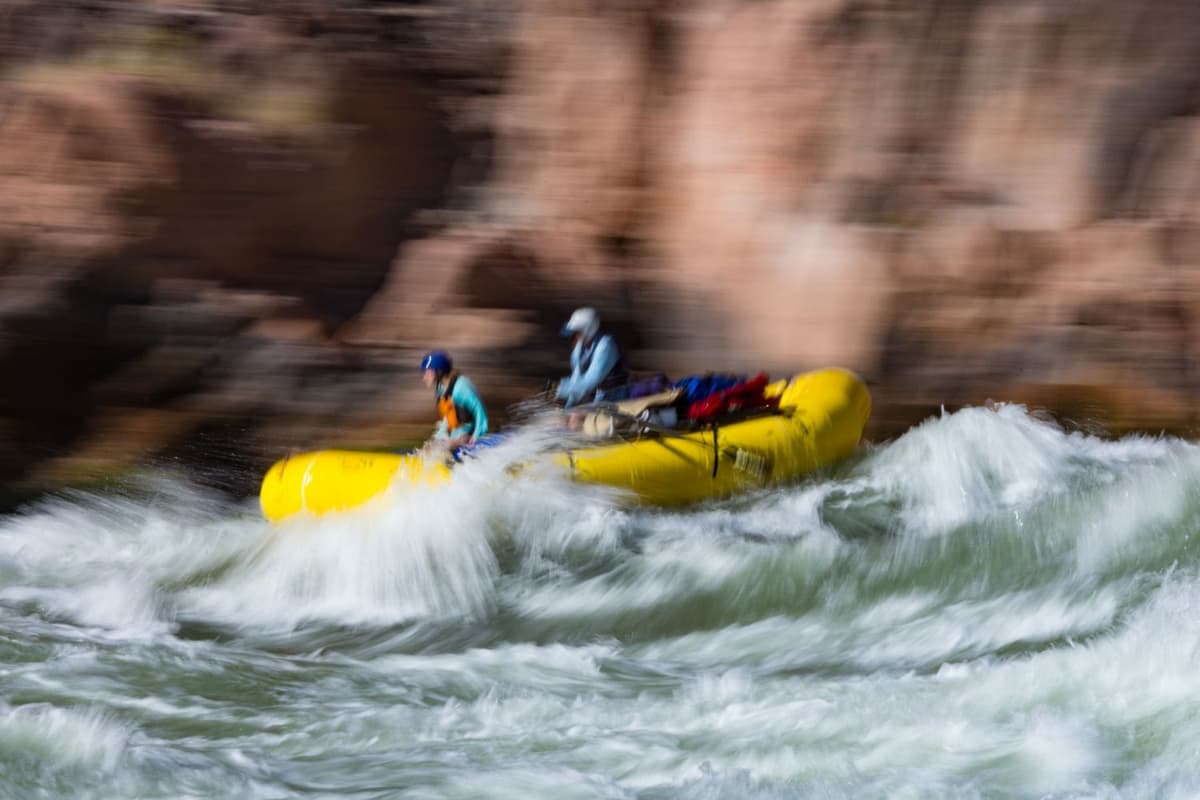
Raft navigating powerful rapids through the Grand Canyon.
7. Polar Bear Tours in Churchill, Manitoba, Canada
- Waiting time: 9 - 18 months for popular tours and lodge packages.
Churchill is one of the best places in the world to see polar bears in the wild. Each autumn, these powerful animals gather along the shores of Hudson Bay, waiting for the sea ice to form so they can head out to hunt seals. From the safety of a specialized Tundra Buggy, visitors can watch polar bears move across the open tundra, sometimes with their cubs nearby. The experience is extraordinary, but the window to see them is short.
The best time to see polar bears in Churchill lasts just 4 to 6 weeks, from mid-October to mid-November. Popular Churchill polar bear tours, especially overnight stays at the Tundra Buggy Lodge, often require deposits 9 - 18 months in advance. Churchill has no road connection to the rest of Canada, so visitors must arrive by train or plane.
The number of authorized vehicles entering Churchill Wildlife Management Area is also tightly controlled to protect the fragile tundra. With limited transport, accommodation, and viewing capacity, waiting for Churchill polar bear tour booking until the last minute can leave you with few options.
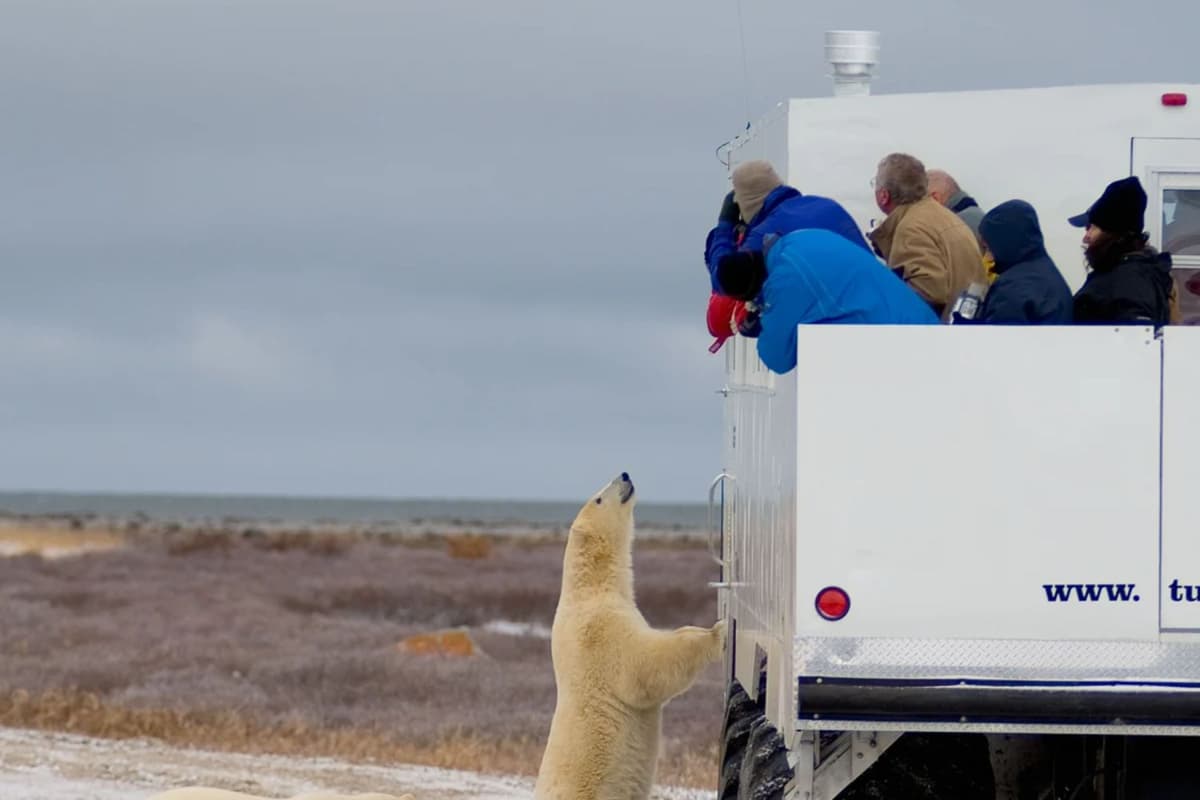
Visitors watching a polar bear from a Tundra Buggy.
8. Icebreaker Expeditions to Antarctica and the Arctic
- Waiting time: 12 - 24 months for specialized expeditions.
Few journeys feel as remote as traveling through polar waters aboard an icebreaker cruise or expedition ship. In Antarctica, you might step onto icy shores to watch penguins gather along the coastline, while Arctic expeditions can take you through vast fields of sea ice toward some of the planet’s most isolated landscapes.
Specialized voyages may even attempt to reach the geographic North Pole at 90°N aboard a nuclear-powered icebreaker. These trips offer access to places that few travelers will ever see, but they demand careful planning. The operating seasons are short: Antarctica’s main expedition season runs from November to March, while many Arctic icebreaker cruises operate from June to August.
Under IAATO guidelines, no more than 100 passengers may go ashore at a landing site at once, and cruises carrying more than 500 passengers cannot make tourist landings. Smaller North Pole expedition cruise, often carrying fewer than 100 - 150 passengers, offer more opportunities to explore ashore but have fewer cabins. Specialized departures can sell out more than a year ahead, making early reservations essential.
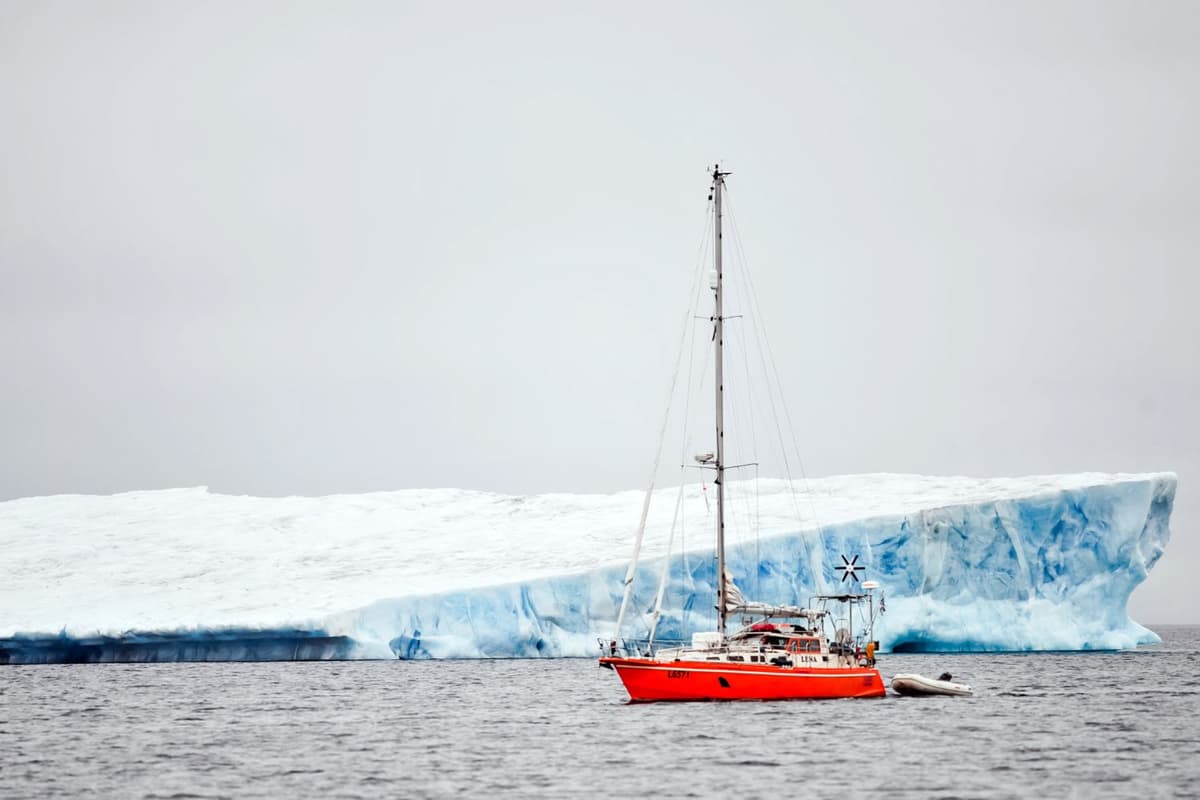
A red sailboat navigating icy polar waters.
Why Do Some Exclusive Travel Experiences Have Year-Long Waiting Lists?
Not every travel experience can be booked at the last minute. Some take months of planning, and others sell out a year ahead. Here are the main reasons why these tours are so hard to book.
Strict Carrying Capacity and Environmental Conservation
Some bucket list travel destinations can only handle a small number of visitors without harming the environment. Fragile caves, protected forests, and remote wildlife habitats need time to recover from human activity. Limiting visitor numbers helps protect these places and keeps them in good condition for future generations. For tours like Son Doong Cave, fewer spaces mean travelers often need to book well in advance.
Complex Logistics and Safety Protocols
Remote adventures take more planning than a typical sightseeing tour. They may require specialized equipment, experienced guides, safety experts, and a large support team. Weather also plays a big role, especially in mountains, caves, and polar regions. Many tours operate for only six to eight months a year, leaving a limited number of departure dates for travelers to choose from.
High Demand and Limited Availability
Some experiences are simply too popular for the number of spots available. Travelers from around the world compete for permits, accommodation, and departure dates, especially during the best time of year to visit. When a tour offers only a handful of departures or a small number of places each day, bookings can fill up quickly. Even if you have the budget, you may still need to wait months for an available spot.
Insider Tips to Secure a Spot on High-Demand Tours
Mark Official Booking Launch Dates and Permit Windows
- Check when permits and bookings open for the following season, as some popular tours sell out within hours or days.
- Sign up for newsletters and early booking alerts from official tour operators and park authorities.
- Prepare your travel dates and payment details in advance so you can book as soon as reservations open.
Leverage Last-Minute Waitlists and Cancellation slots
- Ask tour operators whether they maintain a cancellation waitlist or release returned permits.
- Check availability regularly, especially 30-60 days before departure, when some travelers may cancel due to changes in their plans.
- Stay flexible with your departure dates and group size to improve your chances of securing a spot.
Prioritize Shoulder-Season Travel
- Consider traveling at the beginning or end of the operating season, when demand may be lower than during peak months.
- Compare availability across different departure dates before finalizing flights and accommodation.
- Check seasonal weather conditions and access restrictions to make sure the experience is still suitable for your trip.
Prepare Fitness Requirements and Pre-Trip Paperwork Early
- Review physical fitness requirements, medical declarations, and any mandatory qualifications before booking.
- Prepare the necessary documents, including passport details and health information, to avoid delays during registration.
- Allow enough time to complete fitness assessments or obtain medical clearance if required by the operator.
- Read the cancellation and deposit policies carefully so you understand your obligations before confirming a reservation.
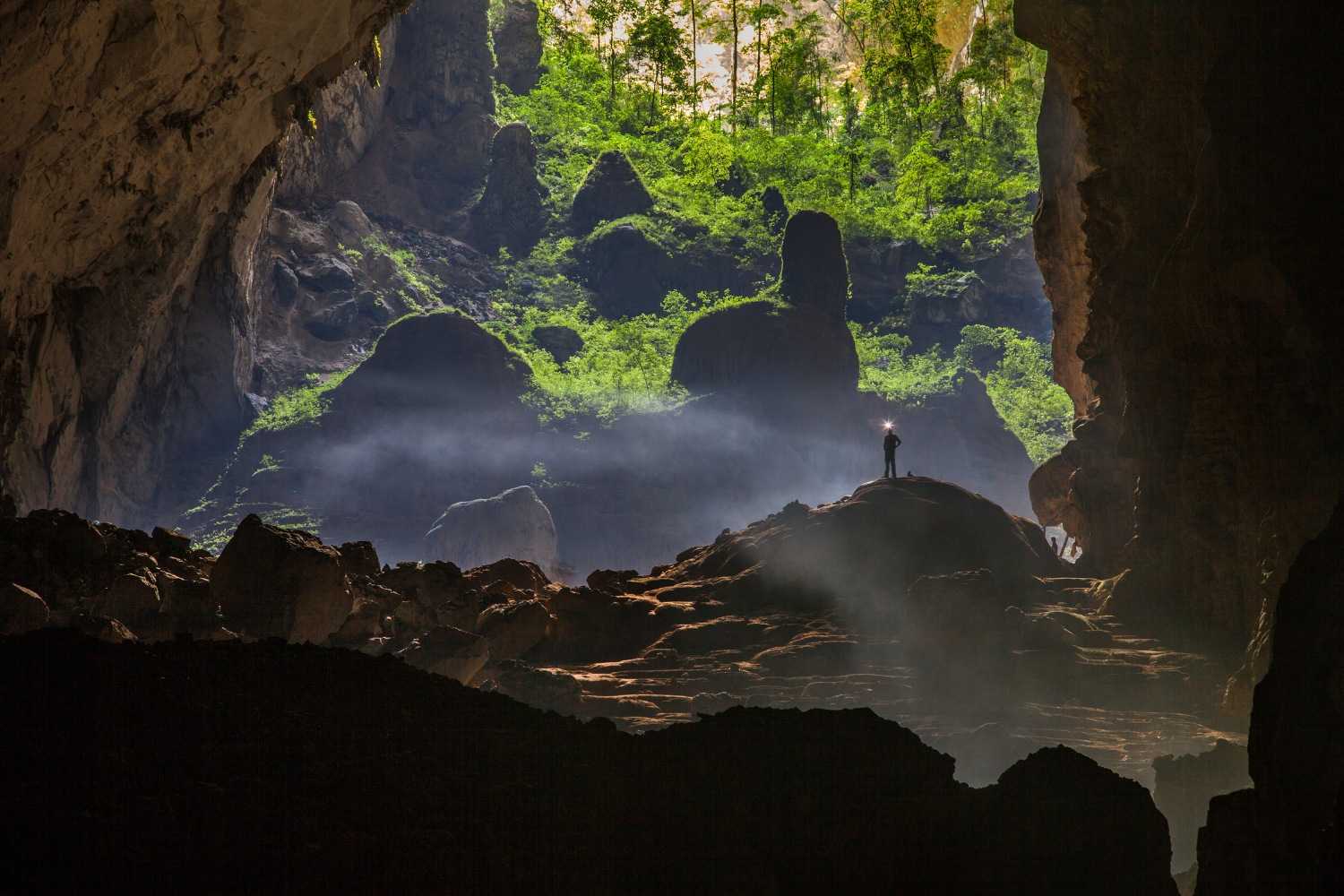
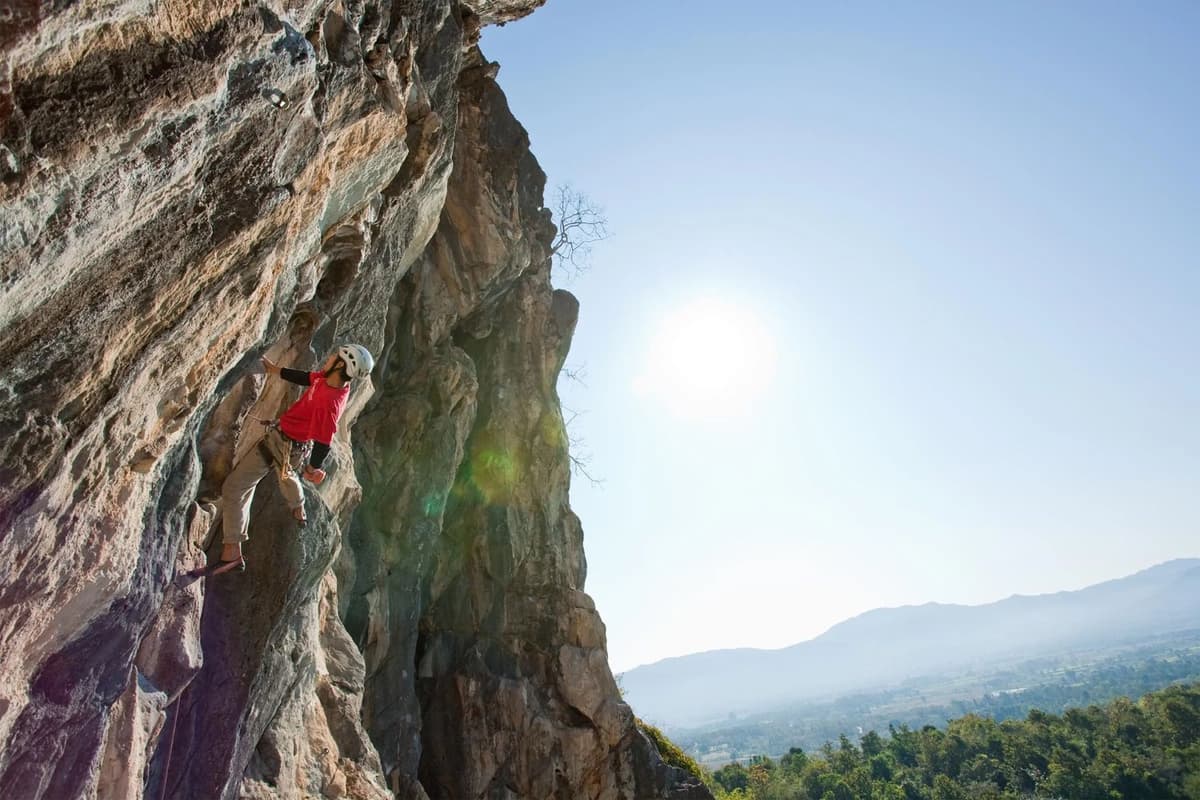
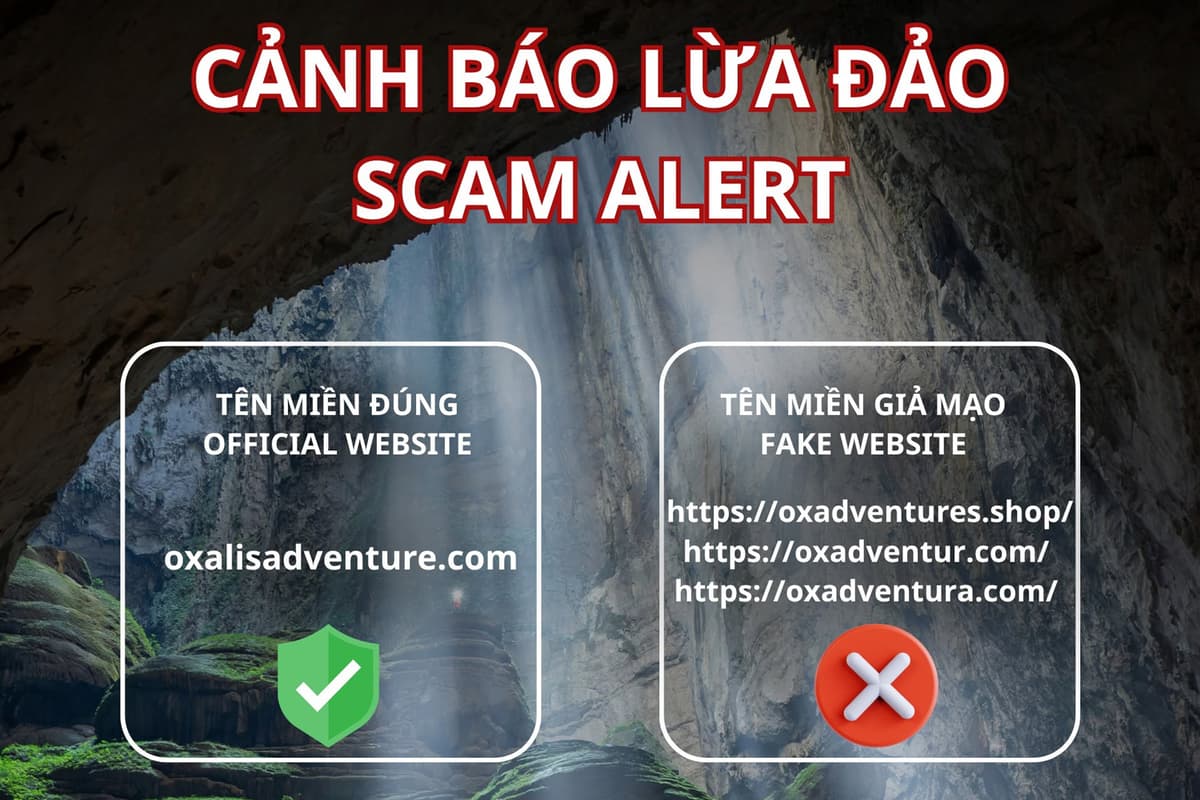

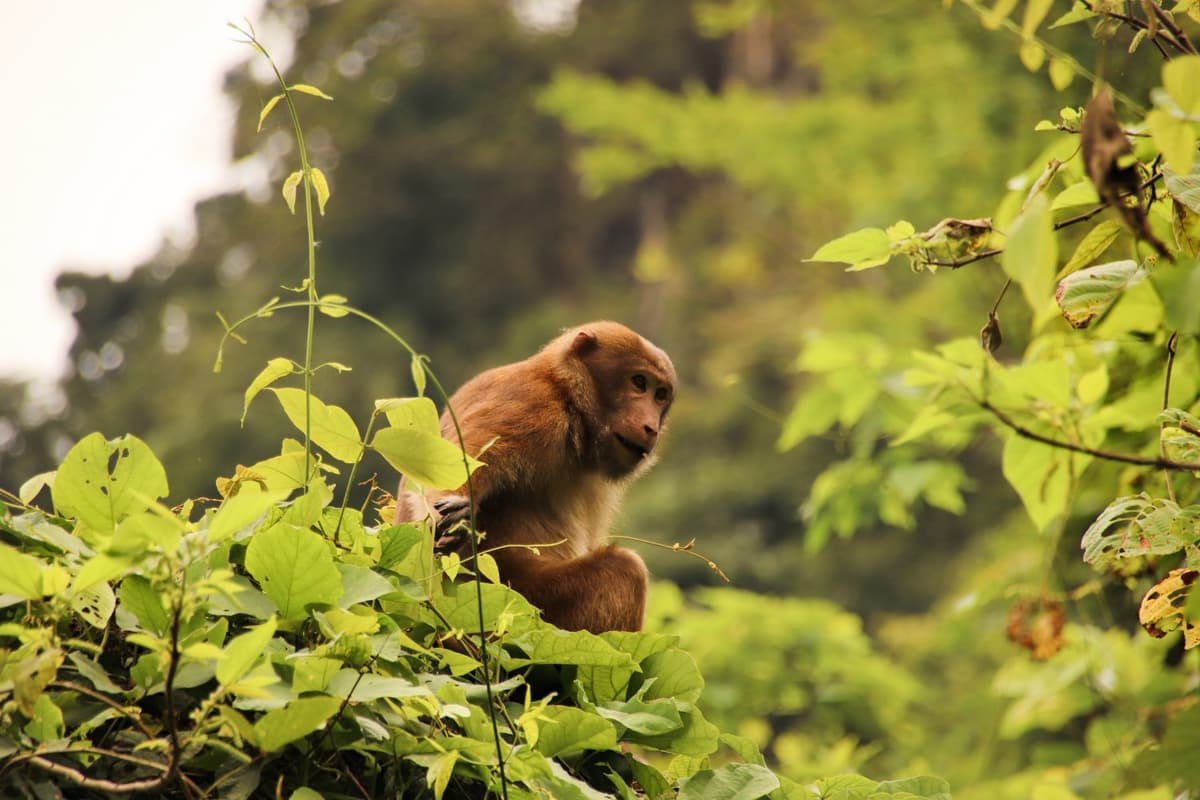
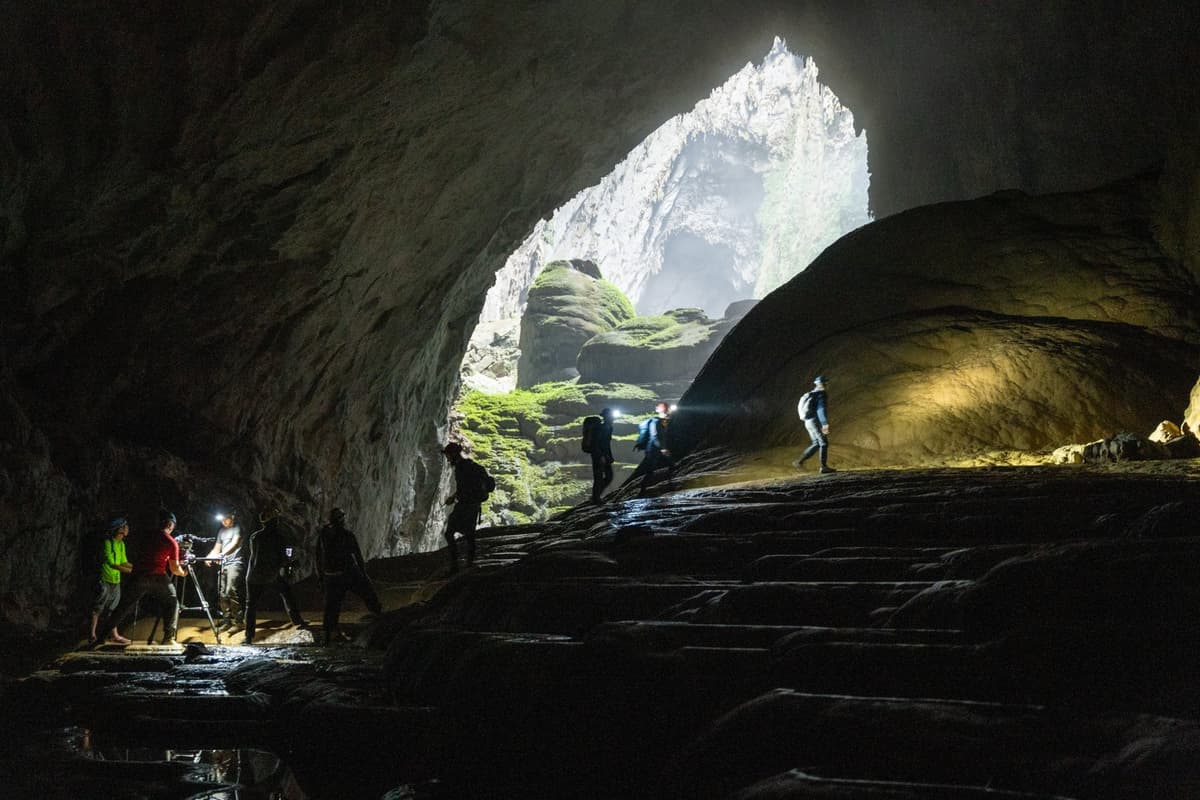
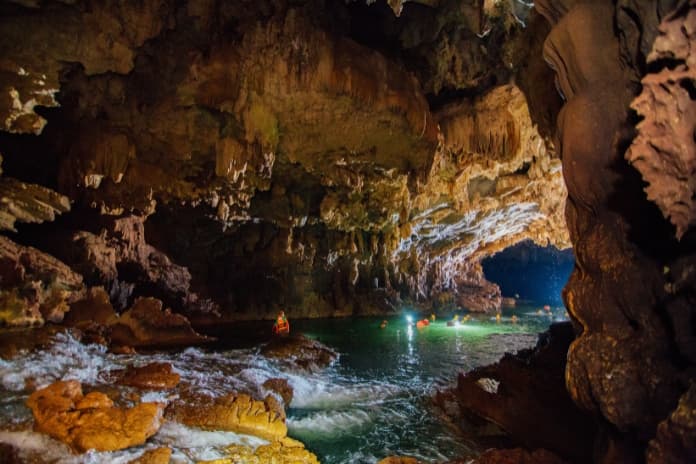
Whether you prefer long treks, camping in a cave, sleeping under the stars in the jungle, swimming underground in river caves, explore the huge dry caves or just taking an exploratory day trip, Oxalis Adventure Tours can provide the right amount of adventure just for you.
__637051782550081035.jpg)
__637051780703588520.jpg)
__637051765075307793.jpg)
__637051774329206026.jpg)
__637740499994967442.jpg)