
Oxalis Adventure evaluates greenhouse gas reduction results in 2024
After one year of implementing greenhouse gas inventory and applying emission reduction measures.
From its very first days, Oxalis chose the path of sustainable development, considering environmental protection not only as a responsibility but also as a long-term strategy. By setting the goal of reaching Net Zero by 2030, which is 20 years earlier than the national commitment, Oxalis understands that this is a challenging journey that requires both determination and perseverance from every single member.
To ensure transparency and scientific accuracy, since 2023 Oxalis has partnered with Intertek Vietnam to precisely measure emissions, develop reduction strategies, and work toward Net Zero certification under international standards.
After the first emissions inventory, Oxalis obtained a comprehensive overview of its “carbon footprint,” covering transportation activities, energy consumption, service supply, waste management, as well as supporting activities such as office operations, accommodation, dining, and other areas. These measurements helped identify major emission hotspots and guided solutions for mitigation along the company’s Net Zero journey.
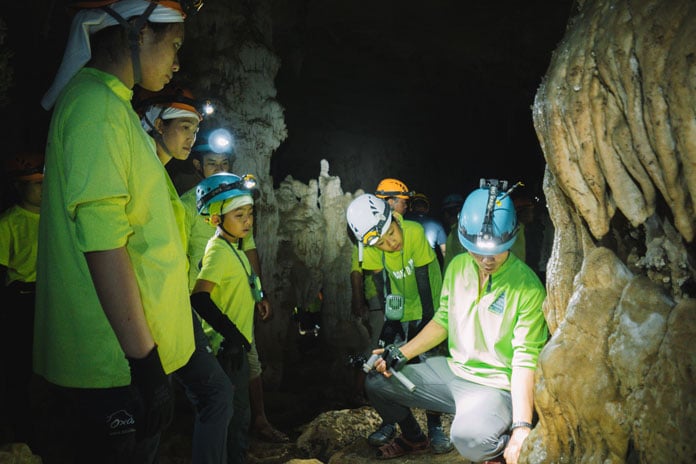
With clear data in hand, Oxalis moved into action. In 2024, the company began its first decisive year of implementing emission reduction measures, while also conducting internal training and assigning reduction targets to each department. A shared spirit of responsibility was spread across the organization, allowing every employee, whether tour operators, office staff, permanent members, or seasonal workers, to feel part of this important collective journey.
Greenhouse Gas Emissions Inventory Results 2024
After a year of consistent actions and alignment with the company’s overall direction, 2024 concluded with highly encouraging results: the total greenhouse gas emissions of Oxalis Adventure dropped to only 1,607 tons of CO2e, a reduction of 26.4% compared to 2023.
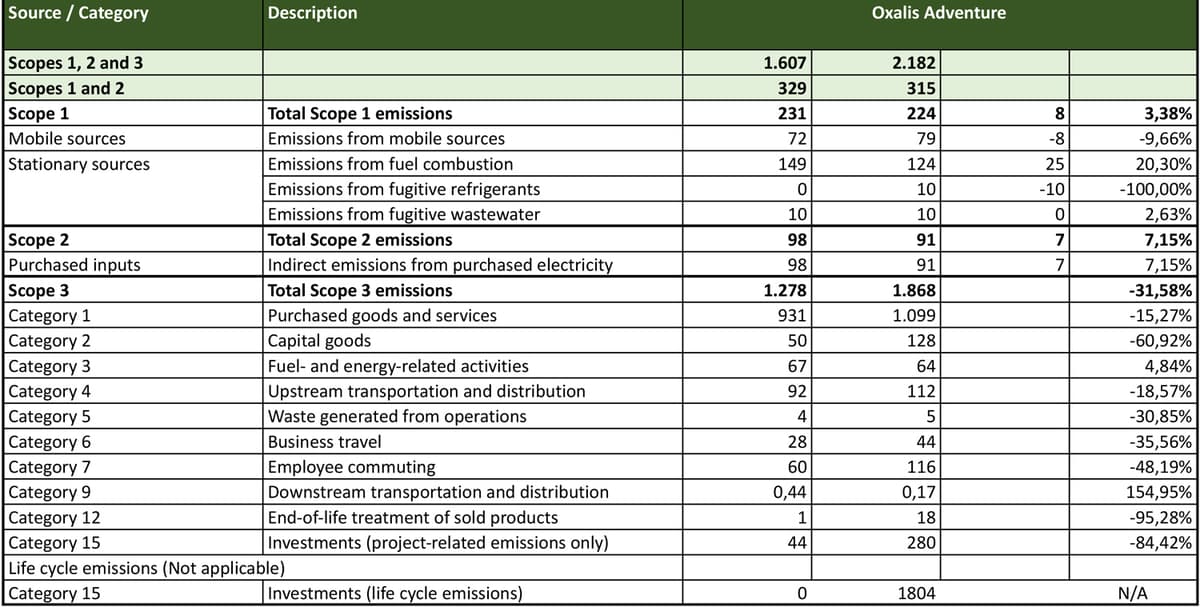
Oxalis Adventure’s 2024 greenhouse gas emissions inventory results table
When examining each emission scope in detail, the figures clearly show which solutions proved effective and should be further enhanced, and which areas still need improvement for Oxalis to achieve better outcomes in the future.
Scope 1: Direct Emissions
Total direct emissions increased slightly by 3.38%, even as the number of tour participants rose by 2.6% and overnight guests surged by as much as 133%. This is a positive result, demonstrating that Oxalis managed to control emissions effectively despite a significant expansion in operations.
The highlight of 2024 was the nearly 10% reduction in emissions from mobile vehicles. This strongly affirms the company’s right direction in gradually transitioning to electric vehicles, which now account for 20% of the total fleet, while reducing the proportion of fuel-powered vehicles to 80%. At the same time, strategies to optimize vehicle efficiency also contributed positively. For instance, increasing ride-sharing on certain routes, particularly tours with overnight stays at Tu Lan Lodge and Tan Hoa after expeditions in the Tu Lan cave system, not only reduced operating costs but also significantly lowered emissions from transportation.
In addition, emissions from refrigerant leakage and wastewater treatment remained at a low level, reflecting the effectiveness of Oxalis’s sustainable management systems implemented at its accommodations.
On the other hand, fuel combustion emissions increased by about 20%, mainly due to the rise in tour participants and overnight guests, which drove higher demand for fuel in cooking and operations. This indicates that Oxalis needs to pay greater attention to adjusting energy management in food service and overall operations, in order to develop more optimal solutions that can both save costs and progressively reduce emissions, moving closer to a more sustainable model.
Scope 2: Indirect Energy Use
In Scope 2, which reflects electricity consumption across Oxalis units, emissions increased by 7% compared to 2023. However, considering the exceptional 133% growth in overnight guests, this is a truly encouraging outcome. It demonstrates that Oxalis has used energy efficiently, maintaining operational quality and guest experiences while keeping energy-related emissions under control.
This success is largely due to the adoption of solar power alongside grid electricity at accommodations. With zero emissions, this clean energy source not only meets the full needs of the lodges and guests but also significantly reduces dependence on conventional power. In parallel, Oxalis implemented LED lighting and durable energy-saving devices, cutting daily electricity consumption considerably.
Thanks to these measures, even with a sharp increase in guest numbers, Oxalis managed to keep emissions stable, clearly proving the effectiveness of its green energy strategy.
Scope 3: Supply Chain and Indirect Activities
The reduction of emissions from the supply chain and indirect activities was particularly impressive, with a 33% drop compared to 2023. This result highlights the impact of the comprehensive solutions Oxalis has carried out over the past year.
Local Suppliers
In Scope 3, Category 1 (purchased goods and services), Oxalis recorded positive results by prioritizing partnerships with local suppliers. This approach not only shortens transportation distances but also significantly reduces emission factors for many types of food. For example, the emission factor for industrial pork is 1.279 kgCO2e/USD, while locally farmed pork is only 1.08 kgCO2e/USD. Similarly, industrial chicken has an emission factor of 1.375 kgCO2e/USD, whereas chicken from household farms drops to just 0.41 kgCO2e/USD.
This stark contrast contributed to a 15% reduction in emissions from regular consumption compared to the previous year. The outcome demonstrates the environmental benefits of choosing local suppliers and reinforces Oxalis’s sustainable development strategy: placing community participation and long-term benefits at the core while working toward the Net Zero target across its entire value chain.
Waste Management
Alongside the use of local products, Oxalis has also placed strong emphasis on waste management. Waste generated during tours is carefully separated into four categories: organic, inorganic, recyclable, and hazardous, making disposal more efficient. All waste, including organic matter, is collected and taken out of forests and caves to ensure the natural environment remains untouched. At campsites and lodges, leftover food is delivered to local households to be used as animal feed, creating a zero-emission solution that supports a sustainable circular economy.
In addition, Oxalis has consistently implemented specific waste management measures. The company minimizes the use of plastic bags and single-use bottles, replacing them with reusable food containers and refillable water bottles. Starting in 2024, after launching a campaign to reduce plastic bags in tours, plastic bag consumption fell by 10%. Notably, bags used for transporting meat and rice into tours decreased by 34% and 58% respectively, thanks to the adoption of reusable plastic containers. Meanwhile, the use of biodegradable bags was also reduced by 20% compared to the previous year.
Furthermore, waste collection and recycling activities have been widely rolled out across tour sites and accommodations, encouraging participation from both staff and visitors. Thanks to these consistent efforts, emissions from waste decreased by as much as 30% compared to 2023, delivering tangible benefits for both the environment and local communities.
Company-Wide Emission Reduction Measures
A crucial factor contributing to Scope 3 emission reductions has been the collective effort of Oxalis employees. Through regular internal training programs, every individual has developed a strong sense of responsibility in applying green practices, from saving energy in daily tasks and adhering to sustainable operating procedures to embracing eco-friendly commuting, business travel, and meetings. Reducing reliance on private vehicles while prioritizing shared transport or other environmentally friendly options has helped significantly cut indirect emissions.
This not only demonstrates the effectiveness of Oxalis’s management measures but also reflects the collective spirit of the entire company in its journey toward Net Zero.
The commitment and persistence of the Oxalis team have contributed to a positive outcome: Scope 3 emissions have been sharply reduced while also fostering community values, strengthening the image of Oxalis as a sustainable company closely connected with both nature and local communities.
Nature Restoration Initiatives and Community Awareness
Beyond its efforts to reduce emissions across all operations, Oxalis also focuses on restoring nature and enhancing carbon absorption. The company actively participates in tree planting and forest restoration projects within its areas of operation, helping to increase the capacity for CO₂ absorption from the atmosphere and offset part of the emissions generated.
At the same time, tourism activities are carefully managed, with measures such as limiting the number of guests on tours and closing certain caves seasonally to protect ecosystems and allow nature to regenerate.
Alongside these direct actions, Oxalis places special emphasis on education and awareness-raising. In 2024, the company launched a training program on the Net Zero tourism journey for all 500+ employees, ensuring the entire team fully understands the goals and contributes in every activity. In parallel, the Net Zero objective has been widely communicated to customers through our media channels. Carbon footprint data for each tour is published on Oxalis’s official website, encouraging travelers to join efforts in reducing emissions.
Beyond internal initiatives, Oxalis established the Oxalis Empowerment Center, a hub for knowledge-sharing and training on emissions inventory in tourism, strategies for reduction, and pathways toward Net Zero travel. This initiative not only demonstrates the company’s commitment to sustainable development but also highlights Oxalis’s pioneering role in leading the green transition of the entire industry.
These efforts prove that Oxalis goes beyond promises and commits to concrete actions, moving step by step closer to its goal of becoming a model for Net Zero tourism in Vietnam, with the milestone of achieving Net Zero by 2030.
Positive Impacts of Practicing Net Zero Tourism
Practicing Net Zero has brought clear and positive impacts. First, Oxalis has contributed to building a transparent and responsible model, treating emission disclosure as a foundation for sustainable improvement. In addition, the brand and position of Quang Tri have been elevated: once known as the “capital of adventure tourism,” the province is now affirming its place as the “Net Zero heart” of Vietnam’s tourism industry.
Most importantly, Oxalis’s journey has inspired the entire sector, sending a powerful message that Net Zero is no longer a slogan but a long-term competitive strategy. Businesses willing to make changes today will become tomorrow’s leaders.
By combining emission reduction, natural restoration, and community awareness, Oxalis has proven that Net Zero is not only about protecting the environment but also an opportunity to grow tourism, enhance community value, and strengthen Vietnam’s presence on the global green map.
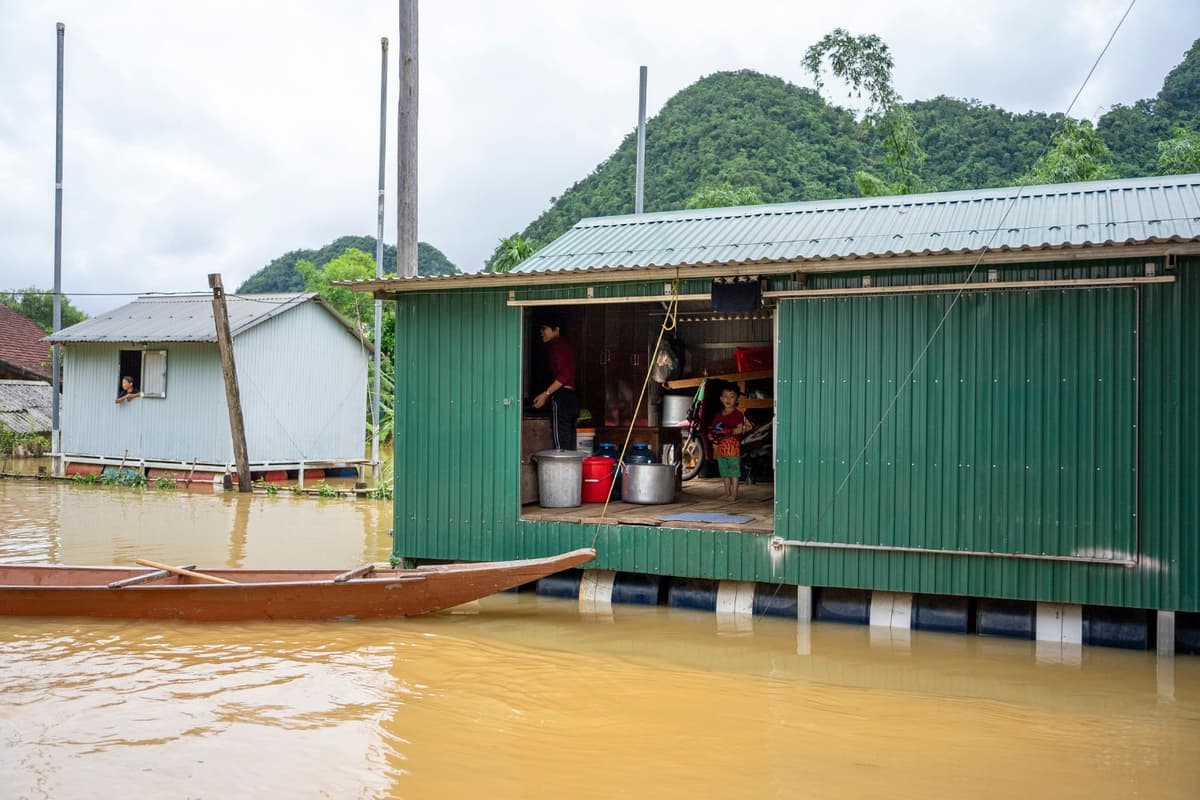

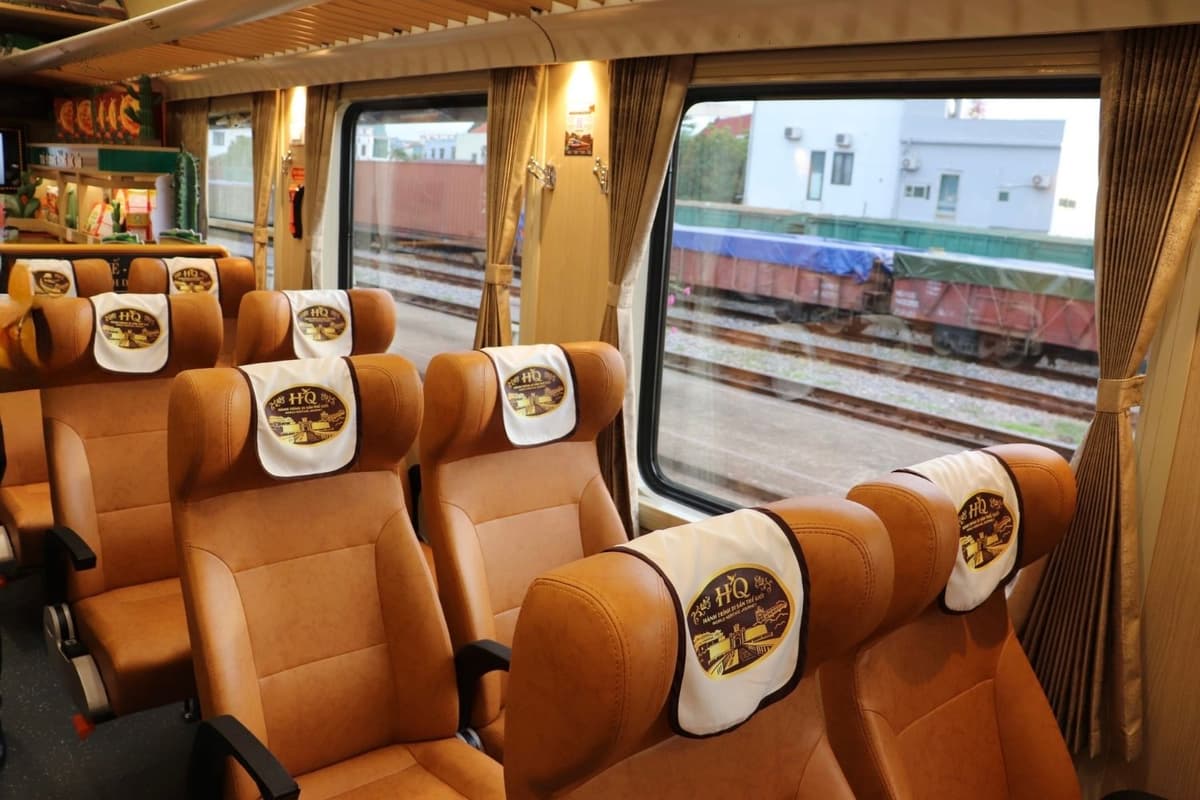
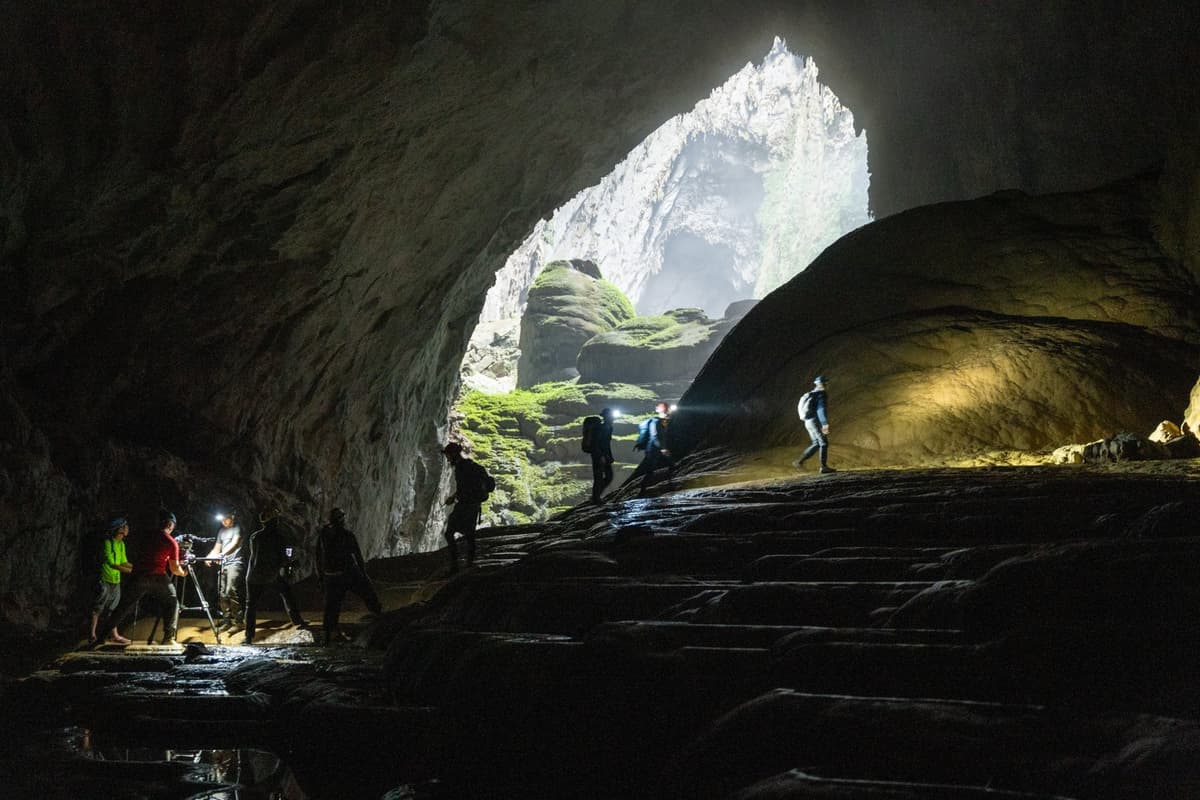

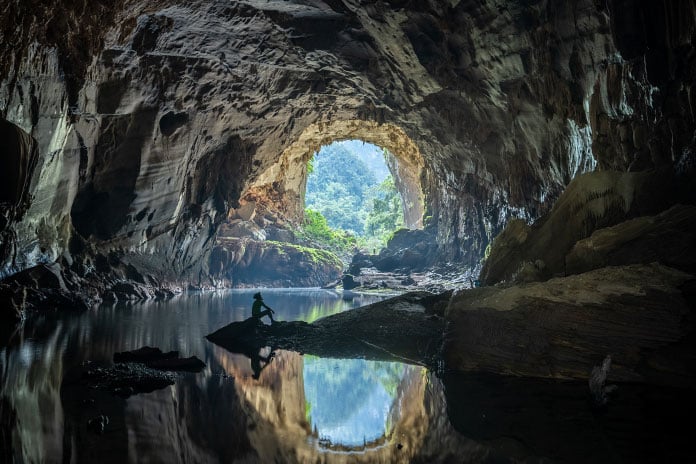
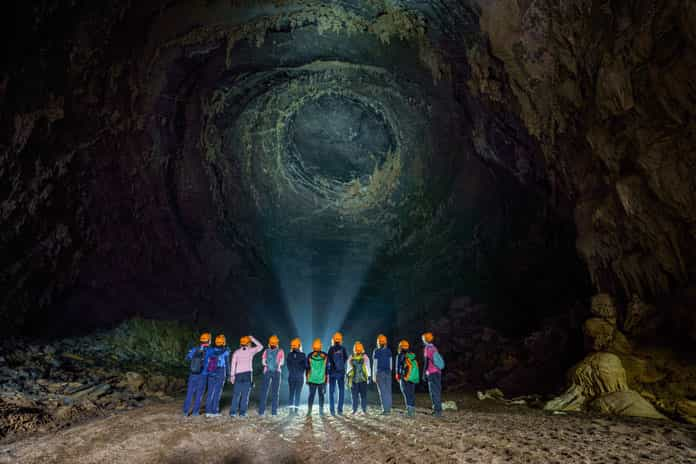
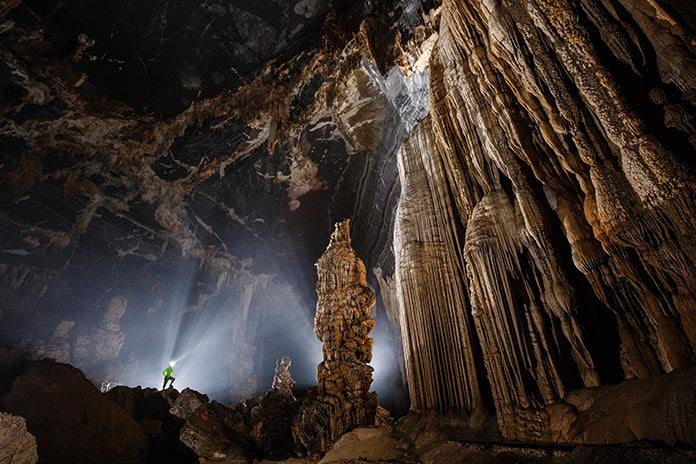
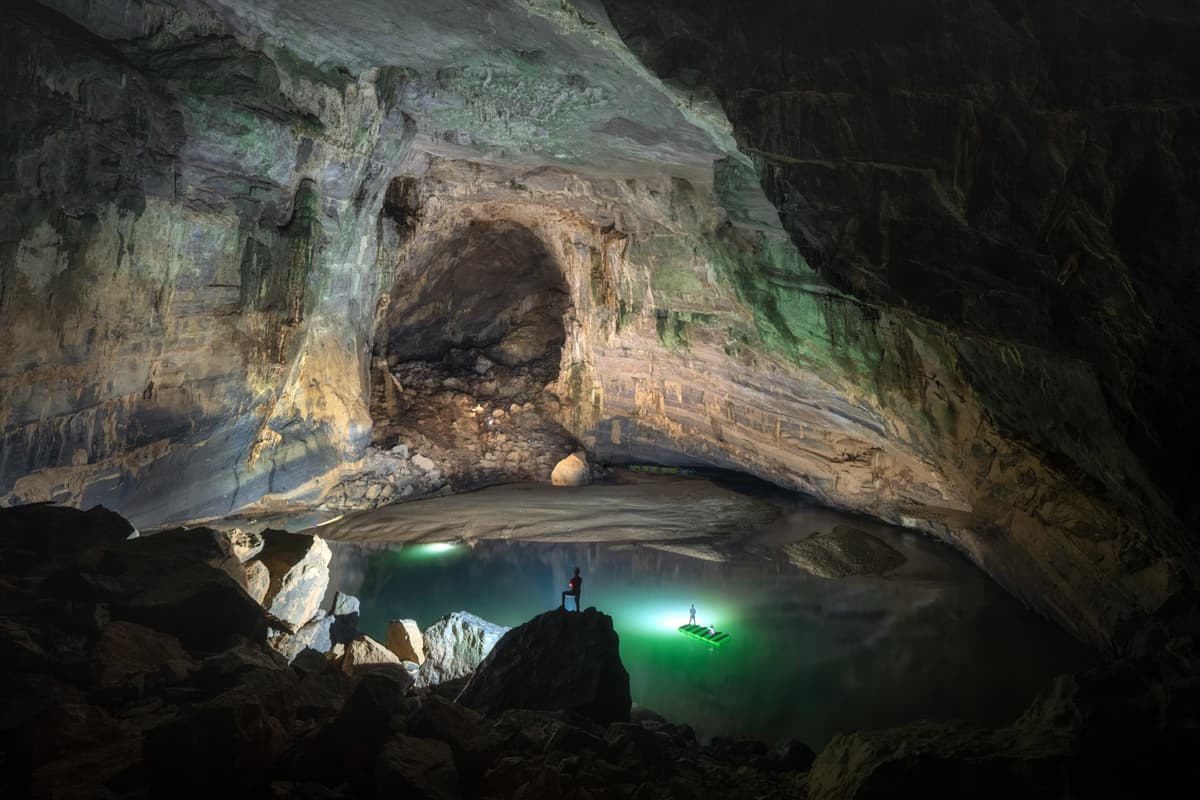
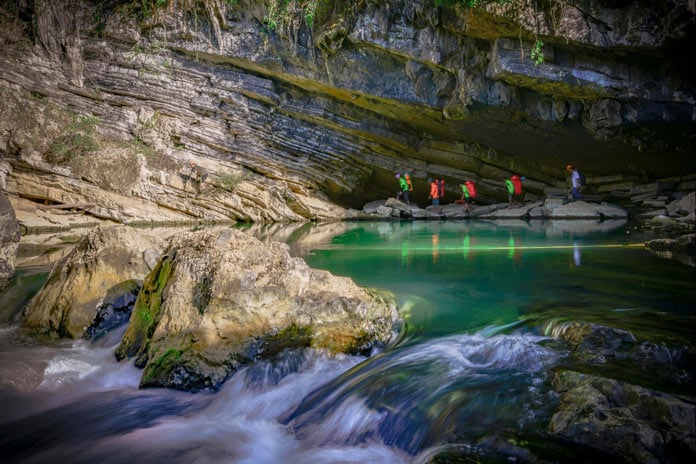
Whether you prefer long treks, camping in a cave, sleeping under the stars in the jungle, swimming underground in river caves, explore the huge dry caves or just taking an exploratory day trip, Oxalis Adventure Tours can provide the right amount of adventure just for you.
__637051782550081035.jpg)
__637051780703588520.jpg)

__637051765075307793.jpg)
__637051774329206026.jpg)

__637740499994967442.jpg)