History of the discovery and surveying of the Tu Lan Cave System
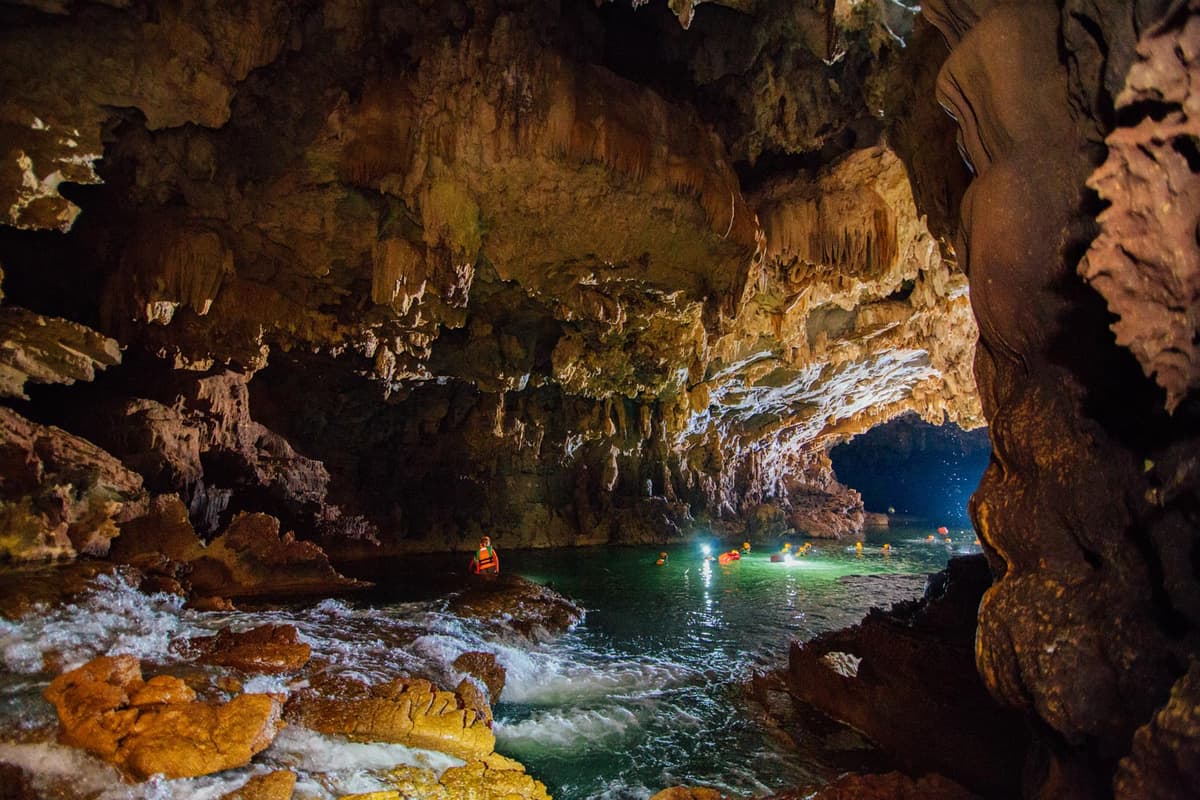
The Tu Lan Cave System is located in the buffer zone of the Phong Nha - Ke Bang National Park, about 70 km to the northwest, in Tan Hoa Commune, Minh Hoa District, Quang Binh Province. This is a small limestone area with a cave system created by the Nan River from 2 sources: Ruc Mon Cave and the area West of the Da Deo Pass. These rivers join together and flow underground at Tan Hoa and reappear at Cao Quang Commune, more than 10 km away.
Discovery and survey of the Tu Lan Cave System
Some caves in this area are well known by the local people of Tan Hoa Commune. Some of them contained traces of human life a hundred years old.
The caving team led by Mr. Howard Limbert from England conducted the first surveys to Tan Hoa in 1992. Whilst exploring caves around Phong Nha, a trip was made to Minh Hoa, and a number of caves explored. At that time it was not possible to go directly to Minh Hoa from Phong Nha by car. The team had to drive back to Dong Hoi, head north, and then follow the Gianh River to get to Quy Dat, which was a small village at that time. In 1992, Ruc Mon Cave, Hung Ton and Rat Cave were explored.
In 2010 when looking online for Quang Binh maps, one of the members found a newspaper report of a new cave. This turned out to be in Minh Hoa District, so a team went there in March 2010, and explored Tu Lan and Ken Caves. Since then many new caves have been explored in the area.
Explanation of the name Tu Lan
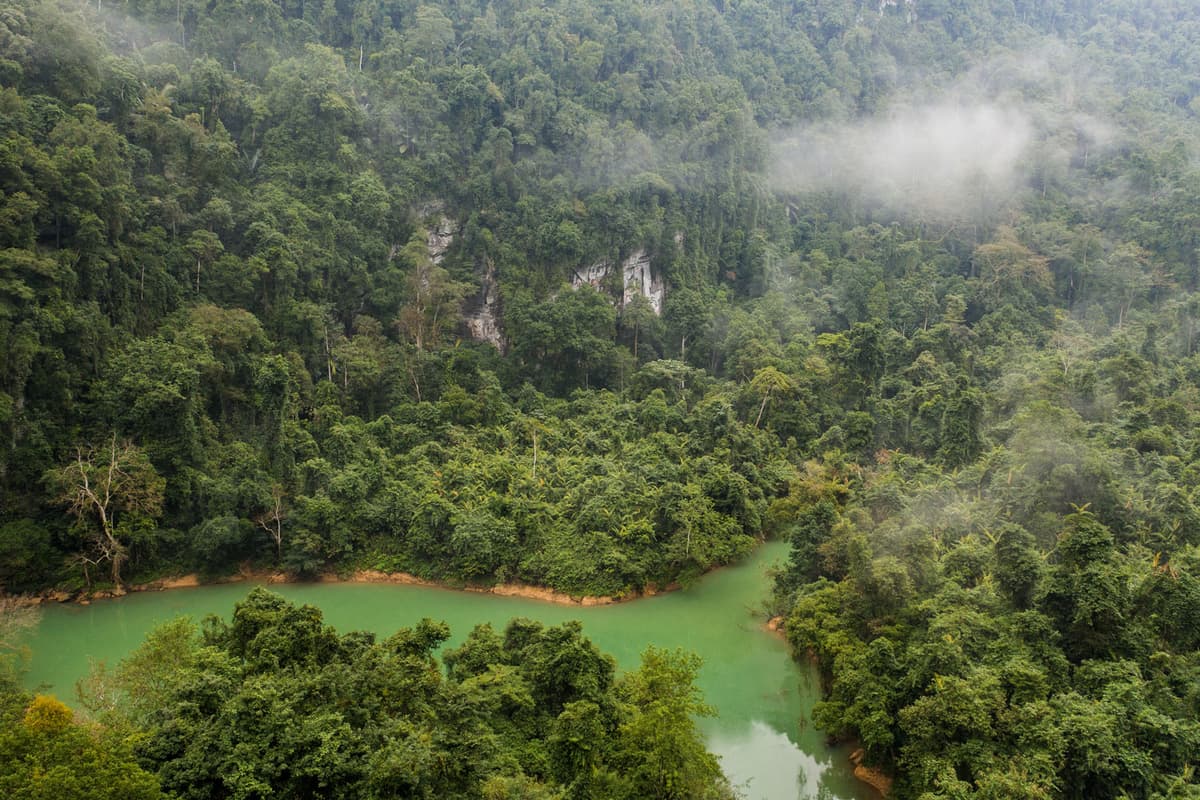
Tu Lan is the name of a single cave in the Tan Hoa area. There are many stories around the origin of this name. According to the elders of Tan Hoa village, this name originated from Nguon language a long time ago. “Lan” may mean the river from Rao Nan flowing into Tu Lan valley. This river branch submerged and moved towards Tu Lan Cave entrance and limestone mountains around the valley.
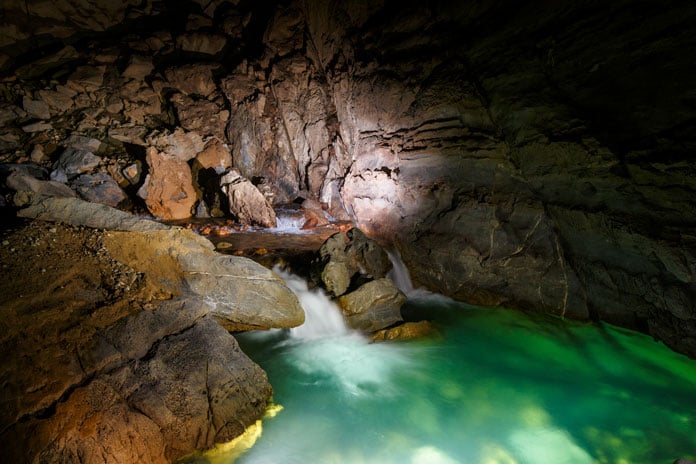
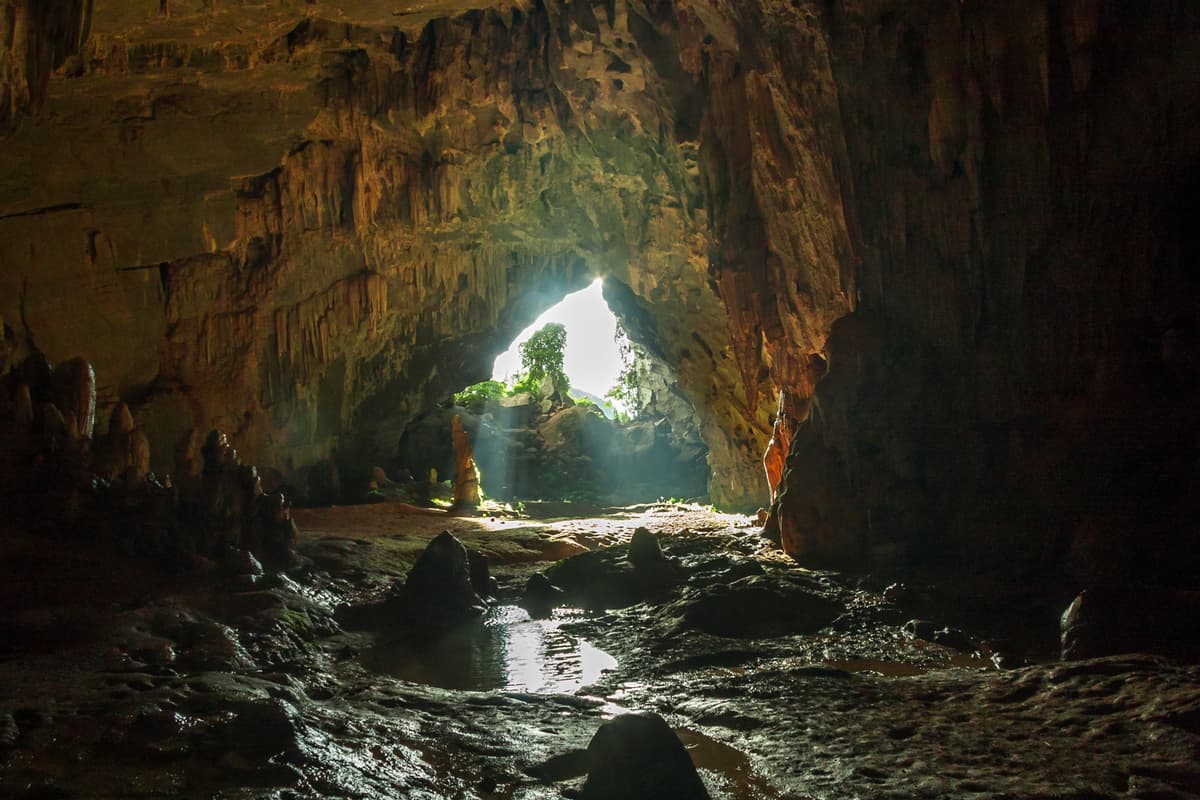
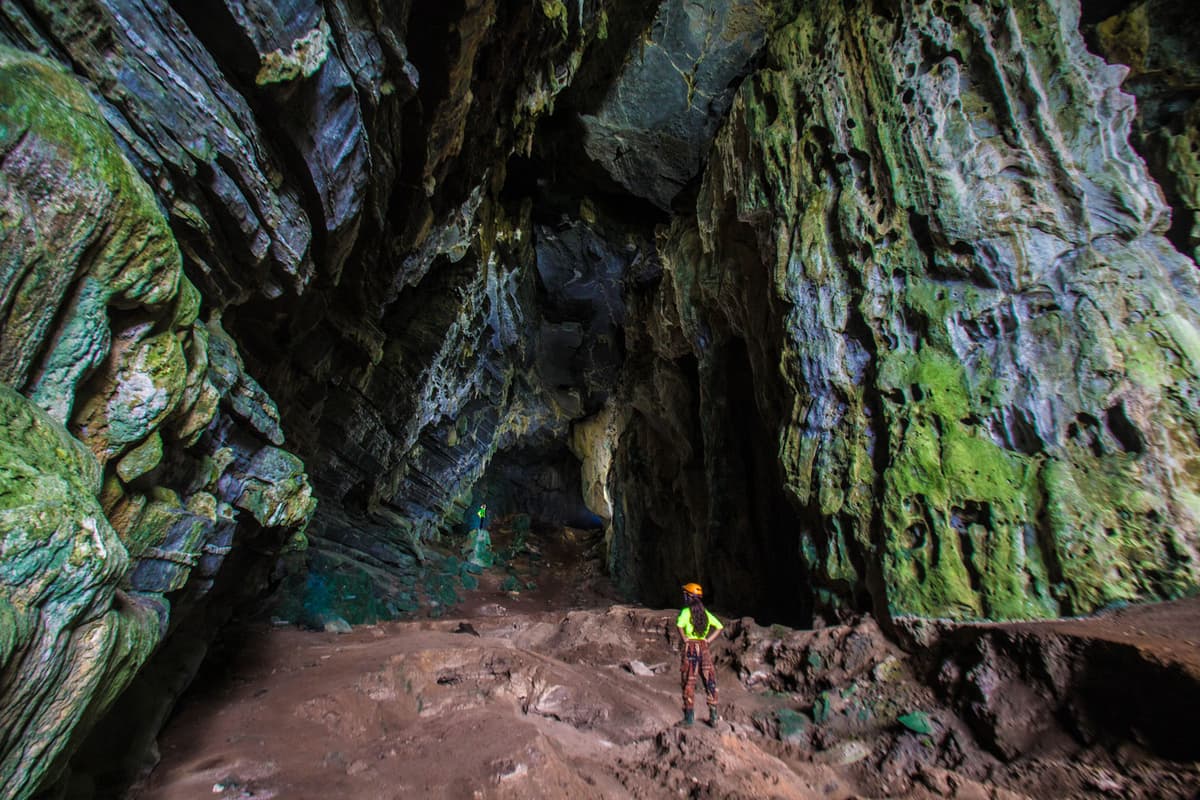
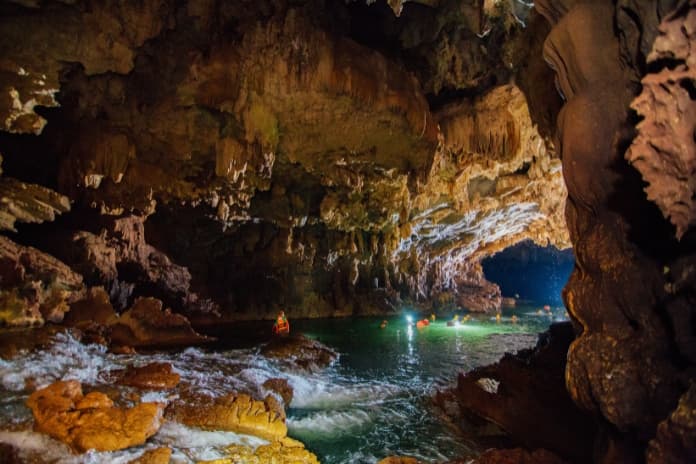
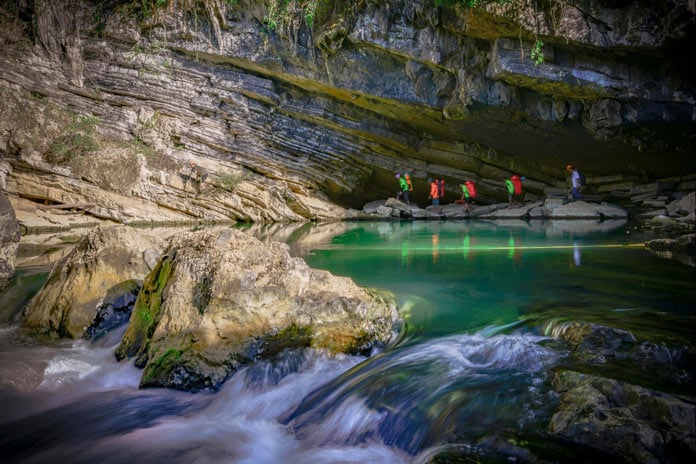
The various branches of the Nan River flow into Tu Lan Cave. In 2010, the local guides informed the team that the valley was known as Tu Lan Valley, hence the name Tu Lan was given to the river cave entrance and eventually the whole system, now including about 25 caves: Tu Lan Cave System.
The history of tourism
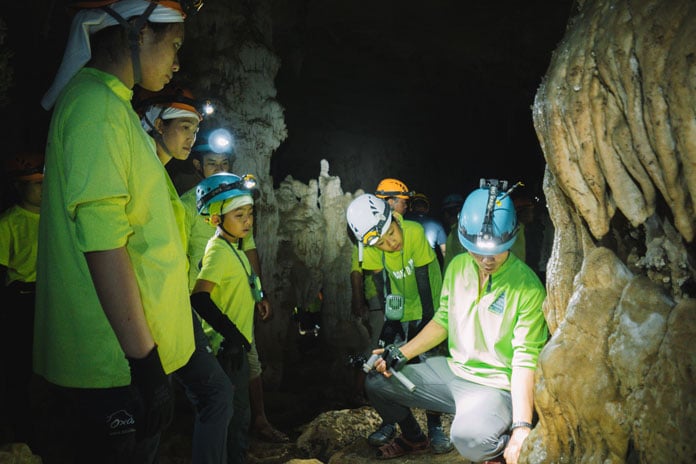
In 2011, Oxalis organized some pilot adventure tours to Tu Lan and Hang Tien. In June 2014, Oxalis was officially licensed as the only travel agent to operate tours here.
Timeline of exploration
Most of the caves here were known for quite some time but in the 1990’s were difficult to reach due to the remote location. Therefore, the expeditions of the British - Vietnamese Cave Expedition team to this area were not frequent.
- March 1992: Rat Cave was first explored when British cave experts came to Tan Hoa with the intention of surveying a tributary of the Nan River near Tan Hoa Village sinking into a cave, later called Hang Song. At this time, they also surveyed the wet entrance of Hung Ton Cave.
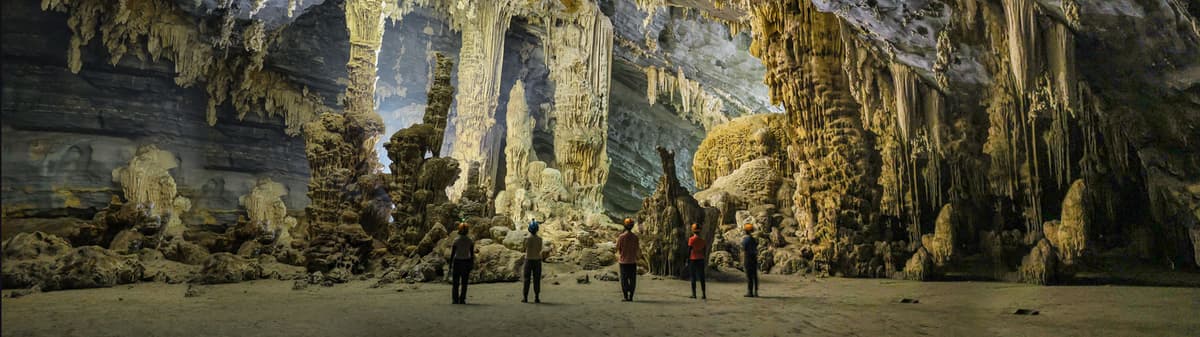
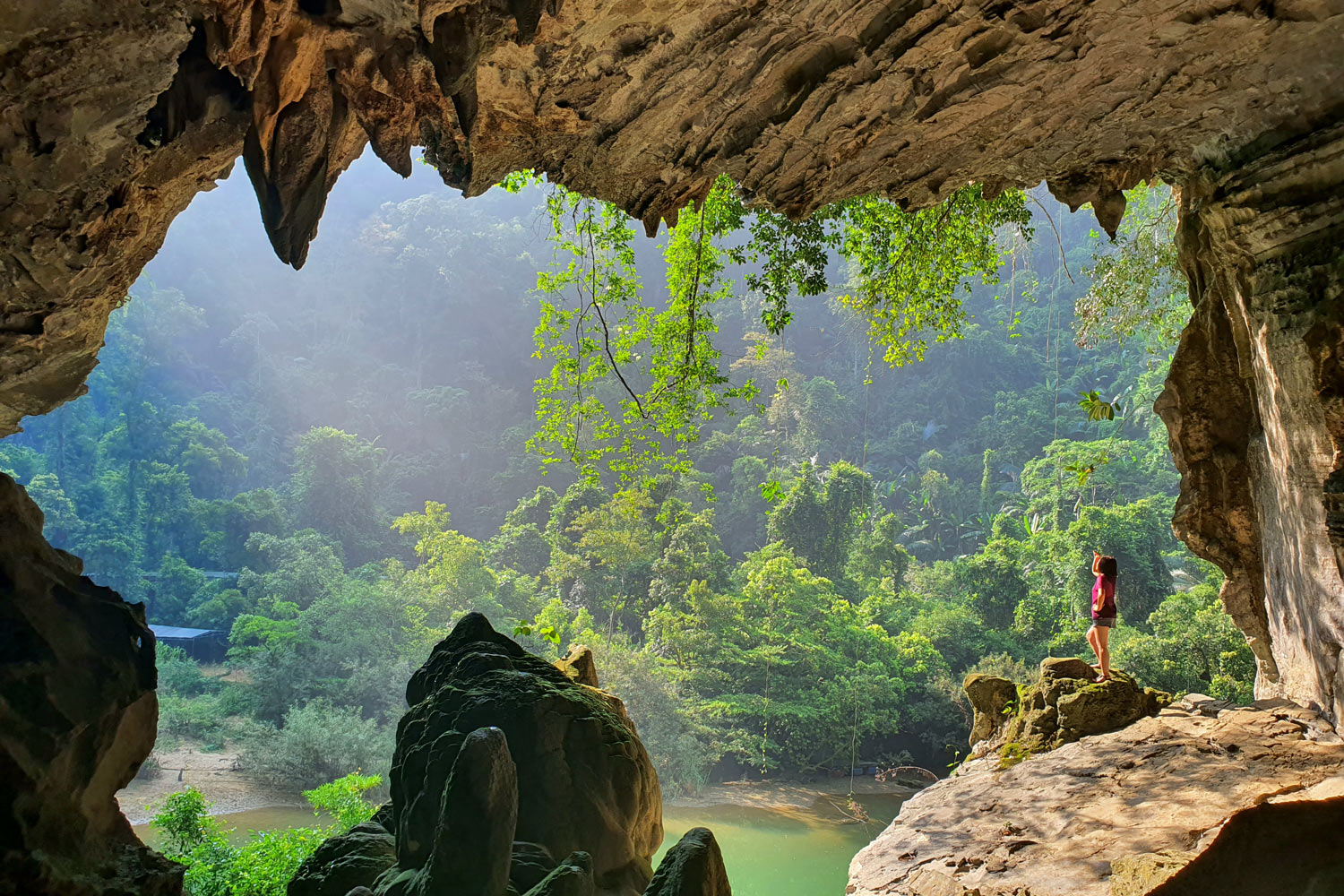
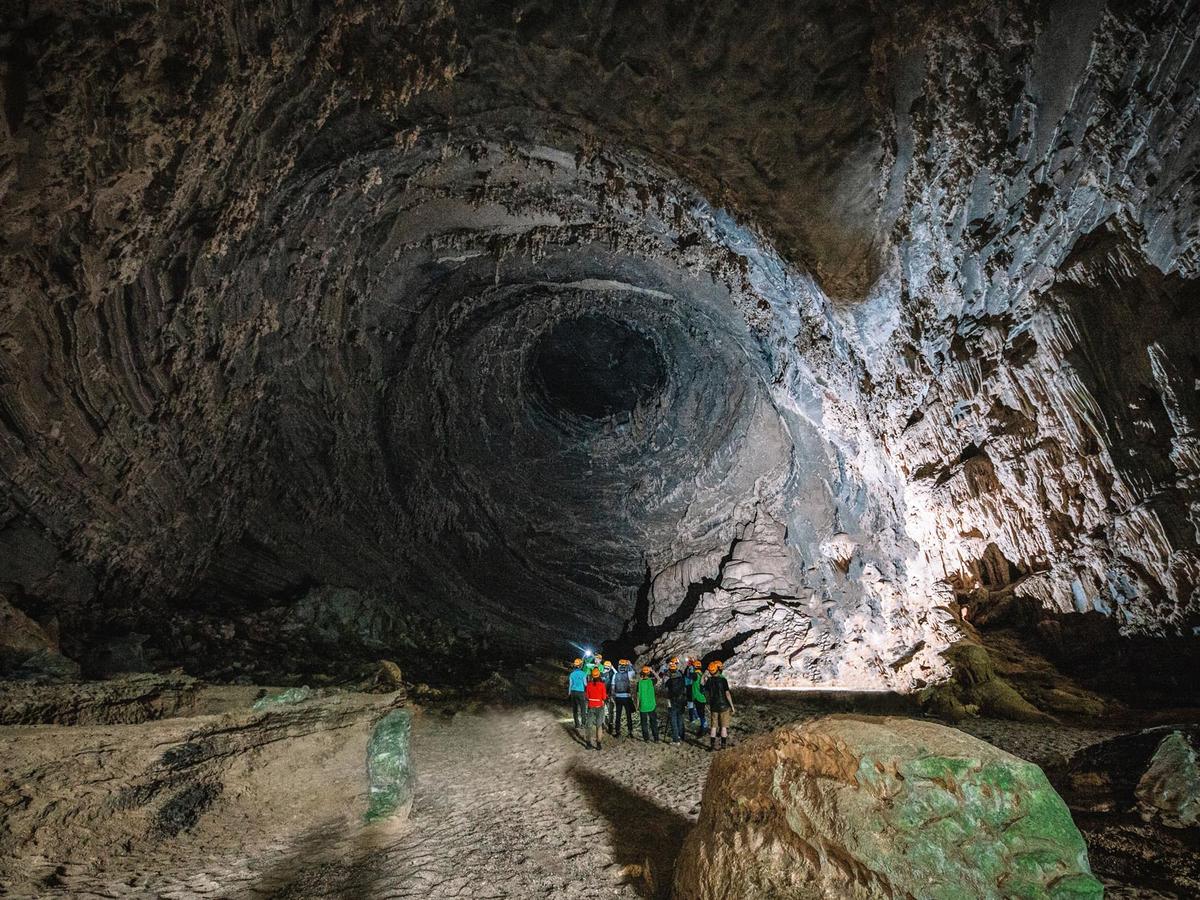
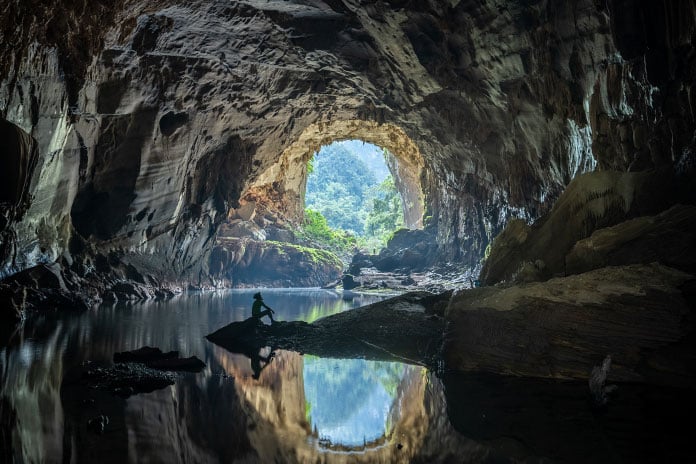
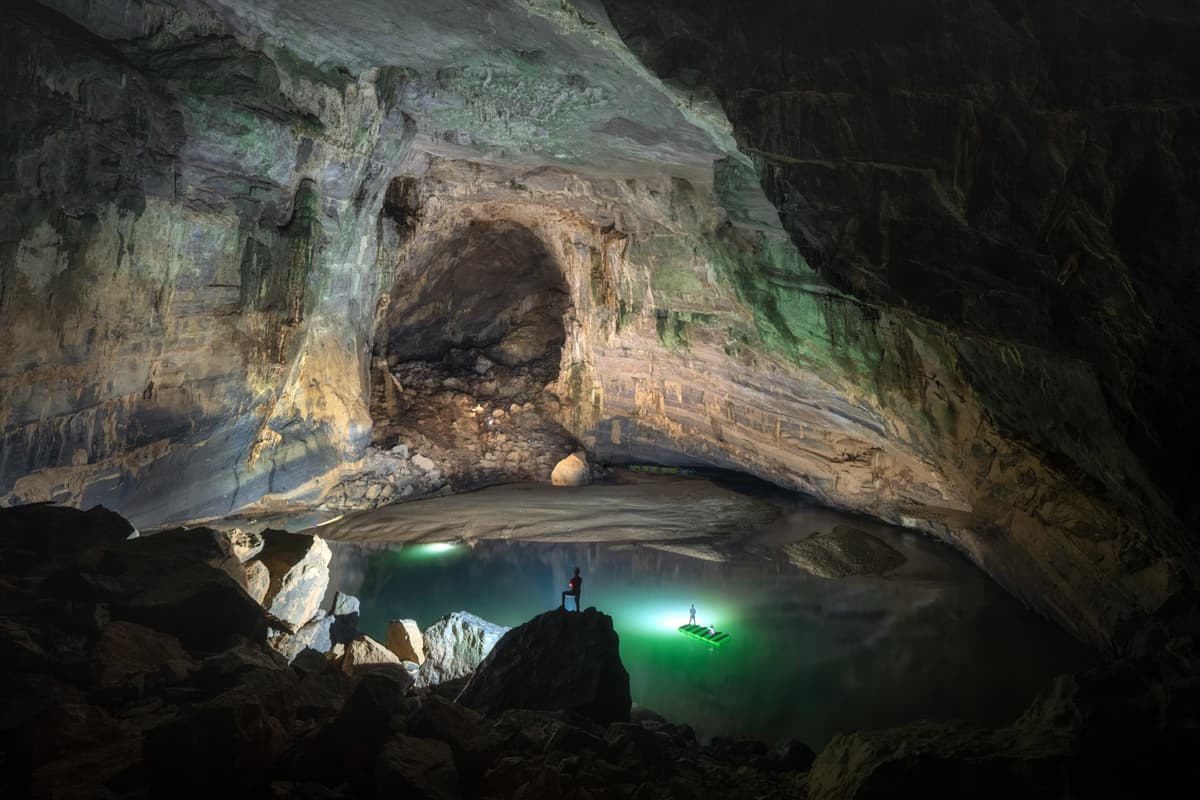
- 1994: Hang Tien was discovered for the first time. To reach here at that time, the caving team had to travel 2 days by bus, boat and on foot. However, finding Tien Cave made the trip worthwhile. The cave has a very large entrance with a complex of passages through the limestone mountains. At the end of the trip, the British - Vietnamese Cave Expedition had mapped Tien Cave with a total length of almost 2.5km.
- 2009: A local man named Dinh Hong Nham went fishing in the forest, he accidentally discovered Tu Lan Cave.
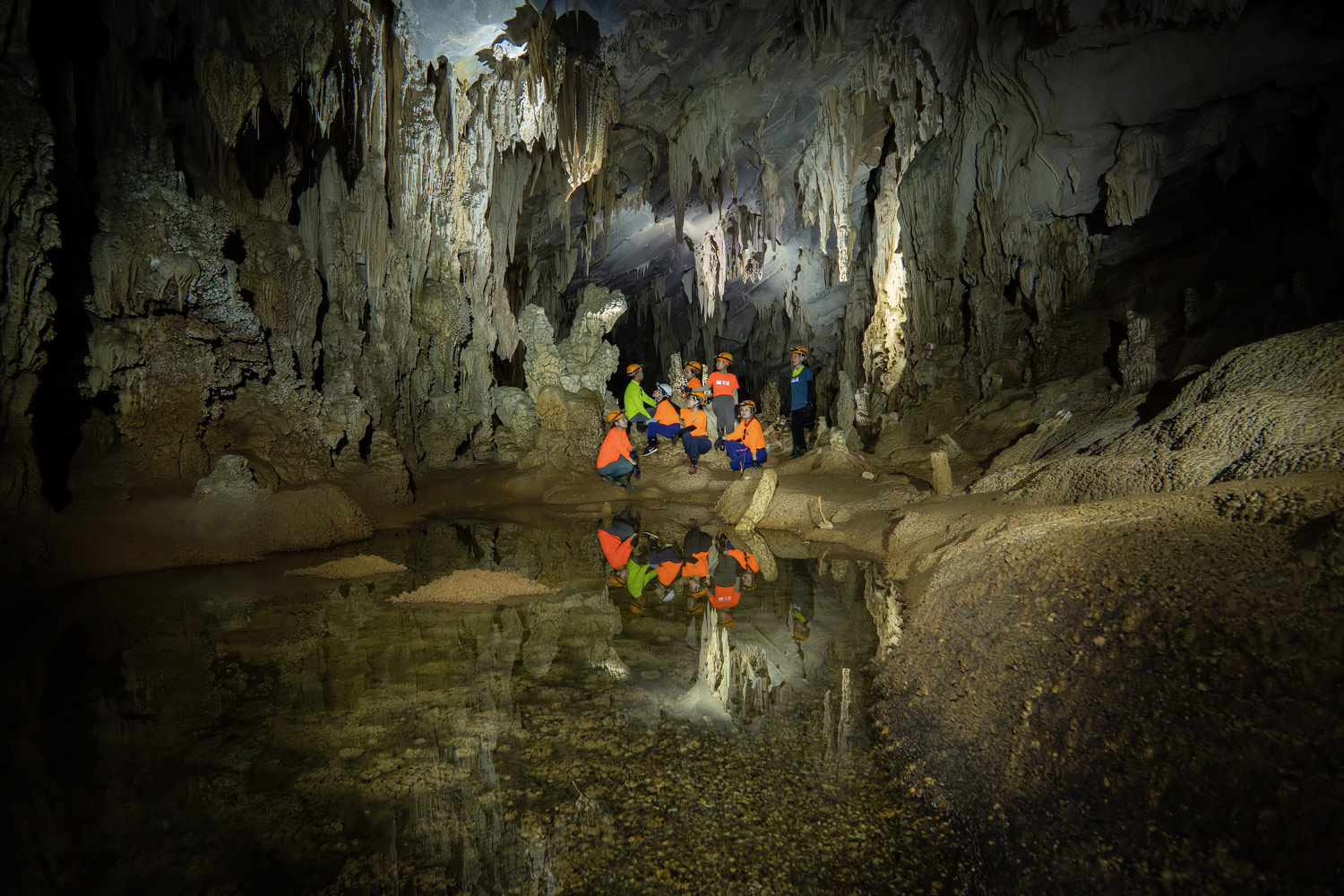
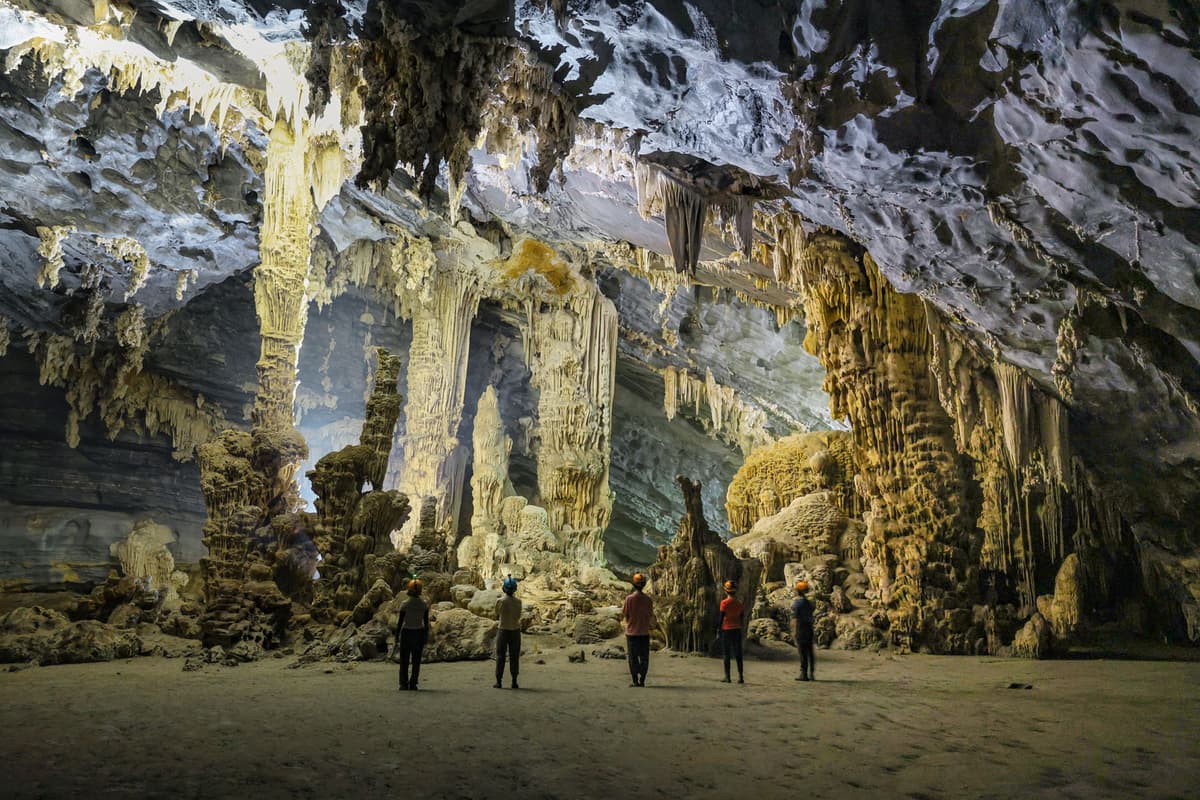
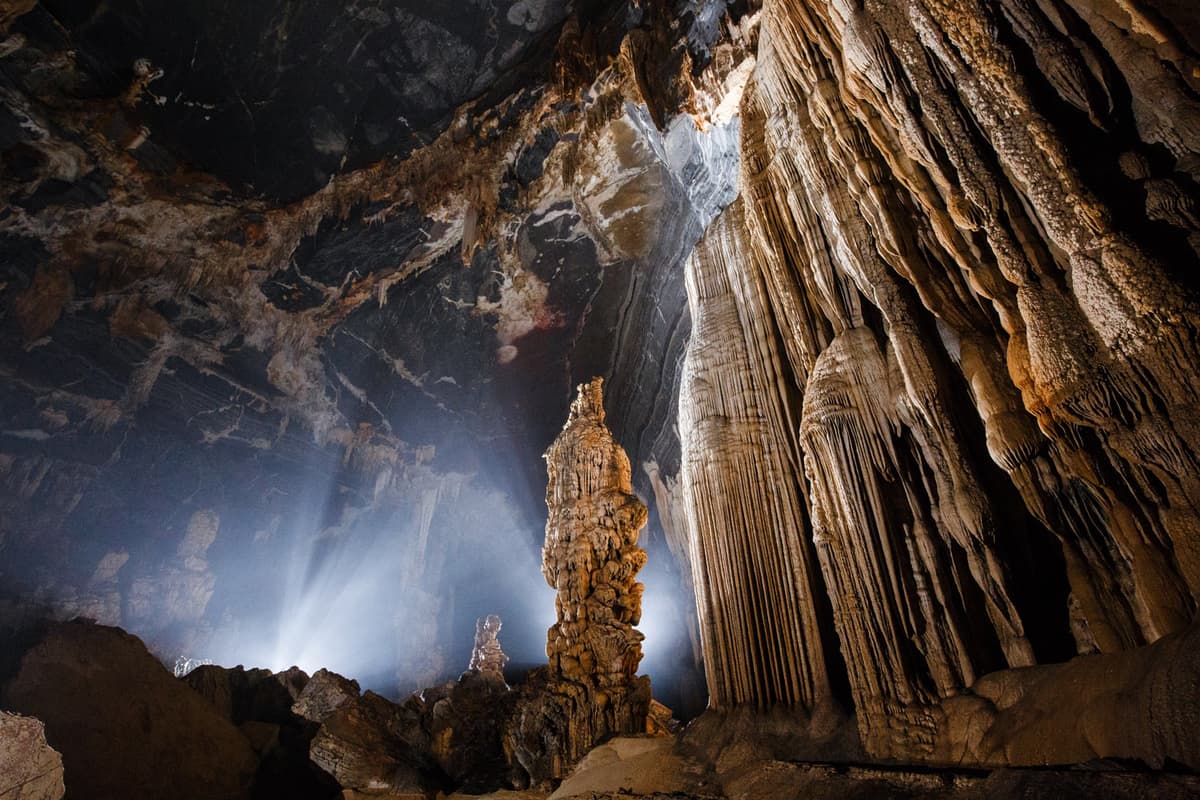
- 2010: This was the 12th expedition of the British - Vietnamese Cave Expedition team since 1990, and also the 20th anniversary of the team’s first expedition to Vietnam. In addition to completing the survey of Son Doong Cave, they also continued exploration in Tan Hoa and Minh Hoa areas after reading an online article about a new cave found there. At this time, Ken Cave was surveyed along with Tu Lan and To Mo Caves. The same year photographer Carsten Peter of National Geographic magazine came to take some photos in Ken and Tu Lan Caves for the magazine. In the same year, Carsten Peter achieved major National Geographic awards for photos taken inside Ken Cave.
- 2012: Gibbon and Secret Caves and others were discovered.
- 2016: The British - Vietnamese Cave Expedition sponsored by Oxalis returned to the Tan Hoa/Cao Quang area in the hope of finding other great caves for adventure tours. Turtle, Dinh 1, Dinh 2, Da Ne and Ruc caves were found and explored this year. In recent years, the British - Vietnamese Cave Expedition has explored more caves around Hang Tien.
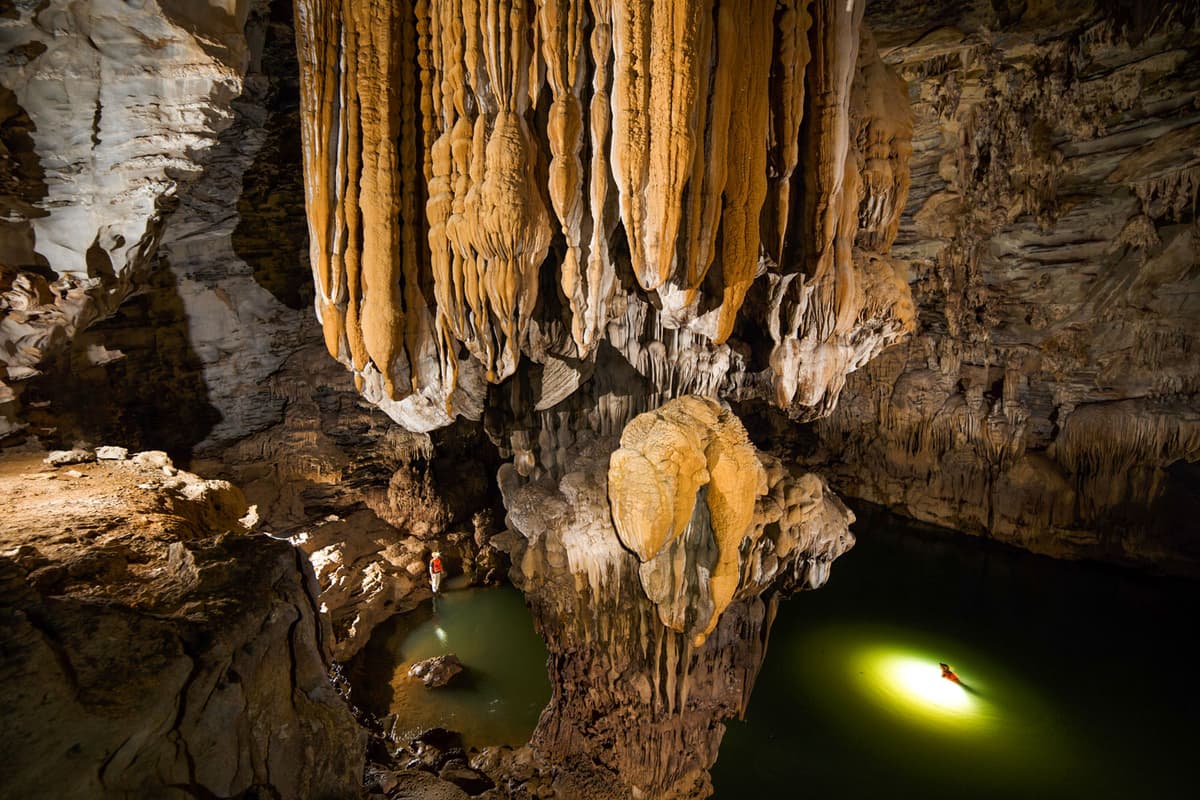
- In 2017 and 2018: During a jungle trip for bee honey, a chef of the Tu Lan tours found a cave in the mountain with an altitude of more than 200 meters above To Mo Valley, later named Song Oxalis Cave. The British - Vietnamese Cave Expedition then mapped Song Oxalis Cave, exploring more than 600 meters and finding many rare cave formations known as coral towers.
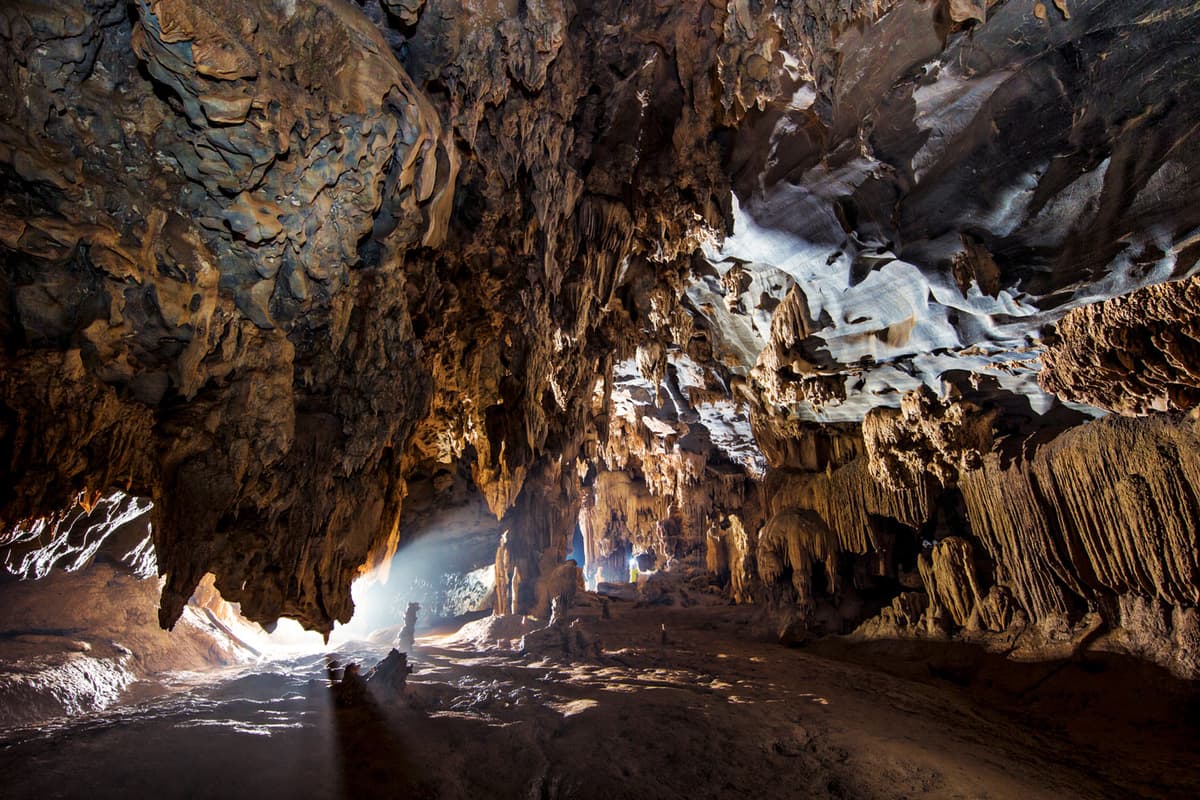
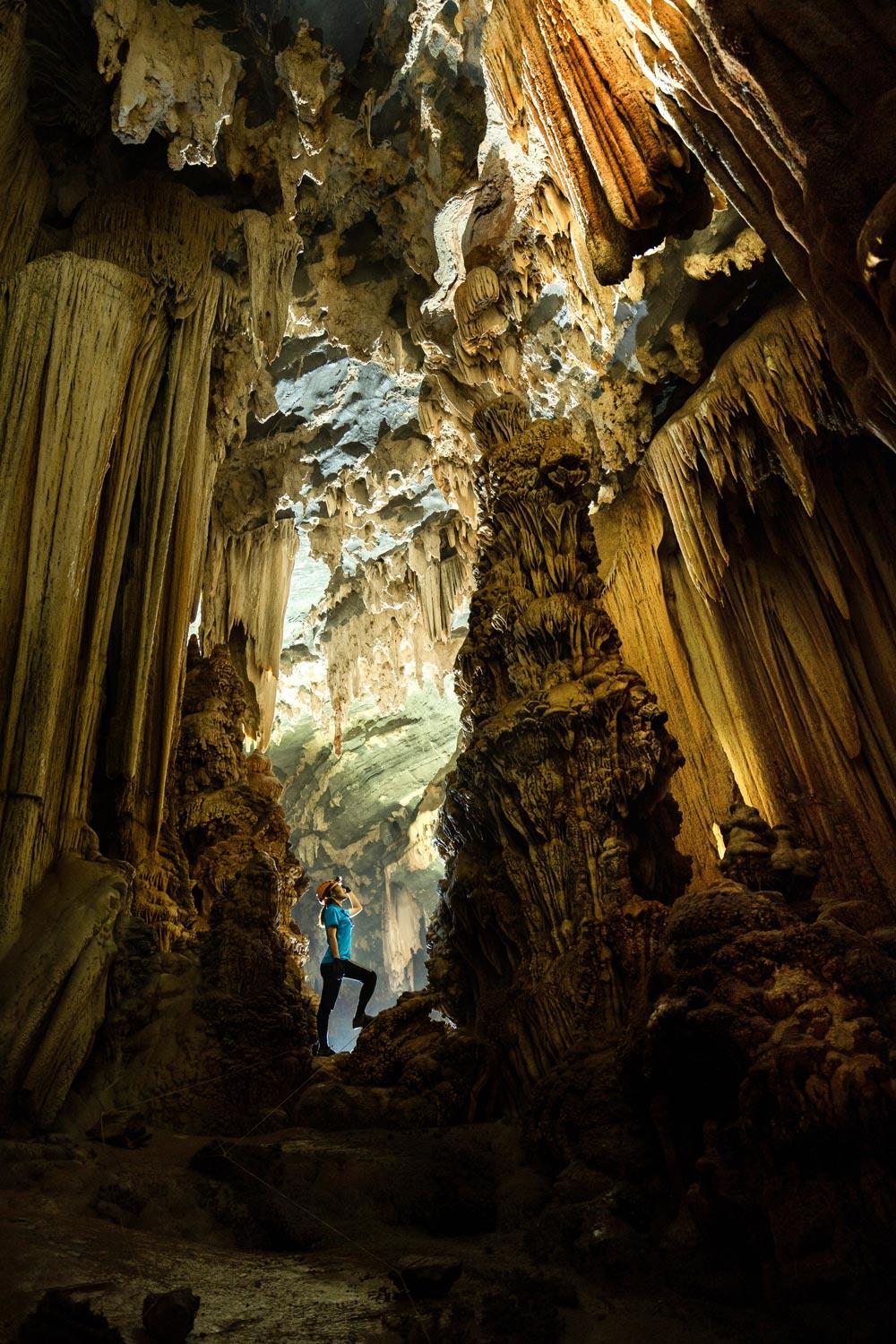
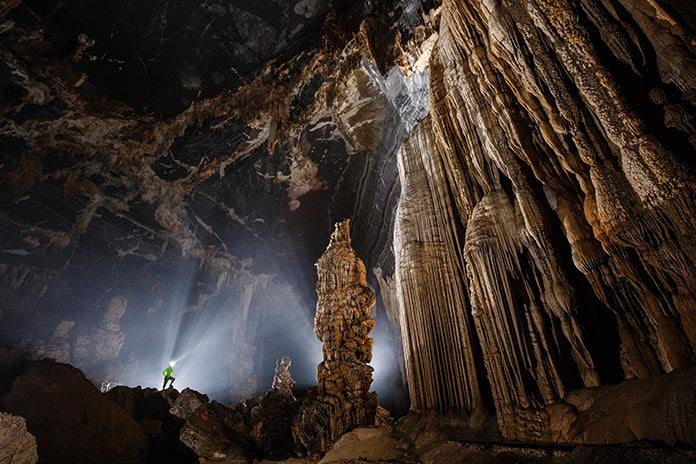
In 2018, thanks to information from local people, cave experts also explored Dry Ken Cave. With a total length of more than 700 meters, Dry Ken is also filled with impressive stalactites and stalagmites, coral tower and cave popcorn formations.
Cave experts have discovered and surveyed more than 25 large and small caves in the Tu Lan System including: Rat, Gibbon, Secret, Song Oxalis, Hung Ton, To Mo, Kim, Wet Ken, Dry Ken, Tu Lan, Hang Tien 1, Hang Tien 2, Fun and more.
Currently, they are still continuing to survey and find new caves in the Tu Lan area, especially looking for a connection between Tu Lan Cave and Hang Tien Cave.
This is also a part of the plan for the next expedition of the British - Vietnamese Cave Expedition in the near future.
The Oxalis Experience.
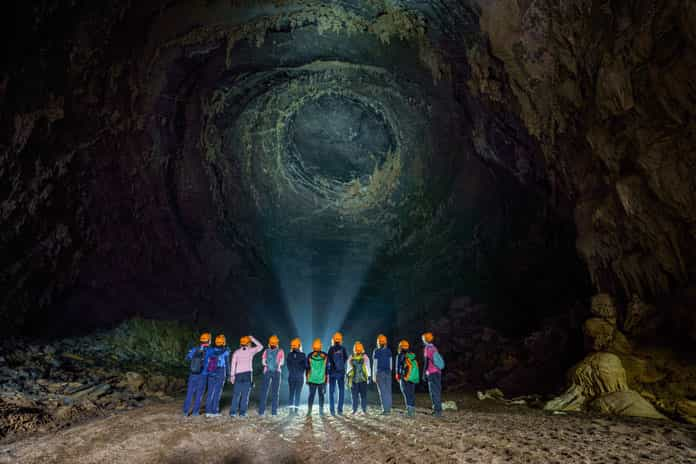
Whether you prefer long treks, camping in a cave, sleeping under the stars in the jungle, swimming underground in river caves, explore the huge dry caves or just taking an exploratory day trip, Oxalis Adventure Tours can provide the right amount of adventure just for you.
__637051782550081035.jpg)
__637051780703588520.jpg)
__637051765075307793.jpg)
__637051774329206026.jpg)

__637740499994967442.jpg)