Oxalis cave experts joined a technical safety training in the United Kingdom
For over 10 years, Oxalis has worked with experts from the British-Vietnamese Caving Expedition Team to run cave tours. Every month, they will participate in training local cave experts. At Oxalis, 6 Vietnamese cave experts have been chosen and trained to excel in international techniques and safety standards.
In 2024, 3 Oxalis cave experts, including Hồ Trung Hiếu, Phạm Đức Dũng, and Phạm Hồng Đại, took part in a three-week intensive training program in the United Kingdom. Continuing this program, in September 2025, 3 other experts, including Phan Đình Dũng, Hồ Trọng Đại, and Nguyễn Nhật Khoa, also traveled to the UK to begin a technical training mission aimed at enhancing their professional skills and gaining further international experience. This is a key milestone in the growth of Oxalis’s local cave experts.
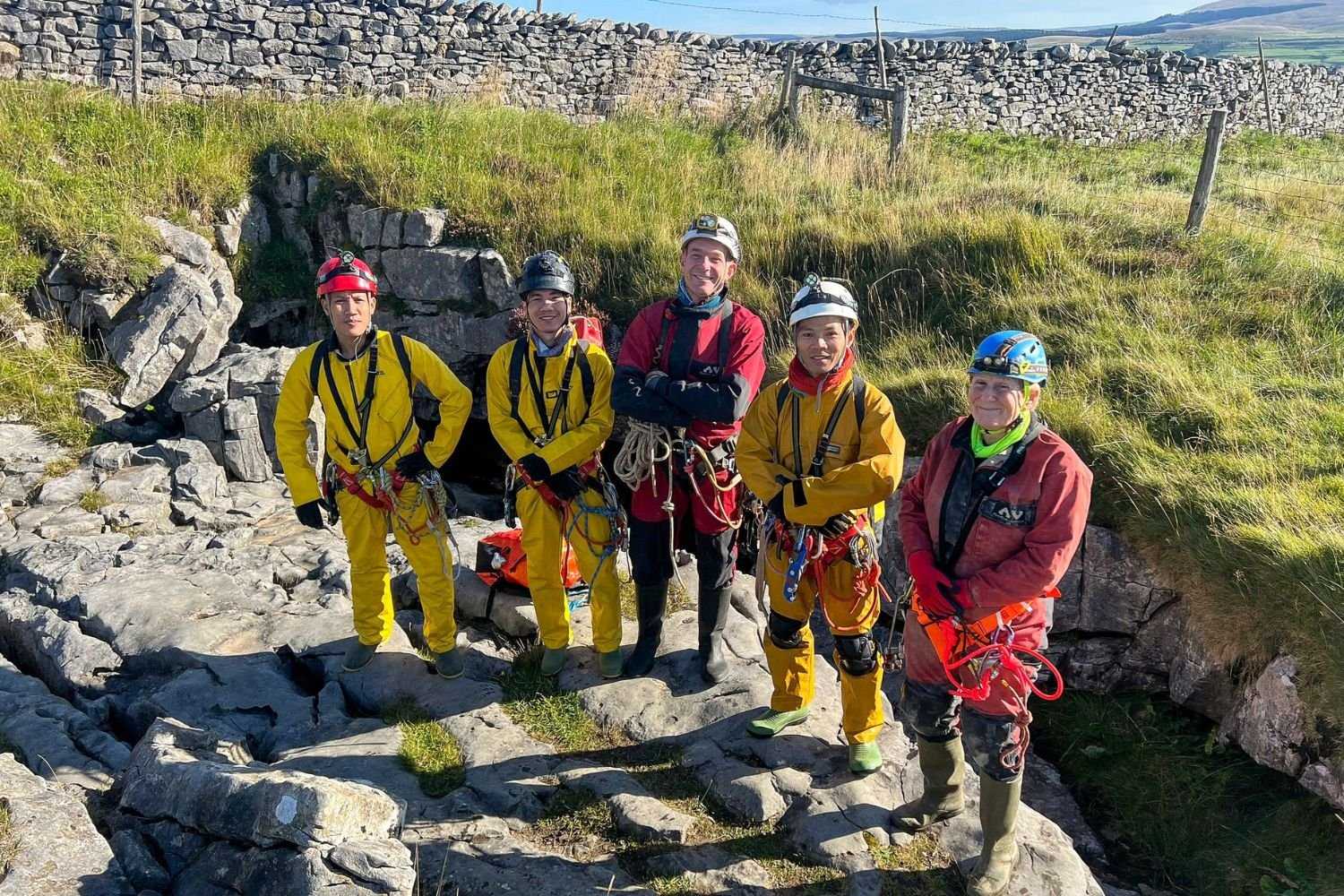
3 Oxalis cave experts, Ho Trung Hieu, Pham Duc Dung, and Pham Hong Dai (yellow shirt), and experts in the British-Vietnam Caving Expedition Team.
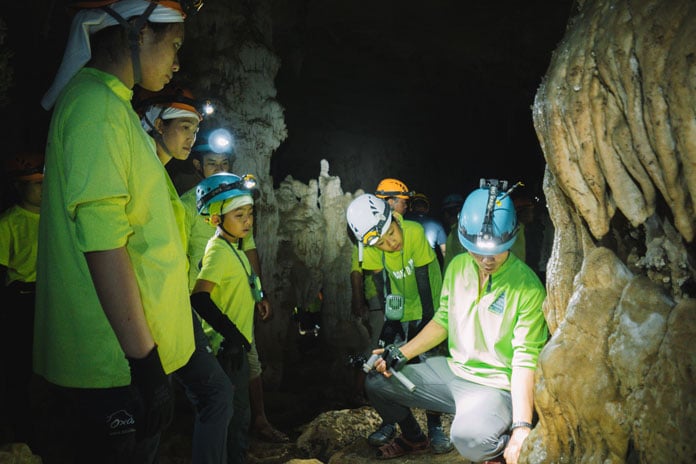
Training and practicing rope skills and cave rescue techniques
Training Program 2024
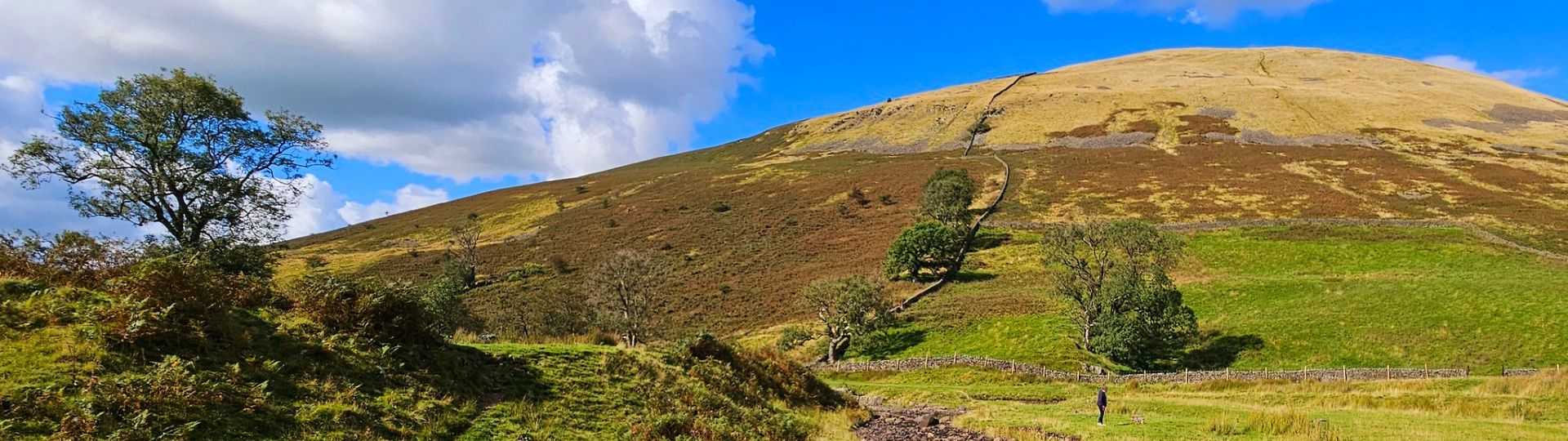
On September 11, 2024, the Oxalis cave experts visited Yorkshire Dales National Park, UK. This area has gained a reputation for its abundant cave systems. The team was trained in archaeology and cave techniques by Howard and Deb Limbert. They also focused on how UK and Vietnamese caves differ in structure and age.
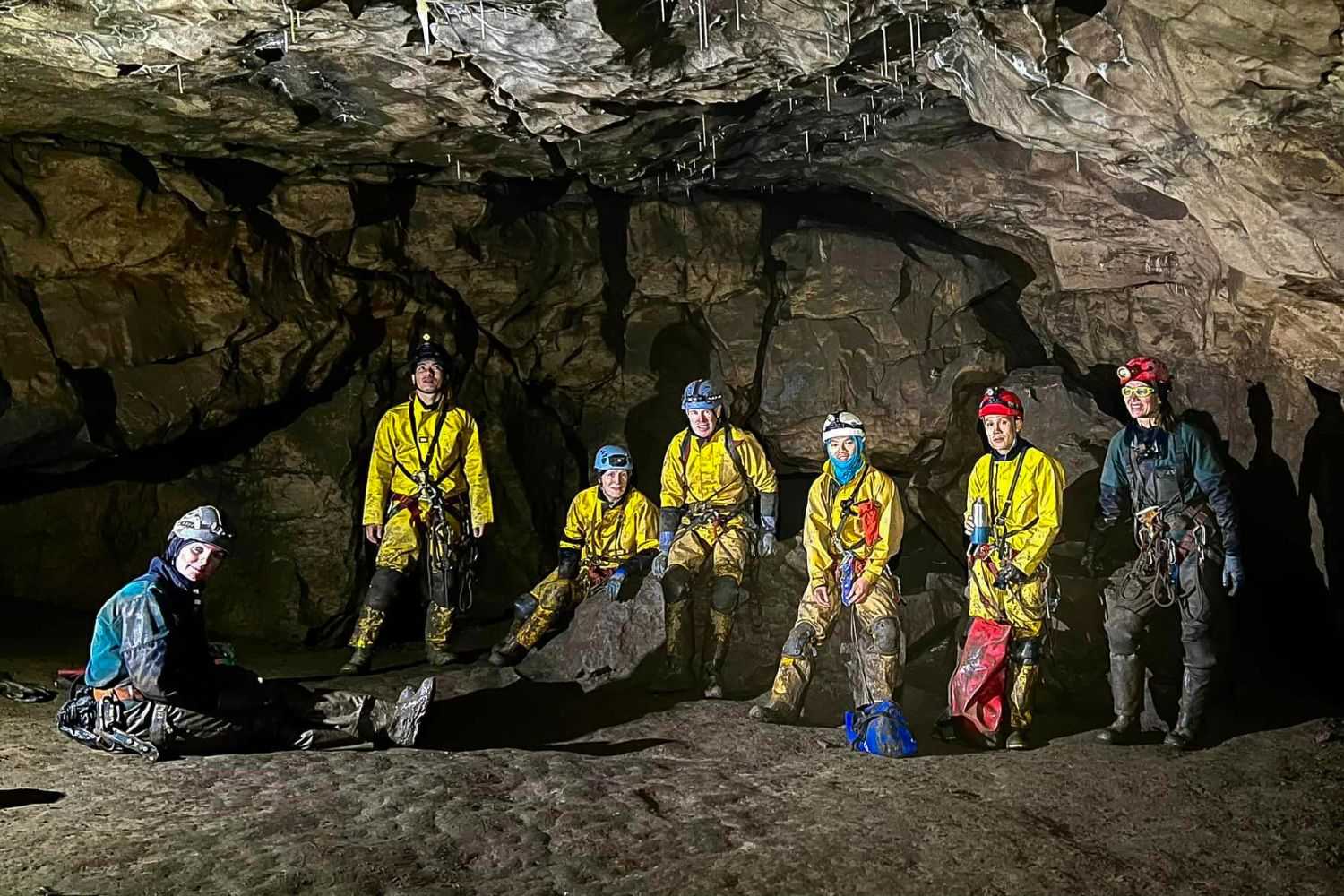
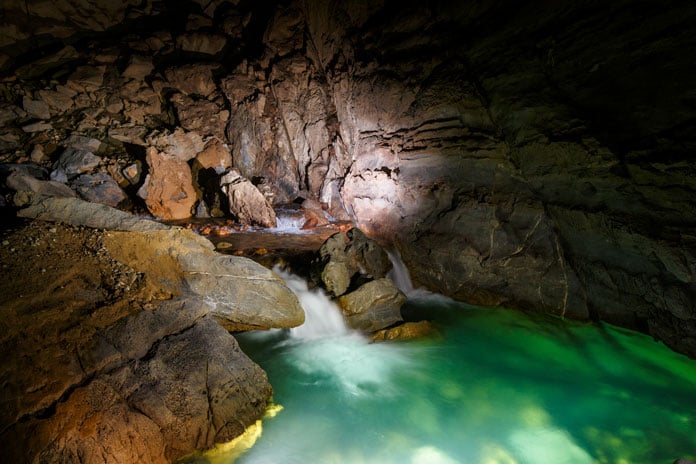
The Yorkshire Dales are famous for their cave systems, where the Oxalis team learned about caving techniques.
The experts joined in rescue and rope technique training at the Cave Rescue Center of the Royal British Caving Association. They focused on skills like abseiling, rope transfers, and rescue in difficult conditions. The trip also included exploring and rope training at Long Churns Cave, Alum Pot, and Bar Pot - Main Chamber. These practical exercises helped the team prepare for handling dangerous situations in caves.
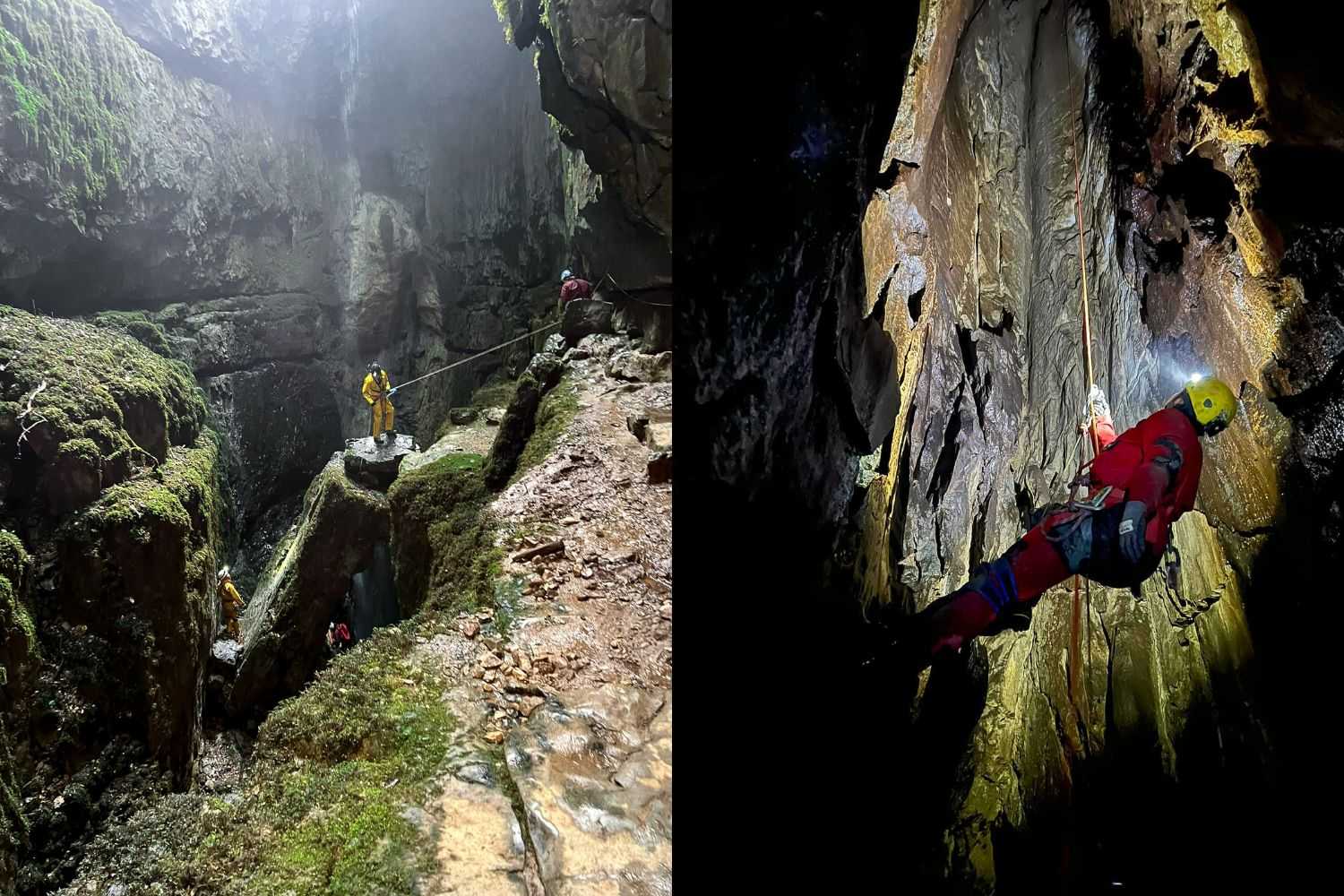
The training took place in practical conditions at Long Churns Cave and Victoria Cave in Yorkshire National Park.
During the training, Oxalis caving experts learned to set up and take down ropes when exploring caves with Martin Holroyd. For vertical and difficult caves, they needed to use special gear and methods to go down and climb back up. There was no room for error. Every technique had to be done exactly right. The process of climbing up and down had to meet standards, all taught and monitored by Martin.
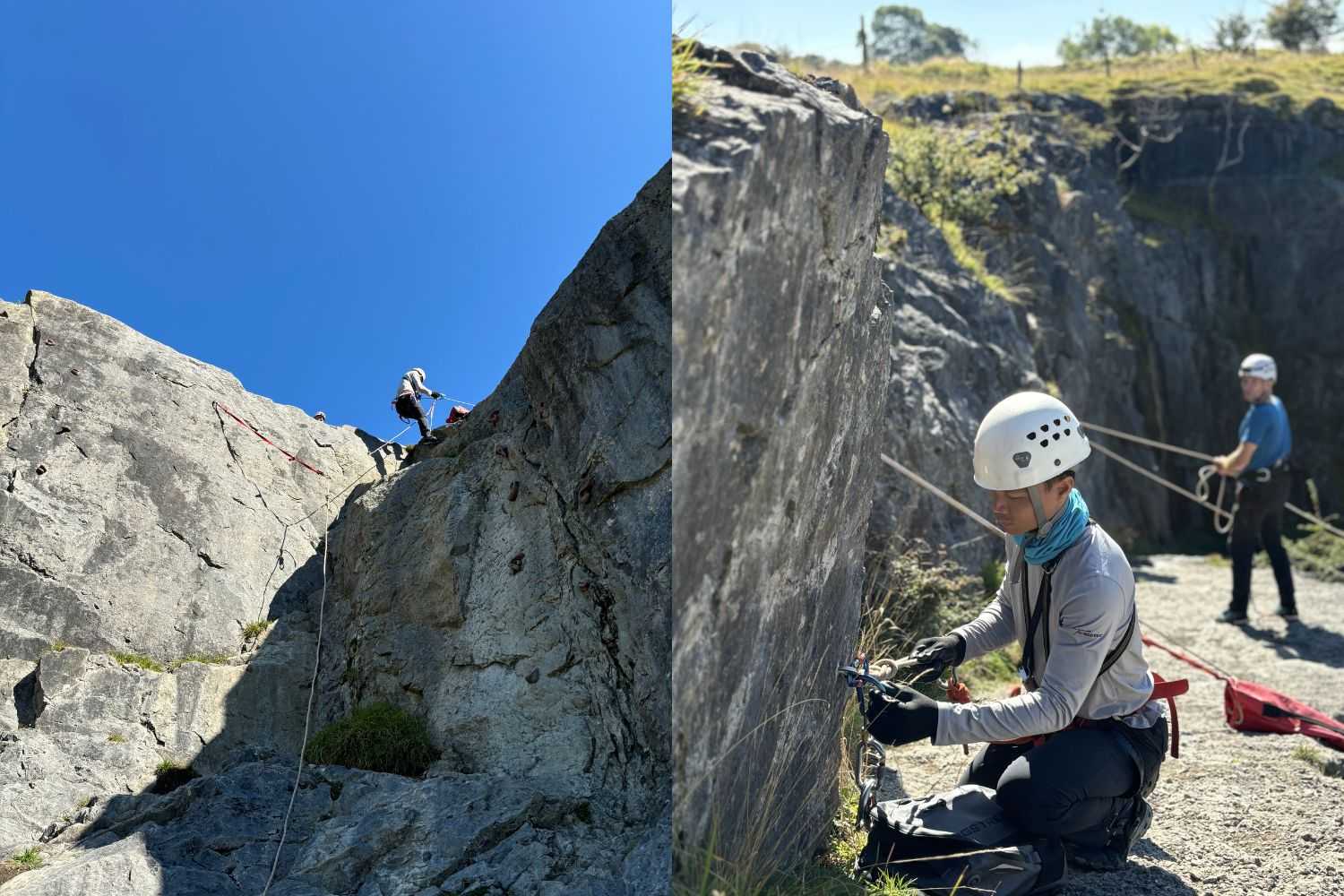
The ropes training with Martin Holroyd helps Oxalis experts master the skills of rigging and unroping in hard-to-reach caves.
At Lancaster Cave, the Oxalis team endured a tough practice session in bad weather. They faced strong water currents, cold temperatures, and tough terrain. In the cave, they rappelled down slippery walls, crawled through mud, and climbed tough rocks.
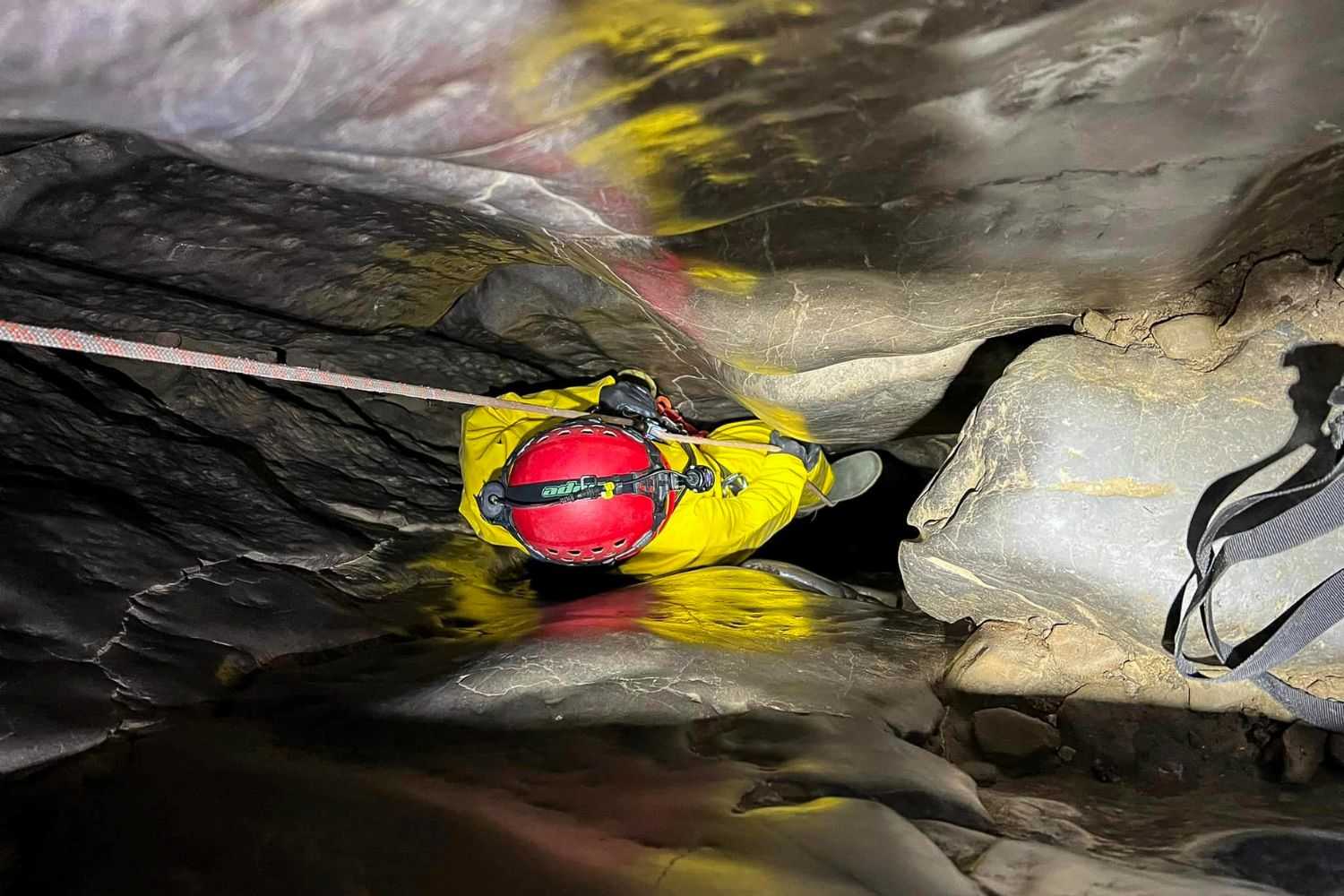
Training at Lancaster and Bar Pot caves is an opportunity for Oxalis experts to improve their rappelling skills in difficult terrain.
In addition to practicing climbing skills, Oxalis experts also learned how to use maps during trekking trips without clear paths. To cope with the harsh conditions in the caves, our experts meticulously prepared the necessary equipment and supplies for outdoor camping. Furthermore, skills for leading while climbing, including how to assess the terrain and guide the group through difficult sections, were shared and practiced by team members to enhance safety and efficiency in future trekking trips.
Training Program 2025
The 2025 training program took place from September 23 to October 11. Three Oxalis experts traveled to the Yorkshire Dales in the United Kingdom, beginning with preparation activities in Ingleton. Here, the team familiarized themselves with equipment, planning, and essential safety principles before entering the caves.
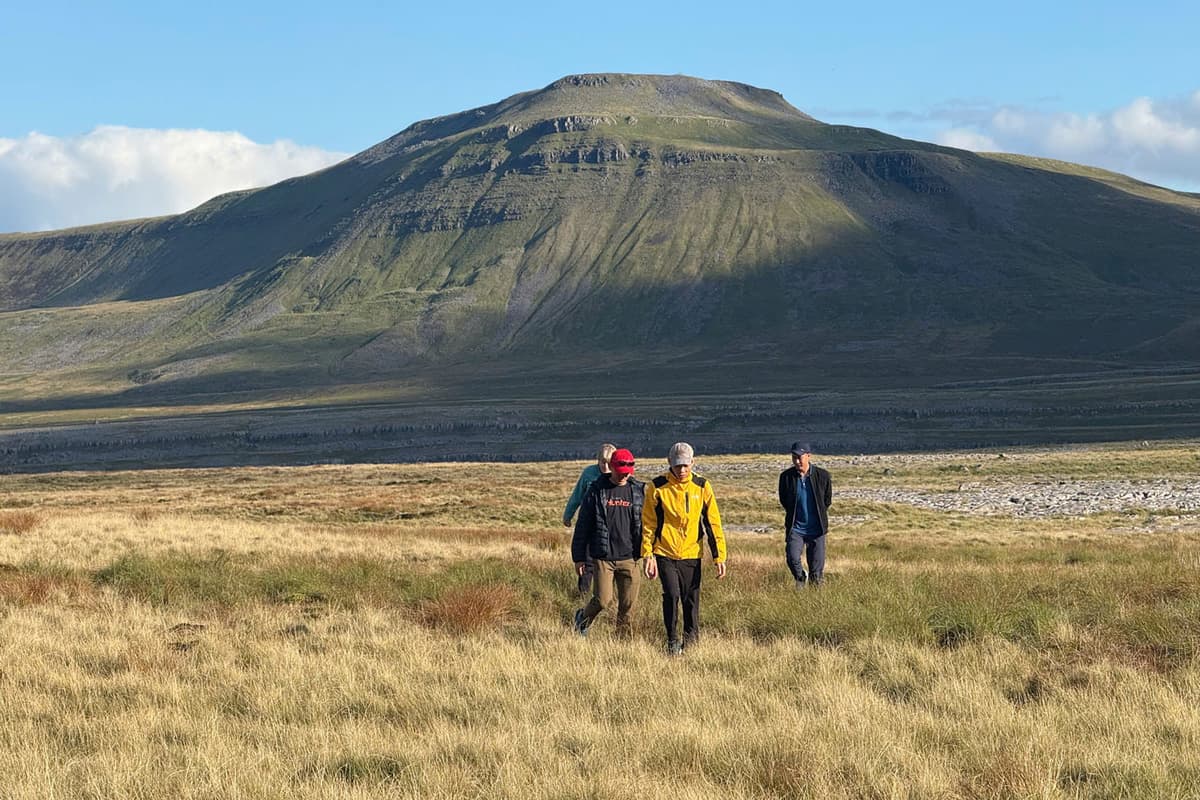
Oxalis experts arrived in Ingleton to prepare for the training program.
On September 24, the team carried out a survey of Notts II cave, a striking example of karst formation on bedded limestone, shaped over millions of years by glaciers and water. This provided the members with a deeper understanding of geology as well as the evolutionary process of cave systems in Yorkshire.
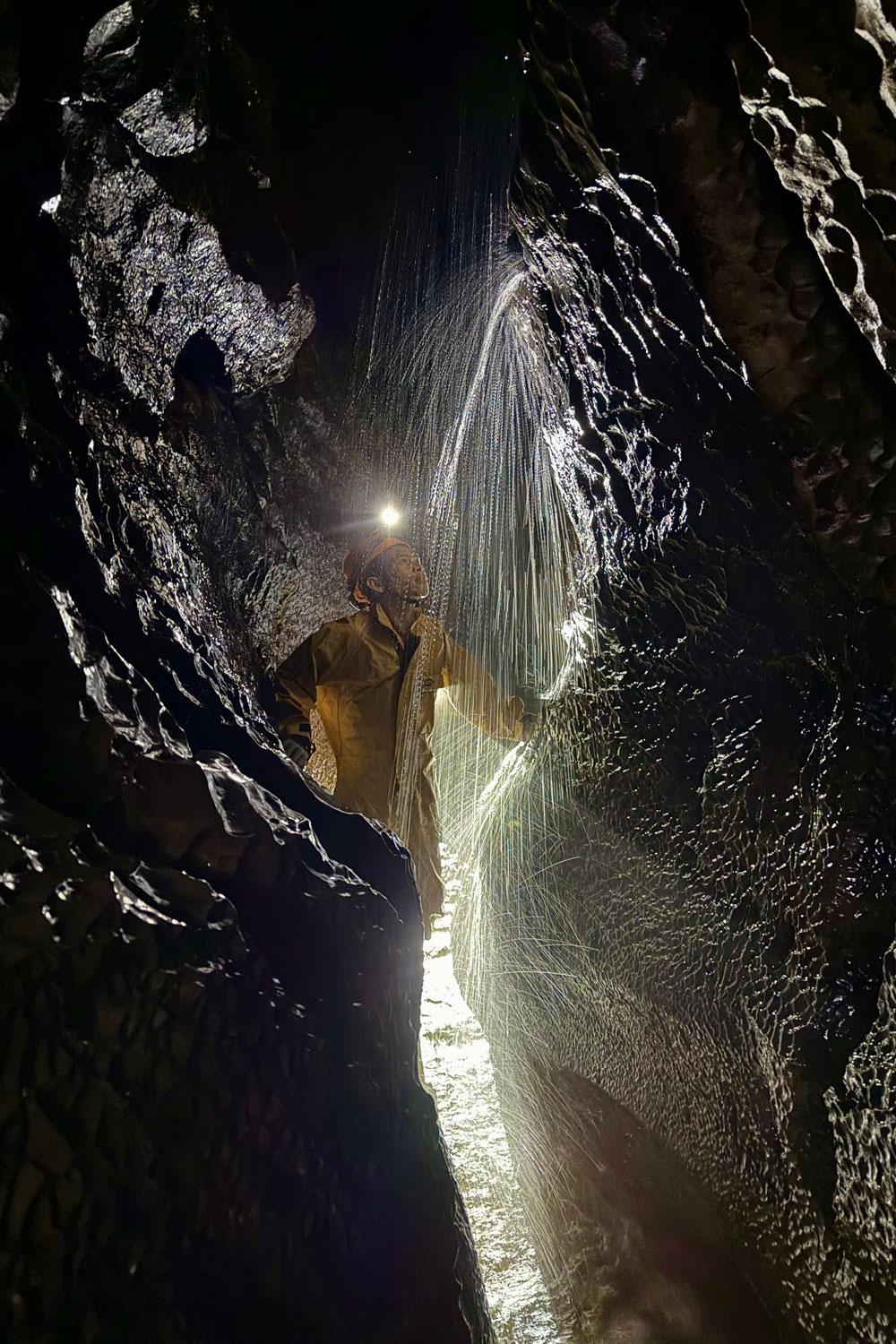
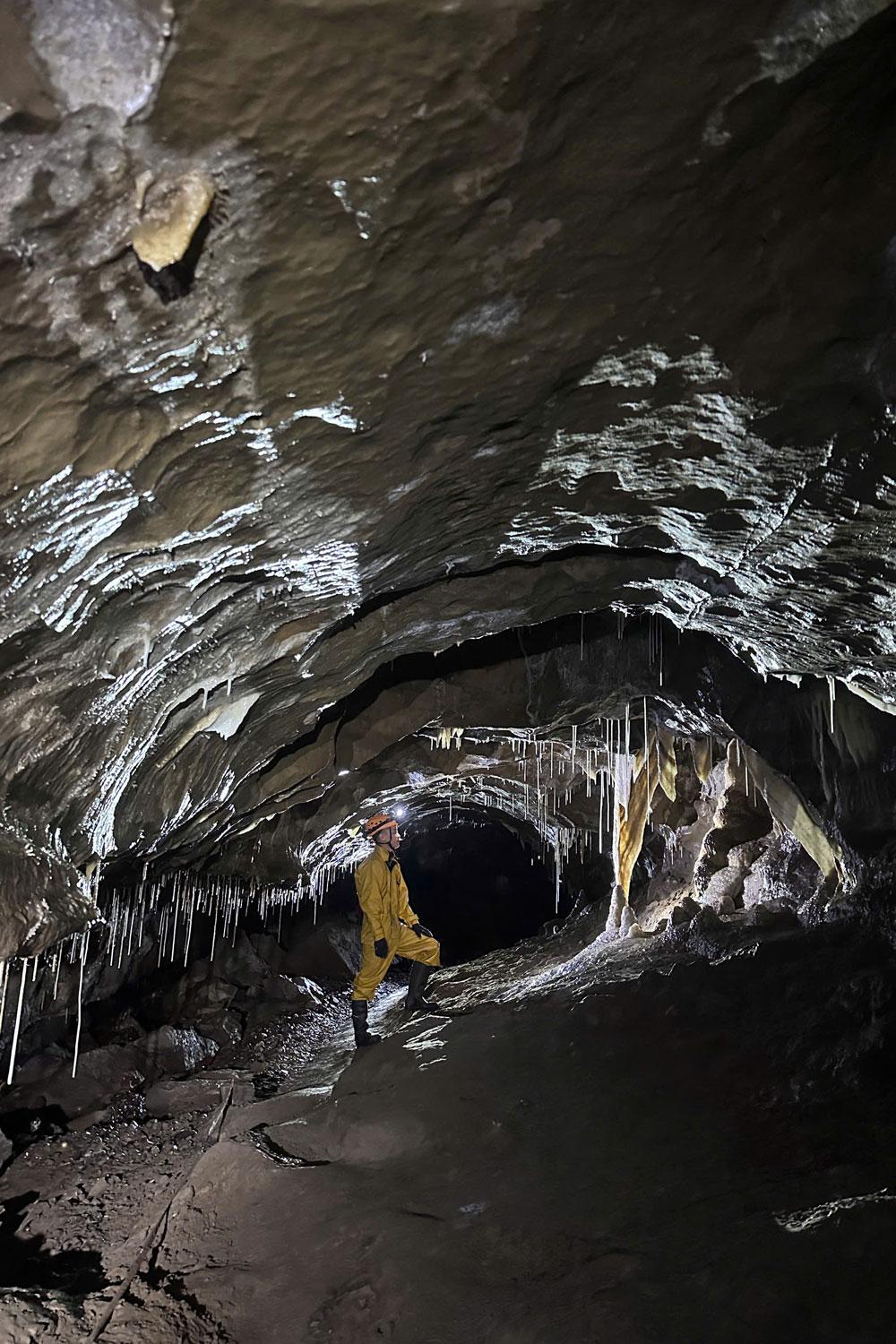
The experts surveyed Notts II cave.
A key component of the program was training in Single Rope Technique (SRT), led directly by Martin Holroyd, a rescue supervisor with the Cave Rescue Organization. The training covered rope climbing, passing intermediate anchors, negotiating re-belays, and practicing rescue techniques. Alongside this, Martin shared practical insights into cave rescue operations in Yorkshire, including specialized equipment systems and their effective applications. These valuable lessons can be directly applied to rescue activities during tour operations in Phong Nha – Ke Bang.
The team also carried out training exercises at Long Churn and Alum Pot caves, accompanied by international experts such as Martin Holroyd, Howard Limbert, Deb Limbert, Colin Limbert, and Ian Watson Watto. Before entering the caves, members were instructed to monitor weather forecasts and recognize early signs of flooding, such as changes in water color or unusual drafts of air. During the practice, the team applied SRT skills across four rope sections, while also training in guest-assistance techniques using auxiliary ropes, before concluding at the upper exit of Long Churn.
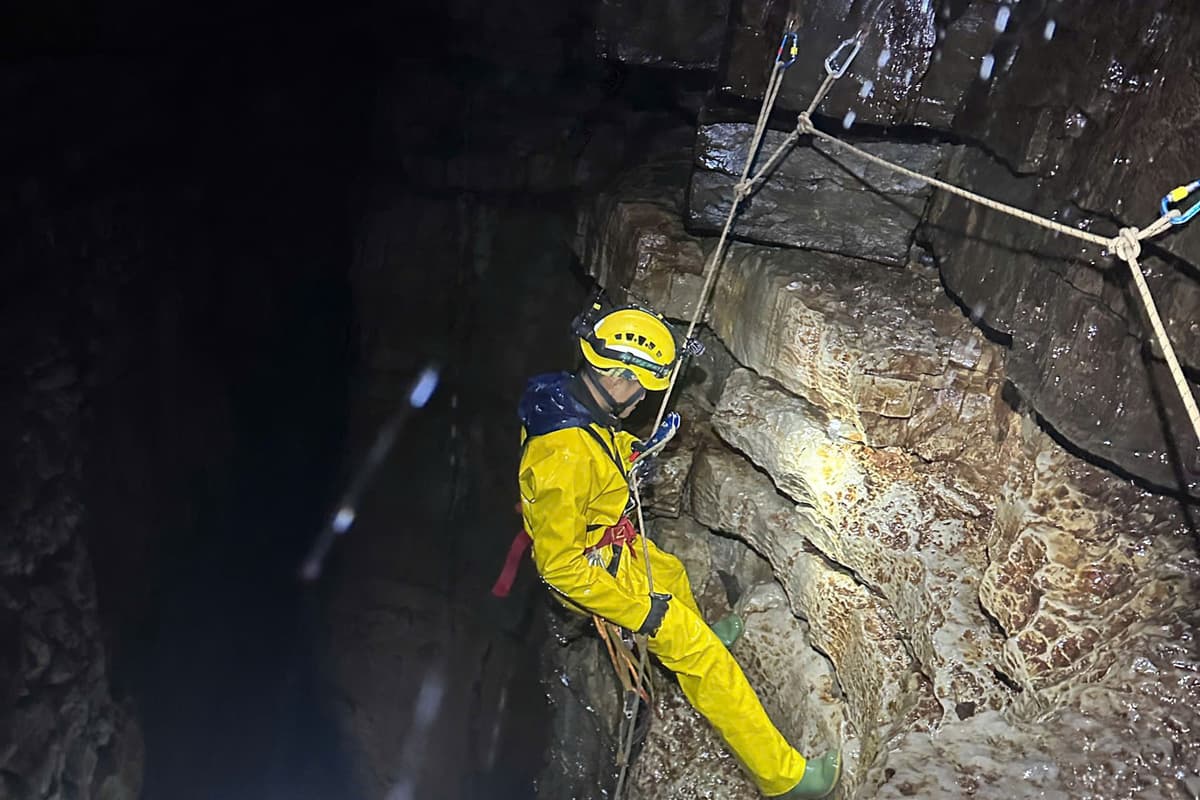
The experts practiced SRT techniques at Long Churn and Alum Pot caves.
Beyond rope techniques and rescue skills, Oxalis experts also expanded their knowledge in complementary fields such as archaeology, navigation, map reading, mountaineering, and other essential safety practices. These sessions were led by an international team of experts, including Howard Limbert, Deb Limbert, Darren Mackenzie, John Thorp, Tom Lord, and their colleagues.
Apply new knowledge and skills in Oxalis cave exploration tours
The UK training improved skills and provided new insights on safety gear. Experts from the UK shared modern methods for checking and maintaining rescue tools.
After the work trip, Oxalis experts are now ready to use their new skills in Vietnam. The safety of Oxalis cave tours will be upgraded. The equipment for exploration is always maintained to meet international standards. This will boost rescue operations during emergencies and provide total safety for visitors.
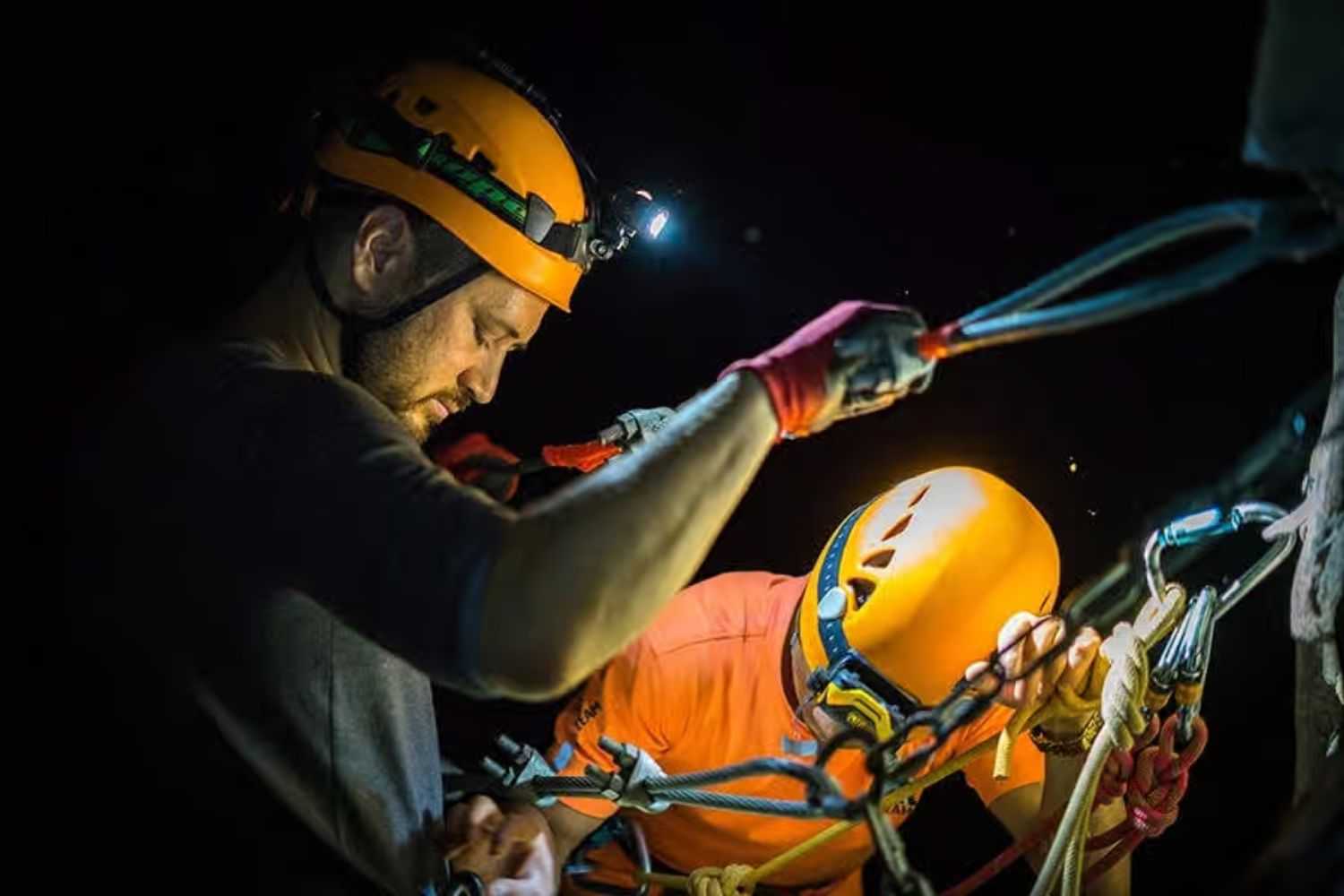
Knowledge of safety techniques and equipment use will be applied to Oxalis tours.
"Community involvement" has always been a core principle of Oxalis Adventure since the beginning. Our company not only creates jobs for locals but also offers long-term career paths. This training and support help build a sustainable future for many local workers in the tourism industry.
Oxalis Adventure helps safety assistants each year to improve their English and guiding skills by studying at Saigon Tourism College. Many assistants have become professional guides and returned to work for Oxalis. In 2024, Oxalis fully funded the tuition for 12 safety assistants to finish their tour guide training. This is a major step toward building a skilled workforce for cave tours.
Oxalis runs yearly training for guides and safety assistants. It focuses on equipment handling and first aid. This will let them quickly absorb new information and apply it in practice. Continuous and proper training will ensure the team is ready for any situation they might face.
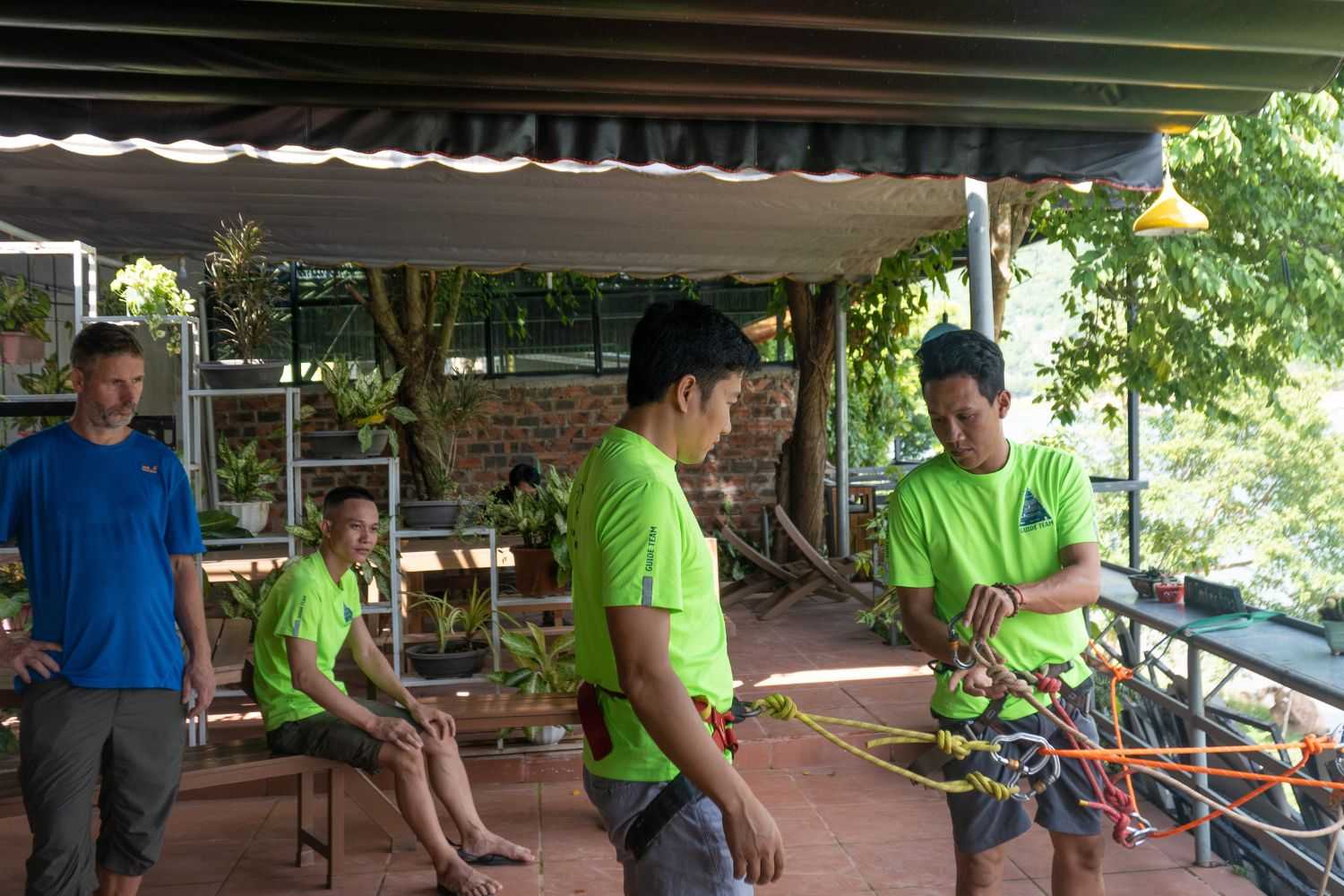
Tour guides and safety assistants participate in training on using safety equipment under the guidance of UK experts.
Oxalis Adventure's training of cave safety experts in the UK is a big step for safety standards. It improves the team's skills and ensures all work meets global standards. Oxalis Adventure is committed to continually improving service quality for safe and memorable adventures.
The Oxalis Experience.
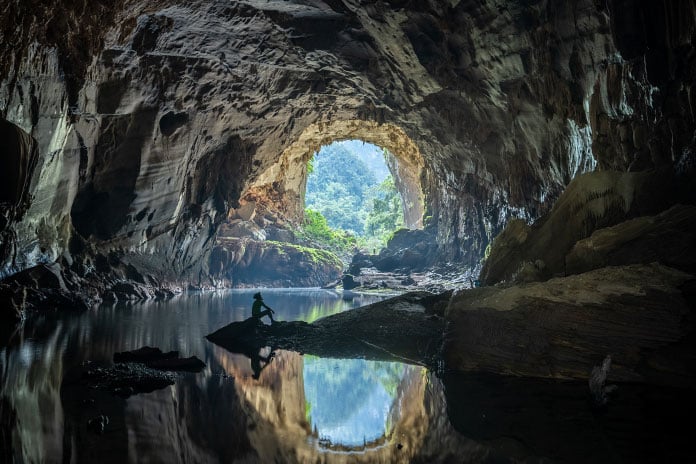
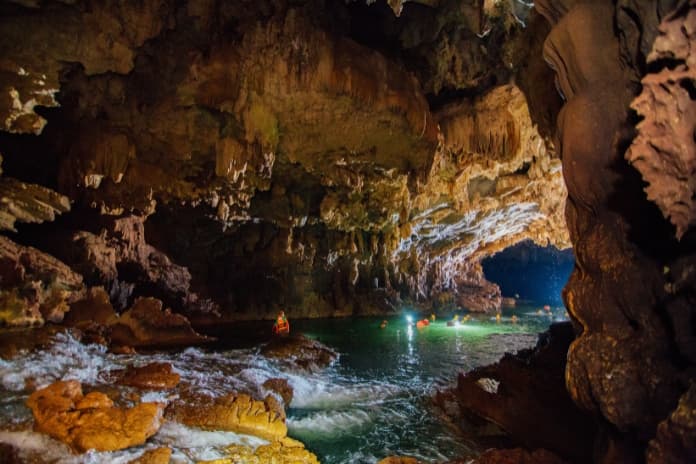
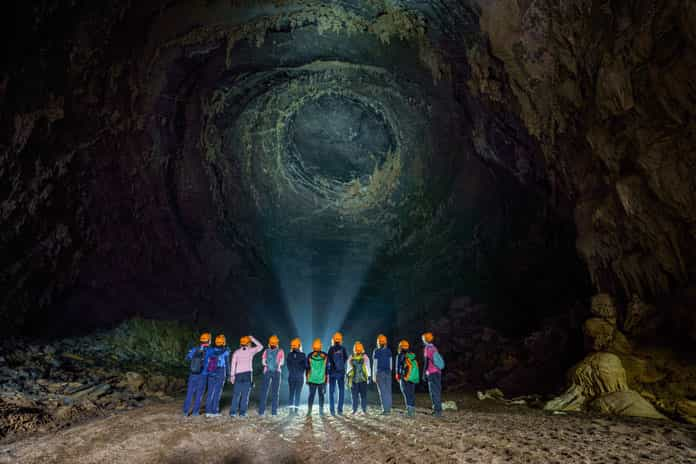
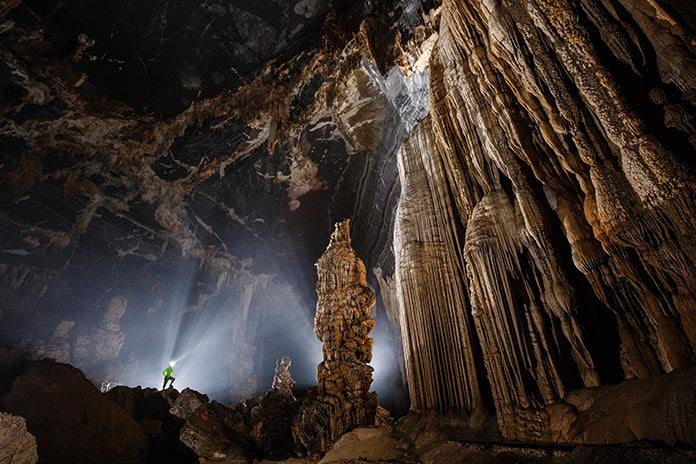
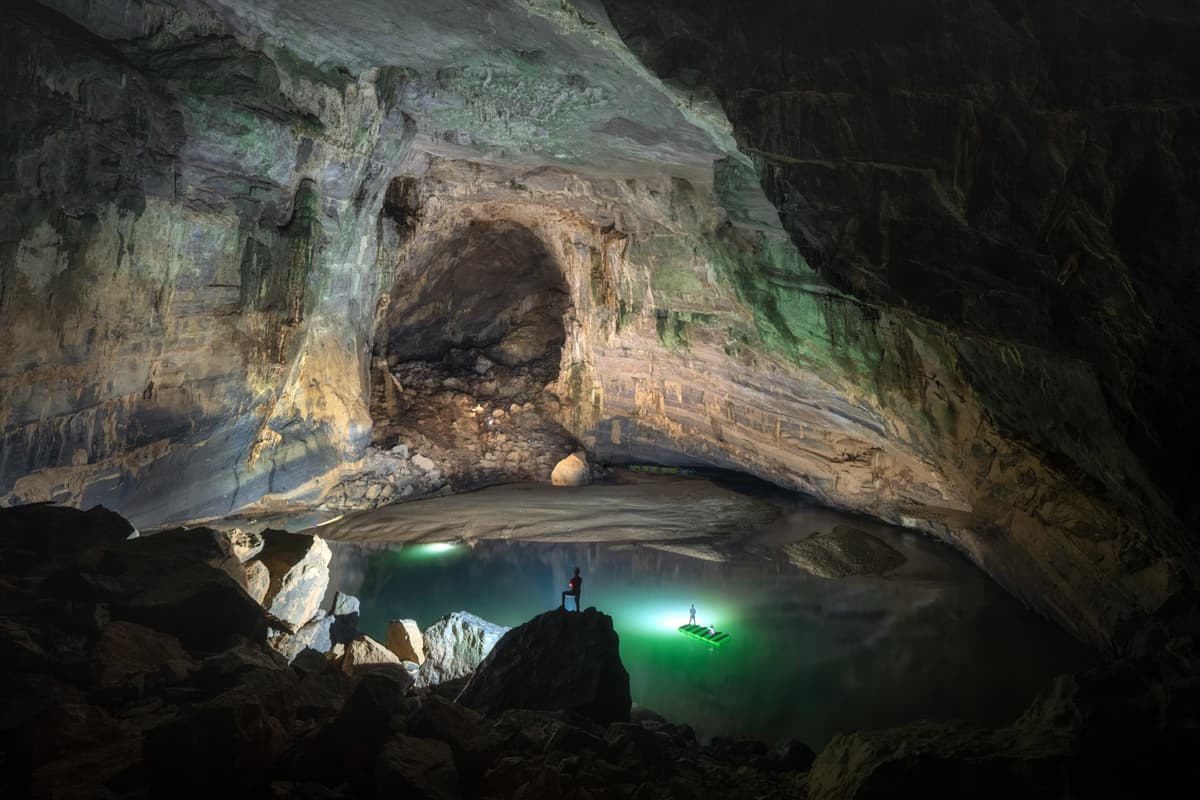
Whether you prefer long treks, camping in a cave, sleeping under the stars in the jungle, swimming underground in river caves, explore the huge dry caves or just taking an exploratory day trip, Oxalis Adventure Tours can provide the right amount of adventure just for you.
__637051782550081035.jpg)
__637051780703588520.jpg)
__637051765075307793.jpg)
__637051774329206026.jpg)
__637740499994967442.jpg)