Hang Va Cave on BBC Planet Earth III: Science and Cave Conservation
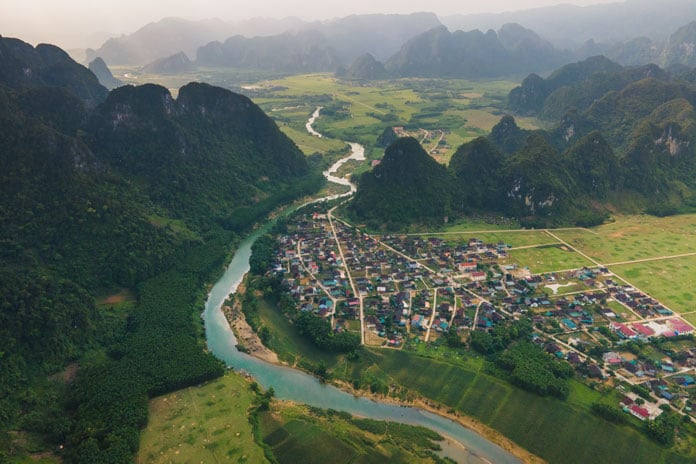
Hang Va Cave is one of the most spectacular and unique caves in Phong Nha - Ke Bang National Park, a UNESCO World Heritage Site in central Vietnam. The cave is famous for its stunning calcite formations, such as cones, towers, and rafts, that are found in a dry gour pool in the cave. The cave is also part of the Rao Thuong - Khe Ry river system, which is the longest river cave in Asia. Hang Va Cave is a valuable natural heritage that deserves to be studied and preserved by scientists and explorers.
Recently, Hang Va Cave was featured on the BBC Planet Earth III series. Join us as we explore the Hang Va Cave through a scientific perspective, studies on geology, ecology and how scientists research and preserve this cave.
Geology of Hang Va Cave
According to scientists, Hang Va Cave is relatively young and was formed about 2-3 million years ago. Hang Va Cave was formed by the erosion of the Khe Um stream over millions of years. The water, which contained carbonic acid, seeped and flowed through the limestone, dissolving the calcium and forming Hang Va Cave.
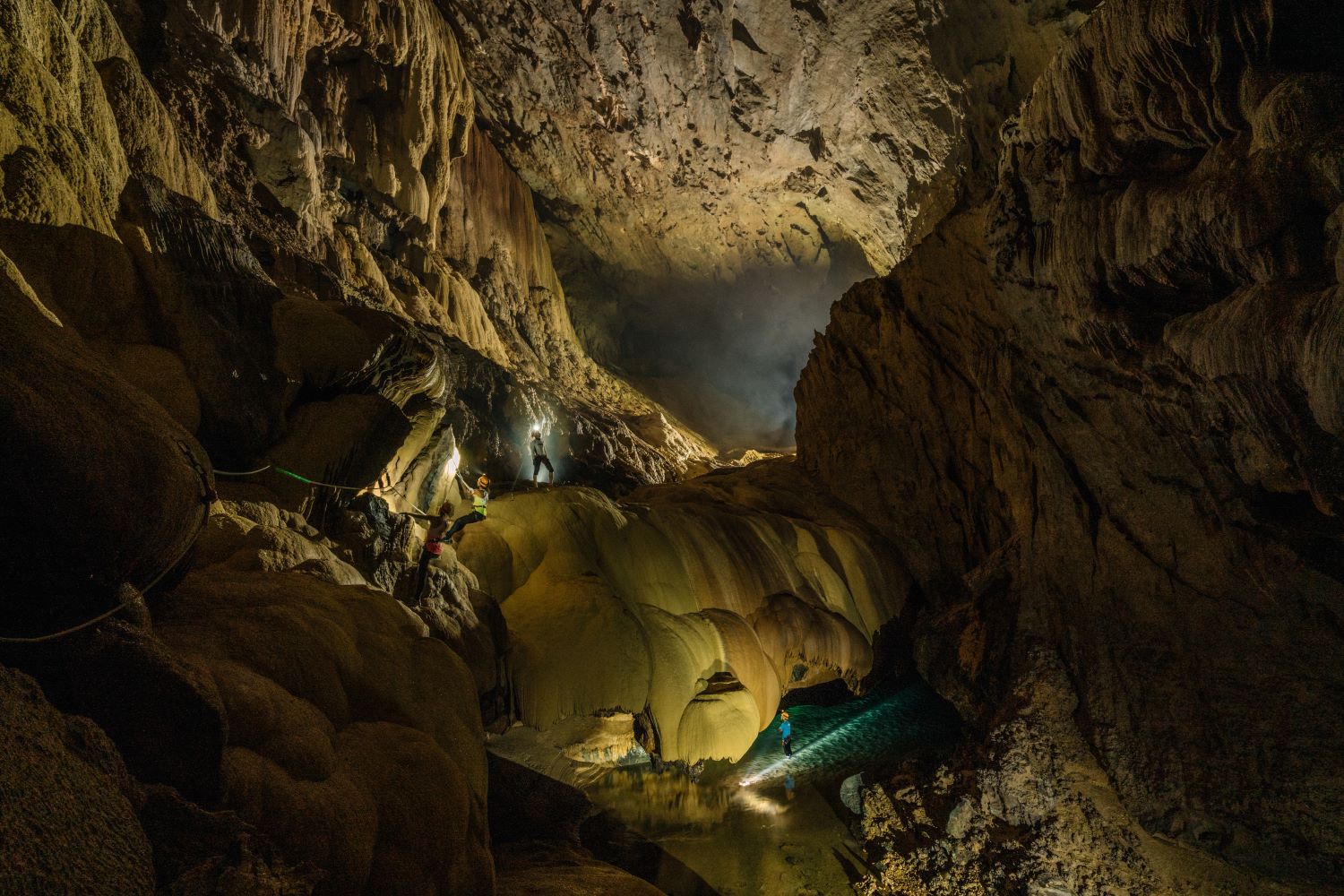
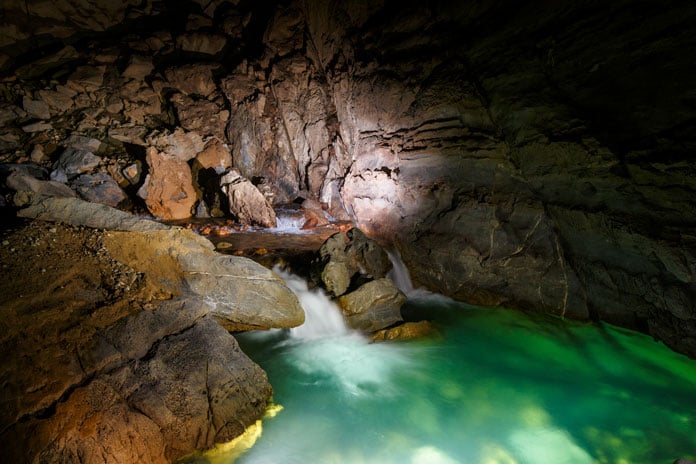
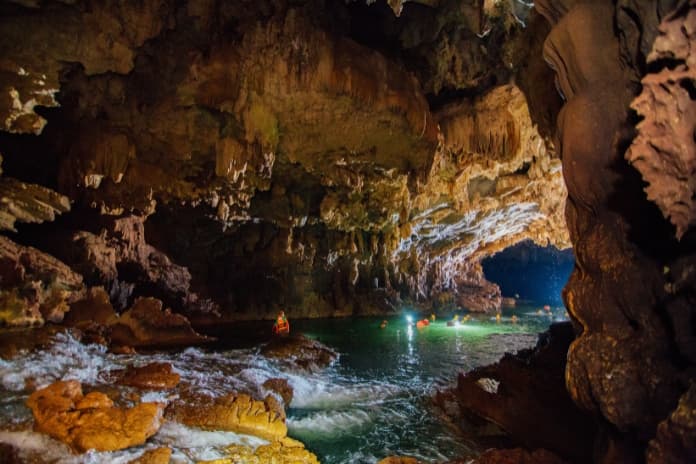
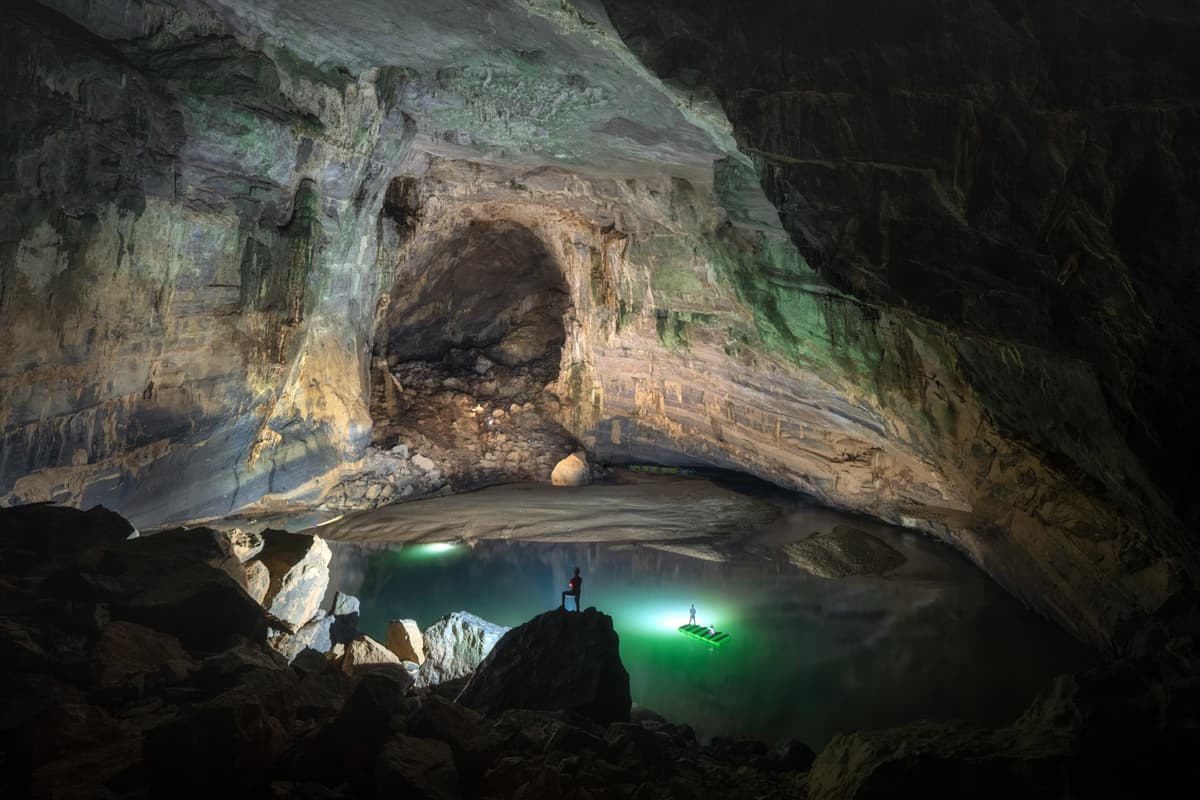
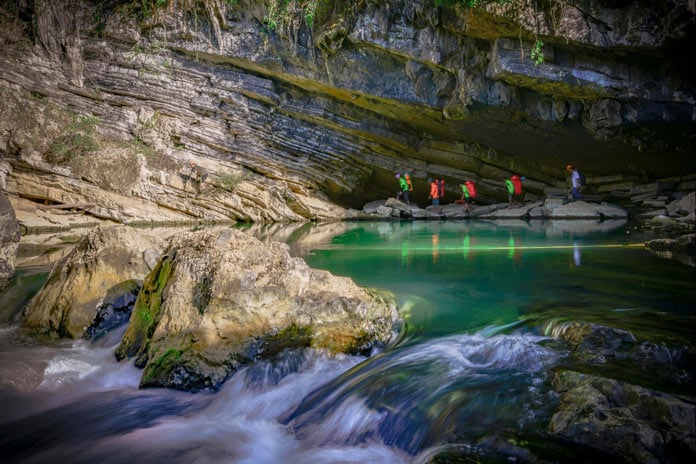
The cave has two main sections: the wet section and the dry section. The wet section is about 1.6 km long and contains an active river that flows through the cave. The dry section is about 0.6 km long and contains a large dry gour pool with many calcite formations. The dry gour pool is about 120 m long, 30 m wide, and 15 m deep.
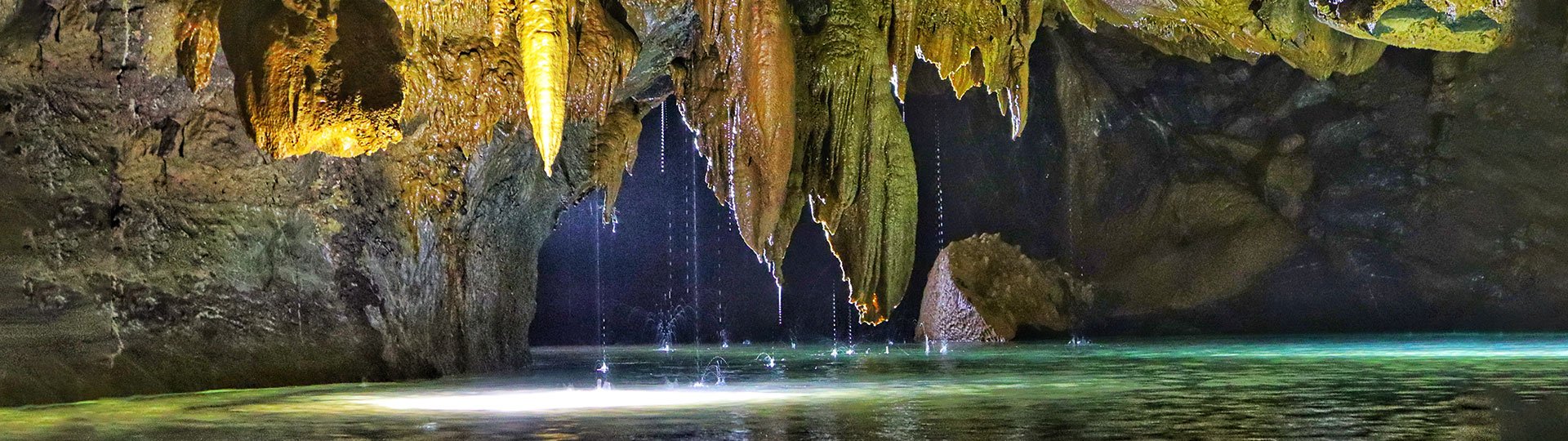
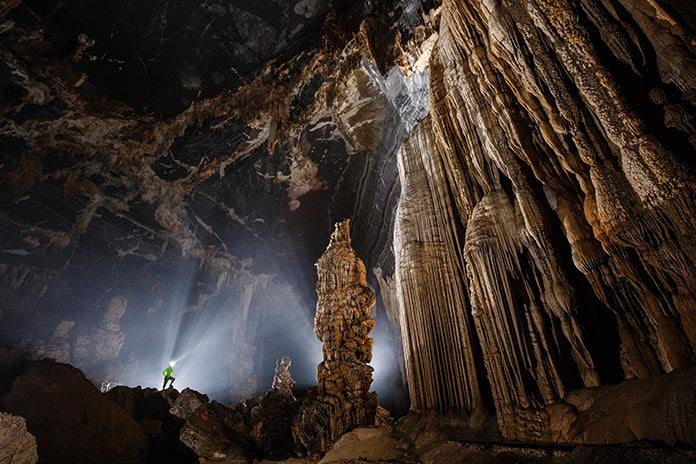
The calcite formations in the dry gour pool are the most remarkable feature of Hang Va Cave. They are composed of calcite crystals that precipitated from the water that filled the pool in the past. The calcite formations include cones, towers, rafts, and sheets that have different shapes, sizes, and colors. Some of the cones are up to 2 m high and 1 m wide, and some of the rafts are up to 10 cm thick and 2 m long.
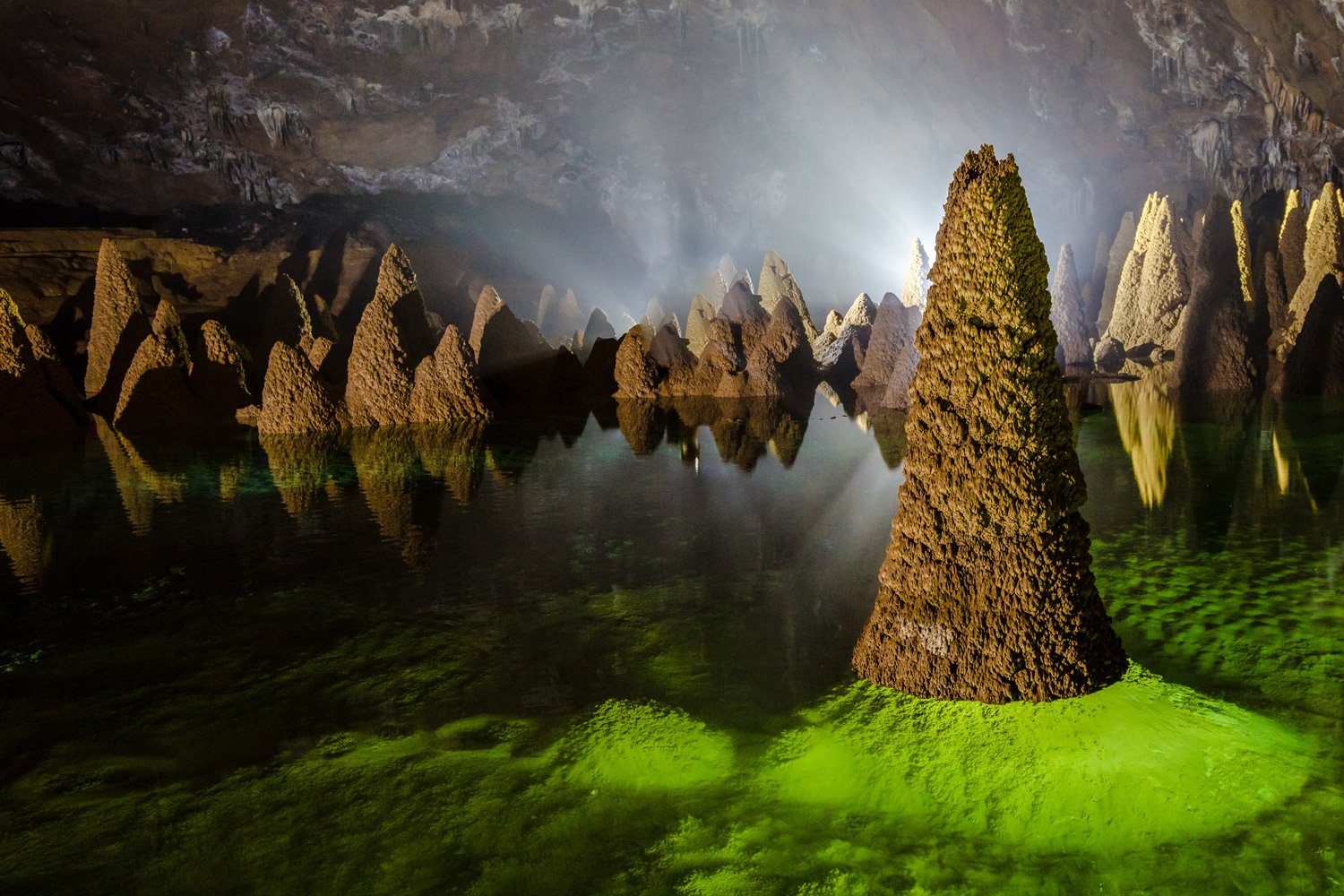
The origin and development of the calcite formations are still debated by scientists. Some of them suggest that the formations are raft cones, which are formed by calcite rafts that sink to the bottom of the pool and accumulate over time. Others suggest that the formations are tower cones, which are formed by calcite precipitation from the water that drips from the ceiling of the cave. The different hypotheses are based on the morphology, mineralogy, and isotopic composition of the calcite formations.
Ecology of Hang Va Cave
Hang Va Cave is also a habitat for many animals that have adapted to the cave environment. These animals are called troglofauna, and they can be classified into four categories based on their degree of dependence on the cave environment.
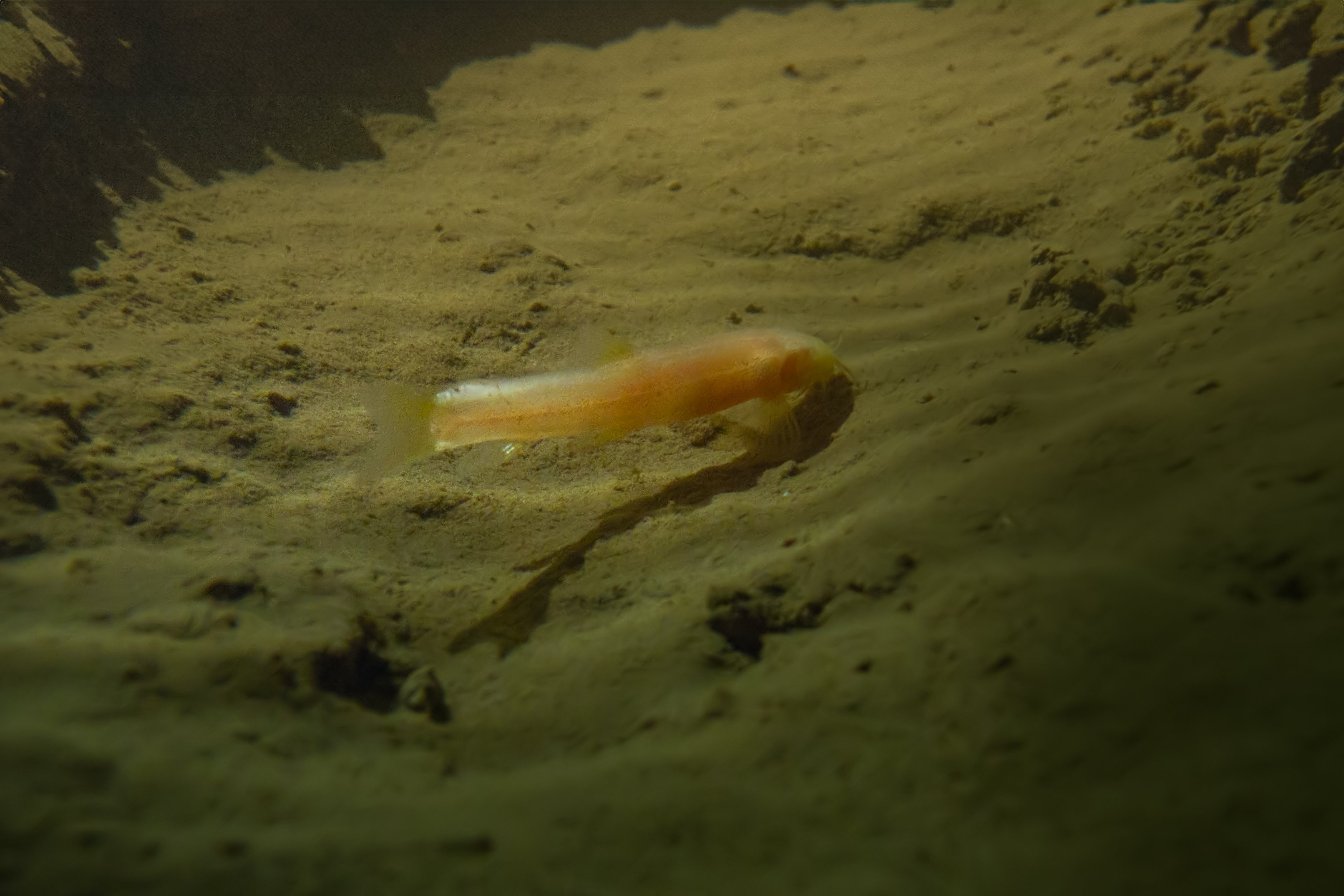
- Troglobites are animals that are completely adapted to live in caves and cannot survive outside. They usually have no eyes, no pigmentation, and long antennae or other sensory organs to navigate in the dark. They also have slow metabolism and reproduction rates to cope with the scarce food resources. Examples of troglobites in Hang Va Cave are the Phong Nha cave fish, the Phong Nha cave shrimp, and the Phong Nha cave snail.
- Troglophiles are animals that can live both in and outside caves, but prefer the cave habitat. They usually have some eyesight and pigmentation, but can also use other senses to find food and mates. They also have more varied diets and can feed on organic matter brought in by water or other animals. Examples of troglophiles in Hang Va Cave are the white-cheeked gibbon, the giant antlered muntjac, and the red cave salamander.
- Trogloxenes are animals that use caves for shelter or roosting, but not for their entire life cycle. They usually have normal eyesight and pigmentation, and can easily move between the cave and the surface. They also have more diverse diets and can hunt or forage outside the cave. Examples of trogloxenes in Hang Va Cave are bats, bears, and swiftlets.
- Accidentals are animals that enter caves by mistake or by force, and usually do not survive for long. They have no adaptations to the cave environment, and often become prey for other cave animals. Examples of accidentals in Hang Va Cave are rats, mice, and birds.
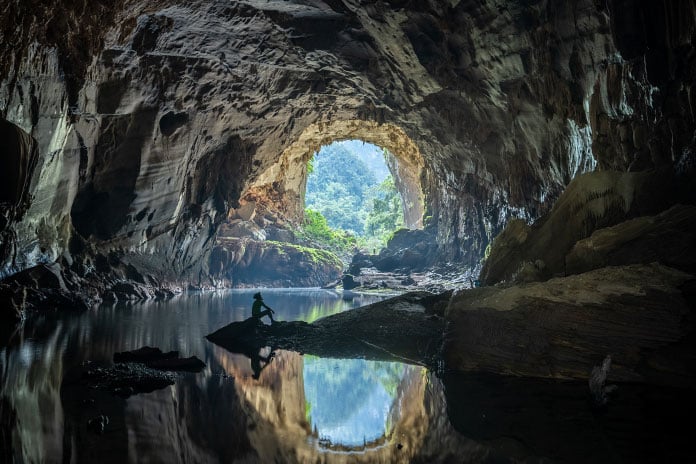
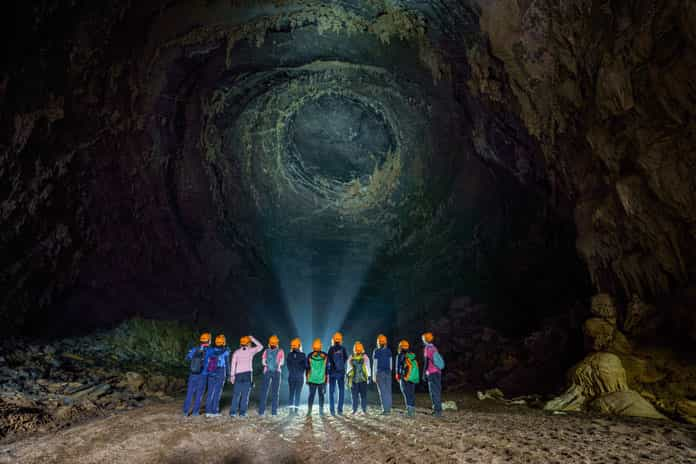
The ecology of Hang Va Cave is influenced by the presence of the dolines, which are areas where the ceiling of the cave has collapsed, allowing sunlight and vegetation to enter. The dolines create a unique microclimate and ecosystem inside the cave, with diverse flora and fauna, such as ferns, orchids, monkeys, birds, and insects.
Research and Preservation of Hang Va Cave
Hang Va Cave is a valuable natural heritage that deserves to be researched and preserved by scientists and explorers. The cave is a source of geological, ecological, and archaeological information that can help to understand the history and evolution of the Earth and its life forms. The cave is also a site of aesthetic and cultural significance, as it offers a rare opportunity to witness and appreciate the beauty and diversity of nature.
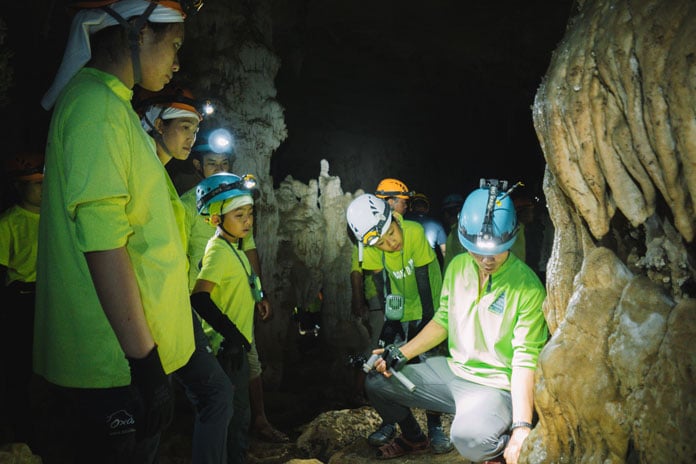
However, Hang Va Cave is also threatened by human activities, such as mining, logging, pollution, and tourism, which can damage or destroy the cave ecosystems. Therefore, it is essential to protect and preserve the cave and its surroundings, by implementing strict regulations and guidelines for accessing and exploring the cave, such as limiting the number of visitors, requiring permits and guides, and following designated paths. It is also important to raise awareness and education about the value and importance of the cave, and to involve and empower the local community in its conservation and management.
Hang Va Cave is one of the most spectacular and unique caves in Phong Nha - Ke Bang National Park, and in the world. The cave is a geological wonder, with stunning calcite formations, and an ecological treasure, with diverse and endemic animals. The cave is also a valuable natural heritage that needs to be studied and preserved by scientists and explorers. Hang Va Cave is a must-see destination for anyone who loves adventure, nature, and culture.
The Oxalis Experience.
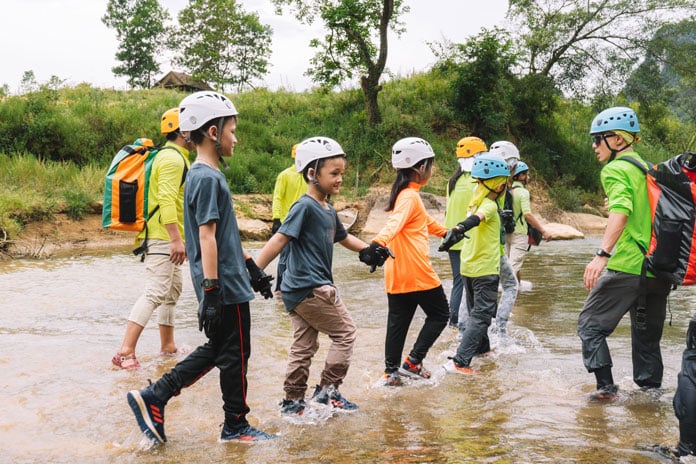
Whether you prefer long treks, camping in a cave, sleeping under the stars in the jungle, swimming underground in river caves, explore the huge dry caves or just taking an exploratory day trip, Oxalis Adventure Tours can provide the right amount of adventure just for you.
__637051782550081035.jpg)
__637051780703588520.jpg)
__637051765075307793.jpg)
__637051774329206026.jpg)
__637740499994967442.jpg)