Discovering the Intricacies of Son Doong Cave's Rainforest
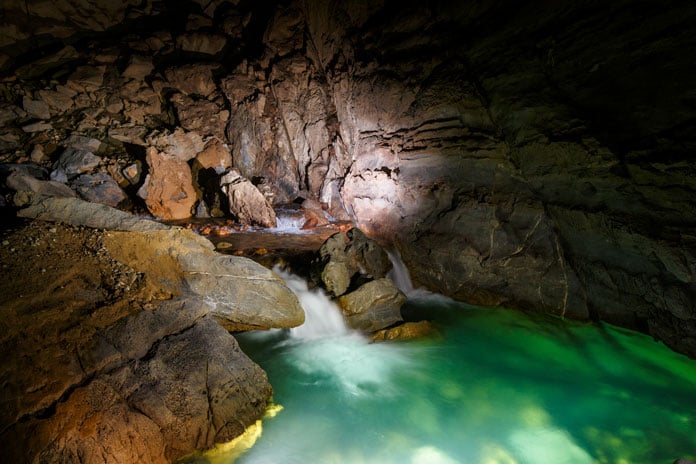
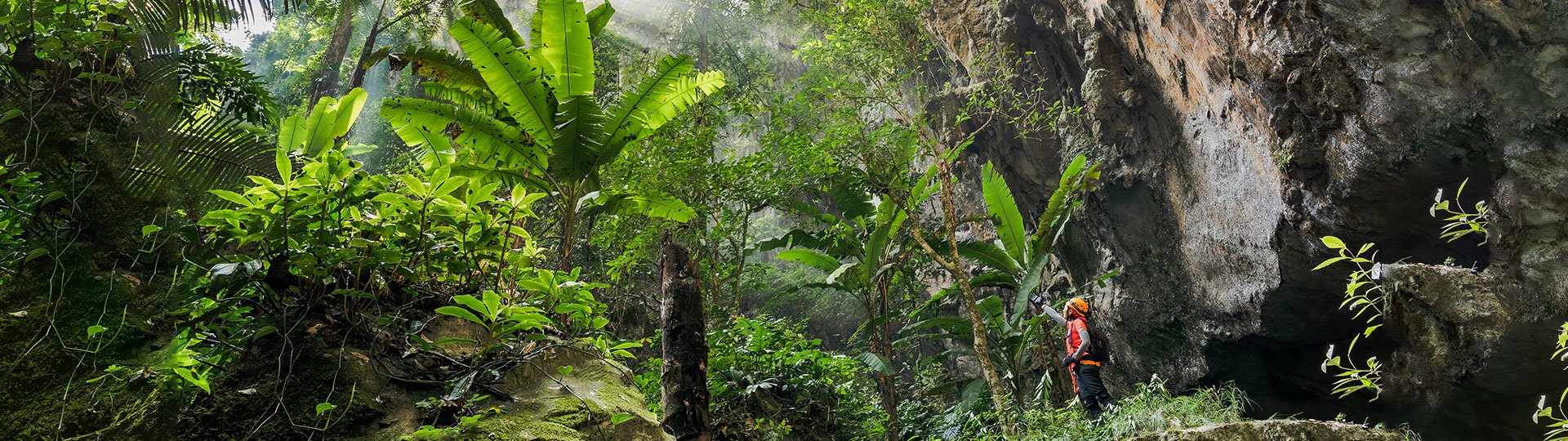
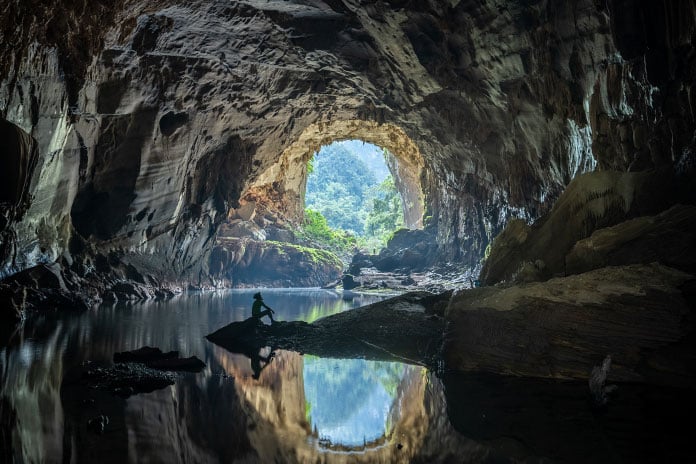
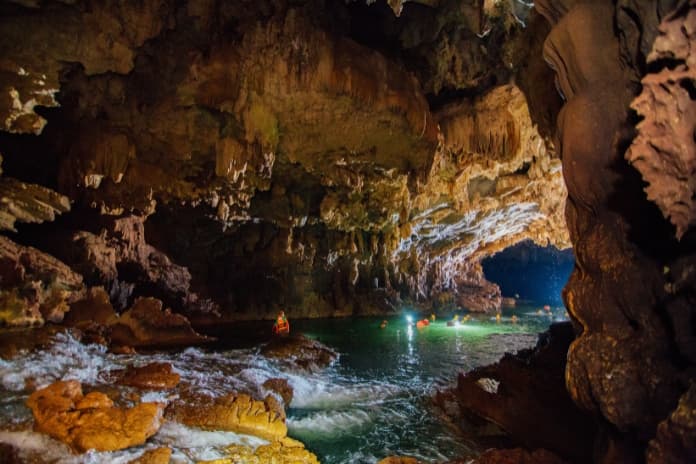
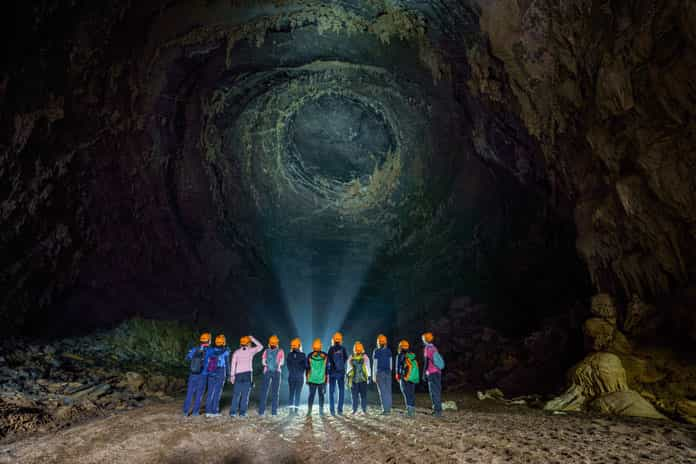
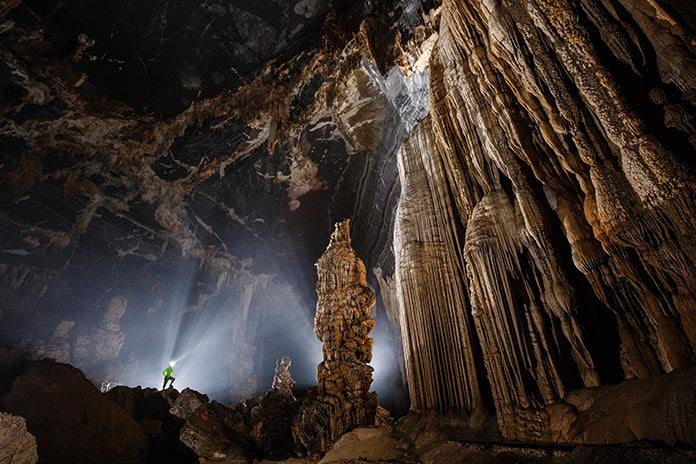
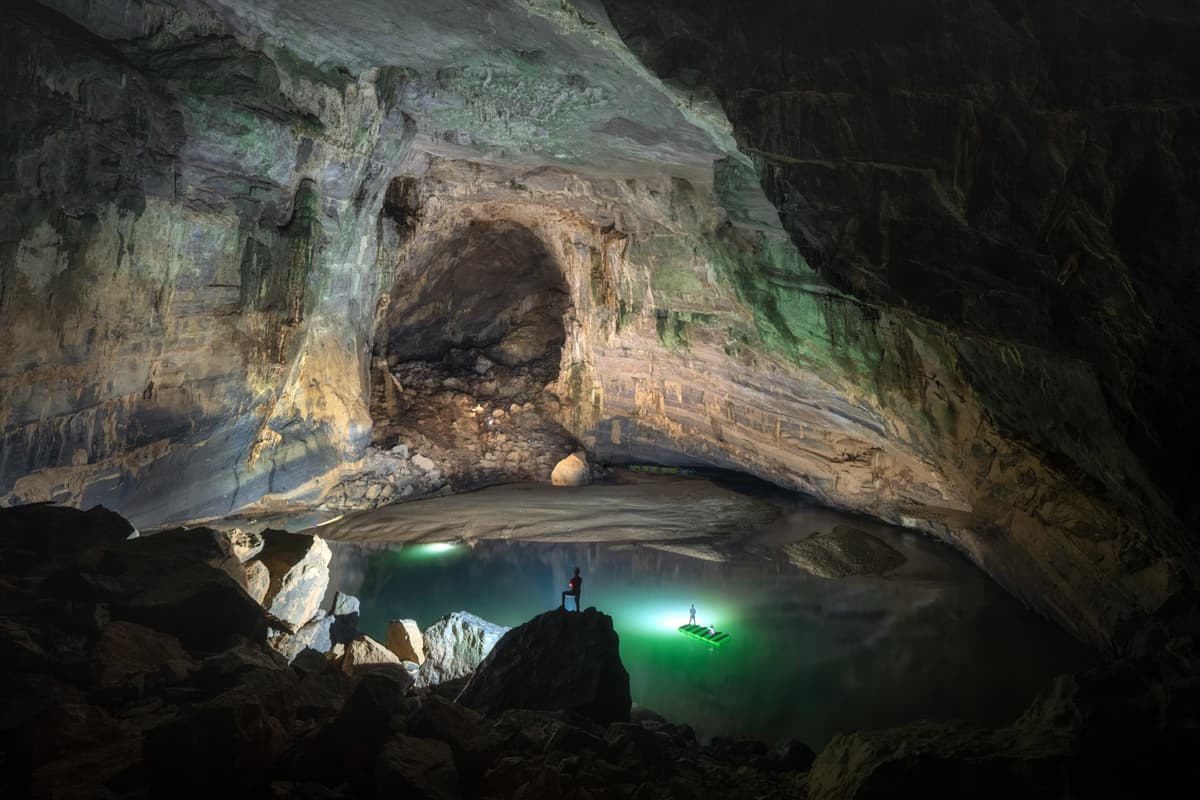
Son Doong cave is the world's largest natural cave, located in Phong Nha - Ke Bang National Park, a UNESCO World Heritage Site in central Vietnam. The cave is a geological wonder, with many unique features and formations, such as dolines, stalactites, stalagmites, columns, flowstones, cave pearls, and an underground river. The cave is also a habitat for many rare and endemic animal species, such as the Hatinh langur, the white-cheeked gibbon, the red-shanked douc langur, the saola, and the giant antlered muntjac (huge deer). But what makes Son Doong cave even more remarkable is that it has its own rainforest located 200m deep inside the cave, with over 200 plant species that grow in the dark.
The rainforest in Son Doong cave is the result of the collapse of the cave ceiling in some areas, creating holes called dolines, which allow sunlight and vegetation to enter. The dolines create a unique microclimate and ecosystem inside the cave, with diverse flora and fauna, such as ferns, orchids, monkeys, birds, and insects.
The largest doline in Son Doong cave is about 300 meters wide and 250 meters high, and is known as the Garden of Edam. The name comes from the biblical Garden of Eden, as the doline resembles a paradise in the middle of the cave.
The plants that grow in Son Doong cave are mostly tropical and subtropical species, such as palms, figs, bananas, and cycads. Some of the plants are endemic to the region, meaning they are found nowhere else in the world. Some of the plants are also adapted to the cave environment, such as having larger leaves, longer roots, or brighter colors to capture more sunlight. Some of the plants are also epiphytes, meaning they grow on other plants or rocks, without soil. Some of the plants are also carnivorous, meaning they trap and digest insects or small animals for nutrients.
The rainforest in Son Doong cave is a valuable natural heritage that deserves to be protected and preserved by scientists and explorers. The rainforest is a source of ecological and botanical information that can help to understand the diversity and evolution of life on Earth. The rainforest is also a site of aesthetic and cultural significance, as it offers a rare opportunity to witness and appreciate the beauty and diversity of nature. Son Doong cave is a must-see destination for anyone who loves adventure, nature, and culture.
The Oxalis Experience.
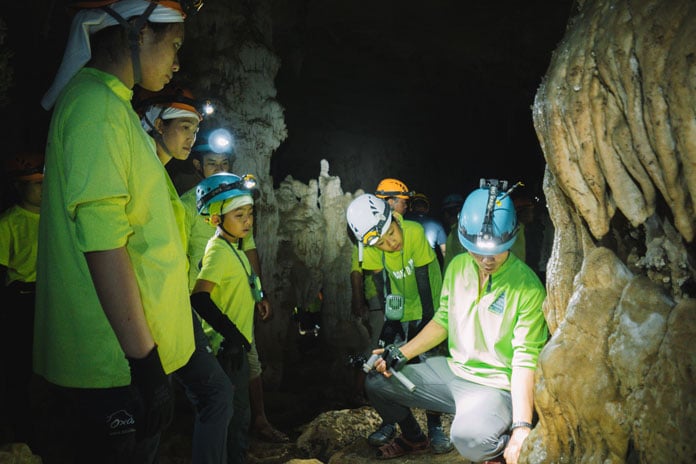
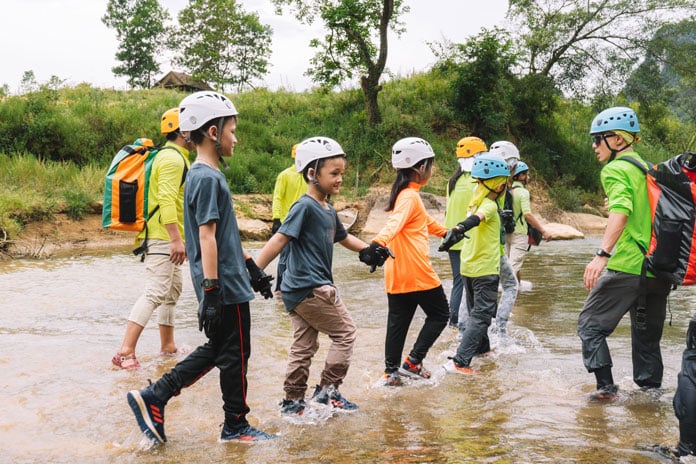
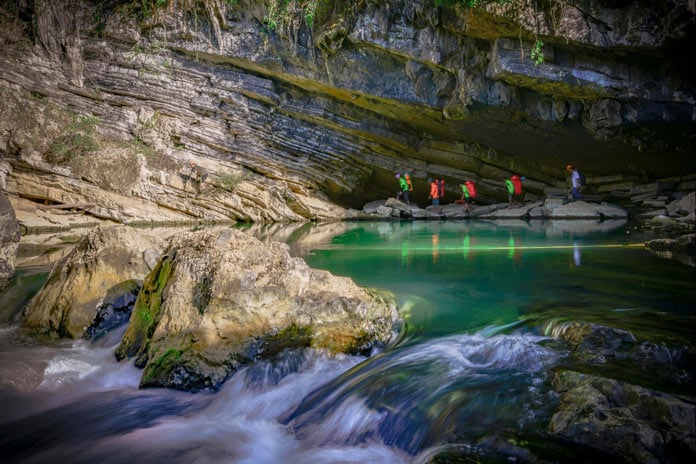
Whether you prefer long treks, camping in a cave, sleeping under the stars in the jungle, swimming underground in river caves, explore the huge dry caves or just taking an exploratory day trip, Oxalis Adventure Tours can provide the right amount of adventure just for you.
__637051782550081035.jpg)
__637051780703588520.jpg)
__637051765075307793.jpg)
__637051774329206026.jpg)
__637740499994967442.jpg)