Best Time to Visit Vietnam: Weather and Climate Guide for Travelers
When is the best time to visit Vietnam and experience its diverse tourist attractions? The answer might surprise you – there's no single "best" time.
Thanks to its diverse geography, this beautiful country offers a range of weather patterns, from tropical to temperate zones. Some regions provide an opportunity to explore different Vietnam tourist attractions.
Read on to discover the North, Central, and South climates and the top places to visit in Vietnam for the season for your trip.
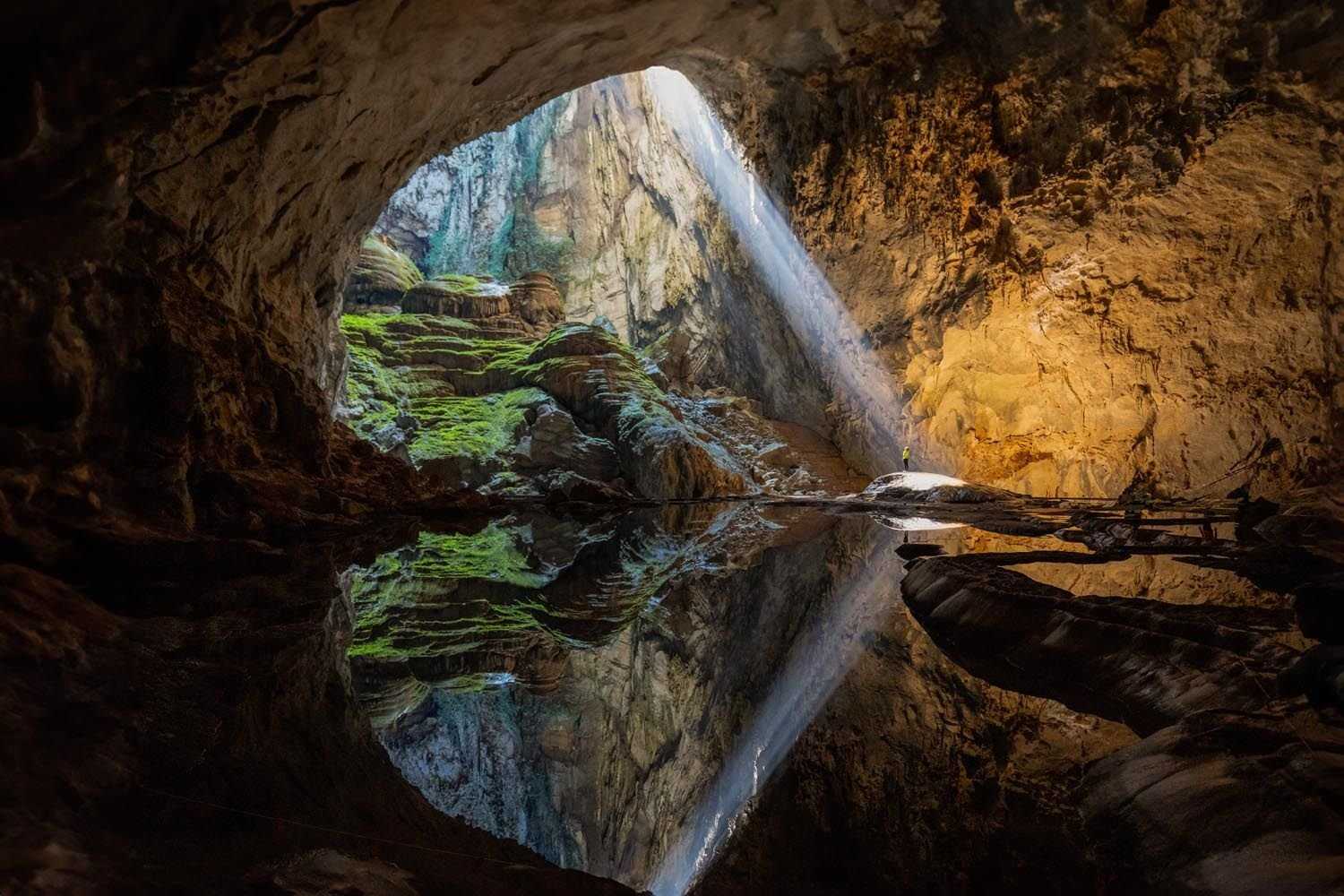
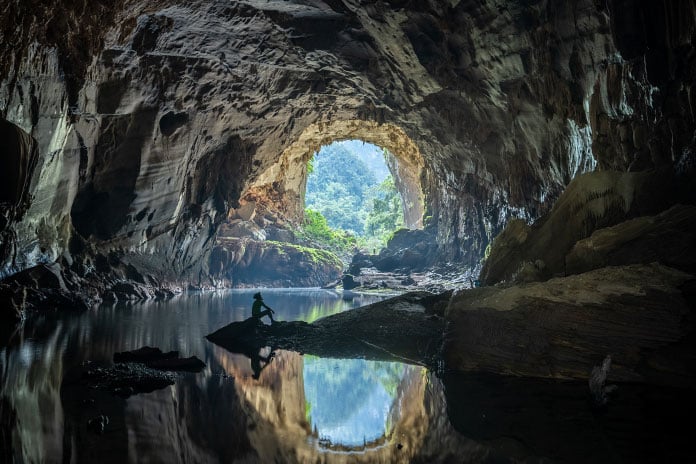
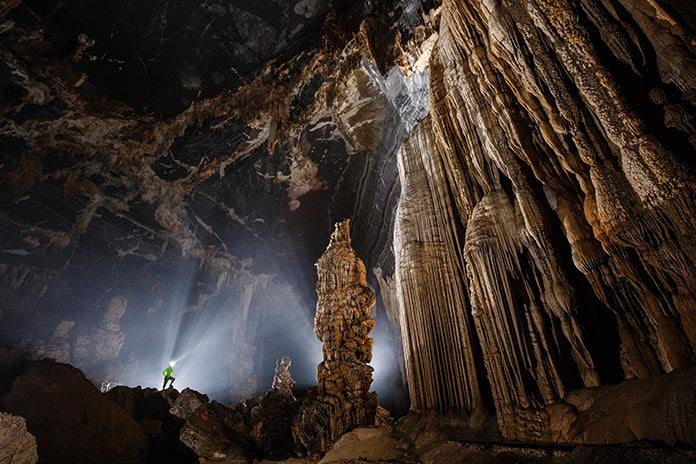
Son Doong Cave in Vietnam is the world’s largest cave.
Vietnam Weather and Climate Regions Overview
Vietnam’s weather is diverse because the country stretches over 1,650 km from north to south and is strongly influenced by the East Sea.
- Climate and Weather in Northern Vietnam
The North enjoys four distinct seasons: spring, summer, autumn, and winter. This is due to the region's higher latitude and the influence of the temperate monsoon climate.
- Spring (March to April): Spring is a pleasant time in the north, with mild temperatures and occasional light rain. It's a beautiful season with blooming flowers and lush greenery, making it the best month to visit Vietnam for outdoor activities and festivals.
- Summer (May to August): Summer brings hot and humid weather, often exceeding 35°C. It's also the wettest season, with frequent rainfall bringing a refreshing coolness and nourishing the region's rice paddies.
- Autumn (September to November): Autumn is a delightful season in the north, with mild temperatures, low humidity, and clear skies.
- Winter (December to February): Winter in northern Vietnam is cool and dry, with temperatures dropping to around 15°C. However, the mountainous areas can experience colder temperatures and occasional frost.
- Climate and Weather in Central Vietnam
Unlike the four seasons in the north, central Vietnam experiences two main seasons: dry and rainy.
- Dry Season (February to August): The dry season brings hot and sunny weather, often reaching 30°C or higher temperatures. However, the region can experience occasional hot and dry winds known as the "Lao wind," making the weather uncomfortable.
- Rainy Season (September to January): The rainy season is characterized by heavy rainfall and occasional typhoons, particularly in the coastal areas. The rain can cause flooding in some places, but it also brings a refreshing coolness and nourishes the region's agriculture.
- Climate and Weather in Southern Vietnam
The South experiences two primary seasons: wet and dry.
- Dry Season (November-April): The sun shines almost all day, the sky is clear blue, the colors are vibrant, the humidity is low, and the temperature in the morning and evening drops to a pleasant level. The temperature in the South is relatively high (up to 39°C), but the humidity is low. These are the best months to visit southern Vietnam.
- Wet Season (May to October): The average south elevation is 19 meters (62ft) above sea level. This proximity to the sea explains why heavy rain is common throughout the city during this season. Temperatures are slightly cooler than the dry season, averaging around 25-30°C.
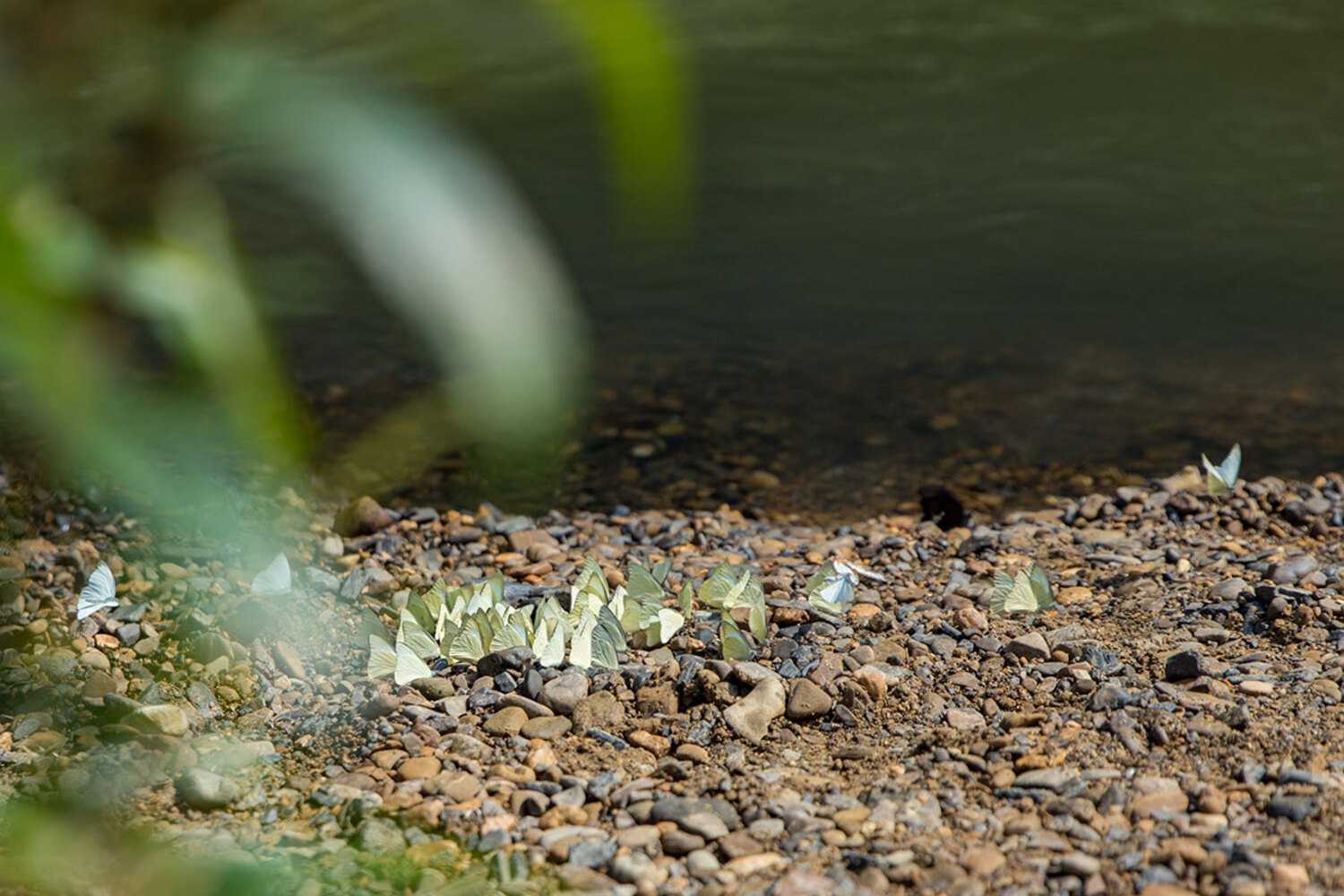
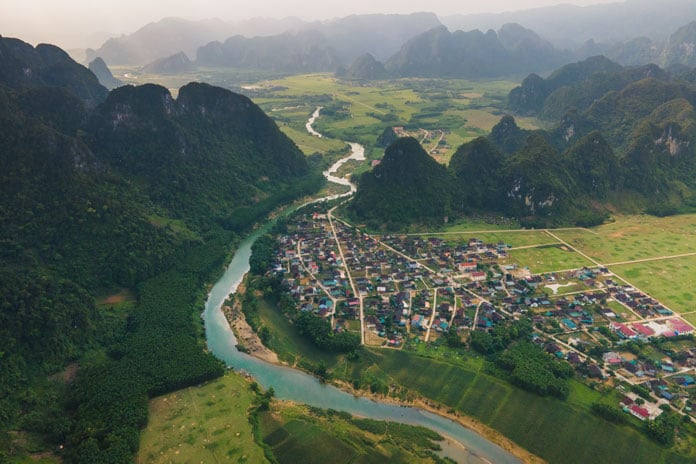
In the spring, you may enjoy butterflies and lush foliage at the Phong Nha - Kẻ Bàng National Park.
Best Time to Visit Vietnam and Top Places by Season
With its stunning landscapes and rich culture, Vietnam is a popular tourist destination year-round. However, the best time to visit depends on your preferred weather conditions.
Spring in Vietnam - Best time for blooming landscapes
Spring in Vietnam lasts from February to April. During this season, the weather is generally mild and pleasant. Flowers bloom across the country, making the landscapes colorful and charming. Spring is the best time to visit Vietnam for enjoying festivals, exploring nature, and experiencing local culture in its most lively atmosphere.
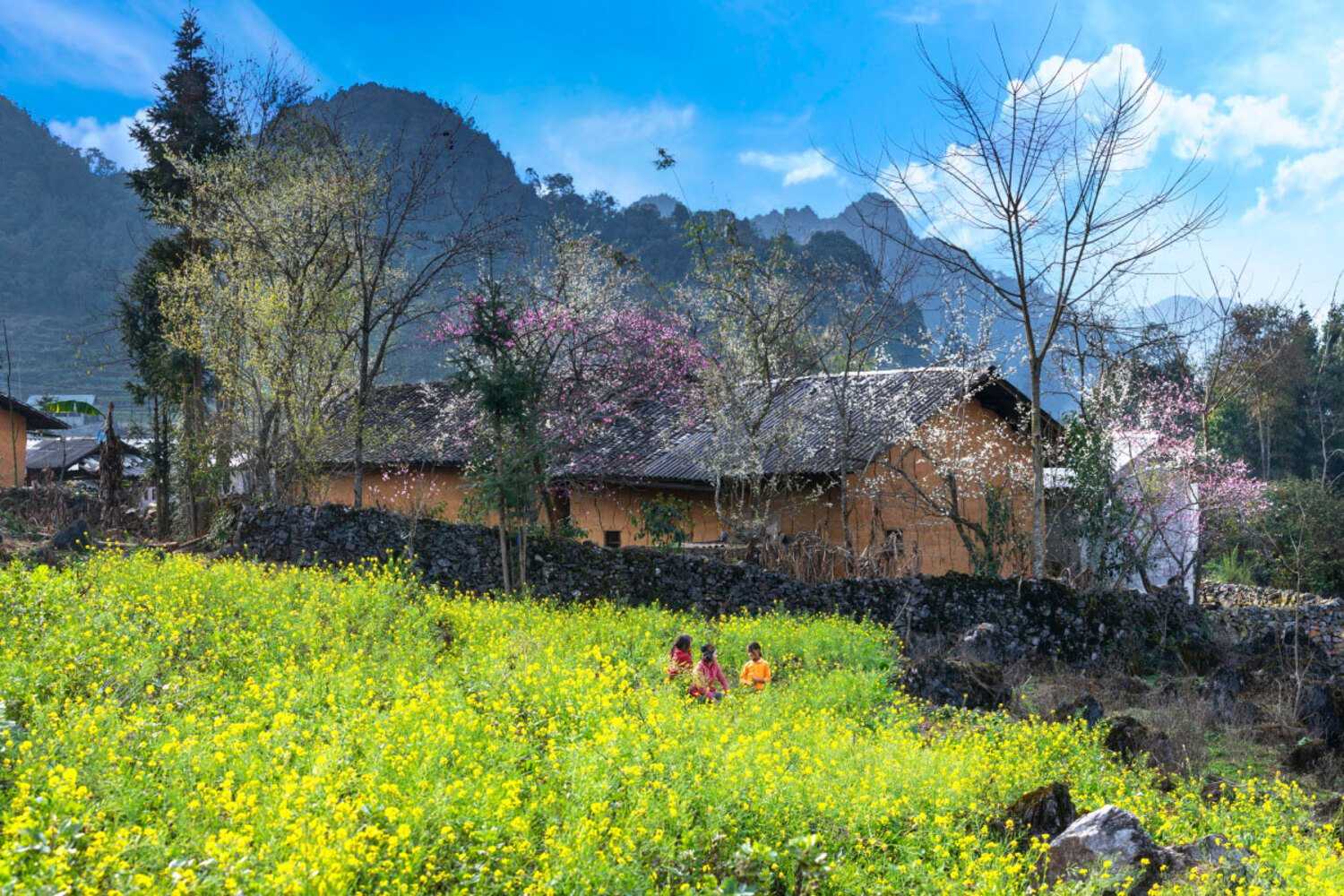
- Hà Giang: Famous for its fields of mustard flowers, Hà Giang is most beautiful from November to January, when the blossoms cover the valleys in vibrant yellow. This is considered one of the best times to visit Vietnam for travelers seeking breathtaking floral landscapes.
- Lào Cai and Lai Châu: These Vietnam northern provinces are known for cloud hunting, especially from October to March. During this period, the mountains and valleys are often blanketed in floating clouds, creating a surreal, mystical atmosphere.
- Bắc Ninh: In February (lunar January 13th), the Lim Festival takes place, showcasing quan họ folk songs and lively processions. It’s a cultural highlight, making early spring one of the best times to visit this region for those interested in traditional festivals.
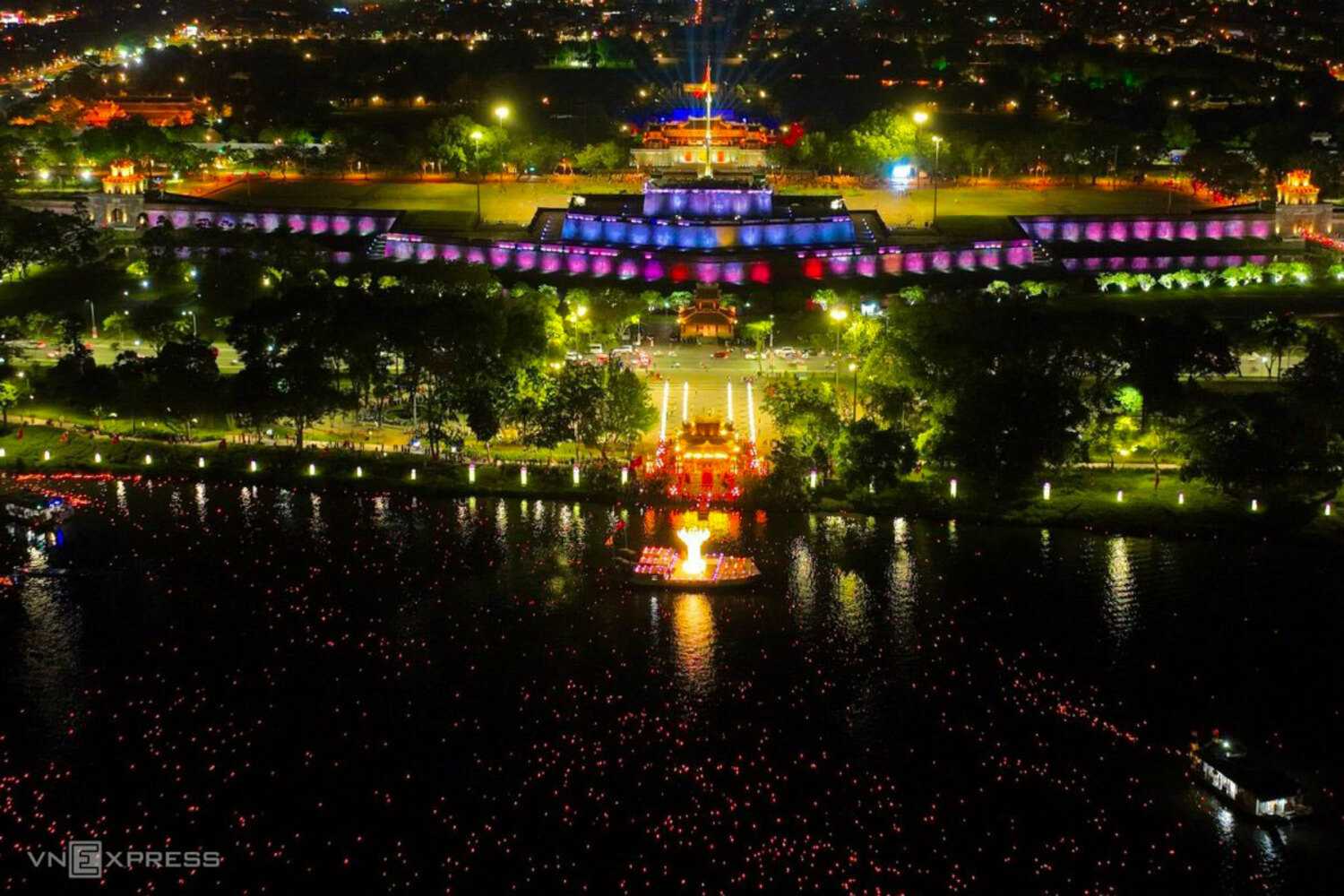
- Huế: Hue comes alive during the Lantern Festival, held on the 15th day of each lunar month. The whole city is lit with colorful lanterns, reflecting on the Perfume River, and offering one of the most magical night-time scenes in Vietnam.
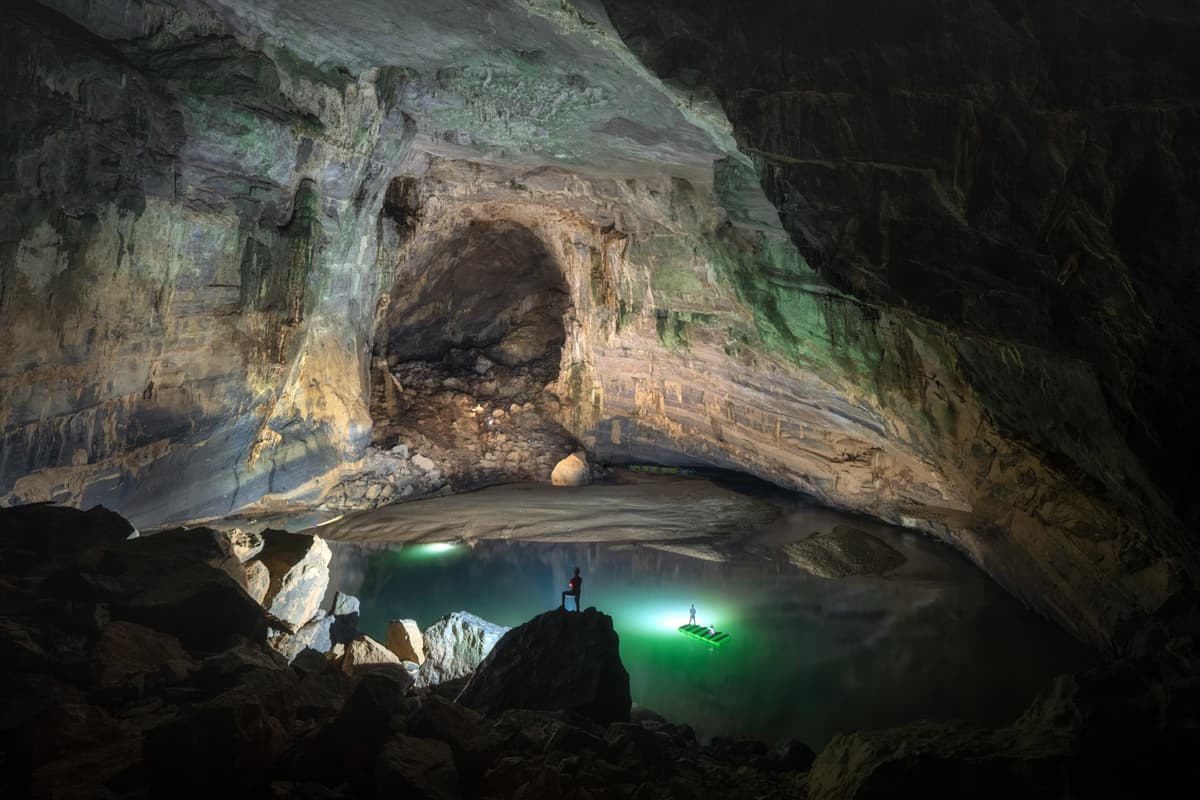
- Quảng Trị: The dry season from January to August is perfect for trekking in Phong Nha - Kẻ Bàng National Park. Trails to Hang Én, Hang Sơn Đoòng, and Hang Va reveal lush greenery, wildflowers, and butterflies, making this season the best time to visit Vietnam for nature and adventure lovers.
- Tây Ninh: The Spring Festival at Bà Đen Mountain usually takes place in January and February, attracting thousands of pilgrims and travelers. At the same time, the Cao Đài Temple offers a glimpse into Vietnam’s unique spiritual diversity, making spring a vibrant season to explore this city.
Summer in Vietnam - Best time for stunning beaches
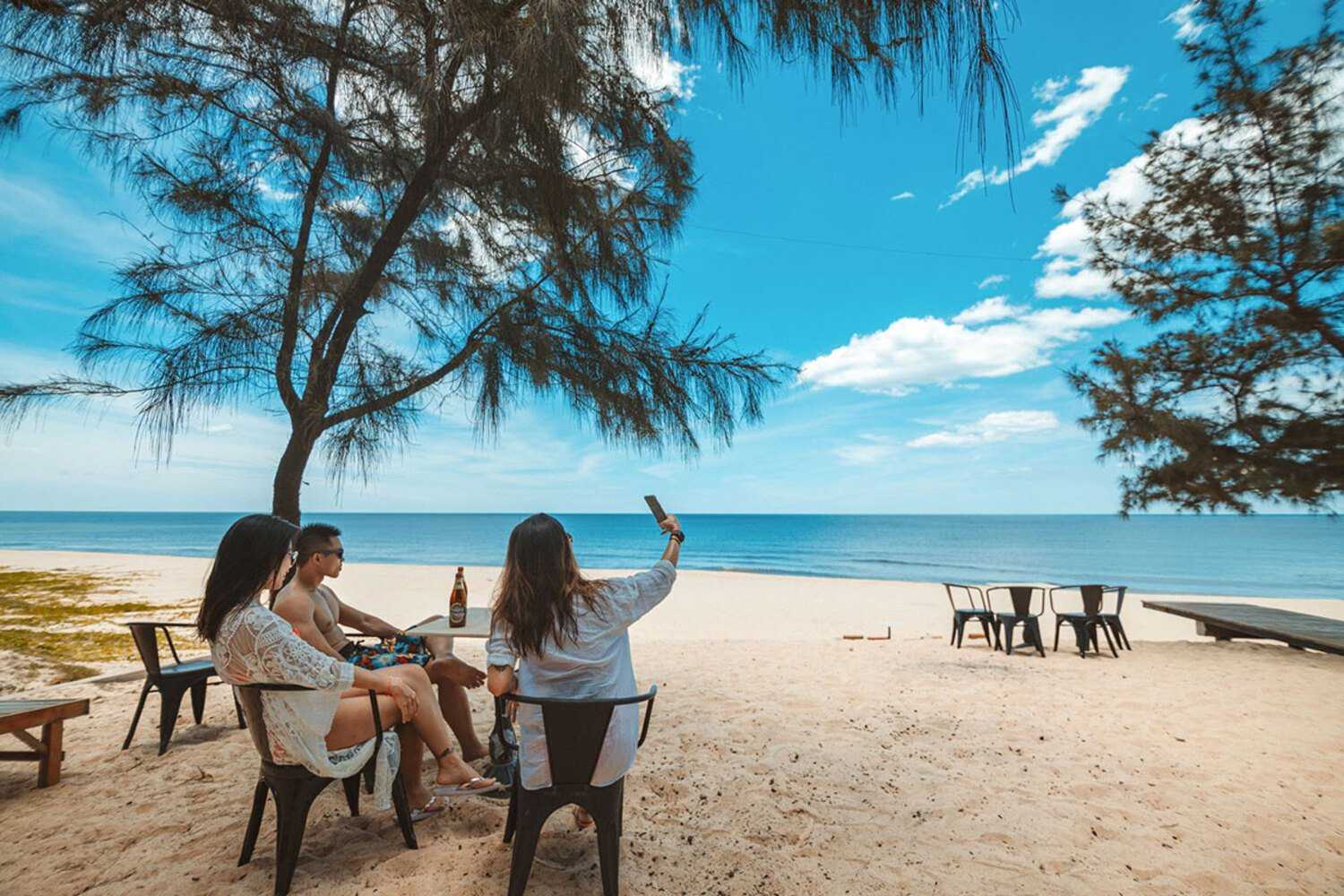
Vietnam in summer, from May to August, is an ideal season for seaside escapes. The hot, sunny weather makes it the best time to visit Vietnam for swimming, island-hopping, and outdoor adventures. Here are some of the best places to explore during Vietnam’s summer months:
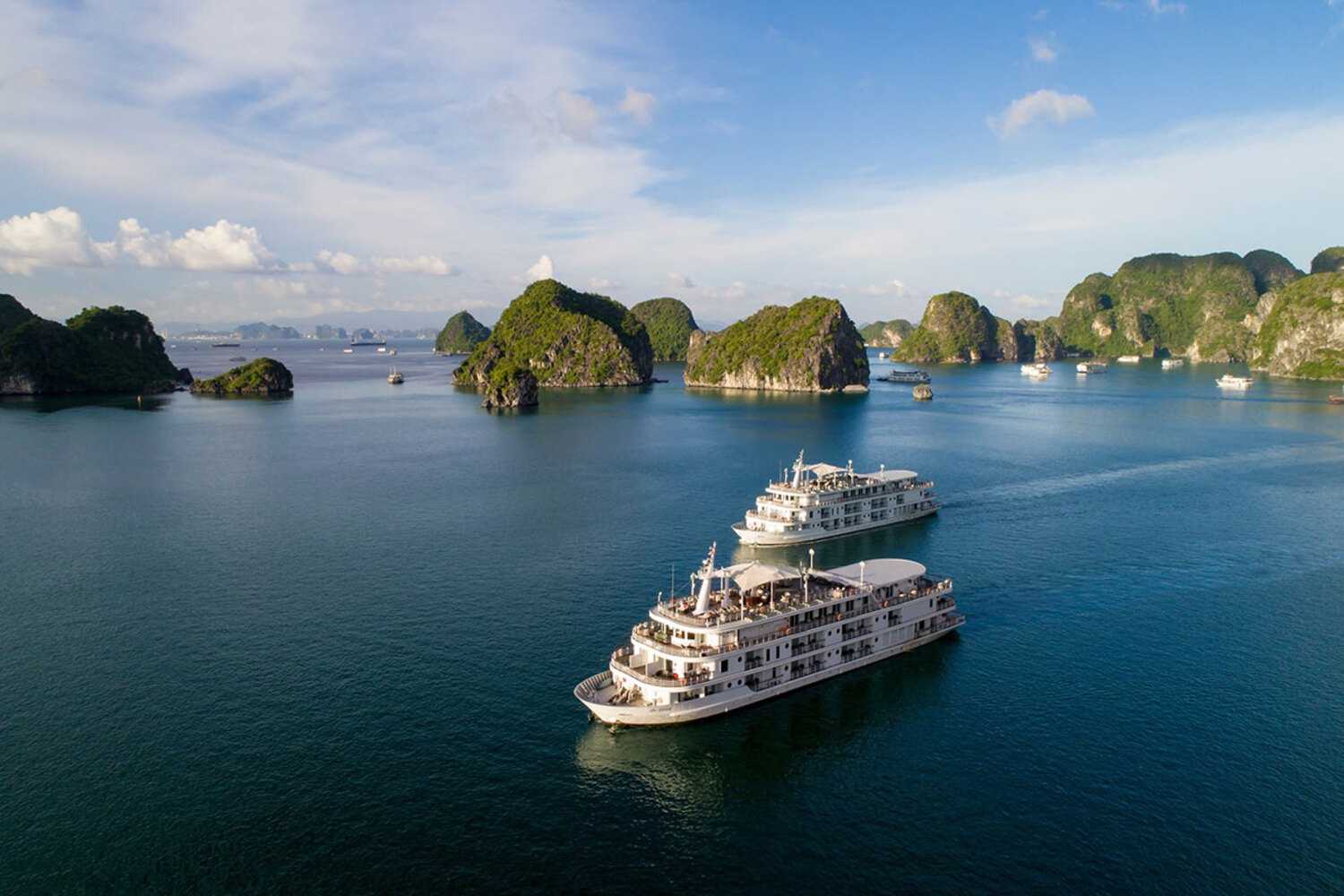
- Hạ Long: A UNESCO World Heritage site, Hạ Long Bay is at its best in summer (May to September), when the skies are clear and the waters shimmer under the sun. A cruise around limestone karsts and hidden caves is an unforgettable experience, making this one of the top places to go in Vietnam during the hot season.
- Cát Bà: Summer is the best time to visit this place, with calm seas and pristine beaches perfect for swimming, kayaking, and sunbathing. Its relaxed vibe and clear waters make it one of the most refreshing Vietnam tourist attractions for a seaside escape.
- Quy Nhơn: This coastal city shines in June to August, when its beaches are calm and the weather is ideal for a peaceful retreat. Far from the tourist crowds, Quy Nhơn is one of the best places to travel in Vietnam if you’re seeking quiet moments by the sea.
- Ninh Thuận: Best enjoyed in early summer (April to June), Ninh Thuận’s coastal landscapes are dry, sunny, and uncrowded. With its pristine stretches of sand and unique rocky formations, it offers a more intimate beach experience rarely found in other Vietnam travel guides.
- Nha Trang: The city is most vibrant in May to August, with calm waters perfect for snorkeling, island-hopping, and beach sports. This is the best season to visit Vietnam if you love lively coastal destinations filled with activities day and night.
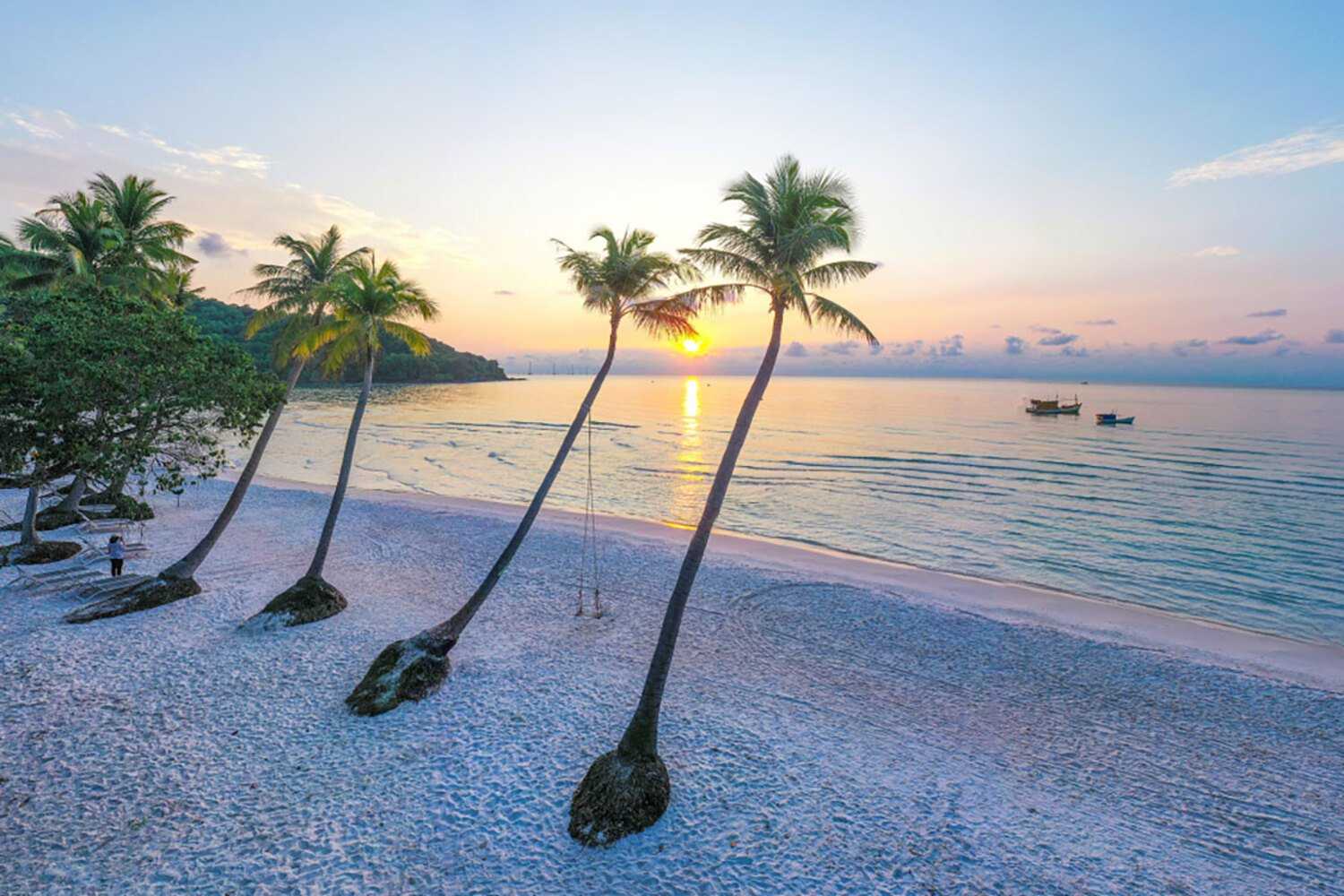
- Phú Quốc: While beautiful year-round, the island’s dry summer months bring ideal conditions for swimming at Bãi Sao or watching sunsets at Bãi Dài. With its mix of water sports and laid-back beaches, Phú Quốc is always a highlight in any Vietnam travel guide.
- Côn Đảo: Summer, especially May to September, is the prime season for diving. Warm seas and excellent visibility allow travelers to discover coral reefs and colorful marine life. This makes Côn Đảo one of the best attractions to visit in Vietnam for underwater adventures.

Autumn in Vietnam - Best time for tranquility and cultural richness
From September to November, autumn in Vietnam is often seen as the best season to explore the country. Unlike the colorful blossoms of spring or the sunny beaches of summer, Vietnam in autumn invites travelers with tranquil landscapes, cultural festivals, and a slower rhythm of life. Here are some of the most enchanting places to visit during this season:
- Hà Nội: The capital is at its most poetic in autumn, with golden leaves falling along tree-lined boulevards and a crisp breeze around Hoàn Kiếm Lake. This is the best month to enjoy street food like cốm (green rice) while exploring temples and French-colonial landmarks.
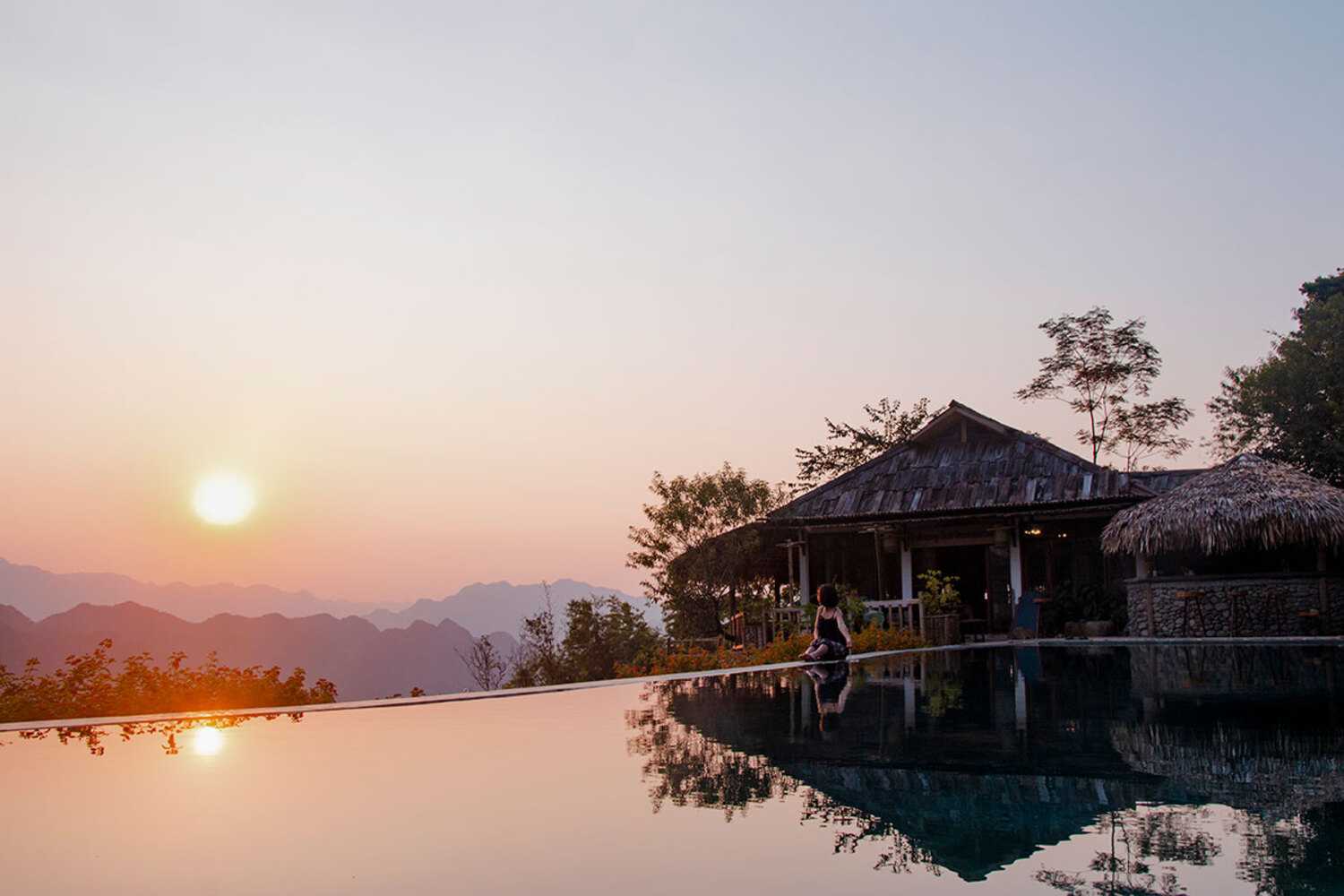
- Pù Luông (Thanh Hóa): In October, the rice terraces turn golden, offering breathtaking views and peaceful escapes. This is the best time to Vietnam for eco-tourism, trekking, and experiencing authentic rural life away from mainstream Vietnam tourist spots.
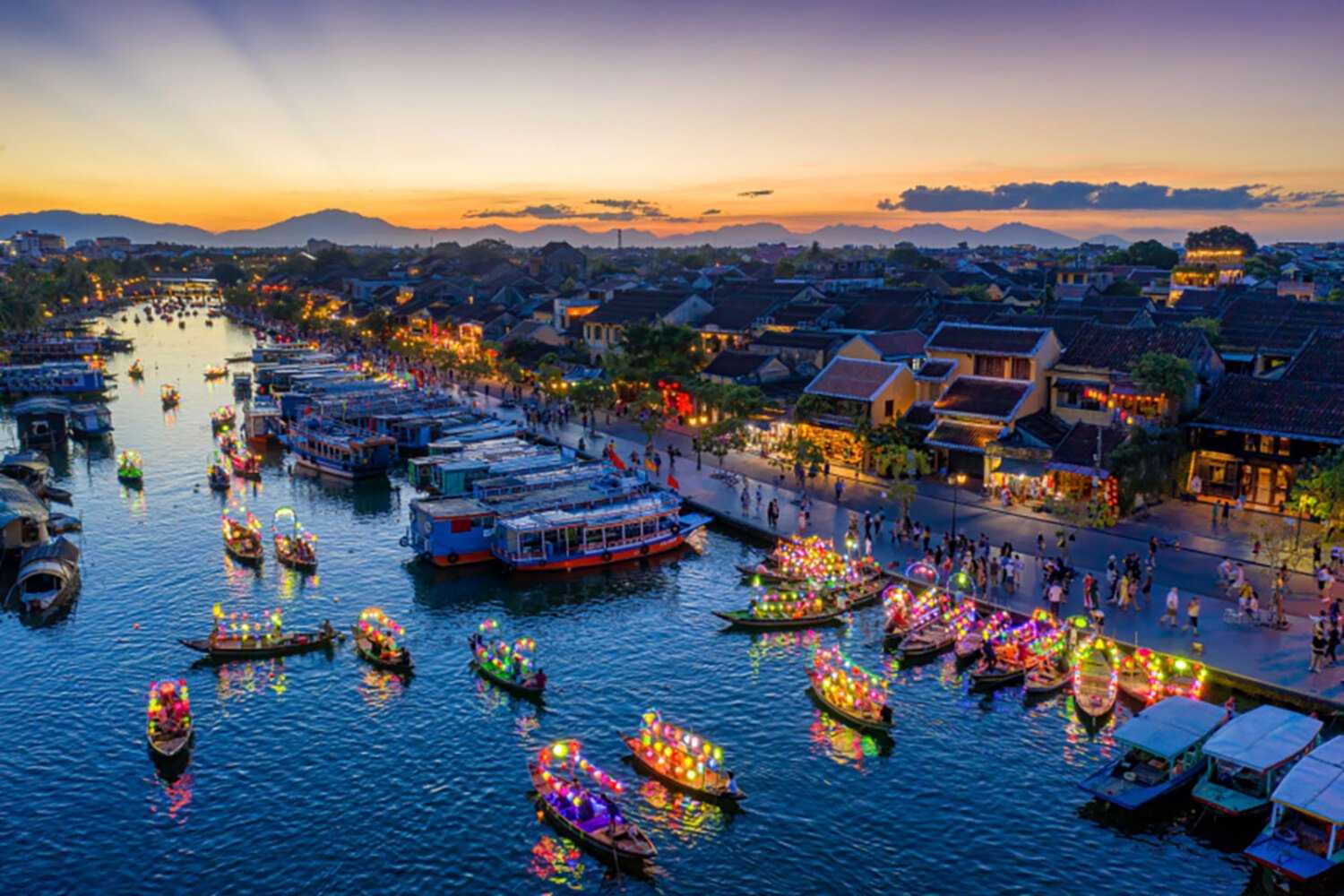
- Hội An: Autumn nights in Hội An glow with lanterns, especially during the Mid-Autumn Festival. The Ancient Town becomes even more magical, with traditional performances, mooncakes, and river lanterns reflecting Vietnamese heritage.
- Đà Lạt: From late October to November, wild sunflowers bloom across hillsides, making this the best time to visit Vietnam’s Central Highlands. The cool climate, fresh air, and romantic scenery attract couples and outdoor enthusiasts alike.
- Ho Chi Minh City (Saigon): The Mid-Autumn Festival transforms Saigon into a lively stage of lion dances, lantern parades, and folk celebrations. It’s a festive reminder that autumn in Vietnam is as much about culture as it is about weather.
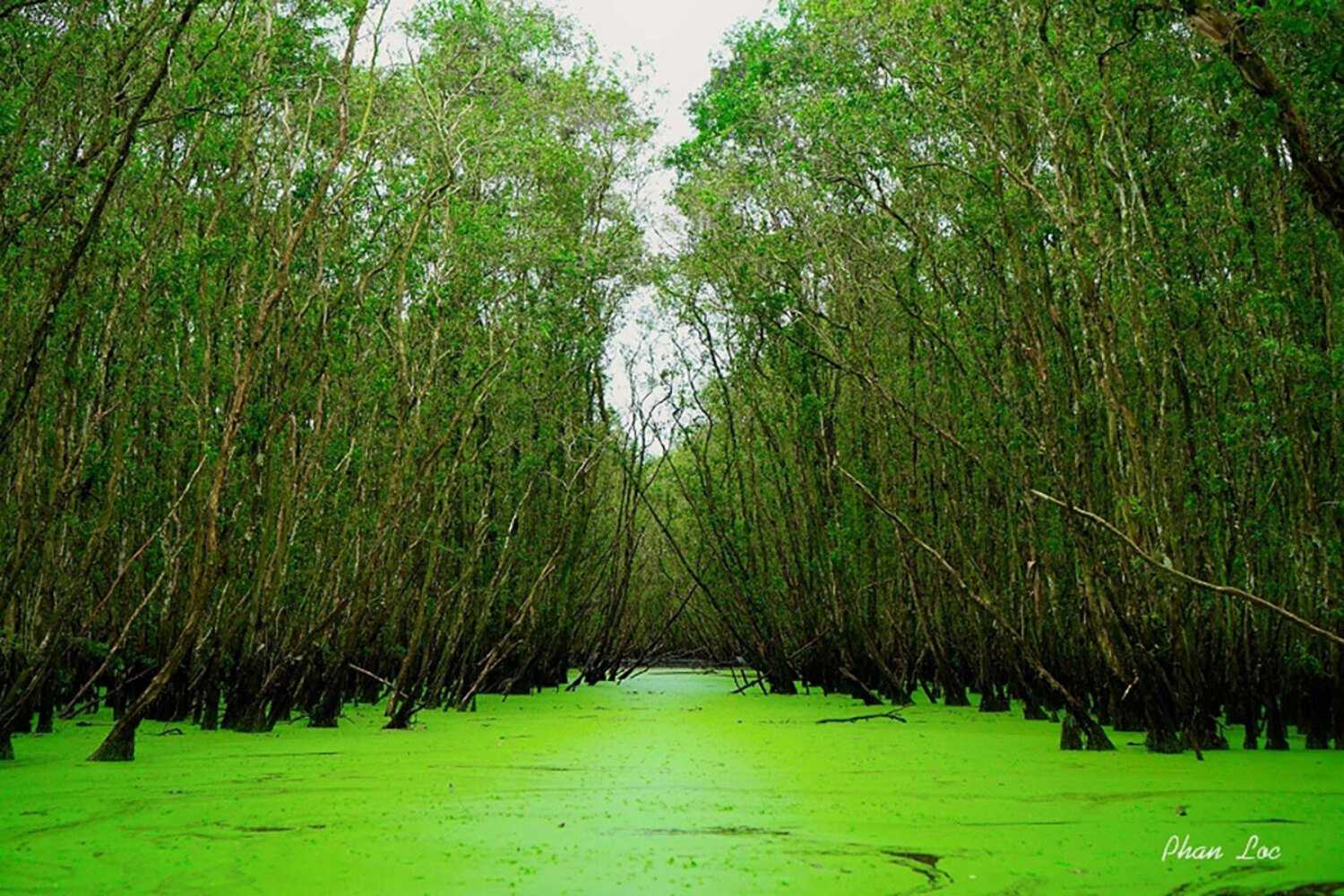
- Mekong Delta: Autumn coincides with the flood season, turning An Giang’s Trà Sư cajuput forest and floating markets into spectacular sights. This is the best season for boat trips, orchard visits, and family-friendly adventures along serene waterways.

Winter in Vietnam - Best Time for cool escapes and scenic beauty
Winter in Vietnam lasts from December to February, bringing a striking contrast in weather across the country. The north turns chilly, sometimes dipping close to freezing, while central and southern regions remain mild and comfortable. This season offers unique scenery, from snow-dusted mountains to blooming fields and festive city lights. Below are some of the best places to visit in Vietnam during the winter months and what makes them special at this time of year:
- Sapa: From December to February, Sapa is at its most enchanting with chilly mountain air, terraced fields wrapped in mist, and occasional snowfall. Winter also brings blooming cherry blossoms, creating a rare and poetic scene in northern Vietnam.
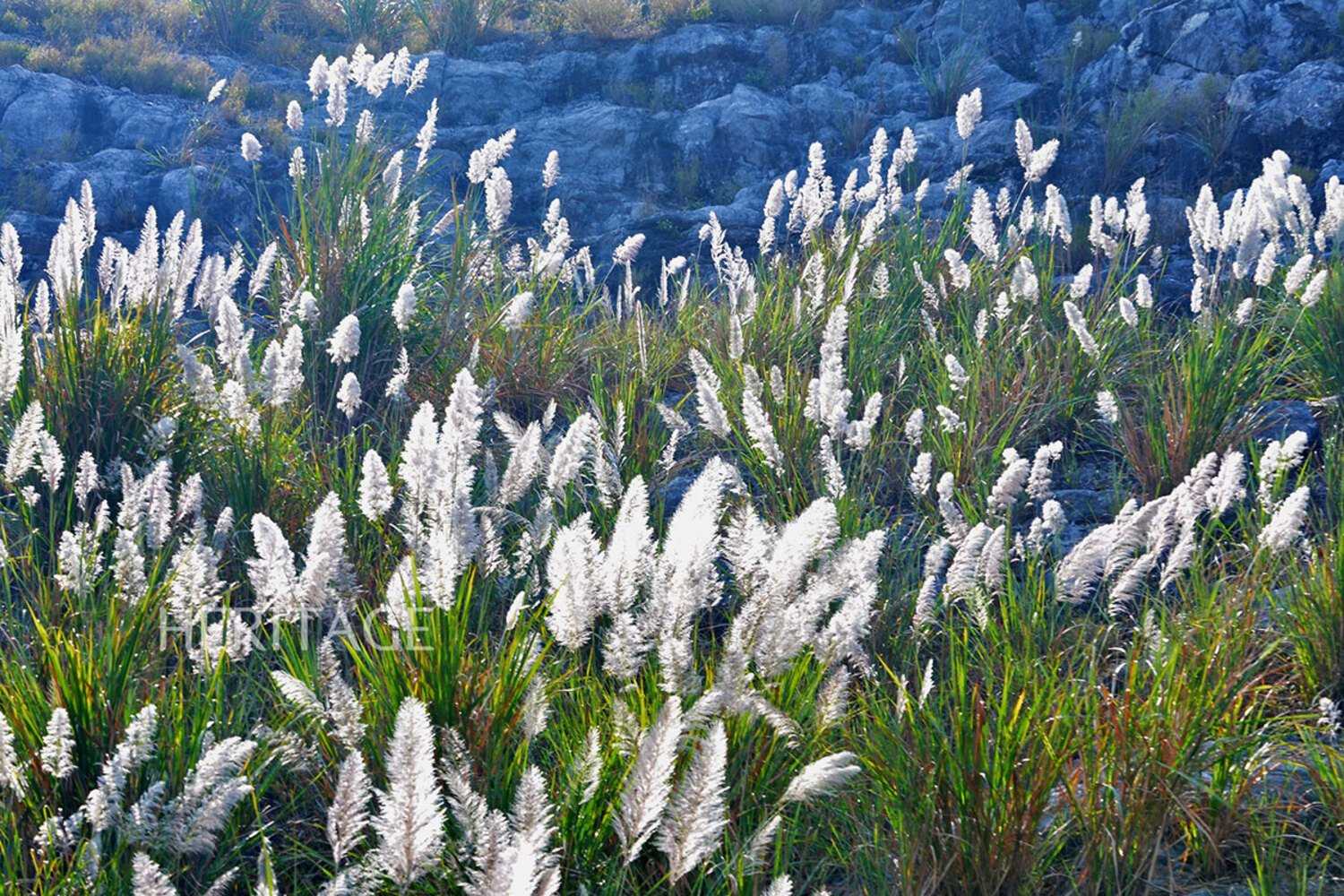
- Tam Cốc - Bích Động (Ninh Bình): The best months are December and January, when the landscape is covered with blooming reeds swaying along the riverbanks. A boat trip at this time offers a serene and romantic view of limestone karsts under soft winter light.
- Đà Nẵng (Bà Nà Hill): Winter, especially December to February, is perfect for a refreshing escape at Bà Nà Hill. With cool air, panoramic mountain views, French-style castles, and cultural performances, it feels like stepping into a fairytale during Vietnam’s cold season.
- Nghệ An - Hà Tĩnh: The sunflower fields bloom brightly from late December to early January, painting the countryside in vibrant yellow. This short-lived spectacle makes it one of the best winter sights in central Vietnam for photographers and nature lovers.
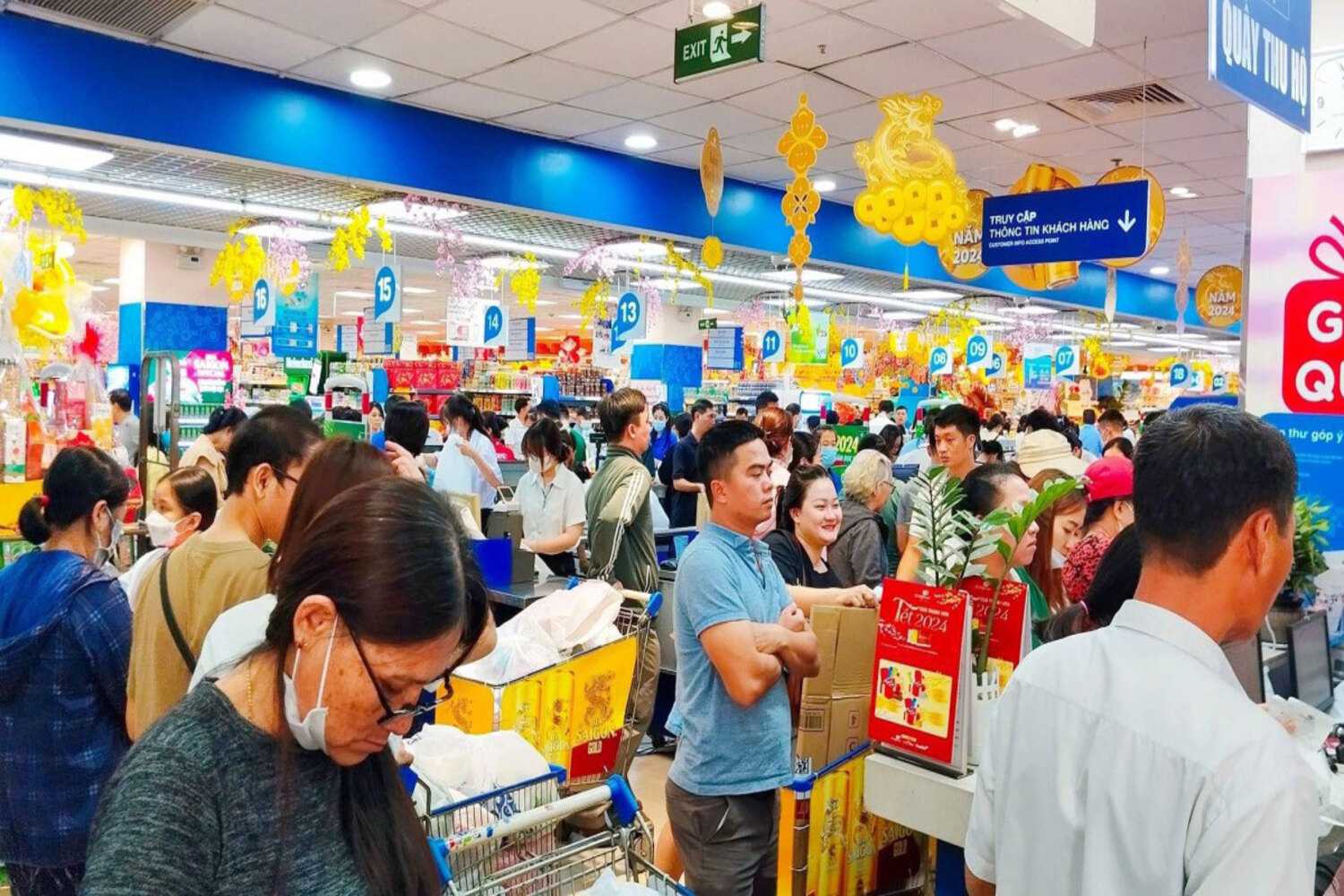
- Ho Chi Minh City (Saigon): While the south stays warm, winter here means a festive atmosphere. From December to February, streets are alive with year-end sales, Black Friday events, and preparations for Tết (Lunar New Year). It’s the best time to enjoy shopping, street food, and the bustling vibe of this Vietnam city.
Unveiling the hidden gems of Vietnam's winter adventures: Vietnam’s Best Places to Visit in December
Travel Tips for Vietnam
Packing Tips
- Seasonal Clothing Suggestions: Pack appropriately based on the time of your visit to Vietnam and your destinations. Bring warm clothing for northern regions like Sapa in winter. Lightweight, breathable clothing is best for the central and southern areas in summer. Always check Vietnam weather by month at accuweather.com to prepare accordingly.
- Essential Items: Regardless of the season, always pack sunscreen, insect repellent, and any necessary medications. These items are crucial for protecting your health and ensuring a comfortable trip.
Insurance and Visa
- Insurance: It is highly recommended that you purchase travel insurance to cover any unforeseen medical expenses.
- Visa Requirements: Before travelling to Vietnam, check the visa requirements for your nationality. Some nationalities are eligible for visa exemptions or e-visas, while others need to apply for a visa at a Vietnamese embassy or consulate.
- Safety Tips: Traffic can be hectic in Vietnam, especially in cities like Ho Chi Minh City and Hanoi. Always be cautious when crossing streets. Keep your personal belongings secure to avoid theft.
Culture and Customs
- Respect Local Customs: Vietnam has rich cultural traditions. Always respect local customs and traditions, particularly when visiting religious sites.
- Bargaining: Bargaining is common in Vietnam, especially in markets and small shops. Don't be afraid to negotiate the price, but do so respectfully and with a smile.
- Tipping: Tipping is not expected in Vietnam, but it's always appreciated. If you receive good service, you can leave a small tip. Rounding up the bill at restaurants or giving a few thousand dong to your taxi driver is a common practice.
Vietnam's versatile climate and diverse attractions make it a year-round destination with something for everyone. Whether exploring ancient temples in the North, relaxing on pristine beaches in the South, or trekking through lush mountains in the Central Highlands, there's truly no worst time to visit Vietnam. With careful planning, you'll discover the best time to visit Vietnam and create unforgettable memories in this captivating country.
The Oxalis Experience.
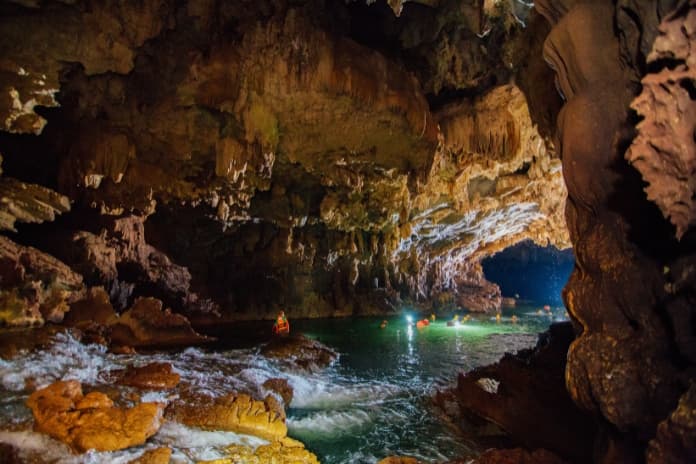
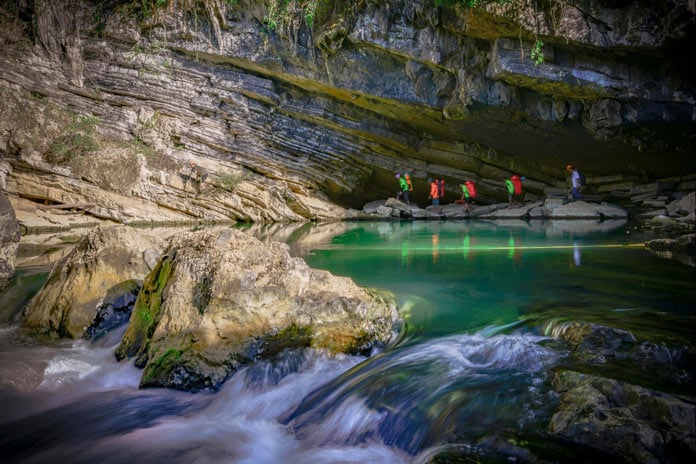
Whether you prefer long treks, camping in a cave, sleeping under the stars in the jungle, swimming underground in river caves, explore the huge dry caves or just taking an exploratory day trip, Oxalis Adventure Tours can provide the right amount of adventure just for you.
__637051782550081035.jpg)
__637051780703588520.jpg)

__637051765075307793.jpg)
__637051774329206026.jpg)
__637740499994967442.jpg)